











Knowledge Base

Regional Guides

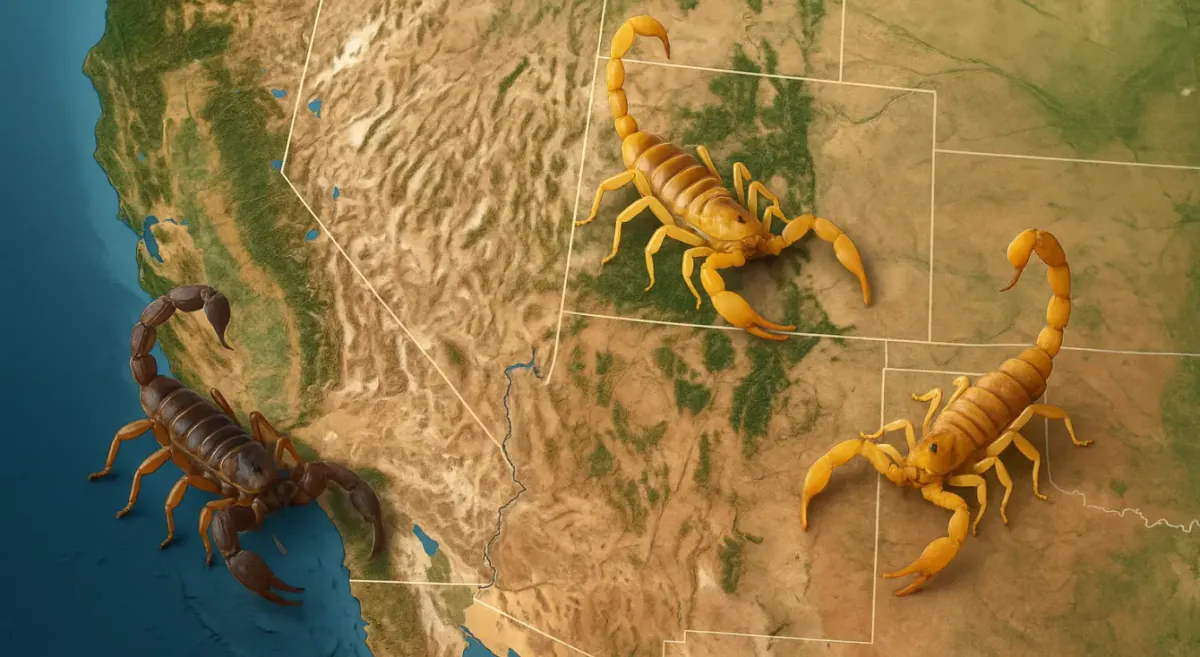
State- and city-specific guides covering scorpion risk in Arizona, Nevada, Texas, New Mexico, and California.
What is Scorpion Alert?

Get instant alerts when scorpions are detected in your home

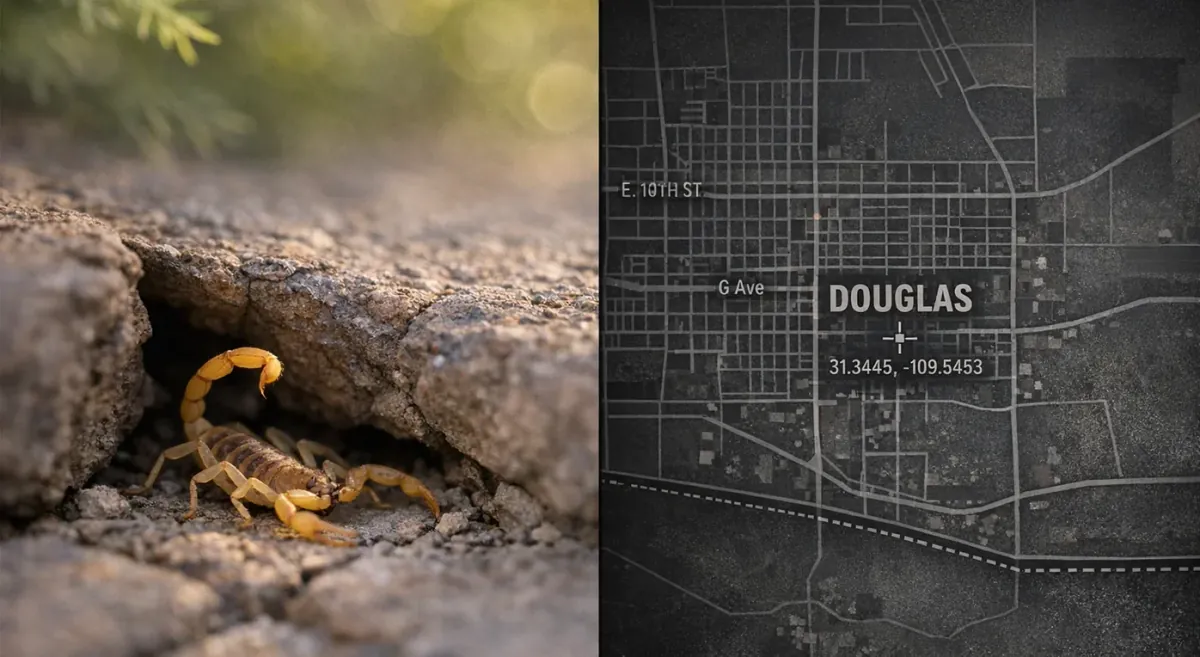
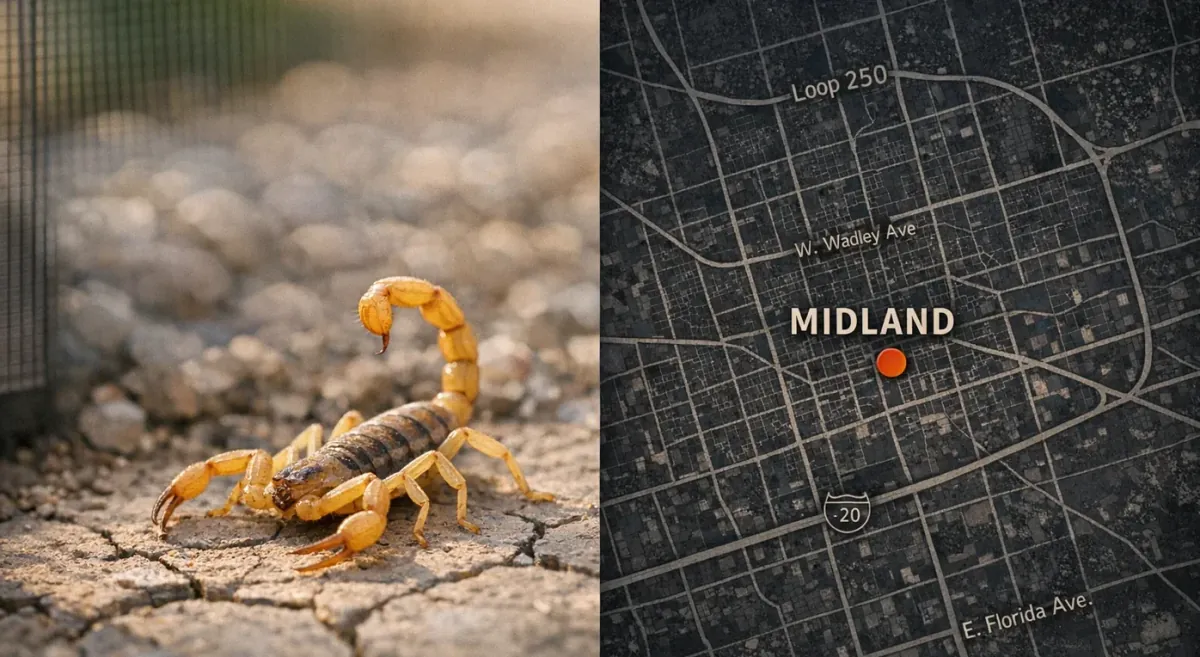
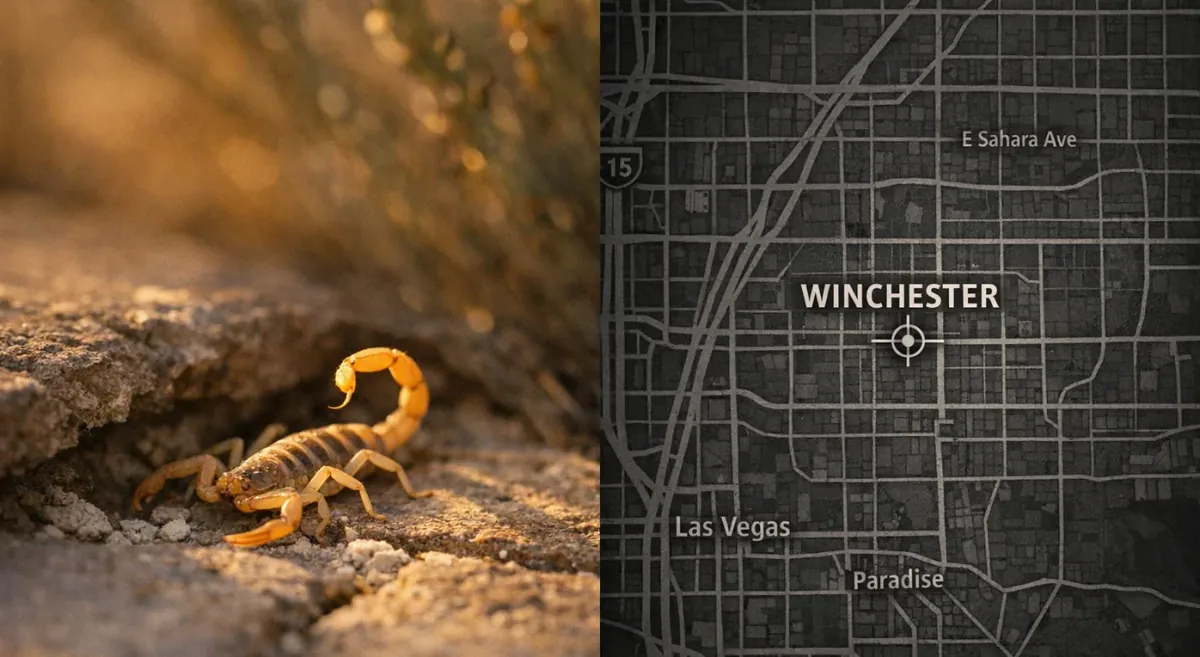
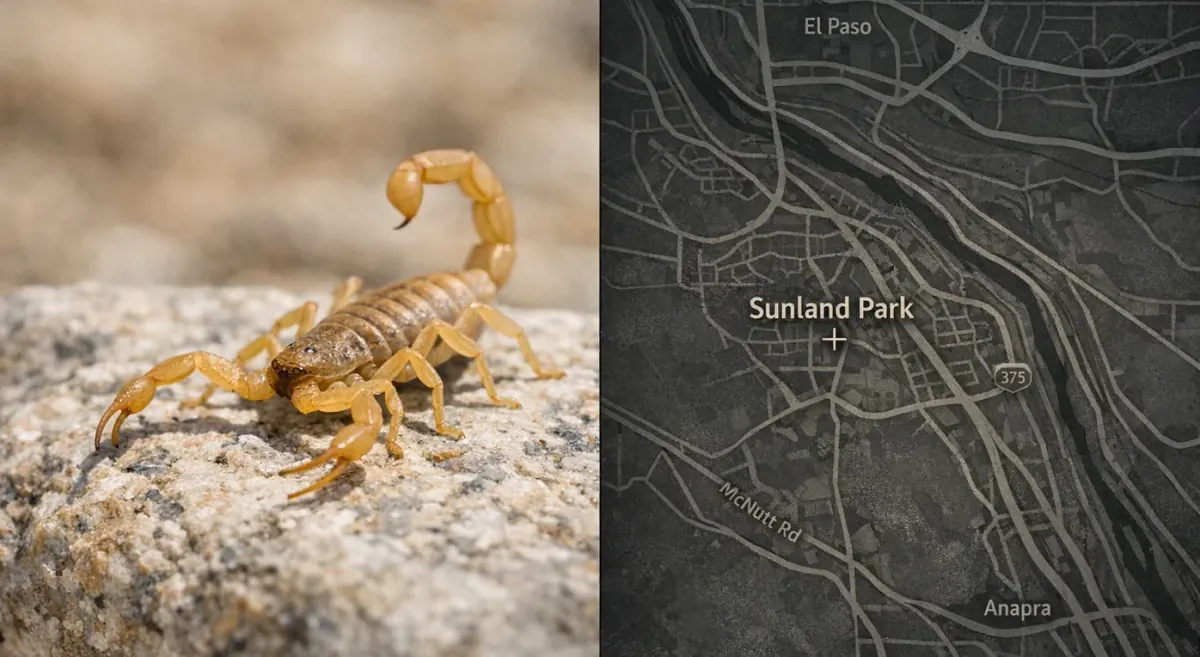
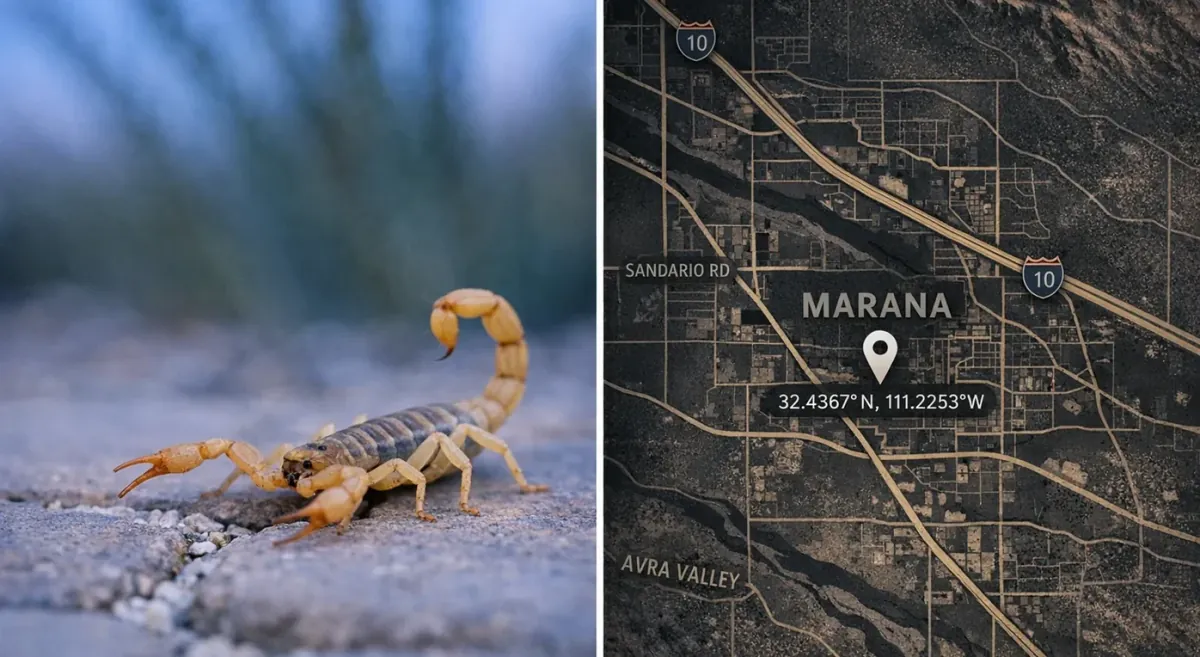
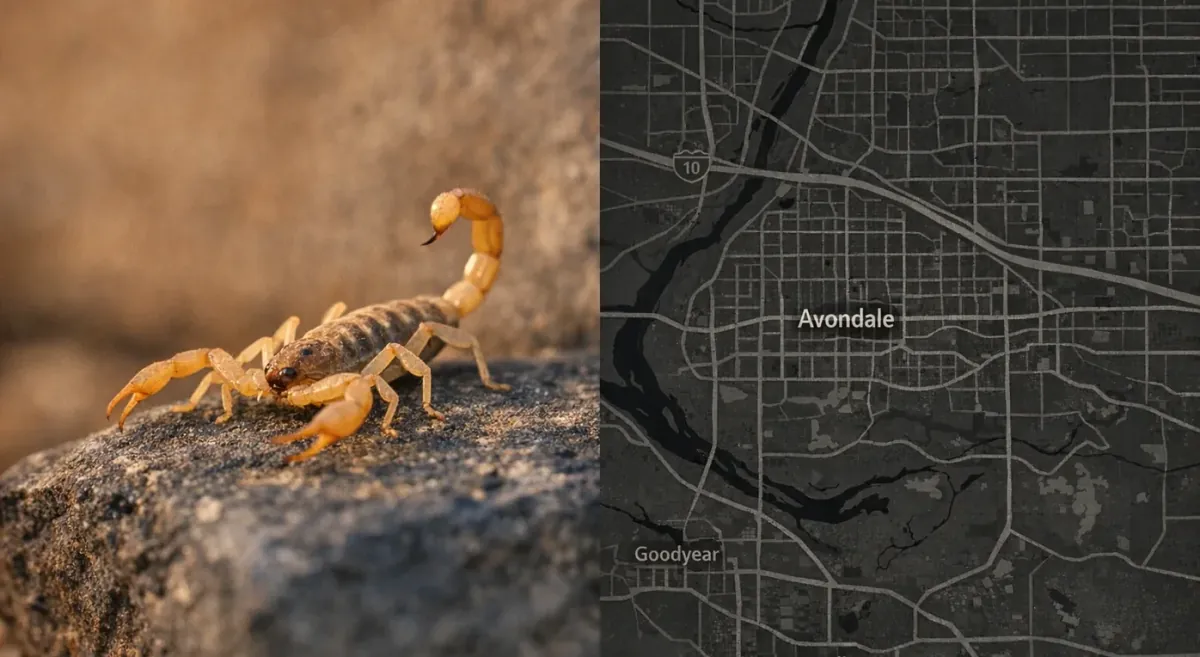
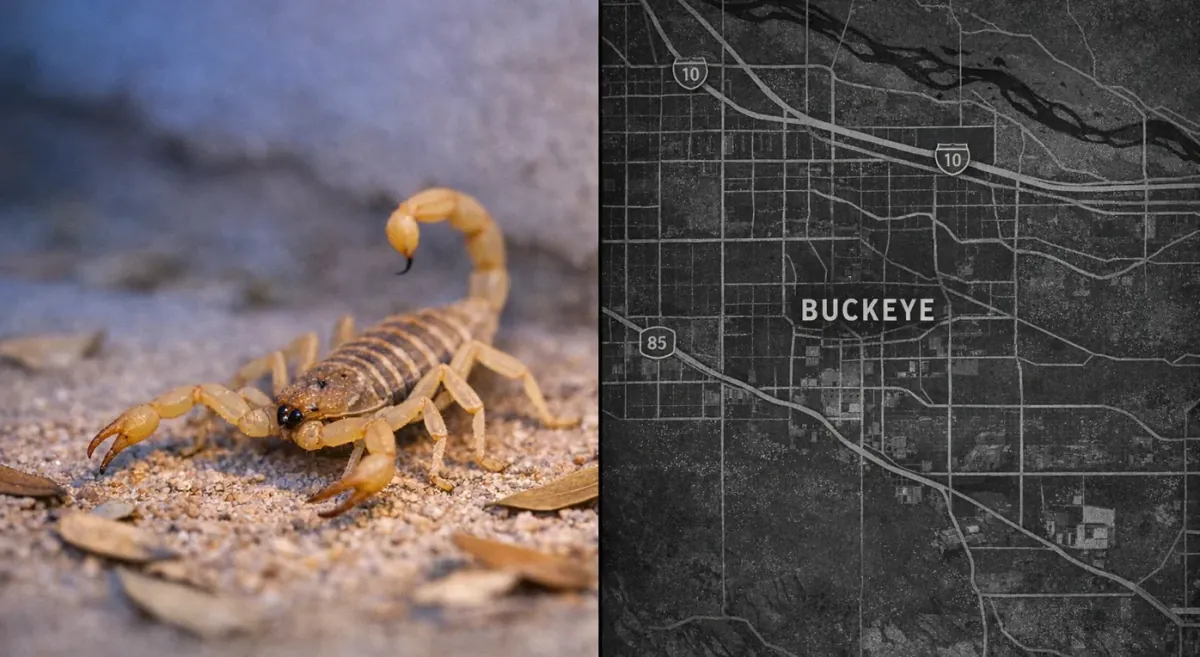
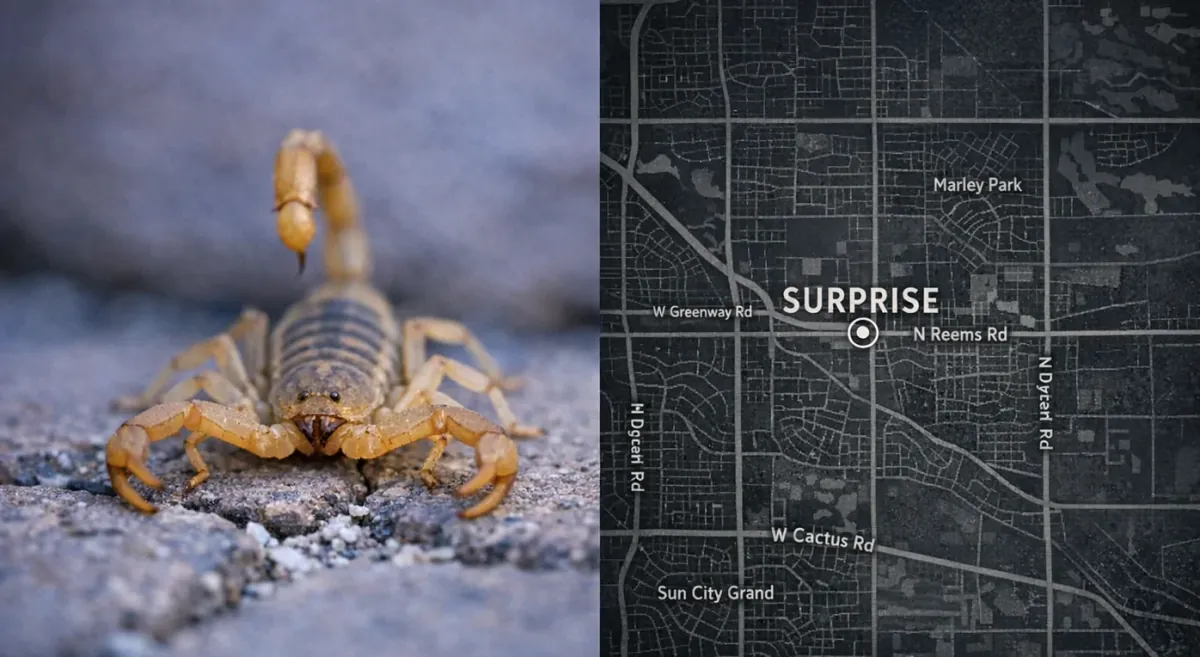
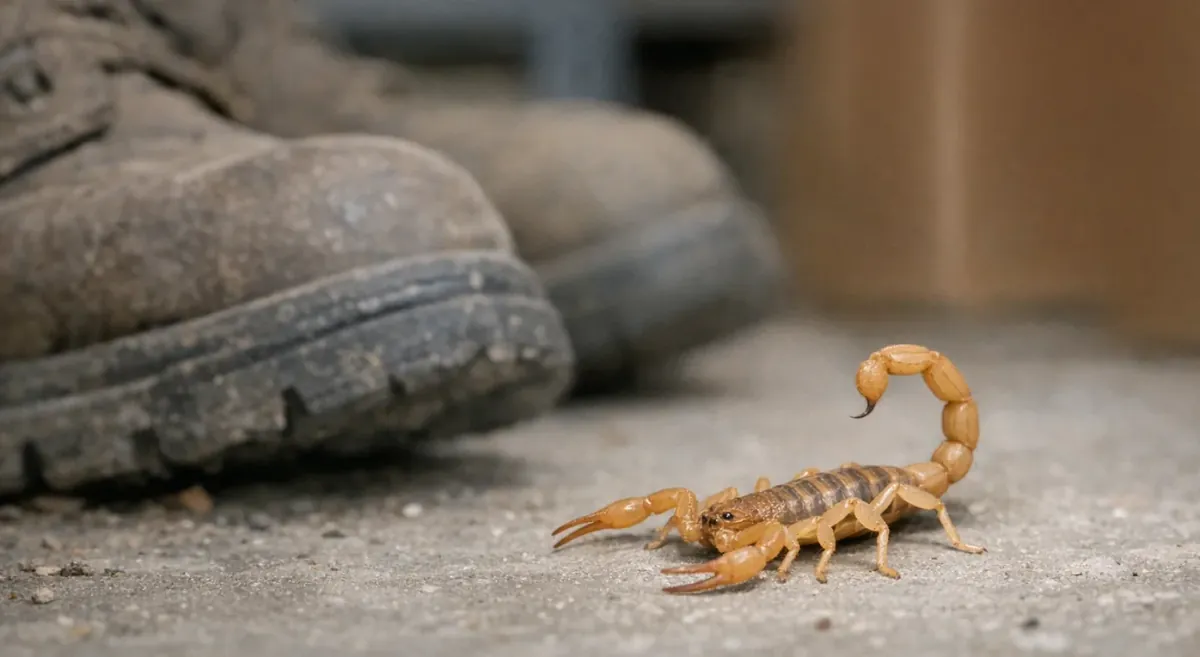
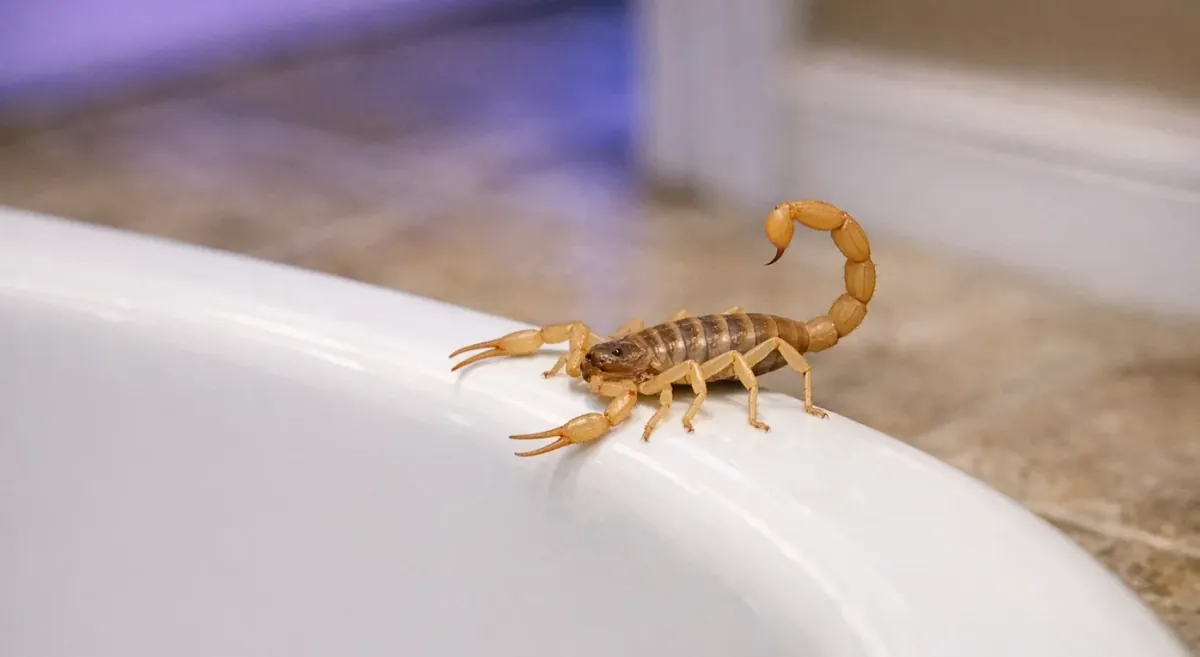
Scorpion Detectors watch over your home at night, when scorpions are most active. The moment a scorpion crosses one, you get a phone alert — so you can act before it makes a home out of your shoe, bed, laundy basket, or anywhere else.
  • Detectors arrive ready to plug in
  • Live alerts go straight to your phone or watch, with location
  • Alert multiple family members with a single account
  • One flat monthly monitoring fee — no contract, cancel anytime
Get Scorpion Alert
From our customers

What homeowners are saying

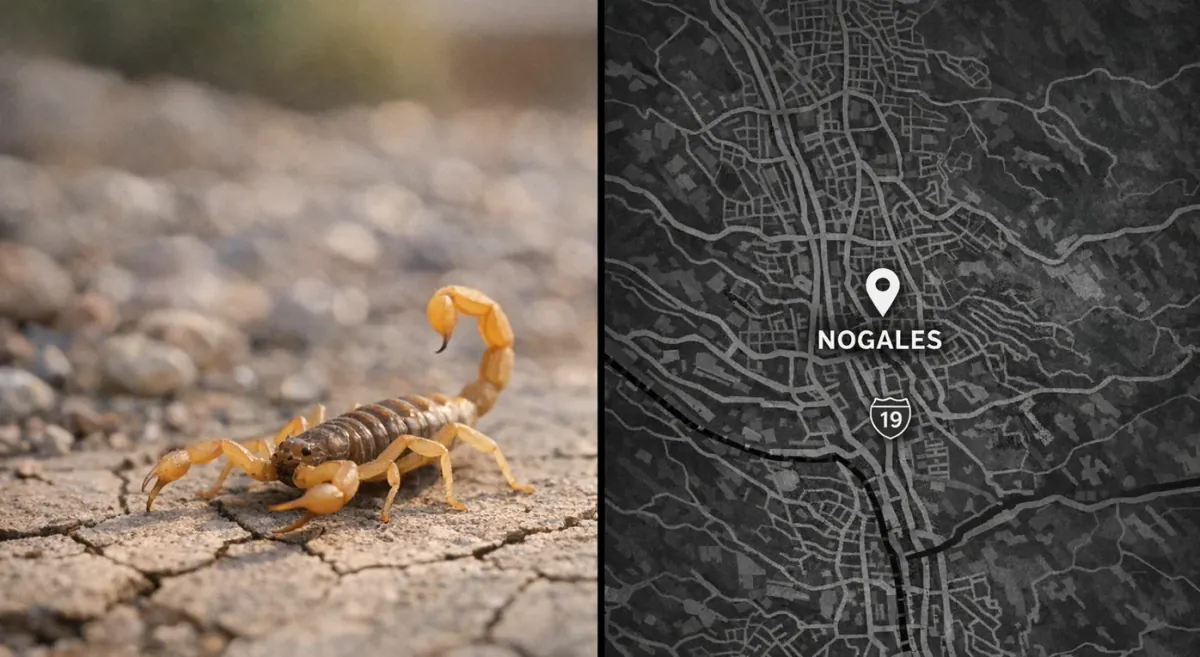
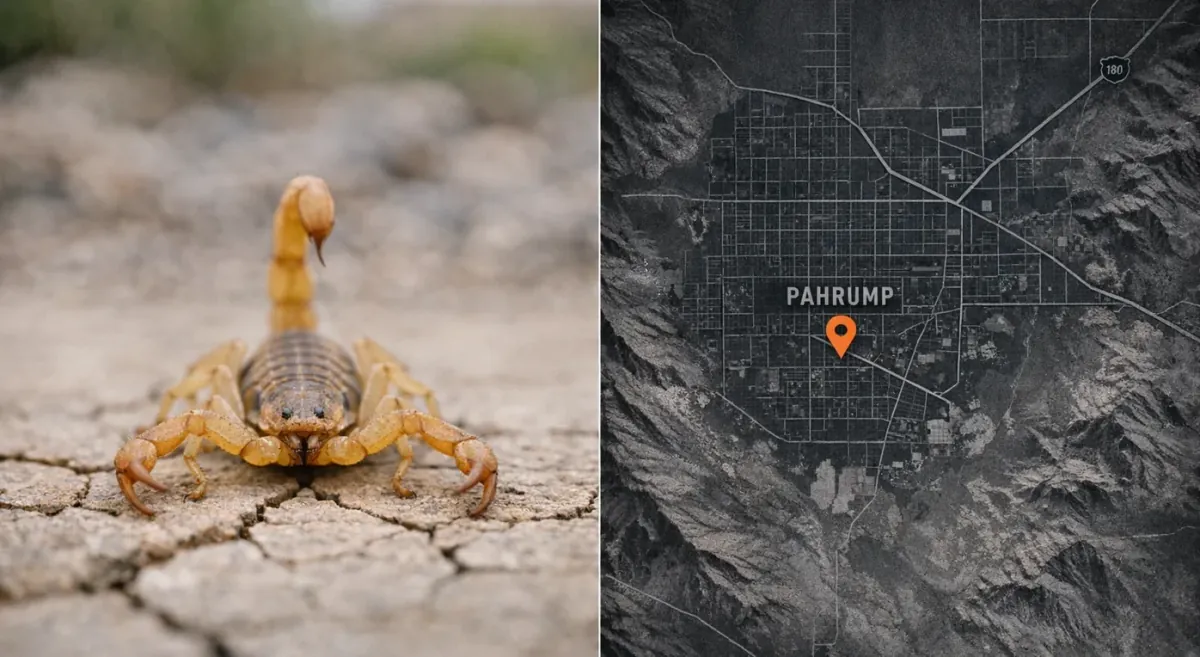
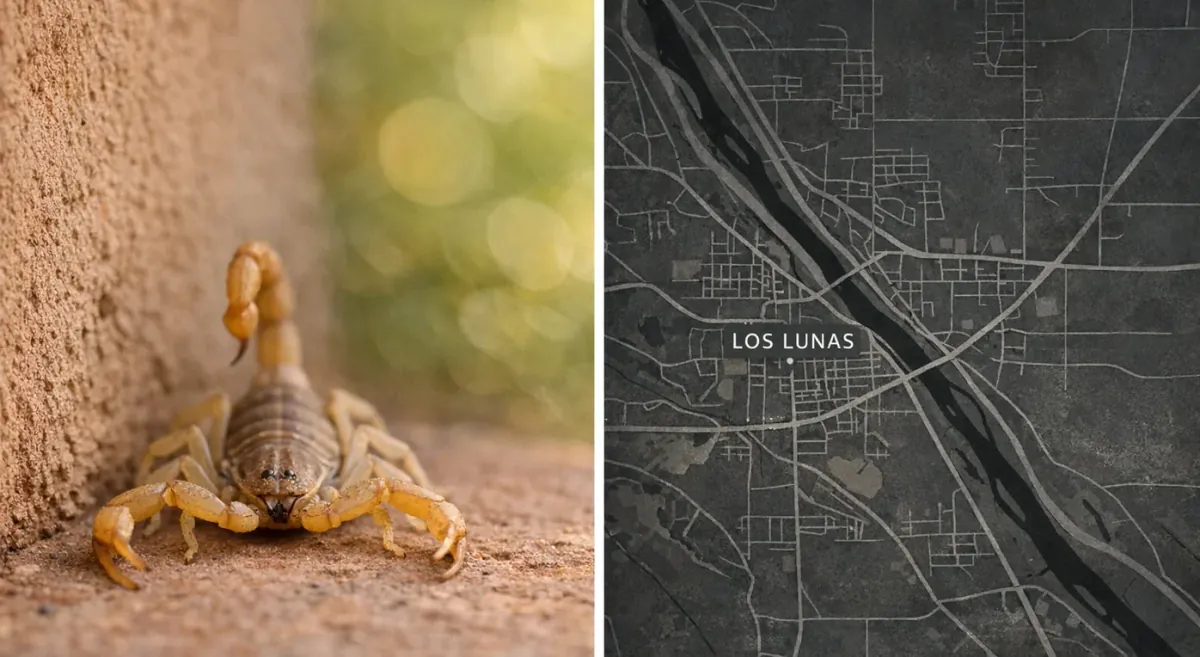
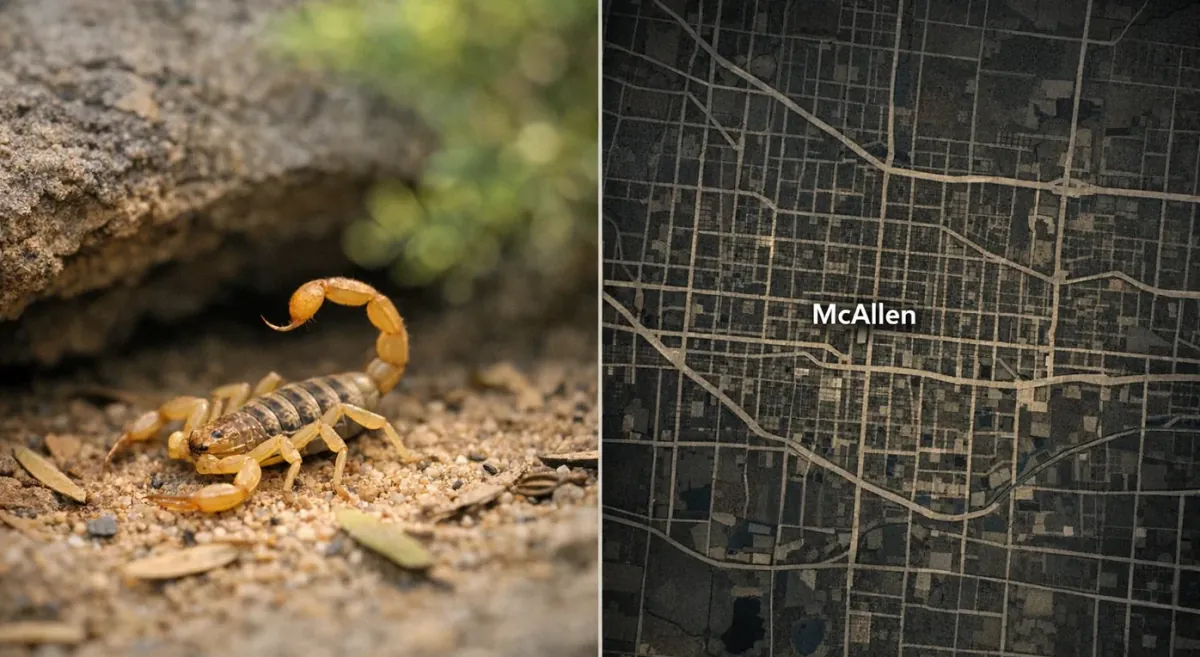
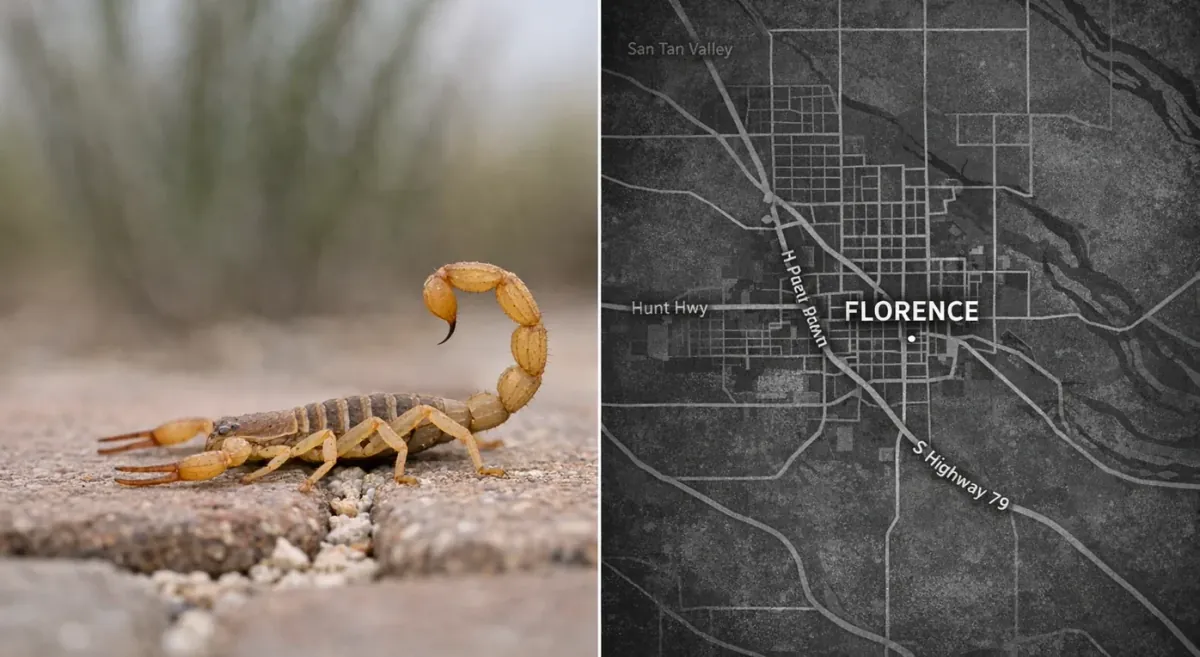
Map of Palm Springs, CaliforniaPalm Springs, California
This is a really great way to solve the scorpion problem. No mess, easy to use technology.
Michael
10 scorpions detected
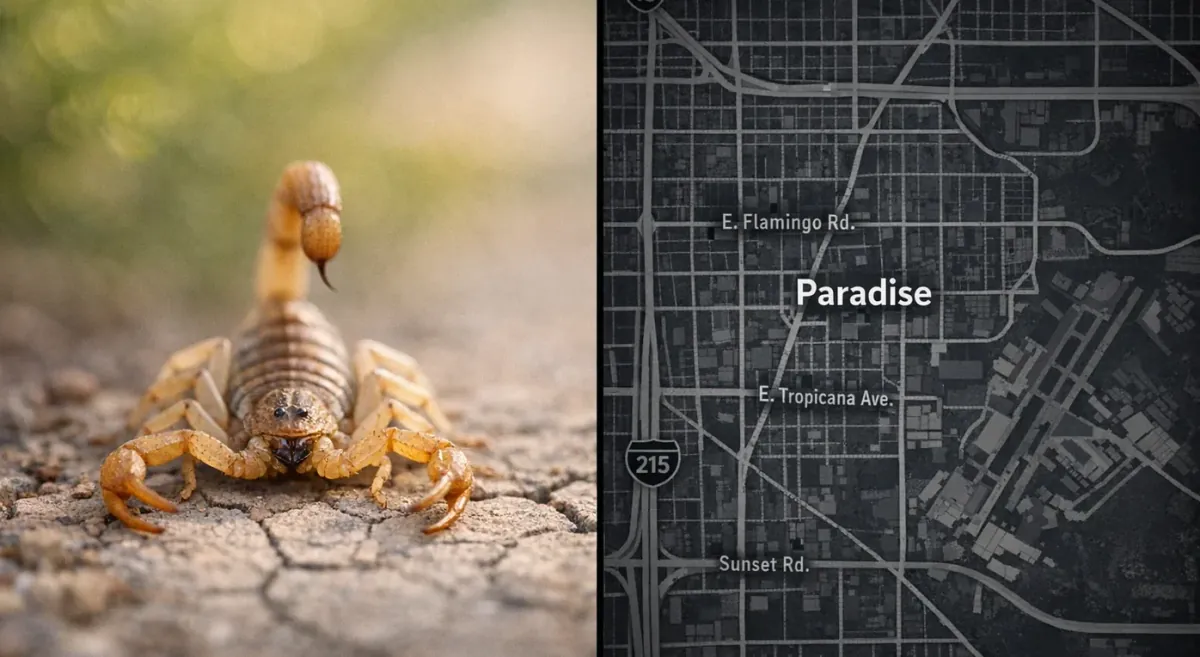
Map of Chandler, ArizonaChandler, Arizona
Much better than those disgusting sticky traps.
Danielle
9 scorpions detected
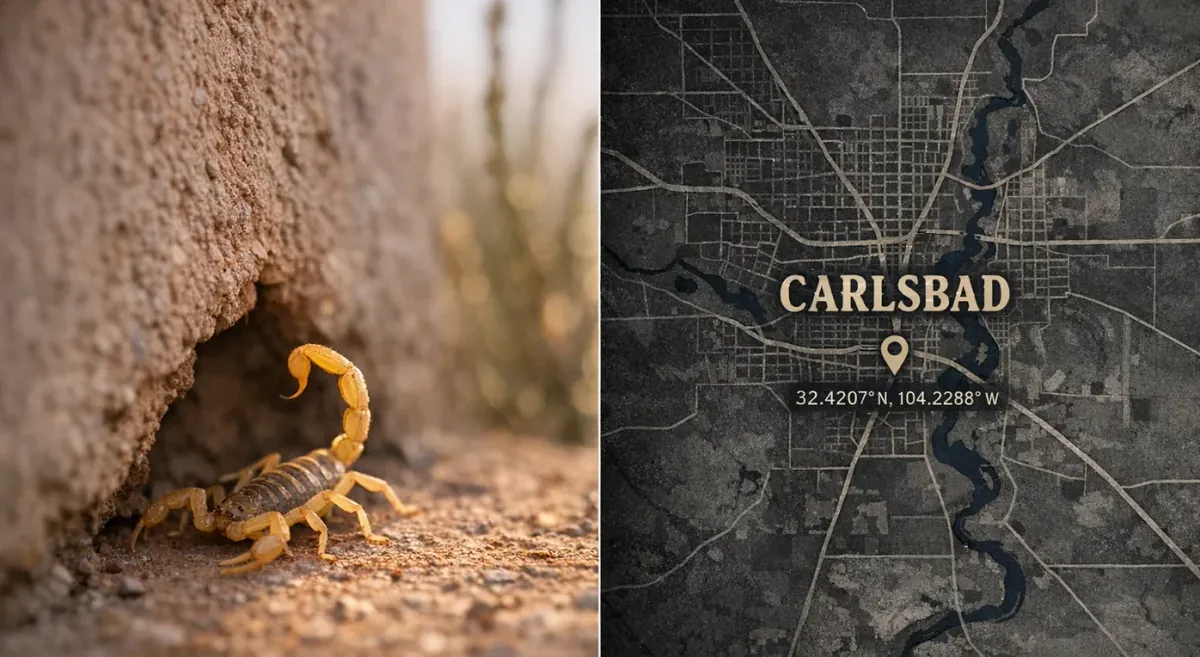
Map of Austin, TexasAustin, Texas
I like seeing them turn on, night after night. Security guards that never quit.
Leah
5 scorpions detected
Common questions

Need quick answers?

Do glue traps for scorpions work, or is there a safer way to monitor indoors?

Glue traps can catch scorpions, but they’re often messy, can snag non-targets, and may create safety issues for kids, pets, and even robot vacuums. A better long-term approach is monitoring where scorpions actually move—along room edges at night—so you can detect and respond quickly when one gets in. This section compares options and explains safer indoor scorpion monitoring.

I found a scorpion in my house—does that mean there are more?

One scorpion can be a lone wanderer, but it can also be a clue that your home has the moisture, hiding spots, and insect activity that can support repeat encounters. “More” doesn’t always mean a nest—scorpions are usually solitary, yet multiple individuals may use the same favorable areas over time. This section explains when scorpion sightings mean more and what to check next.

Should I stomp a scorpion or spray it with bug spray?

Swatting or stomping often backfires because a miss can push the scorpion into baseboards, furniture edges, or other tight hiding spots. Many common insect sprays are unreliable on scorpions and can create false confidence while the scorpion is still active. A safer approach is physical control (like the wide-glass capture method) as outlined in safe ways to handle a scorpion.

Does regular house cleaning really stop scorpions from coming inside?

Cleaning doesn't repel scorpions directly, but it breaks the food chain that attracts them. Crumbs feed ants, ants feed spiders, and spiders are a scorpion's favorite meal. By eliminating food sources and moisture, you remove the reason scorpions enter homes. Learn specific cleaning techniques that target scorpion prey and make your home less attractive to these nighttime hunters.

How can I identify a scorpion safely without getting too close?

This section explains how to do “ID from a distance” using the most helpful traits: color/striping, pincer thickness, tail thickness, size, and whether it acts like a climber or a ground-dweller. You’ll also get a quick photo checklist (top-down and side angle, plus an object for scale) so a pro can identify it more reliably. Follow the safe scorpion identification features overview.

Why is sealing my house considered the #1 way to stop scorpions?

Sealing works because the goal isn’t to kill every scorpion outside—it’s to stop new ones from getting in, which breaks the cycle that makes spraying feel endless. The article explains how scorpions travel along edges and exploit tiny perimeter gaps, so blocking those routes can drastically reduce indoor sightings over time. See the reasoning in why sealing stops scorpions entering.