Are brown scorpions in Texas poisonous or venomous?
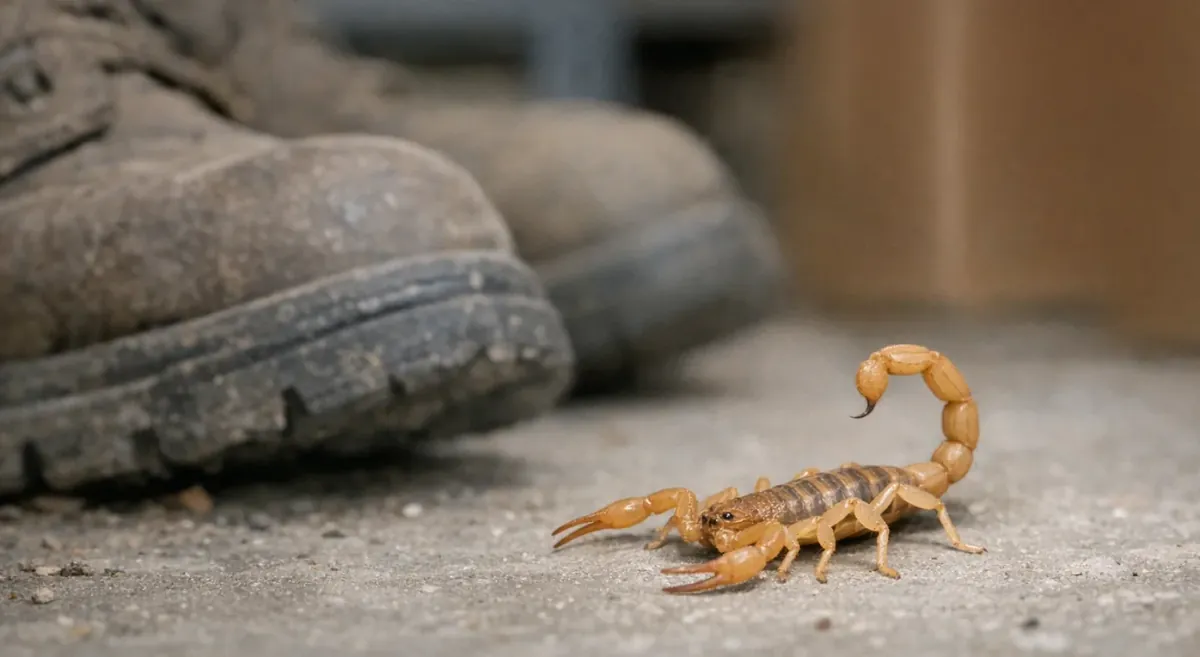
That scorpion you just spotted is venomous, not poisonous. The distinction matters more than you might think when you're deciding whether to grab a shoe or call 911.
Scorpions inject venom through their tail stinger when they strike. That's what makes them venomous creatures. Poisonous animals, on the other hand, are harmful when you eat them or touch their skin—think poison dart frogs or certain mushrooms. Since scorpions deliver their toxins through a sting, they fall squarely in the venomous category.
Most scorpion stings in Texas hurt a lot but won't send you to the hospital. The pain hits immediately—burning, throbbing, sometimes tingling that spreads up your arm or leg. But for young children, older adults, people with compromised immune systems, or anyone who has an allergic reaction, a sting can escalate quickly from a painful nuisance to a medical emergency.
What's the difference between venomous vs poisonous?
Think of it this way: if it bites you and you get sick, it's venomous. If you bite it and you get sick, it's poisonous. Simple as that.
Scorpions deliver venom through the sharp stinger at the end of their curved tail. When threatened, they arch that tail over their back and jab downward, injecting venom directly into whatever's bothering them—often a bare foot at 2 a.m. The venom contains neurotoxins that affect your nervous system, which explains the tingling, numbness, and muscle twitching some people experience.
Here's where it gets tricky. When someone says they saw a "brown scorpion" in Texas, they're describing a color, not a species. Several Texas scorpion species appear brown or tan, and they pack different levels of venom potency. Color alone won't tell you how dangerous that particular scorpion might be.
So… are brown scorpions in Texas dangerous?
The danger depends on three factors: which species stung you, where on your body you got stung, and who got stung. A healthy adult stung on the foot might experience nothing worse than localized pain and swelling. That same sting on a toddler's hand could trigger systemic symptoms affecting their whole body.
Watch for two types of reactions. Local symptoms stay near the sting site—pain, redness, swelling, maybe some numbness. Systemic symptoms spread throughout the body and signal a more serious reaction. These include muscle spasms, difficulty breathing, blurred vision, or uncontrolled eye movements. Systemic symptoms mean you need medical help fast.
Let's identify which brown-colored scorpions you're likely dealing with in Texas, because some species pack more punch than others.
Which brown scorpion species live in Texas (and how risky are they)?
Texas hosts several scorpion species that homeowners describe as brown, tan, or yellowish-brown. Each species carries different risk levels, though individual reactions can vary widely. A sting that barely bothers one person might send their neighbor to the ER.
Understanding which species live in your area helps you gauge risk and make smarter safety decisions. While you shouldn't rely on color alone for identification, combining color with other features—body shape, markings, size, and location—gives you a clearer picture of what you're dealing with.
Striped bark scorpion: the common "brown" visitor
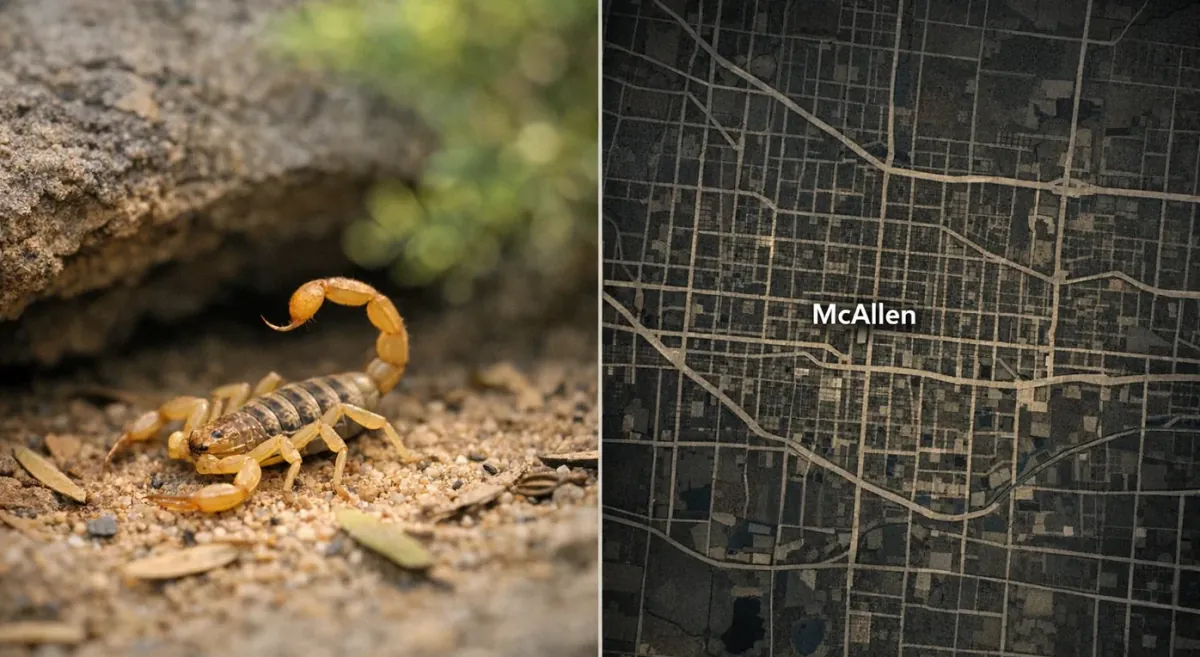
When Texans talk about brown scorpions in their homes, they're usually describing the striped bark scorpion. This yellowish-brown to tan species shows up in bathrooms, garages, and laundry rooms across the state. Look for two dark stripes running lengthwise down its back—hence the name.
Striped bark scorpions measure about 2.5 inches long and aren't limited to ground level. You'll find them up off the floor—in attics, behind picture frames, and yes, occasionally in your bed. They're the most common scorpion species in Texas and, thankfully, their stings typically cause moderate pain rather than severe reactions.
Most healthy adults can manage a striped bark scorpion sting at home with basic first aid. The pain can feel like a wasp sting turned up a notch—sharp, burning, and persistent. Some people experience tingling or mild numbness around the sting site. While unpleasant, these local symptoms usually improve within a few hours to a couple of days.
Texas cave scorpion, Trans-Pecos scorpion, and giant hairy scorpion
The Texas cave scorpion prefers dark, humid environments—you'll find them in caves, rock crevices, and sometimes basements in central Texas. They're reddish-brown to dark brown and rarely venture into living spaces unless you live near their natural habitat.
Out in West Texas, the Trans-Pecos scorpion makes its home in desert regions. These scorpions range from yellowish to brown and pack a more potent sting than their cave-dwelling cousins. They're not typically home invaders, but outdoor encounters happen when moving rocks or wood piles.
Don't let the name fool you—the giant hairy scorpion might be Texas's largest species at 4-5 inches, but bigger doesn't mean deadlier. These tan to olive-brown scorpions have visible hairs on their tails and pincers. Their impressive size can actually work in your favor. They rely more on their powerful pincers than venom, so their stings typically cause less severe symptoms than smaller species.
Where in Texas are these "brown scorpions" most likely?
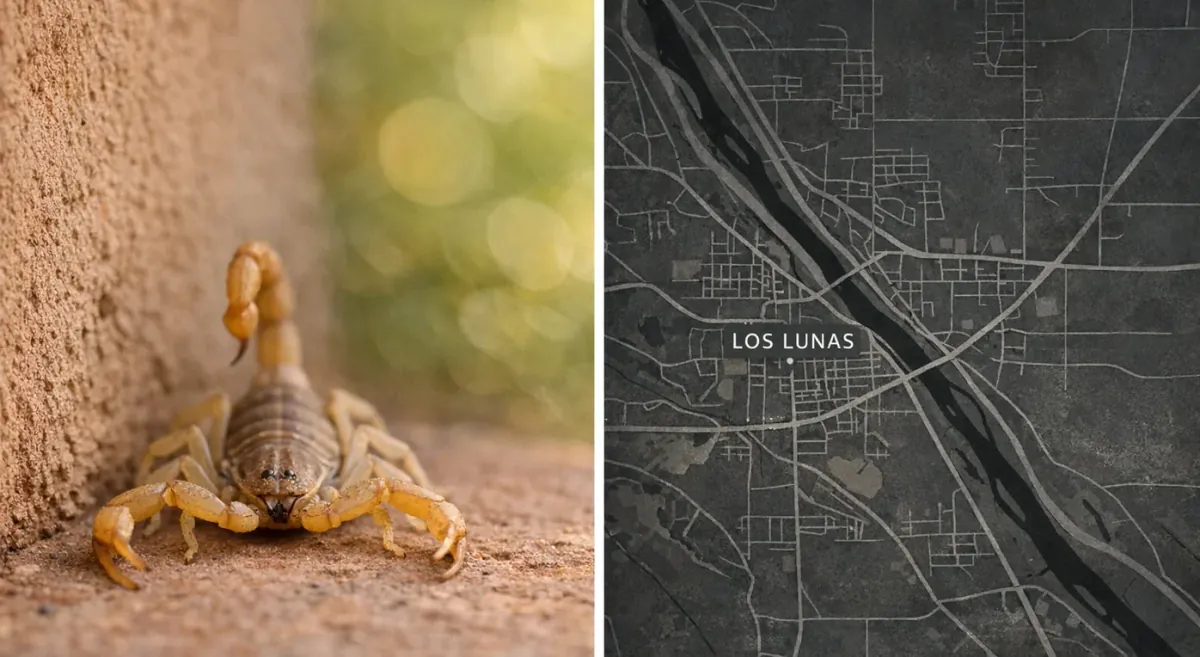
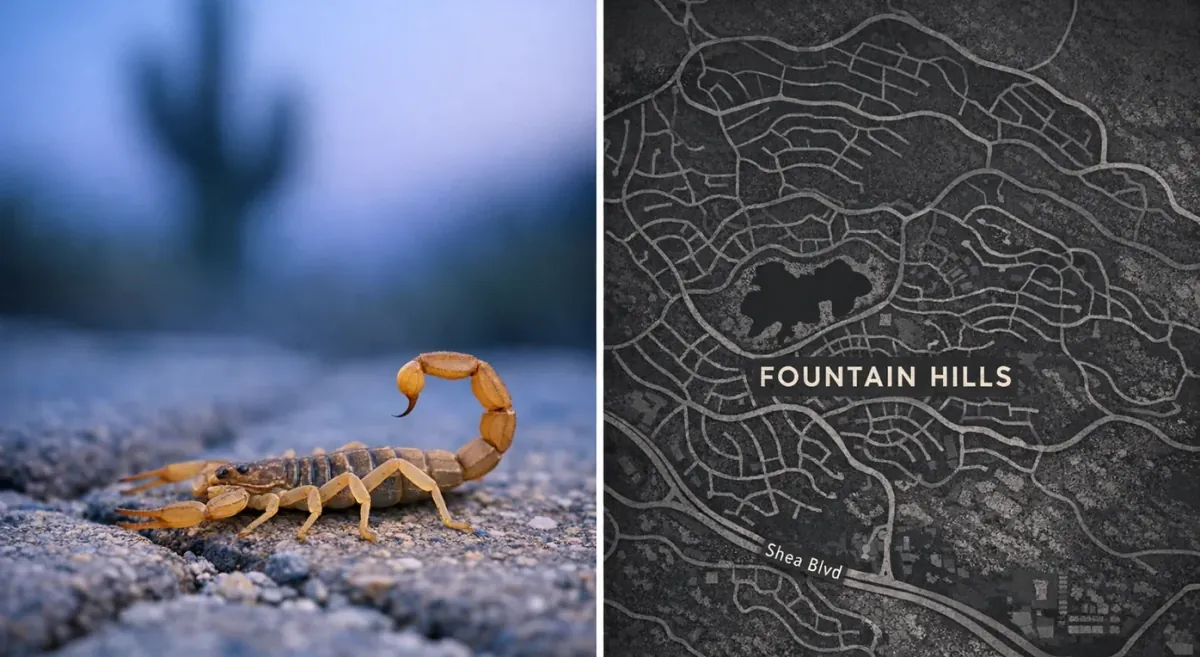
Your location in Texas strongly predicts which species might show up in your living room. The striped bark scorpion has conquered most of the state—from Dallas suburbs to Houston neighborhoods to Austin's Hill Country.
West Texas and the Trans-Pecos region host the most diverse scorpion populations. Desert species thrive in these arid environments, and you're more likely to encounter Trans-Pecos scorpions and giant hairy scorpions here. Central Texas, with its caves and limestone formations, provides perfect habitat for Texas cave scorpions, though they rarely enter homes.
Can't identify your scorpion? Snap a clear photo from multiple angles, note the time and location, then contact your county extension office or a local pest control professional. They know which species frequent your specific area. Remember—a scorpion's appearance can change with lighting and after molting, so that "brown" scorpion might look tan or yellow under different conditions.
How can I identify a "brown scorpion" in my house without getting stung?
Picture this: you spot a scorpion near your kitchen baseboards. Your first instinct might be to get close for a better look. Don't. Even a quick ID check isn't worth risking a sting, especially when safer methods exist.
Identifying scorpions from a safe distance means focusing on key features beyond just color. Body proportions, tail thickness, pincer size, and any visible markings tell you more than whether it looks brown or tan. Add in where you found it—ceiling, floor, bathtub—and you've got valuable clues about its species and habits.
Quick visual checklist: stripes, pincers, tail, and size
Start with overall size. Most Texas scorpions measure 2-3 inches, but if you're looking at something approaching 4-5 inches, you might have a giant hairy scorpion. Next, check for stripes or patterns. Two dark stripes running down the back? Likely a striped bark scorpion.
Compare the pincers to the tail. Thick, robust pincers with a thinner tail suggest a species that relies more on crushing than stinging. Delicate pincers paired with a thick tail? That scorpion likely packs more venom. Also note where you found it—striped bark scorpions are often found up off the ground and in higher areas, while other species tend to stick to ground level.
Check nearby hiding spots carefully. Scorpions follow walls and edges (it's called thigmotaxis), so if you found one along your bathroom baseboard, others might lurk behind the toilet or under the vanity. They travel in predictable patterns, which helps when you're trying to locate and remove them safely.
How to safely capture (or contain) one for ID
Grab a clear glass jar or plastic container and a piece of stiff cardboard. Approach slowly—scorpions have poor eyesight but detect vibrations well. Place the container over the scorpion, then slide the cardboard underneath. Flip the whole setup over and secure the lid.
Never try to grab a scorpion with your hands, even if you think it's dead. Don't shake out shoes or clothing wildly—you could fling the scorpion somewhere worse. And don't try to stomp one in a cluttered area where it could escape into a hiding spot.
Take photos through the container from multiple angles—top view, side view, and a shot showing the tail curve. Good lighting helps capture details like stripes or hair. These photos are invaluable when consulting experts, or if someone gets stung and medical professionals need to assess risk.
Night checks: using UV to find scorpions before they find you
Scorpions glow bright green under ultraviolet light—it's like nature's built-in detection system. This fluorescence makes nighttime detection surprisingly easy. Grab a UV flashlight and scan along baseboards, around door frames, and near potential entry points.
Wear closed-toe shoes and move slowly during night checks. Scan methodically along walls where scorpions naturally travel, paying special attention to corners and edges. Never reach into dark spaces—let the UV light reveal what's hiding first.
For homeowners wanting comprehensive monitoring without nightly patrols, automated detection systems like Scorpion Alert use this same UV principle to watch common entry points continuously. But whether you're doing manual checks or using technology, the key is consistency—scorpions are most active at night, when you're least prepared to run into one.
What are brown scorpion sting symptoms in adults, kids, and pets?
That initial sting can feel like a hot needle jabbing into your skin. Within seconds, burning pain radiates from the puncture site. But what happens next varies dramatically based on the species, the victim's age and health, and whether they're allergic to scorpion venom.
Scorpion venom contains neurotoxins—compounds that affect your nervous system. In plain terms, these toxins mess with the signals between your nerves and muscles. That's why some people experience twitching, numbness, or even temporary paralysis around the sting site. The smaller the victim relative to the venom dose, the more pronounced these effects can be.
Common symptoms vs red flags
Most adults experience localized reactions that hurt a lot but aren't life-threatening. Common symptoms include immediate burning pain, tingling that spreads a few inches from the sting, mild swelling, and skin sensitivity that lasts hours to days. Some people describe it as feeling like their skin is extra-sensitive to temperature—even lukewarm water feels scalding.
Red flags signal systemic reactions requiring immediate medical attention. Watch for numbness spreading beyond the sting area, muscle twitching or spasms, roving or uncontrolled eye movements, difficulty swallowing, drooling, or severe agitation. These symptoms mean the venom is affecting the nervous system more broadly.
Allergic reactions add another layer of danger. Signs include hives appearing away from the sting site, facial or throat swelling, wheezing, or difficulty breathing. An allergic reaction to scorpion sting requires emergency treatment—call 911 immediately.
Why kids, seniors, and pets can have a harder time
Think about venom like alcohol—the same amount affects a 200-pound adult very differently than a 40-pound child. Children receive a higher dose of venom relative to their body weight, making severe reactions more likely. Toddlers and infants face the highest risk because they can't always communicate their symptoms clearly.
Pets show distinct warning signs. Dogs might yelp and favor the affected paw, drool excessively, or paw at their face if stung near the mouth. Cats often hide and become lethargic. Watch for tremors, weakness, or difficulty walking. Small pets like cats and toy dog breeds need emergency veterinary care for scorpion stings—their size makes them vulnerable to severe reactions.
Older adults and anyone with heart conditions, respiratory issues, or weakened immune systems should treat scorpion stings as potentially serious. Their bodies may struggle to cope with the venom's effects, and complications can develop quickly.
Does a "bigger brown scorpion" mean a more dangerous sting?
Forget what you've heard about big scorpions being more dangerous. Some of Texas's smaller scorpions pack more potent venom than their larger cousins. The giant hairy scorpion looks intimidating at 5 inches long, but its sting typically causes less severe symptoms than the smaller striped bark scorpion.
Venom potency evolved based on each species' hunting needs and defensive strategies. Scorpions with large, powerful pincers often rely less on venom, using their claws to crush prey. Species with delicate pincers compensate with more potent venom.
Bottom line: treat every sting based on symptoms, not scorpion size. Monitor the victim closely for the first two hours, when severe reactions typically develop. Document symptom progression, and don't hesitate to seek medical help if symptoms worsen or spread beyond the sting site.
What should I do after a brown scorpion sting—and how do I prevent another one?
Quick action after a scorpion sting can make the difference between a painful evening and a trip to the ER. While most stings resolve with home care, knowing when to seek help—and having a clear prevention plan—keeps your family safer long-term.
Beyond the immediate "ouch" factor, scorpion stings require monitoring because symptoms can evolve. What starts as localized pain can progress to systemic effects, especially in vulnerable individuals. A clear action plan removes the guesswork during those painful, stressful moments after a sting.
First aid steps you can do at home (a practical checklist)
First, wash the sting site with soap and water to help prevent infection. Remove rings, bracelets, or tight clothing near the area—swelling can make these items cut off circulation. Apply a cold pack wrapped in a thin towel for 10 minutes at a time, with 10-minute breaks between applications.
Elevate the affected limb if possible to reduce swelling. For pain, adults can take acetaminophen or ibuprofen following package directions. Avoid aspirin, which can worsen bleeding. Children should only receive age-appropriate doses of medications they've safely taken before.
Document everything: time of sting, location on body, initial symptoms, and how they change. This information helps medical professionals assess severity if symptoms escalate. Take a photo of the scorpion if you safely captured it, but don't risk another sting trying to catch it.
When should I go to the ER or call Poison Control?
Call 911 immediately for difficulty breathing, throat or facial swelling, or widespread hives—these can signal anaphylaxis. Also seek emergency care for severe muscle spasms, uncontrolled eye movements, excessive drooling, difficulty swallowing, or altered mental state.
Children under 5, adults over 65, and anyone with heart conditions should visit the ER for evaluation, even if initial symptoms seem mild. These groups face a higher risk of severe reactions that can develop hours after the sting. Bark scorpion sting first aid becomes especially critical for these vulnerable populations.
When in doubt, call Poison Control at 1-800-222-1222. They'll assess your symptoms and guide you on whether ER treatment is necessary. Having a photo of the scorpion helps, but don't delay calling if you couldn't safely photograph it.
How do I reduce brown scorpion encounters around my home?
Prevention beats treatment every time. Start inside by eliminating hiding spots—scorpions love cluttered closets, stacked boxes, and piles of laundry. Store items in sealed plastic bins rather than cardboard boxes. Keep beds slightly away from walls and shake out bedding before climbing in.
Outside, focus on the home's perimeter. Move wood piles, decorative rocks, and compost bins away from the foundation. Fix moisture issues that attract the insects scorpions hunt. Seal gaps under doors with proper sweeps and check weather stripping around windows. What not to do after spotting a scorpion includes ignoring the problem—one sighting usually means more are nearby.
Create a monitoring routine that catches scorpion activity early. Whether you do weekly UV flashlight checks or install automated detection systems, consistency matters. Many homeowners find that combining exclusion efforts with monitoring tools from companies like Scorpion Alert helps them sleep better, knowing they'll get warned before stepping on a scorpion barefoot. The question of whether brown scorpions in Texas are poisonous has a clear answer—they're venomous, not poisonous—but most scorpion repellents don't work as advertised, so focus on exclusion and detection instead.
Now that you know brown scorpions in Texas can be venomous, the key is figuring out what’s showing up in your home and how serious the risk may be for your household. If you want a practical way to stay informed and respond quickly when scorpions are active nearby, Scorpion Alert can help you track and prepare.