Do scorpions really get in through tiny gaps in Arizona homes?
Sealing for scorpions in Arizona involves identifying and closing gaps as small as 1/16 inch around doors, windows, utility penetrations, stucco cracks, and foundation seams using materials like polyurethane sealants, weatherstripping, and 1/8-inch mesh screening. Focus on high-risk areas including garage doors, weep screed, expansion joints, and roof-wall interfaces where scorpions commonly enter homes seeking prey insects and shelter.
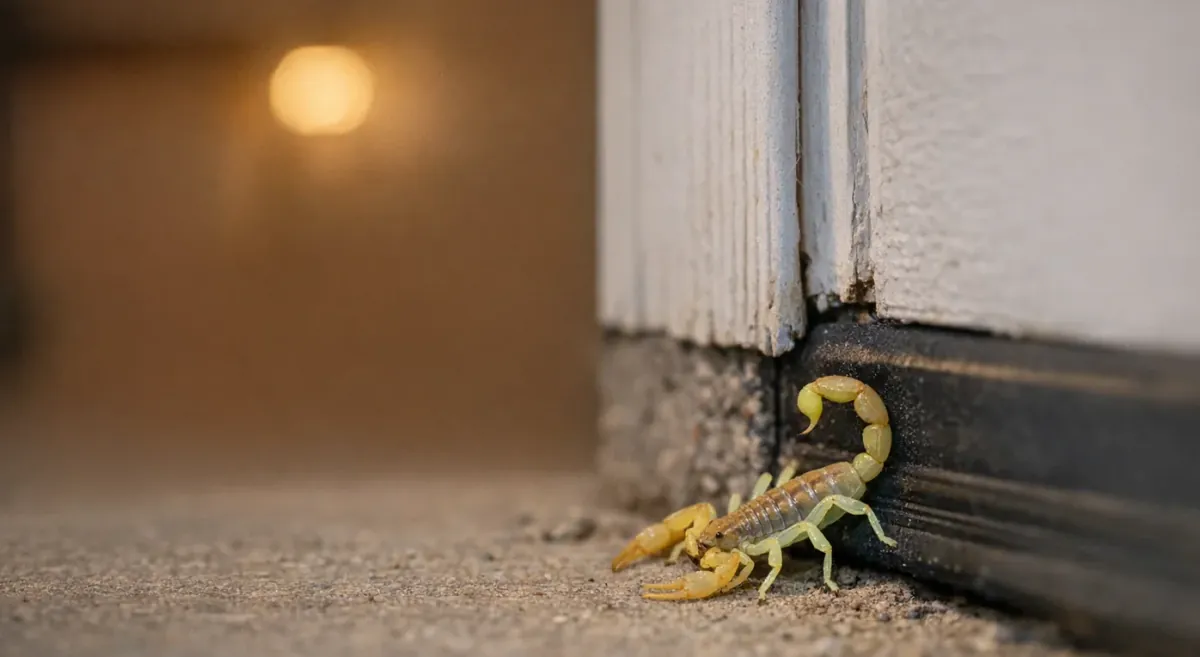
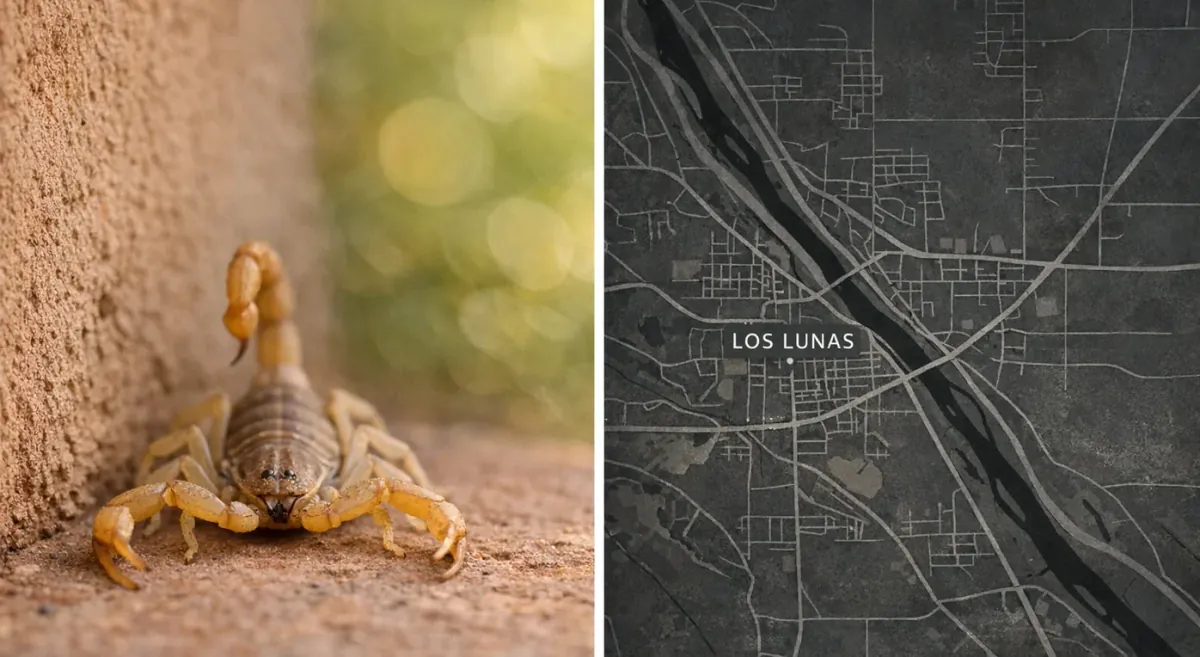
Yes, they absolutely do. Arizona bark scorpions can squeeze through gaps as narrow as 1/16 of an inch — thinner than a credit card. They use their flat bodies to slip through openings that look insignificant during a quick daytime inspection.
Say you've sealed your doors, sprayed the perimeter, and cleared the yard debris — yet you still find a scorpion on your bathroom wall at midnight. How? It likely entered through a hairline crack where your stucco meets the foundation, made its way up inside the wall cavity, and emerged through a gap around your light switch plate. That's why sealing scorpion Arizona homes has become such a critical part of Arizona scorpion control — it targets the hidden routes these pests use to get into our homes.
The goal isn't perfection. It's reduction. By eliminating the obvious entry routes — gaps around pipes, deteriorating door seals, and those inevitable stucco cracks from our desert temperature swings — you force any remaining scorpions to use fewer, more predictable paths. That makes your broader prevention plan more effective, whether that includes reducing what attracts scorpions or using detection systems like Scorpion Alert to monitor the areas they're most likely to show up.
How scorpion behavior makes sealing more effective than sprays alone
Scorpions exhibit something called negative geotaxis — they naturally move upward when exploring. That's why you'll find them along walls, in upper cabinets, or up off the ground in your garage. They don't wander into these spots at random. They follow edges, seams, and utility penetrations, using their thigmotactic nature (the tendency to maintain contact with surfaces) to navigate from ground level into your living spaces.
Chemical barriers often fail because scorpions can simply walk right across treated areas. But when you seal gaps and cracks, you disrupt their actual movement pathways. Think of it like closing roads rather than putting up warning signs. A scorpion following the edge of your foundation hits a properly sealed weep screed and has to find another route. Block enough routes, and you'll significantly reduce indoor encounters.
Sealing works best as part of an integrated approach. Combine it with reducing prey insects (scorpions follow their food) and eliminating clutter that provides harborage. No single method is a silver bullet in the desert, but sealing addresses the physical access problem that sprays alone can't solve.
What "keep scorpions out" realistically means
Let's be honest about expectations. Even the best pest exclusion sealing won't stop every scorpion if you leave doors propped open during monsoon season or if new cracks form after a particularly brutal summer. What it will do is dramatically reduce the number of scorpions that accidentally wander inside while hunting.
In Arizona's climate, maintenance matters just as much as the initial work. Our extreme heat causes materials to expand and contract, and monsoon storms can open new gaps. That gorgeous stucco on your home? It's constantly developing hairline cracks as it bakes in 115-degree heat and cools at night. Smart homeowners check their seals every few months, especially after major weather events.
Until you can remove any scorpion you find indoors, treat it as a potential danger — especially if you have young children or pets. Arizona bark scorpions pack the most venomous sting in North America. Even with excellent sealing, stay vigilant. Know what to do in the first 30 minutes after a sting, just in case.
Where should I look first when sealing for scorpions in Arizona?
Start outside and work your way in — that way, you won't miss critical exterior entry points while focusing on interior gaps. Arizona homes have specific vulnerabilities thanks to our construction methods and climate. Stucco hairline cracks, block wall interfaces, roof tile gaps, and transitions between hardscape and structure can all create scorpion highways.
Here's a simple documentation trick scorpion specialists use: carry blue painter's tape and a marker during your inspection. Mark each suspect opening with tape and a quick note ("stucco crack - 3 inches" or "gap under electrical box"). This creates a visual map for your sealing project or helps you get accurate quotes from home sealing services. Take photos, too — contractors appreciate homeowners who can show exactly what needs attention.
Your 15-minute exterior checklist (most common entry points)
Start at the foundation and work up. Check the stucco-to-slab seam first — that horizontal line where your walls meet concrete is prime scorpion territory. Run your finger along it. Feel any gaps? See daylight? Mark it. The stem wall (that exposed concrete between dirt and stucco) often separates from the stucco above, creating a perfect route inside.
Next, examine every utility penetration. Your AC line set often has gaps where copper pipes enter the wall. The water heater exhaust, irrigation controller wiring, cable and internet lines — each one can be an entry point. Don't forget solar panel conduits if you have them. These newer additions often lack proper sealing because installers focus on function, not pest exclusion.
Weep screed deserves special attention. These metal strips at the bottom of stucco walls are designed to let moisture escape, but they can also let scorpions in. Look for spots where the weep screed has pulled away from the wall or where debris has created gaps. Expansion joints — those vertical lines in your stucco — crack and separate over time, creating highways directly into your wall system.
Arizona garage and door problem zones
Your garage is often the weakest link in your scorpion defense. Check where the garage door tracks mount to the walls — installers rarely seal these gaps. The door's sides and top need weather seals that actually make contact when closed. Shine a flashlight from inside the dark garage during daytime. Every spot of light is a scorpion entry point.
That bottom door seal takes a beating in our heat. If you can slide a pencil under any part of it, a scorpion can squeeze through. The man-door (the regular door from garage to house) needs the same scrutiny. Check the threshold, the strike plate area, and especially the bottom corners where weatherstripping tends to fail first.
Why do garages matter so much for scorpion prevention? They're perfect hunting grounds — darker than the house, full of insects attracted to storage boxes, and usually packed with entry points. A scorpion that enters your garage is already halfway to your kitchen.
Roofline, attic, and block wall "sneak paths" people miss
Look up. Those beautiful barrel tiles on your roof? Each one can shelter a gap where it meets the fascia board. Bird stops (the metal or plastic strips under the first row of tiles) deteriorate under UV exposure, creating hidden entry points. Gable vents and soffit vents need proper screening — not just for scorpions, but for the insects they hunt.
Block walls deserve special attention in Arizona. Check where they meet your home's structure. Temperature changes cause these materials to expand at different rates, opening cracks at the interface. The mortar joints in older block walls crumble over time, and scorpions slip through the gaps they leave behind.
For a revealing nighttime inspection, use a UV flashlight to check your exterior walls and foundation after dark. Active scorpions glow bright green under ultraviolet light. This won't uncover every potential entry point, but it shows you where scorpions are actually traveling — valuable intelligence for prioritizing your sealing efforts. Focus your exterior crack sealing where you see the most activity.
What materials actually work for scorpion home sealing in Arizona?
Not all sealing materials survive Arizona's punishment. Our extreme temperature swings, intense UV exposure, and monsoon moisture can destroy inferior products within months. Knowing what to look for helps you avoid costly do-overs when comparing quotes from contractors or shopping for DIY supplies.
The key specs that matter: temperature tolerance (must handle 120°F surface temps), UV resistance, and flexibility to accommodate expansion and contraction. For mesh screening, opening size is critical — anything larger than 1/8 inch might as well be an open door for young scorpions. Quality pest control sealing uses materials engineered for these exact challenges.
Sealants: what to use on stucco, concrete, and expansion joints
Polyurethane sealants lead the pack for durability and flexibility. Products like Sikaflex or Loctite PL remain elastic through temperature extremes, maintaining their seal even as materials expand and contract. They bond well to stucco, concrete, and metal — the trifecta of Arizona construction. Expect to pay $8-15 per tube, but the longevity justifies the cost.
High-quality exterior silicone works for certain applications, particularly around utilities and fixtures. However, avoid the cheap stuff from the checkout aisle. Look for 100% silicone rated for exterior use with at least 25-year durability. Never use interior latex caulk outside — it'll crack within one Arizona summer.
For wider gaps (over 1/4 inch), install backer rod before sealing. This foam rope creates the right shape for sealant application and prevents waste. Without it, sealant sinks into deep gaps and can split as it cures. Professional home sealing services always use backer rod for expansion joints and large cracks — it's a sign they know what they're doing.
Mesh and screening: what sizes matter for pest exclusion sealing
The key number is 1/8 inch (0.125") or smaller. Hardware cloth with this mesh size stops juvenile scorpions while still allowing necessary ventilation. Galvanized steel works for protected areas, but stainless steel or specially coated materials last longer in exposed locations. That slightly higher upfront cost can save you from redoing the job in three years.
Installation technique matters as much as material choice. Mechanically fasten mesh with screws or construction staples first, then seal all edges with appropriate sealant. Contractors who only use adhesive are cutting corners — Arizona heat can cause adhesive-only installations to fail. The top ways scorpions enter homes often involve failed mesh installations where edges pulled away.
For weep screed areas, specialized products like Rid-O-Mice strips offer pre-sized solutions that maintain drainage while blocking pests. These cost more than generic mesh but install faster and look cleaner — important for front-facing walls where aesthetics matter.
Doors, thresholds, and garage seals that hold up in the desert
Door sweeps come in two main varieties for scorpion exclusion. Solid rubber or vinyl sweeps create the tightest seal but wear faster on rough surfaces. Brush-style sweeps last longer and handle uneven thresholds better, though they need denser bristles than standard models to block juvenile scorpions. The key is eliminating all daylight at the bottom corners — that's where scorpions typically squeeze through.
Adjustable thresholds make a big difference but require proper installation. The threshold should create continuous contact with the door sweep across the entire width. Many Arizona homes have sagging doors from foundation settling — sometimes replacing weatherstripping isn't enough, and you need to rehang the door properly.
Garage door seals face the toughest conditions. The concrete gets hot enough to cook an egg, and the rubber needs to stay flexible despite the abuse. Look for EPDM rubber seals rated for extreme temperatures. If your garage floor is uneven (common with post-tension slabs), consider a wider bulb seal that compresses to match the contours. Side and top seals (astragals) should compress firmly against the door — if you can see daylight, scorpions can enter.
Can I DIY scorpion sealing, or should I hire scorpion specialists?
It depends on your comfort with tools, available time, and how complex your home's vulnerabilities are. Some sealing tasks are solid weekend projects that save money and deliver quick results. Others require expertise, specialized equipment, or simply aren't worth the risk of a ladder fall in 110-degree heat.
Professional home sealing services typically include comprehensive inspection, photographic documentation, commercial-grade materials, and warranty coverage. They also coordinate with existing pest control sealing efforts, ensuring chemical and physical barriers work together. Still, many homeowners can handle the basic sealing tasks that make a real difference.
DIY jobs most homeowners can do safely
Door sweeps and weatherstripping replacement top the DIY list. With basic tools (screwdriver, tape measure, utility knife), you can eliminate major entry points in an afternoon. Buy quality materials from a real hardware store, not the bargain bin. Follow manufacturer instructions for surface prep — clean, dry surfaces are essential for proper adhesion.
Ground-level utility penetrations are also manageable. Turn off the AC before sealing around refrigerant lines. Use appropriate outdoor-rated sealant, apply it neatly, and tool it smooth for a clean, professional finish. Small gaps around hose bibs, electrical outlets, and cable entries take minutes to seal but can close off favorite scorpion routes.
Basic garage sealing falls within most homeowners' abilities. Installing a new bottom door seal requires getting on the ground but no ladder work. Side and top seals (astragals) attach with simple screws. The biggest challenge is often getting the garage clean enough to work in — and that decluttering helps with scorpion prevention anyway.
When professional scorpion home sealing is worth it
Call professionals for anything involving roof access. Barrel tiles break easily, and working on a sloped roof in Arizona heat is genuinely dangerous. Eave and soffit work requires extension ladders and knowledge of which vents need screening versus complete sealing. Attic work combines height, heat, and confined spaces — a risky combination.
Complex stucco repairs go beyond simple crack filling. Matching texture and color takes experience, and improper repairs can trap moisture and cause bigger problems. Wide expansion joints need proper backer rod installation and sealant tooling to create the correct hourglass shape that accommodates movement.
If you're seeing scorpions indoors regularly despite basic sealing efforts, a professional inspection can reveal hidden entry points. Good contractors provide detailed reports with photos, so you can compare quotes meaningfully. They should specify exact materials, locations to be sealed, and what's not included. Be wary of vague quotes that just say "seal home for scorpions" without details.
Document your scorpion problem before and after sealing
Before hiring any contractor, document your scorpion problem properly. Create an inspection log noting where you've seen activity, what times, and how frequently. Take photos of potential entry points and existing damage. This homework helps you evaluate whether contractors are addressing your actual problems or just running a generic checklist.
After sealing work (DIY or professional), establish a monitoring routine to verify effectiveness. Check treated areas monthly for new gaps or sealant failure. During peak scorpion season, increase vigilance. Simple detection methods help you know if your sealing investment is working — whether that's periodic UV flashlight checks or automated monitoring systems.
Remember that sealing is just one part of integrated scorpion management. Learn what not to do after spotting a scorpion to avoid making problems worse. Understanding common myths about repellents prevents wasted money on ineffective products. Scorpion Alert's educational resources help you make informed decisions about all aspects of prevention and response.
What does scorpion sealing cost in Arizona, and when should I do it?
Understanding the real costs helps you budget appropriately and avoid sticker shock. The widely cited $37,000 figure for antivenom treatment puts even professional whole-home sealing into perspective — prevention costs far less than a single serious sting requiring hospitalization. But you don't need to spend thousands to significantly reduce your scorpion risk.
Pricing varies dramatically based on home size, construction type, and current condition. A 1,500-square-foot ranch with stucco in good condition costs far less to seal than a 3,500-square-foot two-story with deteriorating block walls and complex rooflines. Getting multiple quotes helps you understand your home's specific challenges.
Typical price ranges (DIY vs partial vs whole-home)
Scorpion sealing cost comparison for Arizona homes| Sealing Type | Price Range | What's Included | Best For |
|---|
| DIY Materials | $75-$300 | Sealant, door sweeps, weatherstripping, basic mesh | Handy homeowners with time |
| Partial Professional | $400-$900 | Doors, garage, accessible utility penetrations | Targeting known problem areas |
| Whole-Home Exclusion | $900-$2,500+ | Full inspection, all entry points, roofline, warranty | Comprehensive protection |
What changes the price (and what should be in the quote)
Square footage provides the baseline, but construction complexity matters more. Single-story homes cost less because everything's accessible from short ladders. Tile roofs add expense due to fragility and labor intensity. The number of penetrations (AC units, plumbing, electrical) directly impacts time and materials. Deteriorated stucco or failing expansion joints can double the project scope.
Quality quotes specify materials by brand and type, not just "sealant" or "mesh." They list every area to be addressed, often with photos. Look for exclusions, too — many contractors won't warranty roof work beyond one year due to extreme conditions. The quote should clarify whether they're sealing weep screed (controversial due to moisture concerns) or just screening it.
Insist on a documented final walkthrough. Professional contractors should provide photos of completed work and point out any areas they couldn't fully seal. Some offer annual inspection services to check their work and catch new problems early. This ongoing relationship often proves valuable as homes age and new gaps develop.
Best seasons to seal—and how often to re-check in Arizona
Time your sealing work strategically. Late spring (April-May) prep beats the summer scorpion surge. Post-monsoon (September-October) repairs address storm damage before winter breeding season. Avoid mid-summer work if possible — materials cure poorly in extreme heat, and contractors may rush through outdoor tasks.
Arizona's climate demands regular maintenance. Quick visual checks every 2-3 months catch obvious failures like separated door seals or new stucco cracks. Detailed inspections twice yearly (spring and fall) identify developing problems before scorpions exploit them. Pay extra attention after severe weather — a single monsoon storm can undo months-old sealing work.
Focus your re-checks on high-stress areas. Stucco cracks grow with each temperature cycle. Expansion joints work hard in our 50-degree daily temperature swings. Door seals compress and lose resilience. Any new utility work (cable upgrades, solar installations, AC replacement) creates fresh penetrations that need immediate sealing. Stay ahead of the damage, and your scorpion defenses remain strong.
Sealing up entry points is one of the best ways to cut down scorpion sightings in Arizona, but it also helps to know if anything is still getting through after the caulk and weatherstripping are done. Scorpion Alert uses 365nm UV detection at night and sends photo-verified alerts so you can confirm activity and focus your sealing efforts where it matters most. If you want an extra layer of confidence while you lock down your home, see how it works at ScorpionAlert.com.