

Reviews

What Homeowners Are Saying

Real experiences from families across the Southwest who use Scorpion Alert to protect their homes.
How Scorpion Alert works

Find them before they find you

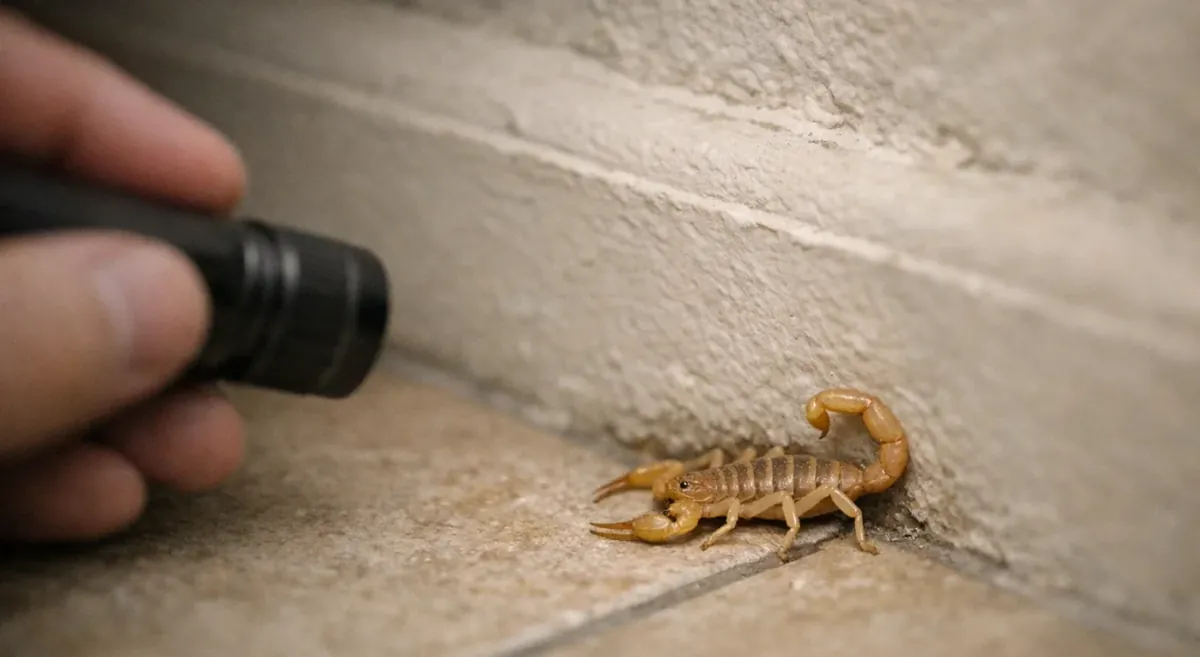
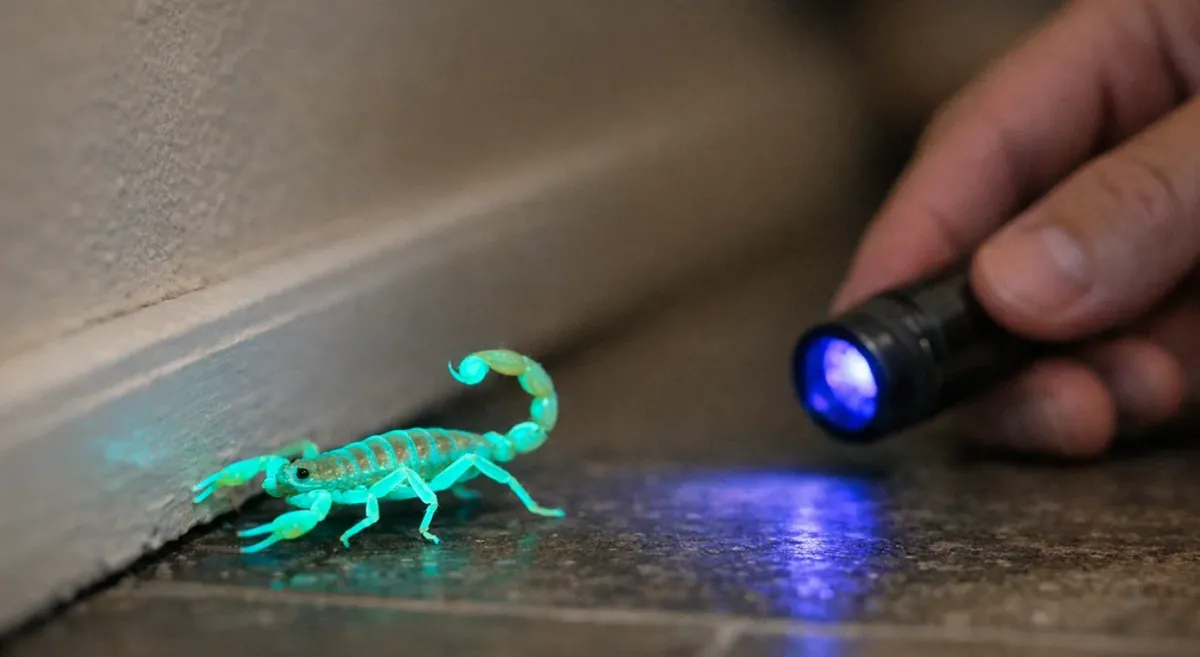
Plug in your Scorpion Detectors around your home and get instant alerts with the location of the scorpion.
  • Detectors arrive ready to plug in
  • Live alerts go straight to your phone or watch, with location
  • Alert multiple family members with a single account
  • One flat monthly monitoring fee — no contract, cancel anytime
Get Scorpion Detectors
Real homes, real results

Why homeowners trust the system

Map of Lakeway, TexasLakeway, Texas
Super easy setup. We just plugged the Scorpion Detectors in, set them up with my phone, and that was it. I love the live feed on my phone to let me know they're always watching.
Paul and Cindy
7 scorpions detected
Map of Albuquerque, New MexicoAlbuquerque, New Mexico
We can finally go on offense against these things instead of waiting to find them in our couch and shoes. It really helps us figure out where they're getting in. Love it.
Marcus
18 scorpions detected
Map of Fountain Hills, ArizonaFountain Hills, Arizona
The picture and location that come with an alert is so helpful in figuring out where the scorpion is going. It usually hasn't traveled very far by the time I get there.
Harrison
12 scorpions detected
Common questions

Need quick answers?

Why am I finding multiple scorpions in the same place?

Seeing multiple scorpions usually means the environment is attracting them—moisture, stable temperatures, darkness, and nearby prey—not that they’re “friends.” Weather and seasonal shifts (heat, storms, cooler nights) can also push scorpions toward the same protected areas like garages, bathrooms, and block walls. This why multiple scorpions appear together breakdown explains the difference between temporary aggregation and an “infestation” that’s really about property conditions.

Are scorpions a problem in Mesa, AZ, or is it just occasional sightings?

Yes—scorpions can be a real issue in Mesa (Maricopa County), but “a problem” usually means repeat indoor sightings rather than the occasional scorpion outside. Because they’re nocturnal and hide in tight, dark spaces, activity can feel sudden—especially during seasonal shifts or after disturbance like yard work or nearby construction. This Mesa scorpion problem overview explains what counts as a one-off vs. when to escalate (kids/pets in the home, multiple sightings, or any sting).

What are the top places to check first for scorpion entry points?

Start with the perimeter gaps that most commonly let scorpions in: door and garage door gaps, low cracks at the foundation/stucco line, utility penetrations (pipes/cables/vents), roofline/attic openings, and torn window screens. A quick “outside-in” checklist helps you spot telltale daylight, loose screens, and small openings that are “too small to matter” but still big enough for a scorpion. The full 10-minute inspection flow is outlined in top 5 scorpion entry points to inspect.

What are the most common scorpions I might find around my New Mexico home?

New Mexico has many scorpion species, but only a handful routinely show up around people, and “common” can change by region and elevation. This section profiles the ones homeowners report most—Striped Bark Scorpion, Arizona Bark Scorpion near the border, Lesser Stripetail, and the Northern Scorpion—plus quick ID cues, where they hide around homes, and plain-language sting risk. See the full common New Mexico scorpion species guide for ranges and homeowner-focused identification tips.

What are the main body parts of a scorpion (and what am I actually looking at)?

Scorpions have three big regions you can spot at a glance: the armored front (prosoma), the wider middle where the organs are (mesosoma), and the segmented “tail” section (metasoma). Many people call the whole tail the stinger, but the stinger is just the tip assembly at the very end. Knowing these parts helps homeowners understand how a tough, flat body lets scorpions squeeze into tight gaps near baseboards, storage, and clutter—details covered in this scorpion body parts overview.

What should I do in the first 30 days after moving into a new build to prevent scorpions?

Prioritize sealing before you fully unpack: close gaps at door thresholds, utility penetrations, and other openings where exterior edges meet the structure. Then confirm results with perimeter-first monitoring near common travel paths like baseboards, corners, and entry doors, rather than waiting for random sightings. This first 30 days scorpion prevention plan includes where to monitor first and how Scorpion Alert can provide photo-verified, night-time detection and pattern tracking.

Got questions about scorpion detection?