What should I do before I move into an Arizona home?
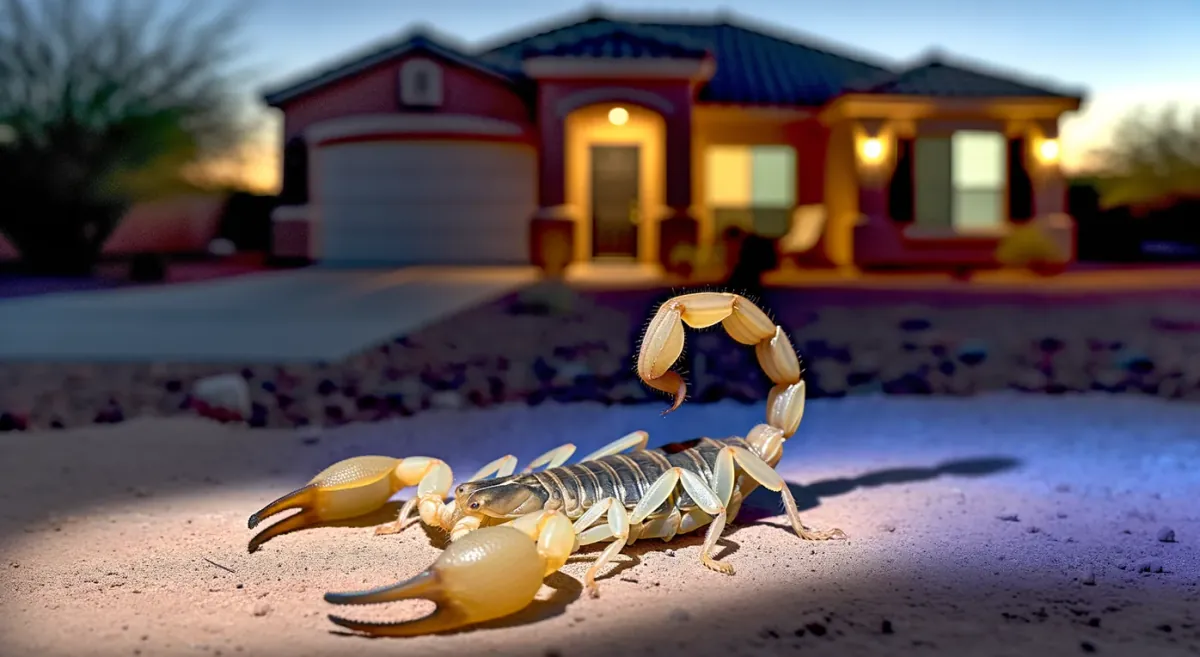
Moving to Arizona means joining a community that shares one universal experience: finding scorpions where you least expect them. The good news? You can dramatically reduce your chances of those heart-stopping encounters by taking action before your moving truck arrives.
Think of pre-move scorpion control like a three-layer defense system. First comes inspection—knowing what you're dealing with. Next is exclusion—physically blocking entry routes. Finally, you need ongoing control measures that work while you sleep. The goal isn't creating an impenetrable fortress (that's impossible). Instead, you're reducing entry points, eliminating their food sources like crickets and roaches, and adding monitoring systems that alert you before you stumble on one barefoot at 3 a.m.
The best part? You can complete most of this checklist before boxes and furniture create a maze of hiding spots. Here's your priority-ordered plan.
Should I do a UV blacklight inspection before move-in?
Absolutely—but timing matters. Schedule your inspection for after dark, ideally between 9 p.m. and midnight, when scorpions are actively hunting. If you're not comfortable doing it yourself, pest control companies offer pre-purchase inspections for $150-300.
For a DIY inspection, you'll need the right gear. Skip the cheap UV flashlights and invest in a dedicated 365nm wavelength light ($30-50). Why 365nm? Scorpions fluoresce brightest at this specific wavelength. It's also why automated detection systems like Scorpion Alert use 365nm UV in their wall-mounted detectors. The stronger the glow, the easier they are to spot against dark surfaces.
Start your inspection outside along the home's perimeter, then move inside to check baseboards, garage edges, and the threshold between your patio and interior. Pay special attention to bathrooms and laundry areas—scorpions seek moisture. Check behind water heaters, under sinks, and along the edges where tile meets walls. Document what you find with photos, noting specific locations for your sealing contractor.
Is professional sealing worth it (and what does it cost)?
Professional scorpion sealing typically runs $1,000 to $3,500, depending on your home's size and complexity. Local Arizona companies have different pricing models—Seal Out Scorpions charges around $1 per square foot, We Seal It runs closer to $0.60 per square foot, and Kyko Pest Prevention offers package deals. Get at least three quotes, and ask specifically what each company seals.
Quality sealing targets the tiny gaps scorpions exploit: weep holes in brick walls, gaps at the sill plate where walls meet foundation, pipe penetrations through exterior walls, and thresholds under doors. Technicians should use materials that last in desert heat—copper mesh for weep holes, commercial-grade sealants for cracks, and heavy-duty door sweeps that maintain floor contact.
Here's the reality check: even the best sealing job reduces entry routes by maybe 80-90%. Scorpions are persistent and can squeeze through gaps as small as 1/16 inch. That's why sealing is just one layer—you still need to control their prey insects and monitor for the ones that inevitably find a way inside.
Should I start monthly pest control before I even move in?
Starting pest control service before move-in gives you a crucial head start. Most scorpion treatments don't actually kill scorpions directly. Instead, they eliminate the crickets, roaches, and other insects scorpions hunt inside homes. By treating early, you're removing the buffet before the dinner guests arrive.
Schedule your first treatment 2-3 weeks before moving day. This timing gives the initial chemical barrier time to take effect and starts breaking down existing insect populations. An empty home is also easier to treat thoroughly—technicians can access every baseboard, corner, and potential entry point without navigating furniture.
Keep detailed service records from day one. Note the date, chemicals used, and specific areas treated. When you inevitably spot your first scorpion three months later, these records help you connect sightings to treatment gaps and adjust your strategy. Many homeowners find they need to supplement standard monthly service with additional measures during peak scorpion season.
What should I do in my first week to reduce scorpions fast?
Your first week sets the tone for your entire scorpion defense strategy. Forget the overwhelming lists you'll find online—focus on high-impact tasks you can finish in 2-3 hours per day. Here's your Week 1 shopping list and action plan that actually moves the needle.
Start with the gaps that cause most nighttime surprises. That scorpion in your bathroom didn't teleport—it squeezed through a boring little gap you walk past every day. Target the easy wins first: gaps under doors, spaces around baseboards, openings where pipes enter walls, and the eternally forgotten space behind electrical outlets.
What UV flashlight should I buy for scorpion hunting?
Invest $15-40 in a quality 365nm UV flashlight—not the cheap 395nm versions that barely make scorpions glow. The Escolite UV Flashlight and Alonefire SV004 consistently get recommended in Arizona homeowner forums. Why does wavelength matter? Scorpions fluoresce most intensely under 365nm light, making them pop against dark backgrounds like glowing emeralds.
Use your flashlight strategically, not obsessively. The prime hunting window is 1-2 hours after full sunset, when scorpions emerge to hunt. After monsoon rains, extend your patrol—moisture brings out both scorpions and their prey. Focus on edges and walls where scorpions naturally travel due to their thigmotactic behavior.
The downside of manual UV hunts is simple: they only work when you remember to do them. Miss even one night, and you may miss an intruder. That's why many homeowners eventually supplement flashlight patrols with passive monitoring systems. Scorpion Alert's detectors, for instance, activate automatically when rooms darken and scan continuously through the night—no flashlight required.
Where should I caulk inside the house (even if I'm renting)?
Even renters can seal critical indoor gaps without risking their deposit. Focus on these high-return areas: the gap between baseboards and flooring (scorpions love this highway), openings where plumbing enters cabinets under sinks, cracks around bathroom and kitchen cabinets, and gaps where electrical conduits enter rooms.
Your materials list is simple: clear silicone caulk ($5-8 per tube), a caulk gun ($10), and foam backer rod ($5) for gaps wider than 1/4 inch. Work systematically—one room per evening, rather than bouncing between spaces. This focused approach helps you avoid missing critical gaps when your attention wanders.
Don't forget the sneaky spots that attract scorpions to your home: behind toilets where the supply line enters, around washing machine hookups, gaps in the garage entry door trim, and the space where your AC line set penetrates the wall. These moisture-adjacent areas are scorpion superhighways.
Do weep holes, door sweeps, and copper mesh actually matter?
Weep holes in your exterior brick walls are necessary for drainage, but they create perfect scorpion entry points. Copper mesh ($15-20) works better than steel wool because it won't rust or compress over time, and pests can't chew through it. Cut squares slightly larger than each hole and friction-fit them inside—they'll allow moisture out while blocking scorpions.
Door sweeps matter more than most people realize. Bark scorpions can flatten their bodies to about 1/16 inch—thinner than a credit card. Those floppy rubber sweeps from the hardware store? Useless. Install commercial-grade sweeps with reinforced rubber that maintains constant floor contact. The Xcluder door sweep ($25-35) is a favorite among desert homeowners.
Test your work with the flashlight trick: turn off interior lights at night and shine a flashlight from inside toward the door. Any light leaking out shows you where scorpions can squeeze in. Adjust your sweeps and add weatherstripping until the door seals tight enough to block light completely.
What daily and weekly habits keep scorpions out of my bed and shoes?
Those Reddit posts about finding scorpions in beds aren't urban legends—they're wake-up calls about the importance of simple daily habits. The difference between scorpion-smart homeowners and everyone else isn't complicated. It's consistency.
Picture this: you stumble to the bathroom at 2 a.m., flip the light switch, and freeze. There's a bark scorpion on the tile between you and the toilet. Now you're wide awake, adrenaline pumping, wondering how many more are hiding. This scenario is preventable with the right routines.
Your goal is to remove cozy hiding spots and intercept their natural perimeter travel patterns. Scorpions don't target your bed specifically—they follow walls and end up there by accident. Break their path, and you break the pattern.
What should I do every morning (shoes, towels, clothes)?
Make shoe-shaking as automatic as brewing coffee. Every morning, every shoe, every time. That includes kids' shoes by the door, boots in the garage, and any footwear left outside overnight. Hold shoes upside down and give them three hard shakes—scorpions grip surprisingly well.
Clothes on the floor are scorpion motels. That damp towel you dropped after yesterday's shower? Perfect scorpion shelter. The pile of workout clothes in the corner? Even better—it's dark, slightly humid, and full of hiding spots. Use a hamper with a lid, hang towels immediately, and teach kids that the floor is a danger zone.
Quick wins that stick: mount hooks on bathroom doors for towels, place a sealed container by the door for sports gear, and keep backpacks on hooks or shelves instead of floors. These changes take one weekend to implement, but they can prevent years of nasty surprises.
What should I check before getting into bed?
Your 30-second bedtime check: pull back covers completely and inspect the sheets, check the floor perimeter around your bed frame, and make sure no bedding touches the floor. Bedding that reaches the floor gives scorpions a bridge up onto the bed—eliminate these bridges to your sleeping space.
Declutter your nightstand area ruthlessly. Stacks of books, charging cables draped to the floor, and yesterday's water glass can become perfect staging areas for scorpions moving along bedroom walls. Keep surfaces clear and cords managed.
Want peace of mind without nightly inspections? Consider automated monitoring for bedrooms and kids' rooms. Systems like Scorpion Alert place detectors along the room perimeter where scorpions naturally travel, sending photo-verified alerts to your phone if anything crosses their UV beam at night. It's like having a guard posted while your family sleeps.
Should I keep drains closed at night and do UV hunts after rain?
Yes to both—these habits catch scorpions at their most vulnerable times. Scorpions can come up through drains, especially during our dry months when they're seeking moisture. Keep sink stoppers closed, use drain covers in showers, and don't forget the often-missed floor drains in laundry rooms and garages.
Post-rain UV hunts are scorpion hunting on easy mode. Wait 1-2 hours after sunset following any measurable rainfall. Scorpions and their prey become more active with humidity, making them easier to spot. Focus your search along exterior walls, patio edges, and the foundation perimeter.
The beauty of consistent monitoring—whether manual or automated—is that it matches scorpion behavior patterns. They're most active in darkness, which is why detection systems only activate when rooms are dark. When you align your defense with their natural activity cycles, you're playing the game on your terms.
If I saw one scorpion, does that mean there are more?
Finding your first scorpion triggers an immediate question: "Am I infested?" Take a breath. One sighting doesn't mean your home is overrun, but it does mean the conditions that allowed one scorpion inside probably support others.
Think of it this way: scorpions don't send scouts. If one found a way into your home—through a gap under the door, a crack in the foundation, or riding in on firewood—others can follow the same path. Your response should be proportional, not panicked. One sighting changes what you do tonight, this week, and how you monitor over the next month.
The randomness of scorpion encounters frustrates new residents. You might go six months without seeing one, then find three in a week. This pattern makes sense once you understand their behavior. Scorpions respond to environmental triggers like temperature changes, humidity, and prey availability. When conditions align, multiple scorpions may enter homes around the same time.
Do scorpions live in groups, and what does that change for my plan?
Here's what every Arizona homeowner eventually learns: bark scorpions can form communal groups, often cited as 30-50 individuals sharing a favorable habitat. They're not truly social like ants, but they'll tolerate each other in prime locations—under decorative boulders, inside block wall voids, or beneath AC units.
This clustering behavior means finding one scorpion inside warrants investigating entry routes others might use. Focus your immediate response on perimeter defense rather than just eliminating the individual you saw. Seal the gap it likely used, increase prey control in that area, and set up monitoring to catch any followers.
Start an evidence log immediately. Note the date, time, location, size, and any patterns. Was it near a door? Under a sink? Moving along a specific wall? After 3-4 sightings, patterns emerge—maybe they're entering through the garage, or maybe they're concentrated near moisture sources. This data turns random encounters into addressable problems.
What weird scorpion facts surprise new Arizonans most?
Bark scorpions don't just stay at floor level—they can turn up well above the ground, though smooth surfaces defeat them and they often lose their grip and fall. This ability to climb walls, beds, and ceilings explains those terrifying "scorpion fell on me" stories. They're not targeting you; smooth surfaces just don't give them much to grip.
Pool owners, brace yourself: scorpions can survive underwater for up to 48 hours. That "dead" scorpion in your skimmer basket might spring back to life when you dump it out. They enter a state of suspended animation, slowing their metabolism to almost nothing. Always assume pool scorpions are alive until proven otherwise.
Perhaps most frustrating: baby scorpions often don't fluoresce under UV light, or they glow very faintly. Your trusty blacklight might miss an entire generation of tiny scorpions. Plus, scorpions can survive 6-12 months without food and several months without water. That scorpion trapped under a cup? It's playing the long game. This resilience is why layered defenses beat any single solution.
Is it true earwigs can be an early warning signal?
Local homeowners swear by this pattern: earwig populations spike about two weeks before scorpion sightings increase. While not scientifically proven, the correlation makes ecological sense. Both creatures respond to similar moisture and temperature triggers. When conditions favor one, they often favor the other.
Earwigs themselves don't attract scorpions, but their presence can indicate conditions scorpions also find favorable—moisture, shelter, and abundant prey. Think of earwigs as your canary in the coal mine. When you start seeing them in bathrooms or near doors, conditions are ripe for scorpion activity.
If earwigs suddenly appear, tighten your routines for the next few weeks. Increase the frequency of UV checks, make sure entry points stay sealed, and consider adjusting your pest control service. Many companies will do a targeted treatment when you report increased earwig activity, potentially heading off scorpion problems before they start.
What should I do the night I find my first scorpion (without getting stung)?
Your heart's racing. There's a scorpion on your bedroom wall, and your kids are asleep down the hall. Stop. Take a breath. You're going to handle this like a seasoned desert dweller, not a panicked newcomer.
First rule: don't lose sight of it. Scorpions move faster than you'd expect, especially when threatened. If you turn away to grab supplies, you might return to an empty wall and spend the night wondering where it went. Keep your eyes on it while you call for backup or slowly move toward your supplies.
Your immediate goal is controlled capture, not heroic combat. Smashing creates two problems: you might miss (they're quick), and a wounded scorpion is unpredictable. Plus, if you're dealing with a female carrying babies, you've just created 20-30 tiny problems scattered across your floor. The calm approach works better.
How do I safely capture or contain a scorpion right now?
Grab these items: a wide-mouth glass or clear container (mason jars work perfectly), stiff cardstock or thin cardboard, closed-toe shoes, and your UV flashlight if the room's dark. Stay calm—rushed movements lead to stings.
Approach slowly from the side, not directly above. Place the glass over the scorpion with a smooth, confident motion. Slide the cardstock under the glass, keeping it flush against the surface. Once the scorpion's on the cardstock, flip the assembly and secure the top. Congratulations—you've caught your first Arizona scorpion.
Safety note: clear the room of kids and pets before you start. Lock the door if needed. If you miss on the first attempt and lose sight of it, don't search blindly. Use your UV light systematically along walls and edges. If you can't find it after 10 minutes, consider sleeping elsewhere and calling pest control in the morning.
What should I check immediately after I remove it?
With your captive secured outside, return for a systematic check. Scorpions follow edges, so trace the likely path: start where you found it and work backward along baseboards toward the nearest entry point—usually a door, window, or plumbing penetration.
Spend 5-10 minutes with your UV light checking the same room thoroughly. Pay special attention to corners, under furniture edges, and inside closets. Check adjoining rooms too, especially if they share plumbing (bathroom to bathroom) or exterior walls. Remember, scorpions are thigmotactic—they hug walls and edges rather than crossing open spaces.
Document everything: take a photo of where you found it, note the time and weather conditions, and check if any doors or windows were recently opened. If you're tech-inclined, this is when automated monitoring proves its worth. Scorpion Alert detectors placed along room perimeters would have sent a photo alert before the scorpion reached your bed zone, turning a surprise encounter into a controlled response.
When should I escalate to sealing, pest control changes, or more monitoring?
Single sightings happen to everyone eventually. But certain patterns demand immediate escalation: finding another scorpion within 7-14 days, any sighting in a bedroom or nursery, or discovering multiple scorpions outside during UV sweeps. These patterns suggest an entry route or nearby population that needs professional attention.
Think back to your timeline: pre-move professional sealing, Week 1 DIY gap-filling, and ongoing prey control. Where are you in this sequence? If you skipped early steps, circle back. If you've done everything and still see scorpions, it's time to level up. Call your pest control company for a targeted treatment, get quotes for professional sealing you might have skipped, or add monitoring to high-risk areas.
Modern monitoring has evolved beyond sticky traps and hoping for the best. Systems like Scorpion Alert can cover multiple entry points and priority rooms simultaneously, using the same 365nm UV that makes manual hunting effective. Each detector sends photo-verified alerts with confidence scores, removing the guesswork from "did I just see something?" moments. When you know exactly where and when scorpions enter, you can respond strategically instead of playing defense in the dark.
Remember, bark scorpion stings require specific first-aid knowledge every Arizona household should have. But with the right preparation and habits, most residents go years without experiencing one. Your first year sets the foundation—stay consistent with these practices, and scorpion encounters become manageable events rather than midnight crises.
Your first year in Arizona gets a lot easier when you can turn “Is that a scorpion?” into a quick, confident answer—especially during warm nights and monsoon season when activity spikes. If you want an extra layer of reassurance beyond the habits and home-prep steps you’ve learned here, Scorpion Alert uses UV light and two-stage AI detection to help spot scorpions and cut down on false alarms.