What's the best way to keep scorpions out of the house (fast + long-term)?
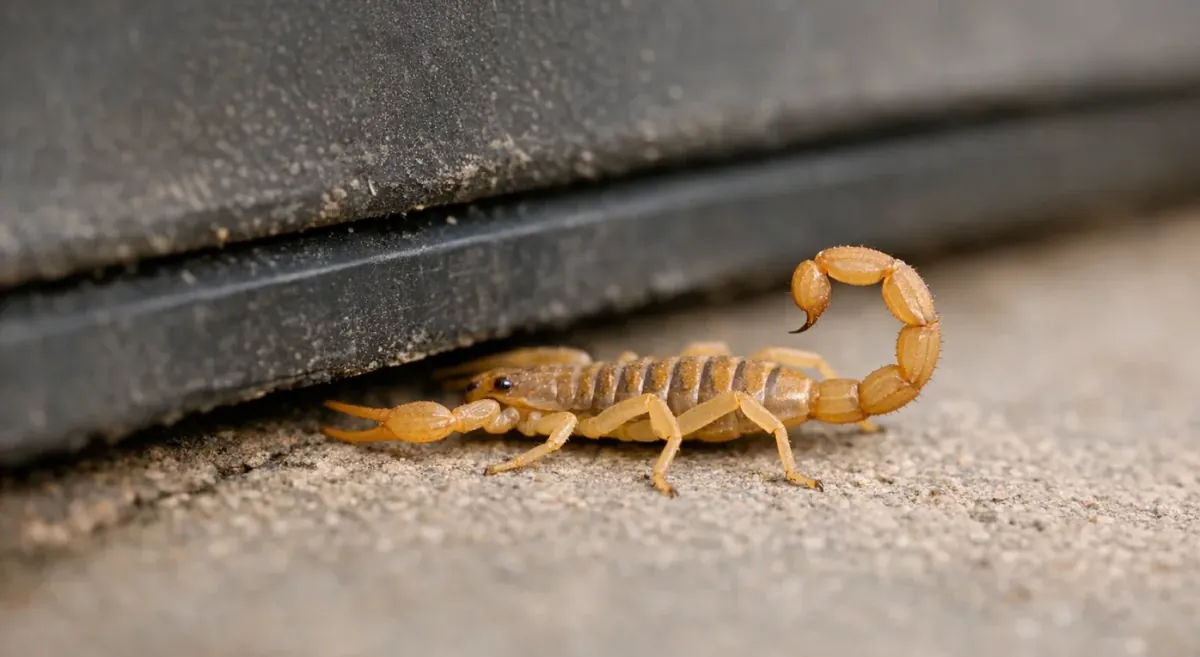
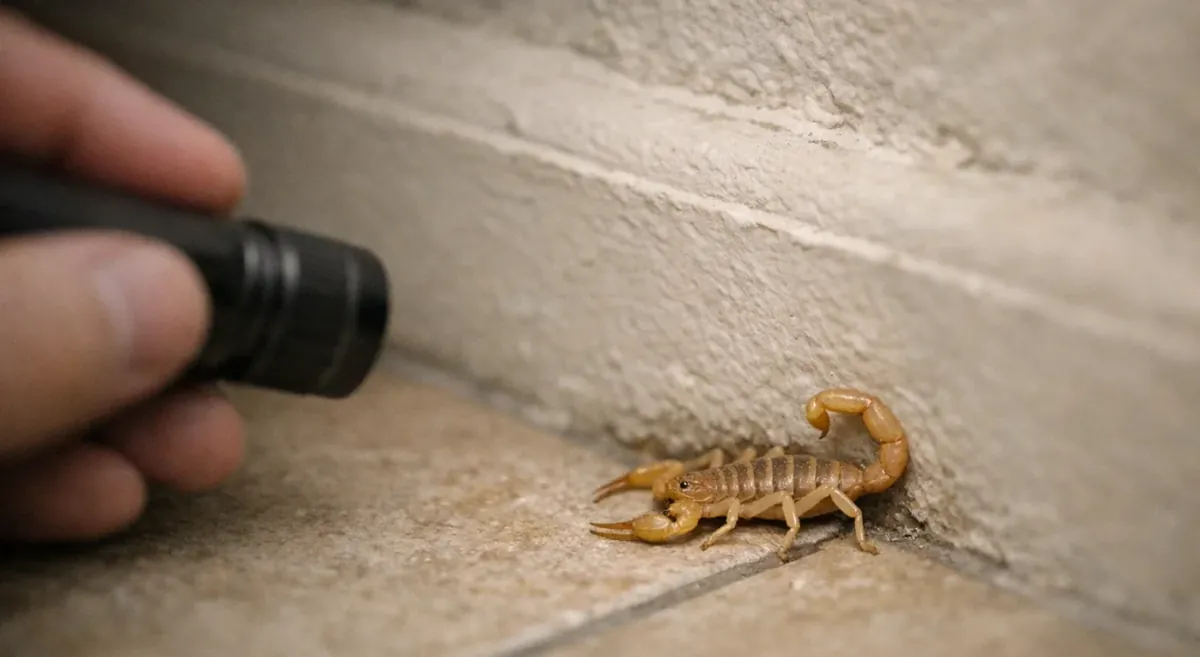
You want scorpions out — now and for good. The most effective approach is a layered defense that targets how scorpions actually behave. These nocturnal hunters don't randomly wander across your living room floor. They travel along walls and baseboards, using edges as their highways through your home. Your prevention strategy should focus on these perimeter zones where scorpions naturally move.
What "layered defense" actually means for homeowners
Think of scorpion prevention like home security: multiple barriers work better than one. A layered defense means: (1) protect sleeping and barefoot areas tonight with immediate safety measures, (2) remove indoor shelter and water sources that keep scorpions coming back, (3) reduce outdoor hiding spots near your foundation that act as staging areas, and (4) verify your efforts with nighttime monitoring so you're not just hoping it works. Each layer supports the others, creating a system that's harder for scorpions to slip through.
Which layer should I do first if I'm scared right now?
Start where the risk is highest: kids' rooms and master bedrooms get priority because that's where people are most vulnerable barefoot or asleep. Next, secure bathrooms (wet feet + hard floors at 2 a.m. is a bad combo). Then work outward to transition zones like hallways and laundry rooms that connect to garages or exterior doors. Finally, tackle the garage and perimeter spaces. You're not aiming for perfection — you're systematically reducing risk, starting with the spaces where a scorpion encounter would be most dangerous.
Does sealing matter, or is it all about spraying?
Sealing entry points absolutely matters, but it's only one part of the strategy. Chemical barriers break down over time, and scorpions can develop resistance. Physical exclusion through proper sealing creates lasting barriers — but knowing exactly where to seal starts with understanding how scorpions actually get into homes. The combination of sealing, habitat modification, and monitoring gives you backup when one method isn't enough.
What can I do tonight to keep scorpions out of my house?
Right now, you need immediate protection while you sleep. These quick actions create safer zones in the rooms where you're most vulnerable. Focus on bedrooms and bathrooms first — places where bare feet meet floors in the dark.
How do I set up a safer bedroom in 10 minutes?
Pull your bed frame at least 6 inches from the wall — scorpions travel along walls and can reach a bed that touches them. Tuck sheets and blankets so they don't touch the floor, eliminating that "bridge." Clear everything from under the bed; storage boxes create perfect scorpion hideouts right below where you sleep. Move shoes into a sealed bin or adopt a shake-out routine before putting them on. Push nightstands slightly away from walls, too. You're creating a buffer zone around your most vulnerable sleeping space.
What should I pick up or move off the floor right now?
Picture a scorpion traveling along your baseboard at 11 p.m. That pile of laundry in the corner? It's a rest stop. The stack of Amazon boxes by the door? A perfect hideout. Start with bedroom and bathroom perimeters — remove towels, clothes, shoes, and toys from floor edges. Scorpions use these items as cover while hunting along their preferred travel routes. In kids' rooms, push toy bins away from walls. In bathrooms, hang up damp bath mats and towels. You're clearing their highway system through your home.
Should I do a quick night check before lights-out?
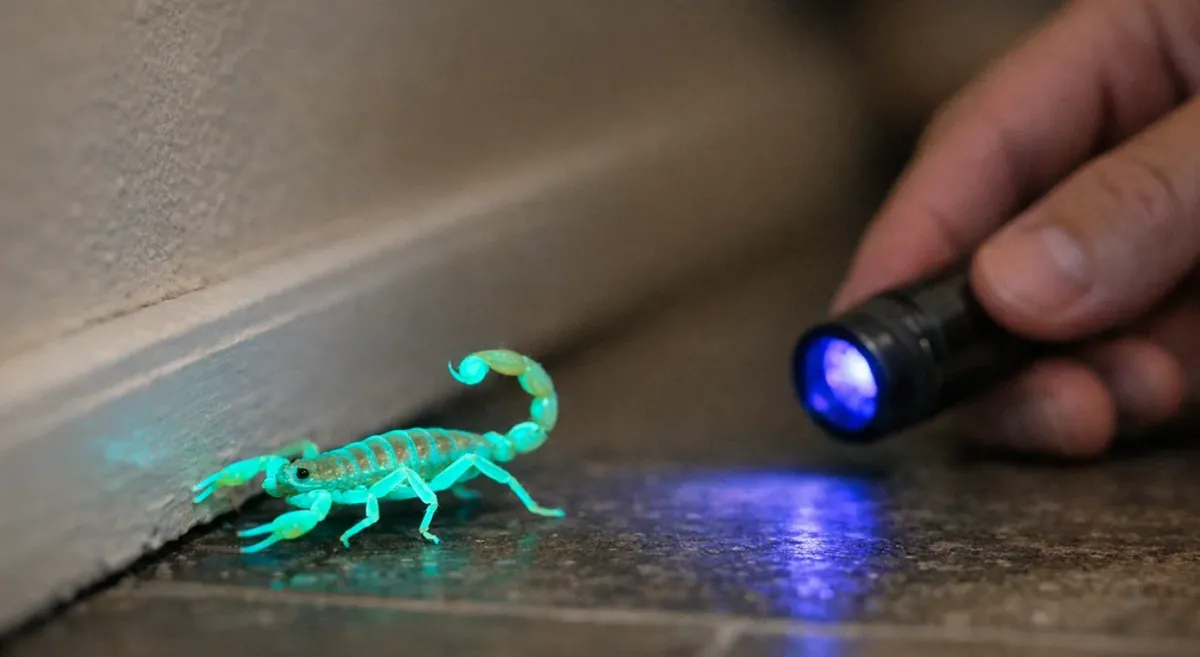
A two-minute sweep can prevent tomorrow morning's nasty surprise. Grab a flashlight (UV works best since scorpions glow green under blacklight) and closed-toe shoes. Check along baseboards in bedrooms, bathrooms, and the hallway between them. Look behind toilet bases, under sink cabinets, and along door thresholds. Don't go hunting barefoot — if you spot one, note the location and come back with a glass jar for safe capture. This quick patrol can help you sleep better knowing the high-risk zones are clear.
How do I make the inside of my house less scorpion-friendly this weekend?
Your weekend project: transform your home's interior from scorpion-friendly to scorpion-frustrating. This isn't deep cleaning — it's strategic reorganization that eliminates the edges and moisture scorpions need to do well indoors.
Which rooms should I prioritize first (and why)?
Bedrooms and kids' rooms come first because that's where people are barefoot and vulnerable. Bathrooms and laundry rooms rank second due to moisture that attracts scorpions seeking water. Garages, utility rooms, and storage areas round out your top three as transition zones where outdoor scorpions first establish indoor footholds. In most homes, securing these areas covers 80% of scorpion encounter risks. Work systematically through each space rather than doing a little in every room.
What indoor clutter creates the worst hiding spots?
Cardboard boxes sitting directly on floors are scorpion hotels — dark, insulated, and easy to access. Piles of anything along baseboards create a series of mini-caves right in their travel lanes. Under-sink areas packed with cleaning supplies offer both shelter and moisture. Your goal: maintain a visible clear strip along every wall. If you can't see the baseboard, you can't see a scorpion traveling along it, either. Elevate storage boxes on shelves, use plastic bins instead of cardboard, and organize under-sink spaces so you can actually see the cabinet floor.
How do leaks and humidity increase scorpion encounters indoors?
Scorpions can survive months without food but need water regularly. That slow drip under your kitchen sink? It's a scorpion water fountain. The puddle from your shower that takes hours to dry? Another hydration station. Pet water bowls that splash onto the floor create micro-oases. Fix leaky faucets immediately, run bathroom fans for 30 minutes after showers, place waterproof mats under pet bowls, and check washing machine drain pans monthly. Even small moisture sources can sustain a scorpion for weeks inside your home.
What yard and garage habits keep scorpions from reaching my walls?
Your foundation perimeter is the last line of defense before scorpions reach your walls. Creating an uncomfortable zone here forces them to hunt elsewhere.
What should I move away from the foundation first?
That woodpile leaning against your house? Move it at least 20 feet away and elevate it on a rack. Decorative rocks and mulch touching your foundation create perfect scorpion habitat — pull them back to create a 12-inch bare-soil inspection strip. Potted plants sitting on the ground near walls need elevation, too; every time you water them, you're creating a moisture zone that attracts prey insects and the scorpions that hunt them. These simple relocations eliminate the staging areas scorpions use before entering homes.
Do outdoor lights increase scorpion activity near the house?
Your porch light is basically a scorpion buffet sign. Lights attract flying insects, which attract hunting scorpions. Switch to yellow or amber bulbs that attract fewer bugs. Better yet, install motion-sensor lights that stay off unless needed. If possible, relocate light fixtures away from doors — mount them on posts in the yard rather than directly on the house. You'll still have security lighting, without creating a nightly insect convention at your entrance.
How do I scorpion-proof a garage without starting a storage war?
The garage perimeter rule: maintain an 18-inch clear zone along all walls. Scorpions travel these edges to enter your home, so visibility matters. Hang bikes, tools, and garden equipment on walls or overhead storage. Replace cardboard boxes with sealed plastic bins. Keep pet food in metal containers with tight lids. Focus especially on corners where walls meet — these intersection points are scorpion superhighways. You don't need to reorganize everything; just create clear sight lines along the perimeter travel routes.
How can I monitor scorpions at night and know if my plan is working?
Prevention without verification is just hoping. Since scorpions are nocturnal and glow under UV light, nighttime monitoring tells you exactly where they're getting through your defenses.
Where do scorpions actually patrol inside a home at night?
Scorpions exhibit thigmotaxis — they navigate by maintaining contact with surfaces. Inside your home, they follow baseboards, door thresholds, and the edges where walls meet floors. They rarely cross open rooms, preferring the security of edges. This predictable behavior means you can focus monitoring efforts on these highway routes rather than entire rooms. Place detection methods along walls near exterior doors, in hallways connecting to garages, and around bathroom water sources.
What does "hands-off" monitoring look like (and what's better than sticky traps)?
Sticky traps seem convenient until they're covered in dust, dead crickets, and pet hair — making it hard to spot an actual scorpion. Plus, you still have to check them regularly. Automated UV monitoring works differently: devices activate when rooms go dark and continuously scan the floor edges where scorpions travel. When they detect that telltale green glow, you get an instant alert with a photo on your phone. No nightly flashlight patrols, and no guessing whether that blob on a sticky trap is a scorpion or a beetle. Systems like Scorpion Alert provide real-time photo verification so you know exactly what triggered the detection.
How should I place Scorpion Alert detectors for the best coverage?
Position detectors where scorpions are most likely to travel — along walls near entry points like front doors, back doors, garage access, and patio sliders. In bedrooms and nurseries, place them near doorways to catch scorpions before they reach sleeping areas. Bathrooms and laundry rooms need coverage near water sources. The plug-in design naturally aligns with scorpion travel patterns since electrical outlets sit right at baseboard level. Each detector captures multiple images when triggered, assigns a confidence score, and sends photo alerts to your phone — reducing false alarms from shadows or debris.
How many monitoring points do I need for a typical home?
Small apartments or condos might need just 1-2 detectors covering the main bedroom and primary bathroom. Average single-family homes typically use 3-5 units: master bedroom, kids' rooms, main hallway, and key entry areas. Larger homes or those with multiple exterior doors may need more. Automated monitoring also makes family sharing easy — everyone in the household can receive alerts on their phones, so nobody misses a detection while someone's traveling or asleep.
If I detect a scorpion indoors, what's a controlled response plan?
Don't panic. Put on closed-toe shoes, grab a clear glass or jar, and a piece of cardboard. Approach slowly — scorpions typically freeze when spotted. Place the glass over the scorpion, slide the cardboard underneath, and flip the container. Release it far from your house or call a pest control service for removal. Never attempt capture barefoot or bare-handed. For detailed safety protocols, review what not to do after spotting a scorpion. If someone does get stung, especially a child, follow proper first-aid procedures immediately since children face higher risks from stings.
What weekly vs. monthly routine keeps the pressure on?
Weekly tasks take five minutes: walk your interior perimeter to ensure clear edges, check under sinks for new leaks, and do a quick foundation inspection for fresh debris. Monthly maintenance prevents backsliding: test door sweeps with a dollar bill (if it slides through, so can a scorpion), reset any garage clutter that's crept back toward walls, and review detection data to spot patterns. If you're getting alerts in the same location repeatedly, something in that area needs attention — maybe a gap in weather stripping or an attractant you missed.
A layered defense works best when each layer supports the next—sealing entry points and reducing outdoor harborage cuts the odds, and a reliable way to spot activity indoors helps you respond before a surprise encounter. Scorpion Alert adds that final layer with night-active 365nm UV detection so scorpions are easier to see when they’re most likely to move. Learn more about adding this extra checkpoint to your home at Scorpion Alert.