How can scorpions get inside even when doors and windows are closed?
You've locked every door and window, yet there's a scorpion on your bathroom floor. Sound familiar? Here's the reality: scorpions don't need an open invitation. These desert survivors can squeeze through gaps as narrow as 1/16 of an inch — about the thickness of a credit card.
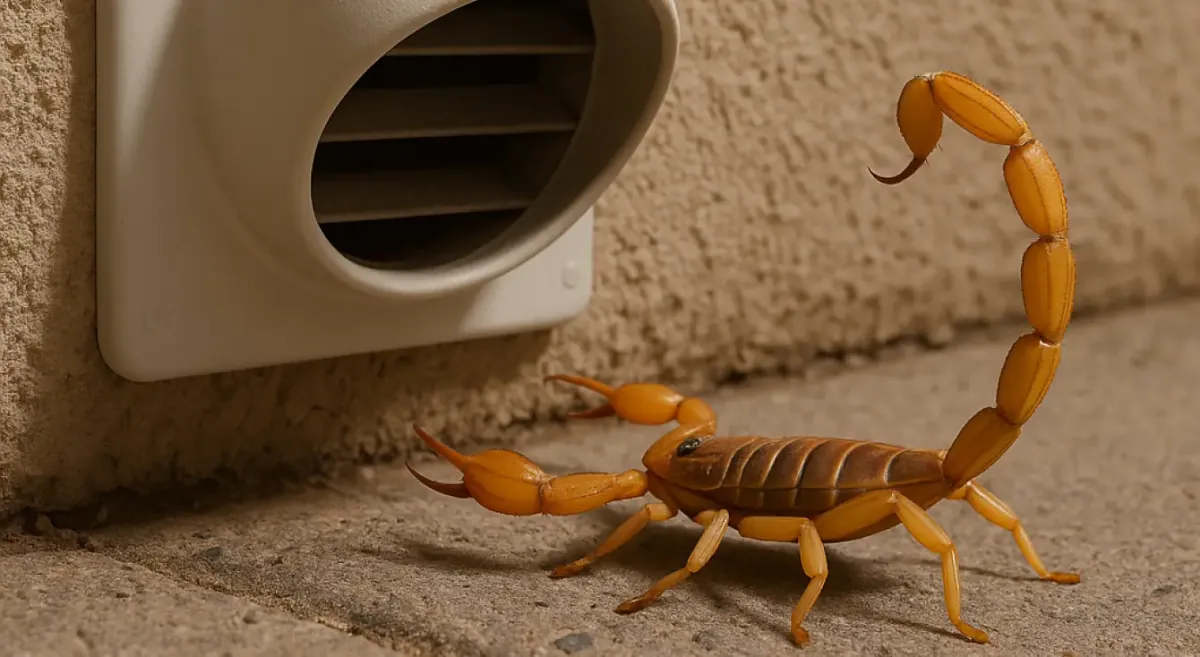
Most scorpion sightings aren't signs of an infestation. They're usually lone wanderers that found a tiny gap you didn't know existed. Picture this: it's 11 p.m., and an Arizona bark scorpion is hunting along your home's foundation. It reaches the weatherstripping under your back door — slightly compressed from years of use — and slips right through.
The tricky part is that scorpions do their exploring at night while you're asleep. They stick to walls and baseboards as they move, which makes them nearly invisible in the dark. By morning, they've tucked themselves into a hiding spot, and you won't know they're inside until you accidentally disturb them days later.
Let's be realistic about prevention. Unless you live in a hermetically sealed laboratory, your home probably has entry points. The goal isn't perfection — it's reducing access routes enough that scorpions rarely get in, and having a way to know if one does slip through.
Why do scorpions hug walls and baseboards?
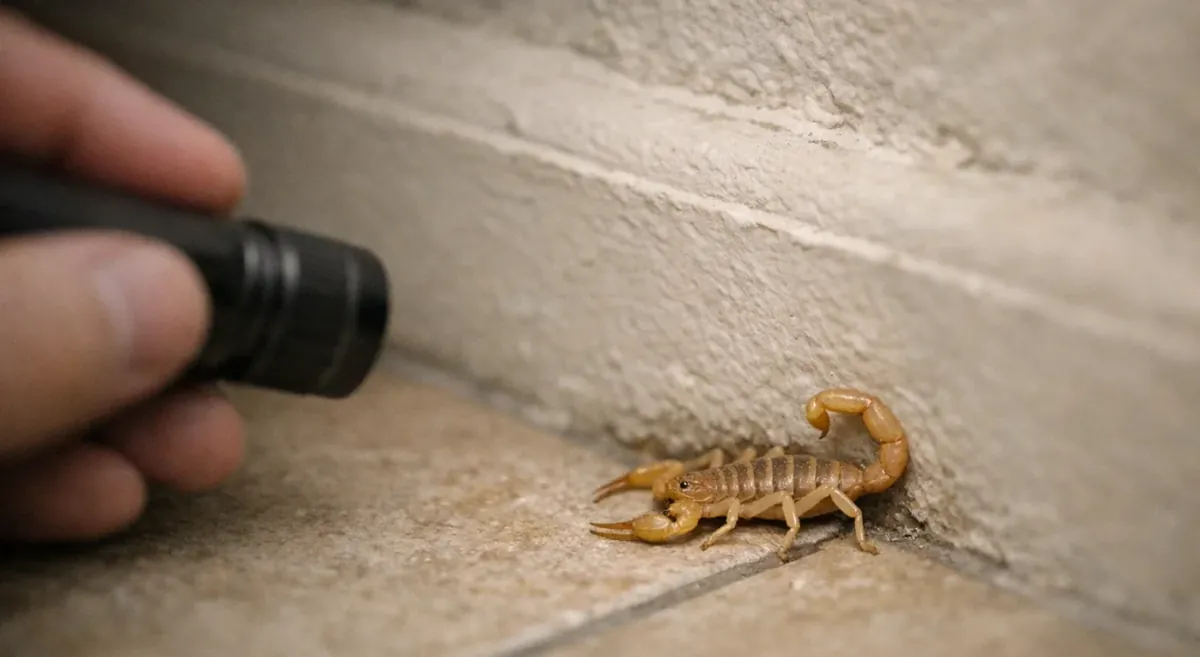
Ever notice how scorpions seem to appear along baseboards or in corners? There's a scientific reason. Scorpions navigate using thigmotaxis — a fancy word that simply means they prefer to keep their bodies in contact with surfaces. Think of it like using a handrail in the dark.
This behavior explains why you'll find scorpions along door thresholds, following the edge where carpet meets tile, or tucked into the corner behind your toilet. They're not being sneaky — they're just following their natural programming to stay close to surfaces for security and navigation.
Understanding thigmotaxis helps with inspection strategy. Start by checking gaps along your home's perimeter first — door frames, baseboards, and where walls meet floors. Then work your way up to windows and utility penetrations. Since scorpions naturally travel these perimeter routes, monitoring the same paths can effectively detect their movement.
Do scorpions come in randomly, or from predictable spots?
That “random” scorpion in your kitchen probably took a predictable path to get there. While their nighttime wandering might seem chaotic, scorpions typically enter through the same vulnerable spots in most Southwest homes.
Think of home inspection like a checklist. Start with doors (including the garage), then check your foundation and slab edges. Move on to utility penetrations — anywhere pipes or cables enter your home. Don't forget the roofline and attic access points. Finally, examine your windows, especially if you've been leaving them cracked for cool desert evenings.
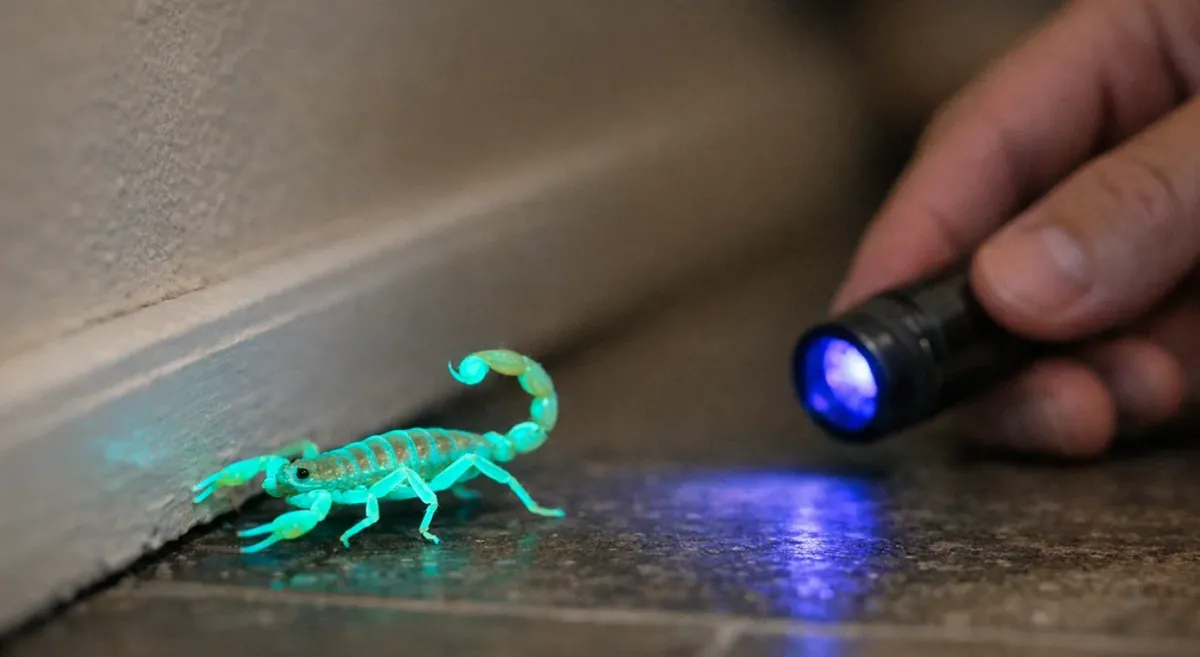
One thing that makes detection easier: scorpions glow bright green under ultraviolet light. Their exoskeletons contain proteins that fluoresce under UV wavelengths, particularly around 365nm. That means you can spot them in the dark — whether you're doing a manual check or using automated detection systems.
What are the top 5 entry points to check first?
Ready for a 10-minute inspection that could reveal where scorpions are getting in? Let's walk through the five most common entry points, starting with the easiest to check and fix. You'll want a flashlight and maybe some masking tape to mark problem spots.
Can scorpions get in through gaps under doors and garage doors?
Doors are scorpion on-ramps. Check your front door first — can you see daylight underneath? Run your hand along the bottom. Feel air movement? That gap is plenty big enough for a scorpion. Worn door sweeps are the usual culprit, especially on doors that face the afternoon sun.
Garage doors are often even worse. Those corner gaps where the door meets the frame? Perfect scorpion-sized openings. The flexible weather seal at the bottom cracks and hardens over time, creating multiple entry points along its length.
Here's a quick test: turn off the lights inside and shine a flashlight along the door edges from outside. Light leaking through reveals gaps. Mark those spots — they're priority fixes since scorpions naturally travel along these ground-level perimeters where walls meet walkways.
Do cracks in foundations, stucco, and weep screeds let scorpions in?
Your home's foundation is under constant assault from settling, temperature swings, and moisture changes. Those hairline cracks in the slab can widen just enough at the surface to let a determined scorpion squeeze through. Pay special attention to expansion joints — those intentional gaps between concrete sections that prevent cracking often lack proper sealing.
Stucco presents its own challenges. Check where stucco meets door frames, windows, or decorative trim. The junction between different materials often develops gaps as your home expands and contracts with desert temperature extremes. Weep screeds — those metal edges at the bottom of stucco walls — can separate from the foundation, creating a hidden highway.
Safety tip for inspection: do this check at dusk or early evening with a UV flashlight. You might spot scorpions already using these routes. They'll glow bright green against the dark foundation, giving you real-time intelligence about active entry points.
Can scorpions enter through vents, drains, and utility line penetrations?
Every pipe, cable, and wire entering your home creates a potential breach. Start with your AC line set — those copper pipes running from your outdoor unit. The hole drilled for these lines is usually larger than needed, and the foam stuffed around it has probably deteriorated. Same story for cable TV lines, internet cables, and outdoor electrical outlets.
Dryer vents without proper screens can become scorpion express lanes. Bathroom exhaust fans, attic vents, and even the gap around your outdoor hose bib all need attention. Under sinks, check where water lines come through the wall — builders often leave generous gaps that never get sealed.
A word about sticky traps near these areas: they might seem like a good monitoring idea, but they can create new problems. Trapped insects become scorpion bait, potentially attracting them to the very spots you're trying to protect. Plus, curious pets and kids can get stuck to these traps, creating a different kind of emergency.
How do scorpions get into attics and through rooflines?
Scorpions aren't limited to ground-level entry. When something bridges the way up — an overhanging tree branch, a vine, or a fence that meets the house — they can reach your roofline, where they find plenty of entry opportunities. Soffit vents with damaged screens, gaps where the roof meets walls, and construction joints that have separated over time can all provide access to your attic.
Check your exterior for anything that offers a route up to the roof. Tree branches touching the roof? That's a bridge straight to the roofline. Vines growing up walls? Another highway. Trimming back branches and pulling vines off the house removes these shortcuts. Roof vents that have lost their screens during monsoon storms are particularly problematic.
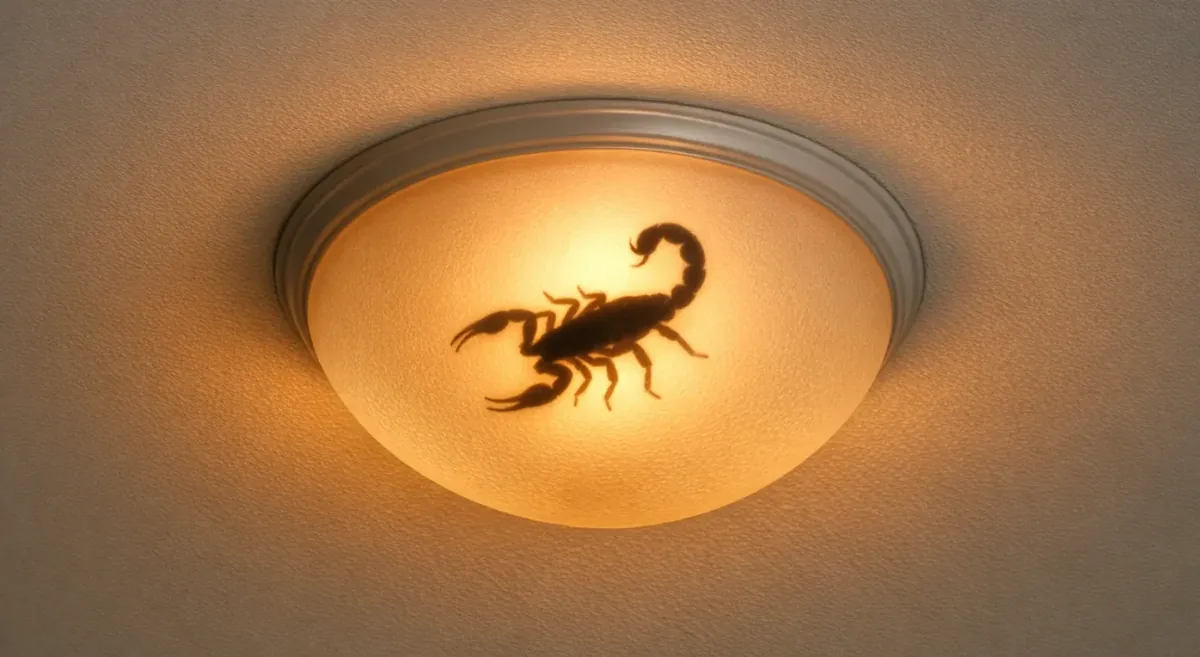
After storms or high winds, roofline entry points can multiply. Loose vent covers, shifted tiles, and damaged screens all need immediate attention. Once in your attic, scorpions can eventually find their way down into living spaces through light fixtures, attic access panels, or gaps around ceiling fans.
Will torn window screens or open windows bring scorpions inside at night?
Those cool desert evenings tempt us to crack windows, but the timing couldn't be worse — scorpions are most active during the same nighttime hours when you're seeking that breeze. Even tiny tears in screens can become entry points. Check where the screen meets its frame; this edge often pulls away, creating gaps.
Window tracks accumulate dirt and debris, preventing proper closure. Sliding windows are particularly vulnerable where the moving panel meets the frame. Weather stripping often deteriorates here first, leaving gaps right at scorpion travel height.
Prioritize bedroom windows for immediate repair. Nothing ruins sleep quality faster than wondering if that torn screen above your bed let something in. Fix children's rooms first, then master bedrooms, then living areas. Peace of mind in sleeping spaces is worth the effort of proper screen repair.
What are the fastest DIY fixes to block these entry points?
Most scorpion entry points can be sealed in an afternoon with supplies from any hardware store. The trick is using the right materials in the right places — and doing the prep work that makes fixes last through brutal Southwest summers.
How do I seal doors the right way (without making them stick)?
Start with door sweeps — those flexible strips that attach to the bottom of your door. Choose ones rated for exterior use with a flexible rubber or vinyl seal. Installation is usually just three screws, but placement matters. The sweep should barely brush the threshold when closed, creating a seal without dragging.
For garage doors, you need a different approach. Garage door bottom seals come in T-style or bulb-style designs. The bulb style compresses better on uneven concrete. Don't forget garage door corner seals — those L-shaped pieces that fill the gap where the door meets the frame.
Test your work with the paper test: close the door on a piece of paper. You should feel resistance when pulling it out, but the door shouldn't require forcing to close. Check your seals every few months, especially after summer heat waves that can warp and crack rubber materials.
What should I use to seal cracks and gaps—silicone, caulk, or foam?
Small cracks under 1/4 inch? Use exterior-rated silicone sealant. It stays flexible through temperature extremes and bonds well to most surfaces. For larger gaps up to 1 inch, use expanding foam first, let it cure, trim the excess, then seal over it with silicone for a finished look.
Those gaps around pipes and cables need special attention. Clean out old, crumbling sealant first — it won't bond to failing material. For outdoor applications, use sealants specifically labeled for exterior use with UV protection. Desert sun destroys regular caulk within months.
Safety reminder: never seal appliance vents completely. Dryer vents, water heater vents, and furnace exhausts need proper airflow. Instead, install fine mesh screens designed for these applications. Secure them with screws, not just friction-fit, so they survive our wind storms.
What mesh or screens actually work for vents and weep holes?
Standard window screen won't cut it — the holes are too large for juvenile scorpions. You need 1/8-inch or smaller mesh, sometimes called hardware cloth. Stainless steel mesh resists corrosion and holds up to UV exposure better than aluminum.
For foundation vents and soffits, cut mesh slightly larger than the opening and secure it with screws and washers every 6 inches. Don't just stuff it in place — desert winds will eventually work it loose. Weep holes require special covers that maintain drainage while blocking pests.
Here's a bonus: proper screening doesn't just stop scorpions. It also blocks the crickets, roaches, and other insects that scorpions hunt. Reduce the food supply, and you'll see fewer scorpions hanging around your home's perimeter looking for ways inside.
How can I tell where scorpions are entering if I never see them?
Here's the frustrating truth: scorpions could be entering your home regularly without leaving obvious signs. They hunt at night while you sleep, hide during the day, and can go weeks without being spotted. By the time you see one, it might have been inside for days.
You have two practical options for detecting entry routes. First, you can do targeted nighttime inspections with a UV flashlight — scorpions glow bright green under 365nm ultraviolet light. Second, you can use passive monitoring systems that watch common entry points automatically. Products like Scorpion Alert detectors use this same UV fluorescence principle to spot scorpions as they travel along walls at night.
Where should I look at night to confirm activity?
Grab a UV flashlight and start your search where scorpions naturally travel — along baseboards in every room. Pay special attention to doorway transitions, especially between tile and carpet. Check bathroom and laundry room perimeters carefully; scorpions are drawn to moisture.
Don't forget garage-to-house doorways, corners behind toilets, and the space under kitchen cabinets. These are all classic scorpion highways. The UV light makes them hard to miss — they'll glow like green glow sticks against dark backgrounds.
Safety first: wear closed-toe shoes and bring leather gloves. Keep a clear glass or jar handy for capture. Never reach into spaces you can't see clearly, and remember that scorpions can turn up off the floor — check low walls and door frames, too.
Can Scorpion Alert help pinpoint problem areas without nightly blacklight walks?
Scorpion Alert detectors work on a simple principle: they plug into wall outlets along room perimeters and shine UV light onto the floor below — right where scorpions naturally travel. When the room goes dark, they start scanning. If a scorpion passes through that UV zone, its fluorescent glow triggers the detector's camera.
Within seconds, you get a photo alert on your phone, complete with an AI confidence score. This beats random nighttime patrols because the system watches every night, all night, without fail. You can sleep knowing you'll get an alert if something shows up.
Strategic placement maximizes effectiveness. Install detectors near exterior doors, garage entries, pet doors, and patio sliders first. Then add units in bedrooms and nurseries for peace of mind. The system's detection history helps you identify which entry points need better sealing — if the garage detector triggers weekly but the front door unit stays quiet, you know where to focus your efforts.
What should I do if I get an alert or spot a scorpion indoors?
Stay calm and act quickly. First, keep kids and pets away from the area. If you received a Scorpion Alert notification, the photo shows you exactly where to look. Grab your UV flashlight and a clear glass or large jar for capture.
Once contained, document where you found it — this intelligence helps refine your sealing priorities. Was it near the garage door you've been meaning to fix? Along the baseboard where you noticed a gap? These patterns reveal active entry routes.
For detailed guidance on safe capture and what to avoid, check out what not to do after spotting a scorpion in your home. The key is responding quickly before the scorpion disappears into another hiding spot.
When should I call a professional, and what should I ask them to do?
Some situations demand professional help. If you're finding scorpions weekly despite sealing efforts, seeing them in bedrooms or near cribs, or have family members at higher risk from stings, it's time to call in expertise.
Good pest control goes beyond spraying chemicals. You want a company that starts with a thorough inspection, identifies specific entry points, and combines exclusion work with targeted treatments. They should explain their plan clearly and show you exactly what they're sealing.
Even with professional help, monitoring remains valuable. How else will you know if their treatment is actually working? Combining professional service with detection systems gives you real data — fewer alerts over time means fewer scorpions getting inside.
What does a good scorpion inspection/exclusion plan include?
A quality inspection starts at your home's perimeter. The technician should check every door threshold, examine utility penetrations with a flashlight, inspect garage-to-house transitions, and evaluate roofline access points. They should document problems with photos and provide a specific action plan.
Exclusion work should be itemized: installing door sweeps, sealing specific pipe penetrations, screening particular vents. Vague promises to “treat the perimeter” aren't enough. You want details about which gaps they're sealing and what materials they're using.
Ask how they address scorpion prey without creating new attractants. Good companies understand that eliminating food sources is part of long-term control. They should also schedule follow-up visits to verify their exclusion work holds up through temperature extremes.
How do I protect kids and pets while I'm troubleshooting entry points?
Start with immediate risk reduction. Pull beds slightly away from walls so blankets don't create bridges. Shake out shoes before wearing them, especially ones stored near exterior walls. Install nightlights in hallways and bathrooms — scorpions avoid well-lit areas.
Know what to do if the worst happens. Keep bark scorpion first aid guidelines handy and identify your nearest emergency room. During peak scorpion season, vigilance matters most.
For sleeping areas, monitoring provides invaluable peace of mind. Whether you're using Scorpion Alert detectors or doing manual checks, knowing that bedrooms are clear helps everyone sleep better. Remember, scorpions can climb walls and furniture, so comprehensive monitoring beats assuming they'll stay on the floor.
Now that you know the top ways scorpions slip in—through cracks and crevices, gaps under doors, and moisture-prone spots—it’s easier to prioritize sealing and simple maintenance that actually makes a difference. If you want extra peace of mind while you work through those fixes, Scorpion Alert can help you stay on top of high-risk areas and catch activity early.