Why do scorpions end up inside Southwest homes?
Keep scorpions out by sealing gaps under doors with sweeps, caulking cracks around pipes and foundations, removing yard debris near walls, switching to yellow LED bulbs that attract fewer insects, and monitoring with UV flashlights or automated detectors. Focus on the garage-to-house door, exterior walls at ground level, and moisture sources like AC units where scorpions commonly enter.
That scorpion you just found? It wasn't looking for you. During Arizona's intense summers and New Mexico's dry spells, scorpions move into homes searching for three basic needs: water, prey insects, and cool shelter. Your air-conditioned house offers all three — especially when outdoor temperatures soar above 100°F.
Here's what makes your home so appealing to scorpions. They detect moisture from bathroom pipes, kitchen sinks, and AC condensate lines. They follow the trail of crickets, roaches, and spiders that already found their way inside. And during scorching afternoons, your foundation provides the dark, cool refuge they need.
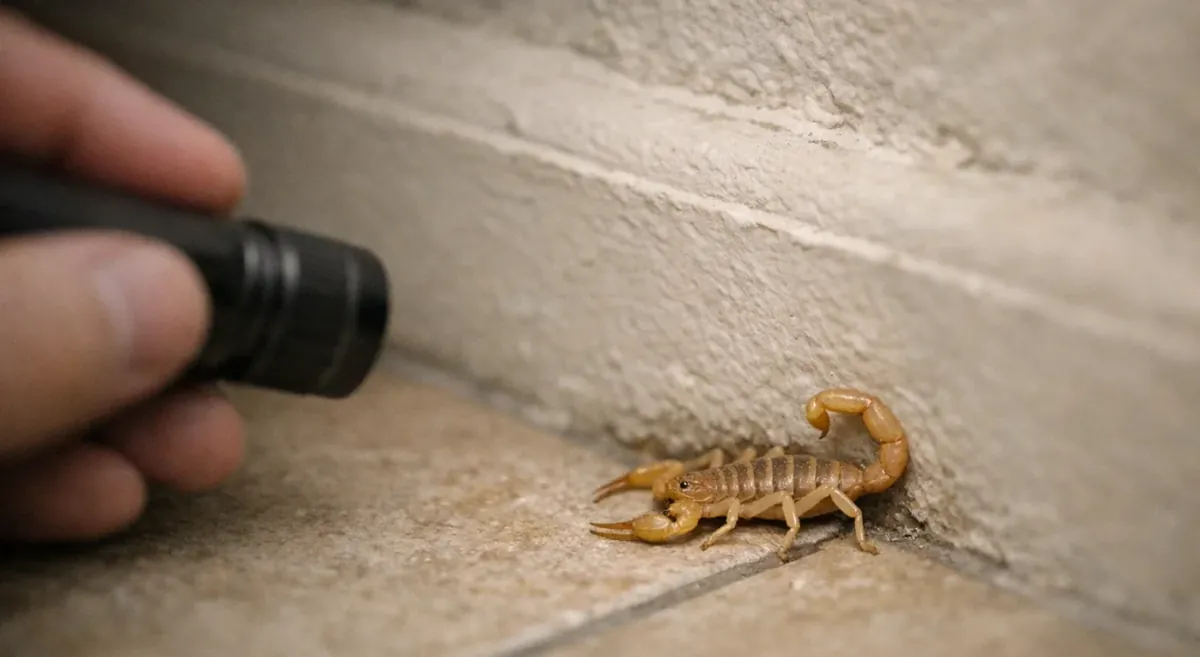
Understanding how scorpions navigate helps explain why certain defenses work better than others. Scorpions are thigmotactic — they travel by maintaining contact with walls and edges. Picture a scorpion entering your garage at night. It won't cross open floor space. Instead, it hugs the baseboard, follows the wall to your interior door, squeezes under the weatherstripping, and continues along your hallway baseboard. This wall-hugging behavior is why perimeter-focused strategies like door sweeps and baseboard monitoring can be so effective.
Prevention isn't about finding one miracle solution. Effective scorpion control layers multiple approaches: excluding entry points, reducing what attracts them, and monitoring for the ones that slip through. No single spray or device eliminates the risk entirely.
Are scorpions actually hunting me, or just my house?
Let's clear this up: scorpions have zero interest in you personally. They're opportunistic hunters following the insects and moisture in your home. You're not prey — you're something they'd rather avoid.
Most scorpion encounters happen by accident. You reach for a towel draped over the shower door and disturb one hunting a cricket. You slip on shoes left by the back door without checking inside first. You move boxes in the garage and uncover one resting in a cool corner. These scenarios match every homeowner's concern — scorpions end up exactly where we don't expect them.
The striped bark scorpions common across Texas and Oklahoma typically hunt at night along your baseboards. Arizona bark scorpions, the most venomous species in North America, often turn up above ground level and hide in folded laundry or bedding. Neither species wants confrontation. They sting when surprised, trapped, or accidentally pressed against skin.
Does seeing one scorpion mean I have an infestation?
Finding a single scorpion proves one thing: there's a way in. It doesn't automatically mean you have dozens hiding in your walls. Unlike social insects that nest in colonies, scorpions are solitary creatures that hunt alone.
However, certain signs suggest you should investigate more thoroughly. Repeated sightings in the same area can indicate an active entry point nearby. Baby scorpions mean an adult female made it inside weeks ago. Multiple stings or close calls demand immediate action. And if you're seeing lots of crickets or roaches, you're essentially running a scorpion buffet.
Use this quick decision rule: One adult scorpion in six months? It probably wandered in through an open door. Two scorpions in a week, babies on a glue trap, or scorpions plus heavy insect activity? Time to launch a serious inspection and exclusion effort.
What should I do the same day I find a scorpion indoors?
Stay calm and follow this immediate action plan. First, contain or remove the scorpion safely (we'll cover how). Then inspect the room where you found it, checking baseboards, door thresholds, and any walls shared with the garage or exterior. Focus your same-day efforts on bedrooms and areas where kids or pets spend time — those spaces need protection first.
Your "tonight" checklist keeps everyone safe without requiring major repairs. Move beds away from walls. Shake out bedding before climbing in. Place glue boards along bedroom baseboards. Check shoes and clothing before wearing them. Keep nightlights on in hallways and bathrooms — scorpions prefer darkness, but you need visibility. These simple steps buy you time to address entry points properly.
How do I capture or remove a scorpion without getting stung?
Never use bare hands. Period. Here's the safest removal method: grab a clear glass or plastic container and a stiff piece of cardboard. Approach slowly — sudden movements can trigger defensive behavior. Place the container over the scorpion, then slide the cardboard underneath. Flip the container while keeping the cardboard pressed tight. Now you can relocate it outside, far from your home.
Long-handled tongs offer another option, especially for scorpions in tight spaces. Grip firmly behind the tail segment and transfer to a container. Avoid these common mistakes: reaching into dark areas, using short tools that put your hand too close, or assuming a motionless scorpion is dead.
Safety basics matter. Wear closed-toe shoes — never go barefoot during removal. Put on gloves if you have them. Clear the area of children and pets until you've handled the situation. If the scorpion disappears before you can catch it, don't panic. Place glue traps along nearby walls and check them in the morning.
What quick checks tell me where it likely got in?
Start your detective work within 10-15 feet of where you spotted the scorpion. Remember, they travel along edges, so trace the baseboards back toward exterior walls. Check door thresholds first — can you see light underneath? Run your finger along where the floor meets the wall, feeling for gaps or damaged caulk.
Look for moisture sources nearby. Did you find it in the bathroom? Check around pipe penetrations under the sink. Kitchen sighting? Inspect the dishwasher and refrigerator water line connections. Laundry room? That gap where the dryer vent exits needs attention. AC units create condensation that attracts both scorpions and their prey — examine the area where condensate lines exit your home.
Pay special attention to walls shared with the garage. The garage-to-house door ranks among the top entry points because it often lacks proper weatherstripping and stays open during evening activities. Also scout for insect activity — dead bugs, spider webs, or ant trails can point to the highways scorpions follow.
How do I seal my house so scorpions can't get in?
Effective sealing follows a simple workflow: outside first, then inside. Start with your home's exterior perimeter at ground level. Scorpions can squeeze through gaps as thin as a credit card, so your mission is to close every crack, gap, and opening from the foundation up to about 3 feet high.
Focus your efforts on transitions — where different materials meet. The gap where stucco meets the foundation. Spaces around exterior door frames. Openings where utilities enter your home. These transition zones deteriorate over time, creating the highways scorpions use to move inside.
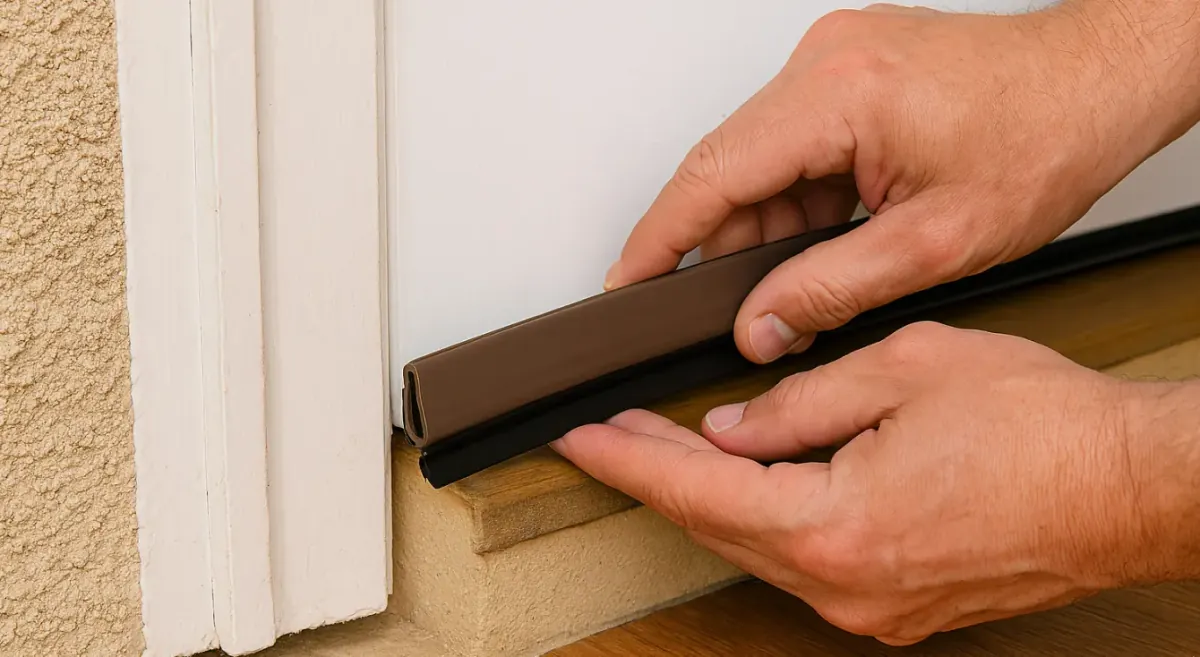
Material choice matters for lasting results. Use door sweeps on all exterior doors, paying special attention to garage doors. Apply weatherstripping to compress and seal when doors close. Fill small cracks with elastomeric caulk that flexes with temperature changes. For larger gaps around pipes, use expanding foam designed for pest exclusion. But here's a crucial warning: never seal areas designed for drainage or ventilation. Trapping moisture creates bigger problems than scorpions.
Which door and garage fixes make the biggest difference fast?
Your doors need immediate attention. Here's the business card test: close each exterior door and try sliding a card underneath. If it passes through, so can a scorpion. Install door sweeps that make full contact with the threshold — no light should be visible from outside at night.
That garage-to-house door deserves special focus. Replace worn weatherstripping that's compressed, torn, or missing sections. Check the door's alignment — it should close flush against the frame without gaps at the corners. Many homeowners prop this door open for pets or airflow during evening hours. If that's your routine, consider a magnetic screen door that allows pet passage but springs closed automatically.
Don't forget sliding glass doors. The track collects debris that prevents proper closure. Clean it thoroughly, then adjust the door to minimize the gap at the bottom. Add weatherstripping designed specifically for sliding doors if needed.
How do I seal utility lines, weep holes, and foundation gaps safely?
Different penetrations require different solutions. For gaps around electrical conduits, cable lines, and small pipes, use silicone-based caulk. It adheres well to multiple surfaces and maintains flexibility. Apply it generously around the entire penetration, smoothing with your finger for complete coverage.
Expanding foam works best for larger openings around AC refrigerant lines and plumbing bundles. Choose minimal-expansion foam to avoid damaging pipes or wires. Fill the cavity about 75% full — the foam expands to seal completely. Once cured, trim excess with a knife and paint if desired for UV protection.
Here's what NOT to seal: weep holes in brick walls, foundation vents, and drainage channels. These features prevent moisture damage to your home. Instead, cover them with fine mesh screening that keeps scorpions out while maintaining airflow. If you spot cracks in your foundation wider than 1/4 inch, shifting soil, or signs of structural movement, call a professional for evaluation before attempting repairs.
Can scorpions come through plumbing or AC vents?
Yes, sometimes they do. Scorpions can navigate through plumbing when P-traps dry out, eliminating the water barrier. Guest bathrooms, unused sinks, and floor drains pose the highest risk. Run water in seldom-used fixtures monthly to maintain the seal.
AC vents provide another potential route, particularly where condensate lines create moisture trails. Inspect where vents meet walls or floors — gaps often develop as caulk ages and houses settle. Screen any outdoor vent openings with fine mesh, and seal interior vent perimeters with caulk.
How do I make my yard and garage less scorpion-friendly?
Think of scorpion control as creating a buffer zone around your home. Your goal: make the area within 3-6 feet of your foundation as inhospitable as possible. That means eliminating shelter, reducing prey insects, and removing moisture sources that draw scorpions close to your walls.
Scorpions need three things in their habitat: tight hiding spaces for daytime shelter, abundant prey, and moisture access. Your yard probably offers all three. Those decorative rocks against your foundation create perfect hiding spots. Landscape lighting attracts insects that scorpions hunt. And irrigation spray hitting your walls provides the moisture they seek.
Effective habitat management focuses on disruption, not perfection. You can't eliminate every insect or remove all moisture from your property. But you can push these attractants away from your home's perimeter, making the journey inside less appealing and more difficult for scorpions.
What should I move away from my foundation first?
Start with same-day wins that immediately reduce hiding spots. Pull potted plants away from exterior walls — that gap between pot and wall shelters scorpions perfectly. Relocate decorative rocks, pavers, and garden edging at least 3 feet from your foundation. Move firewood stacks to the far corner of your property, elevated on a rack rather than in direct contact with the ground.
Coiled hoses, stacked lumber, and children's toys create the shaded, undisturbed spaces scorpions love. Store these items in sealed containers or relocate them away from the house. That pile of pool equipment against the garage wall? Prime scorpion real estate. The bags of mulch waiting for weekend spreading? Move them now.
Inside your garage, elevate everything you can. Scorpions hide under items in direct contact with the floor. Use metal shelving, hang tools on walls, and store boxes on shelves rather than on the ground. This simple change eliminates dozens of potential hiding spots while making inspection easier.
Does outdoor lighting make scorpions worse?
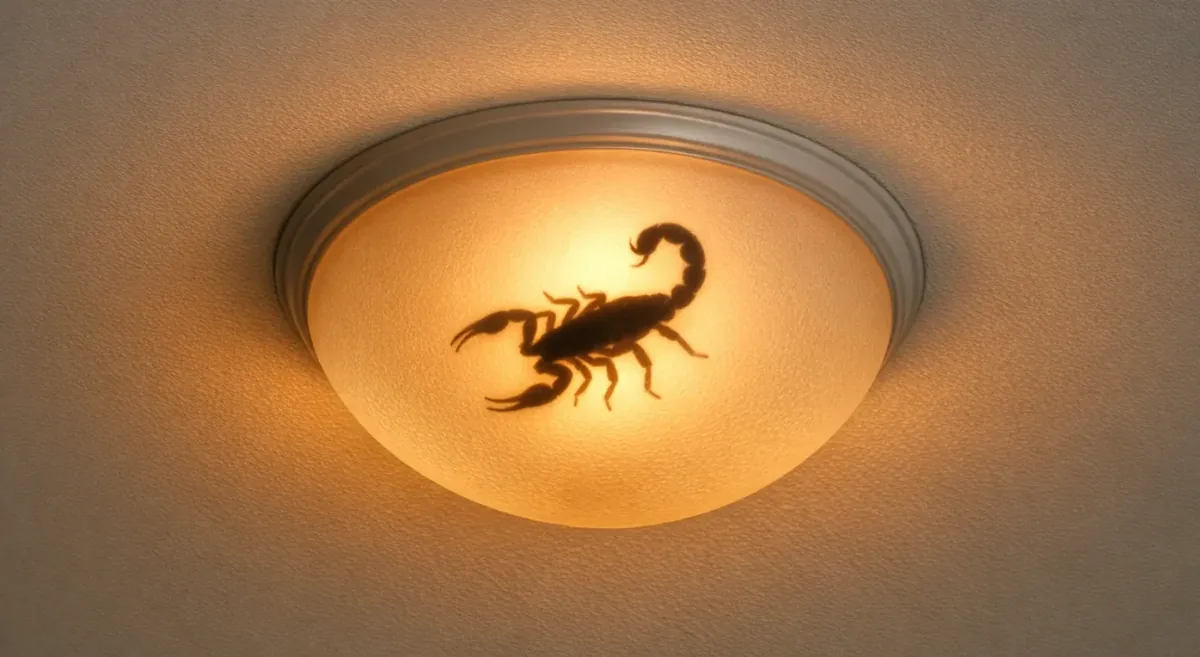
Your lights don't attract scorpions directly — but they create an all-night insect buffet. Moths, beetles, and flying insects swarm around porch lights and security floods. Spiders build webs nearby to catch them. Scorpions show up to hunt both the insects and spiders. It's an entire food chain centered on your light fixtures.
Switch to amber or yellow LED bulbs in fixtures near doors and windows. These wavelengths attract fewer insects than standard white lights. Install motion sensors so lights only activate when needed, rather than glowing all night. When possible, reposition security lighting to shine on your property from fixtures mounted away from the house itself.
Consider eliminating unnecessary accent lighting that illuminates walls and entry points. That uplighting showcasing your home's architecture can also highlight the exact paths scorpions use to enter. Focus security lighting on driveways and walkways for safety while keeping wall surfaces darker.
Should I spray pesticides as a barrier outside?
Set realistic expectations about pesticide effectiveness. Scorpions show remarkable tolerance to many chemicals that readily kill insects. Their slow metabolism, waxy exoskeleton, and ability to avoid treated surfaces mean sprays work best as one component of integrated control, not a standalone solution.
If you choose to spray, focus on crack-and-crevice treatment rather than broadcast application. Target expansion joints, foundation cracks, and utility penetrations where scorpions actually travel. Microencapsulated formulations provide longer residual action than standard liquids. Always follow label directions and reapply based on product specifications, not wishful thinking.
Call a professional when DIY efforts fail to reduce sightings. Repeated indoor encounters despite exclusion work, finding multiple scorpions weekly, or any situation involving young children at higher risk from stings warrants expert intervention. Professionals have access to restricted products and application equipment that can improve results.
How can I detect scorpions at night and respond safely?
Here's the challenge: scorpions emerge after dark, hunt along your baseboards while you sleep, and retreat to hidden cracks by morning. You might share your home with several and never know it — until someone gets stung. Traditional detection means crawling around with a UV flashlight every single night, which almost nobody sticks with long-term.
Modern monitoring breaks into two practical approaches. First, occasional UV spot-checks when you suspect activity or after finding evidence like shed skins or dead prey insects. Second, automated perimeter monitoring that watches common travel routes continuously, alerting you only when detection occurs. Both beat the alternative — discovering scorpions the painful way.
A solid action plan for any detection keeps everyone safe. When you spot (or receive an alert about) a scorpion, immediately secure the area from kids and pets. Confirm the exact location, then remove it using safe capture methods. Finally, investigate how it entered and reinforce that entry point. This systematic response turns scary surprises into manageable situations.
How do I use a UV flashlight effectively (without making it a nightly chore)?
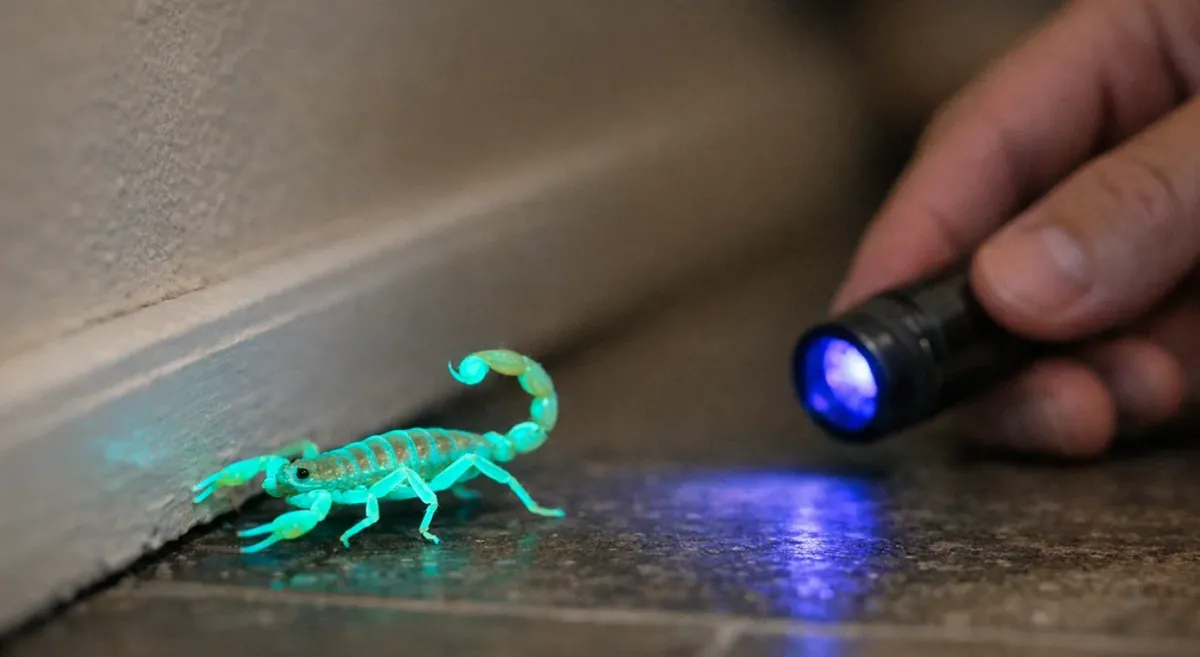
Scorpions fluoresce bright blue-green under ultraviolet light — a fascinating adaptation that makes detection possible. For the strongest visibility, choose a 365nm wavelength UV flashlight over cheaper 395nm models. The difference in scorpion glow is dramatic.
- Start outside at entry doors, checking thresholds and nearby walls.
- Move through the garage, paying attention to corners and storage areas.
- Inside, scan along baseboards in rooms where you've seen insects or near water sources.
- Never reach into spaces you can't see clearly — use a stick or tool to move objects.
Reserve UV flashlight patrols for specific situations rather than a nightly routine. Check after finding a scorpion to confirm it was alone. Inspect following monsoon storms when scorpion activity spikes. Scout new areas before moving stored items. This targeted approach provides information when you need it without becoming an exhausting chore.
What's the easiest way to monitor baseboards while I sleep?
Automated monitoring solves the fundamental problem of scorpion detection — they're active when you're not. Modern plug-in detectors use UV light to monitor floor perimeters continuously, activating only in darkness when scorpions hunt. The technology watches for that characteristic blue-green glow, capturing images when movement triggers detection.
Systems like Scorpion Alert plug directly into wall outlets along baseboards where scorpions naturally travel. When the detector spots fluorescence matching scorpion characteristics, it sends a push notification with a photo and confidence indicator. You wake up to actionable information rather than wondering what crawled through your home overnight. The visual confirmation helps distinguish actual scorpions from false alarms like fluorescent lint or cleaning residue.
This passive monitoring approach means no nightly flashlight patrols, no checking glue traps each morning, and fewer surprise encounters. The system handles the tedious watching while you focus on response only when needed.
Where should I place monitors or detectors for best coverage?
Prioritize placement based on scorpion behavior and home vulnerability. Start with high-traffic entry routes: exterior doors, sliding patio doors, the garage-to-house door, and any pet doors. These transition points see the most scorpion activity as they move between outdoor hunting grounds and indoor shelter.
Add coverage near moisture sources where prey insects congregate. Bathrooms, laundry rooms, and kitchen perimeters often become scorpion hunting grounds. Place detectors where water lines create condensation, under sinks, and near floor drains. These locations combine the moisture scorpions seek with the insects they hunt.
Multiple units make sense in larger homes, split-level layouts, or after repeated sightings. Cover both floors in two-story homes since scorpions can get upstairs. Add units to finished basements where foundation walls meet floors. For homes with attached casitas or mother-in-law suites, treat each living space as a separate zone requiring protection. The goal is overlapping coverage of likely travel routes, not monitoring every single wall.
How do I make sure I don't miss alerts at night?
Configure your phone to treat scorpion alerts as priority notifications. On iPhone, add the monitoring app to allowed notifications in Focus/Do Not Disturb settings. Android users should set the app to bypass Do Not Disturb using priority notification channels. Test your settings by triggering a manual alert to confirm it breaks through silent mode.
Heavy sleepers and caregivers may need redundancy. Enable SMS alerts as backup to push notifications — text messages often use different alert tones that might wake you. Consider placing your phone across the room so you have to get up to silence alerts. For households with multiple adults, add all caregivers to the alert system so someone can always respond.
Set up smart home integration if available. Connect alerts to smart lights that turn on automatically, making middle-of-the-night response safer. Some systems integrate with security platforms to trigger broader home awareness. The key is balancing prompt response with avoiding alert fatigue — you want to wake up for actual detections, not every system heartbeat.
97.8% of US scorpion envenomations happen in the home. Kang & Brooks 2017
Keeping scorpions out of a Southwest home comes down to sealing entry points, reducing hiding spots, and having a reliable way to spot nighttime activity before it becomes a surprise inside. Scorpion Alert adds a practical layer of help by using 365nm UV detection and autonomous 24/7 monitoring to catch fluorescing scorpions when they're most active. If you want an extra set of "eyes" after you've done the prevention steps, learn more about Scorpion Alert here.