Are scorpion stings more dangerous when you're pregnant?
Most scorpion stings in the U.S. aren't life-threatening, even during pregnancy. But yes, pregnancy does raise the stakes. Your body's already working overtime, and a scorpion sting can tip things in ways that might not normally be a big concern.
When we say "more dangerous," we don't mean every sting is a medical emergency. What changes is your threshold for getting checked out. That localized pain and swelling might normally be a wait-and-see situation. During pregnancy, those same symptoms deserve a call to your OB or a trip to urgent care — especially if they're getting worse instead of better.
The real concerns often come from your body's response to the venom, not the venom itself. Stress, dehydration from vomiting or sweating, and the chain of symptoms that can follow may affect both you and your baby. That's why healthcare providers take scorpion stings during pregnancy seriously, even when the sting itself seems mild.
What changes during pregnancy that can make stings feel worse?
Your body's already in overdrive during pregnancy. Add scorpion venom to the mix, and normal reactions can feel amplified. That racing heart you'd normally brush off can feel more intense when your cardiovascular system is already pumping 50% more blood than usual.
Common sting symptoms can overlap uncomfortably with pregnancy symptoms you might already be dealing with. Nausea and vomiting from a sting can trigger dehydration faster when you're pregnant. Sweating and rapid breathing can leave you dizzy when your blood pressure is already doing pregnancy gymnastics. Even the stress response — that surge of adrenaline — can hit differently when you're growing a human.
The indirect effects often cause more problems than the venom itself. Severe dehydration can trigger contractions. Prolonged stress can affect blood flow to the placenta. Uncontrolled vomiting means you can't keep down prenatal vitamins or maintain stable blood sugar. These ripple effects are why doctors want to monitor pregnant patients more closely after a sting.
Does venom reach the baby?
Here's what we know: there's limited evidence that typical scorpion venom directly harms the fetus from a mild sting. The placenta acts as a filter for many substances, and most scorpion venom molecules are too large to easily cross that barrier. But — and this matters — we don't have extensive studies on every type of scorpion venom during pregnancy.
The bigger concern is how your body's reaction affects the baby. Severe maternal symptoms can absolutely affect fetal well-being. If you can't breathe properly, neither can your baby. If you're severely dehydrated, it can affect amniotic fluid levels. If your blood pressure spikes or drops dramatically, it can change placental blood flow.
This is why doctors focus on managing your symptoms quickly and effectively. They're not just treating the sting — they're trying to prevent the domino effect that could indirectly affect your pregnancy. Fetal monitoring often becomes part of the treatment plan, especially in the second and third trimesters.
Which scorpion matters most in the Southwest?
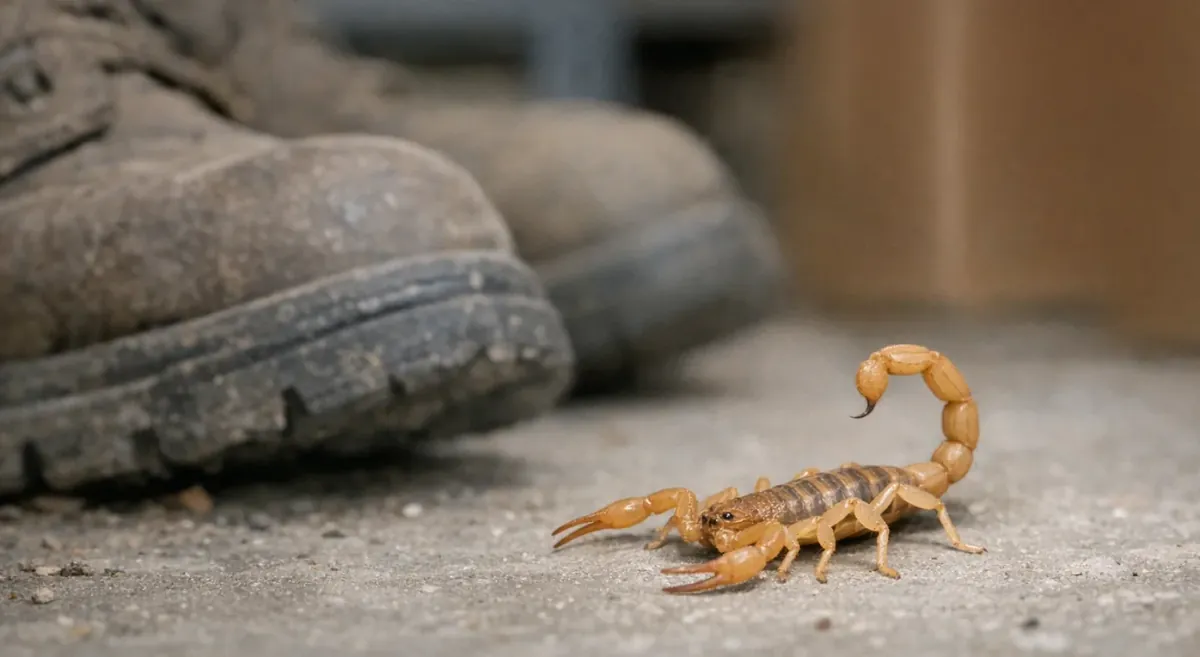
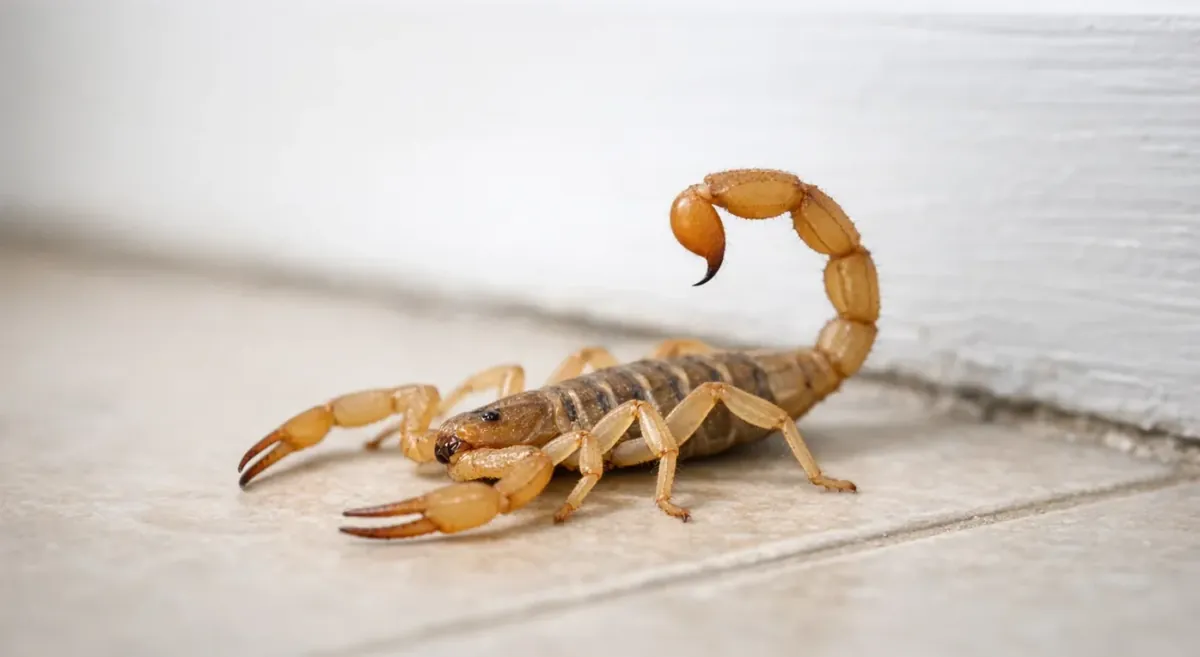
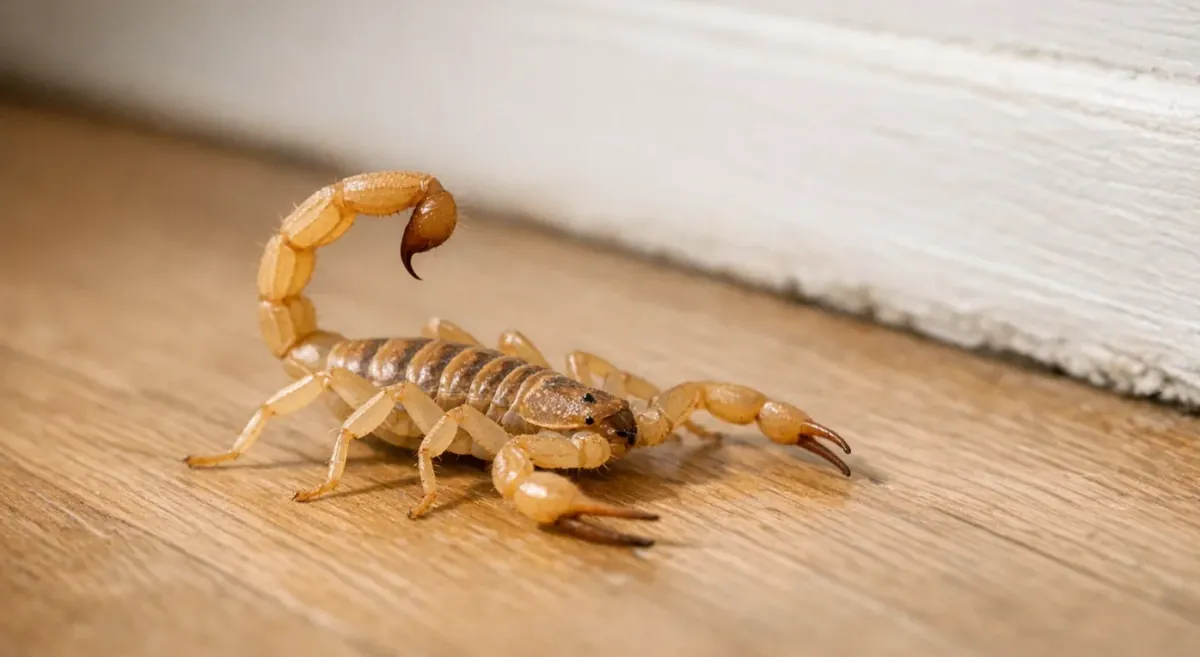
Not all scorpions are created equal. The Arizona bark scorpion (Centruroides sculpturatus) is the heavyweight champion of medically significant stings in the Southwest. Found throughout Arizona and in parts of New Mexico, Nevada, and California, this pale yellow troublemaker carries venom that can cause serious neurological symptoms.
Bark scorpion stings are different. Instead of just local pain and swelling, victims often experience muscle twitching, difficulty swallowing, blurred vision, and uncontrolled eye movements. Pregnant women stung by bark scorpions almost always need medical evaluation because these systemic effects can spiral quickly.
Compare that to the striped bark scorpion or desert hairy scorpion — their stings hurt like hell but typically stay localized. You'll get pain, swelling, maybe some numbness around the sting site. Still worth calling your OB about during pregnancy, but less likely to turn into a full-blown emergency. Knowing which species got you helps doctors make treatment decisions, though when in doubt, assume the worst and get checked out.
What symptoms after a sting mean you should go to the ER while pregnant?
Here's the bottom line: when in doubt during pregnancy, get evaluated. That might sound overly cautious, but it's based on solid medical reasoning. Your body's tolerance for complications is lower, and problems can escalate faster. If you can't reach your OB within 30 minutes and symptoms are worsening, head to the ER.
Red-flag symptoms that need urgent care
Drop everything and call 911 if you have trouble breathing or throat tightness. Same goes for facial or tongue swelling — that's not a typical scorpion venom effect, it's an allergic reaction that can close your airway. Widespread hives breaking out across your body? Emergency. These allergic responses are rare but can be fatal.
Neurological symptoms from bark scorpion stings also need immediate attention. We're talking severe muscle twitching or jerking you can't control, intense agitation or restlessness, vision changes, excessive drooling, or difficulty swallowing. If the pain is spreading up your arm or leg instead of staying put, that's concerning too.
Uncontrolled vomiting is another ER trigger. A little nausea is one thing, but if you can't keep anything down for more than an hour, you're heading toward dangerous dehydration. Watch for signs like dizziness, dry mouth, dark urine, or feeling faint when you stand up.
Pregnancy-specific reasons to be seen
Your pregnancy adds its own set of red flags to watch for. Any persistent abdominal cramping or regular contractions after a sting need immediate evaluation. Same with vaginal bleeding or fluid leakage — these could signal placental problems or premature labor.
Later in pregnancy, decreased fetal movement is always an emergency trigger. If you normally feel your baby moving regularly and that changes after a sting, don't wait. Trust your instincts on this one. Fainting or near-fainting episodes also warrant immediate care, as they could indicate blood pressure issues affecting placental flow.
The inability to keep fluids down hits pregnant women harder. You need steady hydration for amniotic fluid production and healthy blood volume. If you're throwing up every sip of water an hour after the sting, it's time to go in for IV fluids.
Does trimester matter?
First trimester stings worry doctors because this is when all the baby's major organs are forming. That said, severe symptoms are concerning at any stage. Second trimester brings its own challenges — your blood volume is expanding rapidly, which can make dehydration more dangerous. Third trimester stings may trigger premature labor if symptoms are severe enough.
Management definitely changes by trimester. Early pregnancy might mean more conservative medication choices. Later pregnancy could involve fetal monitoring, contraction monitoring, or even steroid shots to mature the baby's lungs if early delivery becomes a possibility. But here's the key: concerning symptoms in ANY trimester need medical attention. Don't tough it out because you're "only 10 weeks" or "almost due anyway."
What should you do in the first 30 minutes after a scorpion sting?
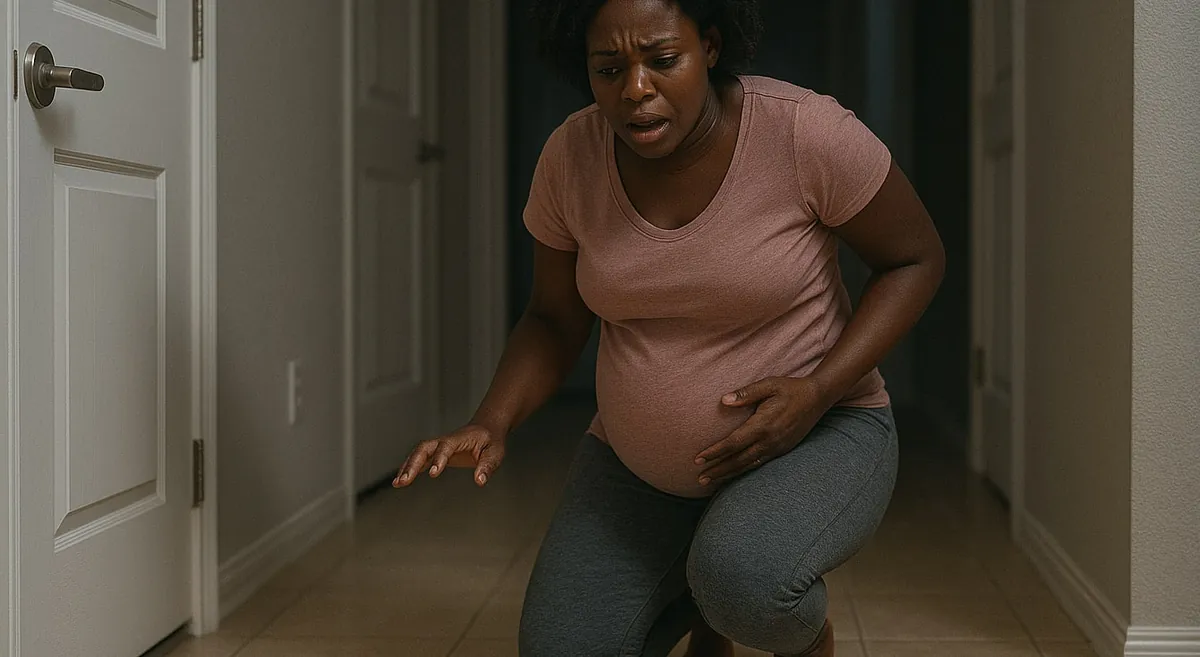
It's 2 a.m. You're heading to the bathroom, and suddenly there's a sharp, burning pain in your foot. You flip on the light and see it — a scorpion scurrying away. Your heart's racing, you're pregnant, and panic starts setting in. Stop. Take a breath. You've got a simple action plan to follow.
Step-by-step first aid (safe for pregnancy)
First, sit down. Right where you are. Don't run around looking for the scorpion or frantically searching for your phone. The more you exert yourself, the faster venom can circulate. Once you're seated, call for help if someone else is home.
Wash the sting site with soap and water — nothing fancy, just clean it to help prevent infection. Apply a cool compress or ice pack wrapped in a thin towel. This helps with pain and swelling. While you're icing, remove any rings, bracelets, or tight clothing near the sting. Swelling can make these items cut off circulation.
Now grab your phone. Call your OB's after-hours line or the Poison Control hotline (1-800-222-1222). Have this info ready: how long ago the sting happened, where on your body it happened, what symptoms you're experiencing, and how far along you are. If someone can safely photograph the scorpion without risking another sting, great. If not, don't worry about it.
- Sit down immediately to slow venom circulation
- Wash the sting site with soap and water
- Apply a cool compress or ice pack wrapped in a towel
- Remove rings, bracelets, or tight clothing near the sting
- Call your OB's after-hours line or Poison Control (1-800-222-1222)
- Have ready: time of sting, body location, symptoms, pregnancy weeks
- If safe, photograph the scorpion (but don't risk another sting)
What NOT to do
Skip the Wild West remedies. Don't cut the wound or try to suck out venom — this isn't a snakebite movie, and those techniques can cause infection or tissue damage. Tourniquets are equally dangerous and can cause more harm than the sting itself.
Avoid alcohol or sedatives, even if you're freaking out. They can interact badly with venom and complicate medical treatment. Don't take any medications without clearing them with your OB or the ER doctor — even over-the-counter pain relievers come with pregnancy considerations.
One more thing: don't exhaust yourself hunting for the scorpion. Yes, identifying it would help, but not at the cost of running around the house with a flashlight while venom is in your system. If the scorpion is right there and someone else can safely contain it, fine. Otherwise, let it go. Your health comes first.
Who to call and what info to have ready
Your OB's office should be your first call, even at 3 a.m. Most practices have an on-call system for emergencies. If you can't reach them within 10 minutes, call Poison Control at 1-800-222-1222. These specialists can assess your symptoms and tell you whether you need immediate emergency care or can monitor at home.
When you call, be ready with specifics. "I was stung 15 minutes ago on my left foot. I'm 28 weeks pregnant. I have local pain and swelling, but no other symptoms yet." Timeline matters because bark scorpion symptoms can escalate over the first two hours.
Document everything: time of sting, progression of symptoms, and what first aid you've done. If you end up at the ER, this information helps them treat you effectively. Take photos of the sting site to track swelling. And yes, if you can safely get a photo of the scorpion, it can help with identification and treatment decisions.
How do doctors treat scorpion stings during pregnancy (and is antivenom safe)?
Walking into the ER while pregnant with a scorpion sting can feel scary. Knowing what to expect can take some of that fear down a notch. The medical team has clear protocols for treating pregnant patients, and they'll monitor both you and your baby closely.
What to expect at urgent care or the ER
They'll start with vital signs — blood pressure, heart rate, oxygen levels. The nurse will ask detailed questions about the sting and your symptoms. Be honest about everything you're feeling, even if it seems minor. They'll examine the sting site and do a neurological check, looking for bark scorpion signs like muscle twitching or abnormal eye movements.
Pain control comes next. During pregnancy, options are more limited, but they do have safe choices. Local numbing agents, certain pain medications, and cooling treatments can help. They'll likely start an IV for fluids, especially if you've been vomiting or sweating heavily.
Depending on how far along you are, expect fetal monitoring. After 20 weeks, they'll probably place monitors on your belly to track the baby's heart rate and any contractions. This isn't because they expect problems — it's precautionary. Most babies do fine, but monitoring provides reassurance and early warning if intervention is needed.
When antivenom is considered
Antivenom isn't automatic for every scorpion sting. Doctors reserve it for moderate to severe envenomation — think significant neurological symptoms, respiratory problems, or cardiovascular instability. The decision gets more complex during pregnancy, weighing the risks of ongoing severe symptoms against potential antivenom reactions.
Here's the reassuring part: when antivenom is truly needed, pregnancy doesn't rule it out. The FDA-approved scorpion antivenom (Anascorp) has been used in pregnant women when benefits outweigh risks. Doctors consider factors like symptom severity, gestational age, and response to supportive care. 6% of severe-envenomation adults in AZ series were pregnant and required fetal monitoring Ruha et al. 2018.
The risk-benefit calculation is individualized. Mild symptoms may be managed with supportive care alone. But if you're having severe neurological symptoms or signs of systemic toxicity, antivenom may prevent complications that would be far more dangerous to your pregnancy than the treatment itself.
Reassurance + documentation
Most patients — pregnant or not — recover fully from scorpion stings. Even those who need antivenom typically improve dramatically within hours. The medical team will watch you until symptoms resolve and both you and baby are stable. That might be a few hours for mild stings or overnight for more significant reactions.
Before discharge, ask for detailed instructions. What symptoms would warrant a return visit? When should you follow up with your OB? Are there any activity restrictions? Get everything in writing. Request a copy of your visit summary for your OB's records.
Document your recovery too. Some people have lingering numbness or tingling at the sting site for days or weeks — this is normal but worth mentioning at your next prenatal appointment. Your OB may want extra monitoring at subsequent visits, just to be thorough.
How can you prevent scorpion stings at home while pregnant?
Prevention beats treatment every time, especially when you're pregnant. The good news is most scorpion stings happen in predictable situations — nighttime bathroom trips, reaching for something in the dark, or stepping on one with bare feet. A few simple habits can seriously cut your risk.
Nighttime habits that prevent the most stings
Never, ever go barefoot. Not even for that 3 a.m. waddle to the bathroom. Keep slippers right next to your bed, and make putting them on automatic. Scorpions hunt at night and travel along baseboards — exactly where your bare feet land. 34.5% of all exposures happen to the foot, and of foot stings, 81.9% occurred while the person was barefoot Skolnik & Ewald 2018.
Shake out those slippers first, though. A quick tap-tap on the floor can dislodge any overnight visitors. Same goes for shoes you haven't worn in a day or two. That scorpion isn't trying to sting you — it just found a dark, cozy cave that happens to be your shoe.
Keep a flashlight on your nightstand and use it. Every time. Check the floor path before you walk. Pull back sheets before climbing into bed. Pregnancy already has you up multiple times a night — make those trips safer with proper lighting. And speaking of bedding, don't let sheets or blankets touch the floor. They create an easy path onto your bed for scorpions attracted to your sleeping area.
42.5% of indoor Arizona scorpion exposures happen in a bedroom — the most-stung room in the house. Of all bedroom stings, 54.7% involved a scorpion in the bed itself Skolnik & Ewald 2018.
Home setup changes that reduce scorpion encounters
Start with the basics: door sweeps and weatherstripping. That gap under your door might look tiny, but scorpions can squeeze through spaces as thin as a credit card. Check windows too — torn screens or gaps in the frame are open invitations. This is where you might need help during pregnancy. Let someone else crawl around checking baseboards and moving furniture.
Scorpions follow their food source — other bugs. Regular pest control for crickets, roaches, and spiders makes your home less appealing to hunting scorpions. Fix moisture issues that attract their prey. That means repairing leaky pipes, using bathroom exhaust fans, and not overwatering indoor plants.
Keep everything off the floor, especially in bedrooms and bathrooms. Laundry piles, shoes, bags — these create perfect scorpion hiding spots. Use shelves, hooks, or baskets to elevate items. Clear pathways mean fewer surprise encounters and easier visual scanning.
Can a scorpion detector help with peace of mind?
Some homeowners are turning to technology for an extra layer of protection. Indoor scorpion detection devices use UV light and camera-based systems to spot scorpions automatically. These detectors plug into wall outlets and monitor the floor area where scorpions naturally travel, sending alerts to your phone if one is spotted.
Think about those midnight bathroom trips during pregnancy. Instead of doing manual flashlight sweeps every time (exhausting and easy to forget), automated detection systems like Scorpion Alert work around the clock. They're especially useful in high-risk areas — bathrooms, nurseries, and bedrooms — where encounters are most likely and most concerning.
The peace-of-mind factor matters during pregnancy. Stress isn't good for you or baby, and constantly worrying about scorpions can affect your sleep and well-being. Whether you choose detection devices, professional pest control, or just really good prevention habits, the goal is feeling safe in your own home. Because scorpion season peaks right when you're most vulnerable — those final weeks of pregnancy and early months with a newborn.
Pregnancy can make any sting feel more concerning, so the safest approach is to reduce the chance of an encounter and to seek medical guidance promptly if a sting happens. If you want an extra layer of reassurance at home, Scorpion Alert can help you spot and address scorpion activity early so you can focus on staying comfortable and protected.
Medical disclaimer: This article is informational and not medical advice. We are not doctors, and portions of this content have been edited with AI assistance. For questions about symptoms, treatment, or medications, consult your doctor. For a scorpion sting with severe symptoms, call 911 or your local emergency service.