
About Us

We help families detect scorpions in their homes before it's too late.

Our Mission

We’re dedicated to delivering safety, reliability, and affordable peace of mind with no mess, no fuss. Our Scorpion Detectors help you spot scorpions early so you can act quickly and avoid surprises.

Why did we start this company?

Our infant son was stung twice in the leg, in the last room we ever thought we'd find a scorpion. No windows. No vents. No plumbing. Just a quiet playroom full of toys.

We had sticky traps throughout the house, and we checked them often. But that scorpion had wandered far deeper into our home than we thought possible. Who knows how long it had been living among us.

That day changed everything. Sticky traps weren’t enough. We needed a better way to detect scorpions early.

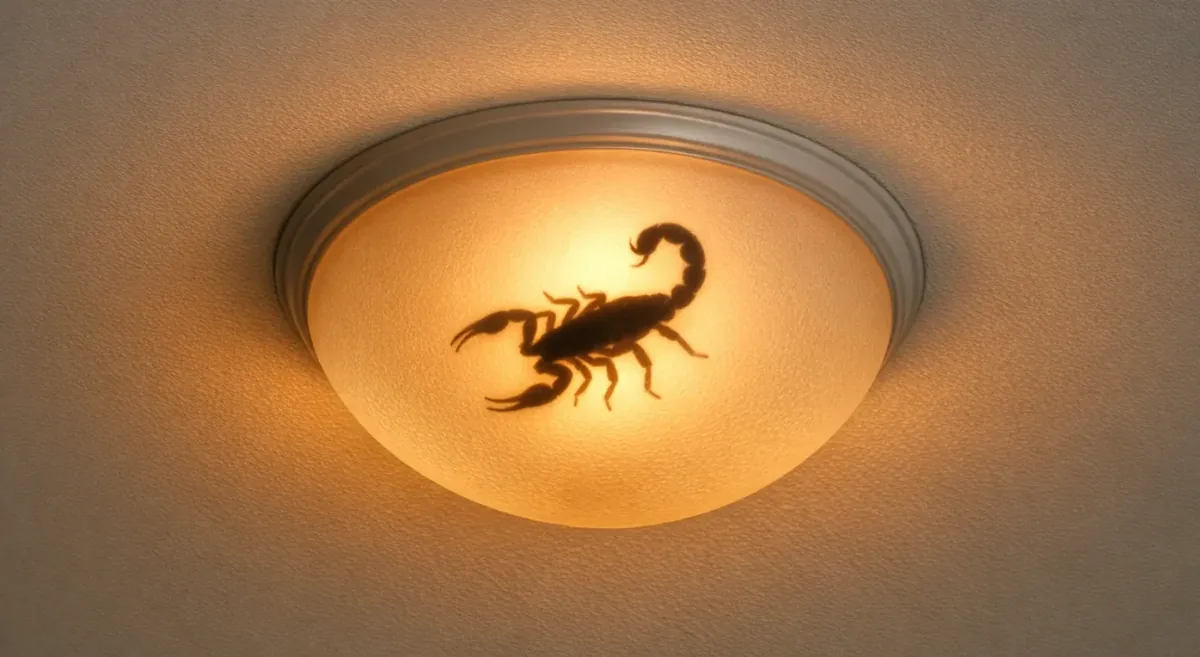
a scorpion in a children's playroom

Who do we help?

Our solution was built with families in mind—especially parents with small children or pets. But we don’t stop there. Scorpion Alert also protects:

  • Airbnbs and vacation rentals, where guest safety is a top priority
  • Hotels, where a single sting could lead to liability or bad reviews
  • Restaurants and commercial kitchens, where pests should never be part of the story
  • Offices and retail spaces, where employees and customers deserve a safe environment
Scorpion Alert customers: homeowners, hotels, restaurants, offices.

How does Scorpion Alert work?

It's simple. Plug a few Scorpion Detectors into your standard wall outlets around your home. Secure them with child safety screws when needed.

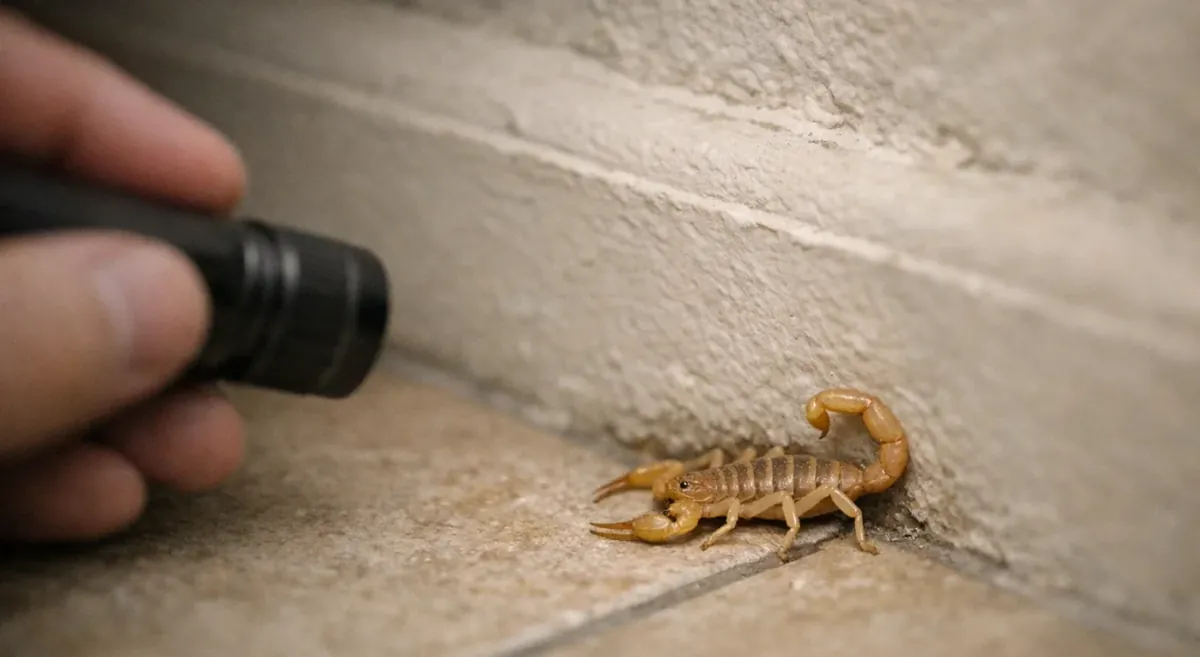
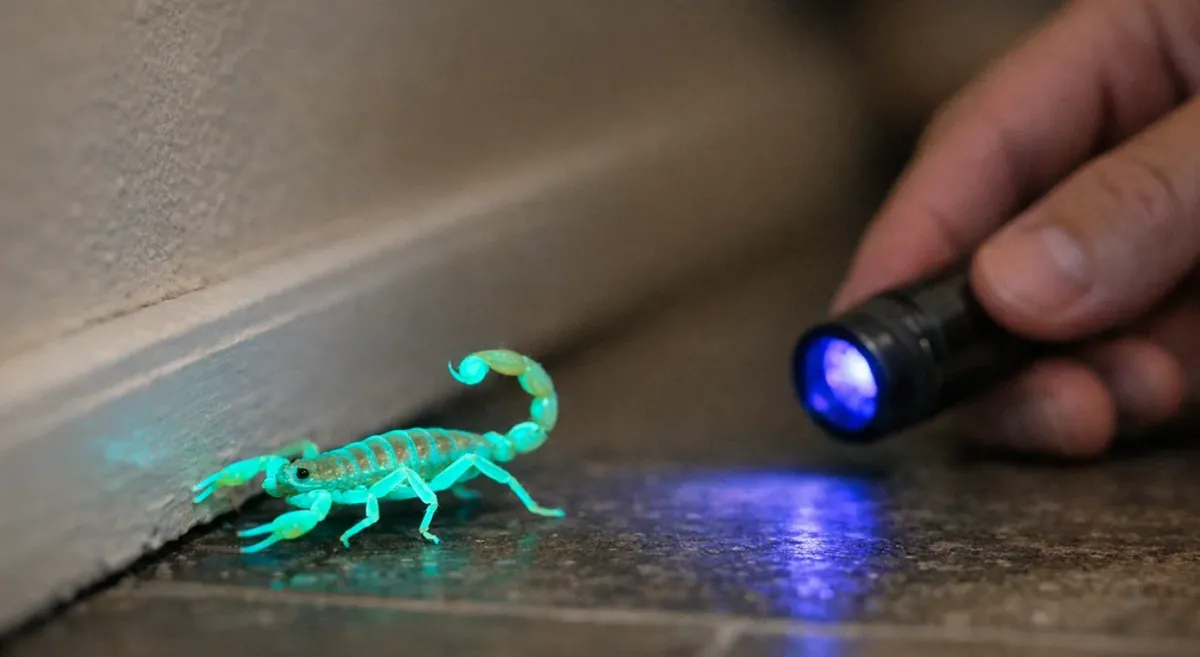
When a room gets dark, Scorpion Detectors illuminate the floor below with UV LED lights, making scorpions glow. When their glow is detected, you receive an instant alert with a picture and location of the scorpion.

A Scorpion Detector detecting a scorpion and sending an alert to a smartphone and smart watch

Hear What Our Customers Are Saying About Using Scorpion Alert

Our 1 year old got stung in a room we never would have expected to find a scorpion. We ordered 5 scorpion detectors the next day.

El Paso, Texas

We were finding scorpions in our couch! Now that we're using Scorpion Detectors, we catch them before they make it that far.

Carlsbad, New Mexico

This is a really great way to solve the scorpion problem. No mess, easy to use technology.

Palm Springs, California

Frequently Asked Questions

If sprays don’t work well, what’s the best plan to actually get scorpions under control?

A science-backed approach prioritizes confirming activity with monitoring first, then reducing prey and moisture, sealing entry points, and responding quickly to verified sightings instead of blanket chemical applications. Because scorpions are durable and activity can shift room-to-room, progress is best measured over weeks through consistent detections—not overnight hope. The section on a scorpion monitoring and exclusion system explains how a repeatable “close the loop” process (including photo-verified alerts) lowers anxiety and improves results.

Why are scorpions so hard to kill with DIY sprays, bug bombs, and quick treatments?

Scorpions can be unusually resilient to typical DIY methods because of their low metabolism, tough exoskeleton, and the way they breathe through spiracles—meaning “fumigating the room” may not expose them like it would more active insects. That’s why stories about scorpions surviving long periods without food/water (or seeming dead and then moving later) keep circulating, and why handling should be done with tools, not hands. The breakdown of why scorpions resist bug bombs ties the biology to a safer takeaway: detection and verification often beat relying on a single kill method.

Why does it feel like I kill one scorpion and another one shows up right after?

It often isn’t a “new” scorpion appearing out of nowhere—you may be intersecting with an established outdoor population using the same shelter and travel routes. Homeowners commonly experience clustering (if you saw one, others may be nearby) and “turnover,” where removing one scorpion opens up space for another to move into that micro-area. The section on desert scorpion turnover and clustering explains why one-and-done approaches can feel like they fail instantly and why tracking sightings is more useful than guessing.

How can I tell if scorpions are active at night without constantly searching my house?

You don’t have to catch scorpions in the act—start with a quick UV flashlight sweep along baseboards, thresholds, and garage edges, where they often travel. If you want a lower-effort approach, passive perimeter monitoring can help you know when one shows up without nightly searches. These nighttime scorpion activity checks focus on the fastest places to scan first and how alerts can reduce guesswork.

What does it mean if I see two scorpions locked together—is that mating or fighting?

Scorpion courtship often looks like a sustained “handshake” where they clasp pincers and move together in short bursts, sometimes pivoting or circling as the male searches for the right surface. That coordinated movement is usually the classic promenade, not a fight—though things can turn risky during separation. This guide to scorpion mating dance steps breaks down what you’re seeing and why you shouldn’t try to break them up with bare hands.

Do scorpions communicate with each other, or are they just wandering around?

Scorpions don’t “talk,” but they do communicate in the sense that they send signals that can change another scorpion’s behavior—usually for survival, territory, or mating. They rely mainly on chemical cues (pheromones), vibration sensing through the ground/air, and close-range touch and posture once they meet. This overview of scorpion communication and signals also explains why scent strength and vibration patterns can affect what they “notice” at night.

If I’m buying today, what’s the smartest 12-month scorpion plan and budget?

This section compares the real annual costs of common approaches—monthly pest control vs a focused DIY stack vs one-time professional sealing—and then turns it into a prioritized shopping plan. It breaks purchases into “tonight,” “this weekend,” and “this month,” so you reduce sightings fast without over-spraying indoors. It also explains how automated monitoring can replace nightly blacklight walks in 12-month scorpion control plan and budget.

What are the best Amazon scorpion products Reddit homeowners recommend most?

This section lists the top “buy-ready” picks in a practical order: tools to find scorpions tonight, materials to block entry points, and residual sprays for targeted control. It explains what each product is realistically good for (and not good for), with quick price expectations and safety notes for kids and pets. The recommendations are compiled in best Amazon scorpion products Reddit recommends.

Are Reddit scorpion product reviews actually more trustworthy than Amazon reviews?

Many Southwest homeowners trust Reddit more because posters usually share real context—scorpion activity level, home type, sealing attempts, and what worked (or failed) over time, instead of one-line ratings. This section explains a “real desert homeowner” method for filtering advice (repeat mentions across threads, upvotes, and specific outcomes) and sets expectations that no single product is magic. It also previews the core strategy: kill + prevent + monitor, as summarized in Reddit vs Amazon scorpion reviews.

How can I prevent a surprise brood of baby scorpions in my home?

Prevention is a mix of sealing entry points (door sweeps, weather stripping, utility penetrations, garage gaps) and reducing clutter so perimeter edges are easier to inspect. Monitoring matters too because scorpions tend to travel along baseboards and corners, so early detection can stop panic if babies are present. This overview of preventing baby scorpions indoors explains where to watch first and how Scorpion Alert can provide fast nighttime alerts.

What should I do if I find a mother scorpion inside my house?

Keep your distance, keep kids and pets away, and avoid a frantic chase—especially don’t squash it first, because babies may scatter into cracks. If you’re comfortable, contain it with a wide-mouth jar and stiff paper for a controlled removal; otherwise, call a pro if sightings are recurring. This guide on how to handle a mother scorpion also covers quick steps for checking nearby baseboards and likely entry points.

Do mother scorpions really carry their babies on their back?

Yes—scorpions give live birth, and the tiny newborn scorplings climb onto mom’s back for protection and a “free ride.” They typically stay there until their first molt, often about 1–2 weeks. If a mother scorpion wanders indoors, the babies can come with her, which is why mother scorpions carrying babies indoors can catch homeowners off guard.

Are there better alternatives than Cy-Kick CS or Demand CS for scorpions?

Sometimes, yes—pros often mention options like Onslaught FastCap for heavier activity, while budget-friendly choices like Cyzmic CS or Bifen IT can still work if you’re disciplined about coverage. The article also emphasizes an integrated plan: a consistent exterior barrier plus monitoring so you can verify progress at night and catch the occasional indoor roamer. This best scorpion spray alternatives section lays out when to consider switching and how to measure results.

How do I mix and apply Cy-Kick CS or Demand CS so they actually work on scorpions?

Technique beats brand: follow the label rate, don’t under-dose, and focus on the perimeter edges and cracks scorpions use as “highways” (expansion joints, block wall tops/bases, thresholds, door frames, and the garage perimeter). If you’re hiring a service, ask what concentration they’re using—some dilute far below stronger label-allowed rates for tougher pests, which can reduce results. This mix and apply CS sprays walkthrough explains the exact targets and reapplication timing.

Is Cy-Kick CS or Demand CS better for scorpions?

For most homeowners, Cy-Kick CS gets the stronger “go-to” endorsement, but Demand CS is a comparable microencapsulated (CS) pro concentrate with similar residual expectations when applied correctly. The bigger difference in real-world results usually comes down to coverage, dilution rate, and whether you’re treating scorpion travel routes—not finding a magic brand. See the side-by-side breakdown in this Cy-Kick vs Demand for scorpions guide.

I found a scorpion inside—what should I do right now, and how do I prevent more?

Start by keeping your distance, protecting hands and feet (especially at night), and keeping kids/pets away—don’t handle a scorpion to “test” its pincers or try risky close-up ID. To cut repeat sightings, focus on quick wins like decluttering edges, sealing obvious gaps, and reducing insect prey and moisture sources. For peace of mind at night, perimeter monitoring can help because scorpions commonly travel along room edges, and UV-based detection can provide photo-verified alerts; here’s what to do after spotting scorpions.

Can a scorpion pinch you, and does it hurt as much as a sting?

Yes—pinches can happen when someone accidentally grabs or traps a scorpion during cleanup, in storage bins, under patio furniture, or when putting on shoes/clothes without checking. A pinch is usually a localized pressure or sharp pain, while a sting is more likely to cause burning/tingling and can lead to stronger nerve-related symptoms in medically important species. Kids and other higher-risk groups should treat any scorpion contact more cautiously and use targeted first-aid guidance; the article breaks down scorpion pinch vs sting symptoms.

What are scorpion pincers, and what do they actually do?

Scorpion pincers (called pedipalps) are the claw-like parts up front that scorpions use to grab, hold, and manipulate prey, while the tail stinger is the venom delivery system. Indoors, pincers help them handle insects they find along baseboards, in garages, and in cluttered edge areas. They’re also used in courtship to guide and hold a mate, which helps explain why scorpions may move confidently through tight spaces—see what scorpion pincers actually do.

How do scorpions get into my house, and what’s the best way to catch one early?

Scorpions slip in through small gaps like worn door sweeps, thresholds (including the garage-to-house door), plumbing/electrical penetrations, and cracks where exterior materials meet. Sealing helps, but no house is perfectly sealed—so it’s smart to verify whether anything is still getting in. This seal and monitor for scorpions section explains an “outside-in” approach and why perimeter-focused monitoring along baseboards can alert you sooner, especially at night.

What hiding spots do scorpions like inside the house and in the yard?

Scorpions prefer cool, dark, tight spaces—especially along walls—so shoes by the door, laundry piles, towels on the floor, and storage pushed against garage walls are common “surprise” spots. Outdoors, woodpiles, stacked pavers, dense ground cover, and mulch right up against the foundation can turn the perimeter into a comfortable staging area. This scorpion hiding places indoors and outdoors section gives a simple declutter rule to create a cleaner strip along edges where they travel.

Why are scorpions coming into my house all of a sudden?

Scorpions usually enter homes for the basics—food, water, and tight shelter—and because your home often has easier access than the yard. Since they tend to travel along edges and hug walls, the biggest risk areas are baseboards, thresholds, and clutter near room perimeters. This reasons scorpions enter your home guide also explains why sightings often happen at night (or not at all), so reducing attractants plus monitoring is the safest combo.

How can I use scorpion glow for detection without doing nightly blacklight searches?

If scorpions tend to travel along walls and baseboards, you can monitor those routes automatically instead of walking the house every night. Plug-in perimeter monitoring uses UV illumination in dark rooms plus a camera and confirmation logic to send photo-verified alerts so you can respond before the scorpion disappears. This automated UV scorpion detection overview covers how it works, where to place units, and how to make sure you hear alerts overnight.

What UV flashlight is best for finding scorpions (365nm or 395nm)?

Most homeowners find 365nm UV produces a stronger, clearer scorpion fluorescence than 395nm, which can look weaker even when scorpions are present. When shopping, prioritize wavelength, a usable beam pattern for baseboards, and safe indoor use (aim low and avoid eyes). This best UV flashlight for scorpions breakdown gives a simple buying checklist.

Why do scorpions glow under a blacklight at night?

Scorpions don’t make their own light—they fluoresce when UV hits compounds in their outer shell and re-emits visible light, often a green/cyan-blue outline. It’s easiest to spot in the dark because normal lighting can wash the glow out, and the “glow” doesn’t help you ID the species or danger level. This scorpion glow under UV light guide explains what homeowners actually see and why it works.

How do I scorpion-proof plumbing entry points step by step?

Start with the fastest wins: seal visible gaps around pipes and under-sink openings, then inspect and screen roof vent stacks if needed, and fix leaks or moisture that draws in insects (their food). The guide also explains how to verify whether your fixes are working by monitoring high-risk areas along room perimeters instead of relying on nightly searches. You’ll find a prioritized checklist in scorpion-proofing plumbing entry points.

How do scorpions get into bathrooms and under sinks?

Most scorpions show up near sinks and tubs because they slip through small gaps around pipe penetrations, cabinet cutouts, wall voids, and unsealed trim plates—not because they’re “swimming up” a pipe. They also tend to hug walls as they travel, so baseboards and plumbing openings become common routes. This section shows the most likely entry points (including vent stacks) in how scorpions enter bathrooms.

Can scorpions really come up through your drains?

It can happen in rare cases (like a dry trap or an open path), but most “drain scorpion” sightings are actually scorpions using gaps around plumbing—not traveling through water-filled pipes. Bathrooms also attract them because they offer moisture, darkness, and hiding spots, so a tub sighting often means it wandered in and fell. This section breaks down what’s myth vs. real risk in scorpions coming through plumbing drains.

If cats and predators aren’t reliable, what’s the best way to prevent scorpions indoors?

The article recommends a layered approach: reduce entry points, reduce insect food sources, and monitor when scorpions are most active (at night along room edges). It also explains why verified detection beats guessing based on pet behavior, and how to place monitoring near high-risk rooms and common entryways. The step-by-step plan is outlined in reliable scorpion prevention plan indoors.

Can a cat get stung by a scorpion, and what should I do if it happens?

Yes—cats can be stung, especially when they paw at, bite, or “toy” with a scorpion in dark corners at night. Fast reflexes reduce risk but don’t eliminate it, so you shouldn’t treat a good hunter as a safety plan. This section covers practical next steps and risk reduction in cat scorpion sting risk guide.

Do cats really kill scorpions, or is that just a myth?

Homeowners report mixed results: some cats kill scorpions, some only notice them, and some ignore them completely. Even “spotting” behavior can still help because it gives you a chance to intervene, but it’s not something you can count on for kids, guests, or sleeping pets. This section sets expectations and explains what “success” really looks like in cats killing scorpions reality check.

What’s the best plan for scorpions at night if chickens are outside?

A practical approach is layered: use chickens to reduce yard prey and hiding spots, seal the perimeter to block easy entry, then add nighttime monitoring when scorpions are actually moving. The article highlights indoor detection that activates in darkness, scans along room edges, and can send photo-verified alerts—especially useful near bedrooms, nurseries, and common entry points. It also includes a calm “panic plan” for safe capture if you spot one, outlined in layered scorpion defense plan.

If I get chickens, will they get rid of my scorpion problem?

Chickens can help as a strong yard layer, but they won’t “solve” scorpions by themselves. The timing is the big limitation: chickens roost at night right when scorpions are most active, and they can’t prevent indoor wanderers along baseboards or bedrooms. This section explains where they help most (open foraging time, fewer hiding spots) and where they don’t (clutter, rock landscaping, block walls) in will chickens eliminate scorpions.

Do chickens really eat scorpions in the yard?

Chickens are relentless daytime foragers—they scratch, peck, and patrol for anything that moves, so scorpion encounters can happen, but they’re not guaranteed daily entertainment. The bigger win is often indirect: they eat crickets, roaches, and other prey that scorpions rely on, which can reduce pressure over time. Stings can happen and outcomes vary (especially for smaller birds), so don’t rely on chickens as your only line of defense—see chickens hunting scorpions in deserts for the full breakdown.

How can I monitor for scorpions without doing nightly blacklight checks?

A realistic plan is to check nightly for about a week after a sighting, then switch to weekly spot-checks focused on perimeter routes like baseboards and door thresholds. You can also place monitoring tools near entry points, bedrooms, and moisture-prone rooms to confirm activity sooner and reduce uncertainty. This section explains options for hands-free scorpion monitoring at home, including when it’s time to call a pro.

What should I do in the first 24 hours after seeing a scorpion indoors?

Start with safety: keep kids and pets away, then contain the scorpion using a clear container and stiff paper (avoid bare hands). Next, write down the time, location, and conditions so you can spot patterns, and do a targeted night sweep with a UV light along baseboards, corners, and entry areas. This section lays out a simple first 24 hours scorpion checklist you can follow immediately.

I found one scorpion in my house—does that mean there are more?

Not always: one scorpion can be a random intruder that wandered in through a gap, followed insects, or hitched a ride in items like boxes or firewood. But a single sighting can also be an early warning if conditions around your home provide food, water, and hiding spots, so it’s worth a quick, calm self-check for risk factors. This section breaks down what one sighting usually means in one scorpion infestation warning signs.

What should I do in winter to prevent scorpions now so spring isn’t a surprise?

Winter is a good time to seal entry points, reduce cluttered hiding spots, and manage moisture that attracts the insects scorpions feed on. Focus on door sweeps, weather stripping, gaps around plumbing, and keeping storage off the floor—especially in the garage. This winter scorpion prevention checklist outlines a simple plan you can tackle in a weekend.

Are scorpions still dangerous in winter, or is the sting risk basically gone?

The risk is lower in winter, but it’s not zero—especially in garages, storage areas, and other low-traffic spots where people reach into boxes or walk barefoot. Winter stings often happen at night or when moving stored items, so small habits like wearing shoes and using gloves make a big difference. This winter scorpion sting risk tips overview covers common scenarios and what to do if you find one inside.

Do scorpions hibernate in the winter, or can they still show up in my house?

Scorpions don’t truly hibernate the way bears do; they often enter a slowdown called diapause when temperatures drop and prey is scarce. That means you may see fewer scorpions, but indoor spaces with steady heat can keep them active enough for occasional encounters. This scorpion winter diapause explained guide breaks down why winter sightings still happen.

How can I monitor for scorpions indoors and respond quickly if one gets in?

Because scorpions patrol along walls and baseboards, monitoring works best near entry points and in high-risk rooms like bedrooms, bathrooms, laundry areas, and storage spaces. This section compares passive trapping vs. faster detection and outlines a calm response plan (keep kids/pets away, locate with UV, and safely contain). It also explains how scorpion monitoring and fast alerts can help you verify activity quickly—especially overnight.

What are the most common entry points to seal first to stop scorpions?

Start with the biggest, most-used gaps: exterior doors (including thresholds), garage door seals, weep holes, and utility penetrations around pipes and cables. A simple night check—looking for light leaks under doors—helps you spot priority fixes fast. The checklist and materials in seal scorpion entry points checklist focus on quick wins before you chase less-likely routes.

Why do scorpions keep getting into my house at night?

Scorpions usually come inside for three reasons: food (insects), water, and cool shelter in cracks or clutter. They tend to travel along edges and baseboards rather than across open floors, which is why perimeter-focused prevention and night-time monitoring matter. This section explains realistic goals and the layered approach in keeping scorpions out of your house.

Why do scorpions glow under UV light, and what UV light works best to find them?

Scorpions fluoresce because of compounds in their exoskeleton, so they can glow green/cyan under UV light—making nighttime scanning surprisingly effective. A 365nm UV light typically produces a stronger glow, which helps you spot them faster along the perimeter routes they prefer (baseboards, corners, thresholds). For a practical walkthrough of where to scan and what to look for, see this UV blacklight scorpion spotting tips.

How does a scorpion’s tail and stinger work, and what’s the safest way to handle an indoor sighting?

The “tail” is the metasoma (the flexible segments), while the stinger assembly is the telson, which includes the venom-holding vesicle and the sharp aculeus that injects. Scorpions can curl and aim that tail quickly when threatened, and venom use is something they can meter rather than “always dumping.” If you find one indoors, keep kids and pets away and use tools—not bare hands—to isolate it, as outlined in this tail and stinger safety guide.

What are the main body parts of a scorpion (and what am I actually looking at)?

Scorpions have three big regions you can spot at a glance: the armored front (prosoma), the wider middle where the organs are (mesosoma), and the segmented “tail” section (metasoma). Many people call the whole tail the stinger, but the stinger is just the tip assembly at the very end. Knowing these parts helps homeowners understand how a tough, flat body lets scorpions squeeze into tight gaps near baseboards, storage, and clutter—details covered in this scorpion body parts overview.

How can I tell if there are more scorpions without staying up all night?

A short monitoring plan can turn worry into data: for 7 days, check likely perimeter routes (baseboards, thresholds, corners) and log the date/time/room of any sightings. Because scorpions prefer traveling along edges, perimeter-focused monitoring is more effective than random searching across open floors. This 7-day scorpion monitoring plan also explains detector placement ideas and why sticky traps can be a misleading “monitoring” strategy.

What should I do right after I find a scorpion in my house?

Focus on reducing sting risk in the next few minutes: safely contain it using a glass-and-paper method instead of trying to grab it or chase it into a crack. Then do a quick nighttime safety reset—shake out shoes, pull beds slightly away from walls, and pick up floor clutter and laundry piles. This steps after finding a scorpion also covers what to watch for if someone is stung and when to seek medical help.

If I find one scorpion in my house, does that mean there are more?

Sometimes yes and sometimes no—one scorpion could be a random wanderer, a sign your home has water/prey that attracts repeat visits, or evidence of a consistent entry route nearby. Where you found it matters (near doors/garage vs. deep in a bedroom), because scorpions often travel along walls and baseboards. This one scorpion in house guide explains the three most common scenarios and what to look for next.

How can I spot scorpions early and respond safely at night?

A UV flashlight can help you confirm scorpions at night because they fluoresce under UV, but it’s easy to miss nights or overlook movement while you sleep. A calmer plan is detect → confirm → contain/remove → re-check nearby baseboards and the closest exterior entry points. This night scorpion monitoring and response plan covers UV scan patterns, safer capture steps, and monitoring options that alert you when rooms are dark.

Where can scorpions get in, and what should I seal first?

Start with floor-level gaps and edge routes: door sweeps, thresholds (especially the garage-to-house door), baseboard-adjacent cracks, and worn weatherstripping. Then check windows, torn screens, weep holes/vents, utility penetrations, and foundation/stucco-to-slab cracks using a simple outside-then-inside weekend audit. This seal scorpion entry points checklist walks you through the highest-impact spots to close without creating moisture issues.

Why are scorpions showing up in my house all of a sudden?

Scorpions often wander indoors because homes provide water, prey (like crickets or roaches), and tight hiding spots, especially during seasonal activity. They’re also most active at night and tend to move along walls and baseboards, which is why edge-focused prevention works better than random spraying. This why scorpions come inside guide explains the layered approach: exclude, reduce habitat, and monitor.

Is there a way to monitor for scorpions automatically without checking traps every day?

Because scorpions tend to patrol along walls and thresholds, perimeter monitoring can target the places they’re most likely to show up. Using UV fluorescence (scorpions glow under 365nm UV) can make detection easier without turning your home into a nightly search mission. This section explains automatic scorpion perimeter monitoring and how Scorpion Alert detectors use wall-outlet placement, rapid image capture, and AI-verified alerts to reduce surprise encounters.

Where are scorpions most likely hiding inside my house?

Indoors, the highest-probability hiding and travel zones are along baseboards, corners, thresholds, and under or behind items that sit near walls (like shoes, rugs, and storage bins). Certain rooms can be higher risk when they’re close to entry points or water sources, but perimeter patterns matter more than guessing one “scorpion room.” This section provides a room-by-room scorpion hotspot checklist so you know what to inspect first, especially at night.

Why do scorpions hug walls instead of walking across the room?

Scorpions often follow edges because they like staying in contact with surfaces like baseboards, corners, and tight trim gaps rather than crossing open floors. That wall-hugging behavior makes their movement more predictable, so you can focus your search on the perimeter first instead of scanning the middle of every room. This section breaks down why scorpions follow baseboards and when they might still cut across open spaces.

How can I spot a scorpion at night before it disappears?

Because scorpions move quickly to the perimeter and vanish into tiny gaps, one-off flashlight searches often miss them after the first sighting. A better approach is continuous night monitoring along edges where they travel, paired with a calm response plan when you get a verified alert. This detect scorpions at night section covers why automated, photo-verified detection can reduce “saw it for one second” moments.

Can scorpions chase you or are they trying to attack?

Scorpions usually aren’t trying to pursue people—they’re typically fleeing toward cover, especially along walls and baseboards. Stings are most often defensive, like when one is stepped on, trapped in bedding/clothes, or handled. This can scorpions chase you breakdown explains why they “hug” edges and what to do if one bolts under furniture.

How fast can a scorpion run across a room?

Most scorpions move at a slow, steady pace when undisturbed, but they can do a short “panic sprint” when startled—fast enough to reach a baseboard crack or furniture edge before you react. Their real-world speed depends on species, temperature, and how much traction they get on your flooring. This scorpion speed in mph guide explains typical movement vs burst speed and why sightings feel so sudden at night.

What should I do after the first scorpion to keep more from getting inside?

A strong plan focuses on three things: seal entry points, reduce the bugs scorpions hunt, and monitor so you can confirm whether activity is continuing. Sprays alone are often unreliable on scorpions, so integrated control usually works better over time. This keep scorpions out after spotting one outlines quick weekend sealing priorities and how perimeter monitoring can reveal where they’re coming from.

How can I tell if a scorpion sighting is a one-time thing or an ongoing problem?

The best clue is patterns: repeat sightings, multiple rooms, activity near doors/garage, and consistent nighttime movement are more meaningful than one random encounter. Tracking date/time and exact locations for 7–14 nights helps you move from guessing to evidence-based decisions. This 7 to 14 night scorpion checklist also covers practical tools like glue traps (as sampling) and the limits of UV inspections.

If I found one scorpion in my house, does that mean there are more?

Scorpions typically travel alone, but finding one indoors can mean nearby conditions support them (food, moisture, hiding spots), so “maybe” is the honest answer. A single scorpion could be a one-off wanderer—or the only one you happened to notice. This one scorpion means more guide explains what the first sighting does and doesn’t tell you, and why monitoring for the next 7–14 nights matters.

How do I prevent scorpions from coming back—and detect them sooner?

Prevention starts with reducing entry points and hiding spots: improve door sweeps and weather stripping, declutter along baseboards, and reduce insects that scorpions feed on. Because scorpions tend to travel the perimeter, detection is most effective along walls near likely entry areas and high-risk rooms (like bedrooms or bathrooms). This prevent scorpions and detect them section also explains how Scorpion Alert UV-based detectors can notify you quickly (with a detector name and confidence score) so you can respond before a surprise encounter.

How can I trap a scorpion without getting too close?

The safest low-contact option is the glass-and-paper method: cover the scorpion with a smooth-sided jar, slide stiff paper under the rim, then lift and flip it upright while keeping the paper sealed. It works because scorpions can’t climb smooth glass and the tight seal prevents a quick escape along the wall. This trap a scorpion safely indoors walkthrough also explains safer alternatives like long tongs or gently coaxing it onto a dustpan—without chasing or using your hands.

I found a scorpion in my house—what should I do first?

Start with a calm checklist: keep kids and pets out of the area, put on closed-toe shoes, and keep your eyes on the scorpion so you don’t lose it. Scorpions often hug walls and edges, so watching the perimeter helps you predict where it will move next and where to re-check if it slips out of sight. This neutralize a scorpion in your home guide also covers the simple tools to grab (like a jar, stiff paper, and a UV flashlight) before you approach.

How can I tell if my scorpion repellent plan is working?

Look for measurable changes over a few weeks: fewer indoor sightings, fewer insects near baseboards/garage edges, and fewer surprise night encounters. Nighttime checks are especially useful because scorpions fluoresce under UV light and tend to travel along perimeters. The article also explains how automated perimeter monitoring can complement your plan in this monitor scorpion activity at night section.

How do I keep scorpions out of my house long term?

Long-term prevention starts with “scorpion sealing”: blocking the tiny gaps they use, especially around doors, garage transitions, and utility penetrations. Next, reduce hiding spots outside (clutter, wood piles, dense ground cover) and lower insect prey pressure near the foundation. This priority order and a simple weekend checklist are covered in the keep scorpions out of the house guide.

Is there a scorpion repellent that actually works?

Most homeowners mean “repellent” as something that keeps scorpions away, but many products really just kill on contact or leave a residue that may or may not affect them. Because scorpions are resilient and often active at night along walls and edges, sprays alone are unreliable for long-term control. The most consistent results come from a layered plan—sealing entry points, reducing prey insects, targeted treatment, and monitoring—outlined in this best scorpion repellent strategy.

After I kill one scorpion, how do I keep more from coming inside?

Lasting relief usually comes from prevention and early detection, not just an “instant” fix—so the article focuses on sealing likely entry points, improving door/threshold gaps, reducing clutter and moisture, and cutting down on prey insects. It also explains how perimeter monitoring (scorpions hug edges and glow under UV) helps you spot patterns and respond faster, including examples of detector placement near common entry routes. Use this checklist to keep scorpions out of your house.

Do bug sprays or household chemicals kill scorpions on contact?

Most homeowners find sprays don’t look “instant” on scorpions because scorpions are tough-bodied and can quickly slip into cracks before the product takes effect. The section sets realistic expectations, warns against risky DIY chemical ideas (and never mixing chemicals), and explains when scorpion-labeled products or a pro approach makes more sense for barriers and prey reduction. Get the details on bug sprays that kill scorpions.

What kills scorpions instantly when I find one in my house?

“Instant” usually means a fast physical kill (crushing/pinning) rather than waiting for a chemical to work, and using long-handled tools helps you keep safer distance from the stinger. The article explains the most reliable methods (like pin-then-crush on hard surfaces) and why scorpions may twitch even after they’re dead, so you should verify before cleanup. See the full breakdown of what kills scorpions instantly indoors.

If I find one scorpion, does that mean there are more—and how do I keep them out?

Scorpions typically travel alone, but a single sighting can be a useful signal that conditions nearby (gaps, clutter, moisture, or prey insects) are supporting activity. The most reliable plan is to reduce indoor hiding spots, reduce insect food sources, and harden the exterior with sealing, door sweeps, and gap fixes—using what you observe to target the likely entry areas. For a prioritized approach to keep scorpions out of your house, focus on prevention and exclusion rather than random spraying.

What are the most common scorpion hiding spots by room?

Common indoor hideouts are usually along room perimeters: baseboards, thresholds, corners, and items stored against walls. Bedrooms and closets often involve shoes, floor clutter, and boxes; bathrooms and laundry areas attract them with towels, mats, and damp edges; kitchens draw activity behind appliances and under sinks; and garages are a top “transition zone” because of stacked storage. Use a quick scan routine and handle high-risk items (shoes, laundry piles, towels) safely by shaking them out and not reaching into blind spots—then follow a room-by-room scorpion hiding checklist for what to check first.

Where do scorpions hide in a house during the day?

Scorpions are mostly nocturnal, so they spend daytime in tight, dark, protected micro-spaces that stay cooler and slightly more humid. Indoors, they tend to choose edges and “touch points” (along baseboards, corners, and clutter pressed to walls) because they like to keep their bodies against surfaces. If you see one in daylight, it’s often been disturbed and the hiding spot is usually nearby—use these patterns to guide a calm, focused check of daytime scorpion hiding spots.

What’s the best way to keep scorpions out of the house long-term?

Long-term control is about exclusion plus habitat and prey reduction—not just masking areas with strong smells. The checklist focuses on “scorpion sealing” (door sweeps, weatherstripping, gap sealing, garage edges), reducing moisture/clutter, and cutting down crickets and other prey that draw scorpions in. The full framework is laid out in best way to keep scorpions out.

Do peppermint oil, cedar, citrus, or vinegar really keep scorpions away?

Common DIY options like peppermint and other essential oils may irritate some pests, but they fade fast and often fail in porous areas, drafty rooms, or homes with multiple entry points. Cedar/citrus/eucalyptus/lavender/cinnamon can be worth testing in small zones, while vinegar/ammonia and harsh cleaners come with fumes and surface-damage risks. The section also flags pet considerations (including when you’re worried about a dog stung by scorpion) in peppermint and vinegar scorpion tips.

What smell do scorpions hate, and do scents actually repel them?

There isn’t a universally proven “scorpion-hate” odor that works like a force field—results vary by species, airflow, and what’s attracting them indoors. Scorpions rely heavily on vibration sensing and only use chemical cues up close, so scent-only tactics are hit-or-miss and may just redirect their path along walls and edges. This overview sets realistic expectations in what smells deter scorpions.

How can I tell if scorpions are still in my house, and what should I do next?

Common clues include repeat sightings (especially close together), scorpions found in sinks/tubs/shoes, pets acting focused on baseboards, and nighttime activity along walls and edges. The safest way to check is scanning with a UV flashlight after dark, focusing on bathrooms, laundry areas, and perimeter travel routes; you can also use continuous monitoring that alerts you when scorpions glow under UV. This how to check for scorpions at night walkthrough ends with a simple plan to reduce water and bugs, de-clutter, seal entry points, and keep monitoring to confirm improvement.

How long can a scorpion live without food or water indoors?

Scorpions have slow metabolisms and can often go months without eating, especially when they’re cooler and less active. They typically die sooner without water than without food, but many houses provide enough moisture through drains, condensation, and pet bowls to extend survival. This how long scorpions survive without water section highlights why “it’ll die on its own” isn’t a reliable plan.

How long can scorpions live inside a house?

Scorpions can survive indoors longer than many homeowners expect because homes often provide stable temperatures, occasional water, insect prey, and plenty of tight hiding spots. Arizona bark scorpions are often cited as living up to about 5–7 years, and an indoor scorpion can potentially persist for years if conditions stay favorable. This scorpions living in your home guide also explains why a single sighting doesn’t reveal how long it’s been inside.

What are Scorpion Alerts?

Scorpion Alerts are instant notifications sent to your phone when a Scorpion Detector identifies a scorpion inside your home. Each alert includes a photo and the location of the sighting, so you know exactly where the scorpion was detected and can take action right away. These alerts are designed to give families peace of mind and help prevent stings by making sure you’re aware of scorpions before they become a danger to children or pets.

What are scorpion Detectors

Scorpion Detectors are smart devices that plug into a wall outlet and continuously monitor your home for scorpions. Each detector uses safe UV lighting and a small camera to scan the floor when the room is dark. If a scorpion is identified, the detector instantly sends an alert with a photo to your phone through the Scorpion Alert app. This gives you the chance to respond before the scorpion hides or someone gets stung. Scorpion Detectors are designed to provide peace of mind, protect children and pets, and help homeowners in scorpion-prone areas feel safer indoors.

What if I get an alert while I'm asleep?

This is a matter of personal preference. Some people prefer to be woken up. In this case, they use our 'Override Silent Mode' setting to ensure their phone sounds the alarm when an alert is received.

Can multiple family members get alerts?

Yes. There are no limits to the number of people you can add to your account. They'll receive push notifications by simply by installing the app and joining your account.

How much does the app cost?

It's free, but our $5 monthly or $50 annual subscription is required to keep your Scorpion Detectors working.

Does the app work even when I'm not home?

Yes. You don't need to be home to receive alerts about scorpions in your home. As long as your phone has a signal, you'll receive alerts.

Why don't Scorpion Detectors shoot lasers or missles or kill 'em somehow.

It's a common request and we get it, but our first priority is your family's safety. Our second priority is our 'no damage, no mess, no fuss' promise. Our third priority is making this affordable and dependable. This rules out spraying, slicing, shooting, crushing, or vaporizing them. As our techology evolves, we'll be the first to let you know when there's an automated way to eliminate the threat.

Do scorpions avoid UV light?

Not much is known about why scorpions glow under UV light, but some theories suggest that although they can't see it, they can 'feel' it when it's bright. Our Scorpion Detectors emit just enough UV light to illuminate them, but not enough to make them avoid it.

Why is there a monthly subscription?

The Scorpion Detectors you plug in around your house are your front line of defense, but they don't work alone. They're supported by our cloud-based AI assistant. They get regular health checks and performance updates to make sure they improve, adapt, and evolve automatically.

We only see two or three scorpions a year. Is this right for us?

Maybe not. If you don't have young children or elderly guests, two or three might be tolerable. That said, scorpions are extremely resilient. Once they gain a foothold in your home, they don't retreat easily, and they often give birth to 25-35 offspring per mating season. For every one you happen to spot, you can assume a few more have recently found the same entry point or have been born in your home.

Why not just use sticky traps?

If you have young children, pets, or robotic vacuums, you probably already know why. Even if you don't, sticky traps often collect everything but scorpions right at the edge. This often becomes an attractive food source for scorpions without ever trapping them, making your scorpion problem worse.

Why do Scorpion Detectors create a faint purple light?

The faint purple light is UV light, which makes scorpions glow in the dark. Our AI analyzes what's glowing to ensure it's really a scorpion before sending you an alert. False alarms are...alarming, so we've trained our detection models to grab your attention only when necessary.

Let's Get Your Family Protected

A few well-placed Scorpion Detectors can help you spot them early, avoid surprises, and stop an infestation before it starts.

Account
Subscription
Detectors
Checkout

Create Your Account

No need to remember another user name or password. Use your secure Google or Apple account to sign up.

Subscribe

No matter how many Scorpion Detectors you use, your monitoring subscription is one simple, flat fee. Choose the subscription that fits you best.

$5 per month

Cancel or upgrade to our annual plan any time.

Select monthly plan

$50 per year

Get 2 months free per year when you subscribe to our annual plan.

Select annual plan

Get Scorpion Detectors

Get as many as you need. It won't change your subscription price.

$50 each

Get up to three. If you need more, get one free with a 5-pack.

$200 for a 5-pack

Get a free Scorpion Detector when you buy four.

Order 1 Detector

One Moment Please...