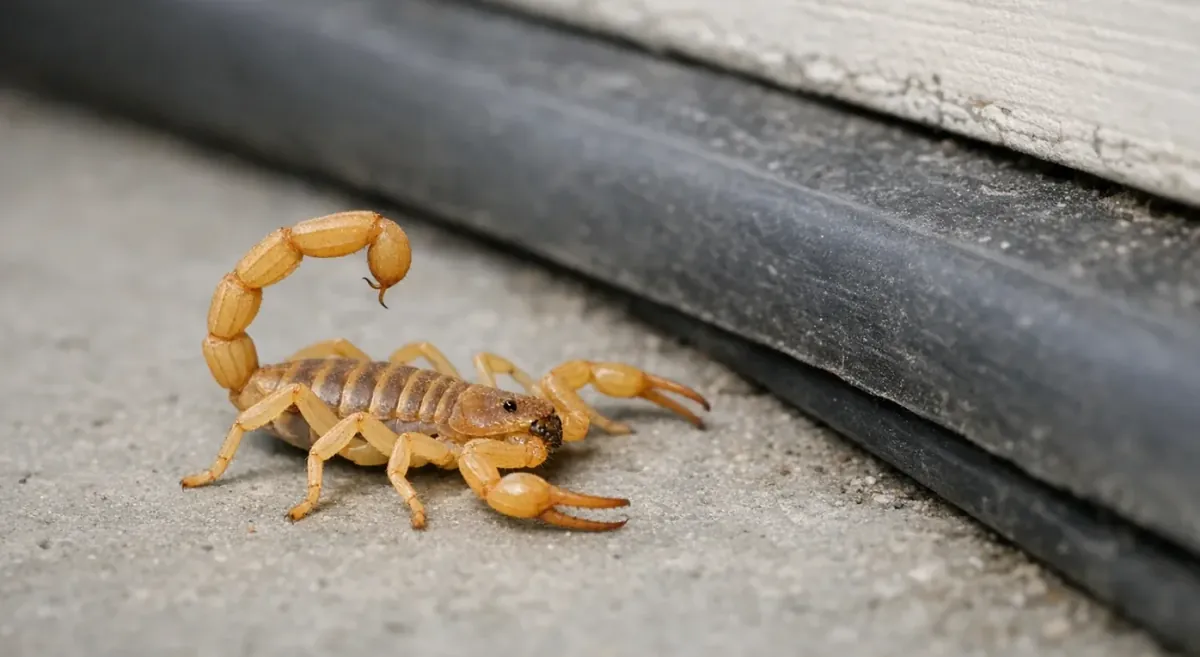
What is the best way to keep scorpions out of a house—really?
The best way to keep scorpions out is a 4-layer defense system: seal entry points like door gaps and utility penetrations, create a scorpion-hostile zone by removing debris and vegetation within 6 feet of your foundation, control the insects they hunt to eliminate their food source, and install monitoring to detect any that slip through—especially at night when they're most active.
Forget miracle sprays and ultrasonic gadgets. The real answer is a practical, layered defense system that works while you sleep. You've got to block their entry routes, eliminate their favorite hiding spots, cut off their food supply, and know immediately if one slips through. Think of it like home security: multiple layers working together, not one "magic" solution.
Here's what actually works. First, seal the obvious entry points like door gaps and utility penetrations. Second, create a scorpion-hostile zone around your foundation by removing debris and dense vegetation. Third, control the insects scorpions hunt—no prey means fewer predators hanging around. Finally, add monitoring so you'll know quickly if one makes it inside, especially at night when they're most active.
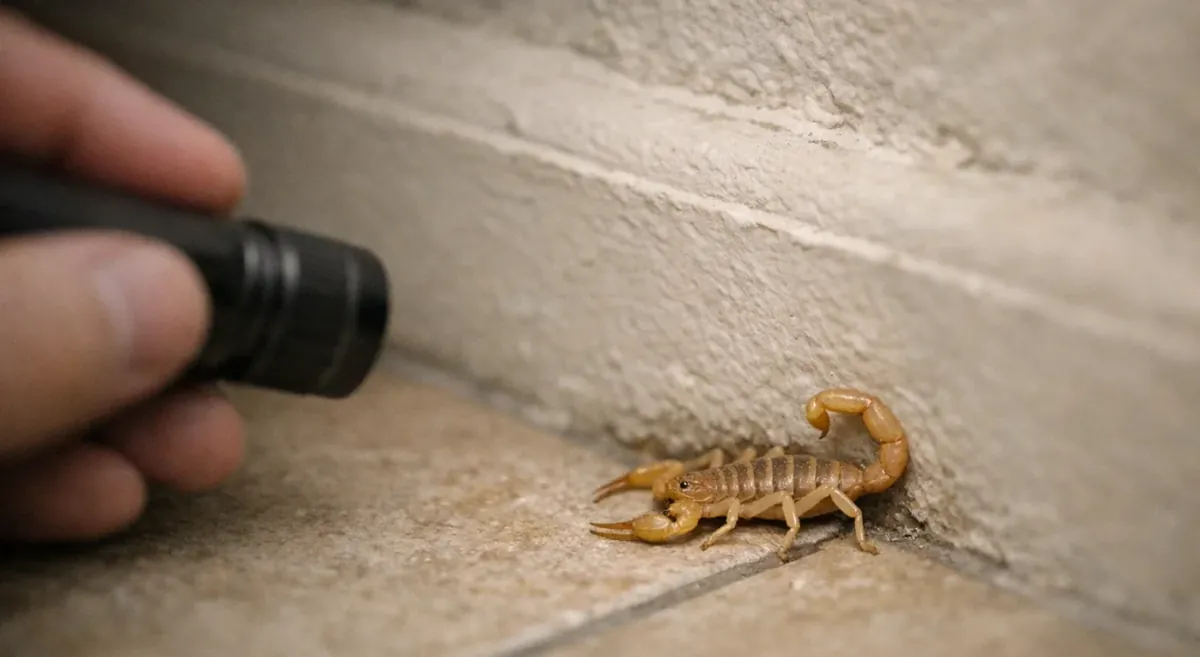
Understanding scorpion behavior gives you an edge. These arachnids are thigmotactic—they navigate by maintaining contact with surfaces. Picture a scorpion entering your home: it won't cross open floor space if it can avoid it. Instead, it'll follow the baseboard, hug the wall, and travel along furniture edges. That's why you find them in shoes against the wall or in corners behind the toilet. Use this behavior to your advantage by focusing prevention and monitoring along room perimeters where they naturally travel.
The 4-layer defense-in-depth plan (a homeowner checklist)
- Start with what you can control today. Layer 1: Seal entry points, focusing on doors, thresholds, and the garage—these fixes take hours, not days. Check door sweeps for gaps, make sure weatherstripping makes full contact, and pay special attention to that garage-to-house door that probably doesn't seal as tightly as your front door.
- Layer 2: Reset your outdoor habitat within 3–6 feet of your foundation. Move firewood away from the house, clear debris piles, trim vegetation that touches exterior walls, and eliminate standing water sources. This isn't about having a sterile yard—it's about creating a clear inspection zone where scorpions can't hide right next to your home.
- Layer 3: Target the prey insects that draw scorpions close. Reduce outdoor lighting that attracts bugs to your doors, fix moisture issues that support cricket populations, and consider targeted pest control for the insects scorpions hunt. No buffet means fewer unwanted guests.
- Layer 4: Install monitoring for rapid nighttime response. Since scorpions are most active after dark, you need detection that works while you're asleep. Whether it's regular UV flashlight checks or automated detection systems, knowing quickly means you can act before anyone gets stung.
Why "one scorpion" usually means you need a system, not luck
Finding a scorpion inside isn't random bad luck—it's evidence of a gap in your defenses. That scorpion followed a scent trail, found an entry point, and navigated along your walls to wherever you discovered it. If one made it in, others can follow the same path.
The goal isn't just removing the scorpion you see. It's preventing the next encounter, and the one after that. Scorpions hunt at night while your family sleeps, entering through gaps you might not notice during the day. They can flatten themselves to slip under doors, squeeze through weatherstripping gaps, and exploit openings around pipes. Your prevention system needs to work 24/7, especially during peak activity hours between dusk and dawn.
What can I seal first to stop scorpions from slipping in?
Not all entry points are equal. Focus your weekend-warrior energy on the high-traffic zones first—doors, the garage, and utility penetrations account for most scorpion entries. You don't need to seal every microscopic gap in your home's exterior. Target the obvious highways they use to get inside.
Test your seals like a detective. At night, have someone shine a flashlight under exterior doors while you check from inside—any visible light means a scorpion-sized gap. Run your hand along door frames to feel for air movement. Check again after monsoon storms or temperature swings that can shift foundations and create new gaps. Had construction work done? Time for another inspection round.
The 30-minute high-impact seal list (doors and garage)
Start with door sweeps—that flexible strip at the bottom of your door. It should make firm contact with the threshold along its entire length. Gaps at the corners? Time for a new sweep. While you're there, check the weatherstripping on both sides and top of the door frame. Press the door closed and look for daylight or feel for drafts.
Your garage door needs special attention. The bottom seal takes a beating from daily use and weather. Look for cracks, tears, or spots where it doesn't touch the concrete. Side seals matter too—scorpions love squeezing through those vertical gaps. Don't forget the door between your garage and house. It probably doesn't seal as well as your front door, which makes it a favorite scorpion highway.
Pet doors create unique challenges. Even the best-sealing models leave gaps when pets push through. Consider upgrading to a tighter-sealing electronic model, or at minimum, make sure the flap sits flush when closed. Plan extra monitoring near pet doors since you can't eliminate this entry point entirely.
The 2-hour deep seal list (pipes, vents, and small penetrations)
Time for a room-by-room perimeter walk. Start under kitchen and bathroom sinks where pipes penetrate walls or floors. See gaps around the plumbing? Stuff them with steel wool or copper mesh (scorpions can't chew through metal), then seal with the appropriate caulk. Water heater closets, laundry hookups, and outdoor faucet penetrations need the same treatment.
Cable lines, phone wires, and AC refrigerant lines create perfect scorpion highways into your home. These penetrations often have oversized holes "just in case," leaving plenty of room for unwanted visitors. Use backer rod (foam rope) to fill large gaps, then seal with exterior-grade caulk. For really big openings, expanding foam works—but trim the excess and paint it to prevent UV degradation.
Remember scorpion behavior here—they travel edges and walls. Focus your sealing efforts on penetrations near ground level and along the foundation. That cable line entering your second-story bedroom? Less critical than the one coming through your foundation into the living room.
How do I know I actually fixed it?
- After sealing, wait for dark and repeat the flashlight test under all exterior doors. No light should be visible from inside. Doors should close firmly without forcing—if you're slamming them to get a seal, the weatherstripping needs adjustment.
- Check your work after a week. Temperature changes and settling can open new gaps or reveal spots you missed. Run your hand along sealed areas to feel for air movement on windy days.
- Found a problem area that keeps opening up? That's where you need extra monitoring—place detection near your weakest points like the garage entry, pet door, or that back door with the slightly warped frame.
How do I make my yard and garage less scorpion-friendly fast?
Scorpions thrive where three things overlap: shelter, moisture, and prey insects. Your mission is to disrupt all three within 6 feet of your foundation. This isn't about turning your yard into a barren wasteland—it's about creating an inhospitable zone right where it matters most.
Think "habitat reset" rather than endless maintenance. In the first 24 hours, you can eliminate many of the scorpion hiding spots near your home. Within a week, you can transform your immediate perimeter from scorpion paradise to scorpion desert. These changes stick because you're removing what attracted them, not just treating symptoms.
What should I remove or move away from my foundation?
Start with the obvious: that pile of landscaping rocks against your house, the stack of lumber from last year's project, and the cardboard boxes stored along the garage wall. Scorpions love these hiding spots, especially when they're right against your foundation. Move firewood at least 20 feet from the house and elevate it off the ground.
Dense ground cover touching your house creates scorpion highways. Trim back ivy, jasmine, and other climbing plants to create a 6-inch gap between vegetation and walls. Remove leaf litter, grass clippings, and mulch that's piled against the foundation. Your goal? Create a clear inspection strip where you can actually see the ground meeting your foundation.
Don't forget vertical surfaces. Scorpions aren't limited to ground-level entry, and textured walls like stucco and brick give them more to grip than smooth ones. Remove unnecessary items leaning against exterior walls—ladders, tools, toys, and garden equipment. If it touches both the ground and your wall, it can offer a scorpion a route up off the ground.
Can outdoor lighting and bugs increase scorpion activity near my doors?
Your porch light is basically a bug buffet sign, and scorpions read it loud and clear. Those insects swarming your door at night? They're scorpion prey. More bugs mean more scorpions hunting near your entries. It's an indirect but powerful attraction you can control.
Simple fixes make a big difference. Aim lights downward rather than broadcasting horizontally. Use motion sensors so lights only activate when needed. Switch porch bulbs to yellow "bug lights" or warm-color LEDs that attract fewer insects. Can't change the fixtures? Consider turning off unnecessary lights after everyone's inside for the night.
Pay attention to your garage and back door too. That always-on garage light pulls insects from across your yard, concentrating them right where scorpions can slip inside. Security needs light, but constant illumination near entries creates more problems than it solves.
Garage and storage: the overlooked "indoor-outdoor" zone
Your garage is scorpion central station—temperature-controlled, full of hiding spots, with easy access to both outside and your living space. Those cardboard boxes on the floor? Perfect scorpion condos. Sports equipment piled in corners? Ideal hunting grounds. The gap under the garage-to-house door? A favorite highway into your home.
Get everything off the floor and into sealed plastic bins. Cardboard attracts both scorpions and the insects they hunt. Install wire shelving to create vertical storage with visible space underneath. Keep the garage door seals tight and check them monthly—they deteriorate faster than other door seals due to vehicle traffic and temperature extremes.
Build a couple of quick habits for garage-stored items. Shake out shoes, gloves, and sports gear before use. Store pool toys and outdoor cushions in sealed containers, not loose piles. That includes seasonal decorations—nothing ruins holidays faster than a scorpion surprise in the decoration boxes.
Do sprays and pest control treatments actually keep scorpions out?
Here's the truth: most "scorpion sprays" work indirectly by killing the insects scorpions hunt. Direct scorpion control is tougher because they're resilient to many pesticides and can go months without eating. The most effective treatments combine prey reduction with barrier applications in the right places.
Professional treatments work best when they're targeted intelligently. Random spraying wastes money. Effective programs focus on foundation perimeters, entry thresholds, and harborage areas while also addressing the cricket, roach, and spider populations that draw scorpions close. Think ecosystem management, not just "spray and pray."
What a good scorpion-focused treatment plan includes
Exterior perimeter treatment forms your first defense line. Professionals should treat 3 feet up the foundation and 3–10 feet out from the house, creating a barrier scorpions must cross. Special attention goes to entry points—door thresholds, garage perimeters, utility penetrations, and window wells.
Crack and crevice treatment targets where scorpions actually hide. This includes expansion joints, weep holes, gaps in block walls, and spaces under concrete pads. The goal isn't coating every surface, but getting product into the tight spaces scorpions prefer. Prey insect control happens simultaneously—reducing crickets, roaches, and spiders removes the scorpion food source.
Timing matters. In Arizona and similar climates, monthly service during peak season (March–October) makes sense, with quarterly maintenance in cooler months. Document every sighting with date, location, and time. This data helps your service provider adjust treatments to your specific situation rather than following a cookie-cutter approach.
Questions to ask a pest company (so you don't waste money)
Get specific about their scorpion protocol. Where exactly do they treat—just the foundation perimeter, or also entry thresholds, garage interior edges, and block wall joints? Do they address prey insects as part of scorpion control? How do they handle Arizona bark scorpions versus less dangerous species?
Understand their guarantee and retreat policy. If you see scorpions between services, will they return at no charge? How quickly? What documentation do they need? Some companies require photo evidence or preserved specimens. Also ask what you need to change at home—the best treatment won't help if you keep providing harborage and prey.
Price shouldn't be your only factor. The cheapest service that requires constant callbacks costs more than effective treatment. Look for companies that inspect before treating, adjust their approach based on findings, and educate you about conducive conditions around your property.
When to escalate beyond DIY
Some situations demand professional help. Finding scorpions in bedrooms or children's areas? Call the pros. Multiple sightings despite your prevention efforts? Time for an expert assessment. Someone in your household has been stung? Don't mess around—combine professional service with enhanced monitoring.
Evidence they're bypassing your current approach means it's time to reassess. Finding scorpions in second-story rooms suggests they're living in wall voids or attic spaces. Seeing juveniles inside can indicate breeding populations nearby. These scenarios need integrated solutions—professional treatment plus sealing plus monitoring work better together than any single approach alone.
Remember, panicking doesn't help. A systematic response does. Document what you're seeing, where, and when. That information helps professionals target their treatment and helps you verify whether your combined efforts are working.
How can I detect scorpions before someone gets stung inside the house?
Sealing and spraying only work if scorpions stay outside. But what about the one that slips through? Detection is your final safety layer—an early warning system that lets you respond before someone steps on a scorpion in the dark. Since scorpions hunt at night and follow predictable paths along walls and baseboards, smart monitoring follows those patterns.
Traditional detection methods have serious gaps. Sticky traps might catch some scorpions but miss others that take different routes. Manual searching with UV flashlights works, but it requires nightly dedication most people can't maintain. You need detection that works automatically, especially during peak activity hours when your family sleeps.
Is a UV flashlight enough, or do I need 24/7 monitoring?
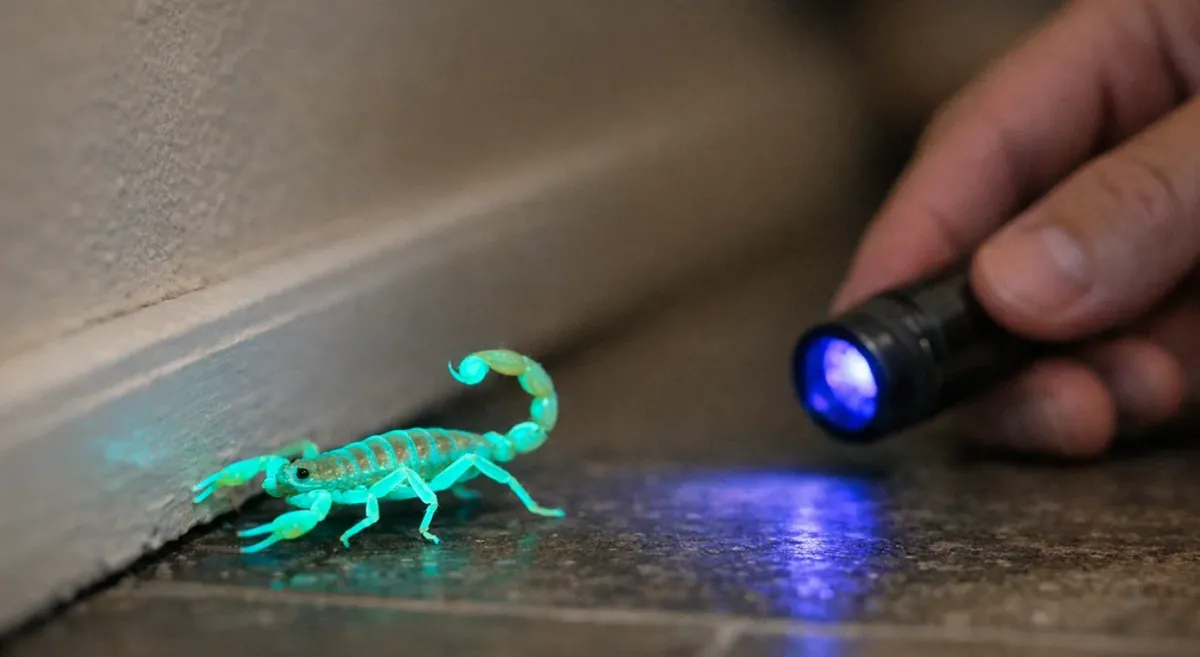
UV flashlights reveal scorpions beautifully—they glow green under 365nm ultraviolet light. But here's the catch: you have to be awake, searching at the right time, in the right places. Miss a night? Skip the laundry room? That's when encounters happen. Manual checking works for confirming sightings, but it falls short as a prevention strategy.
Be honest about reality. Will you genuinely patrol your home every night at 10 PM, checking baseboards in every room? What about when you're sick, on vacation, or just exhausted? Automated monitoring handles the consistency most people can't maintain. It's the difference between hoping you'll catch problems and knowing you will.
The most effective approach combines both tools. Automated monitoring alerts you to scorpion activity, then you use a UV flashlight to locate and remove the specific scorpion. This targeted response beats random nightly patrols or crossing your fingers and hoping for the best.
What should I look for in a scorpion monitoring device?
Effective monitoring matches scorpion behavior. Since they're most active at night, your system should activate in darkness. Since they travel along edges, monitoring should focus on baseboards and room perimeters. Since they glow under UV light, detection should use this reliable characteristic rather than hoping they'll stumble into traps.
Speed matters when scorpions are inside. Look for systems that alert within seconds, not hours or days. Photo verification reduces false alarms—you want to see what triggered the alert before you rush to respond. The detection method should be consistent and reliable, using the scientific fact that scorpions fluoresce strongly under 365nm UV light.
Consider practical factors too. Will it work with your home's layout? Can you place monitors where you need them without creating trip hazards? How does it alert you—phone notifications, alarms, or both? The best system fits into your life rather than creating a new maintenance chore.
Where should I place detectors for the highest chance of catching one?
Start with entry points. Position monitors near doors where scorpions most commonly enter—front door, back door, garage entry, and pet doors. These transition zones see the most traffic and offer the highest probability of early detection. If a scorpion enters, you want to know right away, not after it's explored your entire home.
Protect high-risk rooms next. Bedrooms, nurseries, and playrooms where people walk barefoot need priority coverage. 86.5% of Arizona residential scorpion exposures occur indoors. Of those, 42.5% happen in a bedroom — the most-stung room in the house Skolnik & Ewald 2018. Place monitors along the walls where scorpions naturally travel, not in room centers where they rarely venture. Remember their thigmotactic behavior—they hug edges, so your monitoring should too.
Don't forget water sources. Bathrooms, laundry rooms, and kitchens attract scorpions seeking moisture and prey. The beauty of plug-in monitors is they naturally sit at floor level along room perimeters—exactly where scorpions travel. That isn't a coincidence; it's design that matches behavior.
How Scorpion Alert fits into a 'keep them out' plan (without relying on traps)
Scorpion Alert provides the automated monitoring layer your prevention system needs. Each Detector plugs into standard wall outlets, shining 365nm UV light onto the floor below—right where scorpions naturally travel. When the room darkens, the system activates, capturing frames every 500 milliseconds and using two-stage AI to confirm scorpion presence.
Within seconds of detection, you receive a photo-verified alert via push notification or SMS. No guessing whether it's a false alarm—you'll see the glowing scorpion in the image. That rapid alert means you can respond right away, using a UV flashlight to locate the specific scorpion and remove it safely. The app tracks detection history, helping you identify problem areas and verify your prevention efforts are working.
Unlike sticky traps that create disposal headaches and attract pest insects, Scorpion Alert provides clean, reliable monitoring. No dead scorpions to handle, no glue traps for pets or children to encounter, and no constant trap replacement. Just plug it in, connect to WiFi, and let the system watch the perimeter while you sleep. When scorpions travel along your baseboards at night, you'll know within seconds.
Many homeowners combine Scorpion Alert with their other prevention layers for more complete coverage. Seal the obvious entry points, reduce outdoor harborage, manage prey insects, and add Detectors for instant alerts if anything slips through. It's especially valuable for protecting bedrooms and children's areas where scorpion stings pose the greatest risk. Some customers also use the detection data to verify pest control effectiveness or spot new entry points that need sealing.
Once you've sealed entry points, reduced moisture, and cut down on hiding spots, the next best step is confirming what's still getting inside—especially at night when scorpions are most active. Scorpion Alert makes that easier by using 365nm UV light and AI-based detection to help you spot activity early and target your prevention where it matters most. Learn how it fits into a long-term "keep them out" plan at Scorpion Alert.