














































Knowledge Base

Sealing & Exclusion

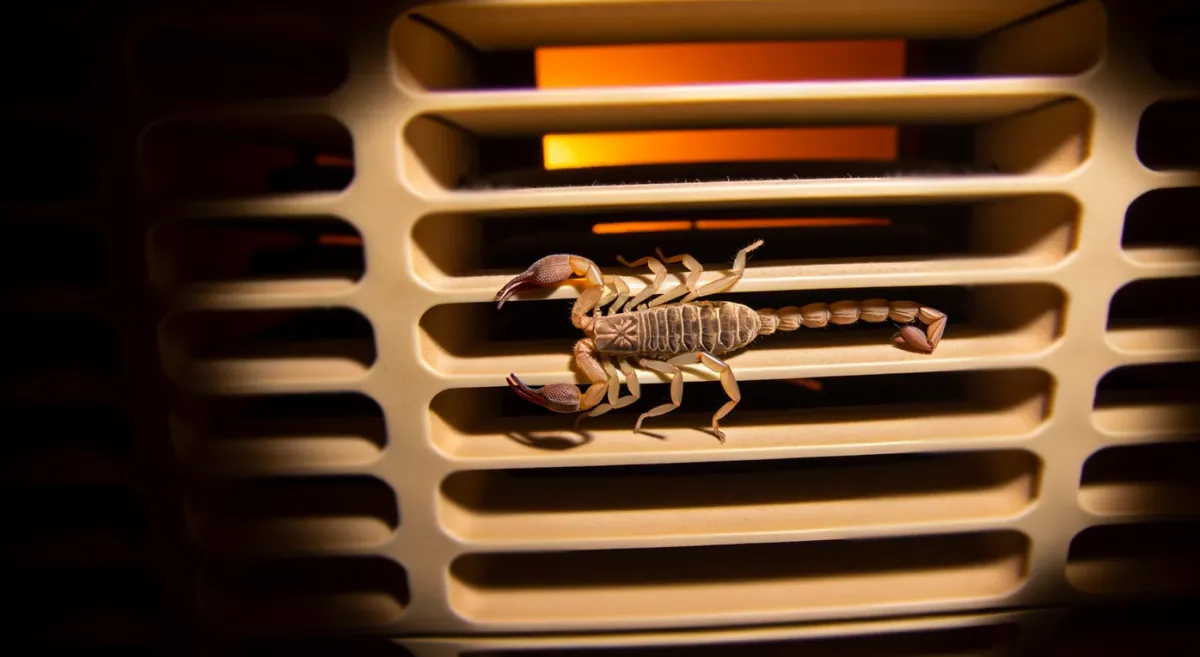
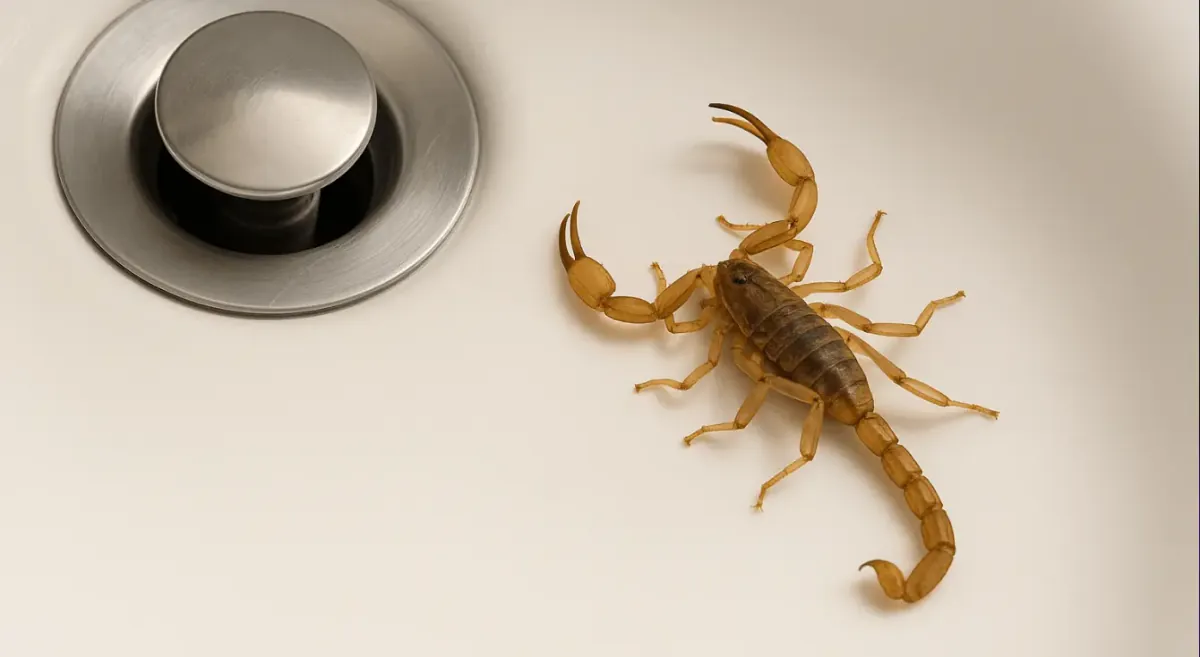
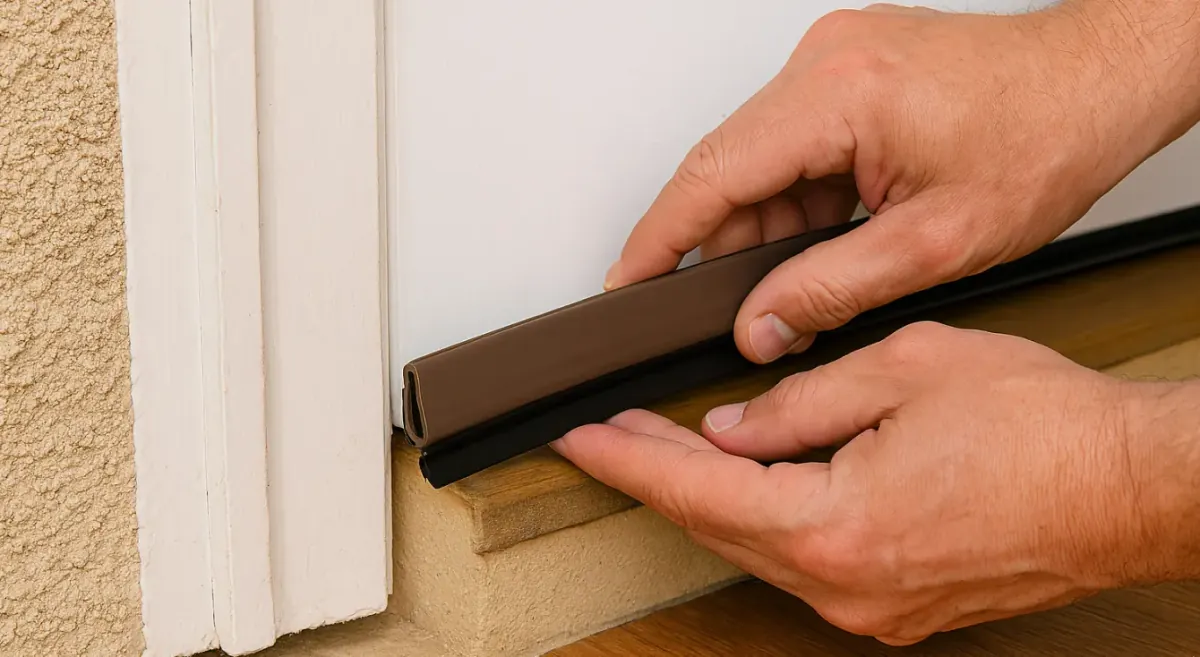
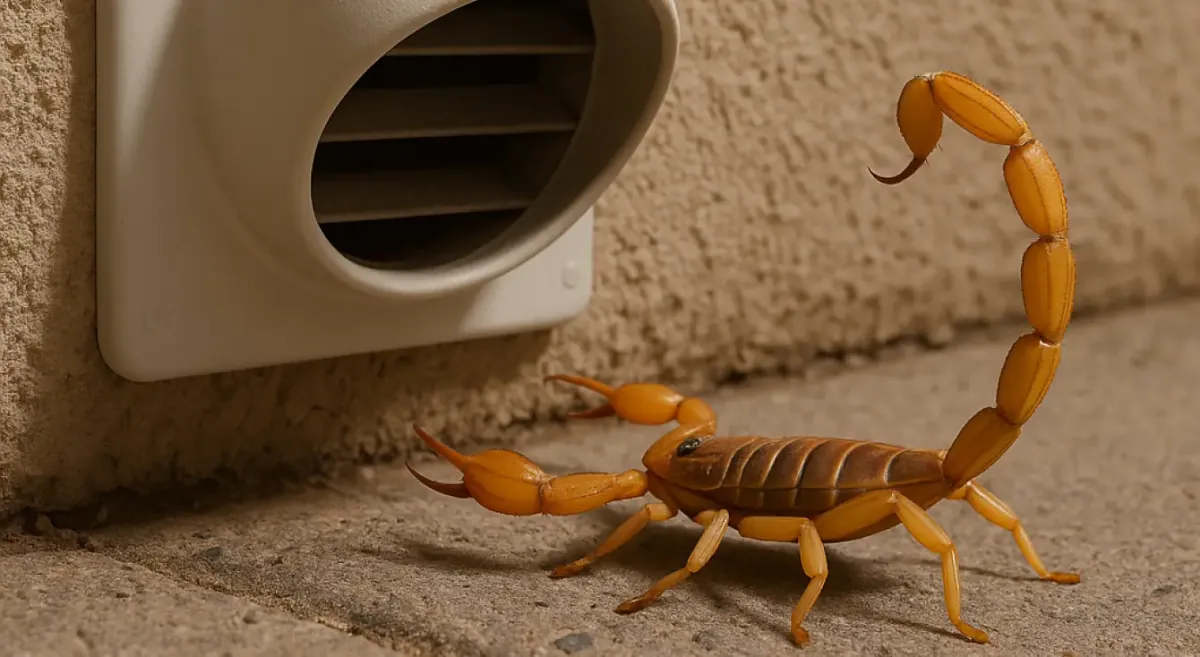
Door sweeps, weather stripping, vent screens, structural gaps, DIY exclusion.

Articles

Every post tagged Sealing & Exclusion.
How Scorpion Alert works

Find them before they find you

Plug in your Scorpion Detectors around your home and get instant alerts with the location of the scorpion.
  • Detectors arrive ready to plug in
  • Live alerts go straight to your phone or watch, with location
  • Alert multiple family members with a single account
  • One flat monthly monitoring fee — no contract, cancel anytime
Get Scorpion Detectors
Real homes, real results

Why homeowners trust the system

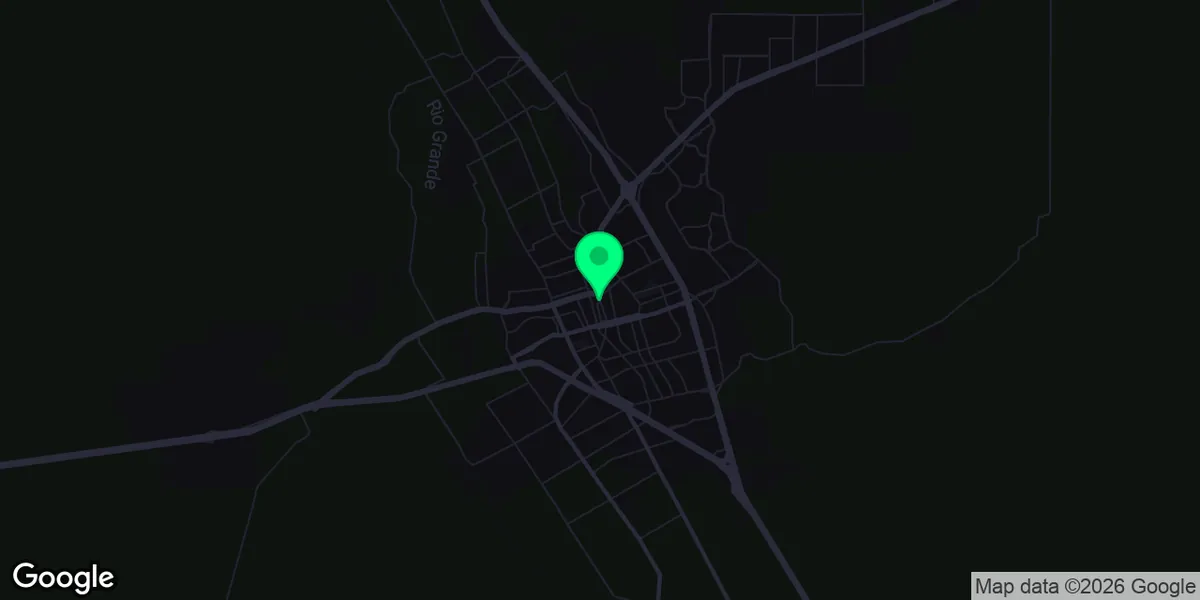
Map of Chandler, ArizonaChandler, Arizona
Much better than those disgusting sticky traps.
Danielle
9 scorpions detected
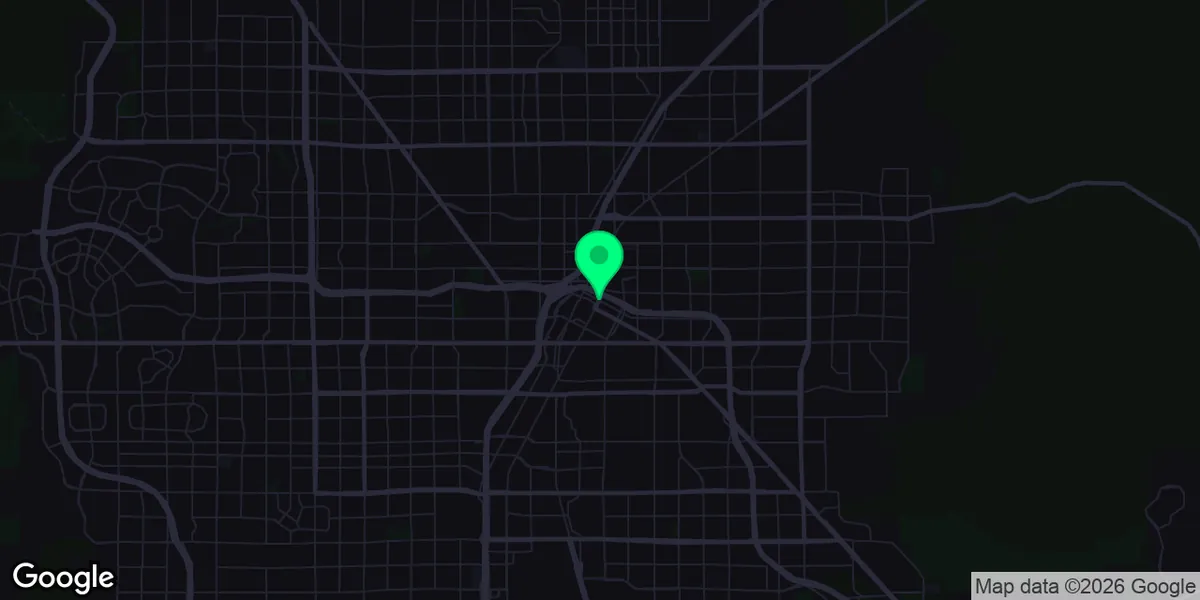
Map of Austin, TexasAustin, Texas
I like seeing them turn on, night after night. Security guards that never quit.
Leah
5 scorpions detected
Map of Dripping Springs, TexasDripping Springs, Texas
The Scorpion Detectors are very easy to set up with the app and they work very well.
Rafael
6 scorpions detected
Common questions

Need quick answers?

How can I prevent scorpion stings so we don’t have to worry about antivenom?

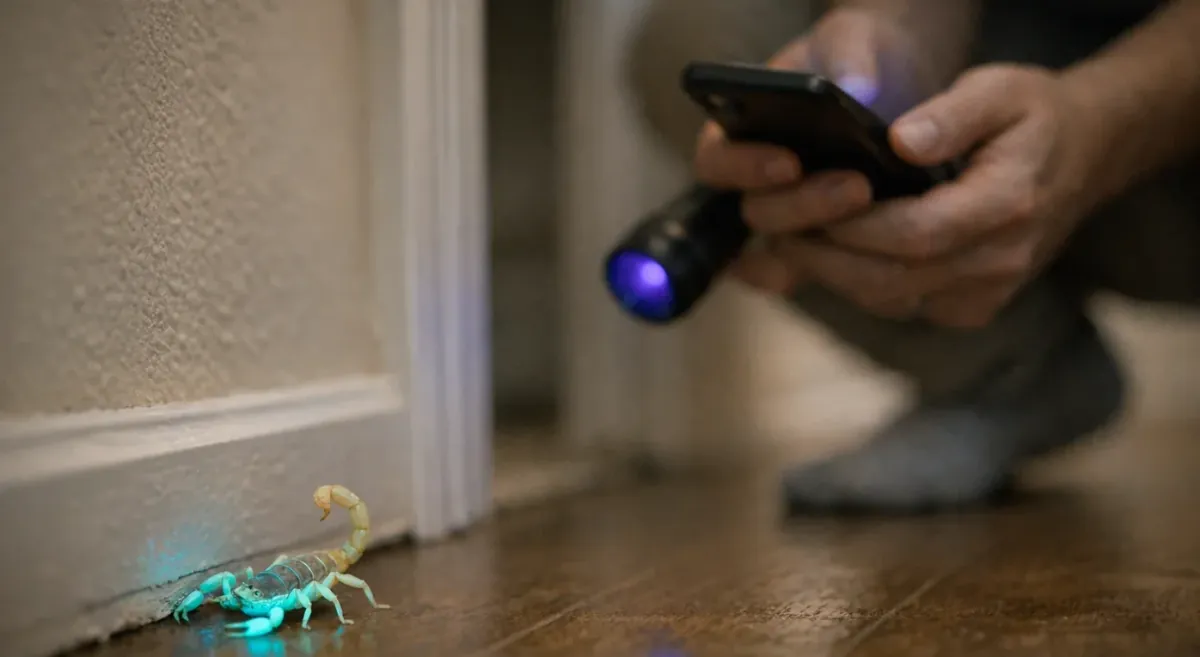
Prevention is the everyday solution: seal entry gaps, reduce clutter and harborage, control insects (their food source), and focus on high-risk entry points and room edges where scorpions travel. For night-time peace of mind, detection can add an early-warning layer—scorpions fluoresce under UV, and automated monitoring can help you find them without constant blacklight walks. This scorpion sting prevention checklist summarizes practical steps and what to do when you spot one.

How do I stop scorpions from coming back after I kill one?

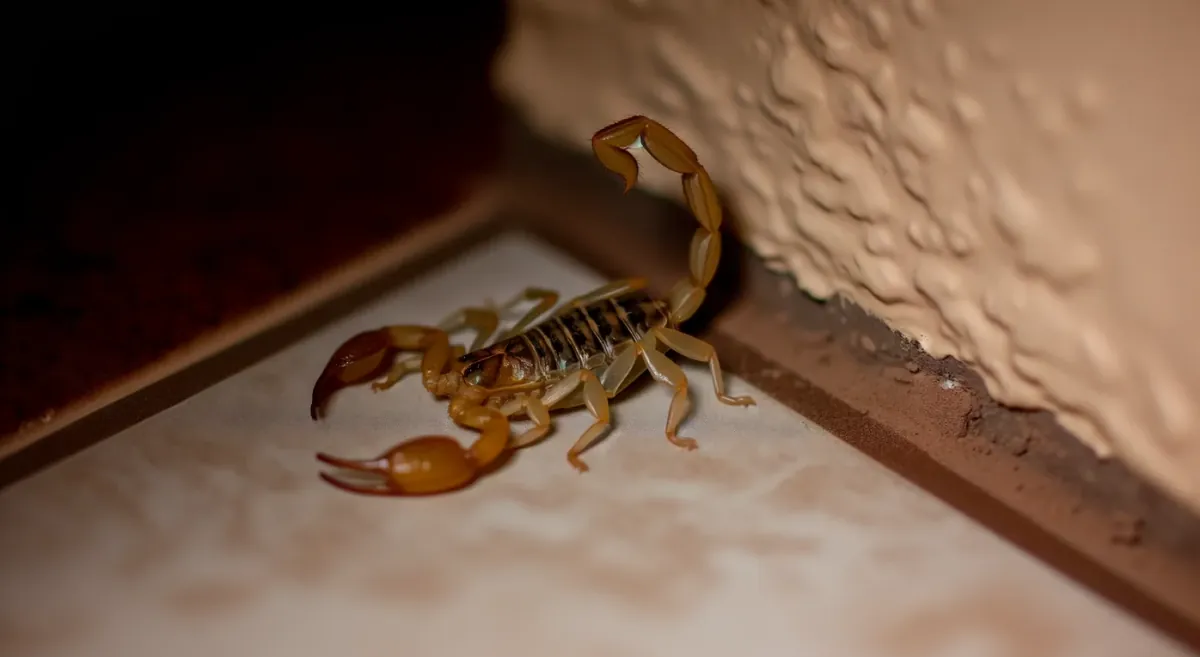
After a sighting, focus on sealing entry points, reducing clutter/hiding spots, and cutting off food and water sources, then monitor the next few nights with UV checks along baseboards, thresholds, and corners. The section also compares sticky traps (and their drawbacks) with a monitoring hierarchy that includes automated detection for faster alerts before a scorpion disappears again. You’ll find a practical checklist and monitoring options in stop scorpions from coming back.

What happens at the ER for a scorpion sting—and how can I prevent another one?

At the ER, clinicians typically monitor vital signs, manage pain and muscle symptoms, and consider antivenom (like Anascorp) when symptoms are moderate/severe and consistent with significant envenomation. Many mild stings improve over time, while more intense neurologic symptoms may require observation until they resolve. This scorpion sting ER treatment overview also covers practical prevention steps like sealing gaps, reducing clutter, and keeping bedding/shoes off the floor.

How do scorpions get into a house that seems sealed?

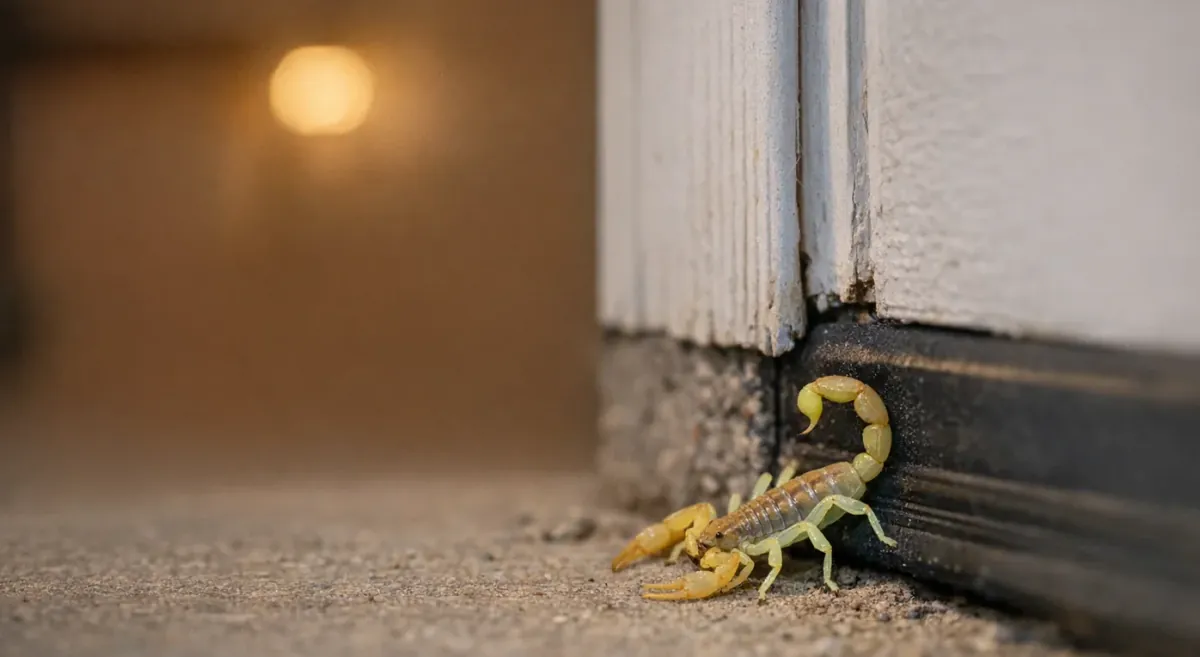
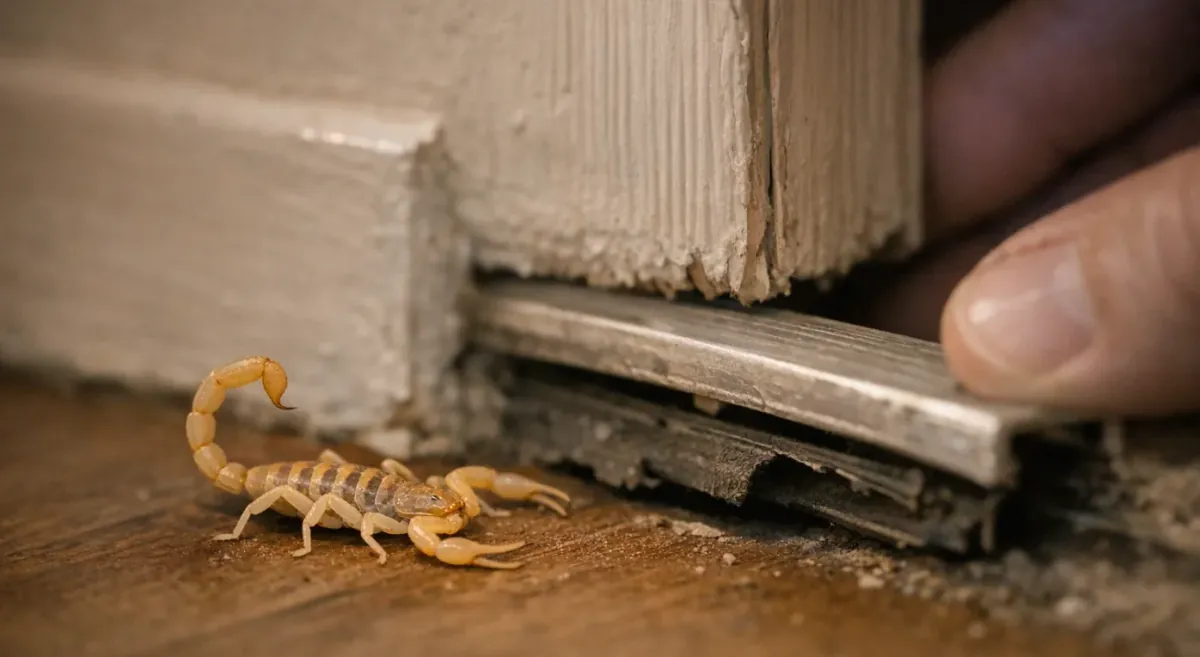
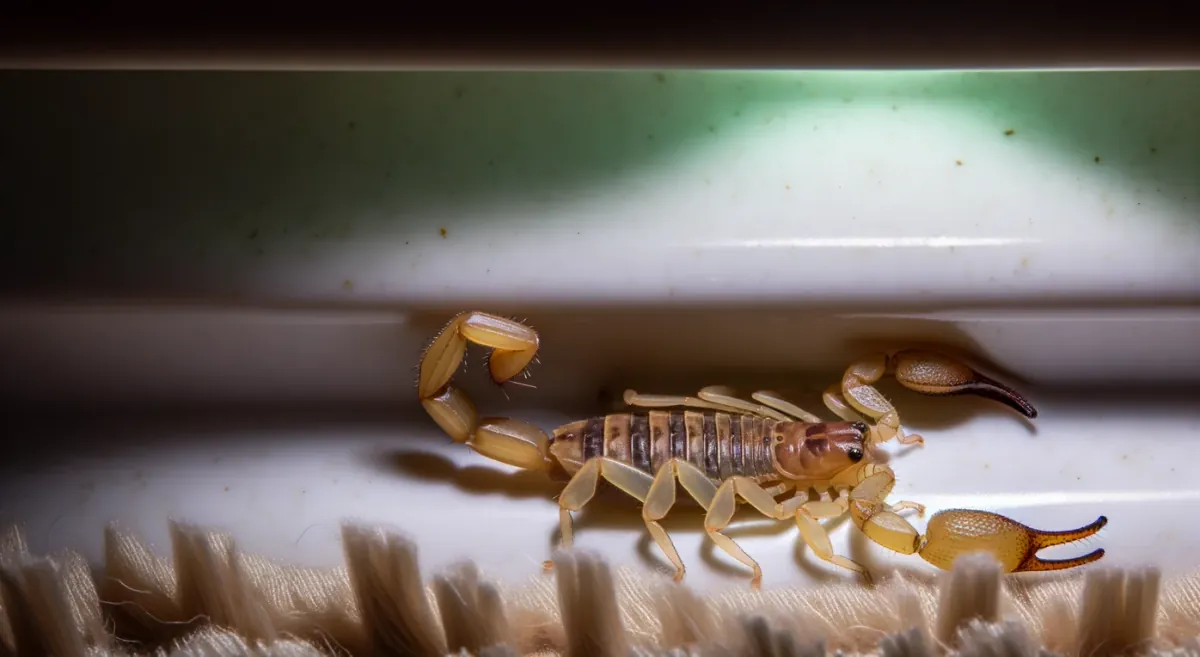
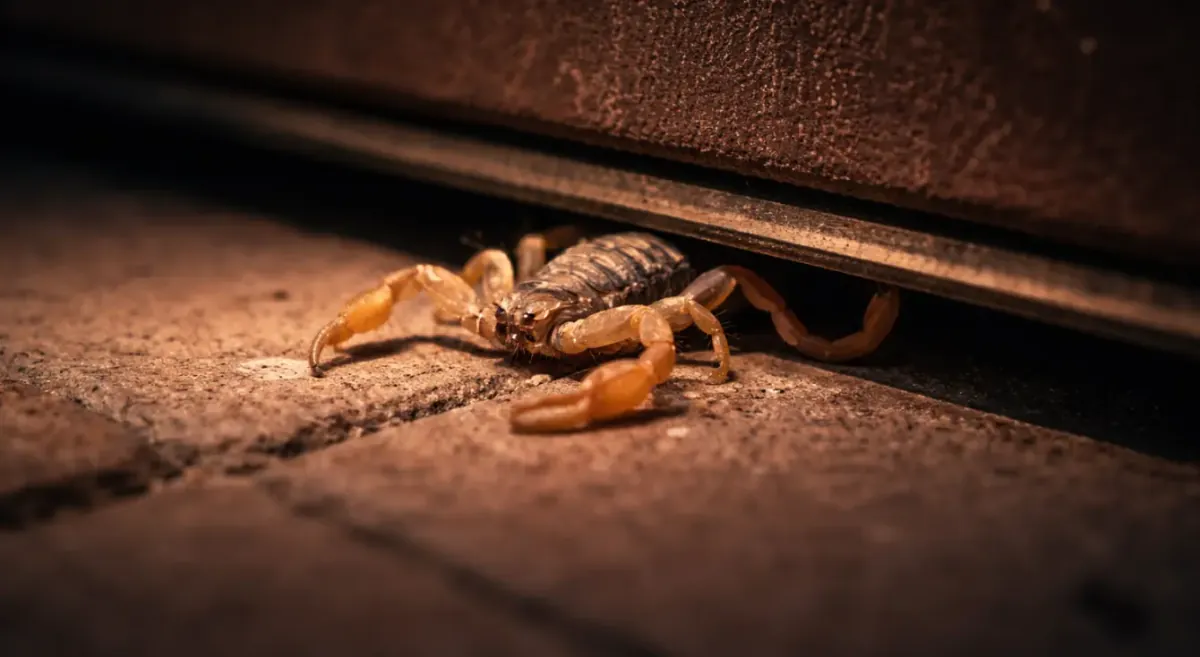
Scorpions don’t need a big opening—they can slip through small gaps around doors, sliding tracks, garage corners, screens, and utility penetrations. This section gives a quick 10‑minute inspection checklist and explains “scorpion sealing” as a layered approach (door sweeps, weatherstripping, caulk/foam, and mesh where needed). It also briefly addresses vents and plumbing while keeping the focus on the most common real‑world pathways in how to prevent scorpions entering your home.

How do I reduce scorpion risk at home, especially from small bark scorpions?

Start with a prevention ladder: seal entry points, reduce hiding spots and prey, then monitor activity at night to confirm where scorpions are getting in. The article explains practical weekend fixes (door sweeps, weather stripping, sealing gaps) plus monitoring options—from UV checks to automated plug-in detectors—and why perimeter placement along walls matters. Follow this home scorpion prevention and monitoring plan to prioritize bedrooms, entry doors, and water-adjacent rooms.

What are the top places to check first for scorpion entry points?

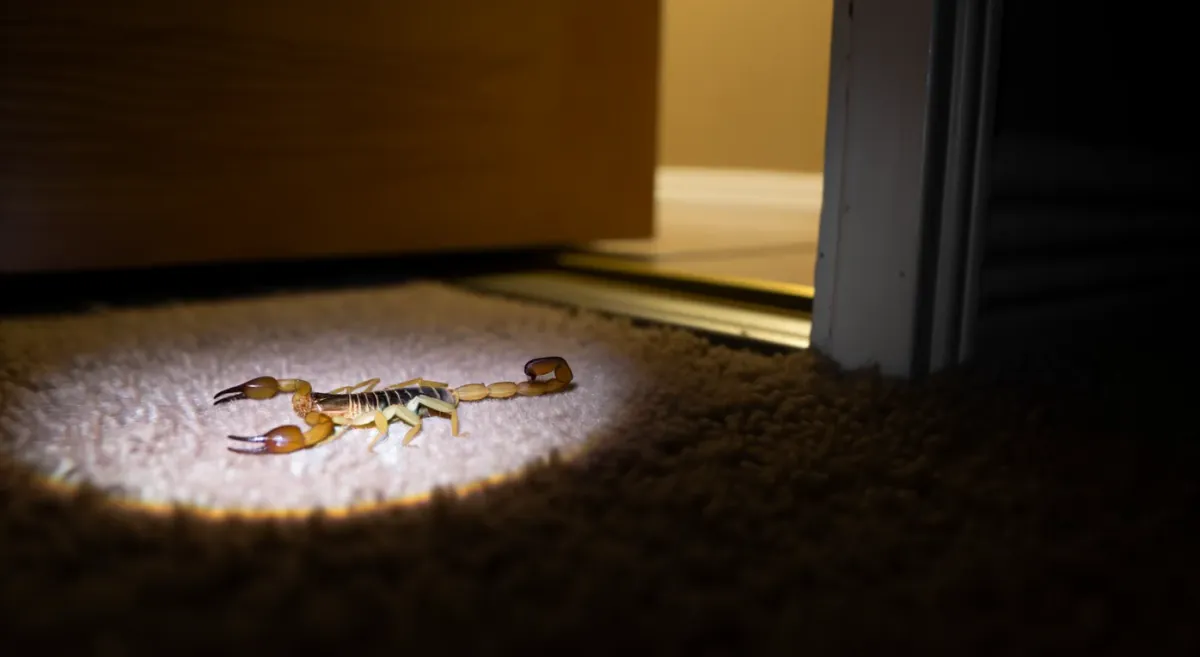
Start with the perimeter gaps that most commonly let scorpions in: door and garage door gaps, low cracks at the foundation/stucco line, utility penetrations (pipes/cables/vents), roofline/attic openings, and torn window screens. A quick “outside-in” checklist helps you spot telltale daylight, loose screens, and small openings that are “too small to matter” but still big enough for a scorpion. The full 10-minute inspection flow is outlined in top 5 scorpion entry points to inspect.

Got questions about scorpion detection?