Is there a scorpion repellent that actually works?
Most scorpion "repellents" aren't invisible force fields that keep scorpions away — they're contact-kill products or residual sprays that need time to affect scorpions after they cross treated areas. True repellency (where scorpions actively avoid an area) is rare with current products, so managing scorpions usually takes a combination of exclusion, targeted treatments, and monitoring rather than relying on any single spray or device.
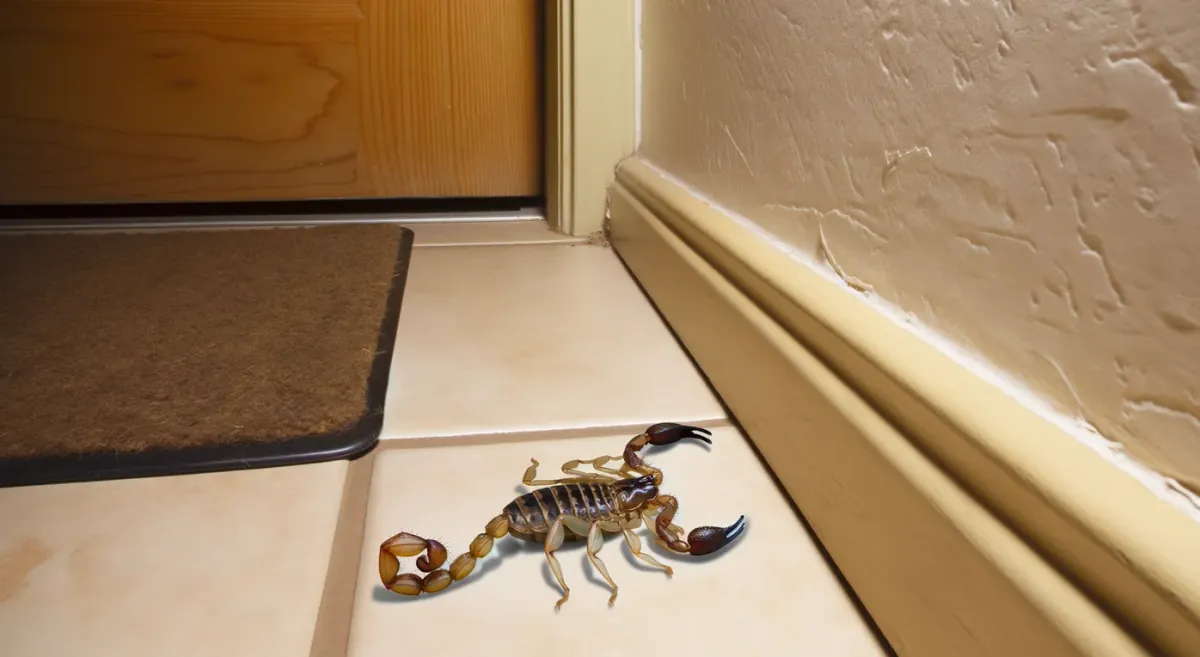
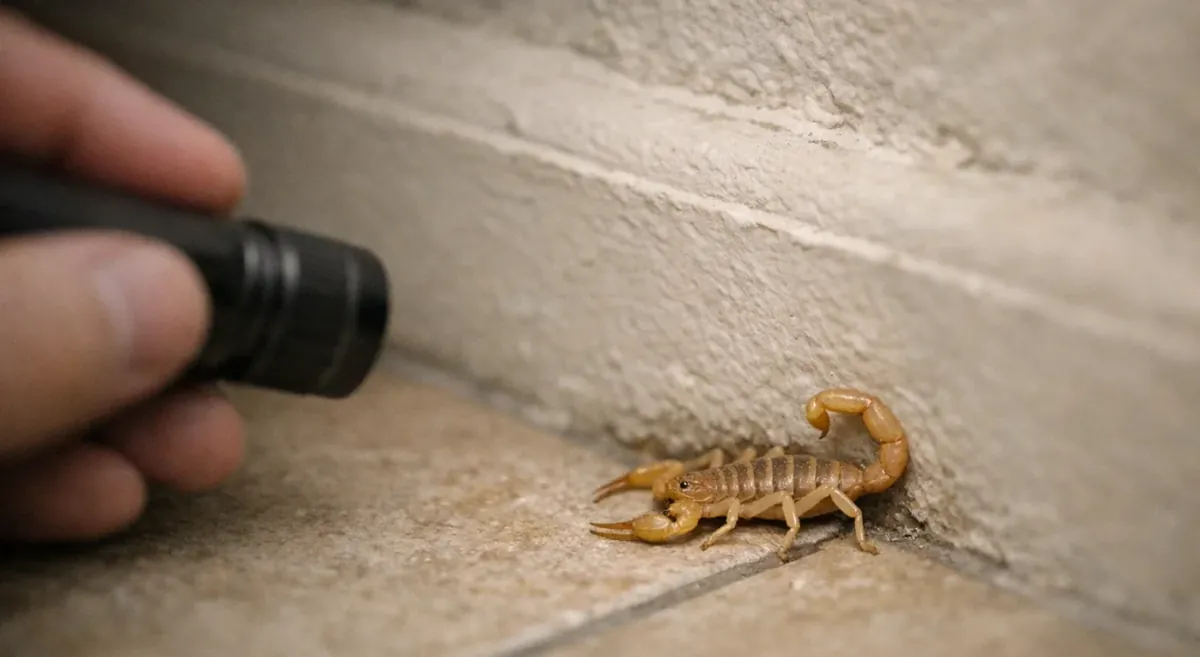
The challenge with scorpions is their nocturnal behavior, combined with their tendency to travel along walls and baseboards (a behavior called thigmotaxis). Say you spray the center of your garage floor, but the scorpion hugs the wall as it moves through at 2 a.m. It never touches your treatment. This wall-hugging habit means random spraying often misses their real travel routes completely.
For homeowners, the "best" scorpion control means achieving three measurable goals: fewer scorpions spotted inside your home, fewer surprise encounters (especially at night when you're barefoot), and a repeatable prevention plan you can maintain month after month — not just a one-time spray that wears off. Success looks like going from weekly sightings to maybe one every few months, and knowing exactly what to do when you spot one.
Why do scorpions keep showing up even after I spray?
Scorpions can cross treated areas and still make it deep into your home before the product takes effect — residual sprays aren't instant killers, and a scorpion might take hours or even days to die after contact. That delay means you'll often see scorpions after treatment, which makes people think the spray failed when it's actually working as designed.
Scorpions are also remarkably resilient. They can survive without food for months and hide in tiny cracks where sprays don't reach. Your sightings lag behind their actual activity — by the time you see one scorpion, others have likely been moving through your home undetected for weeks. They're most active between 6 p.m. and midnight, when you're less likely to spot them unless they wander into a well-lit area.
While you work on long-term control, reduce your risk of barefoot encounters. Always shake out shoes before putting them on, turn on lights before walking through rooms at night, and shake out towels and clothing that have been on the floor. These simple habits prevent most painful surprises while your broader control plan takes effect.
What does "best" mean for scorpion control in a home?
Effective scorpion control shows clear results: indoor sightings should trend down within about three weeks of starting a comprehensive plan, while outdoor sightings concentrate farther from your foundation as you remove nearby harborage. You're not aiming for zero scorpions on your property — that's unrealistic in scorpion territory — but for zero scorpions in your living spaces.
The most successful approach layers multiple strategies: physical exclusion (sealing entry points), prey control (reducing the insects scorpions hunt), targeted chemical treatments where scorpions actually travel, and monitoring to catch any that slip through. Think of it like home security — you don't rely on just a deadbolt or just an alarm system.
This article compares the common products people buy for scorpion control, explains why many disappoint, and builds out the complete long-term plan that actually reduces scorpion encounters. We'll start with what doesn't work, then move to proven methods that do.
Which "scorpion repellents" should I skip (and why)?
The scorpion control aisle is full of products with impressive marketing claims but disappointing real-world results. Understanding why these common purchases fail helps you invest in methods that actually work. Most failures come down to the same issues: products that degrade too quickly outdoors, devices blocked by normal household clutter, or treatments applied where scorpions never travel.
Do essential oils or "natural" sprays repel scorpions?
Essential oil sprays like peppermint, cinnamon, and cedar oil show inconsistent results against scorpions because they evaporate quickly and break down rapidly in outdoor conditions — sun, rain, and sprinkler systems can eliminate their effectiveness within hours of application. While some people report temporary deterrence, you'd need to reapply constantly to maintain any effect.
If you choose to use essential oils, treat them as a short-term supplement rather than your primary defense. Apply them directly along the edges and thresholds where scorpions actually travel — door frames, garage-to-house transitions, and pipe penetrations. Spraying them across open floors or in the middle of rooms wastes product since scorpions stick to walls and edges. Don't expect oils to create a lasting barrier; at best, they might discourage a scorpion from crossing a freshly treated threshold for a day or two.
Do ultrasonic pest repellers work on scorpions?
Ultrasonic devices marketed for scorpion control produce high-frequency sounds meant to repel pests, but scorpions show unpredictable responses to these frequencies, and the sound waves don't penetrate walls, furniture, or even stacks of boxes — exactly where scorpions like to hide. A cluttered garage or storage room blocks most of the signal from reaching scorpion harborage areas.
The $30–$50 you'd spend on an ultrasonic device buys several door sweeps, a tube of caulk, or a month of professional-grade monitoring — all proven to reduce scorpion encounters. These physical barriers and detection tools provide measurable results, unlike ultrasonic devices that leave you guessing whether they're doing anything at all.
If it sounds too easy, it usually is. Scorpions have survived for 400 million years — they won't be deterred by a device you plug in and forget.
Is diatomaceous earth (DE) a good scorpion repellent?
Diatomaceous earth works by abrading an insect's exoskeleton and causing dehydration, but scorpions have a thicker, waxier cuticle than most insects, making DE less effective against them — plus, any moisture ruins DE's effectiveness, and achieving consistent coverage in real-world conditions is nearly impossible.
Common DE failures happen when homeowners "dust" their perimeter or garage floor. The powder clumps in humid conditions, blows away in drafts, and creates patchy coverage that scorpions easily avoid. Even if a scorpion crosses DE, it might not pick up enough to cause significant damage. You'll end up with a messy, ineffective barrier that tracks through your house on shoes and pet paws.
The only somewhat reasonable use for DE against scorpions is in completely dry, enclosed voids like wall cavities or under appliances — places where it won't get disturbed or moistened. Even then, it shouldn't be your Plan A. Physical exclusion and targeted liquid treatments deliver more reliable results with less mess.
What actually keeps scorpions out long-term?
Long-term scorpion prevention focuses on three weekend-friendly priorities: block their entry routes into your home, remove their hiding spots near your foundation, and reduce the prey insects they hunt. These physical changes create lasting protection that doesn't rely on constant reapplication of sprays or hoping a device works.
Start with entry-point exclusion since it provides immediate protection. A scorpion can't surprise you in the bathroom if it can't get inside. Next, push their habitat away from your walls — scorpions that hunt 20 feet from your foundation are less likely to wander inside than those living against your home. Finally, reduce their food source to make your property less attractive for hunting.
Here's a screenshot-worthy checklist for your weekend prevention project: install door sweeps on all exterior doors, apply weatherstripping to garage doors, caulk gaps around pipes and cables entering your home, seal the garage-to-house door thoroughly, and check all door thresholds with a credit card (if the card slides under, so can a scorpion).
Where are scorpions most likely to get in (and what should I seal first)?
Your highest-priority fixes are door thresholds and sweeps, especially the door between your garage and house — garages provide easy scorpion access, and that interior door often has the biggest gaps. Utility penetrations where pipes, cables, and wires enter your home create highways for scorpions following edges into your walls.
Test every exterior door with a simple flashlight inspection at night. Turn off indoor lights, have someone shine a flashlight from outside while you look for light leaking under doors and around frames. Any visible light means a scorpion can squeeze through. Use the credit card test during the day — slide it under doors and into gaps. If it fits, start sealing.
For comprehensive entry-point guidance including window wells, weep holes, and roof-wall junctions, check our guide on the top 5 ways scorpions get into your home. That resource covers the less obvious entry points this overview might miss.
How do I make my yard less scorpion-friendly without re-landscaping?
Reduce scorpion hiding spots by moving wood piles, stones, and stored items at least 10 feet away from your foundation — scorpions shelter in these during the day and hunt from them at night. Elevate firewood on racks and trim vegetation so it doesn't touch your house, eliminating the bridges scorpions use to access walls and windows.
Moisture management makes a huge difference. Scorpions need water and hunt where prey insects gather around moisture. Fix irrigation heads that spray your foundation, adjust timers to avoid overwatering near the house, and ensure downspouts direct water well away from walls. A dry perimeter is a less attractive perimeter.
Remember that scorpions navigate by following edges (thigmotaxis). The fewer protected edges and hiding spots near your home, the less likely they'll patrol close enough to find entry points. Even small changes like removing decorative rocks touching the foundation or raising potted plants on stands can reduce scorpion traffic patterns near doors and windows.
Why does insect control matter if I only care about scorpions?
Scorpions are predators that follow their food source — homes with lots of crickets, roaches, and other insects around the perimeter attract hunting scorpions, while reducing prey populations makes your property a less productive hunting ground. It's simple ecology: no food means scorpions hunt elsewhere.
Quick wins for prey reduction include switching exterior lights to yellow "bug lights" or sodium vapor bulbs that attract fewer insects, fixing plumbing leaks that create moisture sources for prey, and reducing standing water from plant saucers, pet bowls, and clogged gutters. Each cricket population you eliminate means fewer scorpions patrolling for dinner.
For a comprehensive list of what draws both scorpions and their prey to your property, see our article on the top 5 things that attract scorpions to your home. Managing these attractants creates an environment where scorpions naturally hunt elsewhere.
Do sprays and professional treatments repel scorpions—or just kill them?
Most "barrier sprays" and professional treatments work by killing scorpions that contact the residual product, not by creating an invisible wall that scorpions refuse to cross — understanding this distinction helps set realistic expectations for chemical treatments as one part of your complete control strategy.
Quality scorpion sprays leave a residual layer on surfaces that remains effective for weeks or months. When a scorpion crosses the treated area, the product transfers to its body and eventually kills it. But there's a delay — the scorpion might still enter your home and die later in a closet or under furniture. This is why you sometimes find dead scorpions indoors even after professional treatment.
Chemical treatments work best when combined with the exclusion and habitat modification we've covered. Sprays can't overcome massive gaps under doors or prime harborage against your foundation. Think of treatments as your safety net for the scorpions that slip past your other defenses, not as a standalone solution.
What should I look for on a scorpion spray label?
First and most important: "scorpions" must be specifically listed on the label — products labeled only for "insects" or "spiders" weren't tested for scorpion effectiveness and likely won't provide adequate control. This seems obvious, but many general pest sprays don't include scorpions.
Check where the product can be applied. Look for "crack and crevice treatment" and approval for the specific areas where scorpions travel — door thresholds, expansion joints, weep holes, and foundation edges. Products limited to "spot treatment" or "broadcast application only" won't let you target scorpion highways effectively. Indoor/outdoor approval matters if you need to treat garage-to-house transitions or interior baseboards.
Consider safety based on your household. Products requiring extensive protective equipment or keeping "children and pets away until dry" might justify hiring a professional instead. Barefoot areas like bathroom thresholds need extra care. A licensed pest control operator has access to products and application methods that provide longer residual control with proper safety protocols.
If I still see scorpions, does that mean I have an infestation?
A single scorpion sighting doesn't automatically mean you have many inside — scorpions are largely solitary hunters, not colony insects — but it does indicate either an entry pathway that needs sealing or increased activity near your home. The key is tracking patterns over time, not panicking over one encounter.
Start tracking every sighting with date, time, and specific location. After a few weeks, patterns emerge: always in the master bathroom might indicate a pipe penetration; multiple garage sightings suggest door seal problems; regular 10 p.m. kitchen appearances could trace to pet door gaps. This data helps you focus your exclusion efforts where they matter most.
For more context on whether your sightings indicate a broader problem, read our article on whether scorpions are social or solitary. Understanding their behavior helps you respond appropriately to sightings without overreacting to normal scorpion activity.
How can I tell if my scorpion "repellent" plan is working?
Success shows in clear metrics: indoor scorpion sightings decrease from weekly to monthly or less, you spot fewer prey insects like crickets inside, and nighttime bathroom visits no longer require a careful floor scan. These improvements typically become noticeable within 3–4 weeks of implementing a complete plan — not overnight, but steadily.
The most reliable way to track progress is through consistent monitoring. Scorpions are nocturnal and most active between 6 p.m. and midnight, so random daytime checks tell you nothing. Effective monitoring means checking during their active hours, focusing on their travel routes along walls and edges, and maintaining records to spot trends.
Automated monitoring takes the guesswork and nightly patrols out of the equation. Instead of wondering whether scorpions are active, you'll know exactly when and where they appear. This real-time data helps you respond quickly and adjust your prevention plan based on actual activity patterns, not assumptions.
Should I do night checks with a UV flashlight?
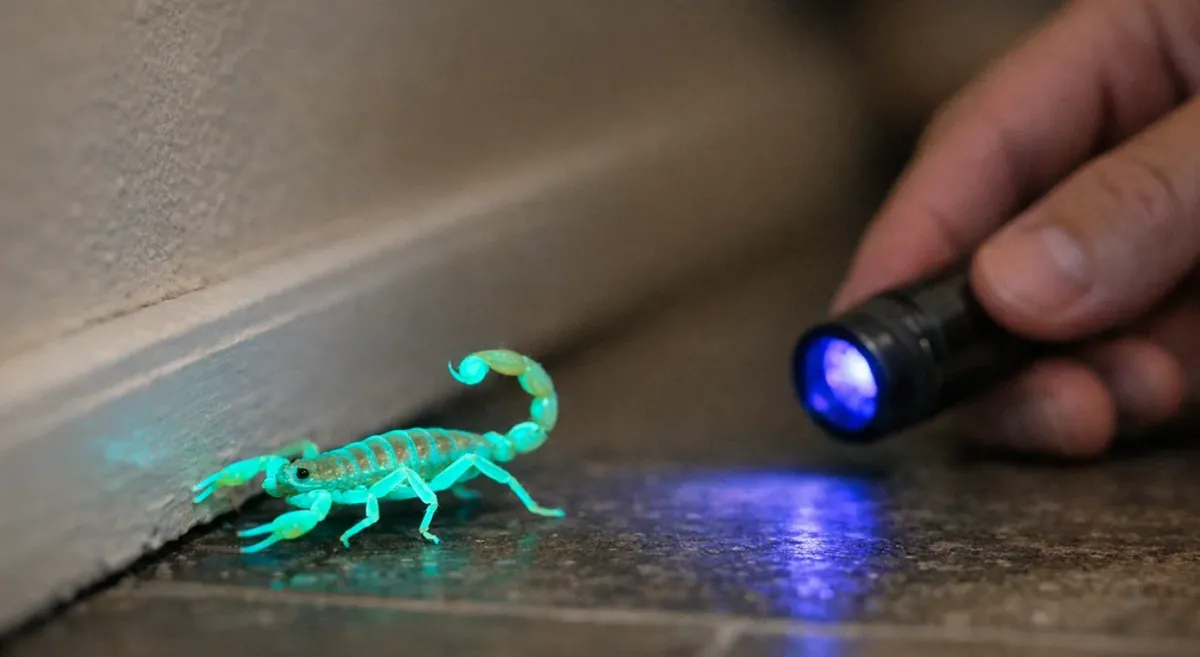
Scorpions fluoresce bright green under ultraviolet light, making UV flashlights highly effective for detection — this natural phenomenon happens because proteins in their exoskeleton convert UV rays to visible light. A 365–395nm UV flashlight will make any scorpion glow unmistakably in the dark.
If you choose manual checking, establish a simple weekly routine: pick one night per week, start 30 minutes after full darkness, and slowly sweep your UV light along baseboards, door thresholds, and corners where walls meet floors. Move at about one foot per second — scorpions won't run, so there's no need to rush. Focus on high-traffic areas like hallways leading to bedrooms and bathrooms where moisture attracts prey.
Safety comes first during checks. Always wear closed-toe shoes, never reach into dark spaces even with UV light, and use long-handled tools to move items where scorpions might hide. Keep a clear container and stiff cardboard ready for safe capture. If you spot a scorpion, resist the urge to grab a shoe — follow proper capture protocols to avoid common mistakes that lead to stings.
Can a plug-in detector monitor for scorpions automatically?
Automated perimeter monitoring leverages the same UV fluorescence that makes manual checks work, but operates continuously without nightly patrols. Scorpion Alert detectors use 365nm UV light — the optimal wavelength for strong scorpion fluorescence — positioned where scorpions naturally travel along room edges due to their thigmotactic behavior.
These detectors fit into a comprehensive prevention plan by providing early warning of scorpion activity. While they don't block entry like door sweeps or kill on contact like sprays, they alert you within seconds when a scorpion enters a monitored area. The system includes photo verification and an AI confidence percentage with each alert, reducing false alarms from other glowing objects like lint or paper.
Practical placement maximizes detection coverage: install detectors at standard outlet height along the perimeter where scorpions travel, prioritizing high-risk areas. Focus on garage-to-house entries where scorpions commonly enter, bedrooms where 42.5% of indoor stings occur according to Arizona residential exposure data, and bathrooms or laundry rooms where moisture attracts prey insects.
What do I do when I get an alert or find one inside?
When you receive a detection alert or spot a scorpion, follow this safe response sequence: first, put on closed-toe shoes immediately — 34.5% of scorpion stings happen on feet. Grab a clear container (glass or plastic) and a piece of stiff cardboard or manila folder. Approach slowly — scorpions typically freeze when exposed to light rather than running.
Place the container over the scorpion, then slide the cardboard underneath to trap it. Flip the assembly over so the scorpion falls into the container, then secure the lid. Never attempt to grab or crush a scorpion, especially when barefoot. Transport it at least 100 feet from your home before release, or dispatch it if local regulations permit. Remember that children face higher risk from stings, so keep them away during capture.
Use each detection to improve your prevention plan. A scorpion found near a door means that threshold needs better sealing. Multiple detections in one area indicate a likely entry point nearby — check for gaps in walls, around pipes, or where cables enter. Within 24 hours of any sighting, treat and seal the nearest potential entry zone. This targeted response based on actual scorpion routes is far more effective than random preventive spraying.
Monitoring tools provide the most value when you use the data to spot patterns over time. Track whether alerts cluster on certain nights (humidity changes?), specific rooms (moisture sources?), or particular times (irrigation schedule?). After 3–4 weeks of consistent monitoring, you'll understand your home's unique scorpion pressure points and can focus your prevention efforts where they matter most.
After comparing sprays, powders, and perimeter treatments, the “best” scorpion repellent for homes is the one you can trust to work when scorpions are most active—and to tell you when one still gets inside. Scorpion Alert adds that extra layer by scanning automatically at night and sending photo-verified alerts, so you can respond quickly instead of guessing. If you want a practical tool to back up your repellent plan, learn more at Scorpion Alert.