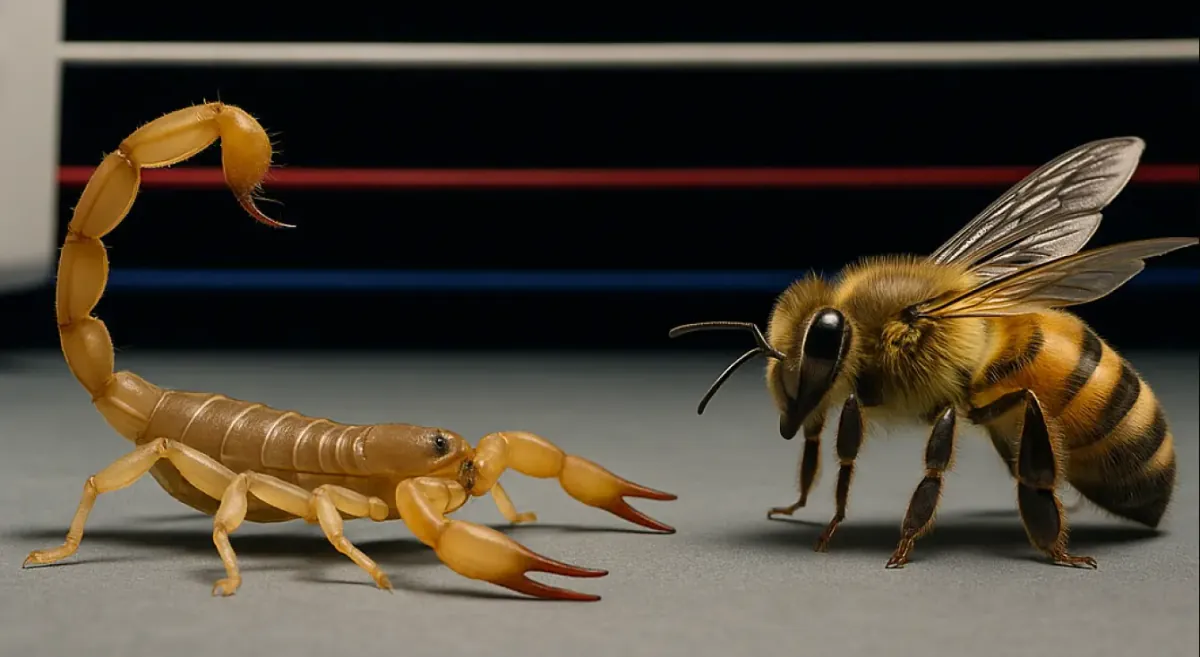
Are scorpion stings worse than bee stings for most people?
For many people, scorpion stings do feel worse than bee stings. The pain is often more intense, and you may also get odd nerve sensations—tingling, burning, or "electric" feelings—that can spread beyond the sting site. Bee stings typically cause sharp, localized pain that fades within hours—unless you're allergic, which changes everything.
Location matters, too. If you're in Arizona, New Mexico, Texas, Nevada, or California, the type of scorpion makes a huge difference. The Arizona bark scorpion has the most potent venom in North America. Getting stung by one can feel very different than encountering a less venomous striped bark scorpion or desert hairy scorpion.
Before we dive deeper, here's the medical disclaimer: This guide provides educational information based on typical sting experiences. If you're experiencing severe symptoms, difficulty breathing, or signs of an allergic reaction, call 911 or Poison Control (1-800-222-1222) immediately. Don't wait to see if symptoms improve.
What "worse" really means (pain vs danger)
When homeowners ask which sting is worse, they're usually asking two different questions. First: "Which one hurts more?" That's about pain intensity, duration, and those weird sensations that come with certain venoms. Second: "Which one is more dangerous?" That's about actual medical risk—whether you might need emergency care or face serious complications.
We'll tackle both questions in order. First, we'll compare how these stings actually feel and why they're so different. Then we'll look at which groups face real danger from each type of sting. Finally, we'll cover what to do if you've just been stung and how to prevent it from happening again in your home.
Why this comparison matters in Southwest homes
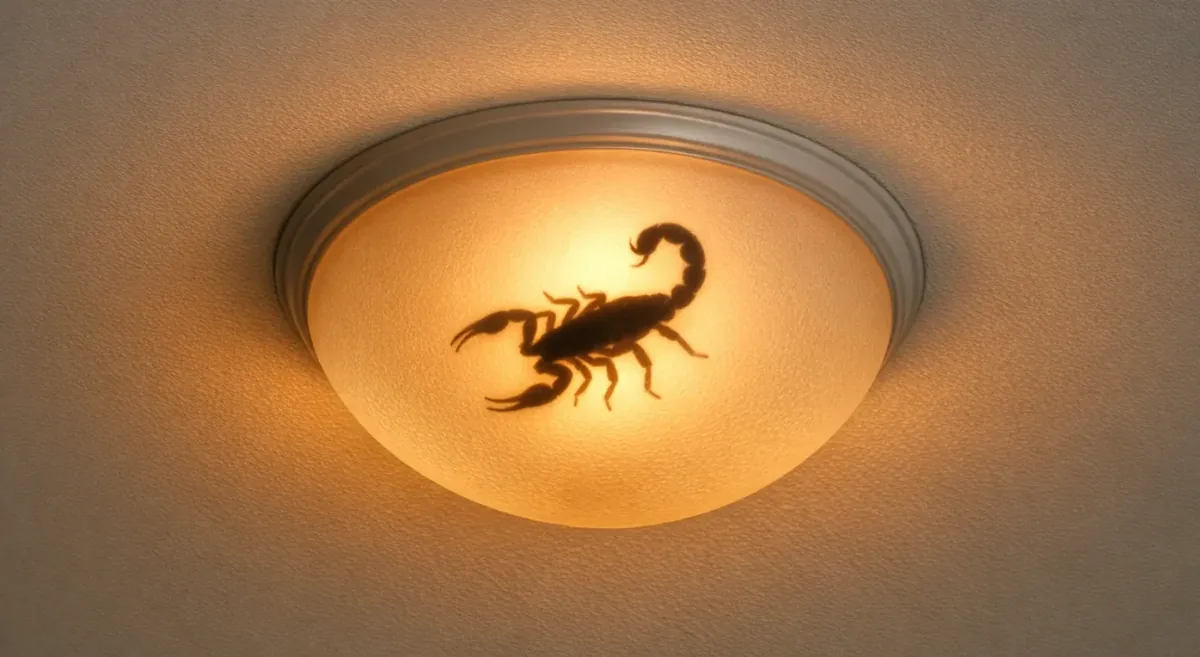
Here's what makes scorpion stings particularly unsettling: they often happen inside your home at night. Picture this—you stumble to the bathroom at 3 a.m., step down, and suddenly feel that sharp, burning pain shooting through your foot. You didn't see it coming. You were in your safe space, probably barefoot, and completely vulnerable. 97.8% of US scorpion envenomations happen in the home Kang & Brooks 2017.
Bee stings work differently. You typically encounter bees outside during daylight hours. You can see them buzzing around flowers or hear them near their nest. Once you spot them, you can usually back away and avoid getting stung. That element of control makes a psychological difference, even if the sting still hurts.
How do scorpion sting pain and bee sting pain compare?
Bee stings deliver sharp, immediate pain that stays put. Scorpion stings often start with intense pain that builds over time, spreading outward with tingling, burning, or electric-shock sensations. Think of it this way: a bee sting is like getting jabbed with a hot needle, while a scorpion sting can feel like that needle is connected to a low-voltage wire.
Species determines severity. An Arizona bark scorpion sting can cause pain that radiates up your entire limb, along with muscle twitching and numbness that can last for hours or even days. A striped bark scorpion sting, while still painful, typically stays more localized—closer to what you'd expect from a wasp sting. Individual sensitivity varies, too. Some people shake off scorpion stings with minimal fuss, while others get intense symptoms from the same species.
Here's a timeline that helps set expectations. Minutes 0-15: Initial sharp pain; tingling may begin. Hours 1-4: Pain may intensify or spread; numbness and tingling peak; muscle twitching is possible. Next day: Most pain subsides, though tingling sensations can linger for days with bark scorpion stings.
What a bee sting usually feels like
A bee sting hits you with immediate, sharp pain—like someone jabbed you with a pin. Within seconds, you'll see a red welt forming. The area swells over the next hour or two, often turning into an itchy, warm bump about the size of a quarter. Most people find the pain tolerable after the first few minutes, though the itching can drive you crazy for a day or two.
Pain typically improves within hours. Swelling often peaks around 48 hours, then gradually goes down. If you got stung on your hand or foot, the swelling might be more dramatic simply because there's less tissue to absorb the venom. Location matters—a sting on your eyelid or lip hurts way more than one on your arm.
Multiple stings change the equation. While we're not talking about swarm attacks here, even 3-4 stings can cause more systemic reactions like nausea or dizziness in sensitive individuals. The venom load adds up.
What a scorpion sting usually feels like
Scorpion stings bring immediate burning pain, but that's often just the beginning. Within minutes, you might feel tingling or pins-and-needles sensations spreading from the sting site. Some people describe it as an electric current running up their arm or leg. The area might go numb, or you might experience the opposite—hypersensitivity where even light touch feels painful. Pain at sting site reported in 88.9% of stings; local numbness in 62.2% Klotz et al. 2021.
This strange sensation happens because scorpion venom affects your nerve signals. The venom contains neurotoxins that interfere with how your nerves communicate, creating those electric, tingly feelings that bee venom doesn't cause. Your muscles might twitch involuntarily near the sting site.
The Arizona bark scorpion takes these symptoms to another level. Its venom can cause severe pain that feels like electric shocks shooting up your limb, uncontrollable muscle movements, and even roving eye movements. While other U.S. scorpions mainly cause local symptoms, the bark scorpion's neurotoxic venom can affect your whole nervous system.
Quick self-check: does this sound like a scorpion sting?
Not sure what got you? Here are clues that point to a scorpion. It happened at night, probably indoors. You didn't see or hear any flying insects. The pain started suddenly when you stepped into shoes, climbed into bed, picked up laundry, or reached into a dark space.
Check the sting site carefully. Scorpion stings often leave just a tiny puncture mark that's hard to see—nothing like the obvious welt from a bee sting. You might see minimal swelling despite intense pain. That mismatch between how much it hurts and how little it shows is typical with scorpion stings.
If your symptoms go beyond local pain and tingling—if you're experiencing muscle spasms, difficulty swallowing, blurred vision, or trouble breathing—don't wait. These symptoms can suggest a bark scorpion sting that needs immediate medical attention.
Which sting is more dangerous—and who is at higher risk?
Bee stings pose the greatest danger to people with allergies—anaphylaxis can kill within minutes. Bark scorpion stings, on the other hand, threaten different groups with their neurotoxic effects. Children under 10 and older adults face the highest risk of severe symptoms from scorpion venom, even without any allergy involved.
Both stings have clear red flags that signal an emergency. For bee stings: throat tightness, facial swelling, widespread hives, difficulty breathing, rapid pulse, dizziness. For scorpion stings: uncontrolled shaking, muscle spasms, drooling, roving eye movements, difficulty breathing, repeated vomiting. Any of these symptoms means call 911 immediately.
We cover high-risk groups in detail in our guides on why children face greater danger from scorpion stings and scorpion sting risks during pregnancy. For now, know that body size and immune system development play major roles in sting severity.
When a bee sting becomes an emergency (anaphylaxis)
Anaphylaxis is your immune system going haywire—treating bee venom like a massive threat and launching an all-out response that can shut down your breathing. It can happen within seconds or develop over 30 minutes. The scary part? You might have been stung before with no problems, but allergies can develop at any time.
Watch for these red flags: difficulty breathing or wheezing, swelling of face, lips, tongue or throat, rapid weak pulse, skin rash or hives spreading beyond the sting site, dizziness or fainting, severe nausea or vomiting, sense of impending doom. That last one sounds dramatic, but it's a real symptom—your body knows something's seriously wrong.
Previous mild reactions don't guarantee future safety. Allergies can worsen with each exposure. If you've had any systemic reaction to a bee sting before—even just widespread hives—talk to an allergist about carrying an epinephrine auto-injector.
Why bark scorpion stings can be medically serious (neurotoxic venom)
Neurotoxic means the venom disrupts how your nerves and muscles communicate. Instead of just causing pain and swelling like most stings, bark scorpion venom can make your nervous system go haywire. Muscles fire when they shouldn't. Breathing becomes difficult. Vision blurs.
Serious symptoms to watch for include: uncontrollable muscle twitching or thrashing, difficulty swallowing or excessive drooling, slurred speech, roving or darting eye movements, respiratory distress, severe hypertension, repeated vomiting. These symptoms indicate the venom is affecting your central nervous system, not just the sting site.
Healthy adults usually experience only localized symptoms—pain, tingling, numbness around the sting. But children process the venom differently. Their smaller body size means the venom concentration is higher, and their developing nervous systems are more vulnerable. Older adults and people with heart conditions, respiratory issues, or compromised immune systems also face higher risks.
Are scorpion stings fatal in the U.S.?
Deaths from scorpion stings are extremely rare in the United States—we're talking fewer than 5 per year, and most years see zero fatalities. Modern medical care, including antivenom availability in Southwest hospitals, has made bark scorpion stings very survivable. But "rarely fatal" doesn't mean "no big deal."
Children who develop severe symptoms need immediate treatment. Without proper care, they can experience respiratory failure or other life-threatening complications. The key is recognizing when a sting has crossed from painful to dangerous. If you suspect a bark scorpion sting and see any systemic symptoms—especially in a child—head to the ER. Don't take a "wait and see" approach.
For deeper information on high-risk groups, check out our guides on children and scorpion sting risks and pregnancy considerations with scorpion stings.
What should I do right after a bee sting or scorpion sting?
Quick action matters, but the right action depends on what stung you. We've created two simple checklists below—one for bee stings, one for scorpion stings. But first, here's your emergency checklist that applies to both: trouble breathing, throat swelling, facial swelling, widespread hives, severe dizziness, repeated vomiting, confusion, or any symptom that feels system-wide rather than local. See any of these? Call 911 now.
For bark scorpion stings specifically, antivenom exists and is stocked in most Southwest emergency rooms. It can dramatically reduce symptoms within hours. But your job isn't to decide if you need antivenom—it's to recognize when symptoms warrant professional evaluation and get there quickly.
For a detailed timeline of what to do in those critical first 30 minutes after a scorpion sting, see our complete first-aid guide for bark scorpion stings.
Bee sting first steps (minute 0–10)
First, check if the stinger is still in your skin—honeybees leave theirs behind, and it keeps pumping venom. Scrape it out sideways with a credit card or fingernail rather than pinching it. Wash the area with soap and water, then apply a cold compress for 10 minutes to reduce pain and swelling.
- Check if the stinger is still in your skin—honeybees leave theirs behind, and it keeps pumping venom.
- Scrape it out sideways with a credit card or fingernail rather than pinching it.
- Wash the area with soap and water.
- Apply a cold compress for 10 minutes to reduce pain and swelling.
For symptom relief, take an oral antihistamine like Benadryl or Zyrtec to reduce itching and swelling. Ibuprofen or acetaminophen can help with pain. Keep the sting site elevated if possible. A paste of baking soda and water may help neutralize the acidic venom, though the benefit is modest.
If you're allergic or symptoms escalate beyond the sting site, use your prescribed epinephrine auto-injector immediately and call 911. Don't wait to see if the antihistamine helps first—anaphylaxis moves fast.
Scorpion sting first steps (minute 0–10)
Wash the sting area with soap and water, then apply a cool compress. Skip the folk remedies—don't cut the wound, try to suck out venom, or apply electricity. These methods don't work and can cause more harm. Focus on monitoring symptoms instead.
- Wash the sting area with soap and water.
- Apply a cool compress.
- Skip the folk remedies—don't cut the wound, try to suck out venom, or apply electricity.
- Focus on monitoring symptoms instead.
Watch closely for symptoms spreading beyond the sting site: numbness or tingling moving up your limb, muscle twitching, unusual eye movements, difficulty swallowing or excessive drooling, breathing changes. In children, also watch for unusual agitation or inconsolable crying. These neurological symptoms help distinguish scorpion stings from other stings.
If symptoms remain localized to the sting area, you can likely manage at home with pain relievers and cool compresses. But if you notice any systemic symptoms—especially in a child—seek immediate medical care. Southwest emergency rooms stock antivenom for bark scorpion stings, which can provide rapid relief from severe symptoms.
When should I go to the ER vs monitor at home?
Here's your decision rule: Any breathing trouble, throat tightness, confusion, fainting, or severe whole-body symptoms require immediate emergency care—no exceptions. Call 911 rather than driving yourself if symptoms are progressing quickly.
For scorpion stings specifically, be extra cautious with certain groups. Children under 10, adults over 65, and anyone with heart disease, respiratory issues, or a compromised immune system should seek medical evaluation even for moderate symptoms. The risk-benefit calculation is different for vulnerable populations.
When in doubt, call Poison Control at 1-800-222-1222. They can assess your symptoms and guide your decision. This is especially helpful if you couldn't identify what stung you or if symptoms seem unusual. They'd rather field a cautious call than have someone wait too long for treatment.
How can I prevent scorpion stings at home—especially at night?
Most scorpion stings happen in predictable scenarios. You reach for shoes in a dark closet. You step out of bed onto a scorpion traveling along the baseboard. You grab a towel from the bathroom floor. Understanding these patterns helps you focus prevention where it counts. 42.5% of Arizona indoor residential scorpion exposures happen in a bedroom Skolnik & Ewald 2018.
Basic home setup reduces encounters: minimize clutter where scorpions hide, seal cracks and gaps where they enter, fix moisture issues that attract their prey, and understand seasonal patterns in your area. For a comprehensive list of what draws scorpions indoors, see our guide on the top 5 scorpion attractants in homes.
But here's the challenge: even in a well-sealed home, scorpions can enter through surprising routes. That's where detection becomes critical—catching them after they're inside but before someone gets stung. Modern detection systems use the same UV fluorescence that professionals rely on, but automated for continuous monitoring.
Where scorpion stings most often happen indoors
Shoes and boots top the list—scorpions love these dark, protected spaces. Laundry piles on the floor come second, especially items left overnight. Towels dropped in bathrooms, kids' toys scattered near walls, and spaces under furniture edges can also become hiding spots for a scorpion that wandered in overnight.
Bedrooms and bathrooms see the most stings. They're dark and quiet at night, often near water sources that attract the insects scorpions hunt. Bathrooms add another risk factor—you're often barefoot and moving without full lights to avoid waking others.
Scorpions exhibit thigmotaxis—they navigate by maintaining contact with surfaces. That means they travel along baseboards, wall edges, and furniture perimeters rather than crossing open floor space. That's why you find them in shoes against walls or under beds, not usually in the middle of a room.
A simple nightly routine that reduces surprise stings
Shake out shoes and slippers before putting them on—make it automatic, like checking your mirrors before driving. Keep shoes off the floor or in sealed containers. Shake towels and clothes before use, especially items that sat on the floor overnight.
Pull beds a few inches from walls to eliminate that baseboard highway scorpions follow. Reduce under-bed storage that creates hiding spots. Consider bed risers and tucking sheets tightly so they don't touch the floor—scorpions are poor climbers on smooth surfaces.
Sticky traps can catch some scorpions, but they come with drawbacks. They're messy, potentially risky for kids and pets who might touch them, and they only work if a scorpion happens to walk across that exact spot. Plus, you won't know you caught one until you physically check each trap.
Can a detector help you avoid stepping on a scorpion?
Real-time detection changes the game for scorpion management. Instead of hoping sticky traps catch something (or doing exhausting nightly UV flashlight patrols), automated systems can monitor continuously when you're most vulnerable—during those dark nighttime hours when scorpions are active.
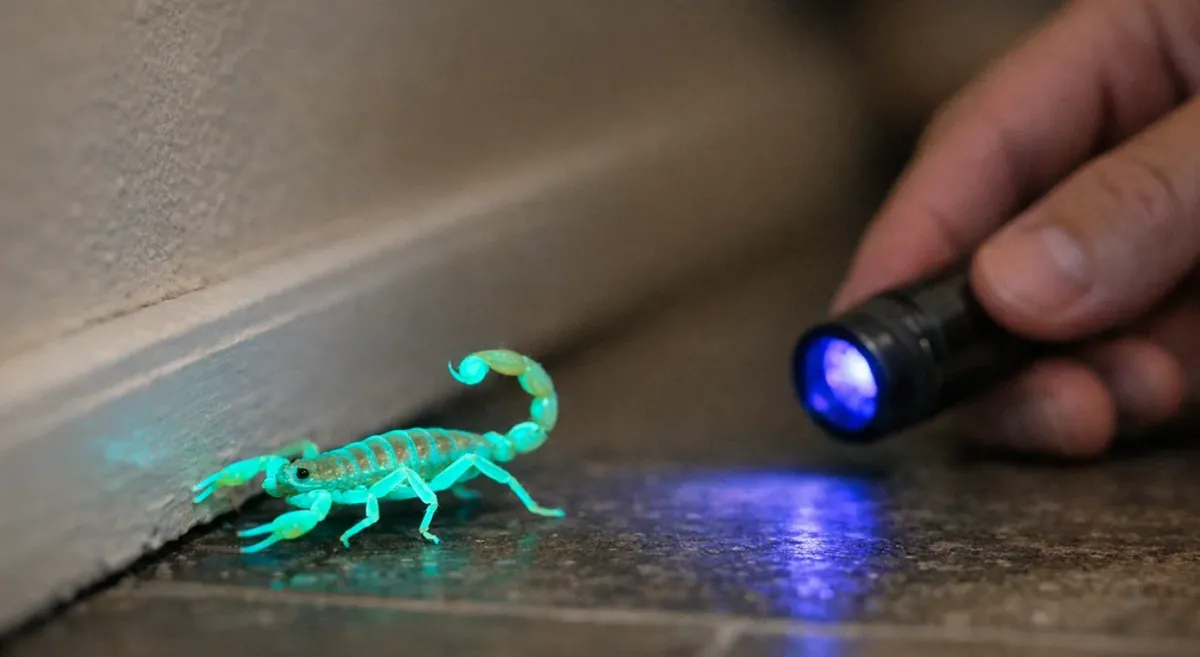
The science is proven: scorpions fluoresce bright green under 365nm UV light. Detection systems like Scorpion Alert use this principle, placing UV-equipped sensors on wall outlets right where scorpions naturally travel. When the room darkens and a scorpion passes by, the system captures it and sends an alert to your phone.
Good alerts include a photo and confidence score, so you know it's really a scorpion, not a false alarm from a cricket or spider. You get the notification, grab a UV flashlight and container, head straight to the triggered detector, and safely remove the scorpion. No more surprise encounters in the dark.
Where to place monitoring for the biggest payoff
Start with entry points and high-traffic areas. Front and back doors, garage entries, and pet doors see the most scorpion traffic. Add detectors in bedrooms, children's playrooms, and bathrooms—anywhere a sting would be especially problematic. One detector watches about 3-4 feet of baseboard, so plan accordingly.
Think perimeter coverage, not just hot spots. Scorpions can enter from multiple points and travel throughout your home along baseboards. A comprehensive approach with multiple detectors across your home's perimeter provides much better protection than clustering them in one area.
Remember that automated scanning requires darkness—the UV light needs contrast to spot the fluorescent glow. That's ideal since scorpions are most active at night anyway. Bedrooms, hallways, and other spaces that stay dark after bedtime are great placement locations.
Whether a scorpion sting feels worse than a bee sting often comes down to the kind of venom involved and how quickly you can respond—especially in homes where scorpions may show up unexpectedly. If your goal is to reduce the odds of ever having to compare stings in the first place, Scorpion Alert can help you detect scorpions indoors sooner so you can act before someone gets stung.
Medical disclaimer: This article is informational and not medical advice. We are not doctors, and portions of this content have been edited with AI assistance. For questions about symptoms, treatment, or medications, consult your doctor. For a scorpion sting with severe symptoms, call 911 or your local emergency service.