Picture this: Your 18-month-old waddles into the kitchen at dawn, reaches for their sippy cup, and suddenly screams. You rush over to find a tiny bark scorpion scuttling away. In homes across Phoenix, Tucson, and Las Vegas, this scenario plays out more often than any parent wants to imagine.
Toddlers face unique risks from scorpions that older kids and adults don't. They explore at floor level, grab everything within reach, and can't tell you when something hurts. A scorpion sting that might just annoy an adult could send a toddler to the ER.
Why Toddlers Are Prime Targets for Scorpion Encounters
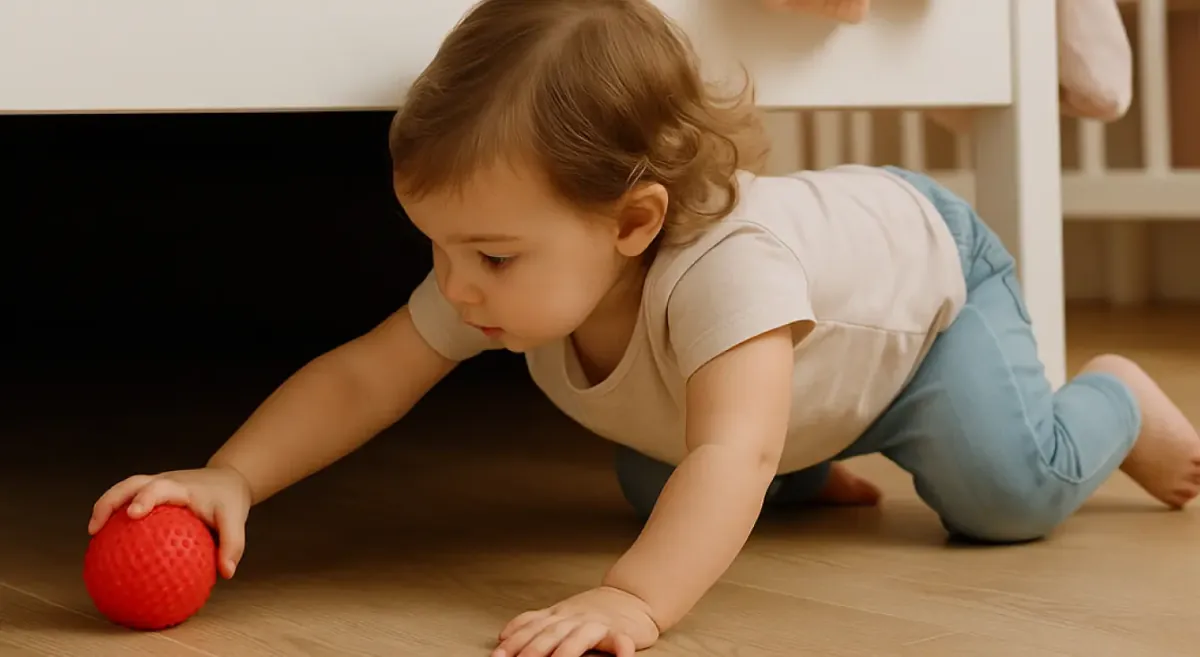
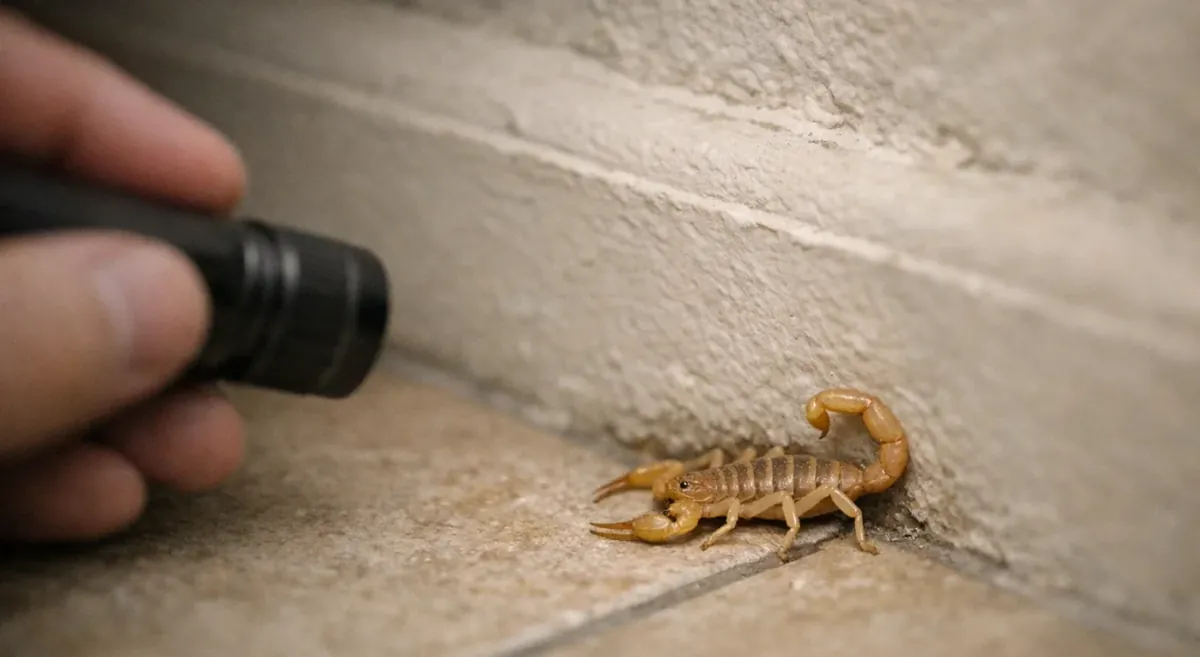
Your toddler lives in scorpion territory — literally. While you walk upright through rooms, your little one crawls, sits, and plays right where scorpions travel. These arachnids follow walls and baseboards as they hunt at night, using their sense of touch to navigate (a behavior called thigmotaxis).
Think about your toddler's daily routine. They drop toys behind furniture, reach under couches for lost pacifiers, and explore every corner you forgot existed. They're barefoot or in thin socks most of the time. Their small body weight means venom affects them more severely than it would you.
Arizona bark scorpions — the most dangerous species in the U.S. — inject the same amount of venom whether they sting a 30-pound toddler or a 180-pound adult. Do the math on that concentration difference.
Sleep Spaces Need Special Attention
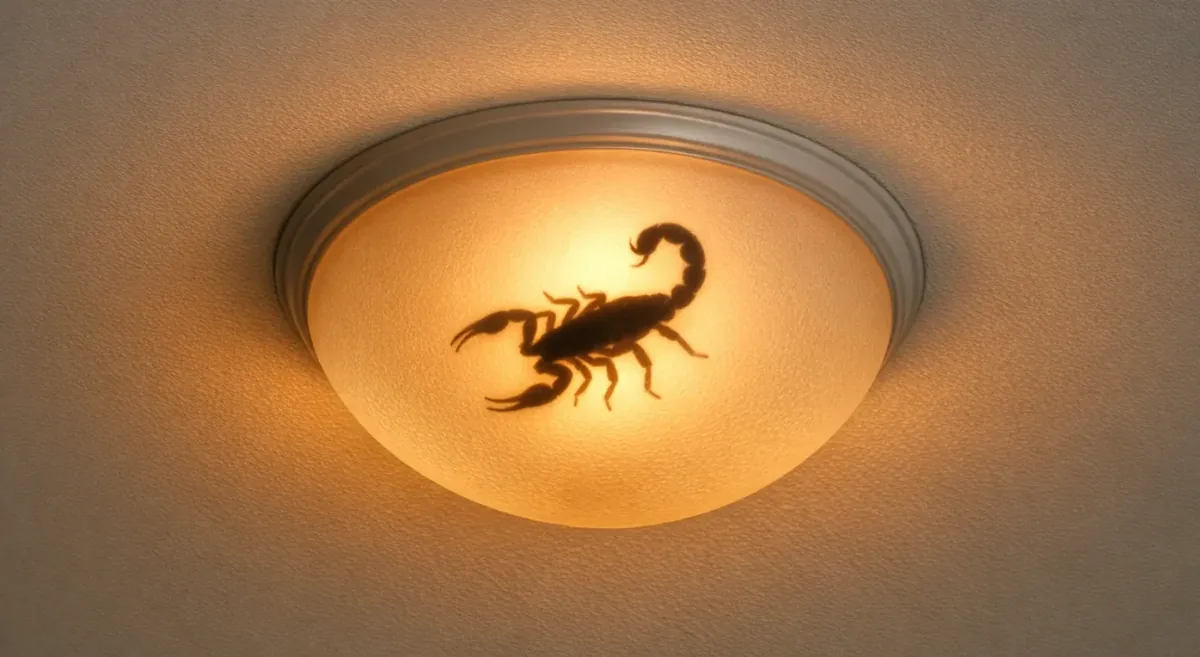
Scorpions don't just stay on floors. They can work their way up furniture legs and crib rails — they aren't limited to ground level. Creating a safe sleep environment requires more than just pulling the crib away from walls.
Start with the crib itself. Metal or smooth plastic legs work better than wooden ones because scorpions struggle to climb slick surfaces. If you can't replace the crib, wrap each leg with double-sided tape facing outward — scorpions hate sticky surfaces. Position the crib at least six inches from any wall, and tuck sheets and blankets tightly so nothing touches the floor.
For toddler beds, the same rules apply but with added challenges. Toddlers kick off blankets and dangle limbs over edges. Consider bed rails not just for fall prevention but as a barrier between your child and anything reaching the bed from the floor. Some parents in heavily infested areas even place each bed leg in a glass jar — scorpions can't climb glass.
The Toy Box Threat Nobody Talks About
That pile of stuffed animals in the corner? It's basically a scorpion hotel. Dark, undisturbed, with plenty of hiding spots — exactly what bark scorpions seek during daylight hours.
Store soft toys in sealed plastic bins with tight-fitting lids. Before bedtime, shake out any plush toy your toddler sleeps with. Pay special attention to toys that sit unused for days, like that giant teddy bear in the corner or the play kitchen against the wall. These become scorpion shelters.
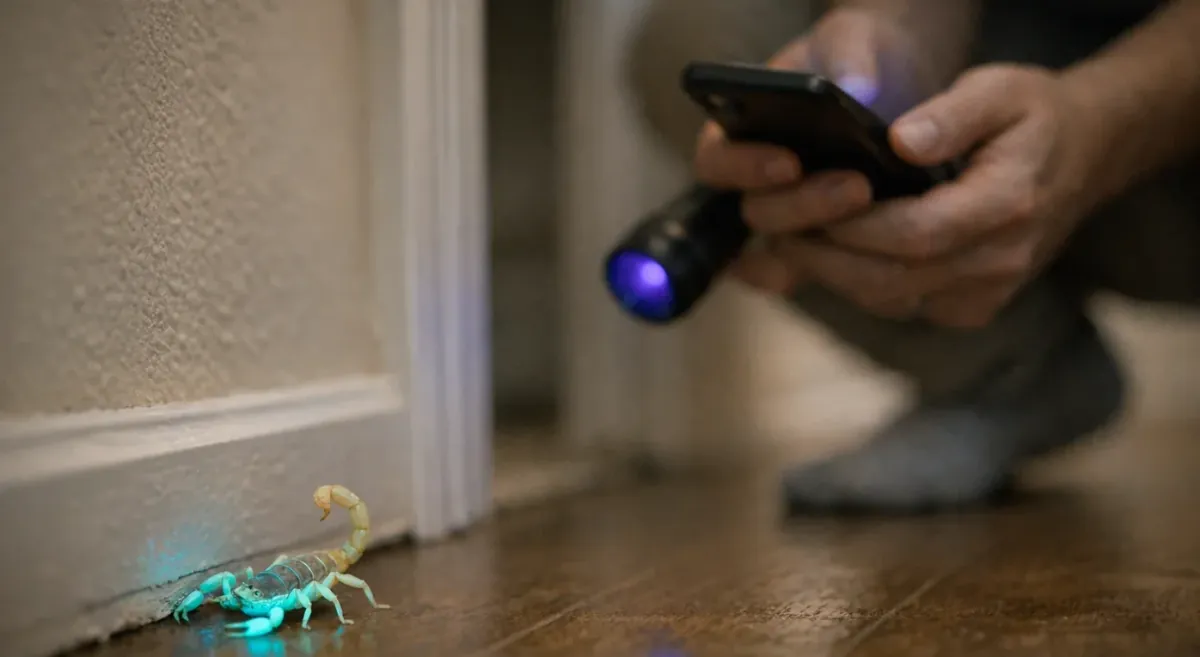
Hard toys pose risks too. Scorpions hide in toy boxes, under ride-on toys, and inside playhouses. Make toy cleanup part of your nightly routine — not just for tidiness, but for safety. A quick UV flashlight sweep of the playroom after lights-out can reveal unwanted guests. Or better yet, automated detection systems like Scorpion Alert can monitor these spaces continuously while your family sleeps.
Bathroom and Diaper Station Dangers
Wet areas attract scorpions hunting for water and prey. Your toddler's bathroom sees constant traffic — middle-of-the-night diaper changes, potty training sessions, bath time. Each visit is a potential encounter.
Check inside the tub before every bath. Scorpions can't climb out of smooth bathtubs, making them perfect traps. Keep towels hung high and shake them before use. Store bath toys in mesh bags that hang from the wall, not in bins on the floor.
Diaper stations need special attention too. Wall-mounted changing tables beat floor-level changing pads. Keep diaper supplies in sealed containers, not open baskets where scorpions might nestle. That 2 a.m. diaper change is risky enough without adding scorpions to the mix.
Creating Safe Play Zones
You can't scorpion-proof your entire house, but you can create safer zones where your toddler spends most of their time. Start with flooring — tile and hardwood let you spot scorpions easier than carpet. If you have carpet, vacuum daily along baseboards where scorpions travel.
Use baby gates to section off checked areas from unchecked ones. This isn't just about keeping toddlers in — it's about establishing perimeters you can monitor. Place UV detection devices or sticky traps at these transition points.
Rotate toys regularly instead of leaving everything out. Fewer items on the floor means fewer hiding spots and easier nightly inspections. Consider keeping one room ultra-minimal — just a few toys, no unnecessary furniture, nothing touching walls. This becomes your "safe room" for worry-free play.
Teaching Tiny Humans About Tiny Dangers
Even 18-month-olds can learn basic danger awareness. Use simple, consistent language: "Ouchie bug" or "No touch." Show them pictures of scorpions in books or on screens. Make it a game — "If you see an ouchie bug, run to Mommy!"
Practice the response you want. Just like fire drills, do "scorpion drills" where they practice backing away and calling for help. Toddlers love routine and repetition. Build this awareness early, and it becomes second nature.
Never rely solely on education though. A curious toddler might still reach for that "interesting bug." Physical barriers and detection matter more than warnings at this age.
Emergency Preparedness for Parents
Despite your best efforts, stings can happen. Know the signs: immediate pain, numbness, difficulty swallowing, muscle twitching, or unusual eye movements. Toddlers might not localize pain well — they may just cry inconsolably or act unusually fussy.
Keep your pediatrician's after-hours number saved in your phone. Know which local ER has antivenom on hand (not all do). Take a photo of any scorpion you find — medical staff can provide better treatment if they know the species. In Arizona, assume it's a bark scorpion unless proven otherwise.
Time matters with toddler stings. Don't wait to see if symptoms worsen. Their small bodies process venom quickly, and severe reactions develop faster than in adults. When in doubt, seek immediate medical care.
The Reality of Raising Toddlers in Scorpion Country
Living with both toddlers and scorpions means constant vigilance. But thousands of families across the Southwest manage it successfully. The key is adapting your childproofing to include these eight-legged threats.
Technology helps. Modern detection systems can alert you instantly when a scorpion enters your toddler's room. Professional pest control provides a baseline defense. Smart home design — from furniture placement to toy storage — reduces encounters.
Most importantly, don't let scorpion fear rob you of toddler joy. Yes, be cautious. Yes, take precautions. But remember that millions of kids grow up safely in scorpion territory. With the right preparation and tools, yours can too.
Your toddler's world exists at scorpion level. Make sure that world is as safe as possible, one room at a time.
With toddlers exploring every corner, scorpion-proofing is about reducing hiding spots and adding a reliable way to check the areas they play and sleep. Scorpion Alert detectors use UV light to help you spot scorpions near common entry points—like doors, windows, and garages—so you can act fast before little hands find them first. Learn more at Scorpion Alert.