I bought a brand-new home—why am I already seeing scorpions?
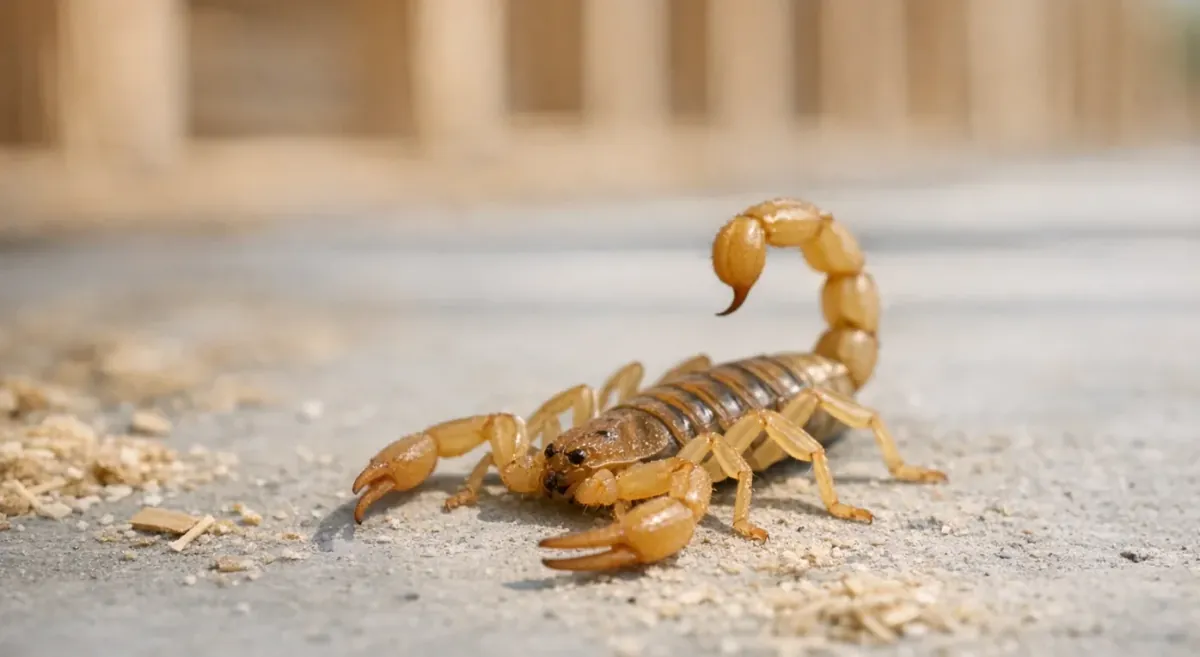
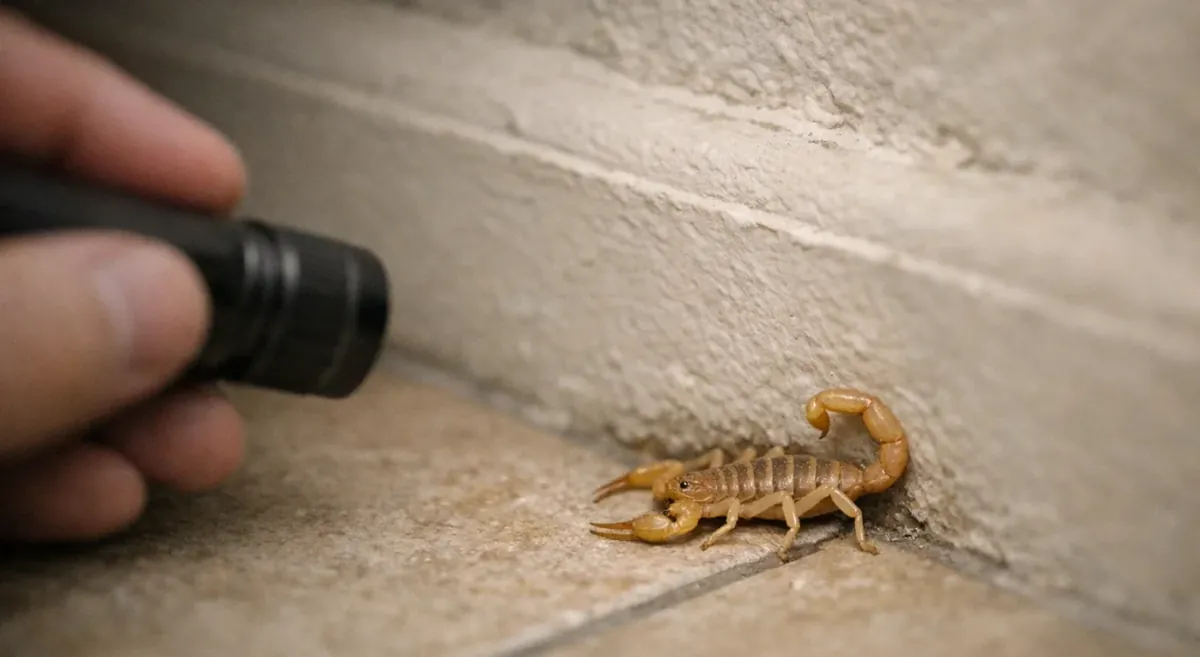
You saved for years, picked the perfect floor plan, and watched your dream home rise from the desert floor. Now you’re unpacking boxes in your pristine kitchen when you spot it—a scorpion scurrying along the baseboard. How is this possible? The paint smell hasn’t even faded yet.
Here’s the counterintuitive truth: new construction homes often have worse scorpion problems than established neighborhoods. Those fresh subdivisions sprouting up around Phoenix, Tucson, and Las Vegas? They’re ground zero for scorpion activity. The “worst” infestations often hit right after move-in because your entire neighborhood is still an active construction zone, even if your house is complete.
What homeowners are reporting in new builds (and why it matters)
Browse any Southwest homeowner forum and you’ll see the pattern. New construction buyers report finding dozens—sometimes hundreds—of scorpions in their first season. Meanwhile, their friends in 20-year-old neighborhoods might see one or two all year. These aren’t isolated complaints. The consistency of these reports tells us something important about how construction affects scorpion behavior.
One Scottsdale homeowner documented 47 bark scorpions in their first three months. Another in northwest Las Vegas caught 31 before their first mortgage payment. Those numbers sound extreme until you understand what’s happening underground. When bulldozers scrape away desert habitat, they’re not just moving dirt—they’re evicting established scorpion colonies that have lived there for generations.
The takeaway? If you’re moving into new construction, assume high scorpion risk until proven otherwise. Don’t wait for that first midnight bathroom encounter to start your prevention plan.
Are these scorpions 'in the house' or just wandering in?
Finding a scorpion inside doesn’t mean you have a “dirty house” or an infestation brewing in your walls. Scorpions are nocturnal hunters that follow edges and walls when they travel—a behavior called thigmotaxis. Picture them as tiny robots programmed to hug surfaces. They’ll follow your baseboard from the garage door, around the corner, and straight into your living room.
Most indoor scorpions are just passing through. They squeezed under a door at 2 a.m., followed the wall looking for prey, and got trapped when you turned on the lights. That’s why you find them along baseboards, in corners, and near thresholds—they’re following their natural navigation system.
Understanding this perimeter travel pattern changes everything about prevention. Instead of spraying your entire house or scattering sticky traps at random, you can focus on the “highways” they actually use. Monitor baseboards and door thresholds where scorpions naturally travel, and you’ll catch them before they venture deeper into your living space.
How does construction turn a clean lot into a scorpion hotspot?
Before your lot was a lot, it was scorpion habitat. Those desert scorpions didn’t vanish when the sales office went up—they’re still there, now scrambling to find new homes. Every phase of construction creates a new wave of displacement, turning your peaceful subdivision into a scorpion refugee crisis.
The grading process alone can expose dozens of burrows on a single lot. Trenching for utilities cuts through underground colonies. Even something as simple as laying sod disrupts the careful moisture balance scorpions depend on. Each construction activity pushes more scorpions out of hiding and into motion.
Does construction actually displace scorpions—or does it attract them?
Construction displaces scorpions—it doesn’t attract them from miles away. When a bulldozer scrapes your lot, it destroys an entire underground neighborhood. Scorpion colonies of 30–50 individuals suddenly find themselves homeless. Their cool, stable burrows get filled with concrete foundations. Their hunting grounds become driveways.
These displaced scorpions don’t pack up and move to the wilderness. They look for the nearest suitable shelter, which is often your newly built home. The activity spikes you’re experiencing aren’t new scorpions arriving—they’re the original residents trying to reclaim their territory. As long as multiple lots remain under construction, fresh waves of displacement keep the pressure on.
The good news? Once major construction ends and the ecosystem stabilizes, scorpion encounters typically decrease. But that stabilization can take months or even years in large developments.
Why do scorpions end up inside instead of staying outdoors?
Modern home design practically invites scorpions inside. Those clean lines and minimalist baseboards you love? They’re perfect scorpion highways. Scorpions navigate by maintaining contact with surfaces—thigmotaxis again—which means they naturally follow walls, baseboards, and door frames. Your home’s perimeter isn’t a barrier to them; it’s a guidance system.
Construction gaps make entry even easier. That quarter-inch space under your door might look tiny, but it’s a welcome mat for a flat-bodied bark scorpion. The gap where your stucco meets the foundation slab? Another entry point. New homes can have dozens of these penetrations before proper sealing.
This explains why “spray everything” pest control often fails. Scorpions aren’t randomly wandering across your floors—they’re following specific routes along your walls. Target those perimeter pathways with proper sealing and monitoring, and you’ll get better results than blanket treatments.
Are block wall alleys really 'scorpion highways'?
Yes, those narrow spaces between block walls are scorpion superhighways. New subdivisions love these walls—they’re quick to build, provide privacy, and create clean property lines. But string together a dozen homes with connecting block walls, and you’ve built a protected corridor system that scorpions adore.
These alleys offer everything a traveling scorpion needs: continuous edges to follow, crevices for shelter, and protection from predators. A scorpion can travel from the desert edge to your back door without ever crossing open ground. Add the narrow side yards common in new developments, and you’ve created an interconnected network of safe passages.
Smart builders are starting to recognize this issue. Some new communities now include “scorpion breaks”—gaps in wall lines that interrupt these highways. But if your home already has continuous walls, focus your prevention efforts on where these corridors meet your house.
Are some new-build lots and neighborhood layouts worse than others?
Not all new construction lots face equal scorpion risk. Your specific position within the development, the surrounding terrain, and even your lot’s premium features can multiply or minimize encounters. Understanding these risk factors helps you prepare appropriately instead of hoping for the best.
Is a desert-backing 'premium lot' a scorpion magnet?
Those view lots backing up to pristine desert might cost extra, but they come with hidden residents. When you build on the desert edge, you’re placing your home directly next to existing scorpion habitat. It’s like building next to an apartment complex and wondering why you see more foot traffic.
Desert-adjacent homes face a simple proximity problem. Disturbed scorpions don’t need to travel far to reach your foundation—you’re the nearest stable structure. While your neighbor three streets in might see displaced scorpions occasionally, you’ll see them nightly. That stunning sunset view comes with year-round scorpion pressure.
This doesn’t mean you should avoid desert lots. But go in with your eyes open and budget for serious prevention measures from day one. Those premium lot fees should include a line item for professional sealing and monitoring.
Do vacant lots and ongoing builds next door make it worse?
Absolutely. Every vacant lot that gets developed creates another displacement event. If you’re in phase one of a multi-year development, brace yourself—you’ll experience repeated waves as each neighboring lot gets scraped and built. It’s not one disruption; it’s a rolling series of habitat destruction.
Think of it as a multiplier effect. Your lot’s original scorpions got displaced during your build. Six months later, the lot behind you gets graded, sending its scorpions searching for shelter. Then the lot next door. Then the one across the street. Each construction phase pushes a new population toward established homes—yours.
The practical takeaway: treat your entire first year as an active construction zone, even after you move in. Those “coming soon” signs on neighboring lots aren’t just promising new neighbors—they’re warning you about incoming scorpion waves.
What exterior features unintentionally increase movement into homes?
New construction loves clean lines and modern design, but some trending features create scorpion problems. Those sleek cable railings and horizontal fence boards? They give scorpions an easy route up off the ground. The decorative river rock everyone’s using? Perfect scorpion shelter.
Utility penetrations deserve special attention in new builds. Cable installers, HVAC contractors, and irrigation teams all punch holes in your envelope. Each unsealed penetration becomes a potential entry point. That organized utility closet on your exterior wall might look neat, but check behind it—you’ll often find gaps where conduits enter the home.
Tight side yards compound the issue. Modern lots maximize living space by shrinking setbacks, creating narrow corridors perfect for scorpion travel. When these spaces connect to block walls or continuous foundation edges, you’ve essentially built a covered walkway from the desert to your door.
Will the scorpion problem calm down after the first year or two?
Most new construction homeowners see scorpion activity peak during initial move-in, stay high through active neighborhood development, then gradually decrease as the area stabilizes. But “gradually” is the key word—this process takes time, and some homes never fully escape their high-risk status.
A realistic timeline: move-in to year 2
Month 1-3 (Move-in Surge): You’ll see the most scorpions during this initial phase. The construction crew just left, gaps remain unsealed, and displaced scorpions are actively seeking shelter. Many homeowners report their worst encounters during these first months. This is when early monitoring pays off—you need to know if they’re getting inside.
Month 4-12 (Construction Waves): Activity remains high but becomes more predictable. You’ll notice spikes whenever nearby lots get developed. Seasonal patterns also emerge—spring and fall typically bring increased movement. Use this time to refine your prevention strategy based on where scorpions actually appear.
Year 2 (Stabilization Begins): If major construction has ended, you should see fewer encounters. Scorpion populations have either found new habitat or died off. Landscaping has matured, creating new outdoor shelters away from your home. But don’t get complacent—this is when many homeowners stop monitoring and miss the warning signs of recurring problems.
Why 'we haven't seen one lately' can be misleading
Scorpions are nocturnal masters of invisibility. They hunt while you sleep, hide during the day, and can go weeks without moving if conditions are stable. Not seeing scorpions doesn’t mean they’re gone—it might mean you’re not looking when and where they’re active.
This creates a dangerous cycle. Homeowners see fewer scorpions, assume the problem is solved, and stop prevention measures. Then comes that 2 a.m. bathroom trip where you step on one barefoot. Or worse, your child gets stung reaching under their bed. Bark scorpion stings often happen after periods of apparent inactivity.
The solution isn’t paranoia—it’s consistent monitoring focused on their actual behavior. Since scorpions travel along walls at night, perimeter monitoring catches activity you’d otherwise miss. Don’t rely on random sightings to gauge your risk.
What should I do before move-in (and in the first 30 days) to prevent scorpions?
Your new construction scorpion strategy needs two components: physical prevention (sealing) and early detection (monitoring). The advantage of new construction is that you can implement both before your furniture arrives and life gets complicated. That window of opportunity doesn’t last long.
Pre-move-in sealing checklist (highest ROI)
Start with the obvious gaps before they become hidden behind furniture and storage. Check every door threshold—if you can slide a credit card underneath, a scorpion can squeeze through. Run your hand along the garage door seal. Feel for air movement that indicates gaps. These five-minute fixes can prevent dozens of encounters.
Focus next on utility penetrations. Circle your home’s exterior and mark every spot where something enters the structure: AC lines, cable entries, plumbing cleanouts, electrical conduits. Buy a few tubes of quality sealant and spend an afternoon filling these gaps. It’s much easier before you’ve arranged patio furniture around them.
Don’t forget interior sealing. Check where plumbing enters under sinks, around ceiling fixtures, and especially in the garage. New construction often has unsealed gaps between the garage and living space—a favorite scorpion entry route. Seal now while these areas are still easy to access.
Where should I monitor first in a new build?
Strategic monitor placement beats random coverage every time. Start with entry points: inside near the front door, back door, garage entry, and any pet doors. These thresholds see the most scorpion traffic because they’re where outdoor perimeter routes meet indoor ones.
Next priority goes to children’s bedrooms and nurseries. Mother scorpions carrying babies sometimes seek safe indoor spaces, and you need immediate alerts if one enters a child’s room. Place monitors along the walls where scorpions would travel—remember, they follow edges, not open floor space.
Water-adjacent rooms round out your priority list. Bathrooms, laundry rooms, and kitchens attract scorpions seeking moisture and prey. A monitor near the water heater closet often catches scorpions other placements miss. These strategic locations give you early warning where it matters most.
How can Scorpion Alert fit into a new-construction game plan?
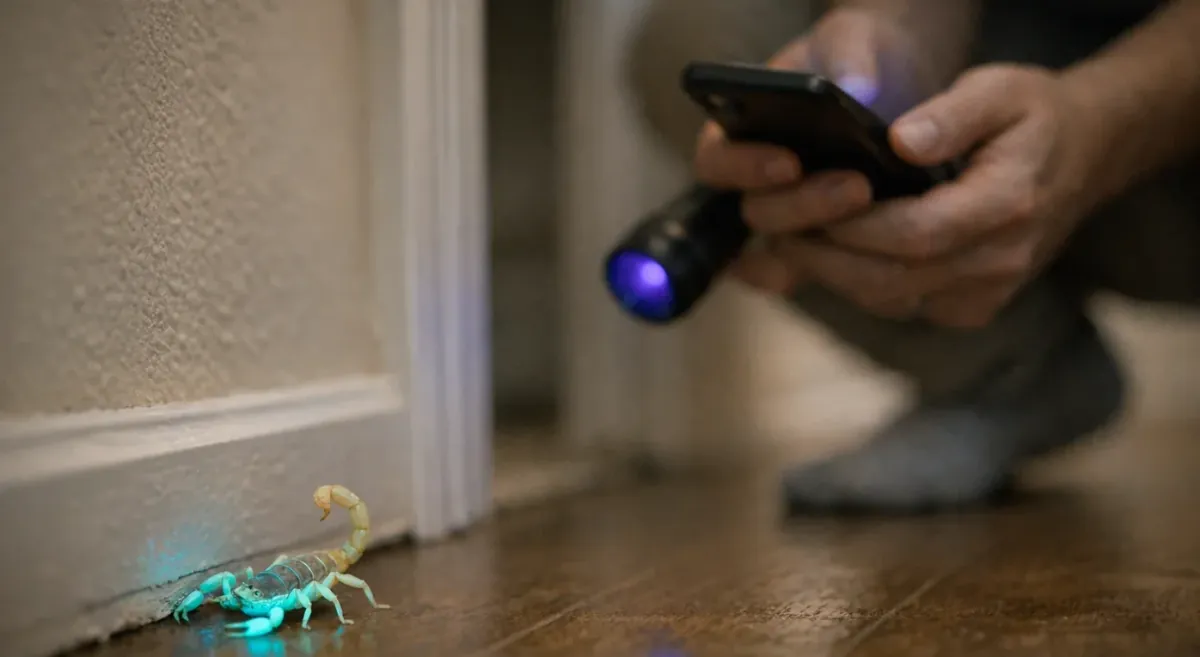
Scorpion Alert Detectors solve the visibility problem during your highest-risk window. Each Detector plugs into a standard wall outlet—right on the room perimeter where scorpions naturally travel. The built-in UV light activates when the room goes dark, scanning the floor below for that telltale scorpion glow.
Within seconds of detection, you’ll get a push notification or SMS alert with a photo showing exactly what triggered it. The confidence score tells you whether it’s definitely a scorpion or might be something else fluorescing. That immediate awareness lets you respond while the scorpion is still in view, rather than finding evidence of visits the next morning.
The system really shines during those first months when you’re learning your home’s vulnerabilities. The app’s detection history shows patterns—which rooms see activity, what times scorpions appear, and whether your sealing efforts are working. Instead of guessing whether that expensive pest control treatment helped, you have photo evidence of decreasing detections. For new construction homeowners facing waves of displaced scorpions, this real-time intelligence turns anxiety into actionable information.
New builds can feel “sealed,” but the habitat disruption and fresh hiding spots around a construction site often push scorpions closer to your doors, walls, and garage. If you want a simple way to stay ahead of activity while your lot settles, Scorpion Alert helps you spot patterns early and focus your prevention where it matters most.