What does a scorpion sting feel like right away?
Most scorpion stings cause immediate burning pain, local numbness, and mild swelling that improve within hours. However, muscle twitching, difficulty swallowing, abnormal eye movements, or symptoms spreading beyond the sting site signal dangerous envenomation requiring immediate medical care—especially in children or after bark scorpion stings.
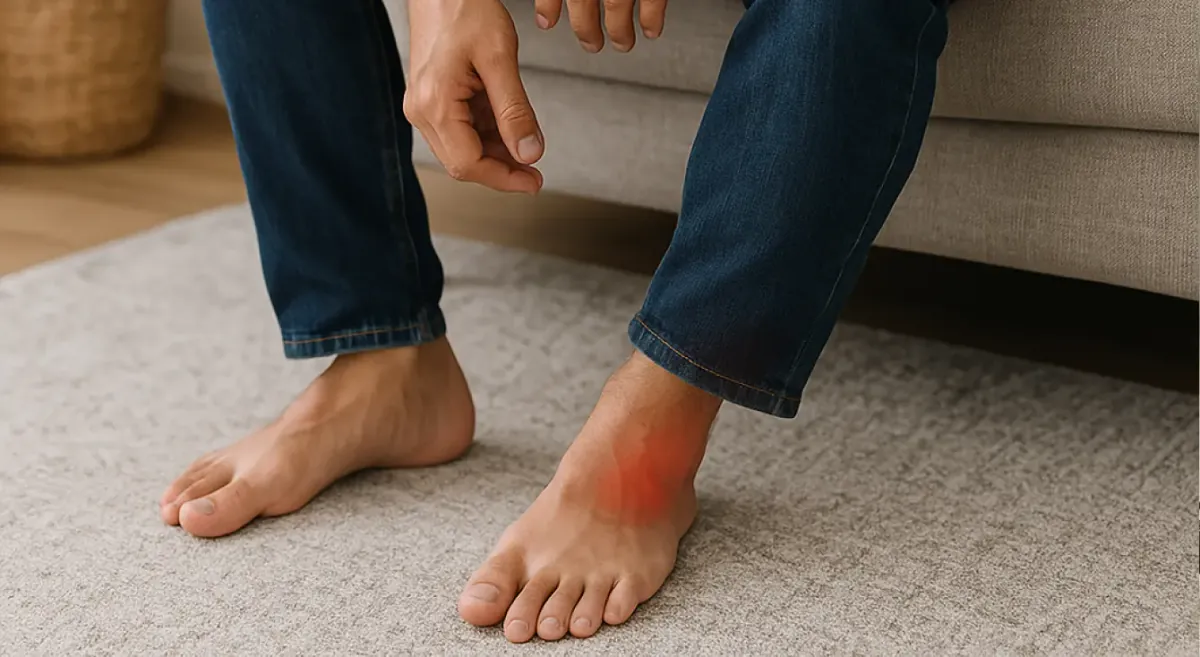
Picture this: You're walking barefoot to the kitchen at night and suddenly feel a sharp, burning jab in your heel. Within seconds, the pain ramps up—like a hot needle pressed into your skin. That's a scorpion sting, and the first 5 to 30 minutes can be unsettling if you don't know what to expect.
Most people describe the immediate sensation as a mix of burning pain and electric tingling that radiates from the sting site. Your skin might turn red and start swelling within minutes. Some folks feel numbness spreading around the area, while others report a pins-and-needles sensation that travels up their foot or hand. These reactions are your body's normal response to scorpion venom.
The intensity varies a lot based on two factors: which species stung you and your individual response. An Arizona bark scorpion packs more potent venom than a striped bark scorpion, which can mean more severe symptoms. Children, older adults, and people with compromised immune systems often have stronger reactions. Body size matters too—the same amount of venom affects a 40-pound child differently than a 180-pound adult.
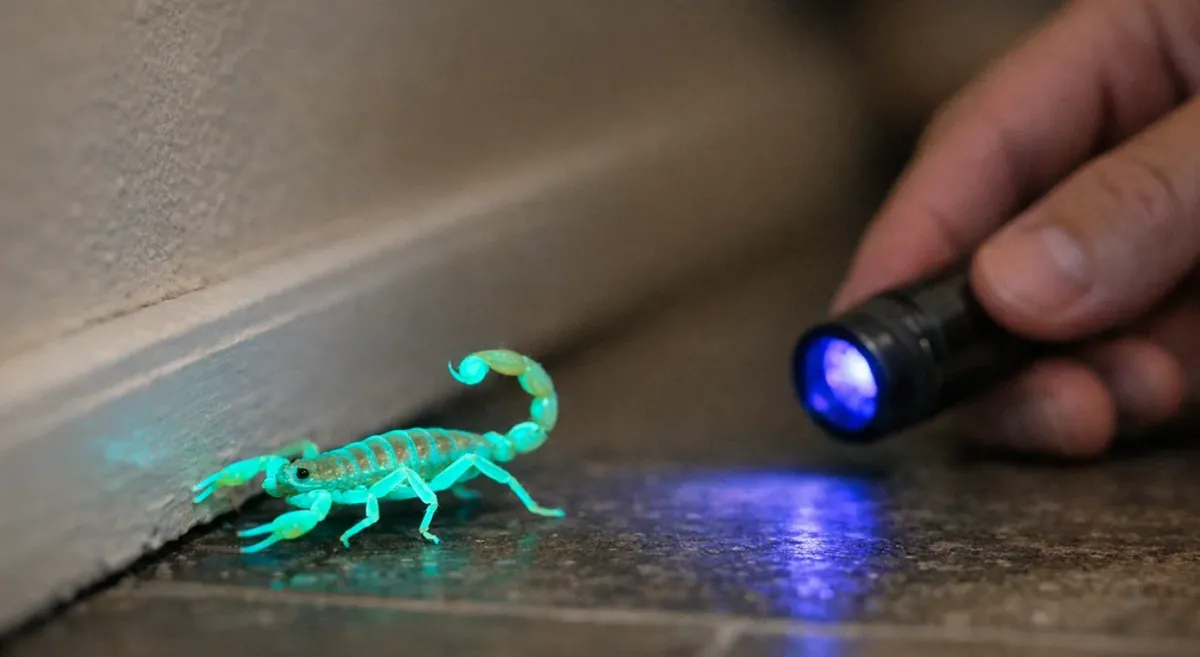
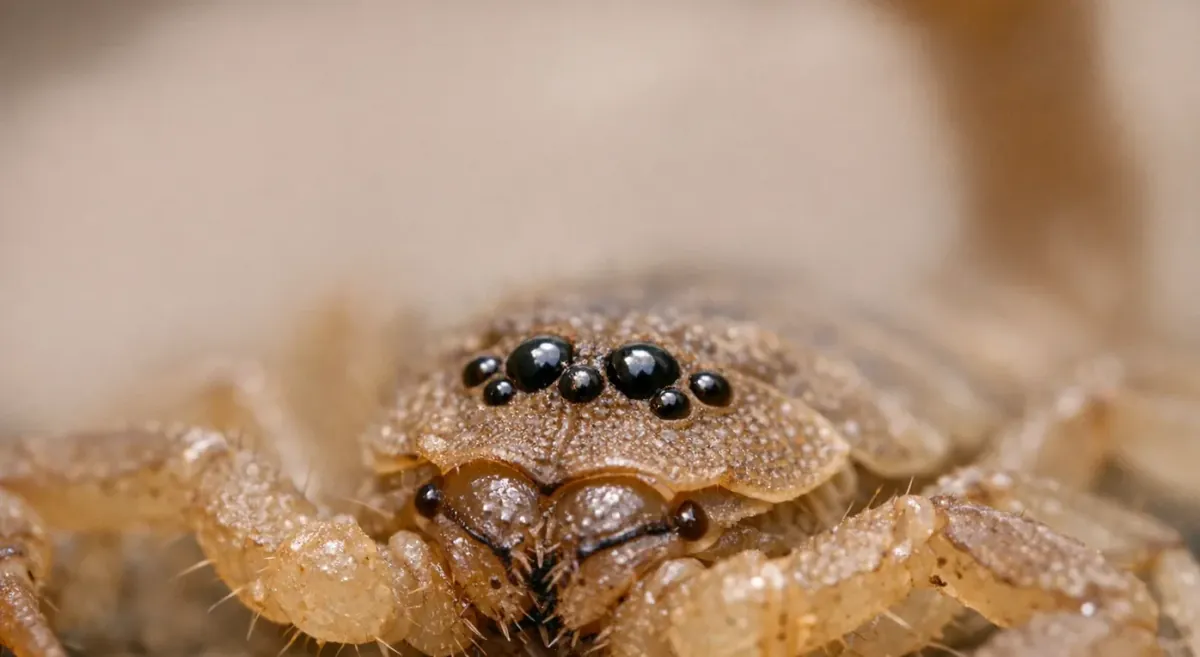
If you can safely identify what stung you, take note. Was it pale yellow and slender (likely a bark scorpion) or darker with stripes? Did you see it scurry along the baseboard afterward? That info helps medical professionals assess your risk level, especially if symptoms worsen.
Are scorpion stings always dangerous in the Southwest?
Here's the reassuring news: most scorpion stings in Arizona, Texas, Nevada, and neighboring states aren't life-threatening. Yes, they hurt. Yes, they're alarming. But most adults recover completely within a few hours with basic home care. 90.1% of US scorpion envenomations are managed on-site without ED transfer Kang & Brooks 2017.
The exception? Bark scorpions, especially the Arizona bark scorpion found throughout the Sonoran Desert. Their venom contains neurotoxins that can trigger more intense symptoms—muscle twitching, abnormal eye movements, and difficulty swallowing. Even then, deaths are extremely rare thanks to modern medical care and available antivenom.
What matters isn't proving you're tough enough to handle the pain. It's recognizing symptom patterns that signal when you need help. A construction worker might shrug off a sting that would send a toddler to the ER—and both responses could make sense given their different risk profiles.
How to check the sting site safely
Once the initial shock wears off, examine the sting area carefully. Look for a single puncture point (unlike the two marks from a spider bite) surrounded by redness and swelling. The skin often feels warm to the touch and might develop a small blister.
Resist the urge to "help" with risky home remedies. Don't cut the skin to "release venom"—it only increases infection risk. Skip the suction devices marketed for snake bites; they don't work on scorpion stings, either. And don't apply a tourniquet. Scorpion venom spreads through your lymphatic system, not just blood vessels, making tourniquets both useless and potentially harmful.
Instead, gently wash the area with soap and water. Take a photo if possible—documenting the initial appearance helps you track whether swelling or redness is spreading. If you killed the scorpion, save it in a container. ER staff can identify the species and adjust treatment accordingly.
Which scorpion sting symptoms are normal (mild) vs. a warning sign?
Knowing the difference between expected discomfort and dangerous reactions helps you make smart decisions about seeking care. Symptoms can escalate quickly, especially in the first two hours, so the trend matters more than your initial reaction.
Think of it like weather patterns: a light rain might stay drizzly all day or build into a thunderstorm. In the same way, mild tingling might stay localized or progress to muscle spasms. Watch how symptoms evolve, not just where they start.
Common mild symptoms that usually improve within hours
Localized reactions typically stay near the sting site and gradually improve:
- Immediate burning or stinging pain that peaks within 5-10 minutes
- Redness spreading 1-2 inches from the puncture
- Mild to moderate swelling that develops over 30-60 minutes
- Numbness or tingling in the immediate area
- Slight warmth or throbbing sensation
These symptoms can feel intense, but they usually respond well to ice packs and over-the-counter pain relievers. The key indicator? They stay put. If pain or numbness remains confined to your hand, foot, or the limb that was stung, you're likely dealing with a mild reaction. 88.9% of stings report pain at the sting site; 62.2% report local numbness Klotz et al. 2021.
Red-flag symptoms that mean you should get medical advice today
Certain symptoms signal that venom is affecting your nervous system beyond the sting site. Don't wait these out:
- Muscle twitching or jerking movements, especially in areas far from the sting
- Roving or abnormal eye movements (eyes darting back and forth involuntarily)
- Tongue feels thick or movements seem uncoordinated
- Excessive drooling or foaming at the mouth
- Repeated vomiting or profuse sweating
- Difficulty swallowing or sensation of throat closing
- Unusual agitation, confusion, or restlessness
- Symptoms spreading rapidly up the limb or to other body parts
"They can also cause involuntary muscle movement — so jerking of the arms and legs — and even more severe, in some cases, it can cause difficulty swallowing. People's eyes can move around in weird directions."
— Dr. Meghan Spyres, medical toxicologist, Banner Poison and Drug Information Center. Banner Health, 2021
These neurological symptoms help distinguish scorpion envenomation from other stings or bites. They can mean your body is struggling to process the venom, especially if you encountered a bark scorpion.
Could it be an allergic reaction instead of venom effects?
Allergic reactions to scorpion stings are rare but serious. Unlike venom-related symptoms that primarily affect your nervous system, allergic reactions trigger your immune system to overreact. Here's how to tell the difference:
Allergic reaction signs (anaphylaxis):
- Hives or welts appearing away from the sting site
- Swelling of face, lips, tongue, or throat
- Wheezing, difficulty breathing, or chest tightness
- Rapid pulse with dizziness or fainting
- Widespread itching or skin flushing
If someone shows these allergy symptoms after a scorpion sting, call 911 immediately. Anaphylaxis can go from mild to life-threatening in minutes. Don't drive yourself—emergency responders carry epinephrine and can start treatment on the way.
When should you call Poison Control, urgent care, or 911?
Making the right call quickly can mean the difference between a scary night and a medical emergency. Here's a decision framework based on symptom severity and progression.
Before calling anyone, gather this information: the person's age and approximate weight, time of the sting, current symptoms, any known allergies, and medications they take regularly. Having these details ready speeds up the assessment.
Call Poison Control first when symptoms are mild but you're unsure
Poison Control (1-800-222-1222) offers free, expert guidance 24/7. Their specialists understand regional scorpion species and can assess whether your symptoms warrant a trip to the ER or whether you can monitor safely at home.
They're especially helpful for those middle-of-the-night decisions. Should you wake your 8-year-old and drive to the hospital because their hand is numb? Is that muscle twitch concerning or normal? Poison Control has heard it all and can walk you through what to monitor. They'll even call back later to check on the patient's progress.
Many parents find this service invaluable when children face higher risks from scorpion stings but aren't showing severe symptoms yet. Specialists can explain exactly which changes warrant immediate action.
Go to urgent care/ER if symptoms involve breathing, swallowing, or uncontrolled movements
Don't take a "wait and see" approach with neurological or respiratory symptoms. If muscle twitches progress to spasms, if swallowing becomes difficult, or if breathing seems labored, head to the emergency room. Time matters—antivenom works best when it's administered early.
Bring a current medication list and note any chronic conditions like asthma or heart disease. If the patient takes blood pressure medications or has diabetes, tell the triage nurse right away. These factors influence how medical staff manage scorpion envenomation.
Pregnant women need special consideration and should err on the side of caution, seeking medical evaluation even for moderate symptoms.
Call 911 immediately if it looks life-threatening
Some situations demand an immediate emergency response:
- Breathing becomes labored or stops
- Person loses consciousness or can't be roused
- Signs of severe allergic reaction (facial swelling, widespread hives, wheezing)
- Seizures or uncontrolled body movements
- Multiple stings from several scorpions
Multiple stings exponentially increase venom load, turning a manageable situation critical. If someone disturbed a nest or was stung repeatedly, don't wait for severe symptoms to develop. Call 911 and let professionals monitor the situation.
How long do scorpion sting symptoms last, and what can you do at home?
Most mild scorpion stings follow a predictable timeline. Pain typically peaks within the first hour, then gradually subsides over 6-8 hours. Swelling might increase for the first day before improving. That annoying tingling sensation can linger for 24-48 hours, sometimes longer.
Managing symptoms at home means balancing comfort measures with careful monitoring. The goal is to reduce discomfort while staying alert for any signs of escalation.
At-home care basics (while monitoring for red flags)
Start with gentle cleaning using soap and cool water. Pat dry and apply a cool compress for 10-minute intervals to reduce pain and swelling. Ice wrapped in a thin towel works well—direct ice contact can damage skin.
For pain relief, follow package directions for acetaminophen or ibuprofen if the person can safely take these medications. Avoid sedating antihistamines or pain meds that might mask worsening symptoms. You need the patient alert enough to report changes in how they feel.
Keep the affected limb elevated when possible. This reduces swelling and can minimize the throbbing sensation many people feel. Have the person rest, but stay awake for at least two hours post-sting to monitor symptom progression.
What not to do after a scorpion sting
Well-meaning friends might suggest remedies that can actually cause harm. Never apply a tourniquet—it won't stop venom spread and could damage tissue. Those "venom extractor" kits sold at camping stores? Save your money. They don't remove scorpion venom and may increase tissue damage.
Skip the folk remedies too. No amount of baking soda, meat tenderizer, or tobacco juice will neutralize scorpion venom. Cutting the wound or trying to suck out venom only increases infection risk. Electric shock devices marketed for venomous stings are dangerous and don't help.
Most importantly, don't delay proper medical care if red-flag symptoms appear. Pride or skepticism about hospitals shouldn't override safety when neurological symptoms develop.
How to monitor a sleeping child or vulnerable adult
Watching someone sleep after a scorpion sting takes extra vigilance. Check their breathing pattern every 30 minutes for the first 2-3 hours. Look for irregular breathing, excessive drooling, or unusual movements like tongue thrusting or eye rolling beneath closed lids.
Gently touch their shoulder to make sure they respond normally. A child who won't wake or seems confused needs immediate medical attention. Watch for increasing restlessness or agitation—these can signal worsening envenomation even during sleep.
For comprehensive guidance on monitoring children, especially toddlers who can't articulate their symptoms clearly, review specific first-aid protocols for the critical first 30 minutes.
How can you prevent another scorpion sting tonight?
After a scorpion sting, most people become hypervigilant about prevention. That's smart—if one found its way inside, others could be nearby. Taking immediate action tonight, followed by more systematic prevention this weekend, can dramatically reduce your risk.
Tonight's quick checklist (lowest effort, biggest payoff)
- Before bed, shake out all shoes, slippers, and boots. Scorpions love hiding in footwear, especially items stored on the floor near walls.
- Check towels, robes, and any clothing left on bathroom floors.
- Pull beds at least 6 inches away from walls—scorpions travel along baseboards and can reach the bed by way of bed skirts that touch the floor.
- Clear pathways along all baseboards. Shoes, backpacks, and laundry baskets can create perfect scorpion highways from entry points to living spaces.
- Turn on bathroom lights before entering at night, and consider keeping nightlights in hallways.
- If you own a UV flashlight, do a quick perimeter check, focusing on room edges where walls meet floors.
Seal the easy entry points (this weekend)
Scorpions can slip through gaps as thin as a credit card. Start with door sweeps—if you can see light beneath exterior doors, scorpions can enter. Install weatherstripping around door frames and make sure it creates a complete seal. Pay special attention to garage doors, which often have worn seals.
Inside, seal gaps where plumbing penetrates walls, especially under sinks and behind toilets. Scorpions can navigate through plumbing spaces to emerge in bathrooms. Use steel wool and caulk for larger gaps, or expandable foam for irregular openings. Don't forget dryer vents, bathroom exhaust fans, and attic access points.
Rearrange storage to keep clear zones along walls. Understanding what attracts scorpions to your home helps you eliminate their favorite hiding spots.
Add detection so you're not guessing at night
Manual scorpion hunting with UV flashlights works, but who wants that as a nightly chore? Modern detection systems like Scorpion Alert activate automatically when rooms darken, continuously scanning the floor where scorpions travel. The 365nm UV light makes scorpions glow that distinctive green, triggering photo-verified alerts sent directly to your phone.
Strategic placement matters. Since scorpions follow walls and baseboards due to their thigmotactic behavior, positioning detectors in standard outlets along room perimeters provides optimal coverage. When you receive an alert showing a photo with an AI confidence percentage, you know exactly where to look with your UV flashlight and capture jar.
97.8% of US scorpion envenomations happen in the home Kang & Brooks 2017.
Automated monitoring can provide peace of mind without the exhausting routine of manual checks. The system watches while you sleep, sending push notifications or SMS alerts only when it spots that telltale scorpion glow. Combined with proper exclusion and regular pest control, detection tech adds a crucial layer of protection for Southwest homes where scorpions are a persistent threat.
Knowing which scorpion sting symptoms to take seriously—especially trouble breathing, spreading numbness, muscle spasms, or a racing heartbeat—helps you act fast when it matters most. To lower the odds of getting stung in the first place, Scorpion Alert is a simple tool that helps you spot and monitor scorpion activity around your home so you can focus prevention where it counts.
Medical disclaimer: This article is informational and not medical advice. We are not doctors, and portions of this content have been edited with AI assistance. For questions about symptoms, treatment, or medications, consult your doctor. For a scorpion sting with severe symptoms, call 911 or your local emergency service.