Why does cleaning help keep scorpions out of my house?
Here's what most people get wrong about scorpion prevention: you're not cleaning to repel scorpions directly. You're dismantling the food chain that brings them indoors. That pile of crumbs behind your stove? It feeds ants. Those ants feed spiders. And those spiders? They're exactly what scorpions hunt at night.
Think of it this way—scorpions don't care about your kitchen counter or bathroom floor. They care about finding their next meal. When you eliminate the insects they prey on, you remove the main reason scorpions enter homes in the first place.
What is the "indoor food chain," and how does it lead to scorpions?
The indoor food chain works like this: crumbs, grease, and dust attract ants, roaches, and crickets. These insects draw spiders, which set up webs in corners and crevices. Finally, scorpions follow their prey indoors, hunting spiders and other small arthropods in the darkness.
This chain explains why scorpions show up in homes that look perfectly clean. You might vacuum daily and wipe counters religiously, but if insects thrive in hidden zones—under your refrigerator, behind the toilet, or in cluttered garage corners—scorpions have a reason to visit. A spotless living room doesn't matter much if your water heater closet harbors crickets.
The good news? Breaking any link in this chain reduces scorpion activity. Remove the crumbs, and you'll see fewer ants. Fewer ants means fewer spiders. Fewer spiders means scorpions hunt elsewhere.
Do scorpions hunt in dark corners—or along walls?
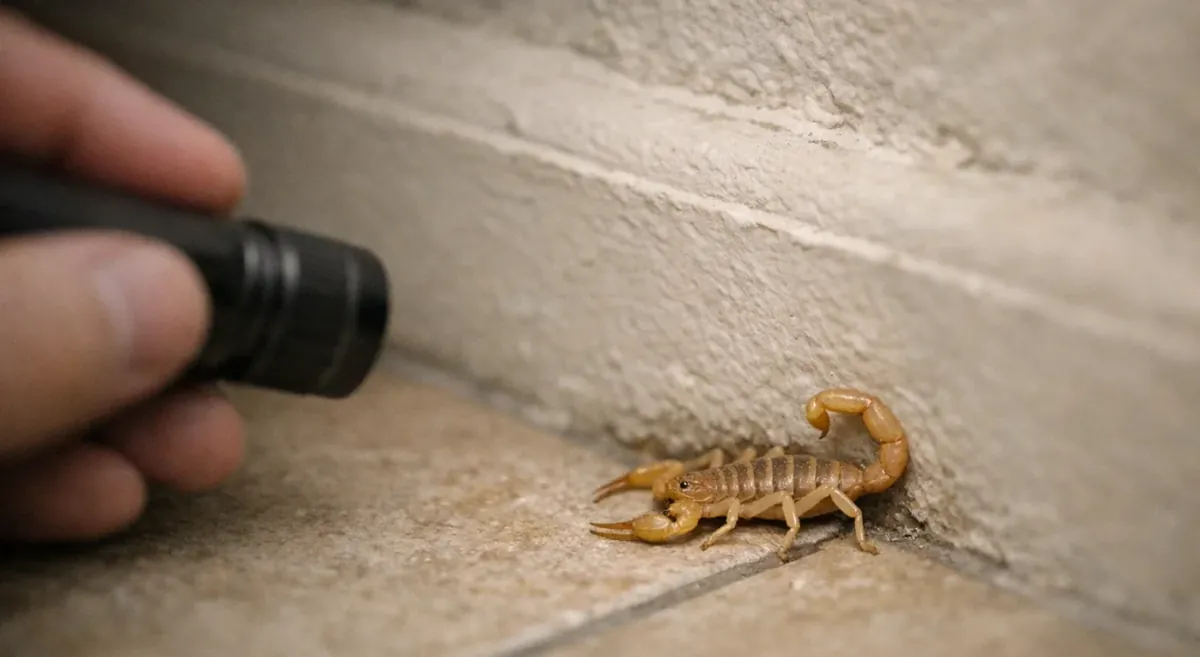
Scorpions don't randomly wander through your home. They're thigmotactic creatures, meaning they navigate by maintaining contact with surfaces. Picture a scorpion entering your bedroom—it won't cross the open floor. Instead, it'll follow the baseboard, travel along the wall edge, and explore where furniture meets the floor.
This perimeter behavior explains why homeowners find scorpions in shoes left against walls, towels dropped near baseboards, or hiding behind nightstands. It also explains why wall-adjacent clutter is riskier than items in the middle of the room. That laundry basket in the middle of your bedroom? Less concerning than the one tucked against the wall.
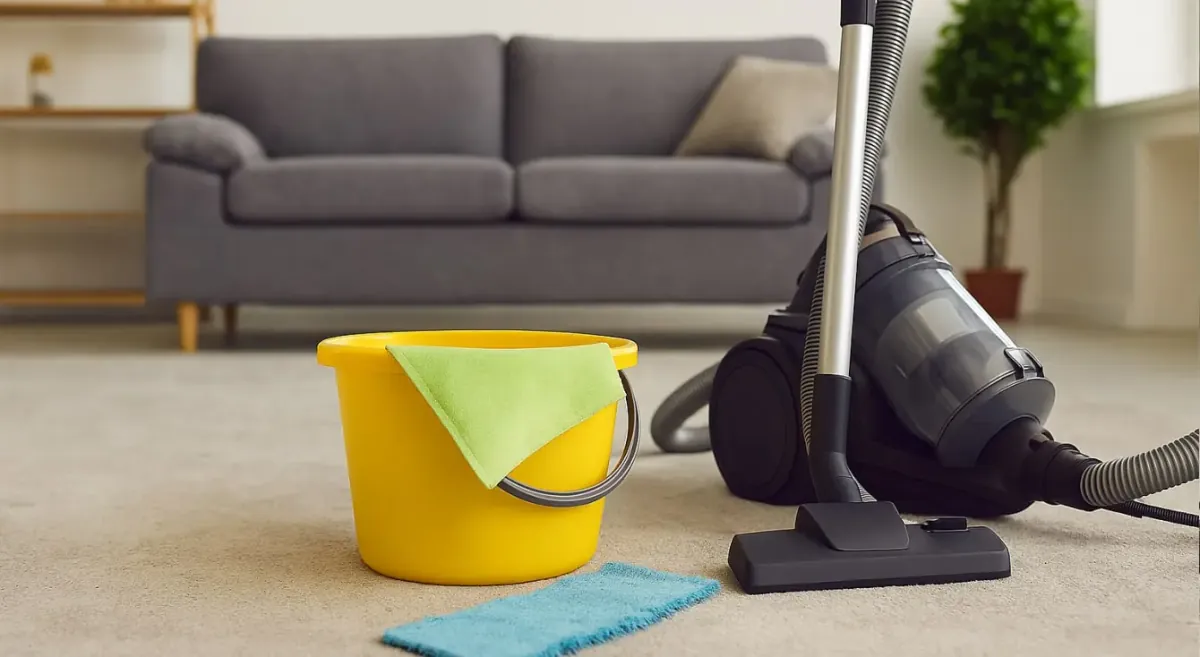
Understanding this behavior changes how you approach both cleaning and monitoring. Focus your efforts on room perimeters where scorpions actually travel. Clear baseboards, reduce wall clutter, and pay special attention to thresholds and doorways—the highways scorpions use to move between rooms.
Where should I clean first to reduce scorpion activity fast?
Not all rooms attract the same scorpion traffic. Some spaces combine moisture, warmth, and prey in a way that creates hunting hotspots. Start with these three high-impact areas tonight, and you'll see the fastest reduction in scorpion encounters.
Bathroom: why the toilet base, vanity, and towels are high-risk
Bathrooms create ideal conditions for the indoor food chain. Condensation from showers can support mold that silverfish eat. Hair and soap scum in corners sustain various insects. The constant moisture attracts everything from drain flies to crickets—all prime spider food.
Focus your bathroom cleaning on these specifics: vacuum along baseboards weekly, paying extra attention to the gap behind the toilet where debris collects. Check under the vanity where pipes create moisture and warmth. Most importantly, keep towels and bath mats off the floor—damp fabric against baseboards creates great insect habitat.
Here's a quick bathroom routine: after each shower, hang towels and mats so they dry completely. Once a week, run a vacuum along all baseboards and behind the toilet. Monthly, pull out bathroom trash cans and clean the floor beneath them. This simple pattern breaks the moisture–insect–scorpion cycle.
Kitchen: how appliances create a hidden buffet
Your kitchen appliances run warm and drop crumbs—a combination that can feed entire insect colonies. Refrigerator coils radiate heat while condensation drips create moisture. Your stove harbors grease splatters and food particles in gaps you can't see. Even dishwashers leak enough warmth and humidity to support roach populations.
73% of urban scorpion sightings occur within 6 feet of major appliances or water sources.
— Urban Entomology Research Institute, 2023
Create a realistic cleaning cadence: each night, sweep along kitchen baseboards and wipe up visible crumbs—this takes 2 minutes. Monthly, pull out one major appliance and clean behind it thoroughly. Rotate through your refrigerator, stove, and dishwasher so you're only moving one heavy item per month. This keeps you out of overwhelming "deep clean" days while maintaining steady prey control.
Laundry room: lint, water, and piles that create hiding spots
Laundry rooms combine everything scorpions seek: moisture from washers, warmth from dryers, and plenty of dark spaces. Lint accumulates in corners, creating insect food. Detergent spills attract ants. Pet bedding adds organic material that feeds the prey chain.
Three habits cut laundry room risk fast: first, keep the floor completely clear—no laundry piles, no detergent bottles on the ground, no pet beds against walls. Second, wipe up any water immediately (from washer leaks or wet clothes). Third, vacuum lint from behind the dryer monthly (lint can feed carpet beetles and other insects).
Store all laundry supplies on wall-mounted shelves or in cabinets, not on the floor. If you wash pet bedding here, shake it out thoroughly before bringing it inside. These simple adjustments reduce both prey habitat and scorpion hiding spots.
Is it dangerous to clean at night in scorpion country?
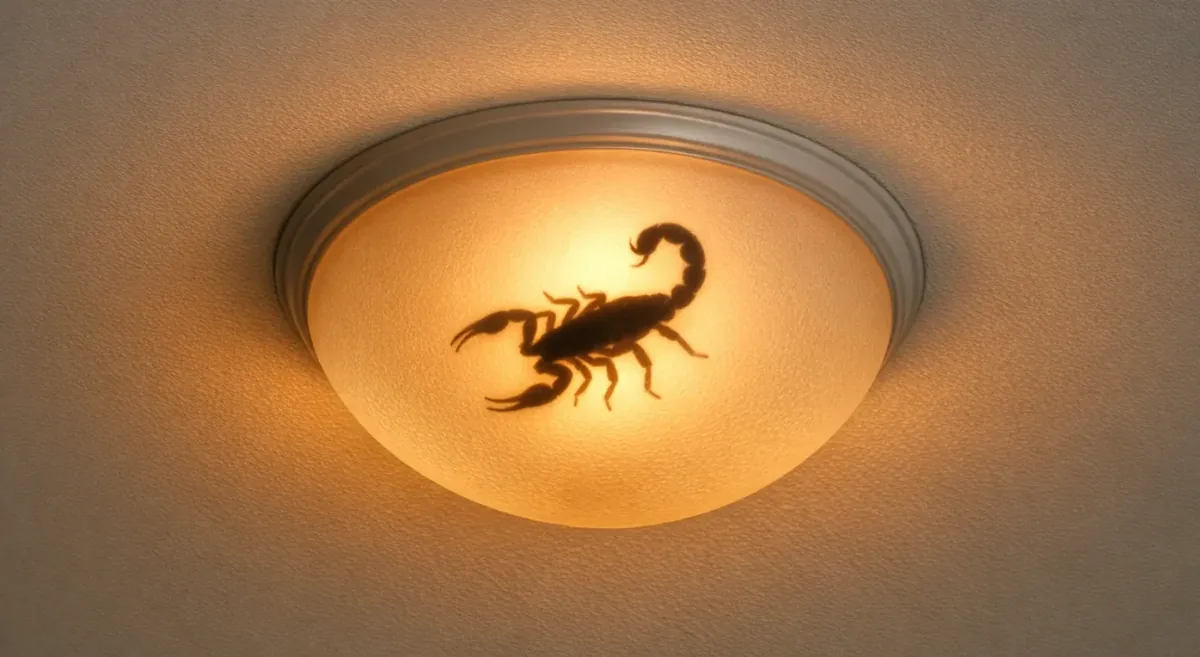
Night cleaning in Arizona, Nevada, or Texas requires extra caution. Scorpions emerge after dark to hunt, and you're most likely to encounter them during evening chores. But don't let fear stop you from maintaining your home—just adjust your approach.
What should I check before reaching under sinks or moving clutter?
Never reach blindly into dark spaces. Before cleaning under sinks, behind toilets, or in storage areas, follow this safety sequence: look first with good lighting. Use tools like tongs or long-handled brushes instead of your hands. Move items by pushing with a broom handle rather than grabbing directly.
Wear closed-toe shoes during any night cleaning—stepping on a scorpion barefoot ranks among the most common sting scenarios. Keep thick gloves handy for moving boxes or reaching into cluttered spaces. When cleaning garages or sheds, tap storage bins with a stick before opening them.
Pay special attention to items that sit undisturbed for weeks—storage boxes, seasonal decorations, or rarely used linens. Scorpions shelter in these quiet zones during the day, then emerge when disturbed.
Do UV flashlights really help, and what are they for?
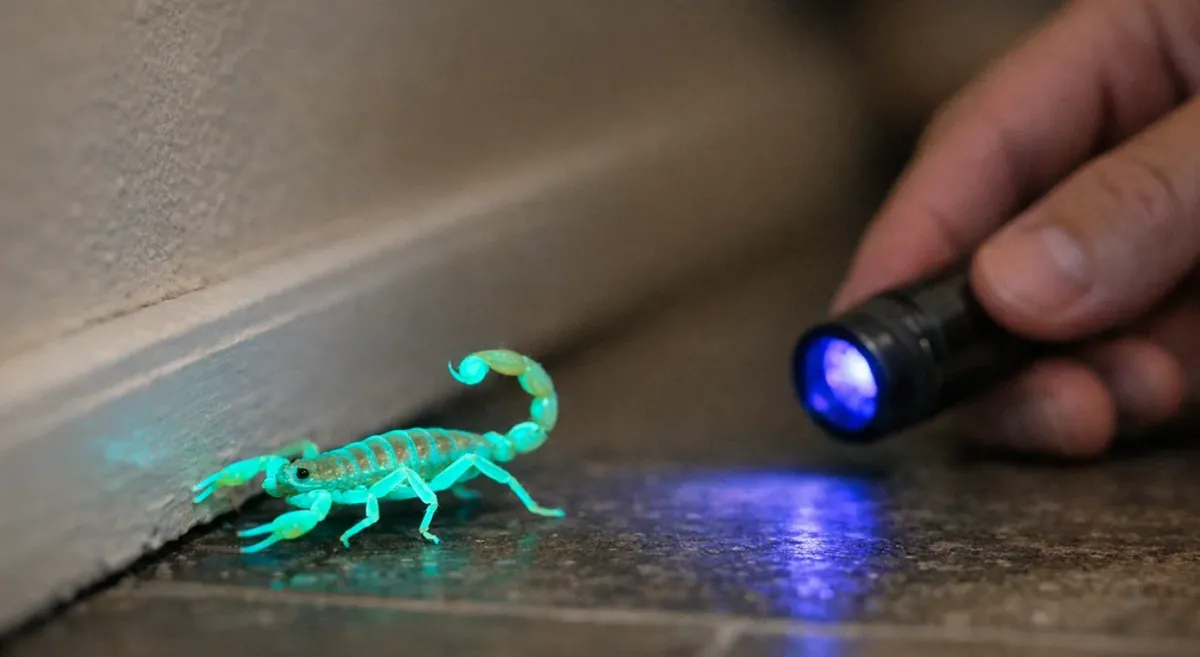
Scorpions glow bright green under ultraviolet light—a phenomenon that turns a $20 UV flashlight into useful safety gear. Before reaching under bathroom vanities or moving laundry piles, sweep the area with UV light. Any hidden scorpion will glow unmistakably.
Use UV flashlights for quick safety scans, not exhaustive nightly patrols. Check specific areas before cleaning: along baseboards where you'll vacuum, behind toilets before reaching with a brush, or around storage boxes before moving them. Think "scan before you clean," not hunting through your entire house.
During peak scorpion season in Arizona (April through October), keep a UV flashlight in high-risk rooms. A quick 10-second scan before cleaning can prevent painful surprises.
How do I scorpion-proof storage, pet food, and everyday clutter?
Beyond regular cleaning, three household systems need adjustment to break the prey chain long term. These changes take some upfront effort, but they pay off through better habits.
Garage and closet storage: what to do about cardboard boxes
Cardboard boxes might as well have "Scorpion Hotel" printed on the side. The corrugated gaps shelter spiders and insects, while the cardboard itself feeds silverfish and roaches. One Phoenix homeowner found 11 bark scorpions in a single box of holiday decorations.
Switch to sealed plastic bins with tight-fitting lids. Keep all storage containers at least 6 inches off the floor and pulled away from walls—this eliminates the dark wall-floor junction scorpions prefer. Before bringing any box inside from the garage, shake it out thoroughly and check with UV light.
For items you can't replace immediately, spray cardboard boxes with cedar oil or diatomaceous earth to deter insects. Treat this as temporary—plastic bins are the only reliable long-term solution.
Pet food: how feeding habits attract roaches (and then scorpions)
Free-feeding pets creates a 24/7 buffet for insects. Kibble crumbs around bowls feed ants and roaches, especially in garages where many factors attract scorpions. Those insects then support spider populations, completing the prey chain.
Establish scheduled feeding times and pick up bowls within 30 minutes. Sweep around pet feeding areas nightly—even tiny kibble fragments attract ants. Store all pet food in sealed containers, never in the original paper or plastic bags that insects can easily penetrate.
If you feed pets in the garage, double your vigilance. Garages already harbor more insects due to gaps and clutter. Adding pet food multiplies the problem. Consider moving pet bowls inside or creating a raised feeding station away from walls.
A simple routine that actually sticks (nightly/weekly/monthly)
The key to sustainable scorpion prevention? A routine so simple you'll actually follow it. Here's a straightforward system:
Nightly (5 minutes): Quick kitchen sweep along baseboards. Pick up pet bowls. Hang bathroom towels and mats. Move shoes away from walls.
Weekly (15 minutes): Vacuum all room perimeters, focusing on baseboards and corners. Wipe bathroom condensation. Check under sinks for moisture. Empty indoor trash cans completely.
Monthly (30 minutes): Pull out one major appliance and clean behind it. Vacuum lint from the dryer area. Shake out garage storage items you'll bring inside. Replace cardboard boxes with plastic bins (even just one per month adds up).
For busy households, focus only on the nightly routine—those 5 minutes provide 80% of the protection with minimal effort.
How do I scorpion-proof my house in Fountain Hills (and know it's working)?
Fountain Hills residents face unique challenges with desert scorpions moving through neighborhoods. Effective protection requires multiple strategies working together, plus a way to verify your efforts are paying off.
What does "scorpion-proofing" mean beyond cleaning?
Complete scorpion-proofing combines four elements: prey reduction through cleaning (covered above), moisture control, clutter management, and sealing entry points. Each element supports the others—sealed doors mean nothing if insects thrive inside, while perfect cleaning can't overcome massive gaps under doors.
For detailed entry-point work, see our guide on how scorpions get into your home. That resource covers door sweeps, weep holes, and construction gaps that need sealing. Focus there on physical barriers while using cleaning to eliminate what attracts scorpions inside.
Remember, scorpion-proofing isn't perfection—it's about making your home less attractive than outdoor hunting grounds. Even reducing indoor prey by half can shift scorpion behavior significantly.
How can I confirm scorpions aren't roaming at night?
Two verification methods can help confirm your cleaning efforts work. First, conduct occasional UV flashlight sweeps in high-risk areas—bathrooms, kitchens, and bedrooms. Check monthly during winter and weekly during peak summer season. Finding nothing is a strong sign your prevention is working.
For continuous monitoring without nightly patrols, automated systems like Scorpion Alert place UV detectors along room perimeters where scorpions naturally travel. These plug into standard outlets, activate when rooms darken, and scan continuously through the night. When the system spots a scorpion's distinctive glow, it sends a photo alert with a confidence score to your phone.
This approach particularly helps families with young children who can't reliably check shoes or avoid scorpions. You'll know immediately if a scorpion enters despite your prevention efforts, so you can respond before anyone gets stung.
How many Scorpion Alert Detectors would a typical home use?
Effective perimeter monitoring focuses on bedrooms and high-traffic areas first. Most homes start with units in master bedrooms and children's rooms, then add coverage near exterior doors, garage entries, and moisture zones like laundry rooms or bathrooms.
A typical 3-bedroom Fountain Hills home might use 3-5 detectors for comprehensive coverage. The mobile app manages all units from one dashboard, with both push notifications and SMS alerts available. Since scorpions can enter any night of the year, continuous monitoring provides peace of mind that spot-checking with flashlights can't match.
Whether you rely on manual checks or automated monitoring, the goal is the same: verify that your cleaning and prevention efforts keep scorpions outside where they belong. When you break the indoor food chain through scorpion-proof cleaning and confirm scorpions aren't hunting inside, you've achieved true home protection.
Scorpion-proof cleaning works best when you cut off the food chain—reducing crumbs, moisture, and hiding spots that attract the bugs scorpions follow. If you want an extra layer of reassurance while you keep up those routines, Scorpion Alert helps you monitor floors with UV-assisted, AI-based detection—learn more at Scorpion Alert.