Is there scorpion antivenom in the U.S.?
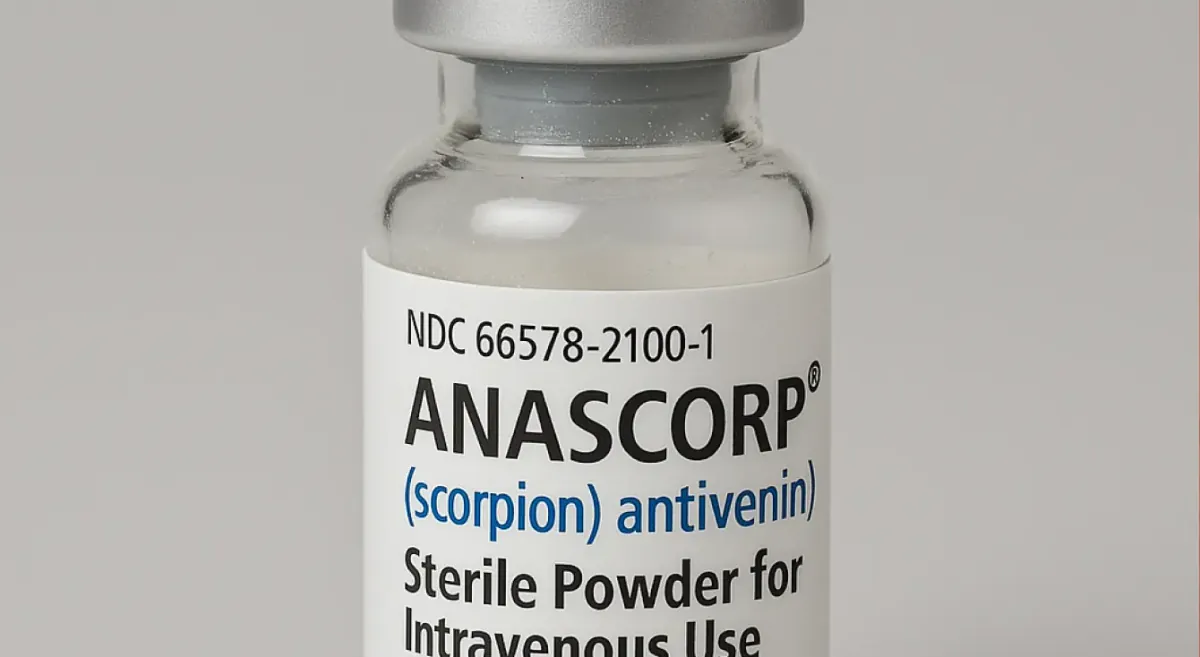
Yes—FDA-approved scorpion antivenom exists in the United States. It's called Anascorp, and it's specifically designed for Arizona bark scorpion stings. But here’s what you need to know: it’s not a home remedy or something you can buy at the pharmacy. This is a hospital-administered treatment given through an IV when symptoms become severe.
Most scorpion stings in the Southwest don’t require antivenom. The vast majority of healthy adults recover with basic supportive care—pain management, monitoring, and time. Knowing antivenom exists should reduce your panic, not increase it. Think of it as a safety net hospitals have ready for the rare cases that need it.
What is Anascorp, and what scorpion is it for?
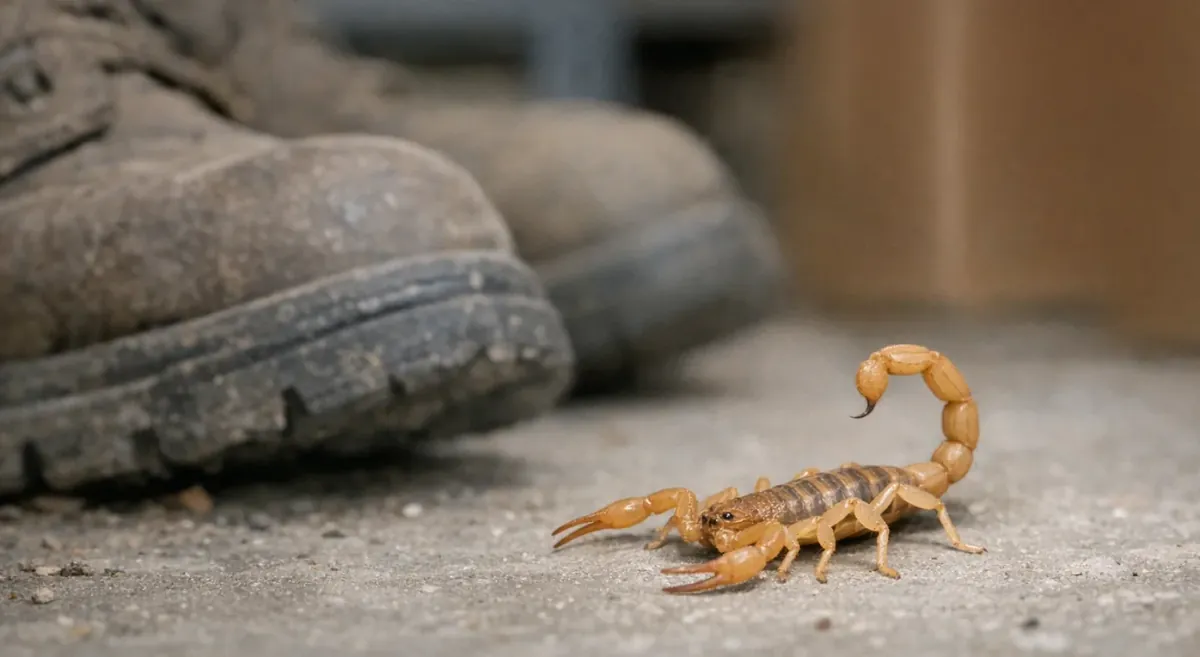
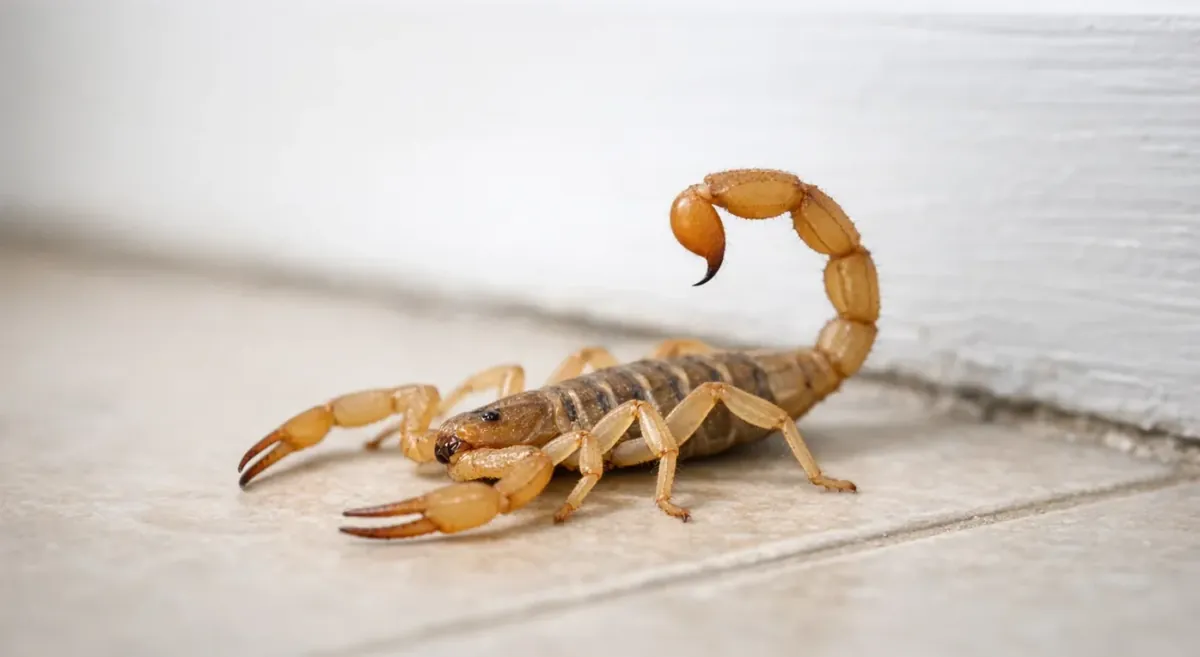
Anascorp targets venom from the Arizona bark scorpion (Centruroides sculpturatus), the most medically significant scorpion in the United States. While other scorpions in Arizona, Texas, Nevada, and New Mexico can deliver painful stings, the bark scorpion is the only one whose venom regularly causes systemic neurological symptoms that may require antivenom treatment.
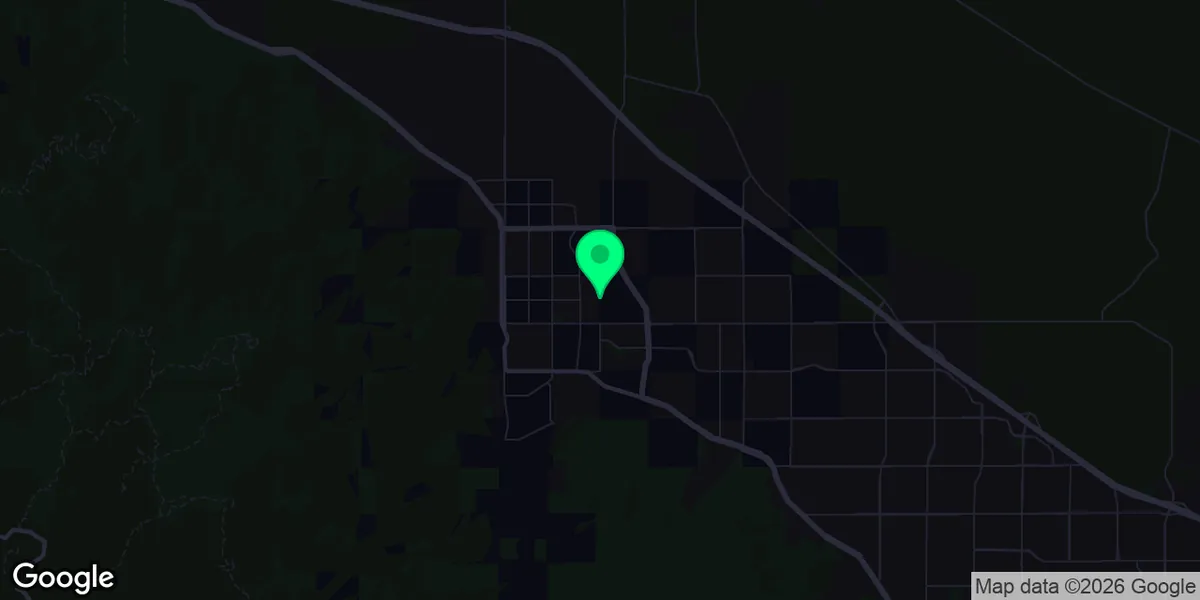
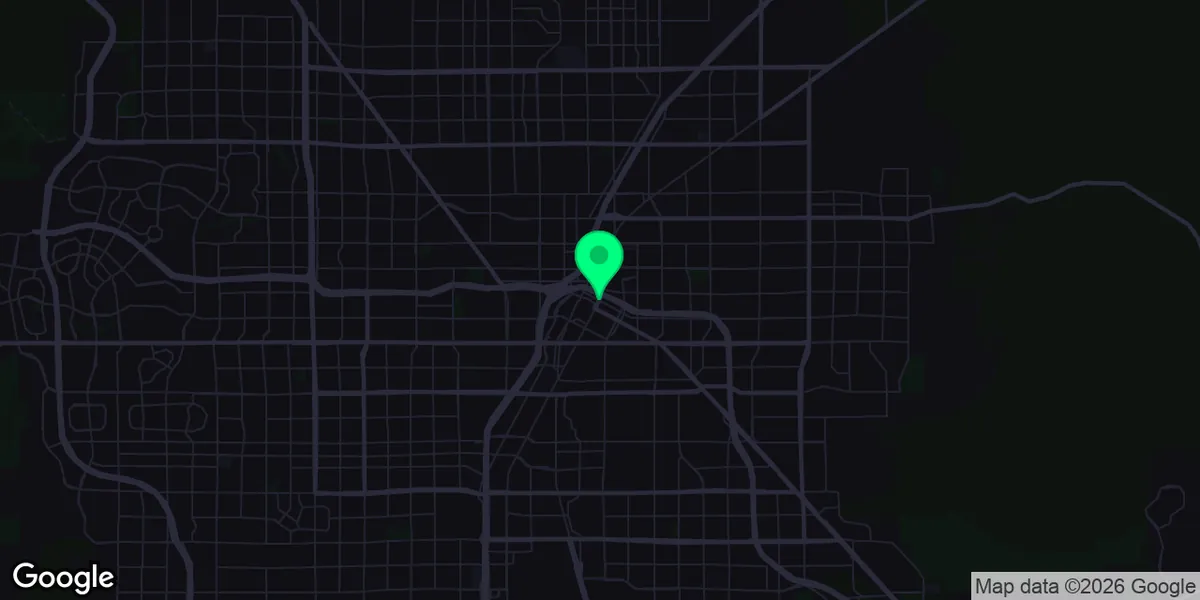
Not every hospital stocks Anascorp, and not every urgent care center has it on hand. Major hospitals in Phoenix, Tucson, Las Vegas, and other Southwest cities typically keep it available, but smaller facilities may need to transfer severe cases. If you’re unsure what stung you—maybe it happened in the dark or the scorpion disappeared—take any escalating symptoms seriously and seek medical guidance immediately.
How does antivenom work (in plain English)?
Antivenom contains antibodies that bind to venom components circulating in your bloodstream. Picture it like this: venom molecules are causing havoc in your nervous system, and antivenom antibodies grab onto them and neutralize their effects. Once neutralized, your body can clear out the venom-antibody complexes, and symptoms start to resolve.
Doctors administer Anascorp through an IV drip while monitoring your vital signs and symptoms. The entire process happens in a controlled medical setting because reactions to the antivenom itself, while rare, need immediate management. Timing matters—a lot. Antivenom works best when it’s given early, before venom causes extensive nerve dysfunction. Waiting until symptoms become severe can make treatment less effective and recovery longer.
How do I know if a sting is serious enough for antivenom?
Use this rule of thumb: localized pain at the sting site, even severe pain, typically doesn’t require antivenom. But when symptoms spread beyond the sting area and affect your nervous system—that’s when you need urgent evaluation. The difference between “painful but manageable” and “potentially dangerous” comes down to whether the venom is causing systemic effects.
Risk varies by person. Young children under 5, older adults over 65, and people with compromised immune systems face higher danger from bark scorpion stings. But don’t wait to see if you’re “high risk enough”—rapidly progressing symptoms in anyone warrant immediate medical attention. If breathing becomes difficult or muscles start twitching uncontrollably, you’re past the point of home management.
Which symptoms are red flags?
These symptoms should send you straight to the emergency room: difficulty breathing or swallowing, uncontrollable muscle twitching or jerking, severe restlessness or agitation, excessive drooling or foaming at the mouth, roving or darting eye movements, muscle weakness or paralysis, or any symptoms that worsen rapidly instead of stabilizing.
Pain alone can be excruciating—bark scorpion stings are famously painful—but pain doesn’t automatically mean you need antivenom. Focus on function: Can you breathe normally? Are you alert and oriented? Can you move all your limbs? If these basic functions become impaired, you need hospital evaluation. When in doubt, call Poison Control at 1-800-222-1222 for expert guidance specific to your situation.
Who is more likely to need hospital-level care?
Children under 5 face the highest risk from bark scorpion stings because their smaller body mass means venom concentration hits harder. Older adults and people with heart conditions, respiratory issues, or neurological disorders also need closer monitoring. If your child is stung by a scorpion, don’t wait for severe symptoms—seek medical evaluation promptly. Pregnant women face unique risks that require immediate medical consultation.
But here’s the key point: rapidly worsening symptoms in anyone—regardless of age or health status—require urgent evaluation. A healthy 30-year-old with breathing difficulty or uncontrolled muscle spasms needs the ER just as much as a toddler with the same symptoms.
What happens at the ER if someone is stung by a bark scorpion?
Emergency room staff follow a systematic approach when you arrive with a scorpion sting. First, they’ll assess your symptoms and vital signs—blood pressure, heart rate, oxygen levels. They’ll ask about the sting: when it happened, what symptoms you’ve experienced, and whether they’re getting worse. Next comes symptom management: IV fluids, pain medication, drugs to control muscle spasms or agitation, and close monitoring.
Many patients improve significantly with supportive care alone. The medical team watches for signs of improvement or deterioration while managing your comfort. In Arizona hospitals, especially in Phoenix and Tucson, ER staff see scorpion stings regularly during peak scorpion season and know exactly what to watch for. Antivenom becomes an option when neurological symptoms persist or worsen despite initial treatment.
How doctors decide whether to give antivenom
The decision isn’t automatic just because a bark scorpion stung you. Doctors evaluate the severity and progression of neurological symptoms—not just the species involved. Uncontrolled muscle movements, respiratory distress, severe agitation, or hypersalivation typically trigger antivenom consideration. They also factor in how quickly symptoms are progressing and how you’re responding to initial supportive care.
Many bark scorpion sting victims recover without antivenom. If your symptoms stabilize with pain management and monitoring, doctors often continue supportive care rather than administer antivenom. The medical team weighs risks versus benefits for each individual case, considering your age, overall health, and symptom trajectory.
How fast does antivenom work, and why is it costly?
When administered early for appropriate cases, many patients show noticeable improvement within an hour of receiving Anascorp. Muscle twitching calms down, breathing eases, and agitation decreases. Full resolution may take several hours, but that initial improvement often happens surprisingly fast. Some patients need additional doses depending on symptom severity and response.
Cost note: antivenom treatment often runs several thousand dollars, sometimes exceeding $10,000 for the medication alone. Manufacturing antivenom requires specialized facilities and complex processes, which drives up costs. This expense is another reason doctors reserve it for cases with clear medical necessity. For families in high-scorpion areas, know your nearest emergency room and keep Poison Control’s number (1-800-222-1222) easily accessible. Having a plan beats scrambling at 2 a.m. when every minute counts.
Can I buy scorpion antivenom or keep it at home "just in case"?
No. Scorpion antivenom requires intravenous administration with continuous monitoring for allergic reactions or other complications. It’s not like an EpiPen you can self-administer. Anascorp must be reconstituted properly, given at the correct rate, and monitored by trained medical professionals. Even if you could somehow obtain it, attempting home administration would be extremely dangerous.
Instead of trying to stockpile medical treatments, focus on a solid action plan. Know exactly what to do in the first critical minutes after a sting, understand when symptoms require emergency care, and have your route to the nearest hospital mapped out. Quick, appropriate response beats any attempt at home medical intervention.
What to do instead (and when to get help)
Follow a proven response plan like this bark scorpion sting first aid guide that walks you through the critical first 30 minutes. Call 911 immediately for these symptoms: difficulty breathing, severe muscle twitching or spasms, rapidly spreading numbness, confusion or altered mental state, or any symptoms that worsen quickly rather than stabilizing.
Create a household emergency plan before you need it. Who drives to the hospital while someone else calls ahead? Which ER is closest? Where’s your insurance information? Night stings are especially chaotic—having these decisions made ahead of time reduces panic and speeds response when seconds count.
How can I prevent stings so we never have to think about antivenom?
Antivenom is your last line of defense. Prevention is your daily strategy. Start with the basics: seal cracks and gaps where scorpions enter, especially around pipes and wires. Remove hiding spots by clearing clutter from floors and walls. Control the insects they eat—fewer crickets and roaches mean fewer hunting scorpions in your home.
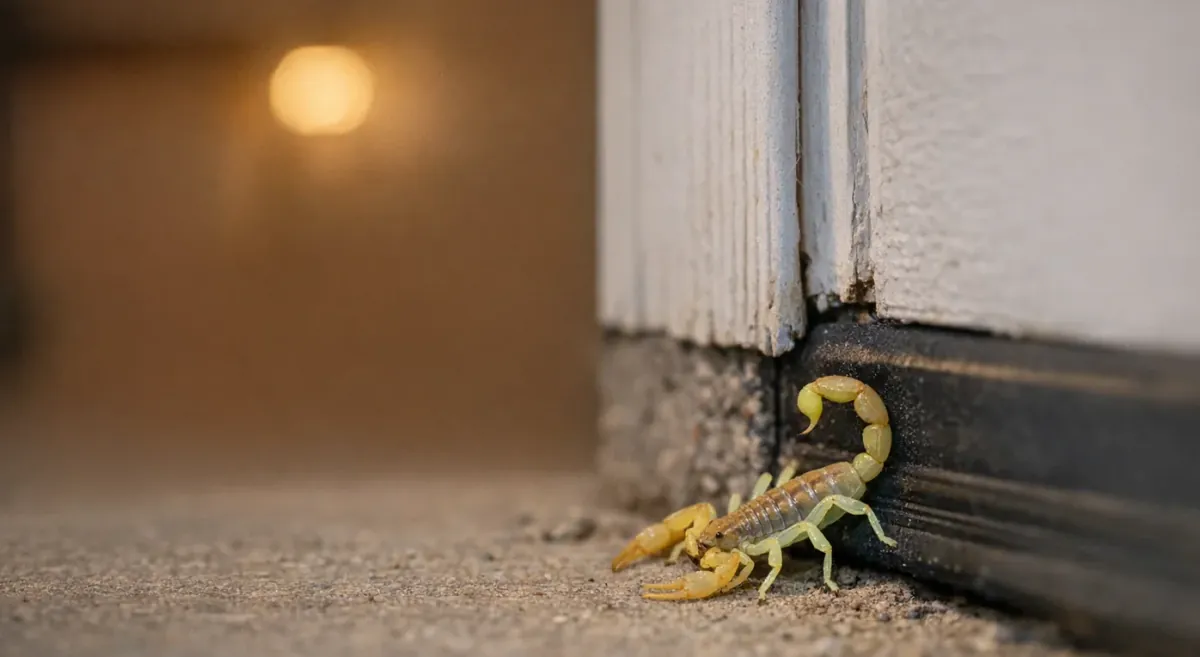
Scorpions are nocturnal hunters that travel along walls and baseboards—a behavior called thigmotaxis. They use these edges to navigate through your home at night. This predictable movement pattern makes strategic monitoring possible. Instead of random encounters, you can detect them along their preferred travel routes before someone gets stung.
What actually works to reduce scorpions indoors?
Focus on these proven strategies: seal gaps under doors with weatherstripping, caulk cracks around windows and wall penetrations, install door sweeps that actually touch the ground, reduce moisture sources that attract prey insects, and maintain a clutter-free perimeter inside your home where scorpions typically travel.
Understanding scorpion behavior strengthens your defense. Since they navigate by following edges and walls, concentrate your efforts on these perimeter areas. Common attractants like moisture, shelter, and food sources can be systematically eliminated once you know what to look for. Prevention requires consistency—a one-time effort won’t keep them out during active seasons.
How to detect scorpions at night without constant blacklight walks
Scorpions fluoresce bright green under ultraviolet light—a quirk of their exoskeleton that makes detection possible. But manually patrolling your home with a blacklight every single night isn’t realistic. That’s where automated detection can help a lot. Scorpion Alert detectors use 365nm UV light to create detection zones along walls where scorpions naturally travel.
The system activates when rooms darken, continuously scanning for that fluorescent glow. When a scorpion enters the detection zone, the device captures an image and sends a photo-verified alert to your phone with an AI confidence score. No more wondering if you checked thoroughly enough or worrying about what’s crawling around while you sleep. Strategic placement at entry points and high-risk areas provides comprehensive coverage without the nightly flashlight routine.
What should I do when I get an alert or spot one?
Stay calm and follow this sequence: First, verify the scorpion’s location using your UV flashlight. Keep children and pets away from the area. Grab a wide-mouth glass or clear container and approach slowly—sudden movements can make them scurry. Place the glass over the scorpion, slide cardboard underneath, and flip the container. Now you can safely relocate it outside, well away from your home.
Many homeowners worry about scorpions in specific locations. Understanding where scorpions can and cannot climb helps you respond appropriately without panic. Quick, controlled capture beats frantic swatting every time. With practice, the glass-and-cardboard method becomes second nature—just another household task like taking out the trash.
Now that you know scorpion anti-venom can be limited in availability and is typically reserved for specific high-risk cases, the most practical protection is reducing the chance of a sting in the first place. Scorpion Alert helps you spot scorpions where they hide by using UV-based detection and alerting, so you can respond quickly and keep high-traffic areas safer—learn more at Scorpion Alert.
Medical disclaimer: This article is informational and not medical advice. We are not doctors, and portions of this content have been edited with AI assistance. For questions about symptoms, treatment, or medications, consult your doctor. For a scorpion sting with severe symptoms, call 911 or your local emergency service.