What should I do the moment I see a scorpion?
Take a deep breath. Your first ten seconds matter more than you think. Stop moving immediately—sudden movements can startle the scorpion into a crack or under furniture where you’ll lose sight of it. Keep your eyes on the scorpion while slowly backing away to create at least six feet of distance. That gives you room to maneuver without risking an accidental sting.
Losing visual contact is the biggest mistake people make. Scorpions can squeeze into gaps as narrow as a credit card’s thickness, and they move surprisingly fast along walls and edges. Once they disappear, you’re left wondering if that scorpion is now in your bedroom closet or under the couch where your kids play.
Here’s your quick action plan: While keeping eyes on the scorpion, call out to someone nearby to bring you closed-toe shoes, work gloves, and a clear container. If you’re alone, move slowly and deliberately to gather these items yourself. It can also help to talk out loud as you move (“I see you there—I’m just getting my shoes”). It sounds silly, but narrating what you’re doing can keep you calm and focused.
How do I keep my family safe while I'm watching it?
First priority: get children and pets behind a closed door. Tell them firmly but calmly to go to their room and stay there until you say it’s safe. Kids, especially, need to keep bare feet off the floor—scorpion stings on feet and hands account for most household incidents.
Turn on every light in the room. Scorpions prefer darkness, but more importantly, you need clear visibility of your surroundings. Clear a path behind you so you won’t trip over toys or furniture if you need to move quickly. Push chairs and small items toward the walls, creating an open area around the scorpion.
If you’re home alone with small children, containment beats confrontation every time. Place a clear bowl or cup over the scorpion first, then slide cardboard underneath to trap it. You can deal with killing it once the kids are secure and you have proper gear.
What should I avoid doing right away?
Never try to stomp a scorpion while wearing slippers, flip-flops, or socks. The scorpion’s tail can arc up and sting through thin material, and you need firm, controlled pressure to ensure a kill. Those fuzzy bedroom slippers won’t cut it.
Don’t grab a tissue or paper towel thinking you’ll quickly scoop it up. Scorpions can sting through thin materials, and their tails are incredibly flexible. Even a “dead-looking” scorpion can deliver a painful sting if it’s only stunned.
Resist the urge to spray it with whatever bug spray is under your sink. Most household insecticides don’t kill scorpions instantly—they might just irritate it into running. Worse, if you spray and then look away to set down the can, you’ve lost track of an angry, chemical-covered scorpion. If it escapes into a pile of laundry or behind furniture, you’re dealing with a hidden threat instead of a visible one.
How can I trap a scorpion if I can't kill it right away?
Sometimes trapping is your best option—maybe you’re barefoot, maybe it’s in an awkward spot, or maybe you just don’t want scorpion guts on your carpet. The classic “cup and cardboard” method works brilliantly when done correctly.
Choose a clear container with a wide mouth—a drinking glass, mason jar, or clear plastic cup all work well. Approach slowly from behind the scorpion if possible. In one smooth motion, place the container over the scorpion, trapping it against the floor. Don’t lift or tilt—keep firm downward pressure.
Now comes the tricky part. Slide a piece of stiff cardboard, a manila folder, or even a hardcover book under the rim of the container. Work slowly, keeping your fingers well away from the gap. Once the cardboard completely covers the opening, you can carefully flip the whole assembly over. The scorpion is now safely contained for disposal.
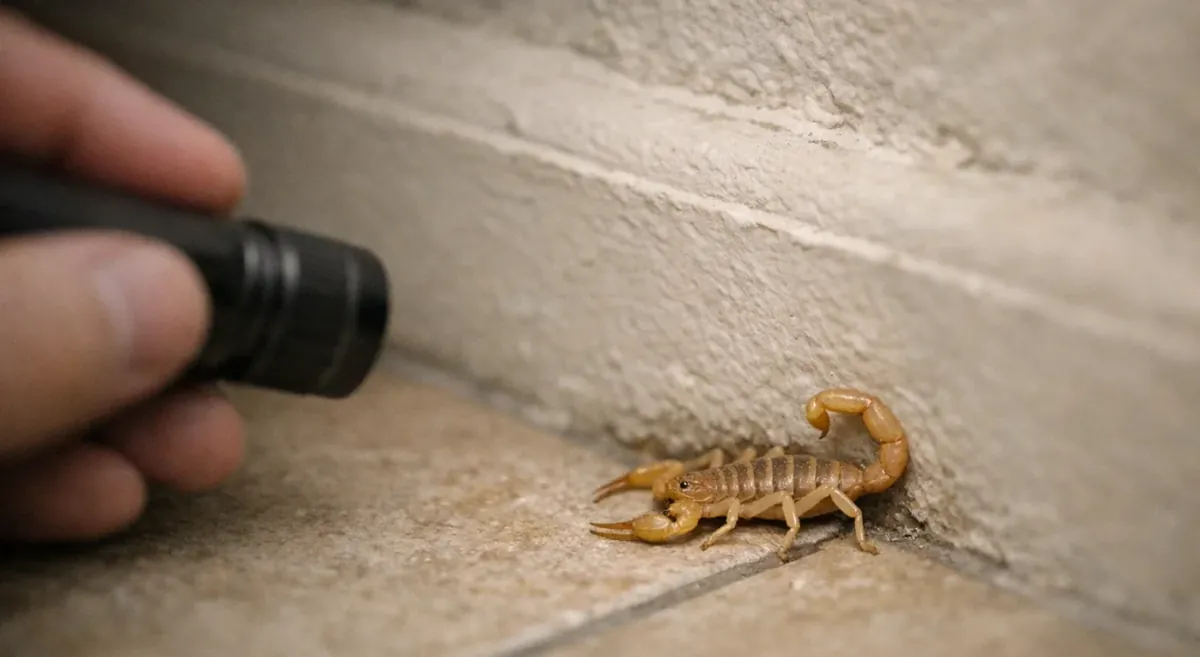
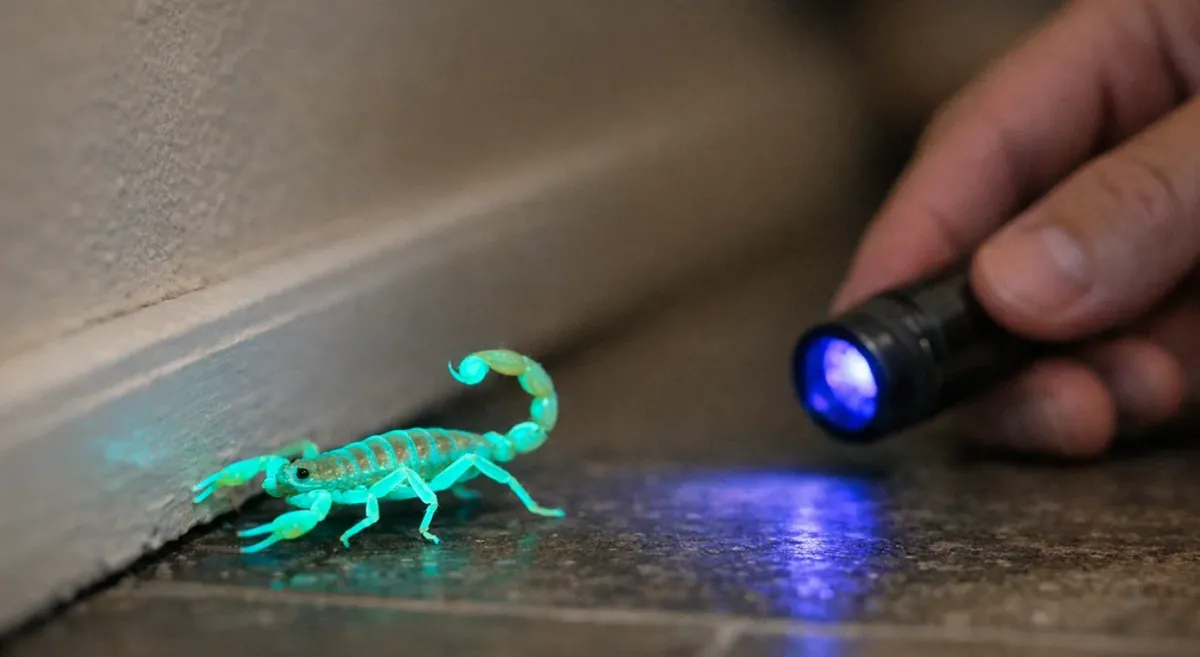
What if it vanishes while you’re getting supplies? Scorpions glow bright green under ultraviolet light—one of nature’s stranger party tricks. Grab a UV flashlight (many people have one for detecting pet stains), turn off the room lights, and scan along the baseboards and walls where scorpions naturally travel. That eerie green glow makes them hard to miss in the dark.
What household items work best for trapping?
Your best trap is a wide-mouth glass or clear plastic container paired with stiff cardboard or thick paper as a lid. The container should be at least 4 inches wide—narrow openings make it harder to trap the scorpion without getting your hands too close. Clear containers let you confirm the scorpion is actually inside before you start moving things around.
Long-handled tongs or forceps give you extra reach if you have them. Kitchen tongs work, but keep your grip firm—a dropped scorpion is an escaped scorpion. Some people use salad tongs or even long tweezers from their garage toolkit.
A clear mixing bowl or even a large clear food storage container can work in a pinch. The key is being able to see the scorpion through the container so you know exactly where it is during the entire trapping process. Opaque containers leave you guessing, which increases the risk of accidental contact.
What if the scorpion runs under furniture or into a corner?
Don’t start blindly poking under the couch with a broom handle. Mark the spot where it disappeared—use a shoe or book as a marker—then systematically reduce hiding spots. Move furniture slowly and deliberately, watching for movement along the walls.
This is where UV light becomes invaluable. Turn off the room lights and scan with a UV flashlight, paying special attention to edges and corners. Scorpions navigate by touch (called thigmotaxis), so they’ll likely be pressed against a wall or furniture leg. Their bright green glow under UV makes them easier to spot even in tight spaces.
If you absolutely can’t locate it after a thorough UV search, you’ll need to shift tactics. Set up monitoring points using sticky traps or other detection methods near where it disappeared. Close off that room if possible, and check the traps every few hours. Consider this temporary containment while you plan your next steps.
What's the safest way to kill a scorpion on different surfaces?
Before you attempt any kill, gear up properly. Closed-toe shoes are non-negotiable—work boots or thick-soled sneakers are ideal. Put on work gloves if you have them. Your weapon of choice should be heavy, flat, and give you some distance: a hammer, a thick-soled boot, or a heavy book all work well.
Surface matters more than you might think. What works great on tile might be useless on thick carpet. Quick chemical sprays rarely provide instant kills with scorpions—their exoskeletons are tough, and you may just anger it. Physical removal remains your most reliable option.
Remember: scorpions can play dead. Even after a successful strike, approach with caution and use a tool (never your hands) to verify the kill. A “dead” scorpion that’s only stunned can still deliver a painful sting.
How do I kill a scorpion on tile or hardwood?
Hard surfaces are ideal for scorpion disposal. Use a heavy, flat object and apply firm, steady pressure rather than a glancing blow. A hammer works perfectly—position yourself so you can bring it straight down with control. Keep your face and hands well clear of the strike zone.
Approach from behind the scorpion when possible. They can’t sting backward as easily, and you’ll avoid the business end of that curved tail. Press down firmly and hold for a few seconds. Quick taps might only stun it.
Immediately after the kill, scan the baseboards and corners with your eyes or a UV light. Scorpions rarely travel alone during active seasons. If you found one in your bathroom, check behind the toilet, along the tub edge, and near any plumbing access points.
How do I kill a scorpion on carpet or rugs without making a mess?
Carpet presents unique challenges. You need something that can compress through the pile to make solid contact. A boot heel works well—use a twisting motion as you press down to ensure you’re getting through the carpet fibers. Avoid hammers or hard objects that might damage your carpet.
Skip the bug spray entirely on carpet. You’ll end up with a chemical-soaked spot that may not even kill the scorpion, plus you risk driving it deeper into the carpet fibers where it’s harder to confirm the kill. Physical crushing or the trap-and-remove method works much better.
After dealing with the scorpion, inspect the edges where carpet meets walls. That’s a scorpion highway—they love traveling along these borders. Check nearby closet thresholds and anywhere carpet transitions to hard flooring. These edge zones are where scorpions typically enter carpeted rooms.
How do I deal with a scorpion on a wall or ceiling?
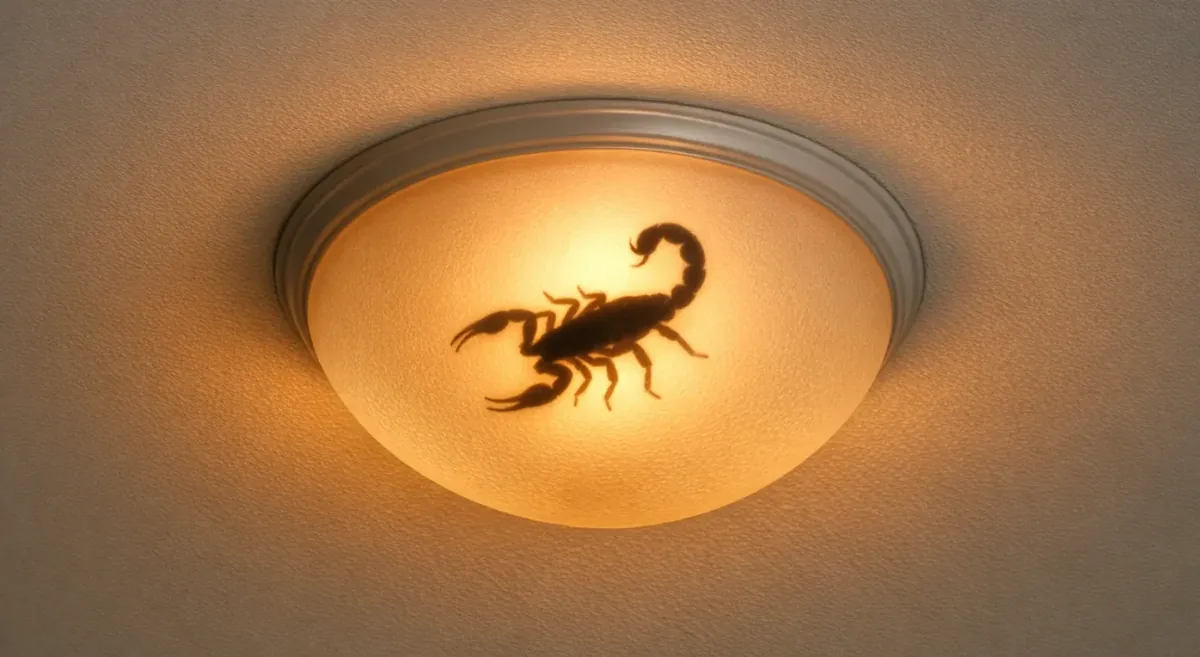
Ceiling scorpions are a homeowner’s worst-case scenario. Position yourself at an angle—never stand directly underneath. Use a long-handled broom or mop to knock it down while a helper stands ready with a container to trap it. Plan where it’ll fall and clear that area first.
For wall scorpions, resist the urge to swat sideways. You’ll likely miss or only injure it, and an angry scorpion falling unpredictably is dangerous. Instead, use a shoe or book to pin it against the wall with steady pressure, then scrape downward into a waiting container.
Only attempt to kill it once it’s on a flat surface where you have control. A scorpion falling from height might land anywhere—on furniture, in a shoe, or worse, on someone. Take the extra minute to do this safely.
What if it's inside a shoe, blanket, or clothing?
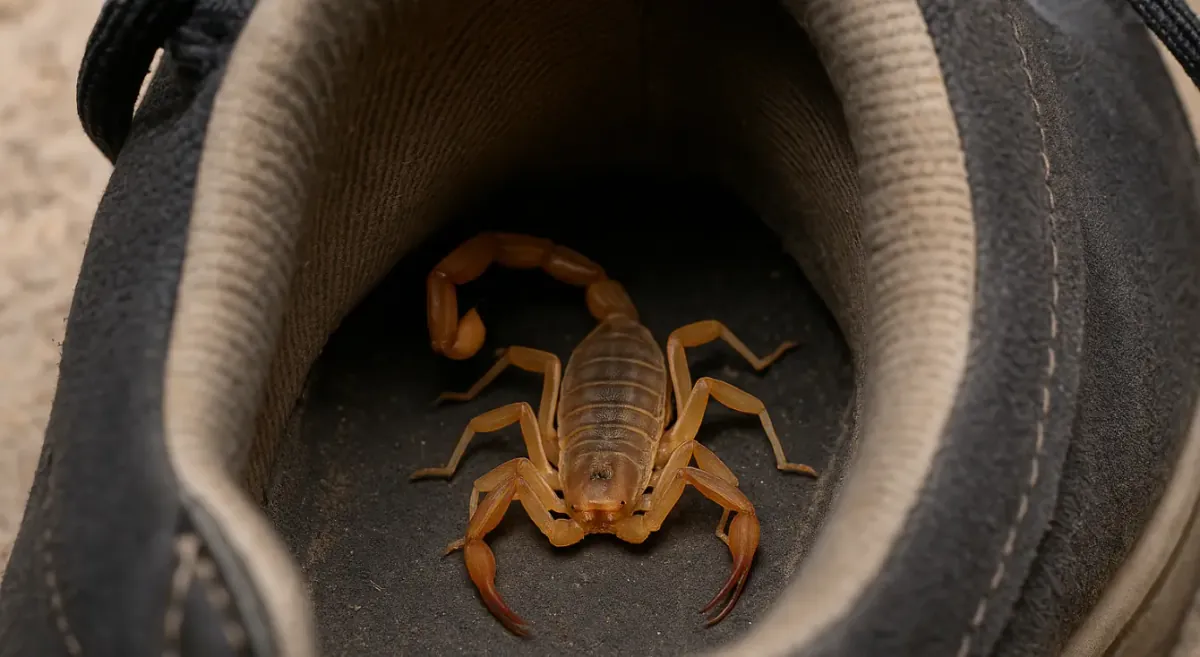
Never shake out a potentially inhabited item indoors. Carefully carry the entire item outside, holding it away from your body. Use a stick or tool to spread the item flat on concrete or dirt, then work the scorpion out to an open area where you can see it clearly.
For shoes, tap them upside down against a hard surface outside while standing to the side. For blankets or clothing, lay them flat and use a long stick to carefully unfold sections until you locate the scorpion. The goal is to create distance between you and the scorpion while maintaining control of the situation.
Once the scorpion is on open ground, use your preferred killing method. The trap technique works especially well here since you’re already outside—you can simply release it far from your home if you prefer. This is particularly important if you have young children who might be at higher risk from stings.
Can I just use bug spray or diatomaceous earth to kill it?
Here’s the hard truth: most over-the-counter bug sprays won’t instantly kill a scorpion. You might empty half a can on one, watch it stumble around for 20 minutes, then lose track of it. Scorpions have incredibly tough exoskeletons that resist many common pesticides.
Diatomaceous earth works by slowly desiccating insects, but it’s not an instant solution. You’d need the scorpion to crawl through a substantial amount and then wait hours or days for it to die. Plus, it won’t stay in place on vertical surfaces or in high-traffic areas.
For an active scorpion you can see right now, physical killing or controlled trapping beats chemical warfare every time. Save preventive treatments for after you’ve handled the immediate threat. Quick, decisive action with proper tools is safer and more reliable than hoping a spray will work.
How do I dispose of a scorpion and clean the area safely?
The scorpion looks dead, but looks can be deceiving. Scorpions are surprisingly resilient and can recover from what seems like fatal injuries. Even a legitimately dead scorpion can still sting by reflex if you handle it carelessly.
Your disposal method should minimize any chance of accidental contact, especially if you have curious kids or pets who might investigate the trash. A few extra precautions now can prevent painful surprises later.
After disposal, a quick cleanup of the area helps you spot any additional scorpions and removes potential attractants. This is also a good time to check whether anyone needs medical attention, though most scorpion stings are more painful than dangerous.
How can I tell if the scorpion is really dead?
Use a long tool—a stick, ruler, or tongs—to prod the scorpion. Never use your fingers, even with gloves on. A truly dead scorpion won’t react at all, while a stunned one might twitch or curl its tail. If you see any movement, apply another firm strike with your killing tool.
When in doubt, re-trap it. Place a container over the questionable scorpion and slide cardboard underneath. This gives you control while you decide whether it needs another hit or whether you’re satisfied it’s dead.
Take this opportunity to scan the immediate area with a UV flashlight. Scorpions’ fluorescent glow makes it easier to spot any others that might be nearby. Check along the walls, in corners, and near any cracks or crevices within 10 feet of where you found the first one.
What's the cleanest way to pick it up and dispose of it?
Long tongs or kitchen forceps are ideal for pickup—they keep your hands well away from the stinger. If you don’t have tongs, use several layers of paper towels folded thick. Grasp the scorpion firmly by the body (not the tail) and immediately place it in a plastic bag.
Double-bag the scorpion and seal both bags completely. This prevents any chance of it crawling out if it’s only stunned, and it keeps curious pets from investigating. Place the sealed bags in your outdoor trash can, not a wastebasket inside your home.
Wipe down the area where you killed the scorpion with standard household disinfectant. This isn’t about germs—it’s about removing any pheromone trails that might attract other scorpions. Wash your hands thoroughly even if you wore gloves, and rinse your tools before storing them.
What should I do if someone gets stung while trying to kill it?
Stay calm and act quickly. Most scorpion stings feel like a bad bee sting, but some people react more severely. Get the person to sit down and remove any jewelry near the sting site before swelling begins.
Follow a proper first-aid protocol for the first 30 minutes after a sting. Ice the area, watch for signs of allergic reaction, and monitor symptoms carefully. Young children, elderly adults, and anyone with compromised immune systems should seek medical attention immediately.
Document the scorpion if possible—a photo helps medical professionals identify the species. In the Southwest, Arizona bark scorpion stings are the most medically significant. Don’t delay medical care to hunt for the scorpion, but if it’s already dead, bag it and bring it along to the hospital.
How do I stop scorpions from coming back (and know if there are more)?
Finding one scorpion often means others are nearby. Your immediate priority is sealing their entry points—check weatherstripping on doors, gaps around pipes, and tears in window screens. Focus on eliminating what attracts scorpions to your home: moisture, food sources (other bugs), and hiding spots.
For the next few nights, do targeted UV flashlight checks along baseboards and door thresholds. Scorpions are most active between 10 PM and 2 AM, especially during peak scorpion season in your area. But let’s be honest—nobody wants to patrol their house with a UV flashlight every single night.
This is where automated monitoring makes sense. Instead of losing sleep wondering if another scorpion is crawling along your bedroom wall, you can use detection systems that watch for you. Scorpion Alert Detectors plug into outlets along your walls and use UV light to scan for that telltale scorpion glow, sending photo-verified alerts to your phone within seconds. It’s like having someone on guard duty while you sleep.
Where should I inspect first after finding one scorpion?
Start with the edges—that’s where scorpions travel. Run your UV flashlight along every baseboard in the room where you found the scorpion, then expand outward. Pay special attention to door thresholds, the gap under doors, and corners where walls meet. These are scorpion highways.
Check moisture zones next. Bathrooms, laundry rooms, and kitchens attract scorpions hunting for water and the bugs that water attracts. Look behind toilets, under sinks, and around washing machines. Don’t forget garages and storage areas—scorpions love cluttered spaces with plenty of hiding spots.
Time your inspections based on your location’s patterns. Arizona residents might see increased activity from March through October, while Texas homeowners deal with different peak months. Understanding your local season helps you know when to be extra vigilant.
Do sticky traps work for scorpions?
Sticky traps can catch scorpions, but they’re far from perfect. Dust and debris quickly reduce their effectiveness—after a week in a garage or laundry room, they’re often more dirt than glue. You also have to remember to check them regularly, and finding a scorpion stuck but still alive and angry isn’t exactly pleasant.
Safety is another concern. Pets step on them, kids touch them, and you’ll inevitably stick your own sock to one at 2 AM. Plus, scorpions travel along walls, so trap placement is critical—you can’t just scatter them randomly and hope for the best.
Think of monitoring as a hierarchy: visual UV checks work but require nightly effort, sticky traps provide passive detection but need maintenance and checking, and automated monitoring systems handle the watching for you. Each step up the hierarchy trades a bit more investment for a lot more convenience and reliability.
How can I get alerted before a scorpion disappears again?
The nightmare scenario is knowing a scorpion is somewhere in your bedroom but not knowing where. Scorpion Alert Detectors solve this by continuously scanning the floor with UV light whenever the room is dark. When they spot that distinctive scorpion glow, they capture a photo and send an alert to your phone within seconds.
Placement is key for effective monitoring. Install Detectors near entry points like exterior doors, garage doors, and pet doors. Prioritize high-risk rooms—bedrooms, nurseries, and any room where people walk barefoot. Don’t forget areas near water sources like bathroom baseboards and laundry rooms.
The beauty of automated detection is that it works while you sleep. No more midnight UV flashlight patrols, no more wondering if that movement in your peripheral vision was real. You get an alert, grab your tools, go straight to the specific Detector that triggered, and deal with the scorpion while you can still see it.
When should I call a pest control pro?
If you’re finding scorpions regularly—say, more than one a month—you likely have an established population nearby. A professional can identify and seal entry points you might miss and apply targeted treatments that actually work on scorpions. They also have access to better pesticides than what’s available at the hardware store.
Call immediately if someone gets stung, especially a child or elderly person. Also call if you can’t figure out how they’re getting in despite your best efforts at exclusion. Sometimes the entry point is hidden—a crack in the foundation, gaps around plumbing penetrations, or issues with your home’s envelope that need professional assessment.
The most effective approach combines professional exclusion work with ongoing monitoring. The pro stops most scorpions from getting in, and your detection system alerts you to any that slip through. It’s not about choosing one or the other—it’s about layering defenses for real peace of mind.
Found a scorpion? Get instant alerts next time. Scorpion Alert Detectors use UV light to spot scorpions the moment they enter your space, sending photo-verified alerts to your phone in seconds. No more midnight flashlight patrols or wondering if there's another one hiding nearby. See how Scorpion Alert protects your family →
Knowing the safest ways to kill a scorpion is important—but catching them before they surprise you in a dark hallway or bathroom can make all the difference. Scorpion Alert adds an extra layer of confidence with 24/7 monitoring, UV-based detection, and photo-verified alerts so you can respond quickly and target the problem where it’s happening. If you want help spotting scorpions at night without constantly hunting, learn more at Scorpion Alert.