If my baby or toddler gets stung, what should I do right now?
Clean the sting site with soap and water, apply a cold pack for 10 minutes, call Poison Control at 1-800-222-1222 right away, and watch your child closely for any signs of a systemic reaction. Young children face higher risk because their smaller body mass means venom affects them more severely — 54.4% of patients who needed antivenom in Arizona were under 5 years old, according to a 2021 study.
Children's airways are smaller and more vulnerable to the excessive saliva production that bark scorpion venom can trigger. What starts as localized pain can escalate within 30–60 minutes to include unusual eye movements, muscle twitching, or difficulty swallowing. The Poison Control specialist will guide you on which symptoms to monitor and tell you exactly when to head to the ER.
Medical disclaimer: This information supplements but doesn't replace professional medical advice. Always follow Poison Control's guidance and your pediatrician's recommendations. Call 911 immediately if your child shows severe symptoms like breathing difficulty, widespread muscle movements, or altered consciousness.
What symptoms mean "ER now" vs. "watch closely"?
Local symptoms (pain, tingling, mild swelling at the sting site) can typically be managed at home with Poison Control guidance, but systemic symptoms affecting the whole body require immediate emergency care. Red-flag symptoms that mean "ER now" include: difficulty breathing or swallowing, excessive drooling, unusual eye movements (eyes darting in different directions), widespread muscle twitching or jerking, agitation or inability to be consoled, and any change in consciousness.
According to Dr. Meghan Spyres from Banner Poison Center, "They can also cause involuntary muscle movement — so jerking of the arms and legs — and even more severe, in some cases, it can cause difficulty swallowing. People's eyes can move around in weird directions."
The decision rule is simple: when in doubt, call. Poison Control specialists handle thousands of scorpion cases annually and can quickly assess whether your child's symptoms warrant emergency care. They can stay on the line to monitor progression and connect directly to 911 if needed.
What can I give for pain or swelling—and what should I avoid?
Acetaminophen (Tylenol) or ibuprofen (Motrin) at appropriate pediatric doses can help manage pain, but avoid opioid pain medications, which can dangerously suppress breathing when combined with scorpion venom's effects. Follow the medication label for your child's weight, or ask Poison Control for specific dosing guidance.
The critical warning: opioids and scorpion venom both affect the nervous system, creating a dangerous combination that can compromise breathing. This isn't theoretical — respiratory failure was a leading complication in the pre-antivenom era when opioids were commonly given for sting pain.
Poison Control may discuss antihistamines like Benadryl if there's localized swelling suggesting a histamine response, but don't give any medication without their guidance. Most importantly, don't delay emergency care to try home remedies — if systemic symptoms develop, your child needs medical evaluation regardless of what you've given for pain.
Should I try to catch the scorpion for identification?
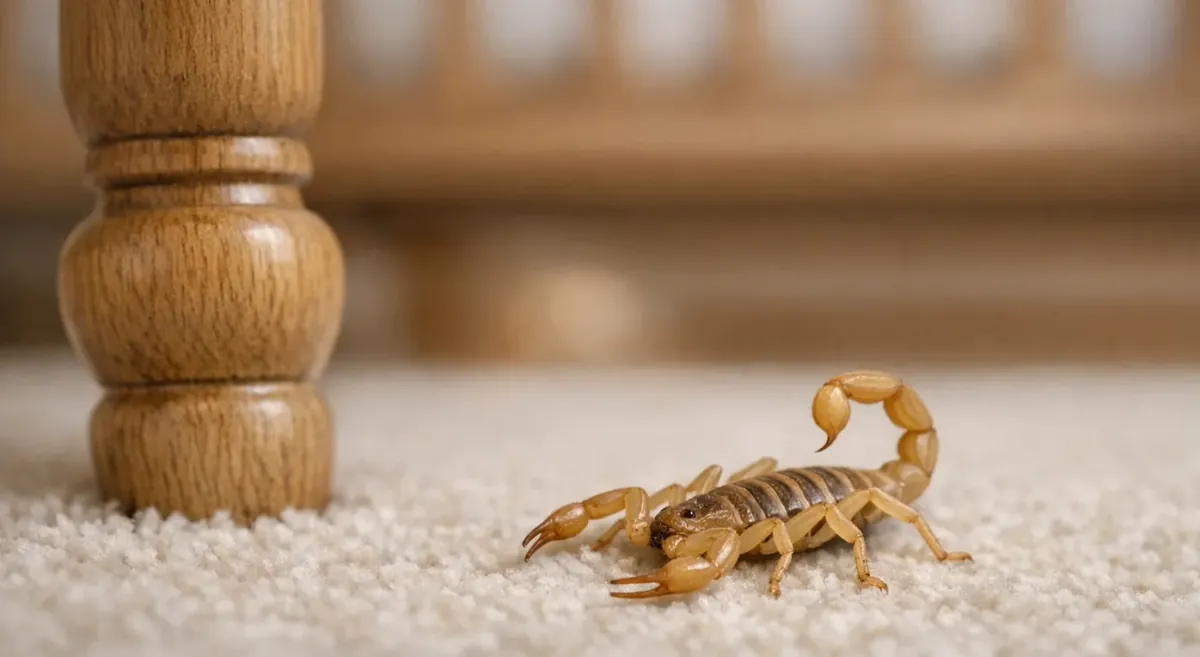
Only try to catch the scorpion if you can do it safely without leaving your child unattended — use the glass-and-paper method by placing a clear glass over the scorpion and sliding stiff paper underneath to trap it. A photo taken from a safe distance works just as well for identification and helps pest control professionals plan treatment later.
Never handle a scorpion with bare hands, even if it appears dead — the stinger can still inject venom reflexively. Don't search the room while holding your child or leave them alone to hunt for the scorpion. Your child's immediate medical needs take absolute priority over specimen collection.
Most importantly, don't delay calling Poison Control to search for the scorpion. In Arizona, nearly all medically significant stings come from bark scorpions, so treatment protocols are well-established even without positive identification.
Does antivenom cost change what I should do?
Anascorp antivenom can cost $5,610 per vial at retail prices, with severe cases requiring 3–5 vials — creating bills that can exceed $62,000 for a complete treatment course. Imagine this: a Phoenix mom watched her 3-year-old receive life-saving antivenom in the ER, then received a bill larger than her annual salary. But here's what matters: cost concerns should never delay emergency care when your child's life is at risk.
Insurance coverage varies dramatically, and many hospitals offer payment plans or financial assistance programs. Some families face crushing bills while others pay only their standard ER copay. The unpredictability is maddening, but the choice is clear — get treatment first, fight bills later.
This financial reality makes prevention even more critical. Every sealed gap, every relocated crib, every detection system installed reduces the chance you'll face that impossible 2 a.m. decision between your child's health and your family's financial stability. That's why the rest of this guide focuses on keeping scorpions out of your nursery entirely.
How do scorpions end up in a nursery (even upstairs)?
Scorpions reach nurseries by following walls and baseboards through your home at night, using their natural edge-hugging behavior (thigmotaxis) to navigate from entry points to any room with gaps under doors or unsealed transitions. They don't target nurseries specifically — they explore by staying in contact with surfaces, which leads them along the "highways" of your home's perimeter.
Picture a scorpion entering through a garage door gap at midnight. It follows the garage wall to the interior door, squeezes under the weather stripping, then continues along the hallway baseboard. At each doorway, it checks for gaps. That quarter-inch space under your nursery door? That's an invitation. Once inside, it finds perfect hiding spots: the dark space between the diaper pail and wall, under the toy bin, or behind the hamper.
This means your crib setup matters enormously. A crib pushed against the wall with a dangling blanket creates a bridge. Curtains pooling on the floor become ladders. That pile of burp cloths in the corner? A five-star scorpion hotel. Understanding their movement patterns helps you break the paths and eliminate the destinations.
Can scorpions follow baseboards and slip under the nursery door?
Yes, the baseboard-to-floor seam acts as a scorpion highway system throughout your home, and standard interior doors can leave gaps up to half an inch — more than enough for even adult bark scorpions to slip through. This perimeter travel pattern explains why 42.5% of indoor scorpion stings happen in bedrooms, according to Arizona poison center data.
Common nursery items create perfect hiding spots along these routes. The diaper pail pushed against the wall forms a dark tunnel. Toy bins and storage baskets create shadowed corners. A full laundry hamper becomes a humid shelter. Each item touching the wall extends the scorpion highway into your baby's room.
The solution starts with a quality door sweep that seals flush to the floor — not decorative draft stoppers that leave gaps at the edges. Add clear caulk along the baseboard-to-floor junction, paying special attention to corners where scorpions pause and probe for openings. Move all containers at least 6 inches from walls to break up their travel routes.
Can scorpions come through vents, registers, or bathroom exhaust fans?
HVAC vents and registers can connect rooms through ductwork, creating unexpected scorpion highways, especially in nurseries where floor registers often sit near cribs for optimal air circulation. Gaps between the register frame and drywall — or spaces where flexible ductwork connects — can give scorpions access to the entire duct system.
Bathroom exhaust fans pose a particular risk in nurseries adjacent to bathrooms. These fans often vent to attics where scorpions hunt, and the ductwork rarely has proper screening. A scorpion in the attic can follow the exhaust duct right to the fan housing, then drop through the blades into the room below.
Safe solutions require careful attention to airflow — never restrict ventilation in a baby's room. For registers, install fine mesh screening (window screen material works) between the register and duct, or have an HVAC professional install proper duct screening. For exhaust fans, add screening on the attic side of the duct. Always maintain proper airflow for your baby's safety, and call pros if you're unsure about ventilation impacts.
Can scorpions drop from the ceiling (recessed lights, fans, attic gaps)?
Any penetration through your nursery ceiling creates a potential entry point from the attic above, where scorpions commonly hunt — recessed lights, ceiling fans, and smoke detectors all require holes that often aren't properly sealed. Scorpions exploring attic spaces can slip through these gaps and fall directly into the room below.
Recessed lighting poses the biggest risk because the housing creates a funnel shape that guides scorpions through. Ceiling fan installations often leave gaps between the electrical box and drywall. Even smoke detectors can have unsealed spaces around their mounting brackets. In older homes, settling can open cracks around any ceiling penetration.
Position your crib away from any ceiling fixtures — at least 3 feet from recessed lights or fan perimeters. For permanent solutions, seal penetrations from the attic side using fire-rated caulk or expanding foam rated for the fixture type. Never seal around heat-producing fixtures from below or use flammable materials. When in doubt, consult an electrician about safe sealing methods that won't create fire hazards.
What are the fastest scorpion-proofing steps I can do tonight?
Pull the crib 8–10 inches away from all walls, remove any bedding that touches the floor, place smooth glass bowls under each crib leg, clear all items from the nursery floor perimeter, and do a quick UV flashlight check of the room's edges — this 15-minute routine immediately reduces tonight's risk. These steps work because they eliminate the bridges and climbing routes scorpions use to access the crib while you work on permanent solutions.
You don't need tools or special materials for these emergency measures. Use drinking glasses, smooth bowls, or even glass candle holders as barriers under crib legs. Push laundry into the hallway temporarily. Move toy baskets to the center of the room. The goal is to create a clear, unclimbable island where your baby sleeps tonight.
Think of this as scorpion triage — you're buying time to implement comprehensive sealing and monitoring later. Every gap you create between the floor and crib, every bridge you remove, forces scorpions to cross open ground where they're visible and vulnerable instead of traveling hidden paths to your baby.
How do I set up the crib so a scorpion can't climb into it?
Position the crib at least 8 inches from all walls, place smooth glass containers under each leg, ensure no bedding touches the floor, and remove any items creating bridges like curtains, cords, or nearby furniture. The glass barriers work because scorpions can't climb smooth surfaces — their tarsal claws need texture to grip.
For the glass barriers, use containers at least 3 inches in diameter and 2 inches deep — wide, shallow bowls work better than narrow glasses that can tip. Center each crib leg in its container. Some parents add a thin layer of diatomaceous earth inside each bowl for extra protection, though the smooth glass alone stops climbers.
Common mistakes that create bridges: decorative bed skirts that touch the floor, mobile cords hanging within reach of the wall, blankets draped over the side, and storage boxes pushed under the crib. Even a muslin swaddle hanging over the rail can become a ladder. Keep everything contained within the crib's footprint, and tuck sheets tightly so they can't droop to create climbing routes.
What 3 clutter changes remove the best hiding spots?
First, clear everything from the floor within 12 inches of walls — this eliminates the dark edges scorpions prefer for daytime hiding and nighttime travel. Second, replace open containers with lidded bins, especially for laundry, which can attract scorpions seeking humidity. Third, implement a "nothing touches the wall" rule for all storage, creating visible gaps that discourage scorpion movement.
The floor perimeter matters most because scorpions rarely venture into open spaces. Those stuffed animals piled in the corner? Perfect scorpion shelter. The diaper bag leaning against the wall? A dark tunnel. The stack of receiving blankets on the floor? A humid hiding spot. Moving these items just 6 inches from walls breaks up their preferred travel routes.
For tonight, use whatever containers you have — garbage bags, cardboard boxes, even pillowcases work as temporary storage. The key is getting fabric off the floor and creating clear sight lines along every wall. Tomorrow you can invest in proper sealed bins, but tonight's goal is eliminating hiding spots before your baby's next sleep.
How do I do a quick "lights out" check before bed?
Turn off all lights, let your eyes adjust for 30 seconds, then use a UV flashlight to scan the room's perimeter in a clockwise pattern starting from the doorway — scorpions glow bright green under ultraviolet light, making them visible even in carpet fibers or against dark baseboards. This 90-second check can catch active scorpions before they reach the crib area.
Focus your UV beam where the wall meets the floor, checking behind the door, around furniture legs, and in corners where scorpions pause. The 365nm wavelength produces the strongest fluorescence — scorpions glow like neon signs under proper UV light. Don't skip the closet or bathroom if they connect to the nursery.
If you spot a glowing scorpion, stop immediately. Place your baby safely in another room or have another adult hold them. Return with a clear glass and stiff cardboard to trap the scorpion — place the glass over it, slide the cardboard underneath, and carry it outside for release. Never leave your baby unattended to deal with a scorpion, and don't attempt removal while holding your child.
What's the complete scorpion-proofing checklist for a nursery?
A comprehensive nursery scorpion-proofing plan addresses five zones: the crib area (positioning and barriers), floor perimeter (sealing and clearing), wall penetrations (outlets and fixtures), airflow points (vents and fans), and adjacent spaces (bathrooms and closets) — because scorpions exploit incredibly small gaps that parents often overlook. Even a 1/16-inch crack under trim can admit a juvenile bark scorpion.
Start with the crib zone tonight, then work outward through each zone over the coming days. Prioritize based on your situation — renters might focus on temporary barriers and detection, while homeowners can invest in permanent sealing. Both approaches work when applied systematically.
The key insight: scorpions navigate by maintaining contact with surfaces, so every intervention should disrupt these pathways. A sealed baseboard means nothing if the door sweep has gaps. Perfect crib placement fails if curtains create bridges. Think like a scorpion following walls in the dark, and you'll spot vulnerabilities others miss.
What should I seal in the nursery first (and what can wait)?
In your first hour, seal three critical areas: the baseboard-to-floor junction using clear latex caulk, gaps around door and window trim with paintable acrylic caulk, and install a commercial door sweep that eliminates the under-door gap entirely. These create immediate barriers along scorpions' primary travel routes.
Weekend priorities include sealing inside closets (often forgotten but connected to wall voids), caulking around window frames, addressing gaps where carpet meets walls, and sealing pipe penetrations under sinks in adjacent bathrooms. These secondary routes matter once you've blocked the main highways.
Safety considerations for nursery sealing: Choose low-VOC or zero-VOC caulks to minimize fumes. Work with windows open and fans running. Keep your baby out of the room until caulk fully cures (usually 24 hours). For door sweeps, ensure they don't create a tripping hazard or prevent the door from closing properly — fire safety trumps scorpion prevention.
How do I scorpion-proof outlets, vents, and ceiling fixtures safely?
Install foam gaskets behind all outlet and switch plates — these 50-cent gaskets seal the gaps between electrical boxes and drywall where scorpions squeeze through, and they take just minutes per outlet with only a screwdriver required. Turn off power at the breaker before removing any electrical covers.
For HVAC registers, carefully remove the grille and check for gaps between the duct and drywall opening. Apply metallic tape (not duct tape) to seal these gaps, then consider adding fine mesh screening between the register and duct if gaps are large. Never restrict airflow — if you're unsure, consult an HVAC technician about proper screening that maintains ventilation.
Ceiling fixtures require careful handling to avoid fire hazards. For recessed lights, seal from the attic side using fire-rated caulk or LED-rated covers. For ceiling fans, check that the electrical box is properly sealed to the ceiling — gaps often appear where mounting brackets meet drywall. Never seal around heat-producing bulbs or fixtures from below, and always maintain manufacturer-specified clearances.
What nursery items accidentally create scorpion "ladders" and "motels"?
Common ladder items include floor-length curtains, dangling mobile cords, monitor cables running down walls, stacked books or toys against walls, and plush baskets that scorpions can grip — each creates a textured climbing route from floor to crib level. Even a receiving blanket draped over the crib rail becomes a bridge if it reaches toward a wall.
Scorpion "motels" form wherever darkness and clutter combine: under-crib storage boxes create perfect hiding spaces, open toy bins near walls provide shelter, piles of stuffed animals in corners trap humidity, and overflowing hampers offer both moisture and concealment. That adorable reading nook with floor pillows? It's a scorpion resort.
Replace these hazards with wall-mounted solutions: install curtains that stop 6 inches above the floor, use cord covers to route cables up and away from climbing zones, mount shelves for book storage, and choose smooth-sided bins with tight-fitting lids. For necessary floor items, maintain that crucial 6-inch gap from walls and elevate storage on smooth-legged furniture rather than boxes that touch the ground.
Do humidifiers, bottles, or diaper pails attract scorpions?
Scorpions actively seek moisture sources, and common nursery items create attractive micro-environments — humidifiers produce condensation, bottle warmers generate steam, and diaper pails trap moisture from wet diapers, all drawing scorpions from surprisingly far distances. Even the daily routine of bottle washing adds humidity that scorpions detect.
Quick fixes focus on moisture control: empty humidifier bases daily and wipe up any condensation, keep bottle-drying racks away from walls and empty them completely, use diaper pails with tight-sealing lids and empty them frequently, and fix any sink leaks in adjacent bathrooms immediately. Position all moisture-generating items toward the room's center, not against walls where scorpions travel.
For broader attractant management beyond moisture, scorpions also follow prey insects drawn to nursery conditions. Formula spills, diaper residue, and general baby messes attract ants and other bugs that scorpions hunt. Maintaining cleanliness serves double duty — it eliminates both the prey and the moisture that create scorpion magnets in your home.
How can I protect the nursery when I can't watch every room 24/7?
Since scorpions hunt at night while families sleep, effective nursery protection requires a three-layer approach: consistent bedtime routines that check key areas, monitoring systems that watch the perimeter continuously, and clear thresholds for calling professional help when DIY efforts aren't enough. No parent can stay vigilant every hour, so your system has to work automatically.
The exhaustion of early parenthood makes consistency hard. You're already checking on the baby multiple times nightly — adding scorpion vigilance can feel overwhelming. That's why successful protection relies more on smart setup than constant checking. Set up your defenses once, maintain simple routines, and let technology fill the gaps.
Modern solutions like Scorpion Alert's automated detection system address this exact challenge — UV detectors that plug into outlets along the nursery perimeter, activate when rooms darken, and send phone alerts if they spot a scorpion's telltale glow. It's the difference between hoping you'll catch a scorpion and knowing you will.
What nightly routine actually works for tired parents?
Before placing your baby in the crib, spend 60 seconds checking three things: verify the crib remains centered with glass barriers intact under each leg, scan the floor perimeter with a UV flashlight from doorway to closet, and make sure no new items have created bridges (toys, blankets, or cords touching walls). This becomes automatic after a few nights.
Weekly deeper checks take 10 minutes during daytime naps: slide furniture out slightly to check behind it, inspect inside storage bins and toy boxes, re-center any shifted glass barriers, and note any scorpion sightings in a simple phone note with date, location, and weather. Patterns emerge — maybe scorpions appear more after rain or in certain corners.
Track what you find to guide your efforts. If you spot scorpions repeatedly near the closet, that's where to focus additional sealing. If they appear after storms, you'll know when extra vigilance matters. This data also helps if you eventually need professional pest control — you can show them exactly where and when scorpions enter.
Is a UV blacklight sweep enough—or do I need something more automatic?
Manual UV sweeps work well for initial detection but don't hold up as a long-term strategy because exhausted parents inevitably skip nights — especially during those brutal newborn months when you're functioning on two hours of sleep. Consistency matters more than perfection, and automation creates that consistency.
97.8% of scorpion stings happen inside the home — mostly at night when manual checking is least likely to occur.
— Kang & Brooks, J Med Toxicol 2017
The concept behind automated monitoring is simple: devices that activate when rooms darken and continuously scan for the UV fluorescence signature of scorpions. Unlike manual sweeps that happen once before bed, automated systems watch all night long — when scorpions actually move. They don't get tired, forget, or decide to skip "just one night" that turns into a week.
Think of manual sweeps like actively checking your baby monitor versus having it alert you to sound. Both have value, but only one works while you sleep. Manual UV checks are still useful for confirming sightings and doing deeper inspections, but relying on them alone means accepting gaps in coverage during your most vulnerable hours.
Where would I place an automated detector to protect a nursery best?
Position detectors in outlets along the nursery's perimeter walls, particularly near doorways and corners where scorpions naturally pause and probe — and avoid outlets behind furniture where the detection zone would be blocked. The science is straightforward: scorpions exhibit thigmotaxis (edge-following behavior) and fluoresce under 365nm UV light, so perimeter-mounted detectors catch them where they actually travel.
Scorpion Alert's system leverages this behavior by shining UV light onto the floor below each outlet-mounted detector. When a scorpion's characteristic green glow appears in the detection zone, the device captures an image and sends an alert to your phone within seconds. Multiple detectors create overlapping coverage — one near the nursery door, another by the closet, perhaps one in the adjacent hallway.
The multi-room strategy matters because early detection can prevent nursery entry entirely. A detector in the hallway might alert you to a scorpion approaching the nursery, letting you intercept it before it reaches the door gap. Detectors in adjacent bathrooms can catch scorpions following plumbing routes. This perimeter defense gives you time to respond before scorpions reach your baby's immediate environment.
When should I call a pest control pro (or talk to my landlord)?
Call professionals when you see scorpions repeatedly despite sealing efforts, find them in multiple rooms, experience any family member getting stung, or spot more than one scorpion per week — these patterns can indicate an established population requiring treatment beyond DIY prevention. Don't wait for a nursery encounter if scorpions are already throughout your home.
When hiring pest control, ask specifically about their scorpion experience and request an exterior perimeter focus with entry-point sealing recommendations. Effective scorpion control differs from general pest spraying — it requires understanding their behavior, treating their travel routes, and addressing the outdoor harborage areas where they breed. Expect multiple visits and ongoing monitoring.
For renters, document every sighting with photos and written records before approaching your landlord. Many states require landlords to address pest infestations that threaten tenant health and safety. If your landlord dismisses scorpion concerns, research your tenant rights regarding pest control in your state — scorpions in a nursery often qualify as a habitability issue requiring prompt action.
Ready to protect your nursery with 24/7 automated scorpion detection? Scorpion Alert's photo-verified monitoring system watches your baby's room perimeter all night long, sending instant alerts to your phone if a scorpion appears. Our UV detectors plug into standard outlets, activate in darkness, and catch scorpions where they actually travel — along the baseboards and edges where manual checks might miss them. Learn more about automated scorpion detection and sleep better knowing your nursery is protected.
Once you’ve sealed entry points, reduced clutter, and tightened up your nightly routine, the last piece of scorpion-proofing a nursery is knowing what happens after lights-out—when scorpions are most active. Scorpion Alert adds an extra layer with autonomous overnight monitoring and photo-verified alerts so you can quickly confirm what triggered an alert without guesswork. If you want that kind of reassurance alongside your checklist, learn more at Scorpion Alert.