Knowledge Base

Scorpion Detectors

Setup guides, comparisons, and tips for getting the most out of your Scorpion Detectors.
What is Scorpion Alert?

Get instant alerts when scorpions are detected in your home

Scorpion Detectors watch over your home at night, when scorpions are most active. The moment a scorpion crosses one, you get a phone alert — so you can act before it makes a home out of your shoe, bed, laundy basket, or anywhere else.
  • Detectors arrive ready to plug in
  • Live alerts go straight to your phone or watch, with location
  • Alert multiple family members with a single account
  • One flat monthly monitoring fee — no contract, cancel anytime
Get Scorpion Alert
From our customers

What homeowners are saying

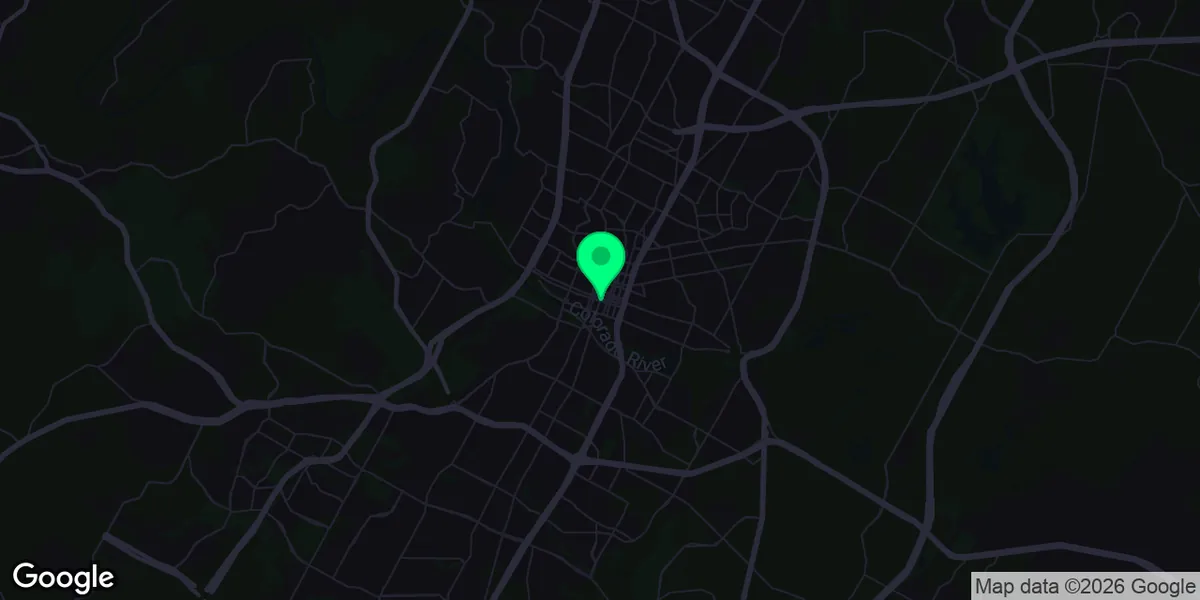
Map of Austin, TexasAustin, Texas
I like seeing them turn on, night after night. Security guards that never quit.
Leah
5 scorpions detected
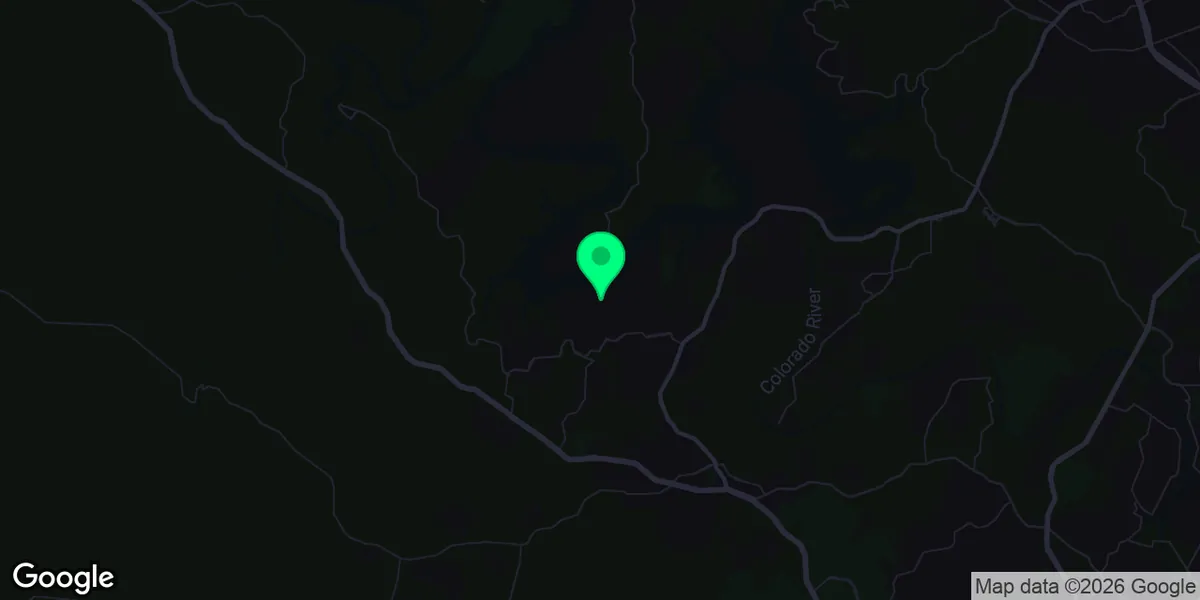
Map of Dripping Springs, TexasDripping Springs, Texas
The Scorpion Detectors are very easy to set up with the app and they work very well.
Rafael
6 scorpions detected
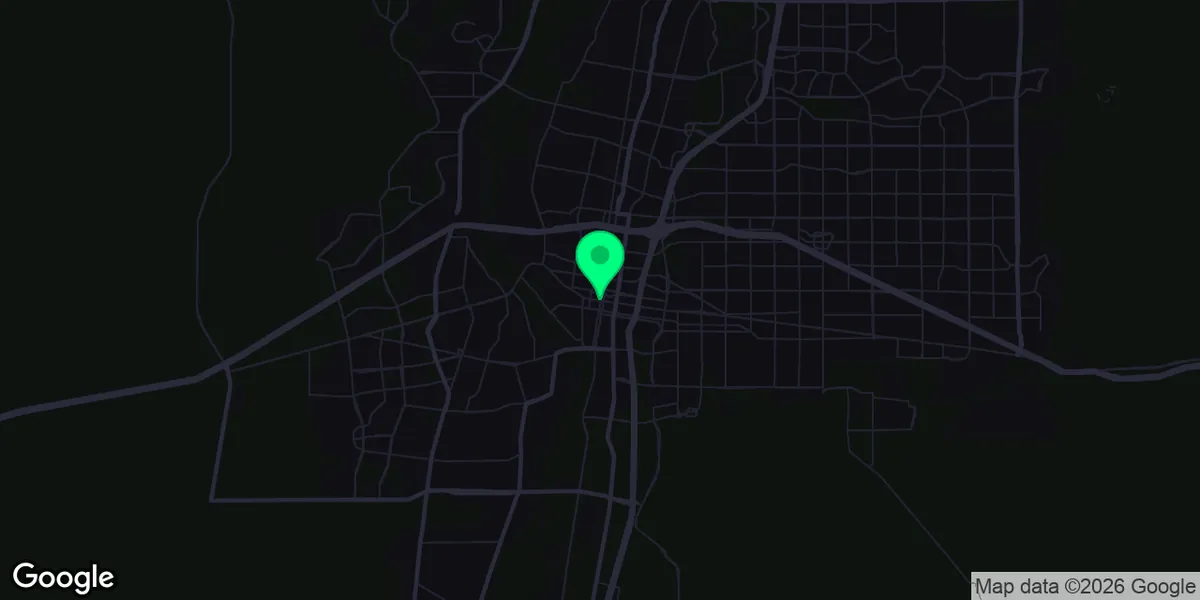
Map of Chandler, ArizonaChandler, Arizona
Much better than those disgusting sticky traps.
Danielle
9 scorpions detected
Common questions

Frequently asked questions

How can I tell if a scorpion sting is serious or just painful?

Most stings cause local symptoms like burning pain, redness, mild swelling, or tingling/numbness that may peak in the first hour and slowly improve later in the day. More concerning signs include spreading numbness, muscle twitching, uncontrolled eye movements, drooling, trouble swallowing, repeated vomiting, breathing difficulty, or extreme restlessness. This scorpion sting symptoms to watch guide also notes that young children, older adults, and people with significant medical conditions can have stronger reactions.

I just moved into a Vegas apartment or rental—what should I do about scorpions this week?

Focus on fast, renter-friendly safety steps you can control: reduce floor clutter, shake out clothes/towels, keep beds slightly off walls, and keep kids/pets away from baseboards and stored items. Document every sighting with photos, dates, and exact locations, then request pest control in writing so you have a clear record if the issue persists. For monitoring that doesn’t require nightly blacklight walks, the article outlines perimeter-based approaches and a first-week plan in Vegas rental scorpion first-week plan.

Why does it feel like I kill one scorpion and another one shows up right after?

It often isn’t a “new” scorpion appearing out of nowhere—you may be intersecting with an established outdoor population using the same shelter and travel routes. Homeowners commonly experience clustering (if you saw one, others may be nearby) and “turnover,” where removing one scorpion opens up space for another to move into that micro-area. The section on desert scorpion turnover and clustering explains why one-and-done approaches can feel like they fail instantly and why tracking sightings is more useful than guessing.

I found a scorpion inside—what should I do right now, and how do I prevent more?

Start by keeping your distance, protecting hands and feet (especially at night), and keeping kids/pets away—don’t handle a scorpion to “test” its pincers or try risky close-up ID. To cut repeat sightings, focus on quick wins like decluttering edges, sealing obvious gaps, and reducing insect prey and moisture sources. For peace of mind at night, perimeter monitoring can help because scorpions commonly travel along room edges, and UV-based detection can provide photo-verified alerts; here’s what to do after spotting scorpions.

When does scorpion season start in Arizona in 2026?

In Arizona, “scorpion season” usually starts when nighttime temperatures warm up enough for more consistent activity, which homeowners notice most after dark along baseboards and thresholds. In 2026, people are reporting February sightings—about two months earlier than the typical April “panic” timeline—likely tied to milder winter nights. Even if you haven’t seen one yet, you can still be “in season” because scorpions are nocturnal and tend to stay tight to room edges, as outlined in this Arizona scorpion season start guide.

What do I do if setup fails or my Detector shows offline?

Start with the most common causes: you may be trying to join 5GHz instead of 2.4GHz, your Wi‑Fi password may be mistyped, or the signal may be too weak where it’s plugged in. Refresh the device list, rerun setup, and temporarily move the Detector closer to the router to rule out coverage issues; also note that some real-time status features can require your phone to be on the same Wi‑Fi. This Scorpion Detector offline troubleshooting guide ends with when to update Wi‑Fi settings and what to send support if the problem persists.