
















Knowledge Base

Prevention

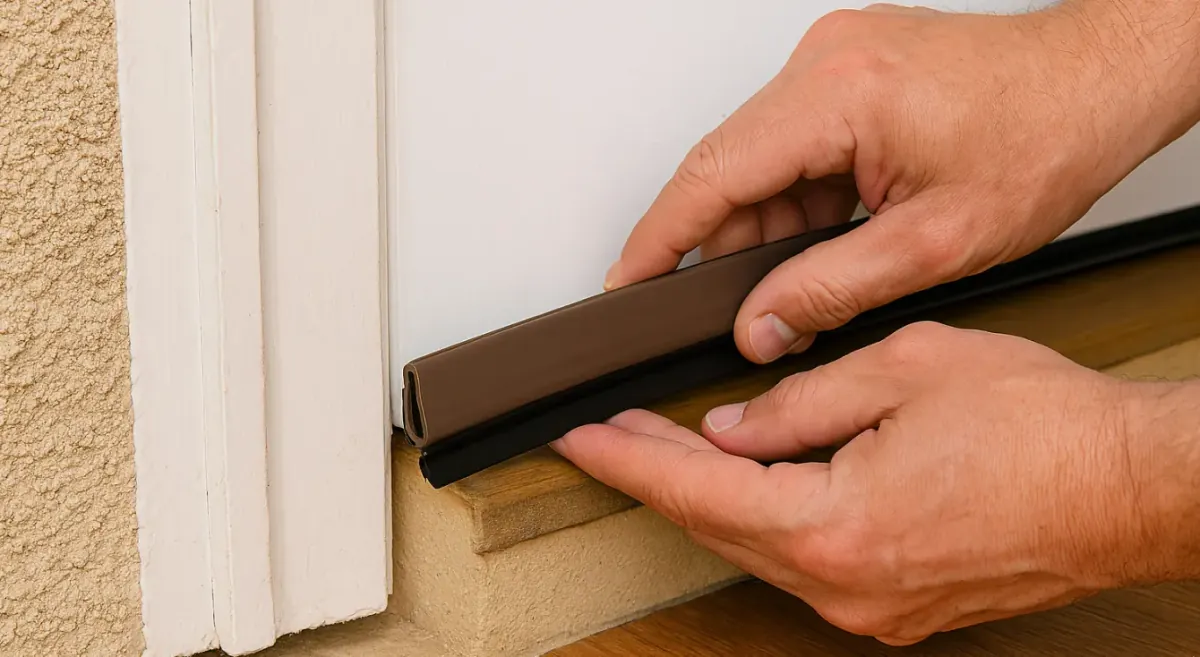
Sealing, repellents, products, and room-by-room scorpion-proofing strategies that actually work.
What is Scorpion Alert?

Get instant alerts when scorpions are detected in your home

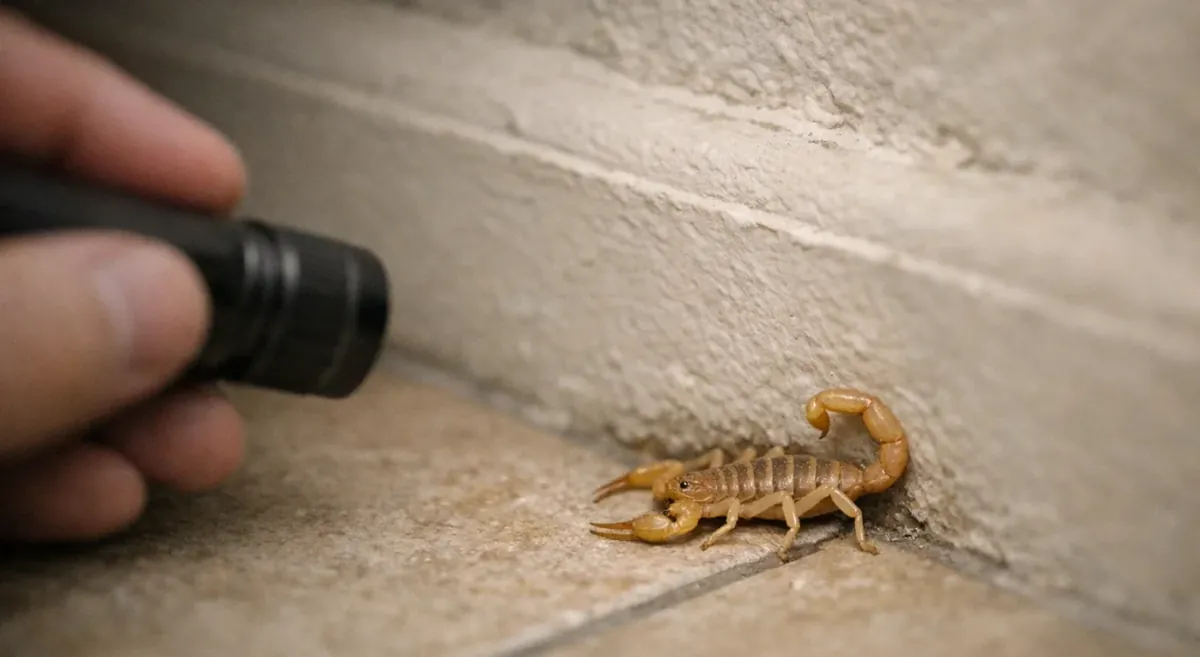
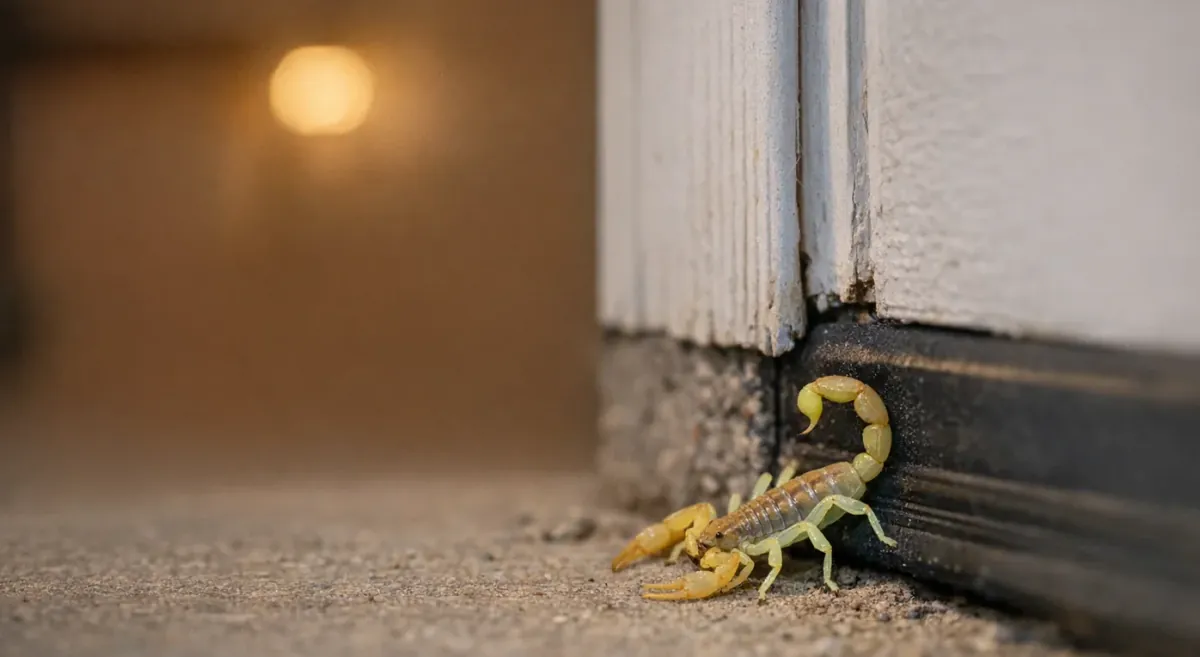
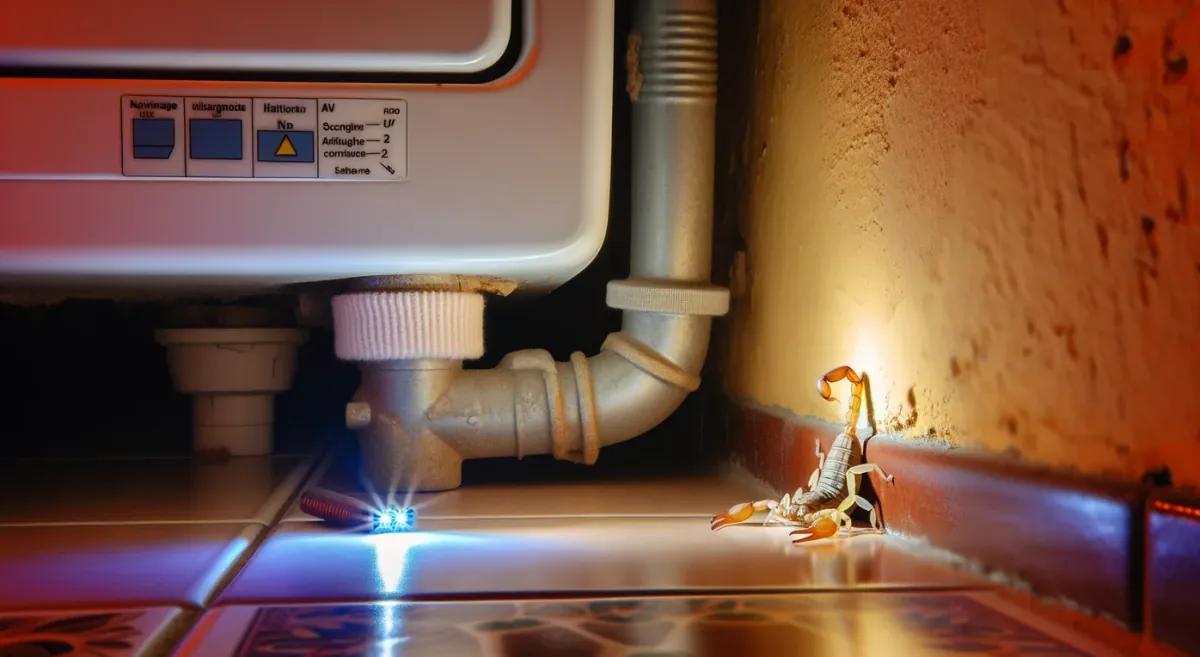
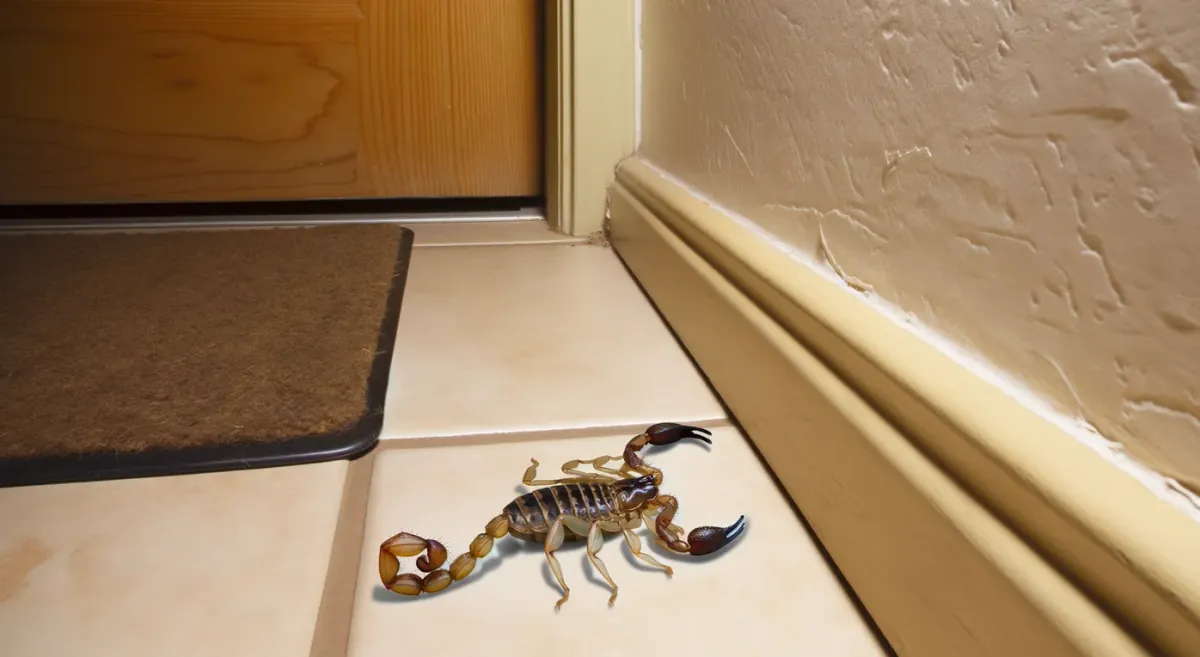
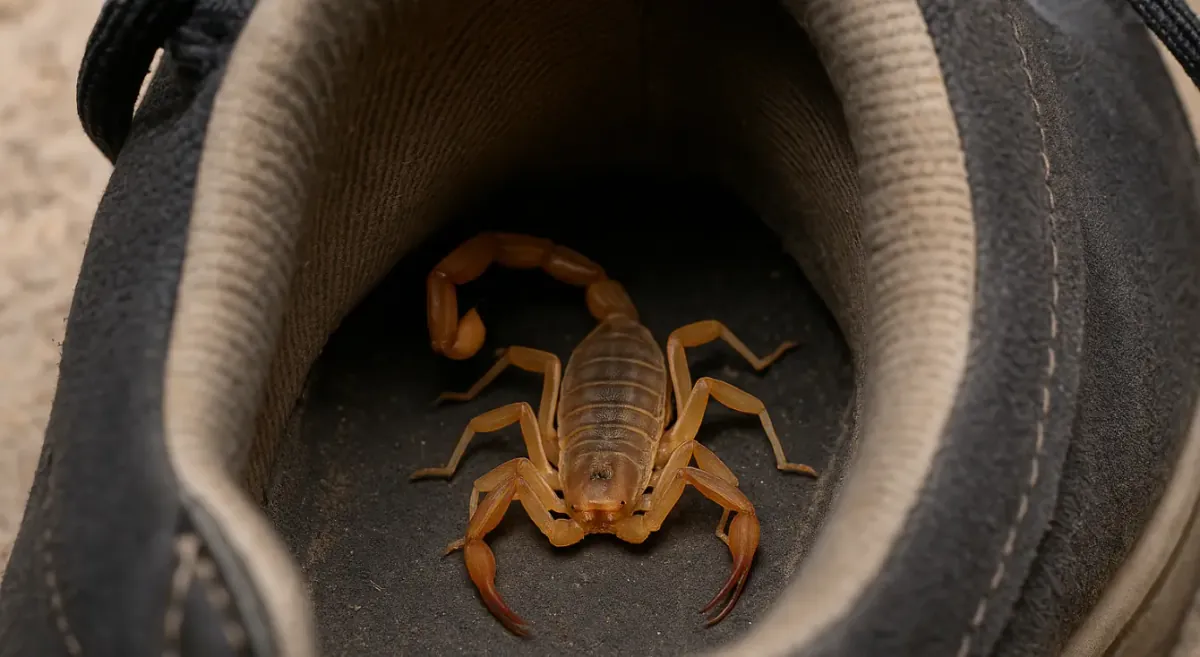
Scorpion Detectors watch over your home at night, when scorpions are most active. The moment a scorpion crosses one, you get a phone alert — so you can act before it makes a home out of your shoe, bed, laundy basket, or anywhere else.
  • Detectors arrive ready to plug in
  • Live alerts go straight to your phone or watch, with location
  • Alert multiple family members with a single account
  • One flat monthly monitoring fee — no contract, cancel anytime
Get Scorpion Alert
From our customers

What homeowners are saying

Map of Spicewood, TexasSpicewood, Texas
It’s really easy to use. You just plug them in, set them up with your phone, and you’re done. We caught 4 scorpions already.
Carmen
6 scorpions detected
Map of El Paso, TexasEl Paso, Texas
Our 1 year old got stung in a room we never would have expected to find a scorpion. We ordered 5 scorpion detectors the next day.
Amanda
11 scorpions detected
Map of Fountain Hills, ArizonaFountain Hills, Arizona
The mobile app is great, very easy to use. The pictures in the alerts are very helpful (and creepy).
Mrudul
7 scorpions detected
Common questions

Need quick answers?

Why do scorpions hide during the day, and what does it mean if I see one in daylight?

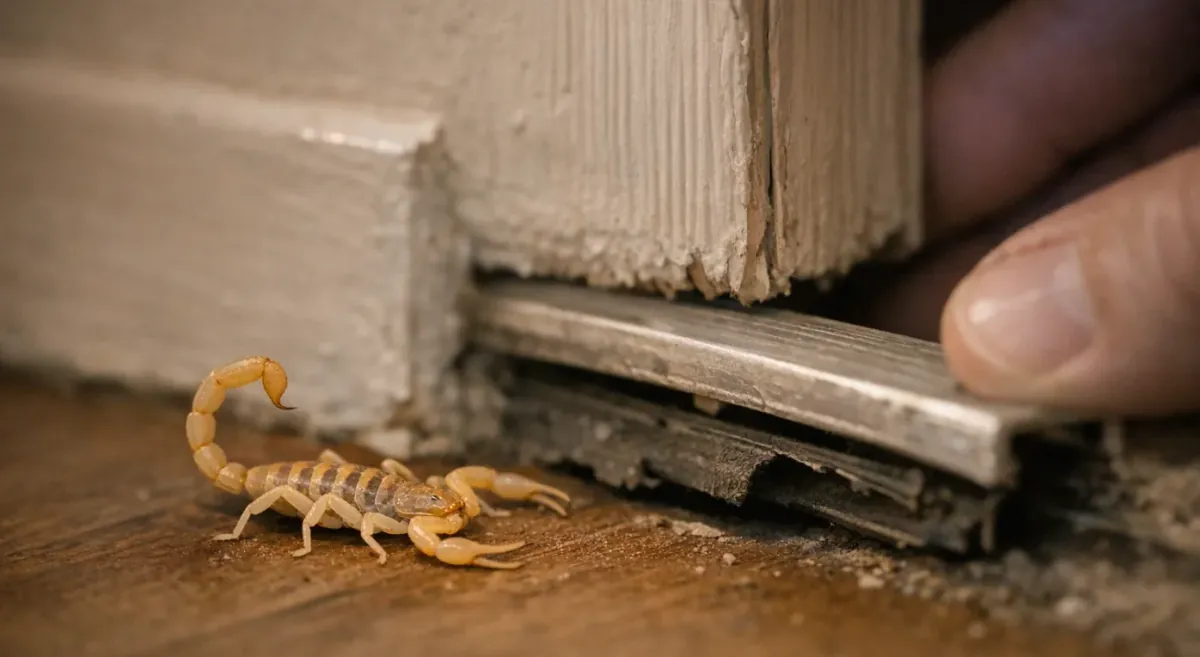
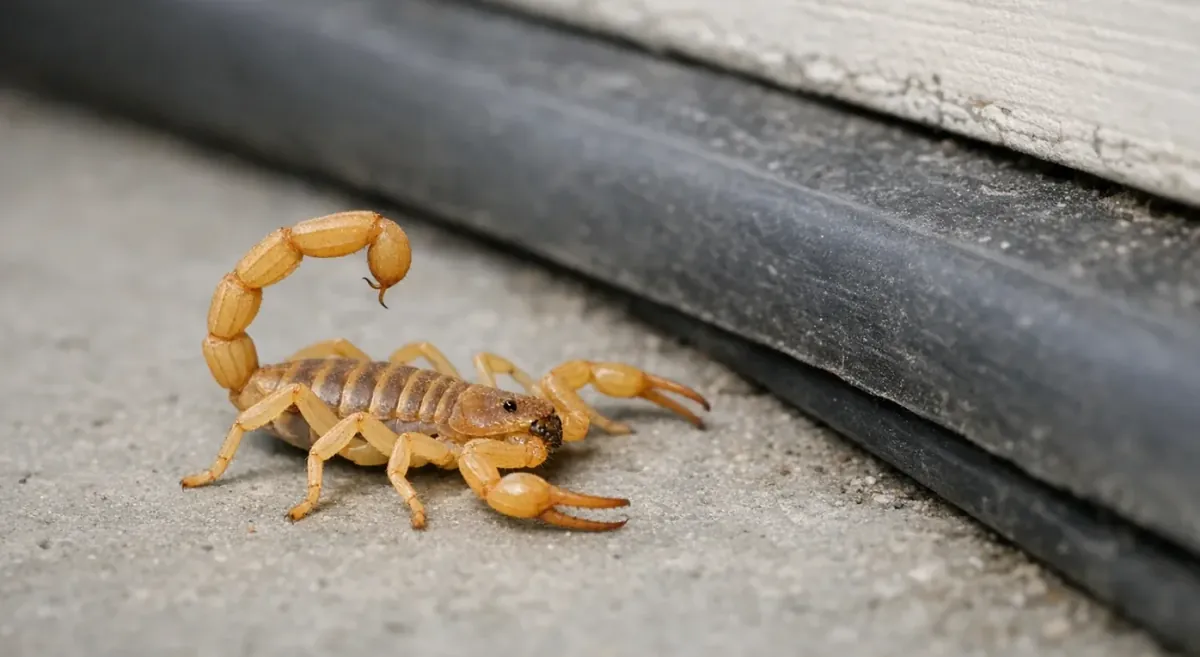
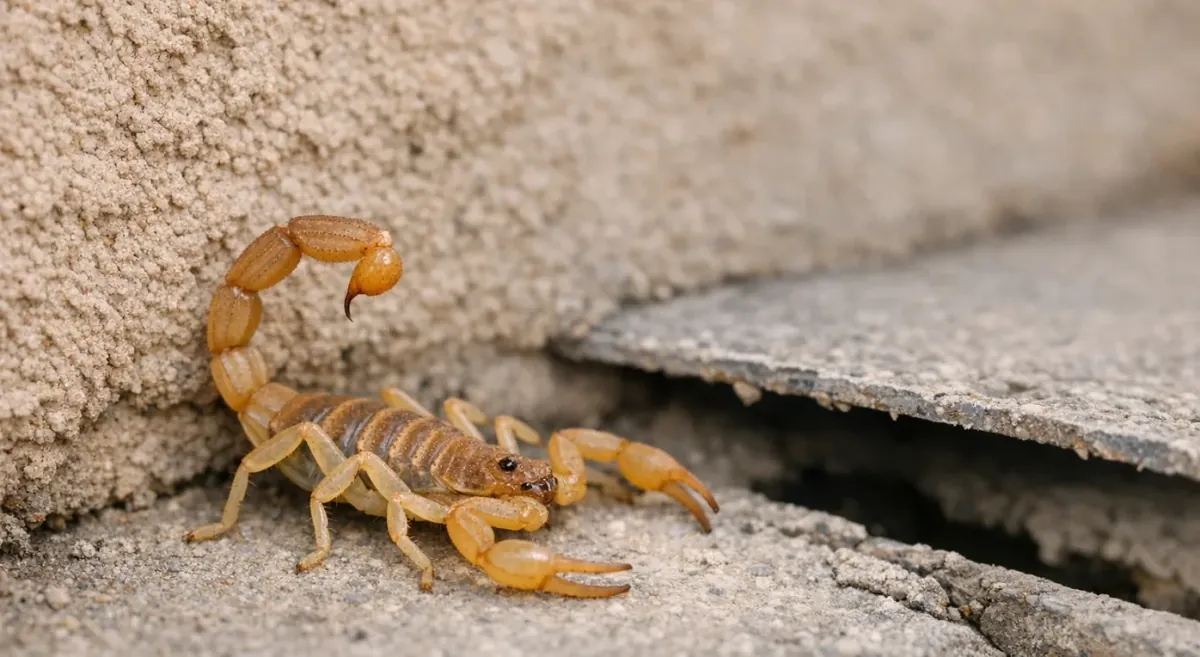
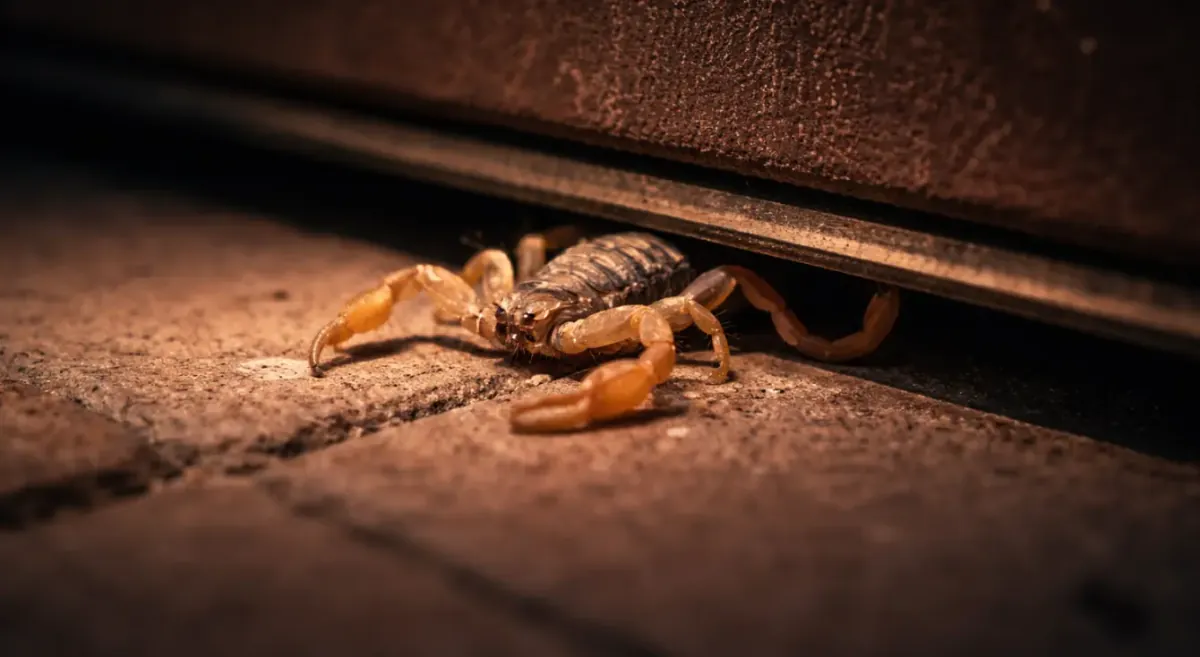
Scorpions are nocturnal, so daytime is usually for resting in cool, dark, tight “micro-habitats” along edges like baseboards and under clutter. A daylight sighting doesn’t automatically mean an infestation, but it often suggests you disturbed (or are very close to) a nearby hiding zone worth inspecting right away. This guide on where scorpions hide during the day explains what makes a spot “perfect” and how to use the exact sighting location to predict where they’re sheltering.

What symptoms mean I should go to the ER right now after a scorpion sting?

Go to the ER for neurologic or whole-body symptoms like uncontrolled twitching, abnormal eye movements, trouble swallowing/drooling, confusion, spreading numbness, or severe agitation—especially if symptoms worsen after briefly improving. Adults should also treat breathing trouble, chest pain, irregular heartbeat, repeated vomiting, or severe shaking as ER-level concerns. Use this scorpion sting ER symptoms checklist to quickly decide between ER, urgent care, or home monitoring.

Are scorpions common in Apache Junction, AZ?

Yes—scorpion sightings are a normal part of life in Apache Junction, especially in neighborhoods near desert edges and areas with rock landscaping, block walls, and irrigated yards that support the insects scorpions feed on. Many “surprise” indoor sightings are really a sign of local insect pressure and easy entry points rather than a mysterious sudden infestation. For what’s typical locally and why reports cluster where they do, see this Apache Junction scorpion activity guide.

Are scorpions in my Arizona apartment considered a habitability issue?

In Arizona rentals, scorpions can be more than a nuisance because stings (especially from bark scorpions) can pose real safety risks, particularly for kids. A practical threshold is repeated indoor sightings, any stings, and/or finding baby scorpions—signs that point to an ongoing problem rather than a one-off. This is general education (not legal advice), and the Arizona rental scorpion habitability guide explains what to watch for and how to frame the issue as a safety concern.

How can I tell if scorpions are inside without doing a blacklight search every night?

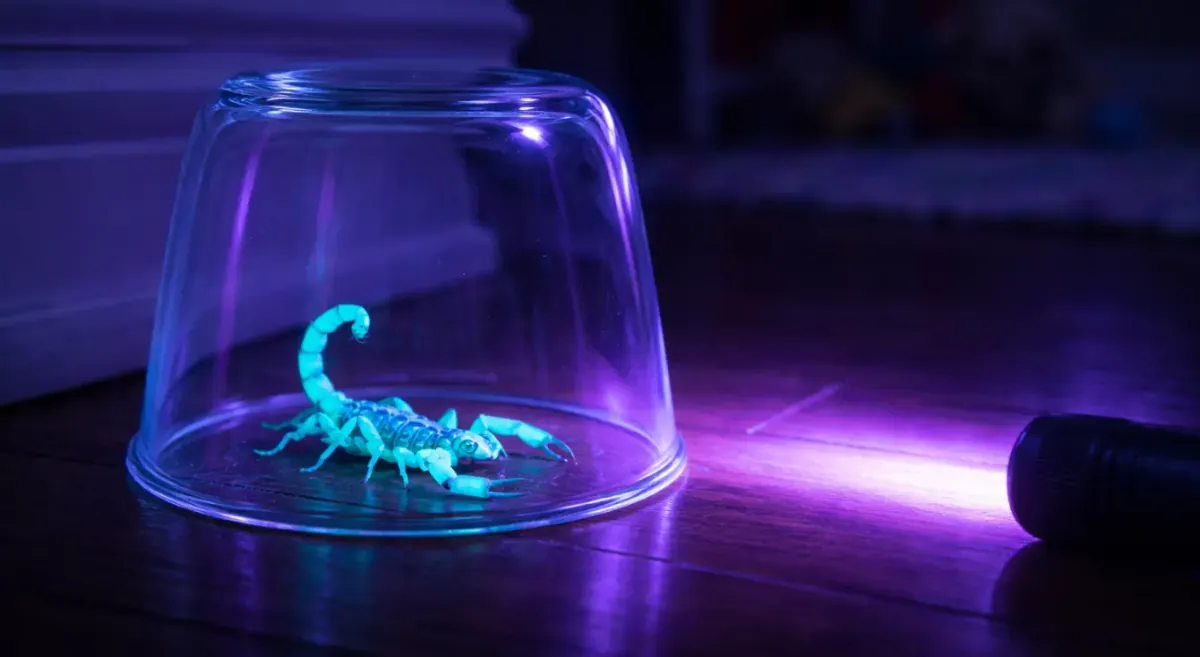
A reliable approach is perimeter-based monitoring, because scorpions often travel along edges like baseboards, thresholds, corners, and the garage-to-house entry rather than crossing open floors. Checking high-probability routes near water sources (bathrooms/laundry) and cluttered storage zones improves your odds while reducing stress and guesswork. The article also explains automated overnight options that can capture photo-verified activity in how to monitor scorpions indoors.

How do I tell if a scorpion in my house is an Arizona bark scorpion in Nevada?

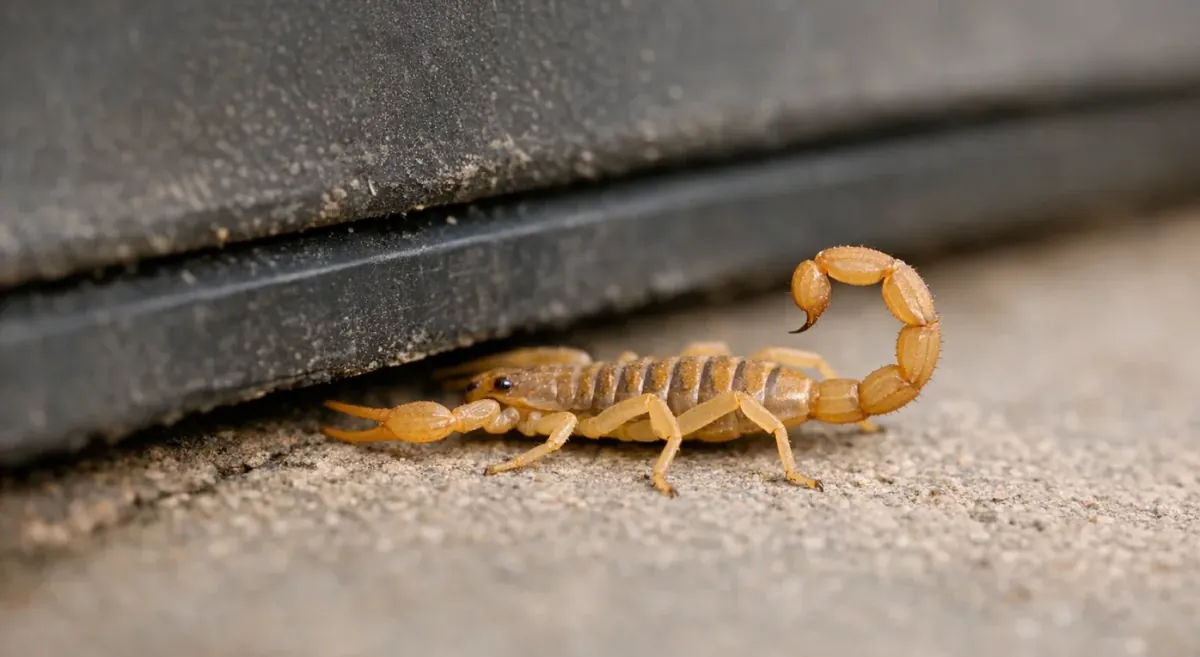
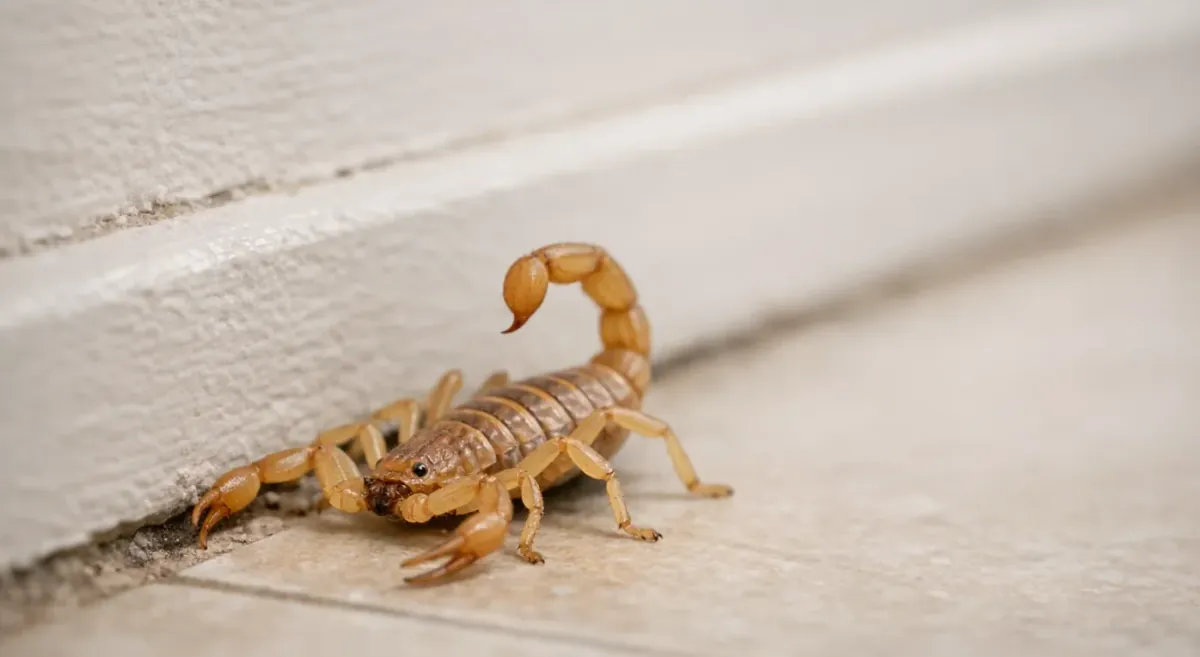
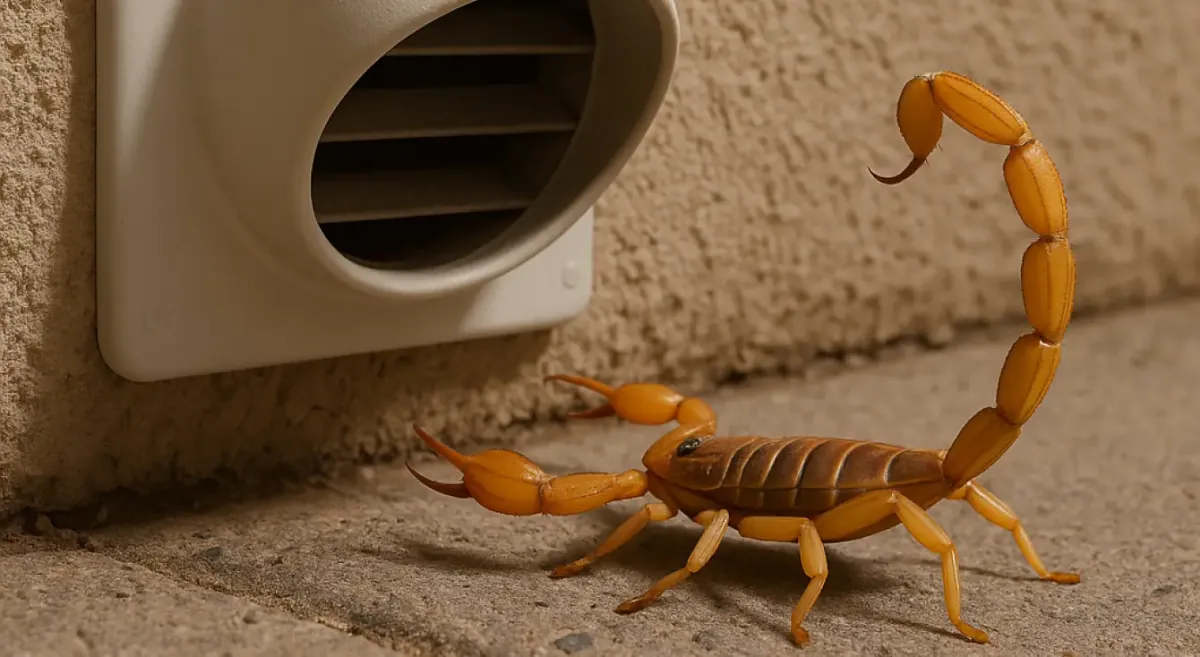
Arizona bark scorpions are typically pale yellow/tan with a slimmer body and tail and thinner pincers, but color alone isn’t enough—there are lookalikes, so a simple checklist helps. In southern Nevada (especially Clark County), they’re often found in block walls, rock piles, garages, and bathrooms, and aren’t limited to ground level. This Nevada Arizona bark scorpion identification section also explains why their stings get extra attention and what to do after a suspected sting.

Got questions about scorpion detection?