Do chickens really hunt and eat scorpions?
Picture this: you're scrolling through Reddit at midnight, worried about the scorpion you just found in your bathroom. Someone comments, “Get chickens! They’ll demolish every scorpion in your yard!” The thread explodes with upvotes and stories of heroic hens. But before you rush to the feed store, let’s talk about what chickens actually do.
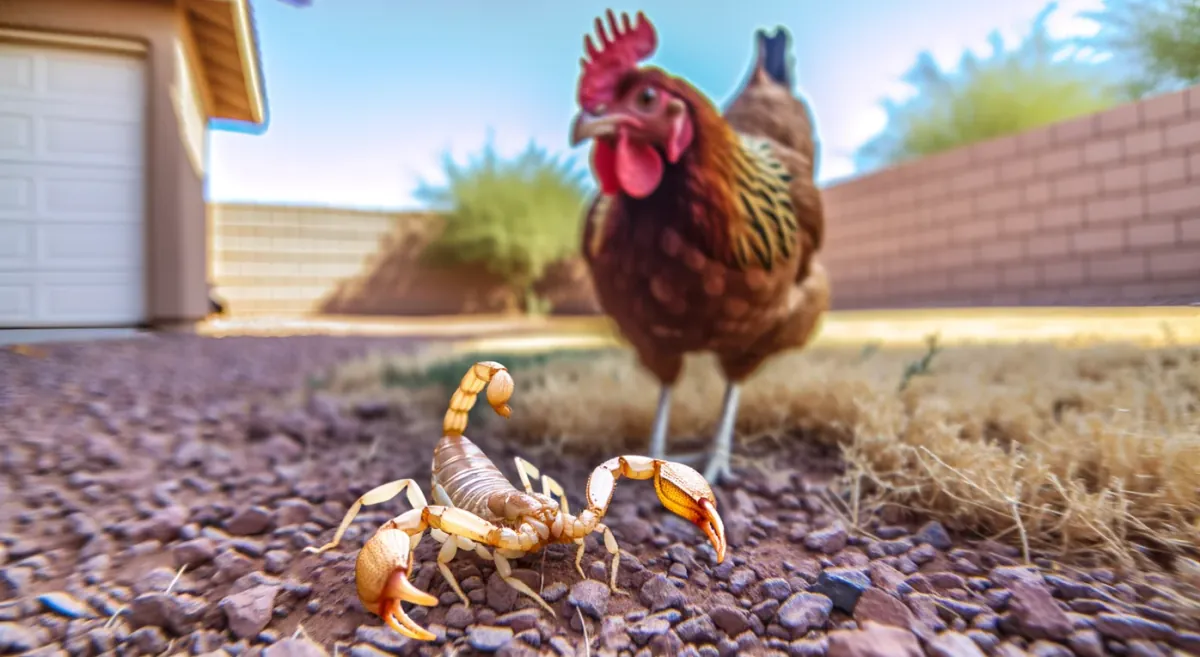
Yes, chickens will eat scorpions when they find them. They’ll also devour crickets, roaches, beetles, and just about any bug that moves. That’s the beauty of chickens — they’re relentless foragers who spend their days scratching, pecking, and hunting. But here’s the reality check: scorpion encounters aren’t guaranteed daily entertainment. Your flock might go weeks without finding one.
Why chickens act like tiny daytime pest-control robots
Chickens don’t need motivation to hunt. From sunrise to sunset, they’re driven to scratch the ground, flip leaves, and investigate every corner of their territory. Watch a chicken for five minutes and you’ll see the pattern: scratch, scratch, peck, move, repeat. They’re methodical.
Unlike sticky traps you have to check and replace, or pesticides you spray monthly, chickens just keep working. No batteries required. No subscription fees. They’re especially thorough along fence lines, under bushes, and around garden beds — exactly where insects hide during the day. Every cricket they catch is one less meal for a hungry scorpion.
The underrated win: chickens eat the scorpion's food
Here’s what most people miss: the indirect benefit often matters more than the occasional scorpion snack. Chickens excel at eating the bugs scorpions hunt. Fewer crickets hopping around your yard means less food available for scorpions. Less food means fewer reasons for scorpions to stick around.
In a typical Southwest backyard, chickens target roaches, crickets, earwigs, beetles, and grubs. These are the exact insects that draw scorpions close to homes. Think of it as breaking the food chain at its base. Your chickens might never catch a single scorpion, but if they’re clearing out hundreds of prey insects each week, they’re still reducing scorpion pressure. It’s ecosystem management, backyard style.
Is a scorpion sting dangerous to a chicken?
Chickens can get stung, and outcomes vary widely. Most adult chickens shake off a sting with minimal fuss — they might seem uncomfortable for a few hours, then return to normal. But smaller birds and young chicks face higher risk. An Arizona bark scorpion sting that barely bothers a full-grown hen could seriously harm a bantam or chick.
Don’t count on your chickens to be scorpion warriors. If you notice a bird acting lethargic, refusing food, or showing signs of distress after a possible sting, contact a vet immediately. The goal isn’t to turn chickens into scorpion fighters — it’s to let them reduce the overall bug population while they go about normal foraging.
If I get chickens, will my scorpion problem go away?
Let’s address the fear behind this question honestly. Chickens can be excellent yard defenders, but they won’t eliminate your scorpion problem. Why? Timing is everything, and chickens keep banker’s hours.
The daylight vs. nighttime mismatch (when scorpions actually roam)
Your chickens clock out right when scorpions clock in. As dusk approaches, chickens head to their roost and settle in for the night. Meanwhile, scorpions emerge from their hiding spots to hunt. This schedule mismatch is the fundamental limitation of relying on chickens for scorpion control.
Scorpions do most of their traveling, hunting, and home invasion between sunset and sunrise. By the time that bark scorpion decides to explore your patio or slip under your door, your chickens have been asleep for hours. They’re great at reducing daytime insect populations, but they’re off duty during prime scorpion time.
Why chickens can't protect your baseboards, nursery, or bed
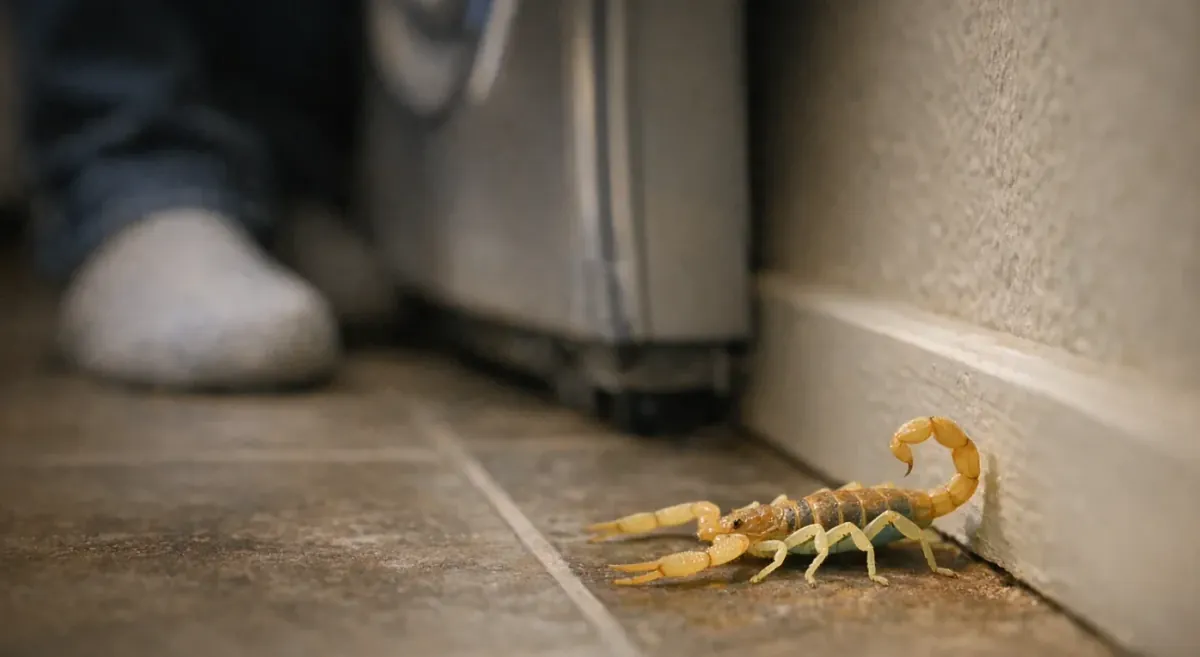
Even the most dedicated yard patrol can’t stop a determined scorpion from finding a crack in your home’s defenses. Scorpions slip through gaps as thin as a credit card. They travel along baseboards and can even climb walls to reach upper floors.
Your chickens might clear every cricket from your backyard, but they can’t follow a scorpion through a gap under your door or through unsealed AC vents. Once a scorpion enters your home, it becomes an indoor problem requiring indoor solutions. Chickens handle the yard. Sealing handles the perimeter. But what about 2 AM when everyone’s asleep?
When chickens help the most (and when they don't)
Chickens shine in specific scenarios. Got a fenced backyard with minimal rock landscaping? Perfect. Your flock can systematically work the accessible ground, reducing insect populations where it counts. The more time they spend foraging, the better the results.
But chickens struggle in yards full of hiding spots. Dense rock landscaping, wood piles, and cluttered storage areas create scorpion sanctuaries your chickens can’t penetrate. Block walls with deep crevices, thick ground cover, and yards already teeming with prey insects can overwhelm what a small flock can manage. Know your yard’s limitations before expecting miracles.
Is keeping chickens in the desert actually practical (and legal)?
Before you build that dream coop, let’s talk desert reality. Chickens can thrive in the Southwest, but success takes planning beyond cute Pinterest coops. Heat, regulations, and predators can quickly turn your “secret weapon” into a costly headache.
Do local rules or my HOA allow chickens?
Start with the law. City ordinances vary widely across the Southwest. Phoenix allows up to 20 hens with no roosters — pretty generous compared to many suburbs. But cross into Scottsdale or certain HOA territories, and chickens might be completely banned. Some areas require specific setbacks from property lines or neighbor consent.
Check your exact address with both city code enforcement and your HOA (if applicable) before spending a dime. Nothing ruins the scorpion-fighting chicken dream faster than a cease-and-desist letter or a hefty fine. Many desert communities that seem rural-ish actually have strict livestock restrictions.
Desert heat essentials: shade, water, and airflow
Summer temperatures above 110°F will kill chickens without the right setup. Forget the cute coop aesthetics — in the desert, function rules. Your birds need deep shade all day long, not just a small covered area. Multiple water stations with fresh, cool water are non-negotiable. Some keepers add frozen water bottles or misters during peak heat.
Ventilation matters more than insulation here. Hot, stagnant air in a coop becomes deadly fast. Stressed birds won’t forage actively, defeating your pest-control goals. If your chickens spend summer afternoons panting in the shade instead of hunting bugs, you won’t get the scorpion-reduction benefits you were counting on.
The unglamorous stuff: noise, smell, and poop in extreme heat
Desert heat amplifies every unpleasant aspect of chicken keeping. Droppings that might decompose naturally in cooler climates bake into ammonia bombs in 115°F heat. Plan on cleaning coops and runs frequently — we’re talking every few days in summer, not weekly.
Noise carries far in dry air. Even without roosters, hens announce every egg with enthusiasm. They squawk at cats, complain about heat, and have opinions about everything. Your neighbors will hear them. Place coops thoughtfully, away from bedroom windows and property lines. One noise complaint can end your chicken experiment fast.
Predator-proofing in the Southwest (coyotes, hawks, neighborhood cats)
Desert predators view chickens as convenient fast food. Coyotes can jump six-foot fences easily. Hawks strike from above in seconds. Even neighborhood cats pose threats to smaller birds. That basic coop from the farm store? It’s tissue paper to a determined coyote.
Successful desert chicken keeping requires Fort Knox-level security. Buried wire prevents digging. Covered runs block aerial attacks. Automatic door closers ensure birds lock down at dusk. Hardware cloth beats chicken wire every time. Lose your flock to predators and your scorpion defense plan dies with them.
Are there better 'scorpion weapons' than chickens?
The internet loves a good scorpion predator debate. From guinea fowl to geckos, everyone has a favorite creature they swear by. Let’s look at the real-world trade-offs of these alternative “weapons” — because what works in theory can fail spectacularly in suburban reality.
Guinea fowl: more aggressive… and unbelievably loud
Guinea fowl attack scorpions with genuine enthusiasm. They’re fearless, thorough, and work in coordinated groups. Sounds perfect, right? Here’s what the viral posts don’t mention: guinea fowl are astoundingly, relationship-destroyingly loud. They shriek at everything — cars, dogs, leaves blowing, their own shadows.
If you live on five acres with no close neighbors, guinea fowl might work. In a typical subdivision? You’ll have code enforcement at your door within a week. Consider them rural-friendly but suburb-hostile. Their scorpion-hunting skills mean nothing if you’re forced to rehome them after noise complaints.
Geckos: cheap, quiet, and working the night shift
Mediterranean house geckos cost about $10-20 each and actually hunt when scorpions move — at night. They’re quiet, require no permits, and establish territories around outdoor lights where insects gather. Release a few dozen around your property and they’ll get to work immediately.
But let’s set realistic expectations. Geckos won’t clear your yard overnight. They’re small, eating one insect at a time. They help reduce the overall bug load, but they’re not scorpion specialists. Think of them as affordable night-shift assistants, not miracle workers. Source them ethically from reptile suppliers, not wild-caught.
Ducks and roadrunners: fun to mention, limited as a plan
Ducks get mentioned in scorpion discussions, but they’re not ideal desert pest controllers. They need water features (which attract more pests), don’t forage as aggressively as chickens, and face the same nighttime limitations. Plus, many desert areas restrict duck keeping more heavily than chickens.
Roadrunners? Yes, they eat scorpions. No, you can’t keep them as pets — they’re protected wildlife. The best you can do is make your yard roadrunner-friendly with native plants and water sources. But counting on wild roadrunners for reliable scorpion control is like hoping lottery tickets will fund your retirement.
What's the best layered plan: chickens outside, what about 2 AM inside?
Smart scorpion management isn’t about finding one perfect solution. It’s about stacking defenses that work together. Think of it as building layers of protection, each addressing different weak points in your home’s armor.
Layer 1 (yard): reduce hiding spots and the scorpion food supply
Start where scorpions live and hunt — your yard. Whether you have chickens or not, habitat modification makes a huge difference. Clear those brick piles that have been “temporary” for three years. Trim bushes away from the house foundation. Remove dead leaves and debris where crickets breed.
If you do keep chickens, they’ll amplify these efforts by hunting surviving insects. But even without chickens, simply reducing favorable scorpion habitat pushes them to hunt elsewhere. Fewer hiding spots plus fewer prey insects equals less scorpion activity near your home. It’s not exciting work, but it’s effective.
Layer 2 (perimeter): stop the easy entries before they start
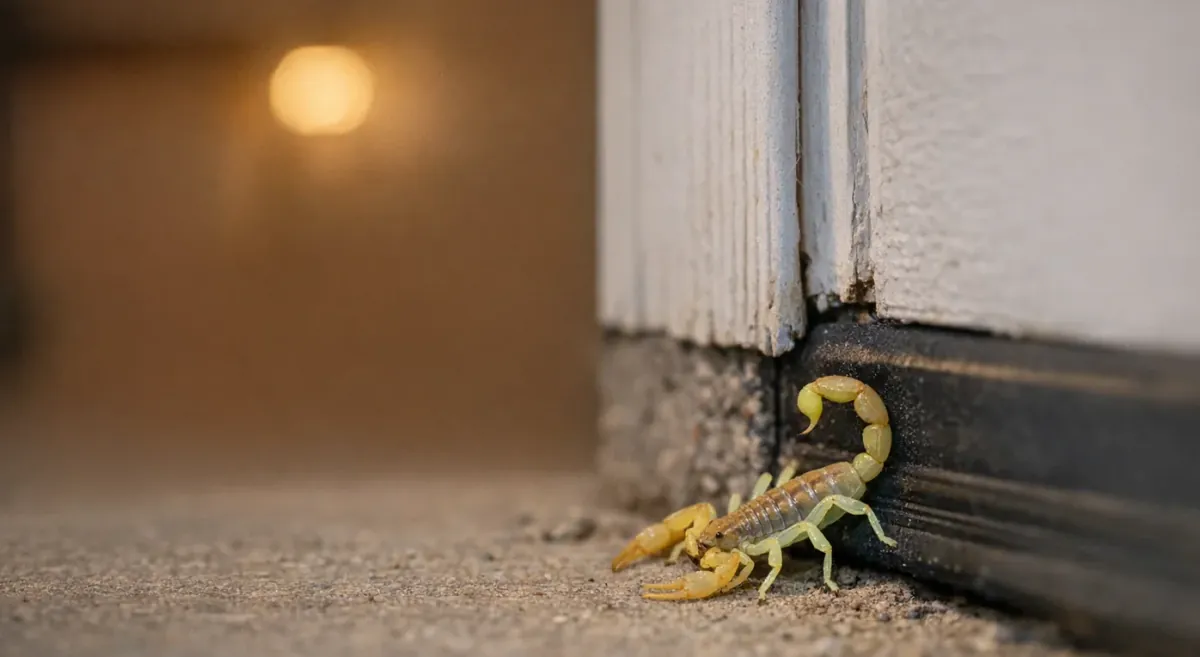
Scorpions think like water — they flow through the smallest gaps. That quarter-inch space under your door might as well be a highway. Weather stripping, door sweeps, and caulk become your best friends. Check where pipes enter walls, where the foundation meets siding, and around window frames.
This isn’t just about obvious entry points. Scorpions can slip through gaps around plumbing penetrations and other overlooked spaces. Think like a scorpion searching for a way inside — where would you squeeze through? Address those vulnerabilities before they become midnight surprises.
Layer 3 (night): get alerted when scorpions are actually active
Here’s where technology fills the gap chickens can’t cover. Scorpion Alert Detectors activate when rooms darken, continuously scanning the floor where scorpions naturally travel. These devices account for scorpion behavior — specifically their tendency to follow walls and edges (thigmotaxis) as they navigate.
Place detectors near entry points and in high-priority rooms like nurseries and bedrooms. When a scorpion triggers detection, you receive a photo-verified alert on your phone within seconds. No more wondering if one slipped inside while you slept. The system runs automatically every night, providing the vigilance that neither chickens nor manual checking can match.
A practical 'panic plan' for the moment you spot one
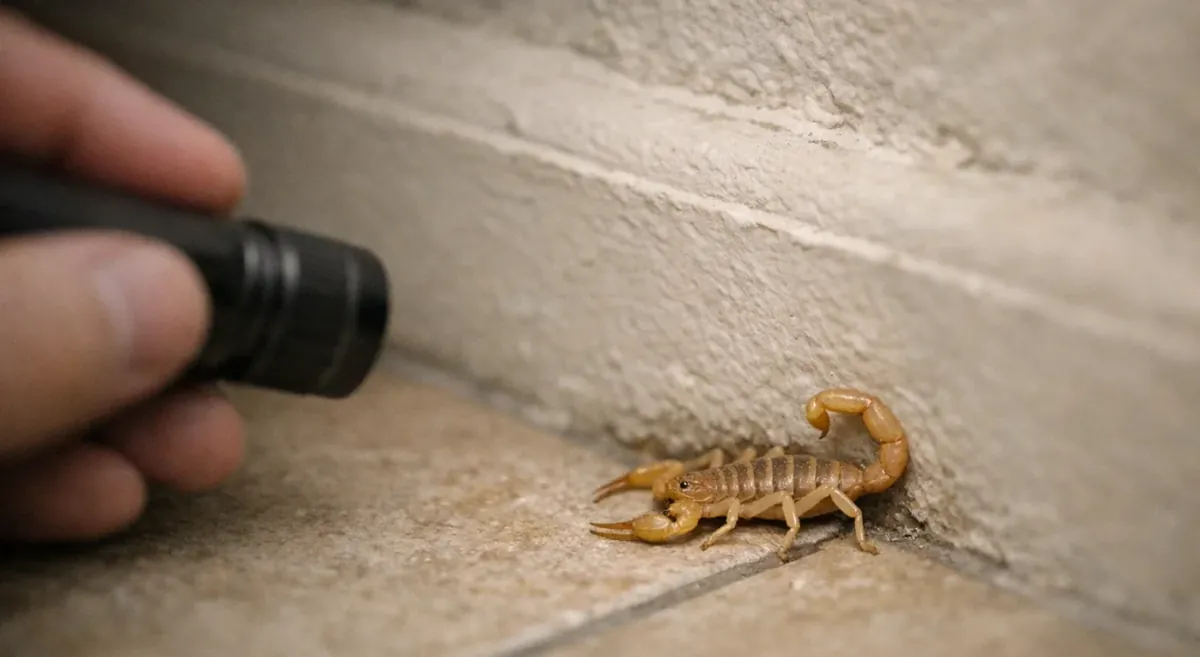
Despite all precautions, you might still encounter a scorpion. Stay calm. Keep visual contact — scorpions move surprisingly fast when motivated. Move children and pets to another room. Grab a UV flashlight and a wide-mouth glass or clear container.
The scorpion’s glow under UV light makes tracking easier if it tries to escape. Place the container over the scorpion, slide cardboard underneath, and carry it outside for release. No crushing, no panic, no pesticides needed. Having a plan eliminates the chaos of midnight scorpion encounters.
Chickens provide valuable daytime pest reduction, but they’re just one layer in a comprehensive defense strategy. Combine their efforts with smart habitat management, thorough sealing, and automated nighttime detection for complete protection. Your chickens handle their shift, and technology covers the night watch.
Chickens can be a surprisingly effective line of defense in the yard, but they can’t patrol every shadowy corner where scorpions hide and wander at night. To add a simple layer of certainty, Scorpion Alert uses 365 nm UV detection to help you spot scorpions where they actually show up—so you can act quickly and keep your desert home safer.