
Knowledge Base

Southwest (regional)

Region-wide Southwest content not tied to a specific state.

Articles

Every post tagged Southwest (regional).
How Scorpion Alert works

Find them before they find you

Plug in your Scorpion Detectors around your home and get instant alerts with the location of the scorpion.
  • Detectors arrive ready to plug in
  • Live alerts go straight to your phone or watch, with location
  • Alert multiple family members with a single account
  • One flat monthly monitoring fee — no contract, cancel anytime
Get Scorpion Detectors
Real homes, real results

Why homeowners trust the system

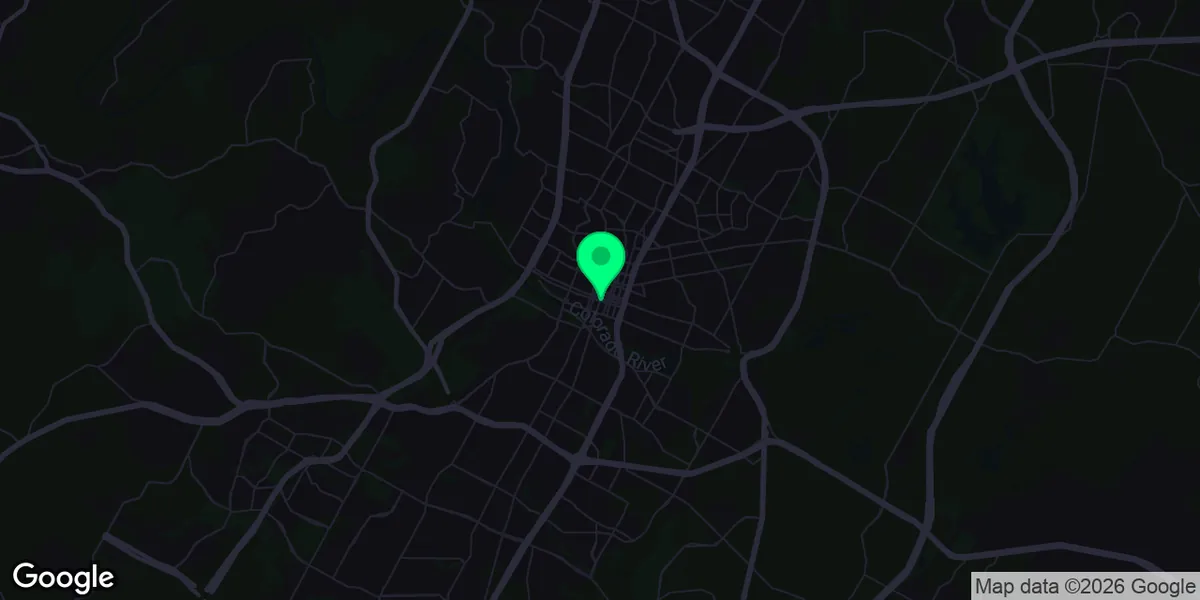
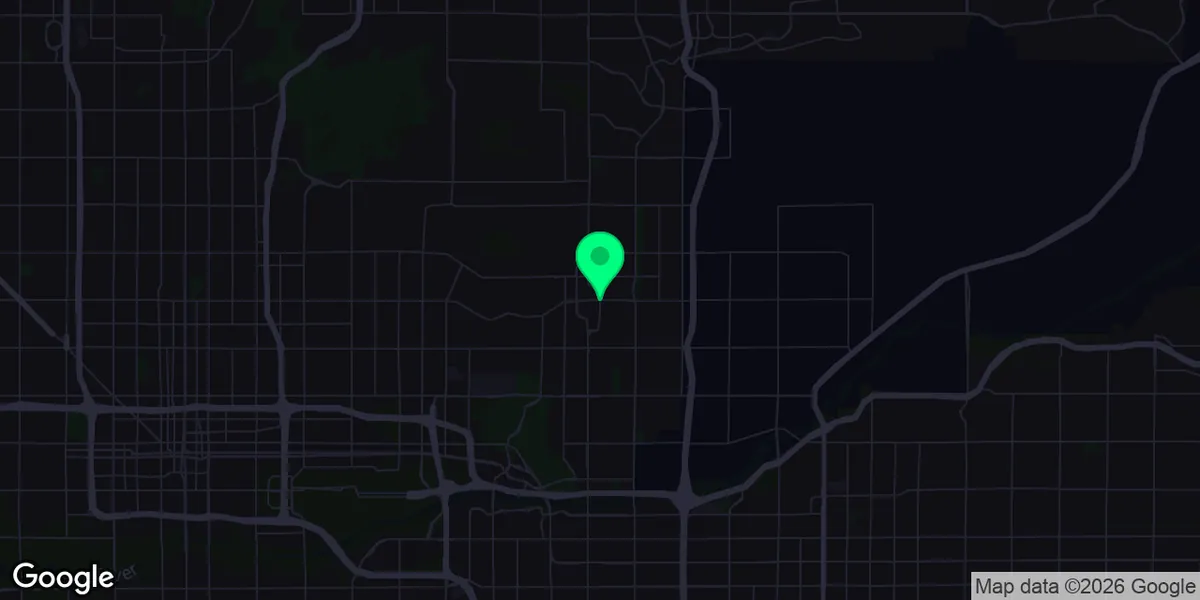
Map of Lakeway, TexasLakeway, Texas
Super easy setup. We just plugged the Scorpion Detectors in, set them up with my phone, and that was it. I love the live feed on my phone to let me know they're always watching.
Paul and Cindy
7 scorpions detected
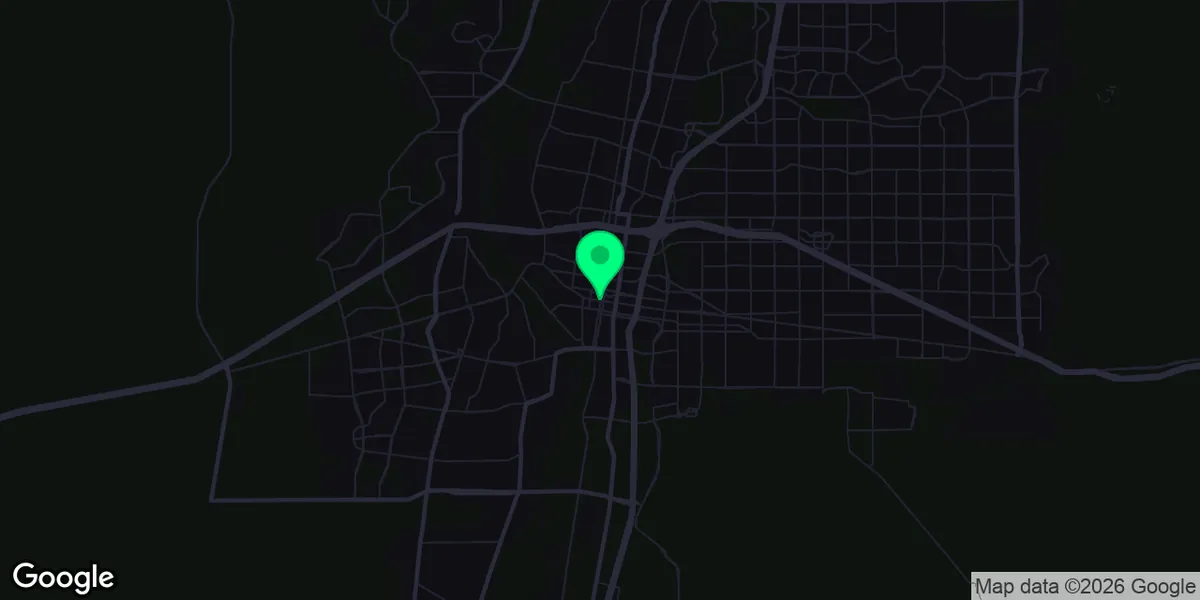
Map of Albuquerque, New MexicoAlbuquerque, New Mexico
We can finally go on offense against these things instead of waiting to find them in our couch and shoes. It really helps us figure out where they're getting in. Love it.
Marcus
18 scorpions detected
Map of Austin, TexasAustin, Texas
We got 2 alerts our first week! These things really work, what a good idea, so easy to use. Much better than sticky traps, thank you so much!
Ajay
2 scorpions detected
Common questions

Need quick answers?

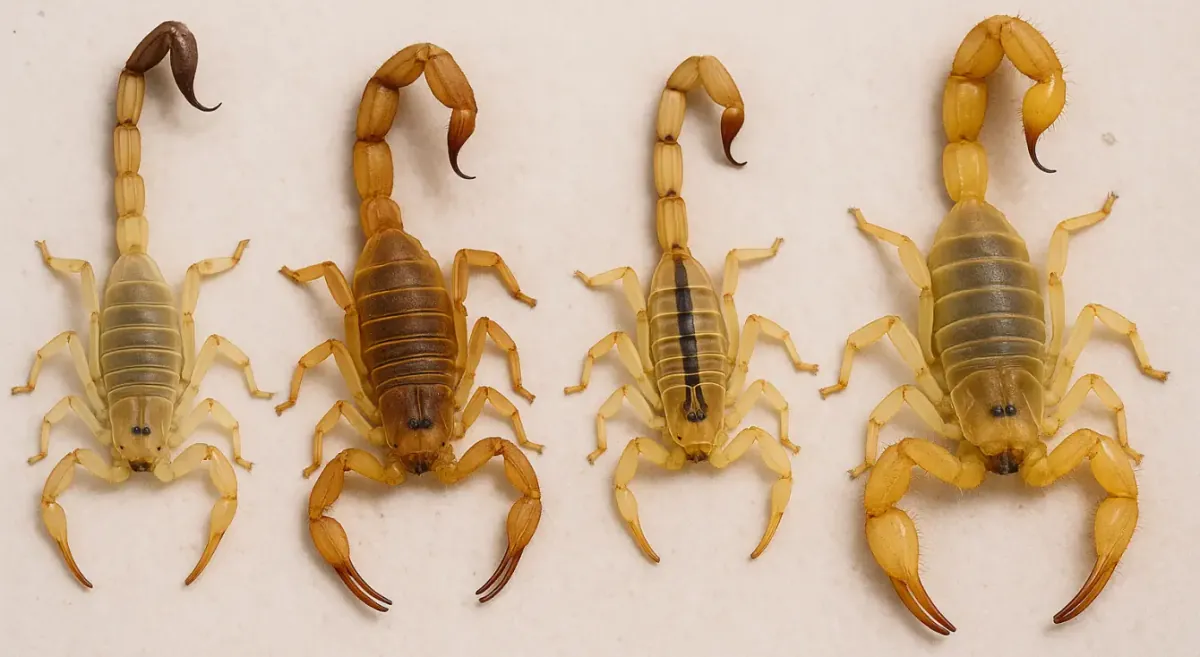
How do I use a scorpion identification chart at home without getting too close?

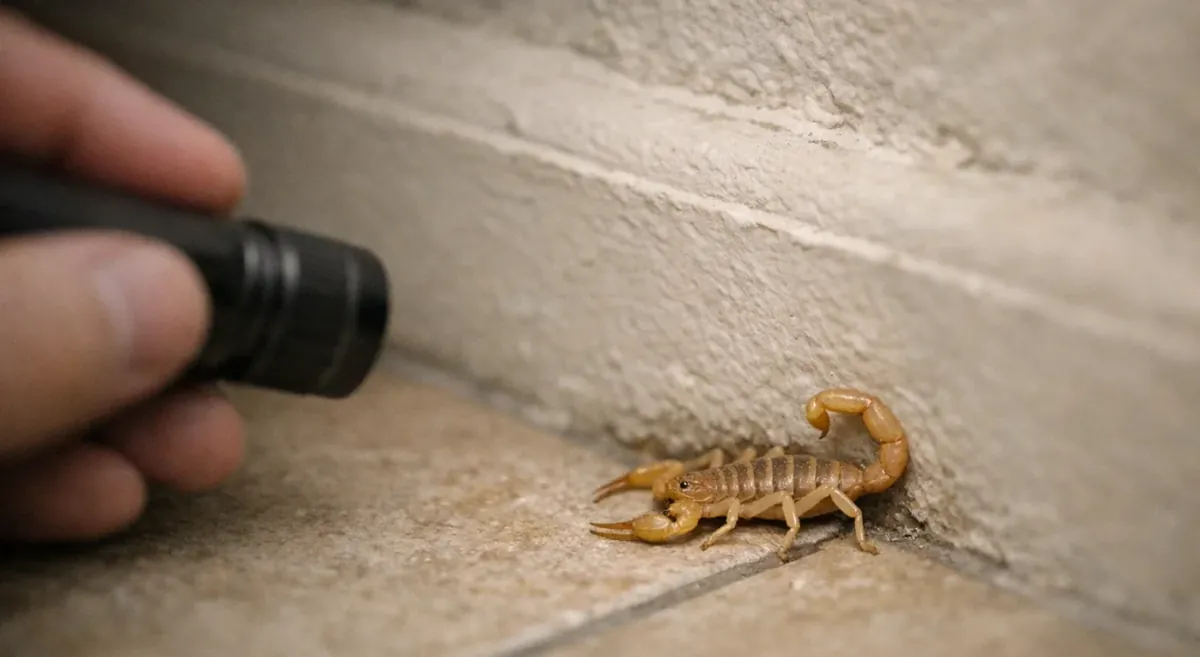
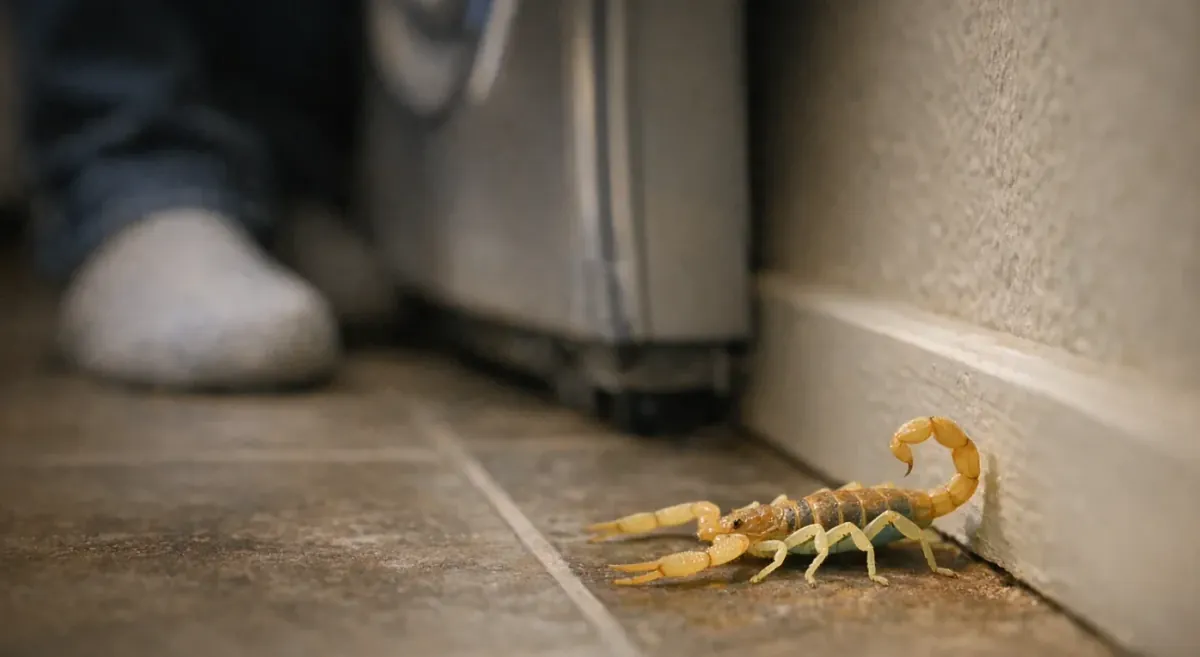
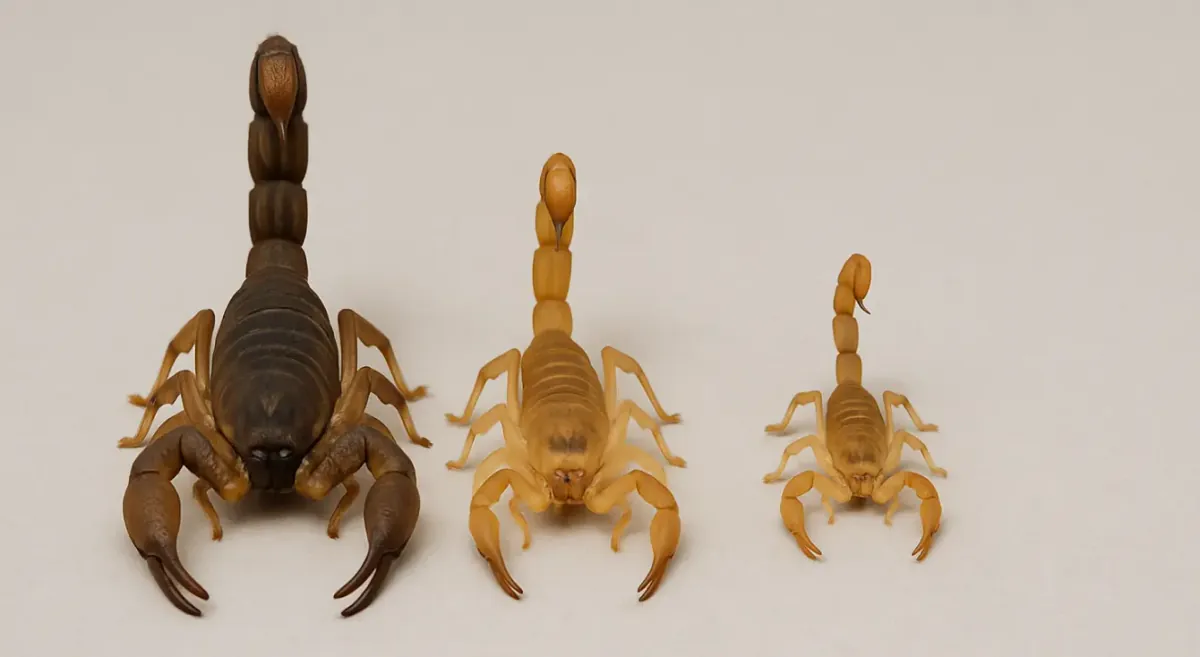
Start by observing from a safe distance, then take a quick photo and note a few traits (pincers, tail thickness, color/pattern, body shape, and where you found it). Climbing behavior can be a helpful clue, but it’s only one data point—focus on shape traits first and don’t rely on size since juveniles can fool you. This step-by-step process is exactly what the how to use a scorpion ID chart walkthrough is designed to make repeatable.

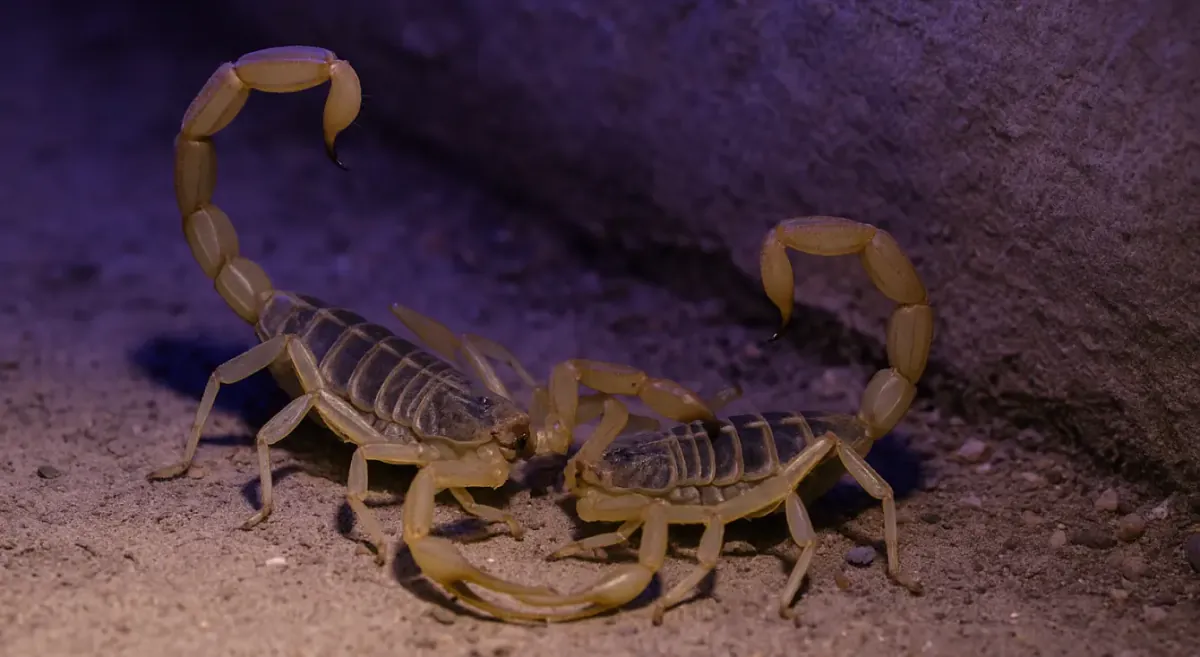
How can I confirm what kind of scorpion it is at night when I can’t see details?

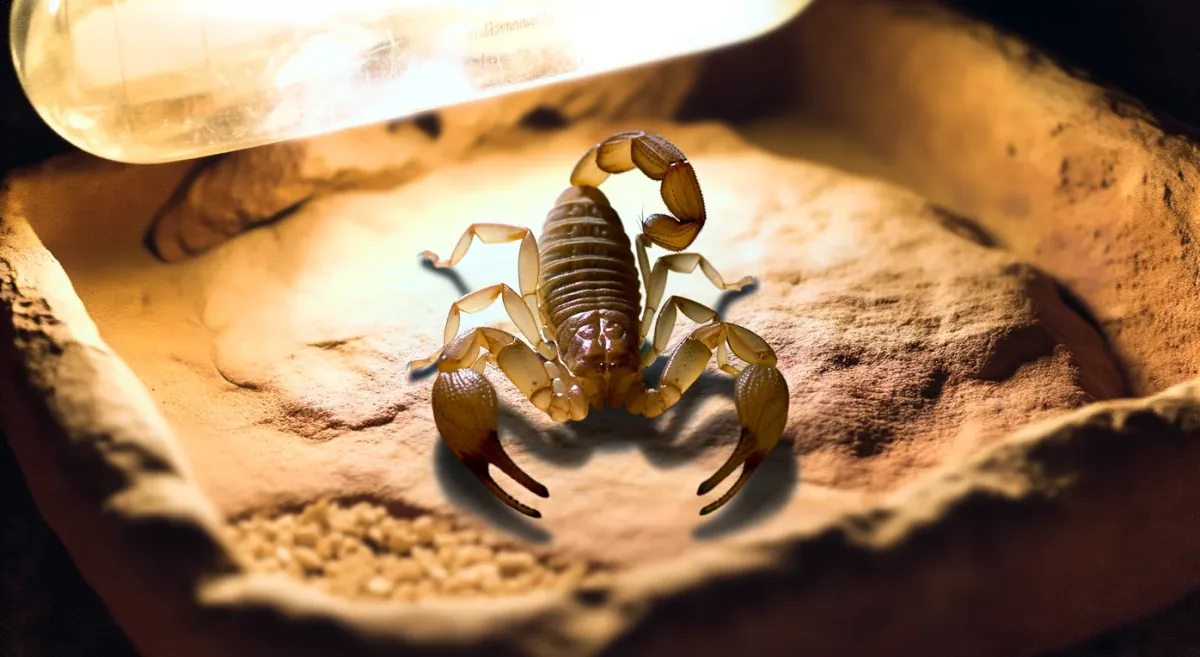
Use UV light to spot the scorpion’s glow first, then switch to normal light (or rely on zoom) to capture color and pattern details from a safe distance. The most useful images are a top-down view, a side profile showing pincers and tail, and a context shot showing where it was found. For hands-off evidence, the UV scorpion detection and photo tips section also explains how automated monitoring can capture timestamped photos while you sleep.

Once I’ve identified the scorpion, what should I do next?

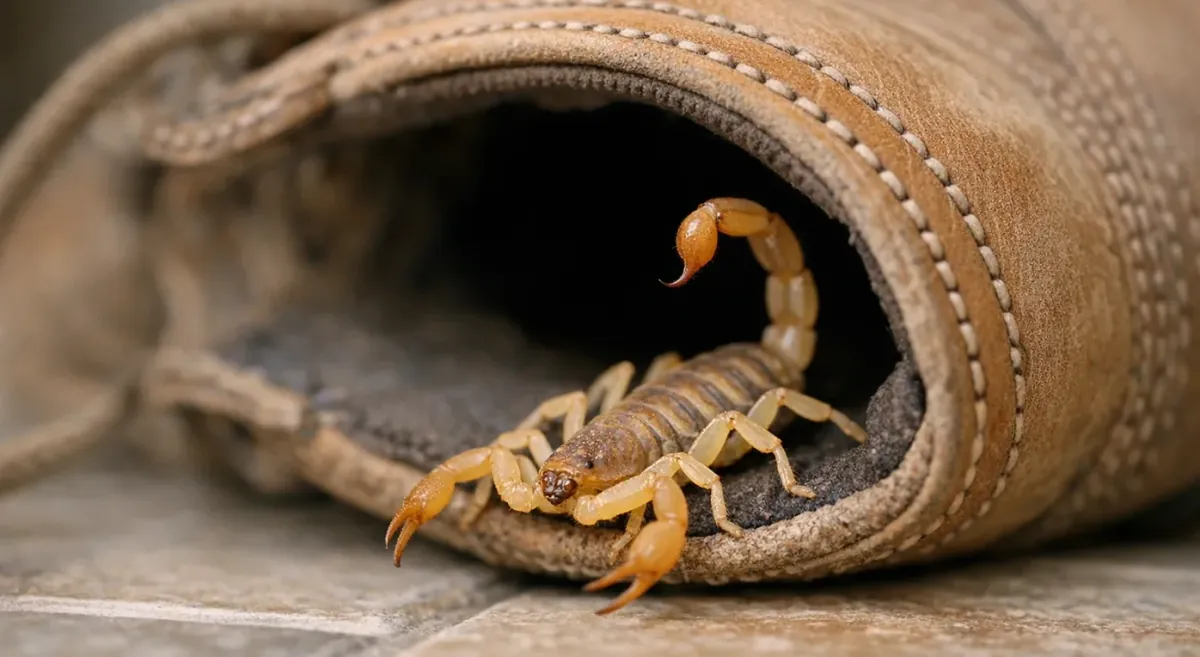
Your next steps depend on how confident you are in the ID and whether it looks bark-scorpion-like (which usually raises urgency for bedrooms, kids’ areas, and pet-level spaces). If you’re unsure, assume it could be medically significant, avoid handling it, and focus on safe containment, documentation, and ongoing monitoring. The what to do after scorpion ID checklist lays out when to escalate—like repeated sightings, sightings in multiple rooms, or any sting in the home.

Got questions about scorpion detection?