









Knowledge Base

Arizona

Articles on Arizona from Scorpion Alert — practical guides, real-world results, and prevention tips for homeowners and pros.

Articles

Every post tagged Arizona.
How Scorpion Alert works

Find them before they find you

Plug in your Scorpion Detectors around your home and get instant alerts with the location of the scorpion.
  • Detectors arrive ready to plug in
  • Live alerts go straight to your phone or watch, with location
  • Alert multiple family members with a single account
  • One flat monthly monitoring fee — no contract, cancel anytime
Get Scorpion Detectors
Real homes, real results

Why homeowners trust the system

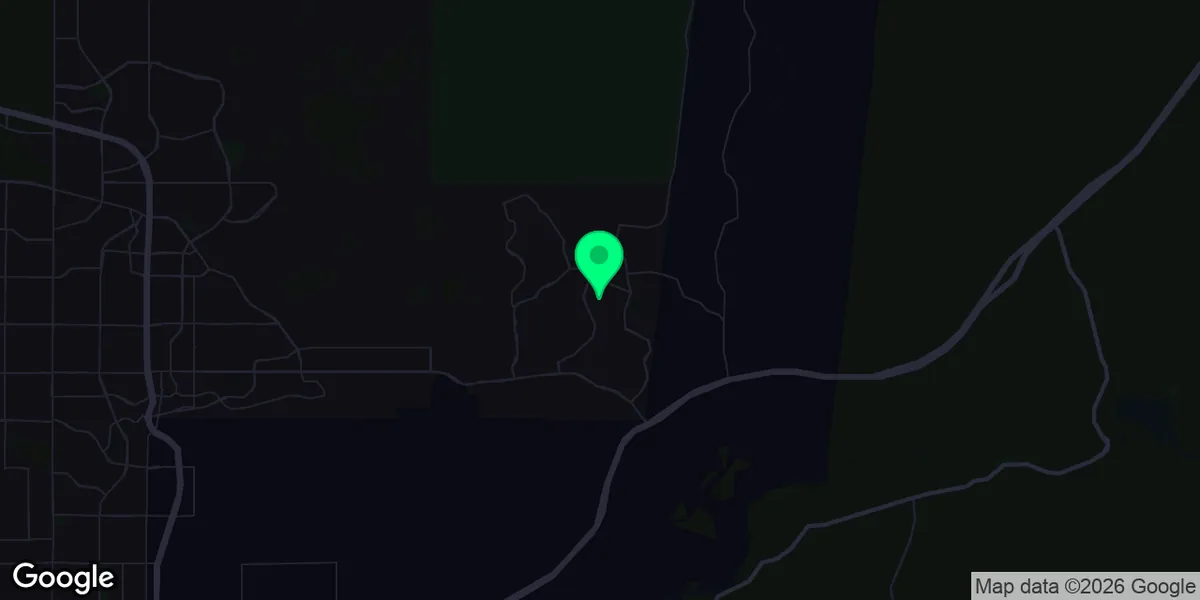
Map of Fountain Hills, ArizonaFountain Hills, Arizona
The picture and location that come with an alert is so helpful in figuring out where the scorpion is going. It usually hasn't traveled very far by the time I get there.
Harrison
12 scorpions detected
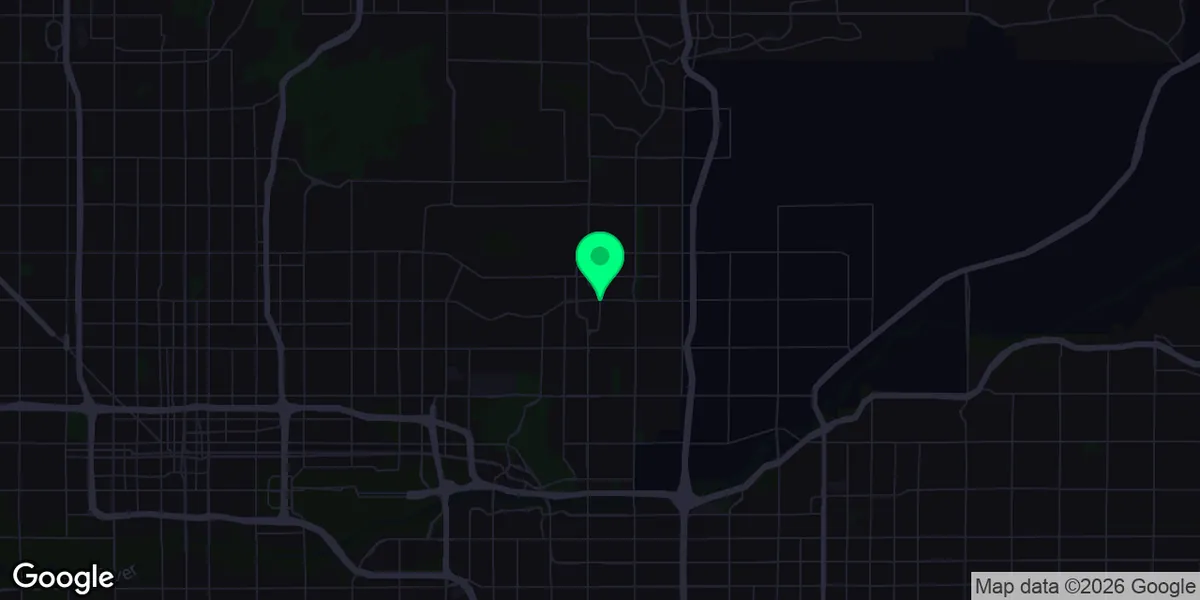
Map of Scottsdale, ArizonaScottsdale, Arizona
Thank you for giving us the peace of mind in knowing these things aren't crawling around in our newborn's room at night and hiding in her toys or clothes.
James and Anna
12 scorpions detected
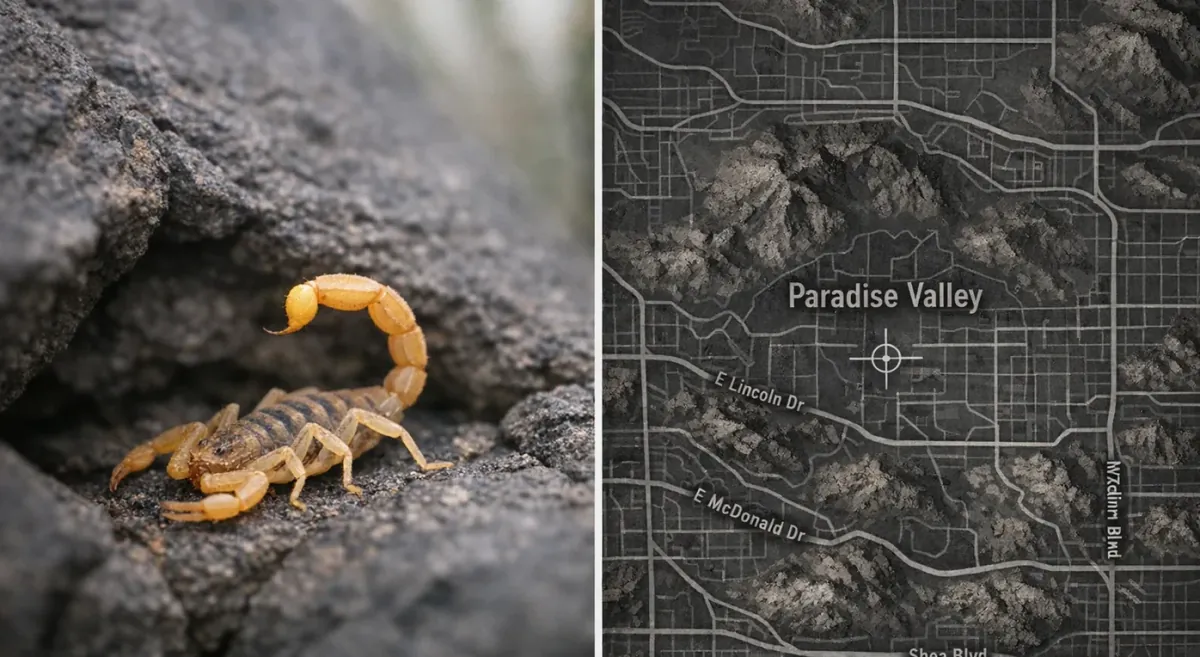
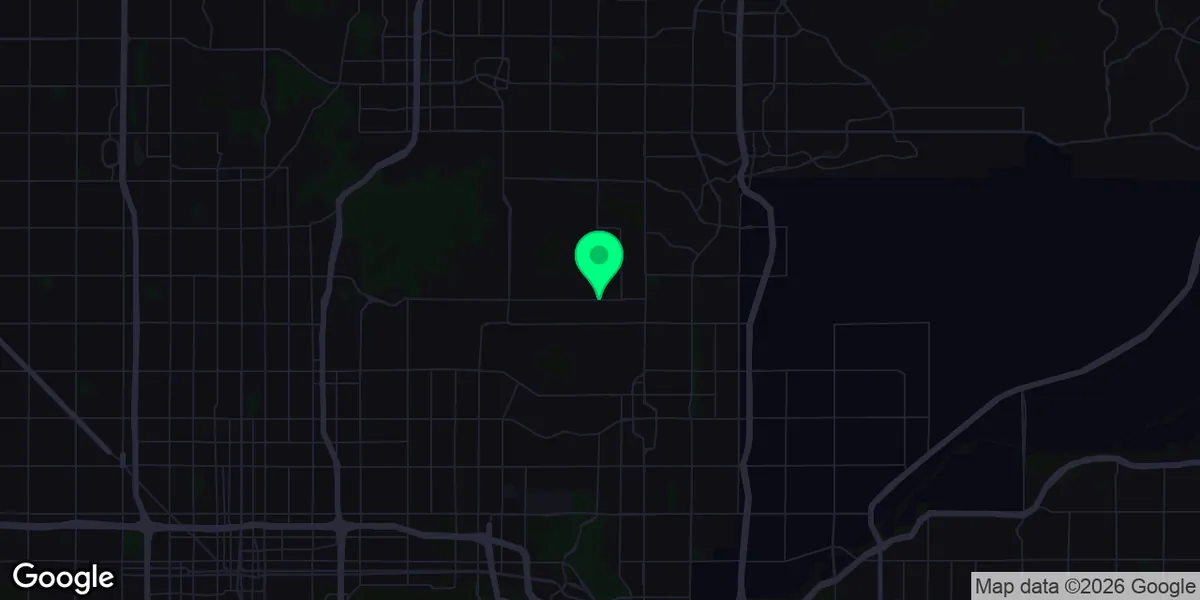
Map of Paradise Valley, ArizonaParadise Valley, Arizona
We don’t get as many alerts any more now that we’ve figured out how to seal up our vents, but we were getting a lot of alerts in the beginning.
Leticia
15 scorpions detected
Common questions

Need quick answers?

Where should I check first to seal my home for scorpions in Arizona?

Start outside and work in so you don’t miss the exterior cracks and seams that feed into indoor pathways—especially stucco hairline cracks, weep screed gaps, and utility penetrations. Pay extra attention to garages and doors (any daylight at corners, worn weatherstripping, and garage bottom/side/top seals), plus roofline/attic vents and block wall joints where walls meet the house. A simple method is marking suspect openings with painter’s tape and documenting them for repair using this scorpion entry point sealing checklist.

How do I disclose scorpions without freaking buyers out (but still be honest)?

Stick to professional-style communication: what was observed, what mitigation was done, and what the current plan is—backed by timestamps and receipts instead of emotional language. A “scorpion packet” (log, pest-control summary, exclusion photos, UV notes, and an ongoing plan) can turn vague fear into something buyers can evaluate. Some sellers also use monitoring during showings to reduce surprises and create a clean history; the scorpion disclosure packet for buyers section explains how to do that without over-signaling risk.

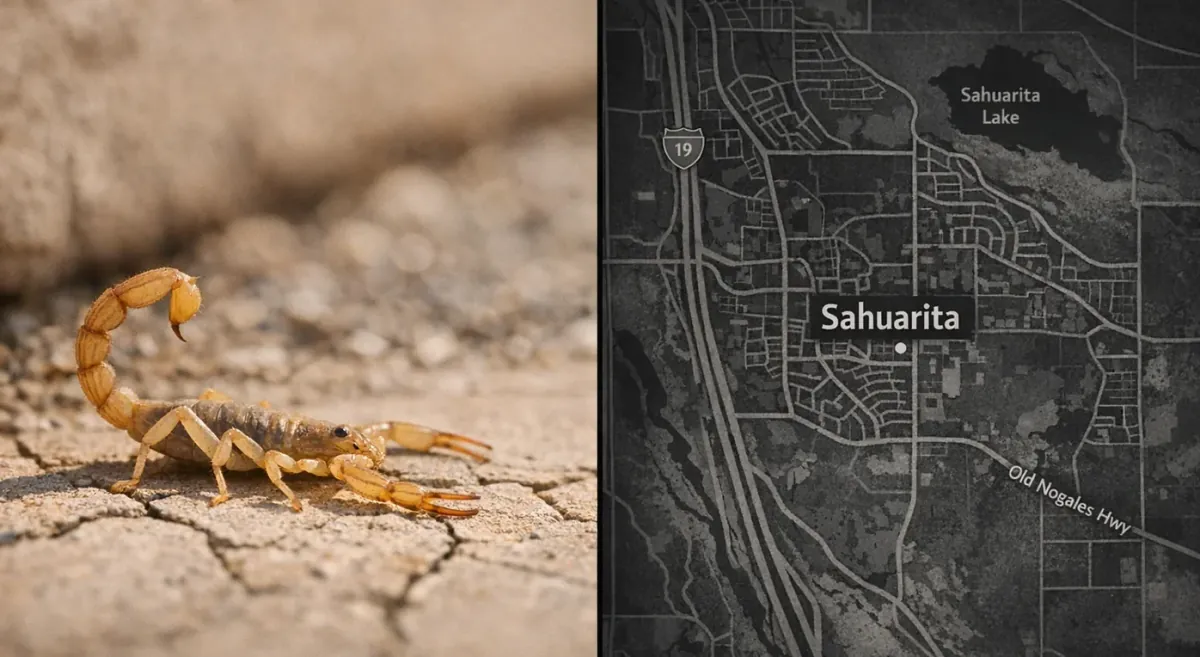
How dangerous are scorpion stings in Sahuarita, and what symptoms should I watch for?

Most stings cause localized pain, tingling/numbness, and mild swelling that improves over hours, but certain symptoms are red flags for urgent evaluation. Trouble breathing or swallowing, uncontrolled eye movements, severe twitching, repeated vomiting, or rapidly worsening symptoms matter more than guessing the exact species, and children and other high-risk individuals deserve a lower threshold for calling Poison Control. This Sahuarita scorpion sting symptoms guide breaks down what’s typical vs. what needs immediate medical help.

What should I check before buying or renting a home in Phoenix so I don’t get blindsided in summer?

This section gives a systems-first walkthrough checklist focused on what can ruin your first Phoenix summer (AC performance, roof condition, drainage/grade, and electrical plan) versus what’s mostly cosmetic. It also includes specific questions to ask a landlord or seller, what to look for during the showing (like uneven cooling or places water will pool during monsoons), and a practical first-72-hours punch list (filters, seals, shade, and a basic emergency kit). See the Phoenix home systems walkthrough checklist for the full list.

How do I know if I have a scorpion infestation or just one scorpion?

An "infestation" is less about a precise number and more about patterns: multiple sightings in a month, repeats in the same room, or any scorpion found in sleeping/child areas are strong red flags. Bathrooms, laundry rooms, and bedrooms are common because scorpions travel along edges and are drawn to moisture and prey insects, especially when entry gaps exist. The article also recommends keeping a simple log (date/time, room, weather, and where it was found) so you can pinpoint hotspots using these Phoenix scorpion infestation signs.

Are scorpions really a problem in Phoenix homes?

Yes—scorpions are a real homeowner issue in Phoenix and across Maricopa County, especially where heat, drought, irrigation, and abundant insect prey push them toward structures. Indoor sightings often trace back to block walls, desert-style landscaping, and cool, sheltered hiding spots along edges and baseboards. A single scorpion can be a one-off hitchhiker, but repeated sightings in the same rooms (or seeing babies) can signal ongoing activity—this scorpions in Phoenix Arizona homes guide explains what it can mean and how to respond.

Got questions about scorpion detection?