Why are scorpion stings more dangerous for children than adults?
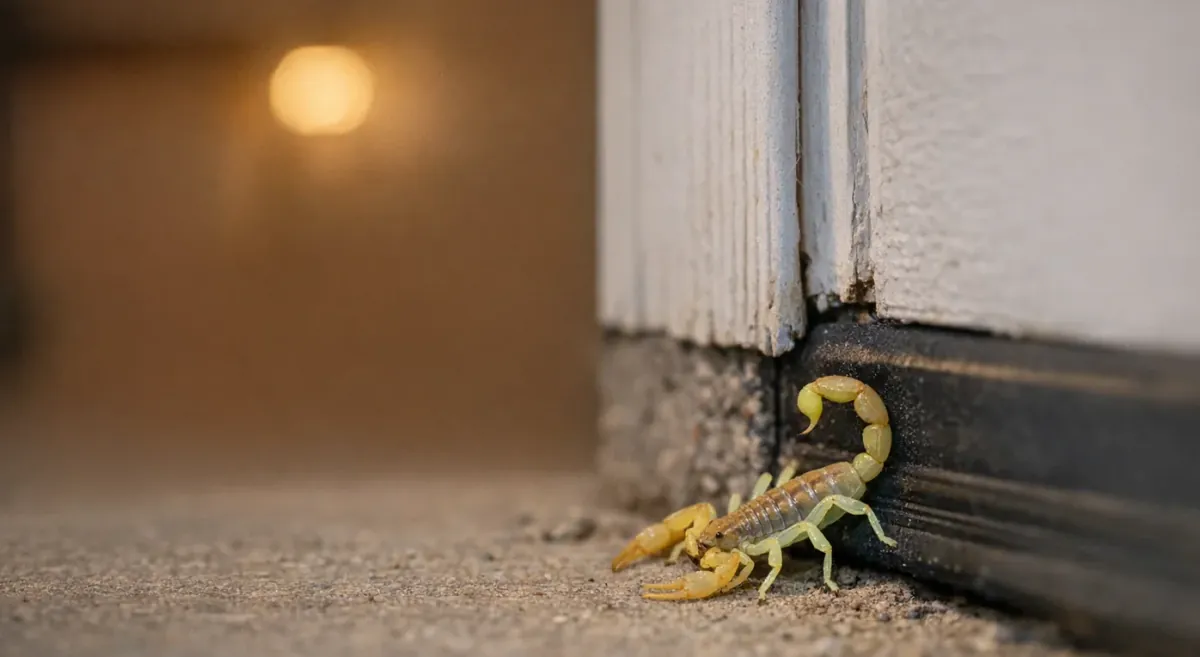
Your toddler just screamed from the bathroom. You find them crying, pointing at their foot, and there it is — a scorpion scurrying away along the baseboard. Your heart races. Is this an emergency? Should you rush to the ER?
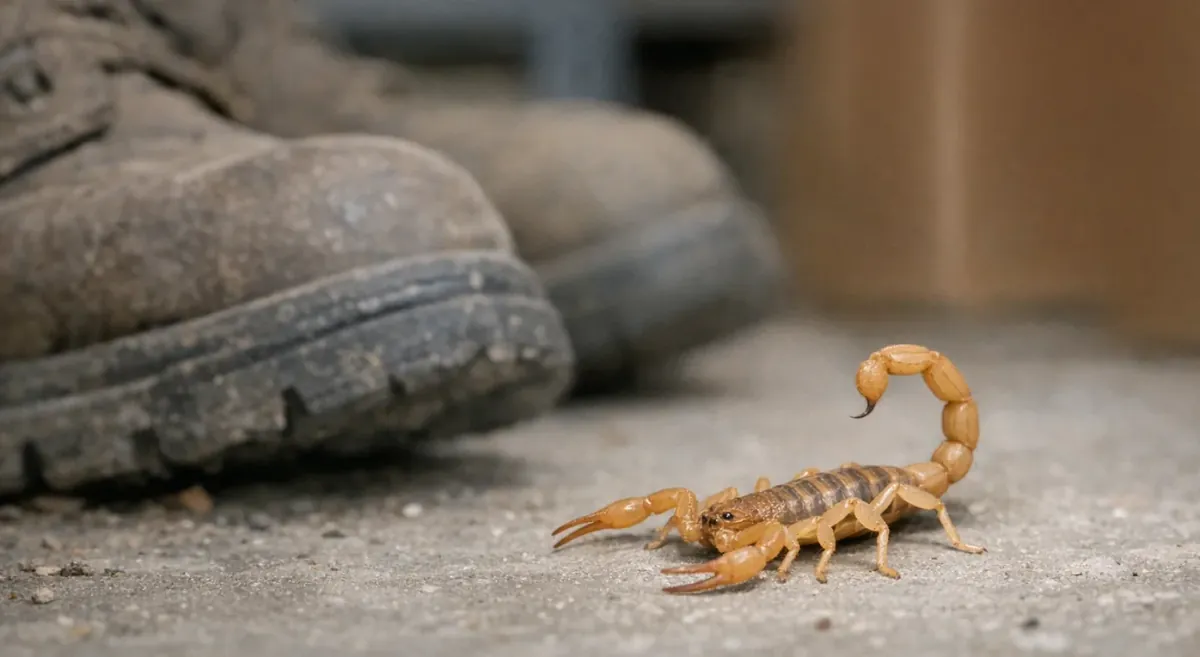
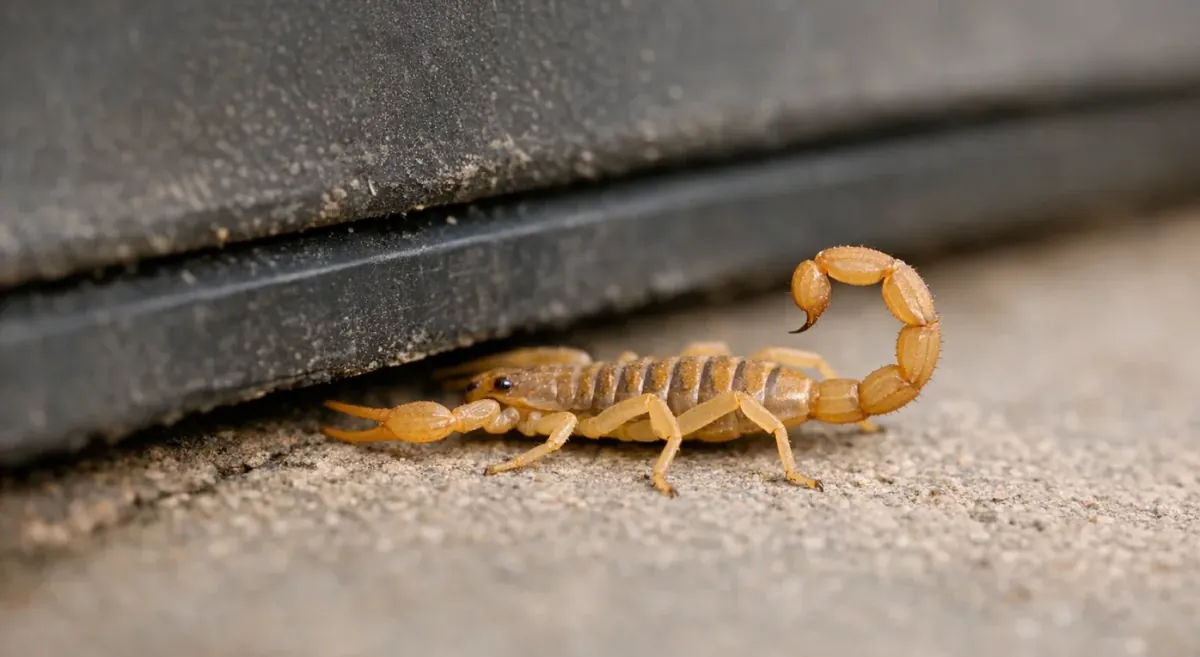
Here’s the reality: scorpion stings can hit kids harder than adults. The Arizona bark scorpion — that pale, slender species common across the Southwest — poses the biggest threat. While most adult stings result in intense pain and maybe some numbness, children face real medical risks. Their smaller bodies mean the same amount of venom packs a bigger punch, and their developing nervous systems can react more dramatically.
The good news? Understanding why kids are more vulnerable helps you respond quickly and effectively. Below, we’ll break down what makes children higher-risk targets and what you need to watch for.
Does body size change how venom affects kids?
Think of it like alcohol tolerance. One beer affects a 40-pound child very differently than a 180-pound adult. Scorpion venom works the same way.
When a bark scorpion stings, it injects roughly the same venom dose whether the victim weighs 35 pounds or 200 pounds. That identical dose spreads through a child’s smaller blood volume, creating a much higher concentration. A sting that might cause an adult some numbness and tingling can trigger muscle spasms, breathing problems, or worse in a small child.
The math is sobering. A 30-pound toddler experiences a venom concentration six times higher than a 180-pound adult from the same sting. Symptoms can escalate from “painful but manageable” to “needs immediate medical attention” frighteningly fast. This isn’t meant to scare you — it’s meant to help you take every pediatric sting seriously, even if early symptoms seem mild.
Why do children's symptoms get missed or delayed?
A 3-year-old can’t tell you, “Mom, my tongue feels thick and my vision is blurry.” They just cry harder. That communication gap can create dangerous delays in recognizing serious symptoms.
Young children experiencing neurological effects might rub their eyes repeatedly, drool more than usual, or walk unsteadily — almost like they’re drunk. Parents often mistake these signs for tiredness or general fussiness from pain. A child with throat tightness might just seem extra clingy or refuse to eat. Numbness spreading from the sting site? They’ll keep rubbing or scratching without being able to explain why.
Watch for behavior changes beyond normal crying. Is your usually coordinated 5-year-old suddenly stumbling? Does your toddler keep touching their face or seem unable to focus their eyes? These subtle signs often appear before more obvious symptoms like muscle twitching or difficulty breathing. Trust your instincts — if something seems “off” beyond a typical pain response, it probably is.
Are kids more likely to get stung at home?
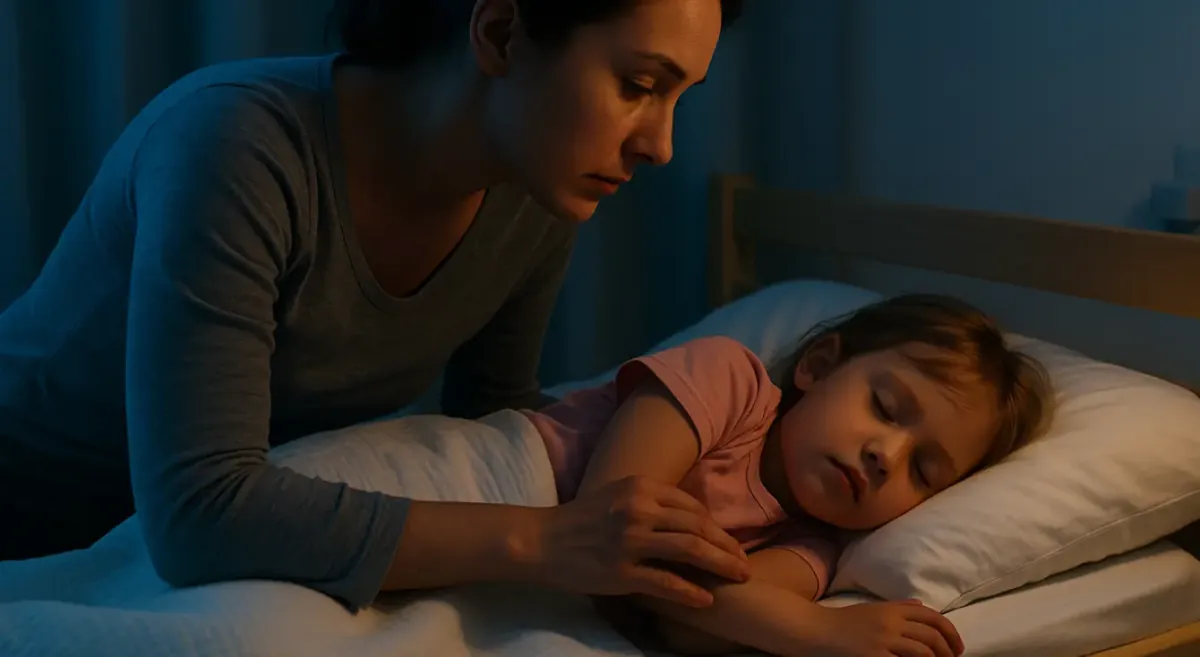
Picture a typical summer night in Phoenix. Your 4-year-old pads barefoot to the bathroom at 2 a.m., still half-asleep. They don’t see the bark scorpion hunting along the baseboards. Their small foot lands right on it. The scorpion’s defensive sting is instant.
Children face higher sting risk for simple reasons: they spend more time on the floor, walk barefoot more often, and reach into spaces without looking. That pile of stuffed animals in the corner? Perfect scorpion shelter. The shoes kicked off by the door? Another hiding spot. Kids also climb into bed without checking, grab towels from the floor, and dig through toy bins — all prime sting scenarios.
Most troubling: these stings happen indoors, at night, when scorpions are most active. While adults might encounter scorpions doing yard work, children typically get stung in their own bedrooms, bathrooms, or play areas. During peak scorpion season, even well-sealed homes can harbor these nocturnal hunters.
What do scorpion sting symptoms look like in a child?
Not all scorpion stings are medical emergencies — but with kids, you need to know exactly what to watch for. Symptoms can escalate quickly, especially in children under 5. Having a mental checklist helps you make fast decisions when every minute counts.
What are common symptoms you might notice first?
The immediate reaction usually involves intense pain at the sting site — kids often describe it as “burning” or “like stepping on hot coals.” You might see mild swelling, though bark scorpion stings don’t always swell much. The real tell is your child’s behavior.
Within minutes, watch for these early signs:
- Excessive crying or screaming that doesn’t calm with comfort
- Rubbing or scratching around the sting area obsessively
- Complaints of “pins and needles” or a “fuzzy feeling” spreading from the site
- Unusual agitation or restlessness
- Touching their face, eyes, or throat repeatedly
- Nausea or saying their “tummy hurts”
These symptoms alone don’t necessarily mean it’s an emergency — but they do mean you need to watch closely. The situation can change fast.
What are the red-flag symptoms that mean urgent care?
Some symptoms mean “get help now.” If you see any of these, don’t wait — head to the ER or call 911:
- Muscle twitching or jerky movements — especially in the face, tongue, or eyes
- Slurred speech or difficulty talking clearly
- Excessive drooling or trouble swallowing
- Breathing problems — rapid breathing, wheezing, or saying they “can’t breathe”
- Uncontrolled eye movements or vision complaints
- Repeated vomiting
- Seizures or loss of consciousness
Trust your parental instincts here. If your child is “not acting right” — even if you can’t pinpoint exactly why — seek medical advice. It’s better to err on the side of caution with scorpion stings.
How quickly can symptoms worsen?
There’s no predictable timeline. Some children develop serious symptoms within 30 minutes. Others might seem fine for an hour before suddenly deteriorating. That unpredictability makes “wait and see” a risky approach.
The youngest victims — infants and toddlers under 2 — tend to progress fastest. Their tiny bodies process the venom rapidly, and severe symptoms can appear before you’ve even finished cleaning the sting site. Older children might have more buffer time, but don’t count on it.
Call Poison Control (1-800-222-1222) immediately for any child sting, even if symptoms seem mild. They’ll assess risk based on your child’s age, weight, and symptoms. Don’t wait for obvious neurological signs — by then, you’re already behind. Early medical guidance can mean the difference between managing symptoms at home and racing to the ER in crisis mode.
What should I do immediately if my child is stung by a scorpion?
Those first few minutes after a sting are crucial. While you’ll find detailed first aid instructions for scorpion stings elsewhere, here’s your quick action plan specifically for children.
What are the first steps parents should take right away?
First, get your child away from the scorpion — there might be more nearby. Carry them to safety rather than letting them walk, especially if they’re barefoot. Your immediate priorities:
Clean the sting site with soap and water. Don’t scrub hard; gentle washing removes any venom on the skin surface. Pat dry with a clean towel.
Apply a cool compress wrapped in a thin cloth. Ice helps with pain, but never apply it directly to skin. Ten minutes on, ten minutes off.
Remove tight clothing or jewelry near the sting site immediately. Swelling can start fast, and you don’t want anything cutting off circulation.
Keep your child as still and calm as possible. Movement can increase venom circulation. This is tough with a scared, hurting child, so distraction helps. Put on their favorite show, read a book — anything that keeps them still while you monitor symptoms.
When should I call Poison Control or go to the ER?
For children, the answer is simple: call Poison Control immediately at 1-800-222-1222. Don’t wait to see how symptoms develop. They’ll ask specific questions and guide your next steps based on your answers.
Head straight to the ER if you notice:
- Any breathing difficulty or throat tightness
- Muscle twitching or uncontrolled movements
- Drooling, difficulty swallowing, or slurred speech
- Rapid symptom progression of any kind
- Your child is under 2 years old (some experts recommend ER for any child under 5)
When in doubt, go. No ER doctor will fault you for bringing in a child with a scorpion sting. The consequences of waiting too long far outweigh any inconvenience.
What information will doctors ask for?
Being prepared speeds treatment. Before you leave for the hospital — or while someone else drives — gather this information:
- Your child’s exact age and weight — medication dosing depends on this
- Time of the sting — the symptom timeline matters for treatment decisions
- Location on the body — stings near the head or torso can be more serious
- Symptoms you’ve observed — write them down if possible, including when each started
- Any allergies or medical conditions your child has
- Whether you saw the scorpion — a description helps, but don’t risk another sting trying to capture it
Take a photo of the scorpion if you can do so safely. Arizona hospitals are familiar with bark scorpion stings, but visual confirmation still helps. Remember: your child’s safety comes first. Don’t delay treatment to hunt for the scorpion.
Where are kids most likely to get stung in the house?
Understanding where scorpions lurk helps you focus prevention efforts. While you’ll want to learn about how scorpions enter homes, let’s focus on the specific spots where children encounter them most often.
Can scorpions hide in bedrooms, cribs, and floor-level spaces?
That space under your child’s bed? It can become a scorpion highway. These creatures navigate by following walls and edges — a behavior called thigmotaxis. They’ll travel along baseboards, slip under beds, and hide behind furniture that touches walls.
Bedrooms create perfect conditions: dark, quiet, and undisturbed for hours. Scorpions settle into corners, closet floors, and gaps between furniture and walls. They’re not targeting your child’s room specifically — they’re following their instincts to find tight, protected spaces.
Simple adjustments make a difference. Pull beds and cribs a few inches from walls. This breaks the “edge highway” scorpions follow. Store stuffed animals and blankets in sealed plastic bins rather than piled on the floor. Keep closet floors clear — those jumbled shoes and toys create ideal hiding spots. A clutter-free room isn’t just tidy; it’s safer.
Why do shoes, laundry piles, and toy bins matter so much?
Most child stings happen during “reach-in” moments. Your 6-year-old grabs their sneakers without looking. A toddler digs through the toy basket for their favorite truck. Everyday actions can turn dangerous when scorpions shelter inside.
Dark, enclosed spaces attract scorpions seeking daytime shelter. That pile of yesterday’s clothes? A great hiding spot. The canvas toy bin? Even better. Shoes left by the door overnight? Prime real estate for a wandering bark scorpion.
Create new habits: shake out all shoes before wearing, keep dirty clothes in a sealed hamper, and use clear plastic bins for toys so kids can see inside. Teach older children to look before reaching into any container. Make it a game — “scorpion check!” before putting on shoes becomes routine. These simple practices prevent most reach-in stings.
Are nighttime stings more common for kids?
Absolutely. Scorpions hunt at night, emerging from hiding spots to patrol for prey. Meanwhile, your child makes a sleepy barefoot trip to the bathroom. Their paths cross in the dark hallway — and the scorpion stings defensively.
Nighttime creates a perfect storm of risk factors. Scorpions are active, visibility is poor, and children move without much caution. They’re also more likely to step directly on a scorpion in the dark than they are to spot it during daylight.
Reduce nighttime encounters with practical steps. Place slip-on shoes or slippers right beside the bed and make wearing them automatic for nighttime trips. Install nightlights along common routes to bathrooms. Keep floors clear of toys, clothes, and clutter that scorpions use for cover. During peak scorpion months (May through October in most areas), these precautions become essential.
How can I prevent scorpion stings if I have babies or toddlers?
Living with scorpions doesn’t mean living in fear. A combination of smart daily habits, basic home maintenance, and strategic monitoring creates multiple barriers between scorpions and your children. No single solution works perfectly, but layered protection does.
What daily habits reduce sting risk the most?
Start with the basics that take seconds but prevent most stings:
Morning shoe shake — Make it automatic. Every shoe, every time. Teach kids to bang shoes together before putting them on. Same goes for boots, slippers, even sandals left outside.
Floor patrol — Before bed, do a 30-second pickup. Towels, clothes, toys — anything on the floor can become scorpion shelter overnight. Use a grabber tool if you’re worried about reaching down.
Blanket check — Shake out blankets and sheets before kids climb into bed. Scorpions sometimes use bed skirts or blankets that touch the floor to reach the mattress.
Look-first rule — Teach older kids to look before reaching into any dark space. Toy boxes, storage bins, even between couch cushions. Make it a habit, not paranoia.
These routines feel tedious at first, but they quickly become automatic. They’re especially important during warm months when scorpions are most active.
What home fixes help keep scorpions out (without a full remodel)?
You don’t need expensive renovations. Focus on the easy wins that block common entry points:
Door sweeps on every exterior door, including the garage. That tiny gap under your door? Plenty big for a bark scorpion. Quality sweeps cost under $20 and install in minutes.
Weather stripping around door frames and windows. Check it with a flashlight at night — any light visible from outside means scorpions can enter.
Caulk cracks where pipes and wires enter your home. Check under sinks, behind toilets, and around outdoor faucets. Steel wool works for larger gaps before caulking.
Window screens need to fit tightly with no tears. Repair or replace damaged screens immediately.
For detailed guidance on entry points and what attracts scorpions indoors, check out these resources on scorpion attractants. Small fixes add up to meaningful protection.
How can I check a child's room at night with less guesswork?
Here’s a helpful fact: bark scorpions glow bright green under ultraviolet light. It’s basic biology — and it makes nighttime detection much easier.
A simple UV flashlight lets you scan floors and baseboards quickly. Scorpions show up like neon signs against dark backgrounds. A quick sweep of your child’s room before bed takes under a minute and can reveal any unwanted visitors. Focus on edges where walls meet floors — remember, scorpions travel these pathways naturally.
For parents wanting hands-off monitoring, automated detection systems like Scorpion Alert work around the clock. These plug-in devices use UV light to monitor floor areas and send alerts to your phone if they detect a scorpion’s distinctive glow. It’s like having a night watchman specifically for scorpions — especially reassuring in nurseries or children’s bedrooms where manual checks might wake sleeping kids.
Whether you choose manual UV checks or automated monitoring, the key is consistency. Scorpions don’t take nights off during active season, and your prevention routine shouldn’t either. Combined with sealing entry points and keeping floors clear, nighttime detection adds a final safety layer between scorpions and your children.
Remember, after spotting any scorpion indoors, avoid common mistakes that could make things worse. Learn what not to do after finding a scorpion to handle the situation safely.
Because children’s smaller bodies can be affected more quickly by venom, the best protection is prevention—sealing entry points, shaking out shoes and bedding, and acting fast if a sting is suspected. If you want a practical way to stay on top of scorpion activity around your home and reduce the chance of surprise encounters, Scorpion Alert can help you track and respond to risk.
Medical disclaimer: This article is informational and not medical advice. We are not doctors, and portions of this content have been edited with AI assistance. For questions about symptoms, treatment, or medications, consult your doctor. For a scorpion sting with severe symptoms, call 911 or your local emergency service.