How can I tell what kind of scorpion I found in my house?
Finding a scorpion in your home at night is jarring. Your first thought might be: is this one dangerous? Basic identification matters because it helps you gauge risk level, decide how urgently to act, and know what symptoms to watch for if someone gets stung. But here’s the catch: color and size alone can mislead you.
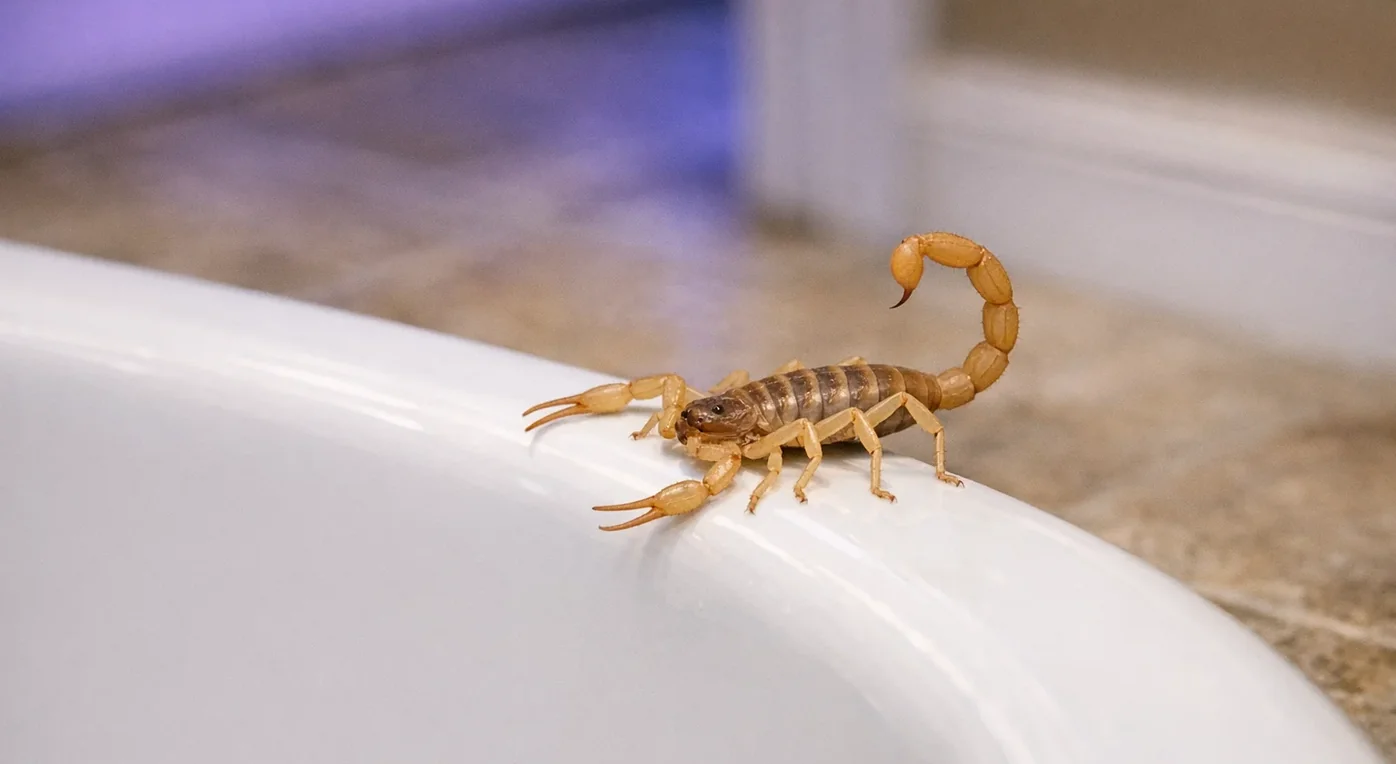
A practical approach focuses on features you can actually see from a safe distance. Look for these key traits: the shape of the pincers (chunky or slender), the thickness of the tail segments, the overall build (stocky or sleek), any visible stripes or markings, and how the scorpion moves. Some scorpions have robust, lobster-like pincers, while others have thin, delicate ones. The tail might be thick and muscular or thin like a piece of wire.
Never handle a scorpion to get a better look. Use your phone’s zoom feature or binoculars if you have them. If the scorpion isn’t moving quickly, take photos from multiple angles. This documentation can help if you need medical care later or want to show a pest control professional exactly what you’re dealing with.
What features should I look at first (pincers, tail, stripes)?
Start with the pincers—they’re often the most noticeable feature. Chunky, powerful pincers typically belong to scorpions that crush their prey. These species often deliver less potent stings because they rely more on their pincers for hunting. Slender, delicate pincers suggest a scorpion that depends more on venom to subdue prey. The Arizona bark scorpion, for instance, has thin pincers and also packs the most medically significant venom in North America.
Next, examine the tail (technically called the metasoma). A thick, muscular tail often points to a less venomous species. A thin, wiry tail can signal more potent venom—though it isn’t a hard rule. Look at the proportions too. Does the tail seem extra long compared to the body? That can be another indicator of a more venomous species.
Visible striping matters too. Many scorpions have two dark stripes running lengthwise down their backs—hence names like “striped bark scorpion.” But don’t rely on size as your main identifier. Smaller scorpions can be more dangerous than larger ones, and juveniles of dangerous species can look different from adults. Focus on responding based on risk rather than trying for amateur certainty.
Can I identify a scorpion by where I found it (bathroom, garage, bedroom)?
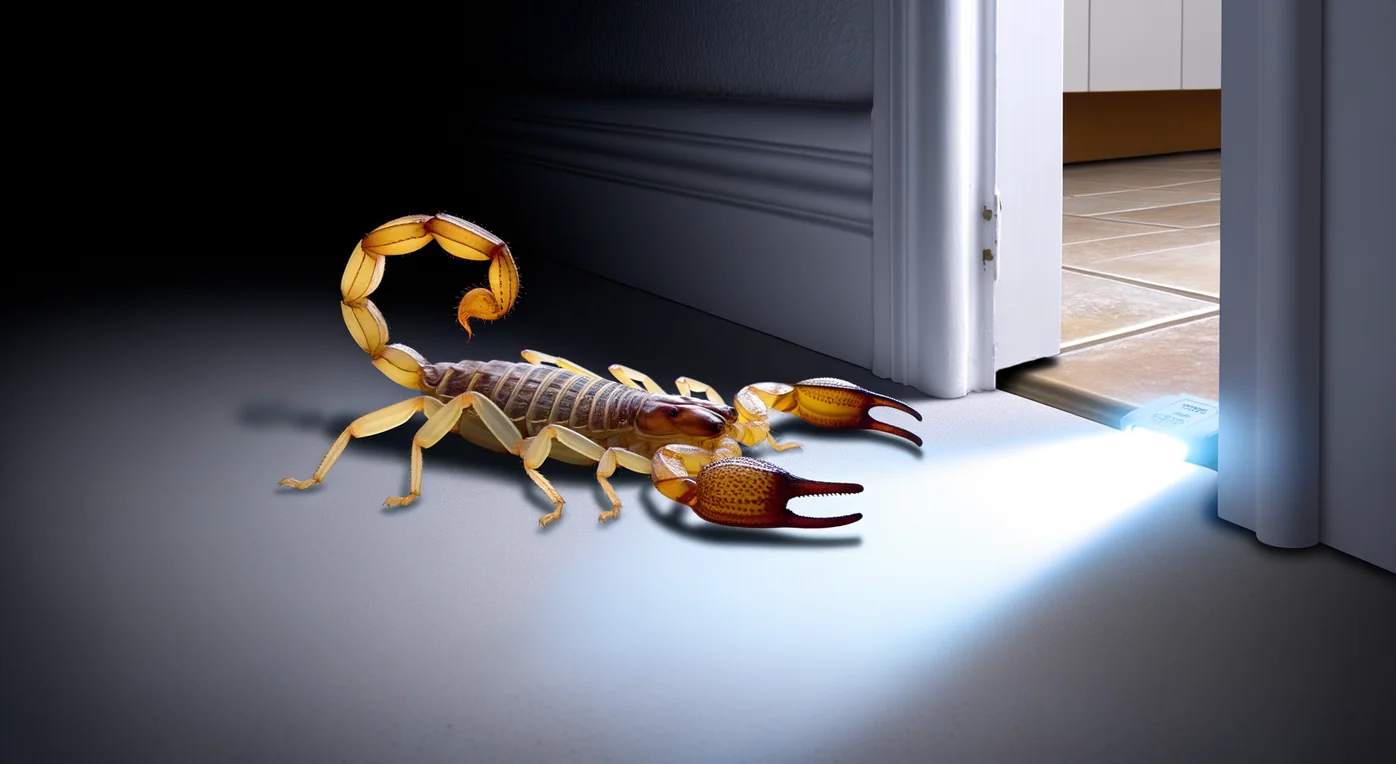
Location usually tells you more about how the scorpion got in than what species it is. Scorpions show up in bathrooms and laundry rooms because they’re seeking water. You’ll find them in garages because these spaces often have gaps under doors and cluttered corners for hiding. Bedrooms? That often means the scorpion followed a wall from another room—they navigate by staying close to surfaces, a behavior called thigmotaxis.
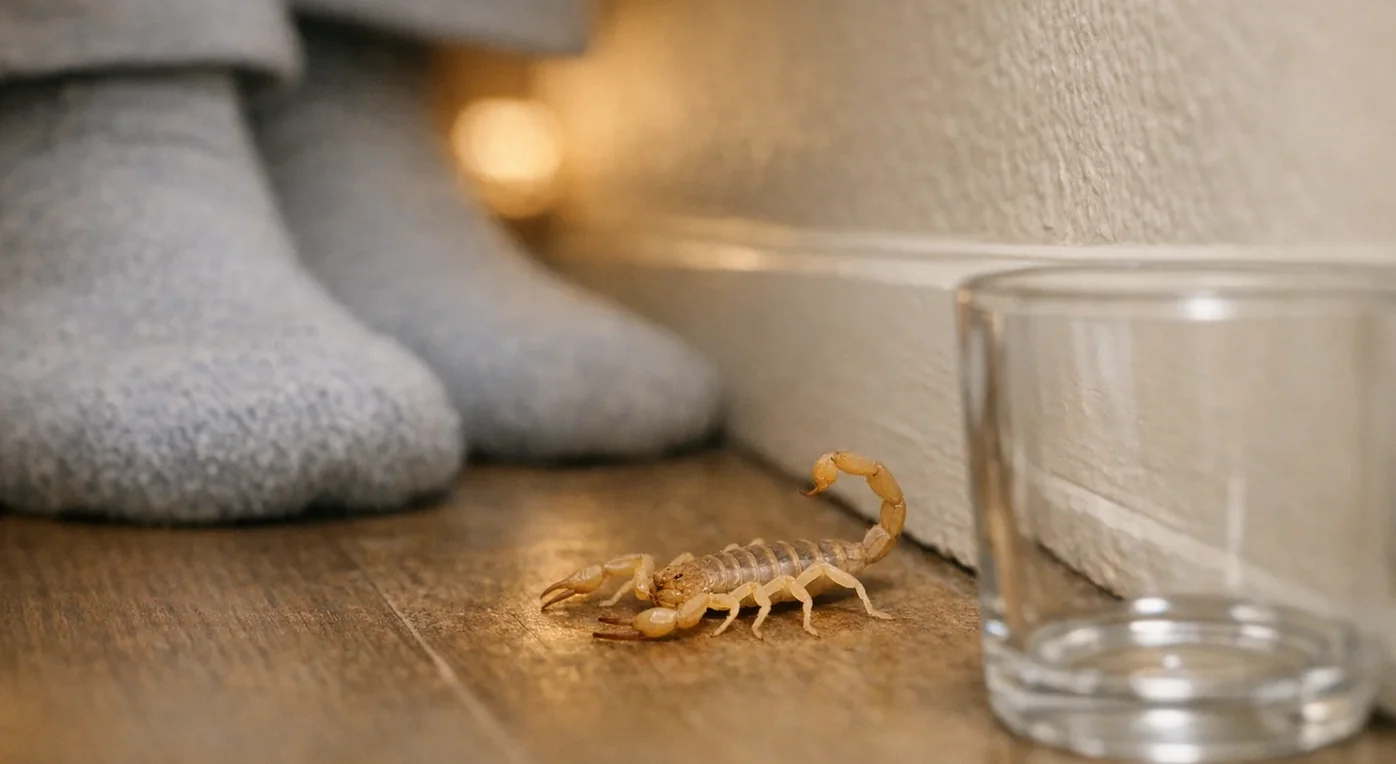
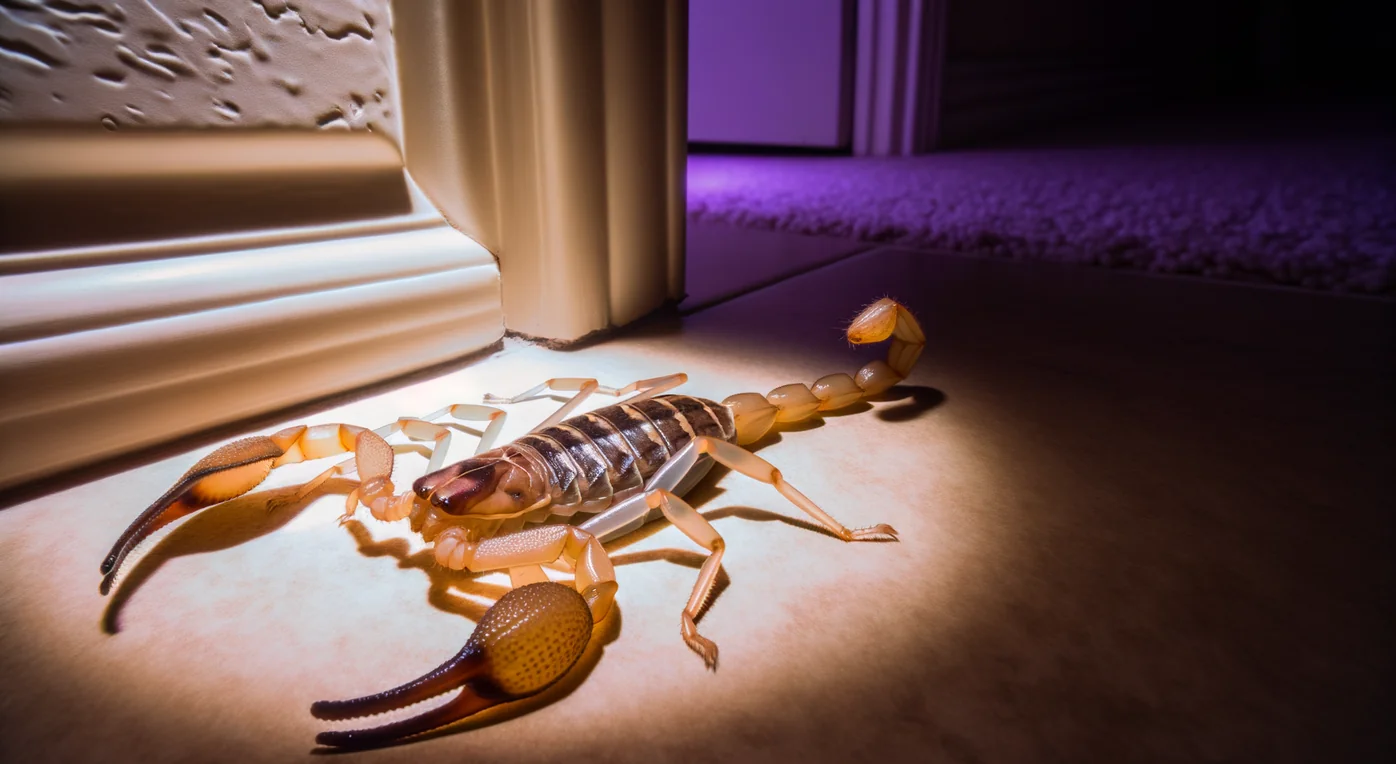
If you spot a scorpion crawling along your bedroom baseboard at 11 p.m., that doesn’t identify the species, but it does reveal the scorpion’s travel pattern. Scorpions move along room perimeters at night, which is why people often find them near walls, in shoes left by the bed, or in dark corners where walls meet. This edge-following behavior is also why scorpions turn up in unexpected places.
If you found a scorpion in your bedroom, here’s your immediate checklist: First, keep everyone away from the area. Second, grab shoes and a flashlight (UV if you have one). Third, contain or remove the scorpion safely. Finally, check the room’s perimeter for others. The location itself won’t tell you the species, but it can hint at entry routes worth sealing later.
What's the safest way to identify a scorpion without getting stung?
You’ve spotted a scorpion. Now what? Follow this sequence: observe from a distance, illuminate with UV light if available, photograph for documentation, then contain it if necessary. This approach keeps you safe while gathering the information you need.
Personal safety comes first. Put on closed-toe shoes right away—never approach a scorpion barefoot. Grab gloves if you have them handy. Keep children and pets in another room. The biggest mistake is using bare hands to catch or move a scorpion. Even dead scorpions can deliver venom through their stinger if you accidentally poke yourself.
Scorpions can move surprisingly fast when threatened, and yes, they can climb walls and furniture. Move slowly and deliberately. Quick movements can trigger an escape response, and a startled scorpion is harder to contain safely.
Do scorpions glow under blacklight—and what kind works best?
Scorpions do fluoresce under UV light—they glow a bright green-cyan color that’s unmistakable once you’ve seen it. This fluorescence happens because of compounds in their exoskeleton, and it’s one of the most reliable ways to confirm you’re looking at a scorpion in the dark. Even tiny baby scorpions light up clearly.
For best results, use a UV flashlight in the 365–395nm wavelength range. The 365nm wavelength produces especially strong fluorescence and is commonly used for scorpion detection. Hardware stores sell these flashlights for $15–30. When you shine the UV light on a scorpion, the entire body glows—not just certain parts.
Here’s a practical tip: photograph the scorpion under both regular light and UV light. The UV photo confirms it’s definitely a scorpion (not a spider or other bug), while the regular light photo shows colors and markings better. These photos can be invaluable if someone gets stung and you need to show medical staff what species you’re dealing with.
How do I take a clear photo for identification without getting close?
Your phone’s zoom feature is your friend here. Stand at least 3–4 feet away and use zoom rather than leaning in close. Brace your phone against a doorframe or wall to reduce shake—blurry photos won’t help with identification. Turn on your overhead light first so the camera can focus, then switch to UV light if you want that glowing confirmation shot.
If it’s safe to do so, place a coin or ruler near (not touching) the scorpion for size reference. Don’t reach over the scorpion to place it—approach from the side. Skip this step if the scorpion is in a tight space or seems agitated. The photo matters more than perfect scale.
Take multiple shots from different angles if the scorpion isn’t moving. Capture the overall body shape, the pincers, and any visible markings. This documentation is especially helpful if symptoms develop later and medical staff need to know what stung you. Email the photos to yourself right away so they’re backed up.
How can I contain a scorpion safely if I need to?
The glass-and-paper method works well for most situations. Grab a wide-mouth glass or clear container—a large mason jar or drinking glass works perfectly. Approach slowly from above and place the glass over the scorpion in one smooth motion. Then slide a stiff piece of paper or thin cardboard under the glass, keeping it flat against the floor. Once the paper completely covers the opening, you can carefully flip the container upright.
Critical safety points: Don’t use your hands to “scoop” a scorpion. Don’t chase it into cluttered areas where you can’t see clearly. Avoid crushing it—besides being messy, you might need the intact specimen for identification. Move deliberately because scorpions can climb smooth surfaces, including glass, and they’re faster than most people expect.
Keep the container flush against surfaces with no gaps. Scorpions can squeeze through surprisingly small spaces. Once contained, you can either release the scorpion far from your home or keep it for pest control identification. If keeping it, poke air holes in the lid (from the outside!) and store it somewhere secure until morning.
How dangerous is this scorpion—and does identification change what I do after a sting?
Most scorpion stings hurt but won’t kill you. The pain often feels like a wasp sting combined with pins and needles. Still, knowing which species stung you can change how urgently you should act. An Arizona bark scorpion sting requires more vigilance than a sting from a desert hairy scorpion, especially for children.
Species identification can help medical professionals anticipate symptom progression. But the key point is this: treat based on symptoms, not species guesses. A severe reaction to any scorpion sting needs immediate medical attention, regardless of which type you think it was. When symptoms cross from “painful nuisance” to “systemic reaction,” species matters less than getting prompt treatment.
The most vulnerable groups need extra caution: children face higher risk from scorpion stings due to their smaller body mass. Older adults and anyone with compromised health should also use a lower threshold for seeking medical help. When in doubt, call Poison Control—they’d rather field a false alarm than miss a serious case.
Which sting symptoms are normal, and which are a red flag?
Normal symptoms stay localized. Expect immediate burning pain at the sting site, possibly spreading up the limb. Mild swelling and redness around the puncture can look similar to a bee sting. Tingling or numbness near the sting site is common and can last for hours. These local reactions, while unpleasant, typically resolve without medical intervention.
Red flags demand immediate action. Call 911 if you notice: trouble breathing or swallowing, uncontrolled muscle twitching or jerking, excessive drooling or frothing, severe restlessness or thrashing (especially in children), repeated vomiting, rapidly spreading numbness beyond the sting area, or any symptoms that worsen instead of stabilizing. Blurred vision, slurred speech, or difficulty walking can also signal systemic venom effects.
Document everything. Note the exact time of the sting and track how symptoms change. A sting at 9:15 p.m. with mild pain that escalates into muscle spasms by 9:45 p.m. tells medical staff the venom is causing systemic effects. This timeline helps them decide on treatment urgency and options.
Are children more at risk from scorpion stings?
Children face disproportionate danger from scorpion stings. The same amount of venom affects a 30-pound toddler far more severely than a 180-pound adult. Body size directly impacts how venom concentrates in the bloodstream. Symptoms that seem manageable in adults can quickly become life-threatening in small children.
Parents should use a much lower threshold for seeking help. Any sting to a child under 5 warrants a call to Poison Control, even if initial symptoms seem mild. Rather than duplicate detailed information here, check our guide on why children face higher risk from scorpion stings for specific warning signs and age-based guidelines.
When calling for help, have this information ready: child’s age and approximate weight, exact time since the sting, current symptoms and any changes, location of sting on the body, and a photo of the scorpion if you safely obtained one. Don’t wait to see if symptoms worsen—early intervention can make a significant difference in outcomes.
What should I do immediately after a scorpion sting at home?
Stay calm and act methodically. Your immediate response can make a big difference in comfort and outcomes. Most stings resolve with basic first aid, but you still need to watch for signs that home care isn’t enough. The first 30 minutes can tell you a lot about severity.
For comprehensive guidance specific to bark scorpion encounters, see our detailed first aid guide for the first 30 minutes after a bark scorpion sting. The basics apply to all scorpion stings, but bark scorpions require extra vigilance.
Avoid harmful myths that still circulate. No cutting, no sucking venom, no tourniquets, no extreme heat. These outdated methods can cause additional tissue damage and delay proper care. Stick to proven first aid and let medical professionals handle anything beyond that.
What are the basic first aid steps for most scorpion stings?
First, wash the sting site with soap and water. This simple step reduces infection risk from bacteria on the stinger. Remove rings, watches, or tight clothing near the sting area immediately—swelling can make removal painful or impossible later. Work quickly, but don’t panic.
Apply a cool compress for 10 minutes at a time to reduce pain and swelling. Ice wrapped in a thin towel works well. Keep the person calm and have them sit or lie down to limit venom circulation. Movement and panic can speed venom spread through the lymphatic system.
Document everything for medical reference. Write down: exact time of sting, location on the body, initial symptoms, and any changes you observe. Take a photo of the scorpion if you’ve safely captured or contained it. This information helps medical staff assess risk and plan treatment if symptoms escalate.
When should I call Poison Control or go to urgent care/ER?
Call Poison Control (1-800-222-1222) for any scorpion sting to a child under 5, any sting to the face or neck, or if you’re unsure what stung you. They provide free, expert guidance 24/7 and can tell you whether symptoms warrant an ER visit. Don’t feel embarrassed about calling—they handle thousands of scorpion cases annually.
Head to the ER immediately for these symptoms: difficulty breathing or swallowing, uncontrolled muscle movements, excessive drooling, severe agitation (especially in children), or any rapidly worsening symptoms. Time matters with severe envenomation. Call 911 rather than driving yourself if symptoms affect coordination or consciousness.
Bring your documentation, but not the live scorpion. A clear photo works better than someone carrying a jar with an angry scorpion. Medical staff can often identify species from good photos, and you avoid the risk of additional stings during transport. Focus on getting treatment, not specimen collection.
What should I NOT do after a scorpion sting?
Never cut the skin around a sting. This outdated advice causes unnecessary tissue damage and doesn’t remove venom—it’s already in your system. Skip the action-movie idea of sucking out venom too. Human mouths can’t create enough suction, and you risk infection or accidentally swallowing venom.
Avoid applying extreme heat or electrical shocks. These dangerous “remedies” can cause burns and tissue damage without neutralizing venom. Tourniquets are equally harmful—they concentrate venom in one area and can cause permanent damage to limbs. Modern first aid focuses on symptom management, not venom removal.
Don’t ignore escalating symptoms just because the initial pain seemed tolerable. Scorpion venom effects can develop over 2–4 hours. A sting that starts mild can progress to serious symptoms, especially in children. Trust your instincts—if something feels wrong, seek help immediately.
How can I make identification and sting response easier next time?
Shift from reactive to prepared. A scorpion encounter at 2 a.m. goes much smoother when you have supplies ready and everyone knows the plan. Preparation reduces panic, speeds response time, and helps you make better decisions under stress.
Faster detection at night cuts down on the dreaded “what stung me?” uncertainty. When you know it’s a scorpion and where it is, you can respond appropriately instead of searching blindly—or wondering if that sharp pain was a spider, scorpion, or something else entirely. Early detection also means catching scorpions before they reach bedrooms or play areas.
Modern monitoring technology can work alongside traditional prevention methods. While sealing entry points and pest control remain important, automated detection helps cover the scorpions that still make it inside. Think of it as a layered approach: seal what you can, treat the perimeter, and monitor for anything that gets through.
What should I keep in a simple "scorpion sting kit" at home?
Build your kit with practical items you’ll actually use. Start with instant cold packs—they don’t require freezer space and work immediately. Add antiseptic wipes or soap, over-the-counter pain relievers (follow label directions), and tweezers for removing debris from wounds (never for grabbing scorpions). Include a printed list of emergency contacts: Poison Control, nearest ER, and your doctor’s after-hours line.
A UV flashlight belongs in every Southwest home’s kit. Use it to confirm what stung you and to search the area afterward. Choose one with 365nm wavelength for the brightest scorpion fluorescence. Add a few clear containers with lids for safe capture if needed. Store everything in one clearly labeled box where everyone can find it.
Create a family action plan and post it inside the kit. Who watches young children? Who searches for the scorpion? Where do pets go during the search? Establish a “no barefoot zone” after any scorpion sighting—everyone wears closed-toe shoes until you’ve cleared the area. Practice the plan during daylight so everyone knows their role.
How can I know a scorpion is in the room before someone gets stung?
Scorpions are most active at night, emerging to hunt while your family sleeps. They follow room perimeters, traveling along baseboards and walls thanks to their edge-following behavior. This predictable movement pattern means most scorpions enter living spaces along walls, not through the middle of rooms.
Traditional detection meant nightly UV flashlight patrols—easy to skip and tough to keep up with. Modern solutions like Scorpion Alert Detectors automate this process. These devices plug into wall outlets along room perimeters and use 365nm UV light combined with AI to detect scorpion fluorescence. When a scorpion passes underneath, you get a photo-verified alert on your phone within seconds—no nightly patrols required.
Smart placement maximizes protection. Position detectors at key entry points like exterior door frames, bedroom entrances, and bathrooms where scorpions seek water. The goal isn’t paranoid over-monitoring, but strategic awareness. Avoiding common mistakes after spotting a scorpion starts with early detection—you can’t respond appropriately to what you don’t know is there.
Now that you know what to look for when identifying scorpions and the right first-aid steps to take after a sting, the next win is reducing surprise encounters in the first place. If you want a simple way to spot scorpions at night (they fluoresce under UV) and get alerted quickly, Scorpion Alert can help you monitor and catch activity early.