Scorpions in Tempe Arizona: Season, Stings & Control

Scorpions in Tempe Arizona: Season, Stings & Control

Are scorpions a problem in Tempe?

Yes, scorpions are a real concern for Tempe homeowners. As part of Maricopa County, Tempe sits in Arizona's highest scorpion activity zone. The state accounts for 68.2% of all US scorpion exposures reported to poison control centers, with Maricopa County bearing much of that burden. Across the county, the Banner Poison Center logged 518 scorpion exposures and 794 envenomations in just the first three months of 2026.

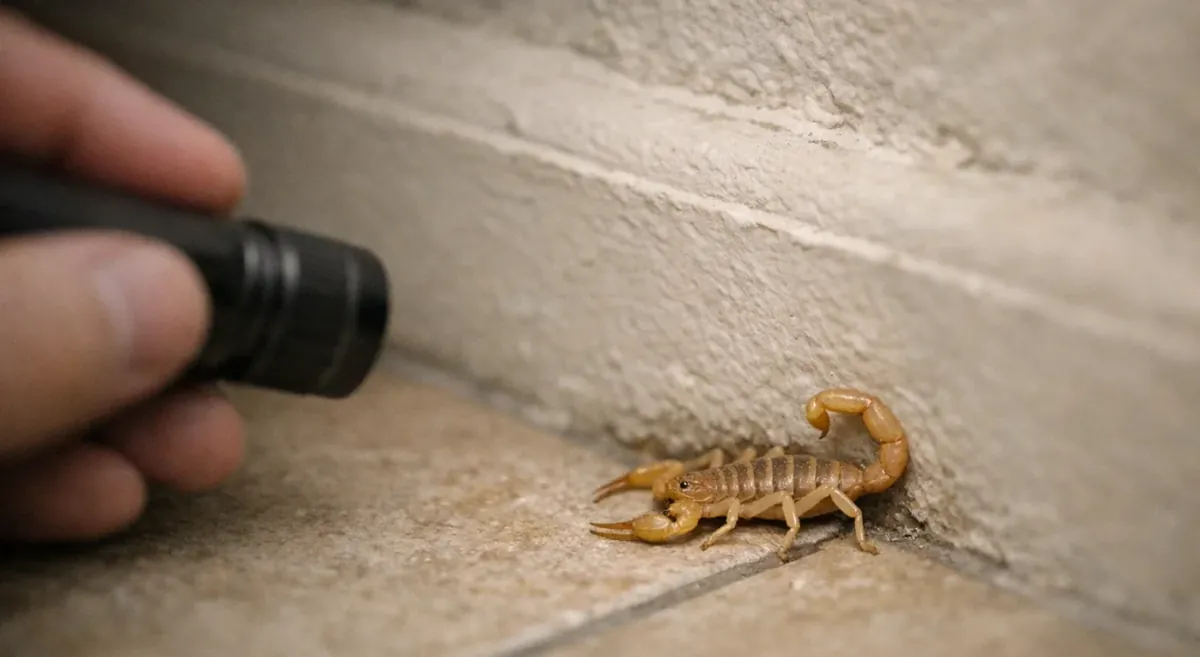
The real issue isn't seeing a single scorpion in your garage or on your patio — it's when they start showing up inside your living spaces. Scorpions are thigmotactic, meaning they navigate by staying close to surfaces. At night, they'll travel along your baseboards, under doors, and around the edges of furniture as they hunt for prey. That behavior explains why homeowners often spot them along walls or find them in shoes left near baseboards.

Even in Tempe's developed neighborhoods, scorpions persist because they're remarkably adaptable. They hide in block walls during the day, emerge after dark to hunt crickets and roaches, and can squeeze through gaps as thin as a credit card. Your neighbors might have them too — scorpions don't respect property lines, and a single female can produce 25-35 offspring that disperse across multiple yards.

What counts as a real Tempe scorpion problem vs. a one-off sighting?

A single scorpion sighting doesn't necessarily mean you have an infestation, but repeated encounters usually signal a pattern worth addressing. Here's how to gauge the severity: One scorpion outside on your patio in summer? That's normal desert living. One scorpion inside your bathroom at night? That warrants immediate action to find and seal its entry point. Multiple indoor sightings over several weeks? You're dealing with an active problem that needs a comprehensive response.

The location and timing of sightings matter. Scorpions found along interior walls, in bedrooms, or near doorways at night suggests they're actively navigating your home's perimeter. If you're seeing them in the same spots repeatedly — say, always near the laundry room door or master bathroom — they've likely found a reliable entry route. Start documenting each sighting with the date, time, and exact location. That pattern data helps pest professionals target their treatments and helps you measure whether your prevention efforts are working.

Pay special attention to what not to do after spotting a scorpion — crushing it might feel satisfying, but you'll miss the chance to identify the species and understand where it came from.

Why Maricopa County scorpions end up in Tempe homes

Scorpions don't actually want to live in your house — they end up inside while hunting prey or seeking moisture. Tempe's irrigation systems create ideal conditions for the insects scorpions eat, especially crickets and roaches that thrive in moist soil. Your landscaping rocks provide daytime shelter, while outdoor lights attract flying insects that draw hunting scorpions at night.

The urban-desert interface in parts of Tempe creates additional challenges. Older neighborhoods near Papago Park or along the Salt River corridor sit adjacent to natural scorpion habitat. New construction disturbs existing scorpion populations, sending them searching for new territory. Even established neighborhoods can see upticks when empty lots get developed or when monsoon flooding displaces scorpions from their usual hideouts.

Block walls — ubiquitous in Tempe yards — create superhighways for scorpion movement. The hollow spaces in decorative blocks and the gaps where walls meet provide perfect harborage. Scorpions travel these walls between properties, dropping into yards when they detect prey. Understanding how scorpions get into your home helps you focus prevention efforts where they matter most.

Tempe scorpion control: what success actually looks like

Realistic scorpion control means reducing indoor encounters and sting risk — not eliminating every scorpion from your property. You'll never stop scorpions from crossing your yard, but you can absolutely keep them from becoming bedroom visitors. Success looks like going months without indoor sightings, feeling safe walking barefoot in your home, and having data that shows your prevention measures are working.

Effective control requires measurable monitoring. Instead of wondering whether that gap under the garage door matters, you need detection data showing whether scorpions actually use it. Time-stamped photos of detections help you identify patterns: Are they coming in after monsoon rains? Do sightings cluster around certain doors? That information turns random prevention efforts into targeted solutions.

The best approach layers multiple strategies: seal obvious entry points, reduce the prey insects that attract scorpions, and maintain monitoring that alerts you to new activity. When you catch scorpions early — before they establish indoor routes — you can address problems while they're still manageable. Many Tempe homeowners find that consistent monitoring and targeted responses reduce indoor sightings by 80-90% within a few months.

Which scorpion species lives in Tempe?

While multiple scorpion species inhabit the Phoenix metro area, the Arizona bark scorpion (Centruroides sculpturatus) poses the primary medical concern for Tempe residents. This species delivers the only potentially life-threatening sting in Arizona, making accurate identification important for appropriate medical response. However, the iNaturalist citizen science database shows no dominant species for Tempe specifically, which means homeowners should treat any scorpion encounter with appropriate caution rather than assuming they know which species they're dealing with.

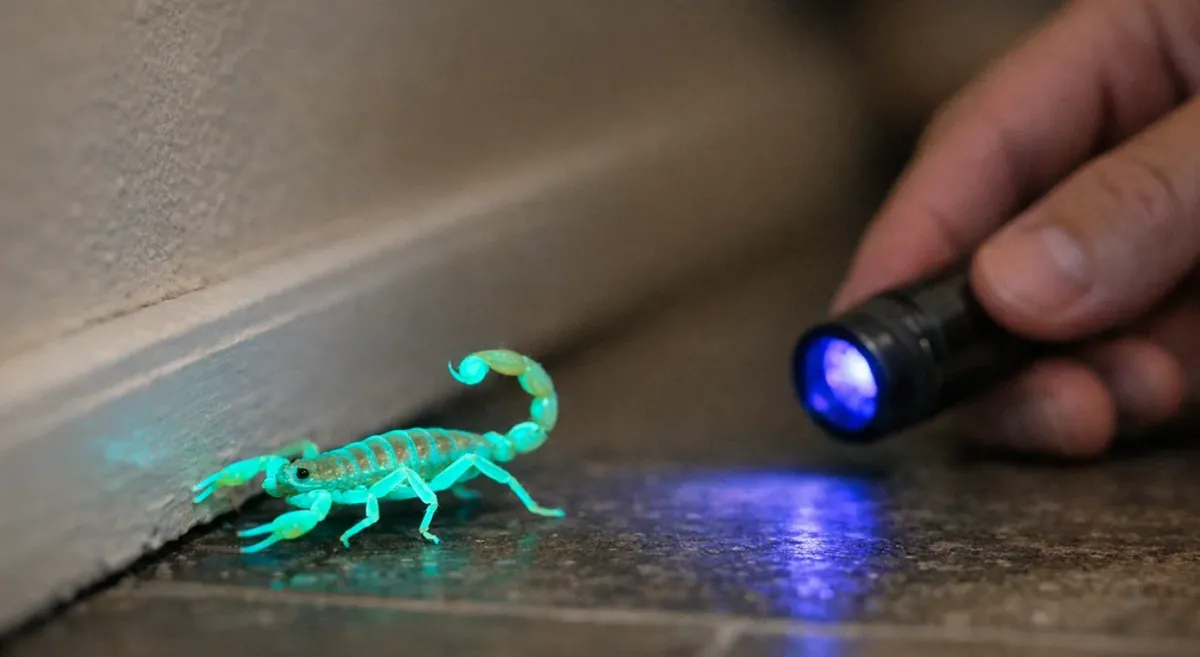
The Arizona bark scorpion earned its name from its climbing ability — it's the only local species that regularly scales walls and can be found on ceilings. Adults measure 2-3 inches long with a slender, tan to yellowish body. Their thin pincers and narrow tail distinguish them from bulkier desert species. At night under UV light, all scorpions glow green, but bark scorpions often position themselves vertically on walls rather than horizontally on the ground.

Is it the Arizona bark scorpion or something else?

Several visual and behavioral clues help distinguish bark scorpions from other species. Bark scorpions have distinctly slender bodies and thin pincers compared to the thick, lobster-like claws of desert hairy scorpions. If you find a scorpion climbing your bathroom wall or hanging upside down from your ceiling, it's almost certainly a bark scorpion — other species lack this climbing ability.

Location provides another clue. Bark scorpions frequently appear indoors at night, especially in bathrooms, kitchens, and bedrooms. They hide in clothing, shoes, and folded towels. Giant hairy scorpions and stripe-tailed scorpions typically stay outdoors, burrowing in soil rather than entering homes. The question "can scorpions climb walls" often helps with identification — only bark scorpions regularly display this behavior.

Size matters too. A massive 4-5 inch scorpion is likely a giant hairy scorpion, while most indoor specimens measuring 2-3 inches are bark scorpions. Color varies within species, so don't rely on it alone. When in doubt, photograph the scorpion from a safe distance, noting whether it was climbing, what room you found it in, and what time of night you spotted it.

Why 'Primary species in iNat data: None' matters

The absence of a dominant species in Tempe's iNaturalist data tells us something important: Don't assume you know what type of scorpion you're dealing with based on neighborhood reports or online photos. This data gap means local observations haven't been consistently reported or verified, making positive identification more challenging for homeowners.

Without clear species dominance data, treat every scorpion as potentially medically significant. A fuzzy photo or quick glimpse in dim light won't provide reliable identification. Medical providers care more about symptoms than species anyway — they'll treat based on how your body reacts, not which type of scorpion was involved.

For practical purposes, photograph any scorpion you encounter before removing it. Capture multiple angles if it's safe to do so, including a size reference like a coin or ruler. These photos help pest professionals plan appropriate treatment and provide crucial information if someone gets stung. Even without definitive species ID, documenting your encounters builds valuable data about scorpion activity patterns in your specific area.

Do different species change Tempe scorpion control?

While species identification fascinates naturalists, effective scorpion control relies on the same fundamental strategies regardless of type. Sealing entry points, reducing moisture, and eliminating prey insects helps with all scorpion species. The main difference lies in risk assessment — bark scorpion activity warrants more aggressive intervention due to their medical significance and climbing ability.

Bark scorpions' unique behaviors do influence some control tactics. Their climbing ability means you'll need to check and seal upper-level entry points like bathroom fan vents and attic access panels, not just ground-level gaps. They're also more likely to hide in hanging clothes or folded laundry, making bedroom and closet monitoring especially important.

Focus your control efforts on preventing indoor encounters rather than identifying every scorpion on your property. Whether you're dealing with bark scorpions or desert species, the goal remains the same: keep them outside where they belong. Consistent monitoring reveals activity patterns that guide targeted treatments, making species identification less critical than understanding where and when scorpions enter your home.

When are scorpions most active in Tempe?

Scorpion activity in Tempe follows predictable patterns tied to temperature and darkness. Peak activity runs from May through October, with the highest encounter rates during August and September when monsoon humidity combines with warm nights. Scorpions emerge when nighttime temperatures stay above 70°F, making summer evenings prime time for both scorpion movement and human encounters. During cooler months from November through March, scorpion activity drops significantly, though they don't truly hibernate — warm winter nights can still bring occasional sightings.

The daily activity pattern matters as much as the seasonal one. Scorpions spend daylight hours hidden in cool, dark spaces, then emerge after sunset to hunt. Peak movement occurs between 6 PM and midnight, when 49% of envenomations happen. That timing lines up with when families are active indoors — cooking dinner, helping with homework, getting ready for bed — which increases the chances of surprise encounters.

Tempe scorpion season: what changes month to month

March and April mark the beginning of Tempe's scorpion season as overnight temperatures climb consistently above 70°F. You might spot the occasional scorpion on warm evenings, but activity remains relatively low. These early-season scorpions are often hungry after winter's reduced feeding, which can make them bolder about entering homes in search of prey.

May through July sees steadily increasing activity as temperatures soar. Scorpions become reliably active every night, hunting crickets and roaches around your home's perimeter. The extreme daytime heat drives them to seek cooler hiding spots, sometimes leading them through gaps under doors or through torn weatherstripping. This is when most homeowners have their first indoor encounter of the year.

August and September represent peak scorpion season in Tempe. Monsoon humidity creates ideal conditions for both scorpions and their prey. Young scorpions born earlier in summer disperse to establish new territories, increasing the chances of home invasions. October activity remains high during warm evenings, then tapers through November as overnight temperatures drop. December through February brings minimal activity, though scorpions hiding in garages or attics may still appear during warm spells.

What time of night are scorpions most likely to show up indoors?

Scorpions typically enter homes during their prime hunting hours, between dusk and midnight. They follow walls and baseboards, navigating by touch in search of prey. The 9 PM to 11 PM window sees the most indoor sightings — late enough for scorpions to be active, early enough for people to still be moving around their homes.

Picture this: You're getting ready for bed, walk into your bathroom, and there's a scorpion on the tile floor near the toilet. This scenario plays out nightly across Tempe because bathrooms provide everything scorpions seek — moisture, prey insects, and cool surfaces. Master bathrooms see particularly high activity since they're often located at the perimeter of the home with exterior walls.

Children's bedrooms warrant extra vigilance during evening hours. Kids play on floors where scorpions travel and may not notice a small tan scorpion against carpet or tile. A quick UV flashlight check of bedrooms and bathrooms before bedtime takes just minutes but can prevent overnight encounters. Pay special attention to areas along walls, under beds, and around doorways where scorpions naturally travel.

Does monsoon weather affect scorpion activity in Tempe?

Monsoon season dramatically increases scorpion activity in Tempe homes. The combination of humidity and warm nights creates perfect hunting conditions, while sudden downpours can flood scorpion burrows and drive them to seek shelter indoors. Heavy rains wash prey insects toward homes, creating a buffet that attracts hunting scorpions to your foundation.

Storm-related power outages can compound the problem. Without air conditioning, residents open windows and doors for ventilation, creating easy entry points for displaced scorpions. Debris blown against homes during storms can bridge gaps in weatherstripping or create new hiding spots against exterior walls. Even brief monsoon downpours can trigger a spike in scorpion sightings over the following nights.

During monsoon season, tighten your home's defenses. Check door sweeps after storms, as wind and rain can damage or shift them. Clear storm debris from your foundation promptly — those piled leaves and branches provide perfect scorpion habitat. Increase monitoring in areas that stay humid after rains, like laundry rooms and garages. Understanding Arizona's monthly scorpion activity patterns helps you prepare for seasonal surges.

How dangerous is a scorpion sting in Tempe?

Most scorpion stings in Tempe cause intense but temporary pain without life-threatening effects for healthy adults. However, Arizona has the highest rates of severe scorpion reactions in the nation, with some victims experiencing serious neurological symptoms requiring emergency treatment. Children under 10 face the greatest risk — they have the highest rates of systemic effects, hospitalization, and ICU admission from bark scorpion stings. While 90.1% of scorpion stings are managed at home without hospital transfer, knowing when to seek emergency care can be life-saving, especially for vulnerable family members.

The immediate sensation feels like a combination of a bee sting and an electrical shock. Within minutes, you'll likely experience tingling and numbness spreading from the sting site. 88.9% of sting victims report significant pain, while 62.2% experience local numbness. These localized symptoms, while uncomfortable, don't typically require emergency care for healthy adults.

Bark scorpion vs. other stings: why Tempe homeowners worry

The Arizona bark scorpion's venom contains neurotoxins that affect the nervous system differently than other scorpion species. While a stripe-tailed scorpion sting hurts like a wasp sting and then fades, bark scorpion venom can cause progressive symptoms including muscle twitching, difficulty swallowing, and blurred vision. These neurological effects explain why Arizona sees more severe reactions than other states.

The uncertainty around species identification adds to homeowner anxiety. Without clear confirmation of which species stung you, it's safer to monitor for serious symptoms rather than assume it's harmless. Bark scorpions deliver a more concerning sting, but even experts struggle to identify species in the panic of the moment, especially if the scorpion fled after stinging.

Medical providers focus on symptoms rather than species identification anyway. They'll assess your neurological responses, vital signs, and pain levels to determine treatment. This symptom-based approach means you don't need a perfect scorpion ID — you need to recognize when symptoms escalate beyond normal pain and numbness.

Symptoms that are 'normal' vs. symptoms that need urgent care

Expected symptoms after a scorpion sting include immediate burning pain, tingling that spreads from the sting site, and localized swelling or redness. You might feel numbness in the affected limb or experience mild muscle twitching near the sting. These symptoms, while unpleasant, typically peak within an hour and gradually improve over 8-24 hours.

Red flag symptoms requiring immediate medical attention include difficulty breathing or swallowing, uncontrolled muscle movements throughout the body, excessive drooling or sweating, vision problems, or rapid heart rate with high blood pressure. According to Dr. Meghan Spyres, medical toxicologist at Banner Poison and Drug Information Center, "They can also cause involuntary muscle movement — so jerking of the arms and legs — and even more severe, in some cases, it can cause difficulty swallowing. People's eyes can move around in weird directions."

Children displaying any neurological symptoms beyond local pain need immediate evaluation. Watch for restlessness, roving eye movements, increased heart rate, or unusual agitation. These symptoms can progress rapidly in small bodies. When in doubt, call Poison Control at 1-800-222-1222 for professional guidance — they can assess symptoms over the phone and direct you to appropriate care.

Who is most at risk in Tempe homes?

Children face the highest risk from scorpion stings due to their smaller body mass and developing nervous systems. Of patients receiving Anascorp antivenom in Arizona, 54.4% were under 5 years old and 18.6% were ages 5-9. Their floor-level activities put them in scorpions' travel paths, and they may not recognize the danger of a small tan creature on the carpet.

Older adults and people with compromised immune systems also face elevated risk. Their bodies may struggle to process the venom effectively, leading to prolonged or severe symptoms. Pets, especially small dogs and cats, can have serious reactions similar to those seen in children. Curious pets may paw at or bite scorpions, resulting in stings to sensitive areas like the mouth or face.

Tempe's tile floors throughout many homes create additional risk factors. Scorpions blend into tan and brown tiles, making them harder to spot. Barefoot midnight bathroom trips become hazardous when scorpions patrol those same routes. Understanding why children face greater risk from scorpion stings helps families implement appropriate precautions in high-risk areas of the home.

What to do if you're stung in Tempe

Stay calm and act quickly, but methodically. First, note the exact time of the sting and, if safely possible, photograph or capture the scorpion for identification. Call the Poison Help line at 1-800-222-1222 immediately — they'll assess your symptoms and guide you on whether emergency care is needed. For severe symptoms like difficulty breathing, uncontrolled muscle movements, or any concerning symptoms in a child under 5, head directly to the nearest emergency room. Tempe's proximity to major medical centers means expert scorpion sting treatment is readily available when needed.

While Arizona poison control data shows most stings can be managed at home, having a clear action plan reduces panic and helps you get the right level of care. The key is recognizing which symptoms are manageable versus those requiring immediate medical intervention.

Immediate steps in the first 5 minutes

  1. Wash the sting site with soap and water to reduce infection risk
  2. Apply a cool compress or ice pack wrapped in a thin cloth to the area
  3. Remove rings, watches, or tight clothing near the sting site before swelling begins
  4. Take a photo of the scorpion if you can see it (don't risk another sting)
  5. Call Poison Control at 1-800-222-1222 for professional assessment
  6. Monitor breathing, swallowing, and muscle control while waiting for guidance

Avoid these common mistakes that can worsen the situation: Don't cut the wound or try to suck out venom — this increases infection risk and doesn't help. Skip the tourniquet — it can concentrate venom and damage tissue. Avoid unproven home remedies like meat tenderizer, ammonia, or electric shock treatment. Don't take sedatives or drink alcohol to "calm nerves" as these can mask important symptoms.

When to call Poison Control vs. go to urgent care/ER

Call Poison Control first for all scorpion stings — they're the experts who can quickly assess whether you need emergency care. They'll ask about the victim's age, time since the sting, current symptoms, and medical history. For healthy adults with only local pain and tingling, they'll typically recommend home care with monitoring. They can also patch you directly to 911 if needed.

Head directly to the ER for these situations: any child under 5 with confirmed scorpion sting, difficulty breathing or swallowing, uncontrolled muscle twitching or eye movements, excessive drooling or sweating, severe agitation or altered mental state, or chest pain with rapid heartbeat. Time matters with severe envenomation — the sooner antivenom is administered, the faster symptoms resolve.

Urgent care centers can handle mild to moderate stings in healthy adults but may transfer severe cases. If you're unsure about severity, choose the ER — they have antivenom on hand and experience managing neurological symptoms. Tempe's location near Phoenix means multiple hospitals with scorpion expertise are within a short drive.

Aftercare and preventing a second sting tonight

Once immediate medical concerns are addressed, focus on preventing another sting in the coming hours and days. The scorpion that stung you likely entered through a specific route and may not be alone. Before bed tonight, shake out all bedding, check inside shoes, and keep clothes off the floor. Use a UV flashlight to scan bedroom and bathroom floors — scorpions glow bright green under ultraviolet light.

For the next few nights, wear closed-toe slippers when walking around the house, especially for bathroom trips. Pull beds away from walls and remove bed skirts that scorpions can climb. Place sticky traps along walls where the sting occurred to catch any additional scorpions using the same travel route.

Consider setting up monitoring near bedrooms and high-traffic areas. Automated detection provides peace of mind without requiring nightly flashlight patrols. Document where and when the sting happened — this information helps pest professionals target treatment and helps you identify entry points to seal. Many Tempe residents find that implementing immediate protective measures after a sting prevents repeat incidents while they work on longer-term solutions.

How to keep scorpions out of your Tempe home

Effective scorpion prevention in Tempe requires a three-pronged approach: sealing entry points, reducing yard habitat and prey, and monitoring to verify your efforts work. Rather than attempting to eliminate every scorpion from your property — an impossible goal in the Sonoran Desert — focus on breaking the chain that leads to indoor encounters. The most successful Tempe homeowners combine physical exclusion with habitat modification and use detection technology to measure their progress over time.

Success starts with understanding that 97.8% of scorpion envenomations happen inside homes, not outdoors. This statistic underscores why indoor prevention matters more than yard treatments. Your goal is creating barriers between outdoor scorpion populations and your family's living spaces.

Exclusion checklist for Tempe houses and townhomes

Start with the most common entry points specific to Tempe's typical construction. Check door sweeps on all exterior doors — the gap under your door shouldn't exceed 1/8 inch. Pay special attention to garage service doors and sliding glass doors leading to patios. These high-traffic areas often have worn weatherstripping that scorpions exploit.

Examine where plumbing and utilities enter your home. The gaps around AC refrigerant lines, cable entries, and outdoor faucets provide easy access. Seal these with copper mesh and caulk — avoid foam alone as scorpions can push through it. In Tempe's stucco homes, check where the stucco meets the foundation for separation cracks.

Weep holes in brick veneer and block walls need special attention. These drainage features are necessary but can admit scorpions. Install fine mesh covers that maintain drainage while blocking pests. For detailed guidance on the most vulnerable points in typical Arizona construction, review the top entry points scorpions use to access homes.

Yard changes that reduce scorpion hideouts (without re-landscaping everything)

You don't need to remove all your desert landscaping to reduce scorpion habitat. Focus on the 10-foot perimeter around your home's foundation. Move decorative boulders and rock piles away from the house — these popular Tempe landscape features create perfect scorpion shelter. If you must keep rocks near the home, use smaller river rock that doesn't create deep hiding spaces.

Address moisture that attracts prey insects. Fix irrigation overspray hitting your foundation or walls. Adjust drip emitters that create constant damp spots near the house. Scorpions hunt where crickets and roaches gather, so eliminating these water sources reduces the food chain supporting scorpion populations. Many Tempe homes have lush grass meeting the foundation — maintain a dry border of gravel or hardscape instead.

Trim vegetation touching your home, especially palm trees and dense shrubs. These plants bridge the gap between yard and house while harboring both scorpions and their prey. Remove wood piles, stored lumber, and unused garden materials from against the house. For comprehensive guidance on eliminating scorpion attractants, see what draws scorpions to your property.

Tempe scorpion control that's measurable: monitor, then target

Traditional scorpion control relies on hope — you spray, seal, and hope it worked. Modern monitoring changes that by providing concrete data on scorpion activity. Place UV-based detectors at perimeter outlets in key areas: master bedrooms, children's rooms, bathrooms, and near exterior doors. These automated systems watch for the characteristic scorpion glow when rooms are dark, sending alerts when activity is detected.

81.8% of Arizona households that experienced a scorpion sting had previously seen scorpions on the property — past sightings are the strongest predictor of future stings.

— Klotz et al. 2021

This statistic explains why monitoring matters: homes with confirmed scorpion activity face ongoing risk. By tracking when and where scorpions appear, you can verify whether your exclusion efforts are working and identify problem areas needing additional attention. Photo-verified detections with confidence scoring reduce false alarms while building a clear picture of scorpion movement patterns around your home.

Use detection data to guide professional pest control treatments. Instead of broadcast spraying your entire property, target specific entry points and travel routes identified through monitoring. This approach reduces chemical use while improving effectiveness. Many Tempe homeowners find that combining Scorpion Alert detectors with targeted professional treatment and DIY exclusion reduces indoor sightings by over 90% within a season.

Living with scorpions in Tempe means staying especially vigilant at night, when they’re most active and hardest to spot around baseboards and dark rooms. If you want an extra layer of help beyond sealing entry points and routine inspections, Scorpion Alert uses UV illumination and photo-verified alerts to help you detect scorpions automatically while you sleep.

What is Scorpion Alert?

Get instant alerts when scorpions are detected in your home

Scorpion Detectors watch over your home at night, when scorpions are most active. The moment a scorpion crosses one, you get a phone alert — so you can act before it makes a home out of your shoe, bed, laundy basket, or anywhere else.
  • Detectors arrive ready to plug in
  • Live alerts go straight to your phone or watch, with location
  • Alert multiple family members with a single account
  • One flat monthly monitoring fee — no contract, cancel anytime
Get Scorpion Alert
From our customers

What homeowners are saying

Map of Scottsdale, ArizonaScottsdale, Arizona
Thank you for giving us the peace of mind in knowing these things aren't crawling around in our newborn's room at night and hiding in her toys or clothes.
James and Anna
12 scorpions detected
Map of Lakeway, TexasLakeway, Texas
Super easy setup. We just plugged the Scorpion Detectors in, set them up with my phone, and that was it. I love the live feed on my phone to let me know they're always watching.
Paul and Cindy
7 scorpions detected
Map of Paradise Valley, ArizonaParadise Valley, Arizona
We don’t get as many alerts any more now that we’ve figured out how to seal up our vents, but we were getting a lot of alerts in the beginning.
Leticia
15 scorpions detected

Frequently Asked Questions

Why does my scorpion fear last for weeks and keep me from sleeping?

It’s common for a single sighting (or near-miss) to trigger weeks of hypervigilance—racing thoughts, repeated checking, and trouble relaxing—without that meaning anything is “wrong” with you. Because scorpions are most active when you’re trying to sleep, uncertainty can keep your nervous system stuck in high alert. This part breaks down what the nightly checking ritual looks like, why it’s exhausting, and how to spot when practical caution has turned into a spiral in scorpion anxiety and sleep disruption.

What actually helps me feel in control again instead of constantly scanning for scorpions?

Anxious brains calm down with reliable information and a repeatable plan—not endless manual checking—so the goal is to replace “checking” with consistent “monitoring.” This section explains how proof (photos, timestamps, and confidence levels) can turn dread into clear decisions, and what automated, room-by-room monitoring can look like in a real home. It also outlines a 7-day “control ladder” to reduce checking, improve sleep, and share responsibility across the household in how to feel in control again.

What’s the best long-term way to keep scorpions out of my house?

The best long-term plan is to manage the outdoor population while reducing indoor encounters by cutting down prey insects, removing harborage near the foundation, and tightening key entry points. This section prioritizes the fastest-impact steps (like reducing insects near doors/lights and improving door sweeps) and explains why sprays alone are often unreliable. It also covers the pros/cons of glue traps and how monitoring can confirm where scorpions are actually entering in best way to keep scorpions out.

What kind of scorpions might I find in my Nevada home?

Homeowners in Nevada typically encounter a few “household suspect” scorpions, and practical ID focuses on traits like slender vs. stout bodies, climbing ability, and where they turn up (garages, block walls, bathrooms, tubs). Some species are simply more likely to get indoors because they climb well and exploit small entry points, so upstairs sightings can still happen. For safety, don’t handle scorpions to identify them—use a photo or a container and compare to the cues in common Nevada house scorpion types.

When should I call Poison Control, urgent care, or 911 for a scorpion sting?

If symptoms are mild but you’re unsure (especially at night or with a child), Poison Control can help you decide what to watch and whether you need in-person care. Urgent care/ER is a better choice if symptoms involve breathing or swallowing trouble, spreading symptoms, or uncontrolled muscle movements. Call 911 right away for life-threatening signs like severe breathing difficulty, fainting/unresponsiveness, or suspected anaphylaxis—this when to call Poison Control breakdown also lists what info to have ready.

Are scorpions a big problem in Gilbert, AZ—where are the hotspots near me?

Gilbert can be a real scorpion hotspot, but activity is often hyper-local—two streets apart can feel completely different. This section explains what creates “hot blocks” (desert edges, washes/greenbelts, dense landscaping, block walls) and how to map risk within about 200–500 feet of your home. It also walks you through a quick two-night baseline check with a perimeter blacklight scan and targeted indoor checks so you can identify your home’s specific pressure points in the Gilbert scorpion hotspot checklist.

Got questions about scorpion detection?