Are scorpions a problem in Hobbs?
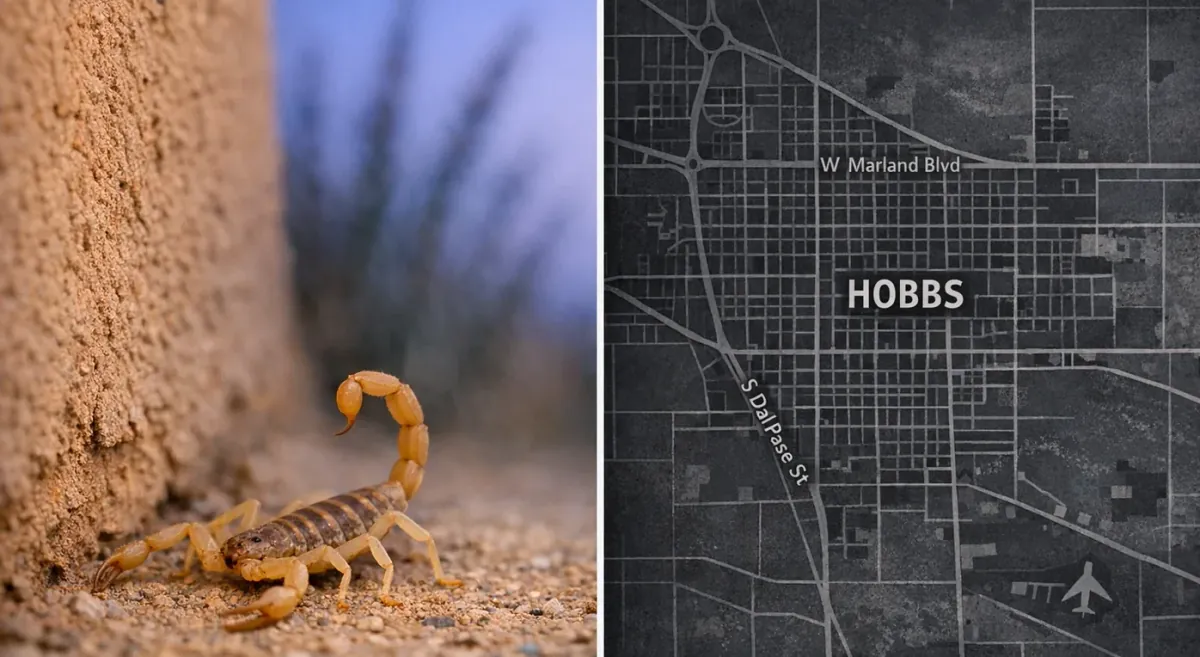
Yes — scorpions are a real and routine part of life in Hobbs. The city sits in southeastern New Mexico's Lea County, in dry, warm desert country that scorpions thrive in. Most encounters happen because a scorpion followed food, water, or shelter right up to (and sometimes through) your walls. That doesn't mean your home is overrun. It means the odds of an occasional visitor are real.
Scorpions hunt at night, and they navigate by hugging surfaces. When they wander close to a house looking for insects or a cool, humid hideaway, your foundation edge, garage, and doorways become part of their travel route.
What 'high scorpion activity' looks like in real Hobbs neighborhoods
In and around Hobbs, most residents will see scorpions outdoors far more often than indoors — but indoor sightings do happen. Within 30 km of the city, iNaturalist has 13 research-grade scorpion observations on record, mostly from the warm summer months (iNaturalist). Citizen sightings undercount the real total, but they do confirm scorpions are established here.
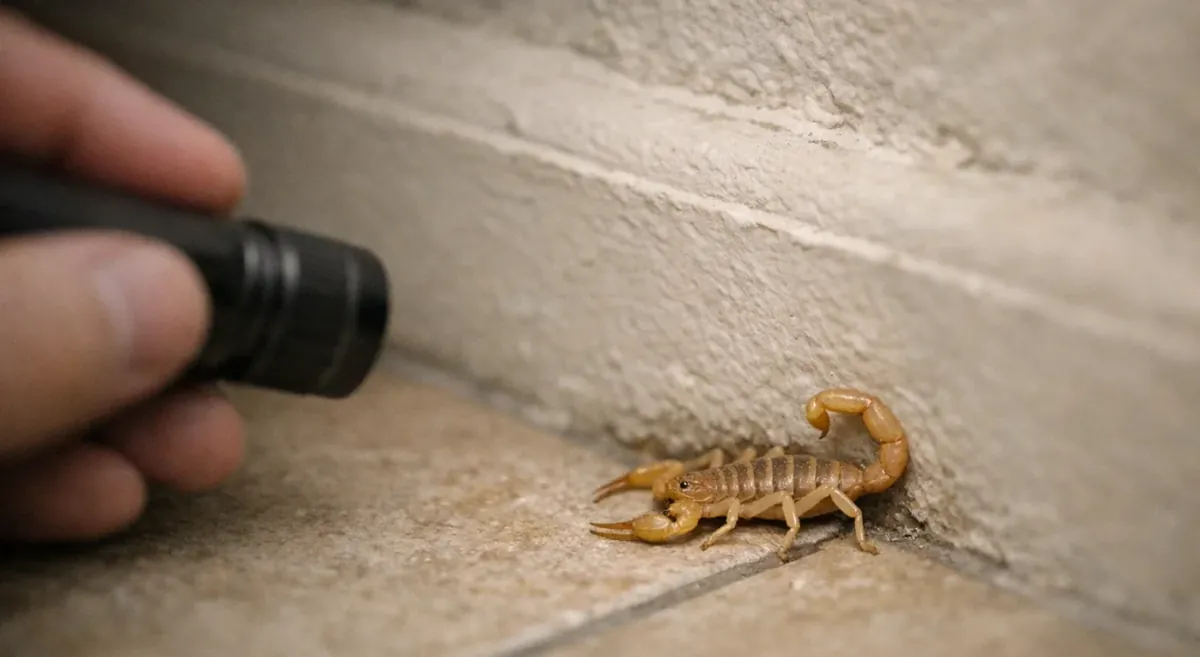
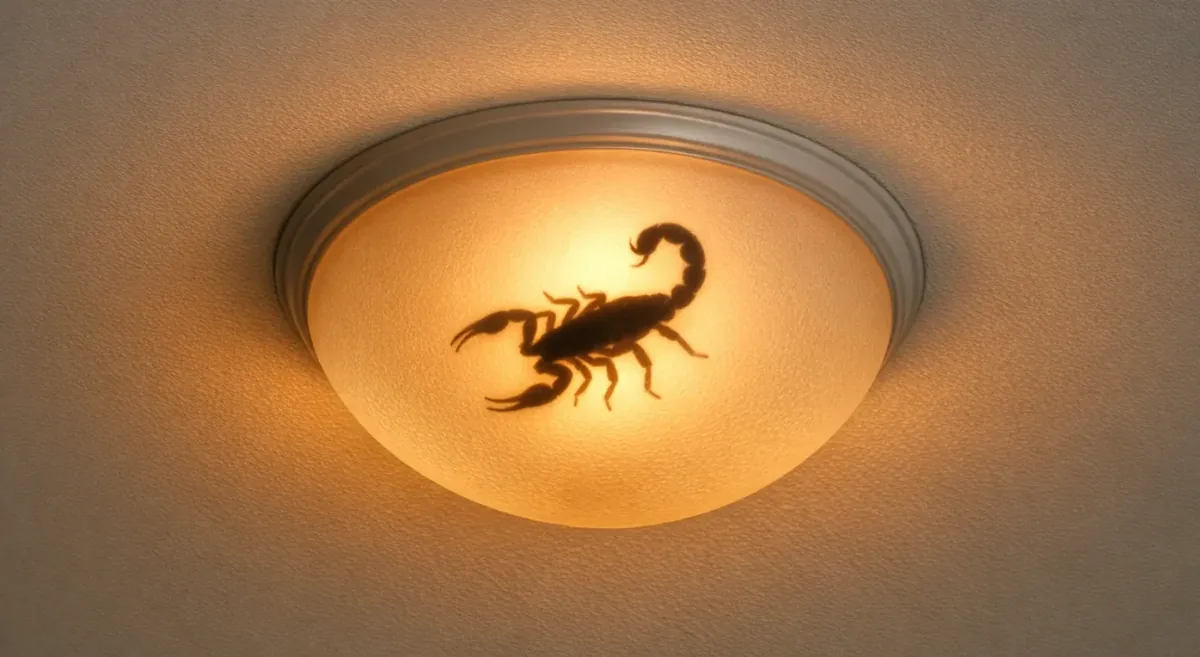
The first place people usually spot one indoors is along a baseboard, in the garage, in the laundry room, or on a cool bathroom tile. Flip on the bathroom light at 2 a.m. and there it is — something small and dark, frozen against the wall. Seeing one or two a season counts as "occasional invaders," which is normal for the area. A true infestation means repeated sightings, multiple sizes, and scorpions turning up week after week.
Why scorpions end up inside Hobbs homes
Scorpions get inside through the same tiny gaps insects use. The most common ways scorpions get into your home are gaps under exterior doors, unsealed garage door edges, weep screeds at the base of stucco, and openings around plumbing and AC line penetrations.
Scorpions can grip rough surfaces like stucco, brick, and wood — which is how one can reach a threshold above ground or scale block fencing. That's why sealing at ground level matters, and why they sometimes show up in places you'd assume are "too high."
The real magnet is prey. Scorpions eat crickets, roaches, and other soft-bodied insects. If your yard and garage support a healthy insect population, you're also feeding scorpions. Cut down the bugs and you make your home far less appealing — one of the top things that attract scorpions.
Which scorpion species lives in Hobbs?
The scorpion you're most likely to meet in Hobbs is the Striped Bark Scorpion (Centruroides vittatus). It accounts for 11 of the 13 local research-grade iNaturalist records, with a couple of desert species (Chihuahuanus coahuilae and Chihuahuanus russelli) showing up rarely. The striped bark scorpion's sting hurts, but no life-threatening envenomation has been documented from this species — it's not the medically dangerous Arizona bark scorpion.
Striped Bark Scorpion in Hobbs: quick ID checklist
The Striped Bark Scorpion (Centruroides vittatus) is usually tan to yellowish-brown with two dark, lengthwise stripes down its back. Adults run about 2 to 3 inches including the tail. Its pincers are slender rather than thick and crab-like, and its body is slim overall — a good clue for telling it apart from stockier desert scorpions.
Homeowners often mistake other bugs for scorpions in dim light. Earwigs have rear pincers but no raised tail or stinger. Crickets jump and have long antennae. If it has front pincers and a curled tail with a stinger, it's a scorpion.
Where this species hides around Hobbs properties
Outdoors, striped bark scorpions shelter under rock piles, landscape timbers, woodpiles, debris, and any shaded, sheltered spot near the house. Indoors, they favor cool, dark, tucked-away places: inside shoes, in folded towels, in closets, behind garage storage, and along the base of walls where they travel.
Despite the "bark" name, this species isn't confined to trees. It's called a bark scorpion for its habit of hiding under bark and in tight crevices — but a woodpile, a stack of boxes, or a wall void works just as well.
When are scorpions most active in Hobbs?
Scorpions in Hobbs are most active from late spring through early fall, peaking across the hot summer months of roughly June through September. Warm nights are the trigger — when nighttime temperatures stay mild, scorpions move, hunt, and explore more. Summer accounts for the overwhelming majority of scorpion encounters everywhere they're found (Kang & Brooks 2017).
Scorpion season Hobbs: the months that matter
The busiest window runs through the summer, with spring and fall as quieter shoulder seasons. Warm evenings keep scorpions on the move well after dark. Sightings can also spike after a weather change — a rain event or a humidity bump can push scorpions to relocate, and some head toward the drier, sheltered edges of your home.
Daily timing: what hours should you be most careful?
Scorpions are nocturnal, so the evening-to-pre-dawn window is when they're most active. Peak sting hours nationally fall between 6 PM and midnight, which lines up with about half of all envenomations (Klotz et al. 2021).
Build a simple nighttime habit: shake out shoes before you slip them on, check pet feeding areas, and take a quick look in kids' rooms before lights out. Because scorpions are thigmotactic — they navigate by staying pressed against edges — wall bases and baseboards are exactly where they travel, and exactly where to look.
How dangerous is a scorpion sting in Hobbs?
For most healthy adults in Hobbs, a striped bark scorpion sting is painful but not dangerous — closer to a bad wasp sting than a medical emergency. Reactions range from local pain and swelling to, rarely, more intense symptoms. The people most at risk for a severe reaction are young children, older adults, anyone with a known allergy history, and small pets.
Typical symptoms vs. red-flag symptoms
Typical symptoms are immediate burning pain at the sting site, some swelling, and tingling or numbness that spreads a little around the area. These usually ease within a few hours.
Red-flag symptoms mean you should get medical help right away: trouble breathing or swallowing, severe muscle twitching or jerking, roving or uncontrolled eye movements, and intense full-body symptoms — especially in a child. When in doubt, particularly with kids, call a medical professional rather than waiting it out.
Who is most at risk in Hobbs households?
Children under 10 have the highest rates of systemic effects and hospitalization in scorpion sting studies (Kang & Brooks 2017). Their smaller bodies react more strongly to the same dose of venom. Older adults and people with allergies also warrant closer watching.
Small dogs and cats are more vulnerable than large pets for the same reason. If your pet is stung and shows drooling, tremors, or distress, call your vet. For more detail on kids, see our guide on why children are more at risk from scorpion stings.
What to do if you're stung in Hobbs
Most stings in Hobbs can be managed calmly at home with washing, cooling, and watching for symptoms. Nationally, about 90% of scorpion envenomations are handled on-site without an ER transfer (Kang & Brooks 2017). Keep the free Poison Help line handy: 1-800-222-1222. Covenant Health Hobbs Hospital on N Lovington Hwy is the local hospital option if symptoms escalate.
First 10 minutes: simple, safe actions
- Wash the sting site with soap and water.
- Apply a cool compress or ice pack, wrapped in cloth, for 10 minutes at a time to reduce pain and swelling.
- Remove rings, watches, or anything tight near the sting in case of swelling.
- Keep the stung limb still and lower than the heart, and stay calm.
- Take an over-the-counter pain reliever if appropriate for you — follow the label, and don't guess at doses for children.
- If it's safe, snap a photo of the scorpion from a distance to help with identification. Never handle it to get the shot.
When to call for help (and what to say)
Call Poison Help or seek care immediately for a young child, an older adult, or anyone with breathing trouble, severe muscle twitching, or vision problems. When you call, have this ready:
- Time of the sting
- Age and rough weight of the person stung
- Symptoms and whether they're getting worse
- Any allergy history
- Where on the body the sting is
A few things not to do: don't cut the wound, don't try to suck out venom, don't apply a tourniquet, and don't ignore worsening symptoms in a child. Our guide on bark scorpion sting first aid walks through the first 30 minutes in detail.
How to keep scorpions out of your Hobbs home
Keeping scorpions out of a Hobbs home comes down to three things working together: sealing entry points, reducing outdoor hiding spots and prey, and spotting early when one gets inside. No single step will solve it on its own, but together they can cut encounters dramatically. And because scorpions in Hobbs, New Mexico travel along perimeters, your walls and doorways are where this plan pays off.
Seal the gaps that matter most in Hobbs
Focus your sealing effort where scorpions actually enter:
- Install tight door sweeps on every exterior door, including the garage-to-house door
- Refresh weatherstripping around doors and windows
- Fit a good bottom seal on the garage door
- Caulk around plumbing and AC line penetrations through exterior walls
- Seal gaps at weep screeds and where stucco meets the foundation
Do a simple flashlight test at night: have someone shine a bright light around a closed door from outside while you watch from inside. Any light leak you see is a gap a scorpion can use. Prioritize room edges and baseboards, since scorpions hug those surfaces as they travel.
Reduce food + hiding spots around the yard and garage
Clear the harborage scorpions love. Move woodpiles and rock piles away from the house, thin out dense ground cover, remove clutter and debris, and fix leaks or standing water that draw both insects and scorpions. Cutting down insect prey is key — fewer crickets and roaches mean fewer reasons for scorpions to hunt near your walls.
The garage deserves its own checklist: keep storage in sealed bins up off the floor, tidy the corners, and pull boxes a few inches away from the walls so scorpions can't tuck in behind them. A cluttered garage floor is one of the easiest indoor harborages to eliminate.
Add smart monitoring so you're not guessing
Even a well-sealed home can let the occasional scorpion slip through, and the hard part is you may not know until you step on one or get stung. Households that have seen scorpions before are the ones most likely to see them again — so early detection matters. Place monitoring near your highest-risk spots: entry doors, the garage, bathrooms, and the laundry room.
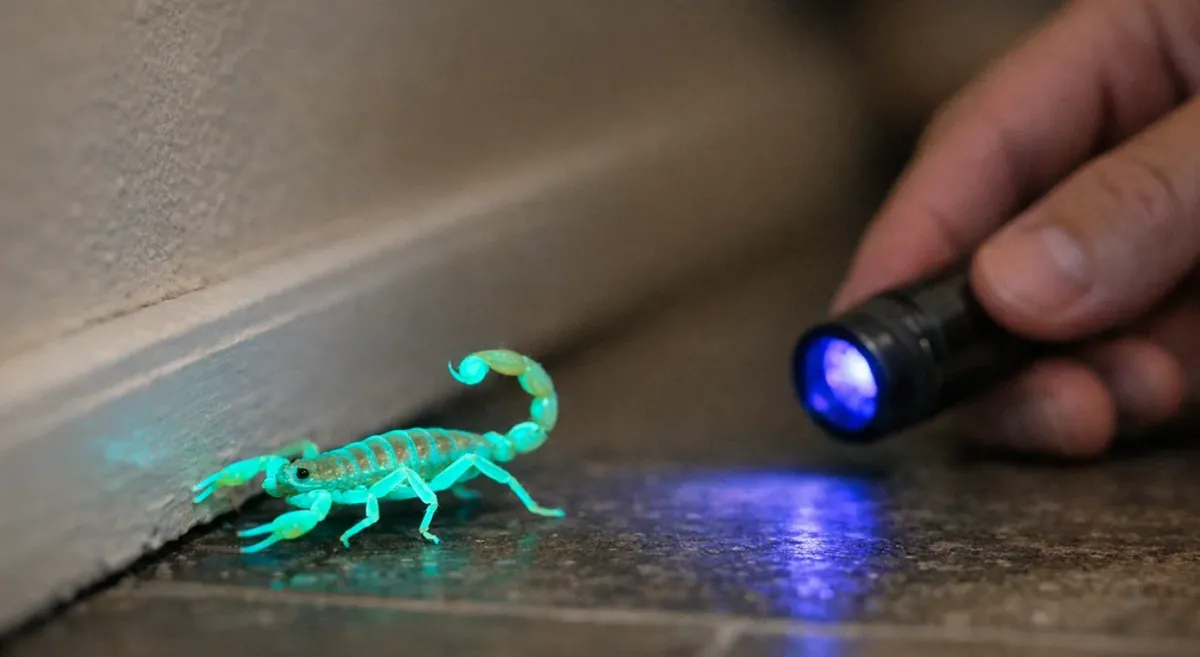
Scorpions glow green under ultraviolet light, and that's the science behind automated detection tools like Scorpion Alert. Its Detectors plug into wall outlets along the room perimeter where scorpions travel, shine a 365nm UV light on the floor only when the room is dark, and send a photo-verified alert to your phone within seconds of spotting that telltale glow. When you get an alert, you grab a UV flashlight and a glass, capture the scorpion, and release it outside — no nightly patrols, no messy sticky traps. It's a non-chemical way to know exactly when and where a scorpion turns up, right when they're most active at night.
Before you clean up after any sighting, it's worth reviewing what not to do after spotting a scorpion in your home so you don't accidentally make the problem harder to solve.
In Hobbs, where scorpions can slip in from garages, block walls, and dry outdoor hiding spots, the goal is catching activity early—before a nighttime surprise. Scorpion Alert uses UV-based detection that turns on when the room goes dark, helping you spot scorpions when they’re most active and respond quickly. If you want an extra layer of confidence at home, you can learn more at Scorpion Alert.