




















Knowledge Base

Season & Timing

Active seasons, breeding cycles, time-of-year guidance.

Articles

Every post tagged Season & Timing.
How Scorpion Alert works

Find them before they find you

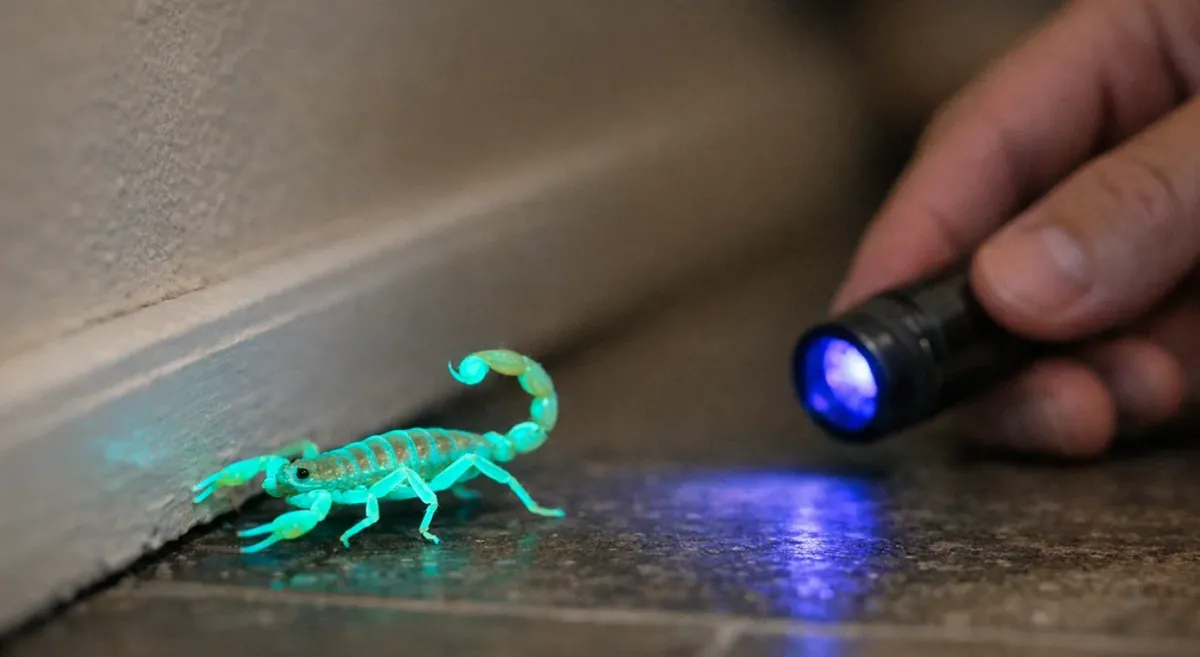
Plug in your Scorpion Detectors around your home and get instant alerts with the location of the scorpion.
  • Detectors arrive ready to plug in
  • Live alerts go straight to your phone or watch, with location
  • Alert multiple family members with a single account
  • One flat monthly monitoring fee — no contract, cancel anytime
Get Scorpion Detectors
Real homes, real results

Why homeowners trust the system

Map of Spicewood, TexasSpicewood, Texas
It’s really easy to use. You just plug them in, set them up with your phone, and you’re done. We caught 4 scorpions already.
Carmen
6 scorpions detected
Map of Phoenix, ArizonaPhoenix, Arizona
We tried everything. Pest control companies, glue traps, powders. None of it worked as well as this.
Ashley
10 scorpions detected
Map of Fountain Hills, ArizonaFountain Hills, Arizona
The mobile app is great, very easy to use. The pictures in the alerts are very helpful (and creepy).
Mrudul
7 scorpions detected
Common questions

Need quick answers?

Does finding one scorpion in my Austin home mean there are more?

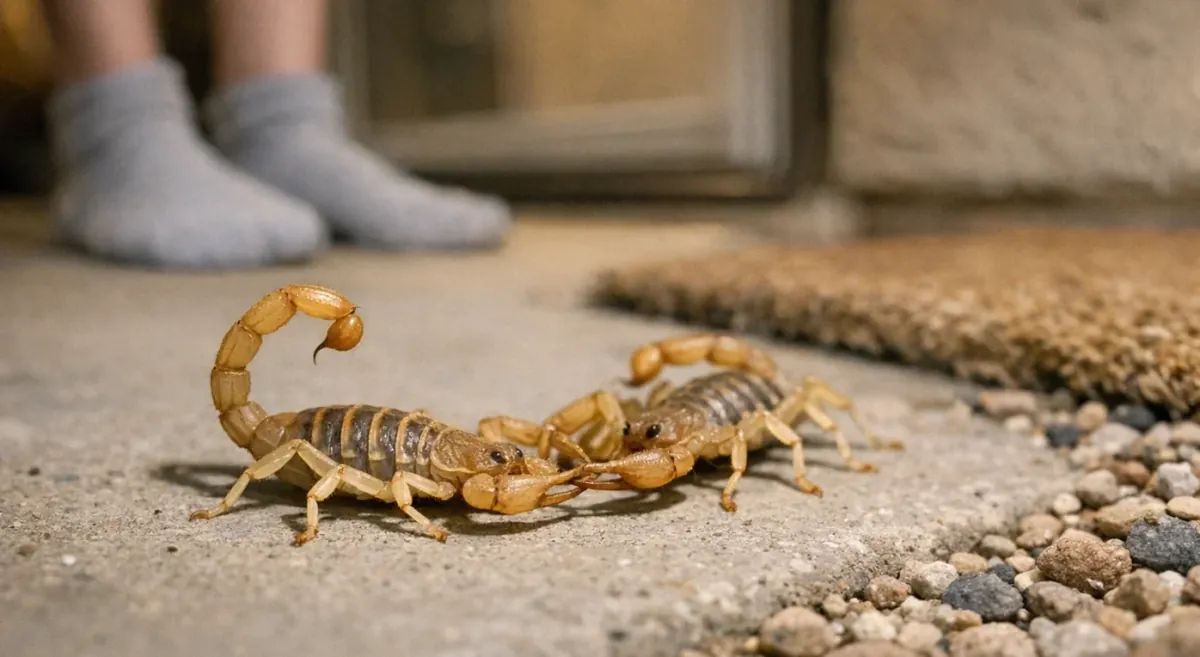
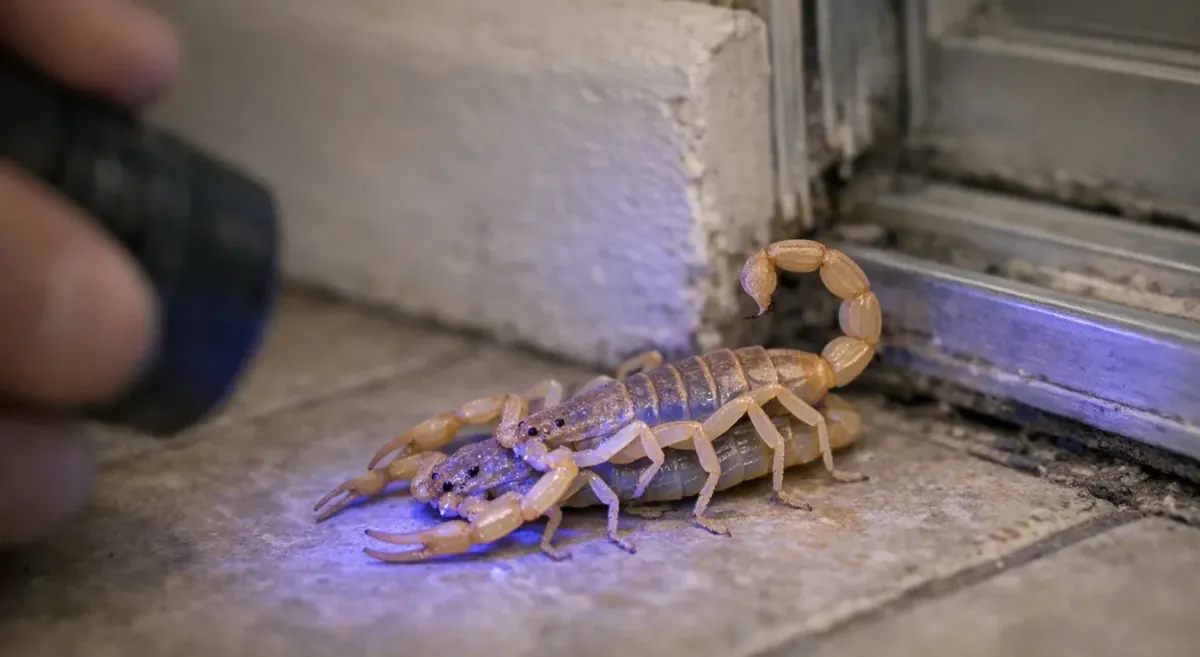
Not necessarily. Striped bark scorpions, the most common species in Travis County homes, typically live alone except during mating season. However, finding a mother with babies or multiple sightings suggests a bigger issue. Understanding Travis County scorpion behavior patterns helps you determine whether you're dealing with a lone hunter or a potential infestation.

We only see two or three scorpions a year. Is this right for us?

Maybe not. If you don't have young children or elderly guests, two or three might be tolerable. That said, scorpions are extremely resilient. Once they gain a foothold in your home, they don't retreat easily, and they often give birth to 25-35 offspring per mating season. For every one you happen to spot, you can assume a few more have recently found the same entry point or have been born in your home.

Are scorpions still dangerous in winter, or is the sting risk basically gone?

The risk is lower in winter, but it’s not zero—especially in garages, storage areas, and other low-traffic spots where people reach into boxes or walk barefoot. Winter stings often happen at night or when moving stored items, so small habits like wearing shoes and using gloves make a big difference. This winter scorpion sting risk tips overview covers common scenarios and what to do if you find one inside.

Why are scorpions showing up in my house all of a sudden?

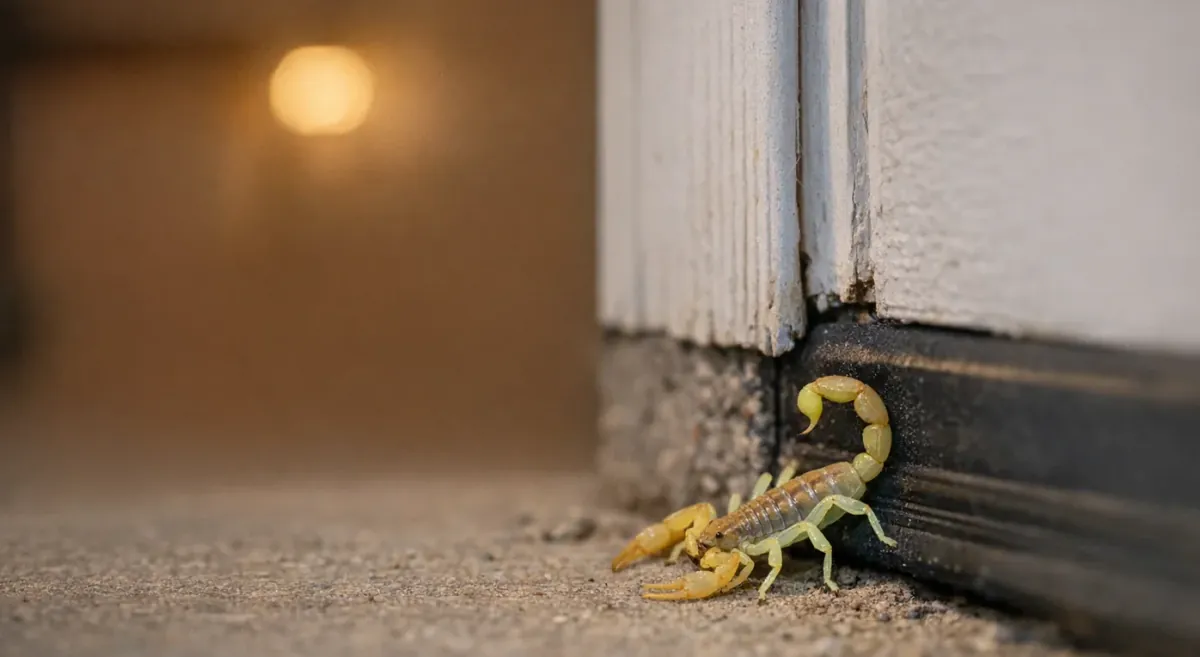
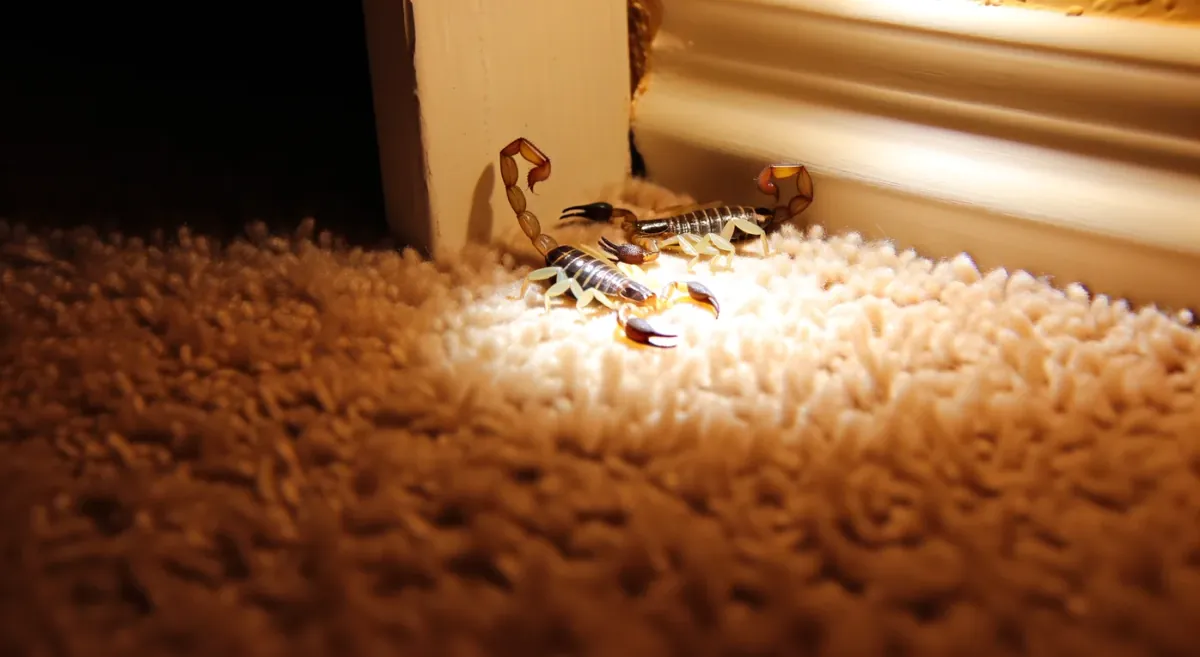
Scorpions often wander indoors because homes provide water, prey (like crickets or roaches), and tight hiding spots, especially during seasonal activity. They’re also most active at night and tend to move along walls and baseboards, which is why edge-focused prevention works better than random spraying. This why scorpions come inside guide explains the layered approach: exclude, reduce habitat, and monitor.

When is scorpion mating season in Arizona, Texas, and New Mexico?

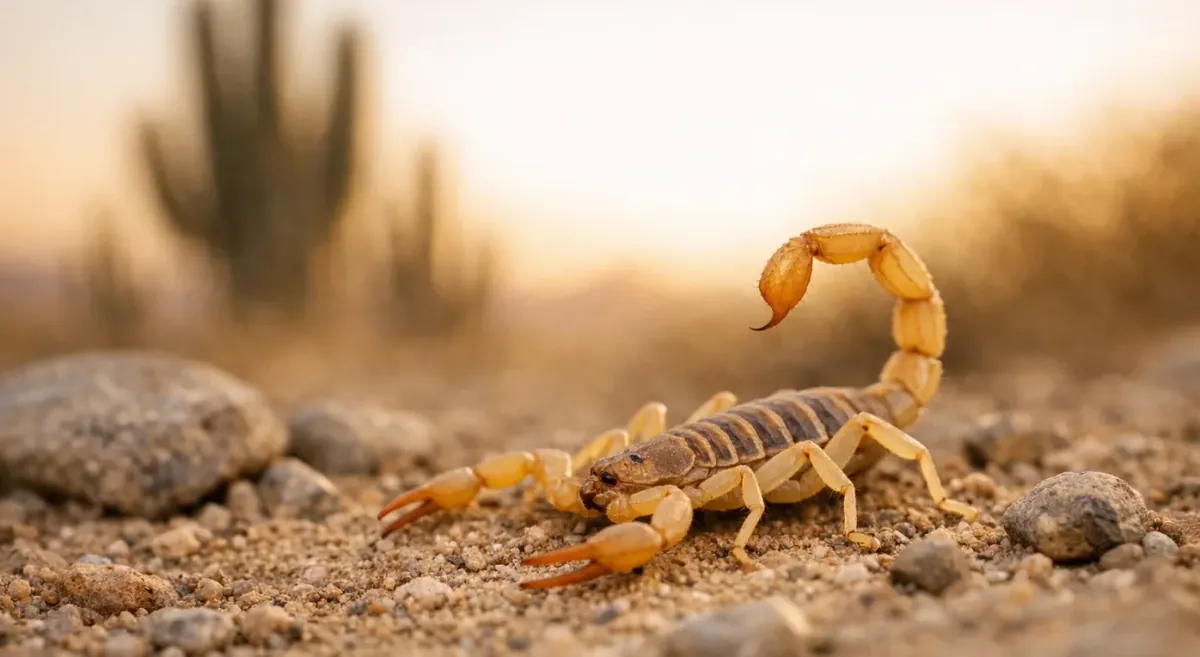
In much of the Southwest, scorpion mating activity commonly ramps up from late March/April through July, with nightly temperatures and humidity driving how intense it feels. Warm nights can increase roaming, and rainy periods may spike activity because insects (their food source) become more abundant. For a practical homeowner-focused timeline and what to watch for locally, see this Southwest scorpion mating season timing.

How bad is the Phoenix heat really, and what does “dry heat” mean day-to-day?

Phoenix heat is more than a catchy “dry heat” phrase—sun exposure, hot pavement, and constant AC use shape your routines from June through September, when locals settle into an “indoor season.” This section covers how schedules shift to early mornings/evenings and what to check in a new home (insulation, window coverings, HVAC age and filters) to avoid surprise comfort and energy costs. See the practical checklist in Phoenix dry heat homeowner tips.

Got questions about scorpion detection?