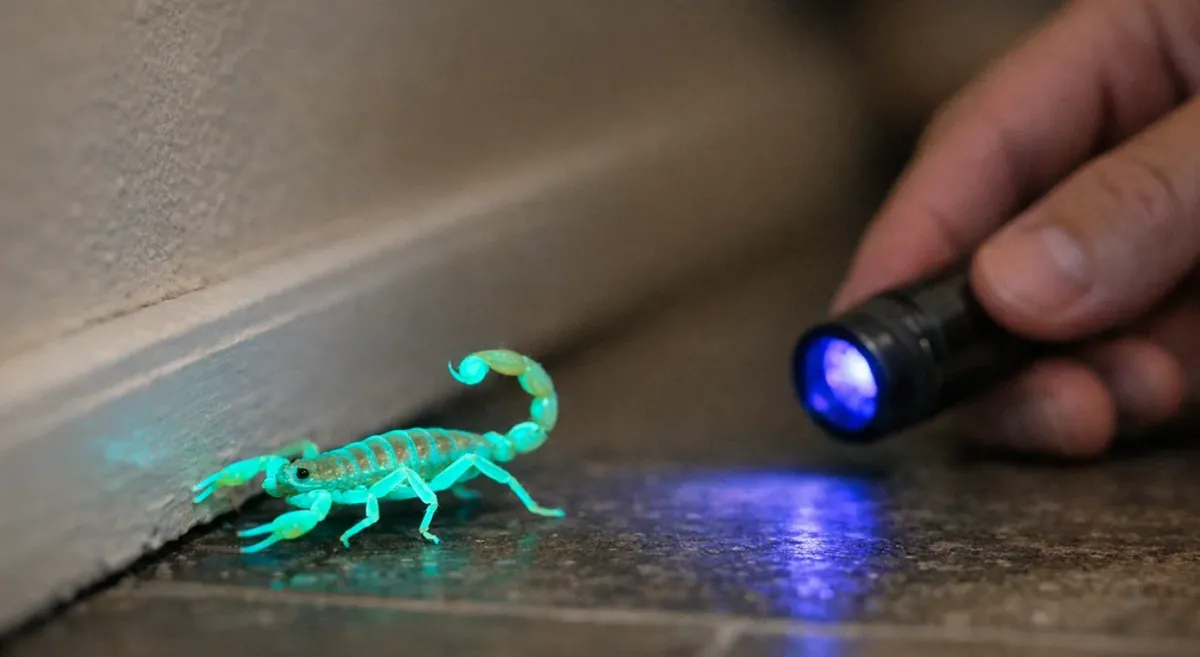
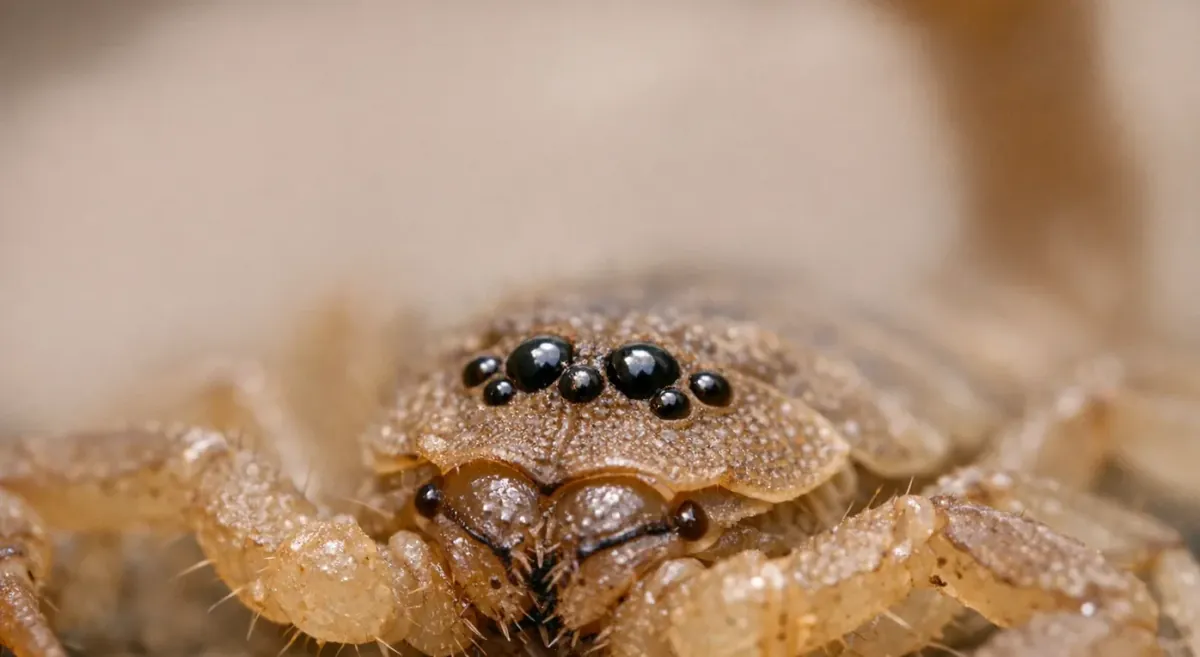
You're washing dishes after dinner when you spot it — a pale, straw-colored scorpion scurrying along your kitchen baseboard. If you live in Travis County, Texas, you've likely just encountered one of three species that call Central Texas home.
Austin and the surrounding areas sit in a unique scorpion zone. Unlike West Texas with its desert species or South Texas with its subtropical varieties, Travis County hosts a specific mix of scorpions adapted to our Hill Country environment. Understanding which species you're dealing with helps you assess risk and choose the right response.
The Big Three: Travis County's Resident Scorpions
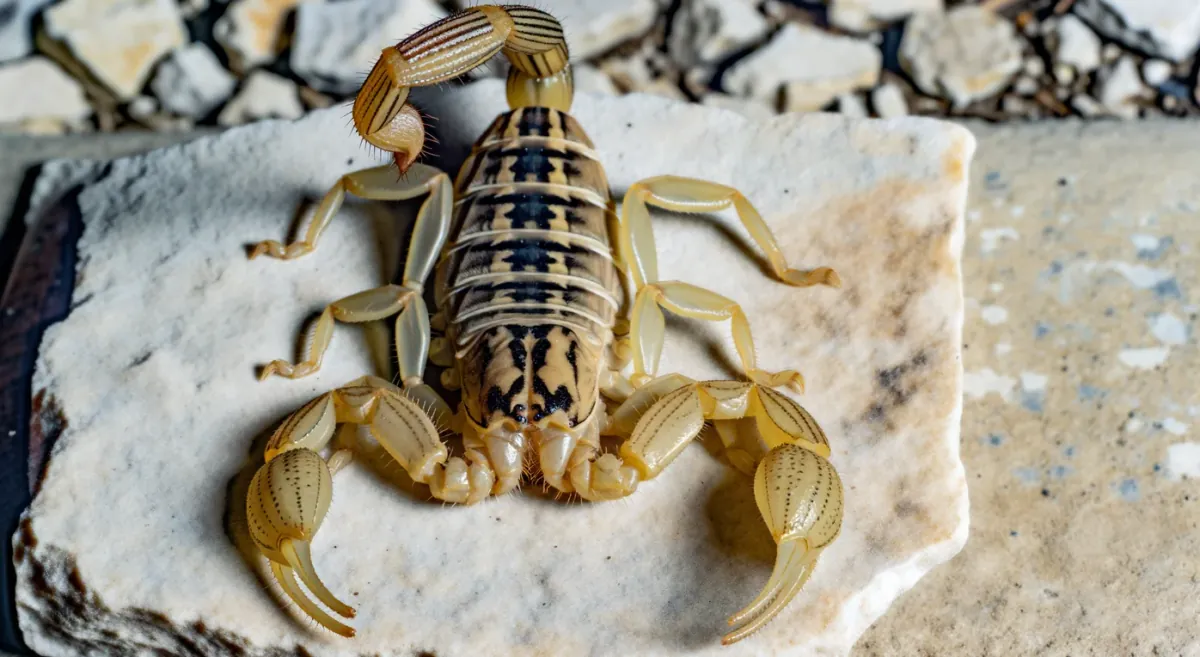
Travis County hosts three main scorpion species, each with distinct characteristics that affect how dangerous they are to your family. The striped bark scorpion (Centruroides vittatus) dominates the local population, making up about 90% of scorpion encounters in Austin homes. These yellowish-tan scorpions measure 2-3 inches long and display two dark stripes running down their backs — hence the name.
What makes striped bark scorpions particularly troublesome? Unlike ground-dwelling species, they aren't limited to ground level — their ability to reach walls, beds, and higher surfaces means they can turn up in higher, unexpected places like bathroom sinks or kitchen cabinets.
The Texas cave scorpion (Pseudouroctonus reddelli) represents our second most common species, though "common" might be misleading — these scorpions prefer the limestone caves and rock crevices abundant in western Travis County. Darker and bulkier than striped bark scorpions, cave scorpions rarely venture into homes unless you live near natural rock formations or have a stone foundation that mimics their preferred habitat.
Rounding out the trio, the straight-faced solifugid technically isn't a scorpion at all — it's a wind scorpion or sun spider. But homeowners often mistake these fast-moving, tan arachnids for true scorpions due to their similar size and habitat preferences. Wind scorpions lack venom entirely, making them harmless despite their intimidating appearance and aggressive hunting style.
Identifying Travis County Scorpions: Beyond the Basics
Scorpion pincers tell you more than you might think. Striped bark scorpions sport slender, delicate-looking pincers that seem almost too small for their body size. This isn't a design flaw — species with potent venom typically have smaller pincers because they rely on their sting, not their grip, to subdue prey. In contrast, Texas cave scorpions wield thick, powerful pincers that can crush small insects without using venom at all.
Color variations within species complicate identification. Young striped bark scorpions appear almost translucent, while adults range from pale yellow to medium brown depending on their recent molt and habitat. Cave scorpions consistently display darker coloration — reddish-brown to nearly black — which helps them blend into limestone crevices.
Size matters less than you'd expect. Adult striped bark scorpions measure 2-3 inches, but juveniles as small as half an inch pack the same venom potency. Many homeowners assume smaller scorpions are more dangerous, but in Travis County, venom strength depends on species, not size.
Why These Species Thrive in Central Texas
Travis County's limestone geology creates perfect scorpion habitat. The Edwards Plateau's rocky terrain provides countless hiding spots, while our hot summers and mild winters allow year-round activity. Striped bark scorpions particularly love the transition zones where Hill Country meets urban development — they find shelter in rock walls, wood piles, and the gaps where human structures meet natural landscape.
Our region's humidity levels hit a sweet spot for scorpions. Unlike the bone-dry conditions in Nevada or Arizona deserts, Central Texas maintains enough moisture to support the insects scorpions hunt. This reliable food supply means Travis County scorpions don't need to venture as far to hunt, but it also means they reproduce successfully and maintain stable populations near homes.
Urban expansion into previously wild areas brings humans and scorpions into increasing contact. New construction in western Travis County disturbs established scorpion habitats, driving them to seek shelter in nearby homes. If you've recently moved to areas like Bee Cave, Dripping Springs, or western Austin, you're essentially moving into existing scorpion territory.
What Finding One Scorpion Really Means
Here's what every Travis County homeowner wonders: if there is one scorpion, is there more? The answer depends on the species and circumstances. Striped bark scorpions typically live solitary lives except during mating season (spring and fall). Finding a single adult in your home often means just that — one scorpion that wandered inside while hunting.
However, certain situations suggest a bigger problem. Female scorpions carry their babies on their backs for several weeks after birth. If you spot what looks like a bumpy scorpion, you're seeing a mother with dozens of tiny offspring. Once these babies mature and disperse, you could face multiple scorpions throughout your home. Similarly, finding multiple scorpions over a short period indicates an entry point they're exploiting repeatedly.
Cave scorpions present a different pattern. These scorpions often colonize suitable habitats in small groups. If your property includes rock walls, decorative boulders, or sits near natural limestone outcroppings, you might host a permanent population rather than occasional visitors.
Protection Strategies Specific to Travis County Species
Knowing you're primarily dealing with striped bark scorpions changes your defense strategy. While ground-level sticky traps work for many pests, scorpions often travel along walls above trap height. Their thigmotactic behavior — the tendency to maintain contact with surfaces while moving — means they follow baseboards, door frames, and wall edges rather than crossing open floors.
This wall-hugging behavior explains why automated detection systems like Scorpion Alert place UV sensors at outlet height along room perimeters. When scorpions travel their preferred routes at night, they pass directly under these detection zones. The same behavior that makes scorpions predictable also makes them easier to intercept once you know where to look.
Traditional prevention advice still applies but needs local adaptation. Sealing entry points matters more in Travis County's limestone areas where natural cracks and crevices abound. Weather stripping works well for striped bark scorpions, but cave scorpions can squeeze through surprisingly small gaps in stone or concrete foundations.
Travis County's scorpion species each present unique challenges, but understanding their differences helps you respond appropriately. Striped bark scorpions remain the primary concern due to their ability to reach higher areas and their prevalence in homes. Cave scorpions stick to rocky areas, while wind scorpions pose no venom threat despite their fierce appearance. Whether you're dealing with one scorpion or suspecting more, knowing your local species guides your next steps — from immediate removal to long-term prevention strategies that actually work in Central Texas.
Now that you know the scorpions you’re most likely to see around Travis County—like bark and striped bark scorpions—you can match what you find to the right precautions and decide when it’s time to take action. If you want an easier way to track sightings, learn what to look for, and stay on top of scorpion activity near your home, visit Scorpion Alert.