
Knowledge Base

Scorpion Behavior & Biology

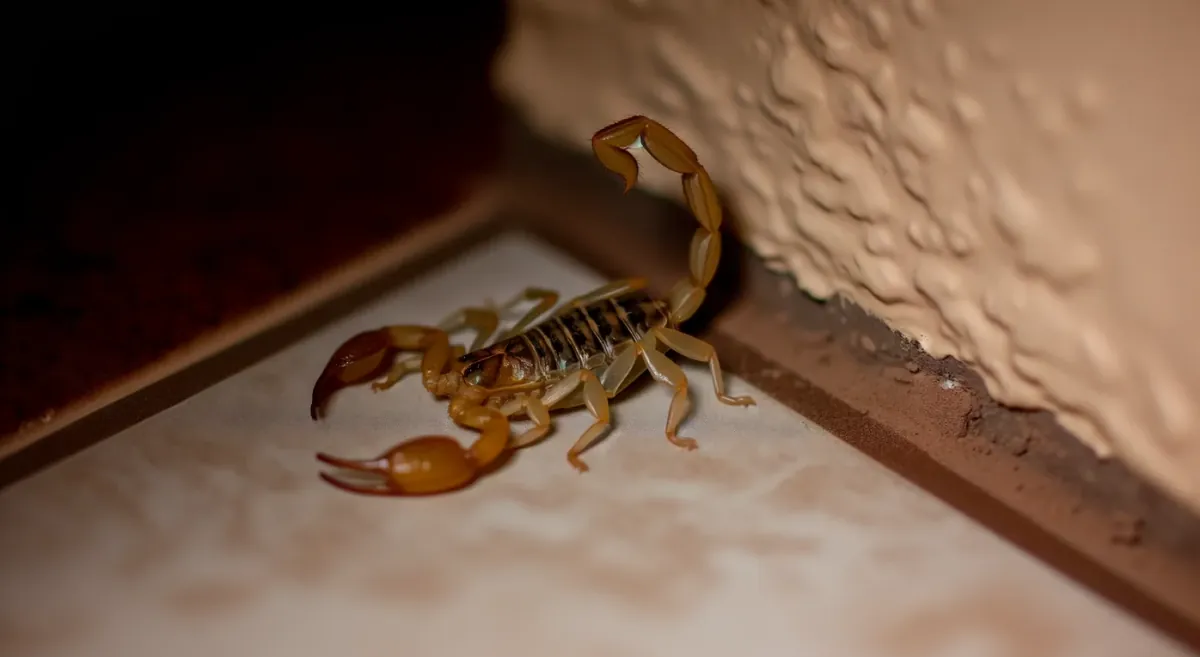
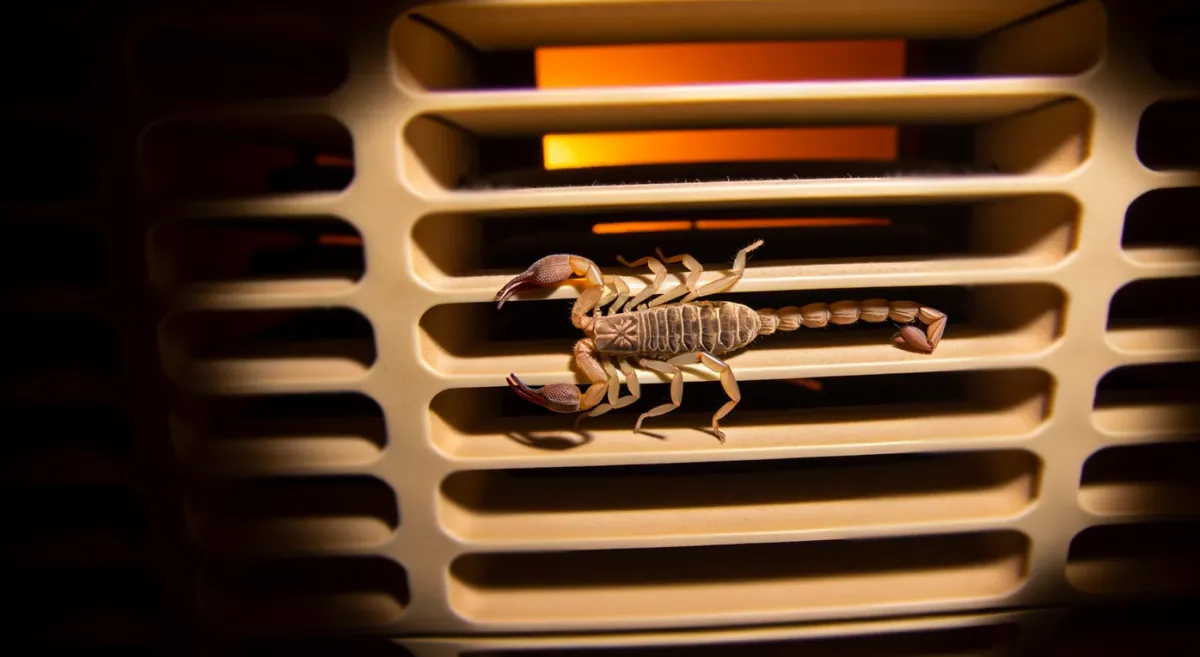
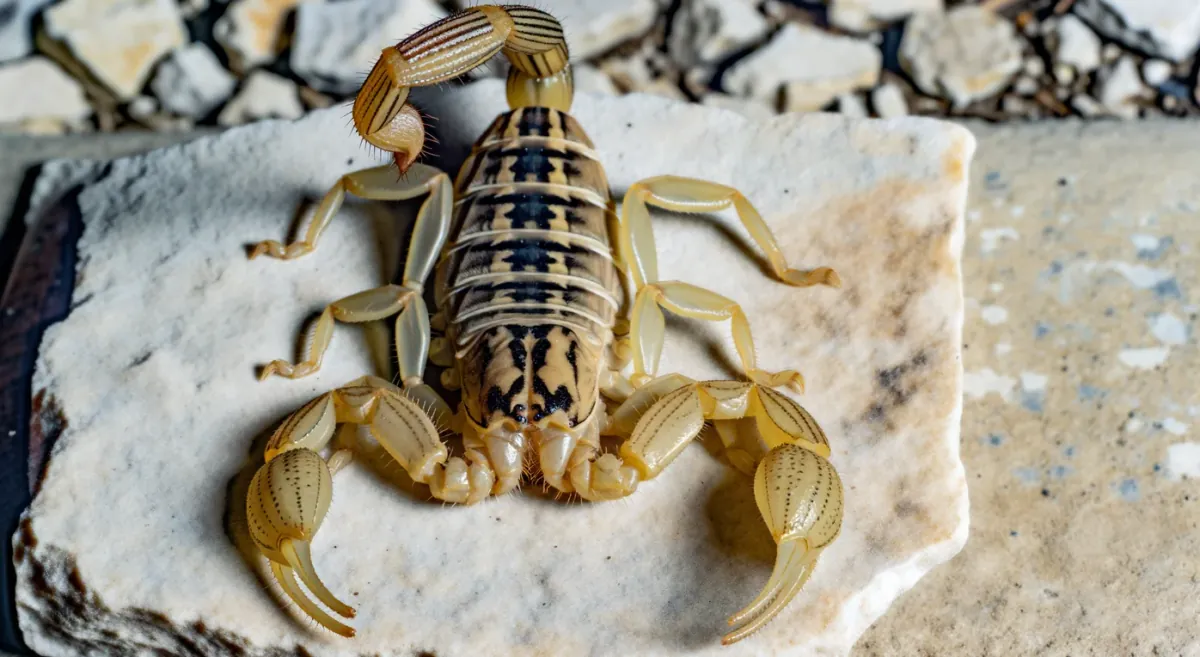
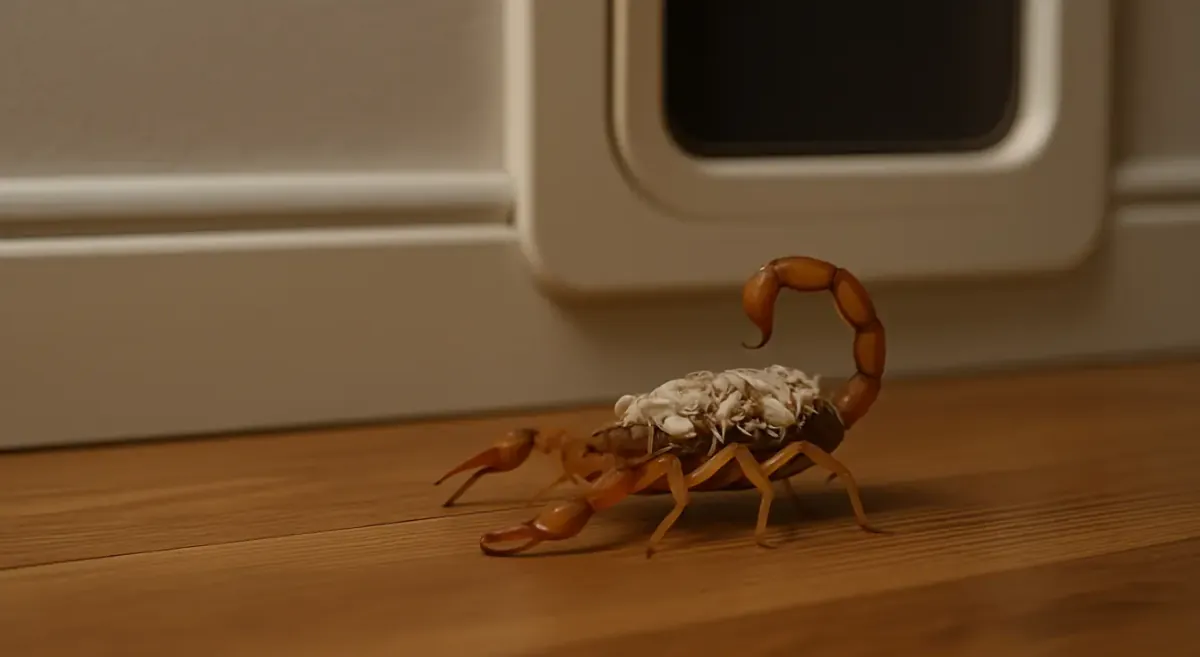
Anatomy, mating, lifecycle, climbing, plumbing/vent entry, why-they-do-what-they-do.

Articles

Every post tagged Scorpion Behavior & Biology.
How Scorpion Alert works

Find them before they find you

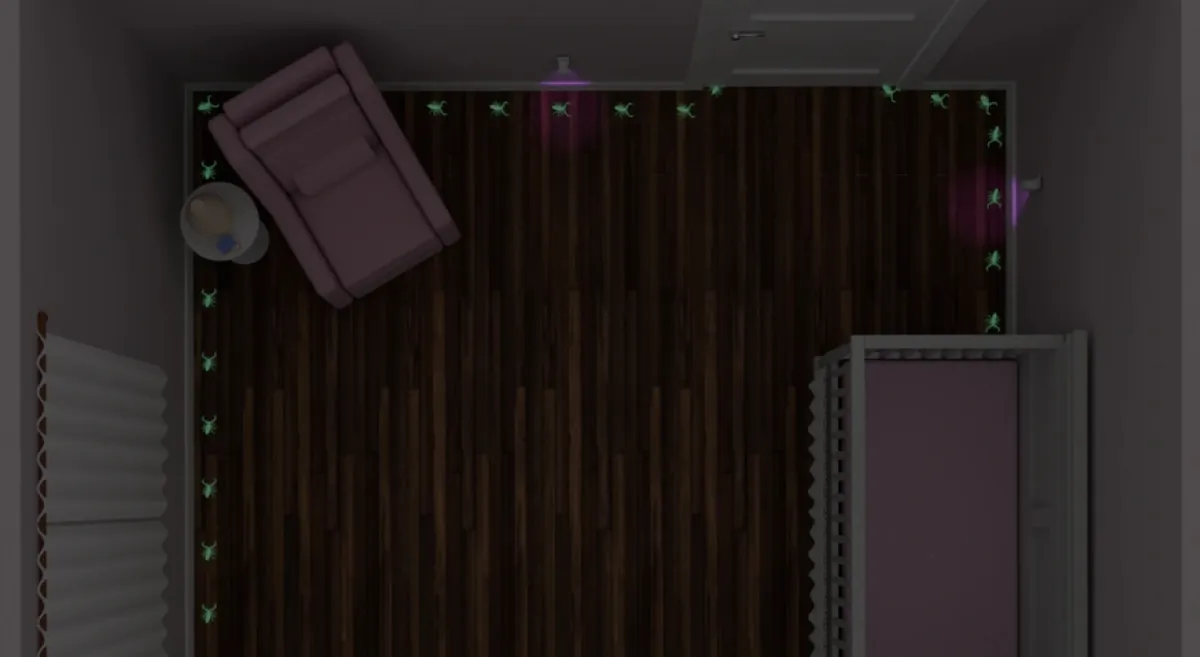
Plug in your Scorpion Detectors around your home and get instant alerts with the location of the scorpion.
  • Detectors arrive ready to plug in
  • Live alerts go straight to your phone or watch, with location
  • Alert multiple family members with a single account
  • One flat monthly monitoring fee — no contract, cancel anytime
Get Scorpion Detectors
Real homes, real results

Why homeowners trust the system

Map of Fountain Hills, ArizonaFountain Hills, Arizona
The picture and location that come with an alert is so helpful in figuring out where the scorpion is going. It usually hasn't traveled very far by the time I get there.
Harrison
12 scorpions detected
Map of Paradise Valley, ArizonaParadise Valley, Arizona
We don’t get as many alerts any more now that we’ve figured out how to seal up our vents, but we were getting a lot of alerts in the beginning.
Leticia
15 scorpions detected
Map of Albuquerque, New MexicoAlbuquerque, New Mexico
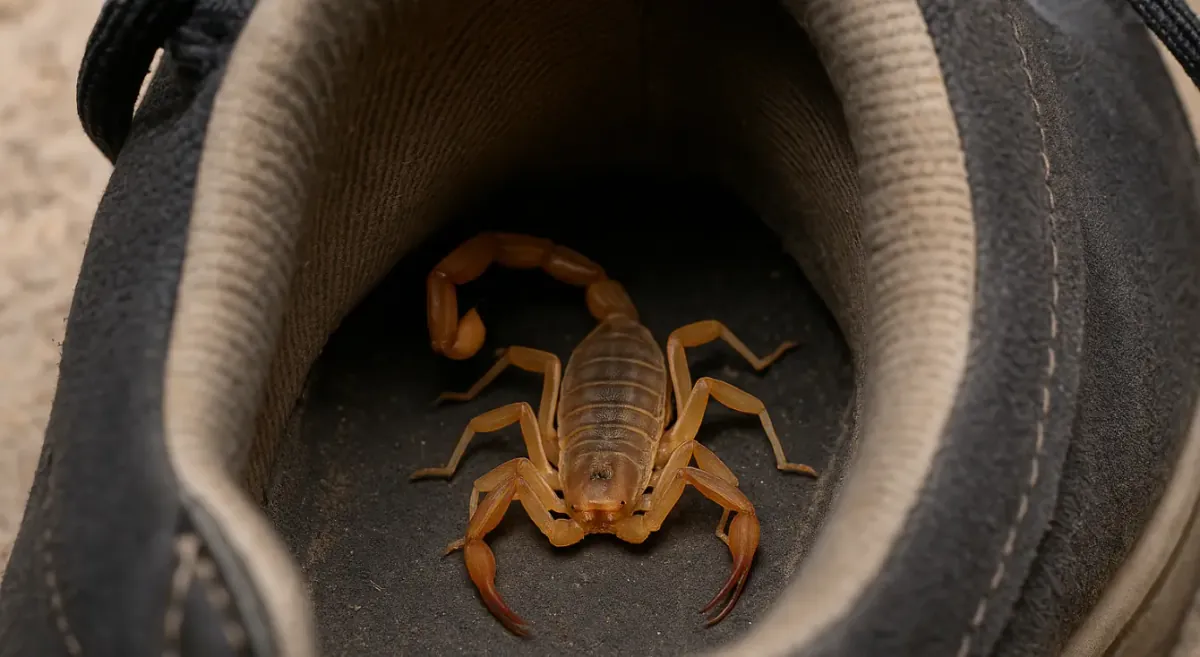
We can finally go on offense against these things instead of waiting to find them in our couch and shoes. It really helps us figure out where they're getting in. Love it.
Marcus
18 scorpions detected
Common questions

Need quick answers?

How do scorpions get inside the house?

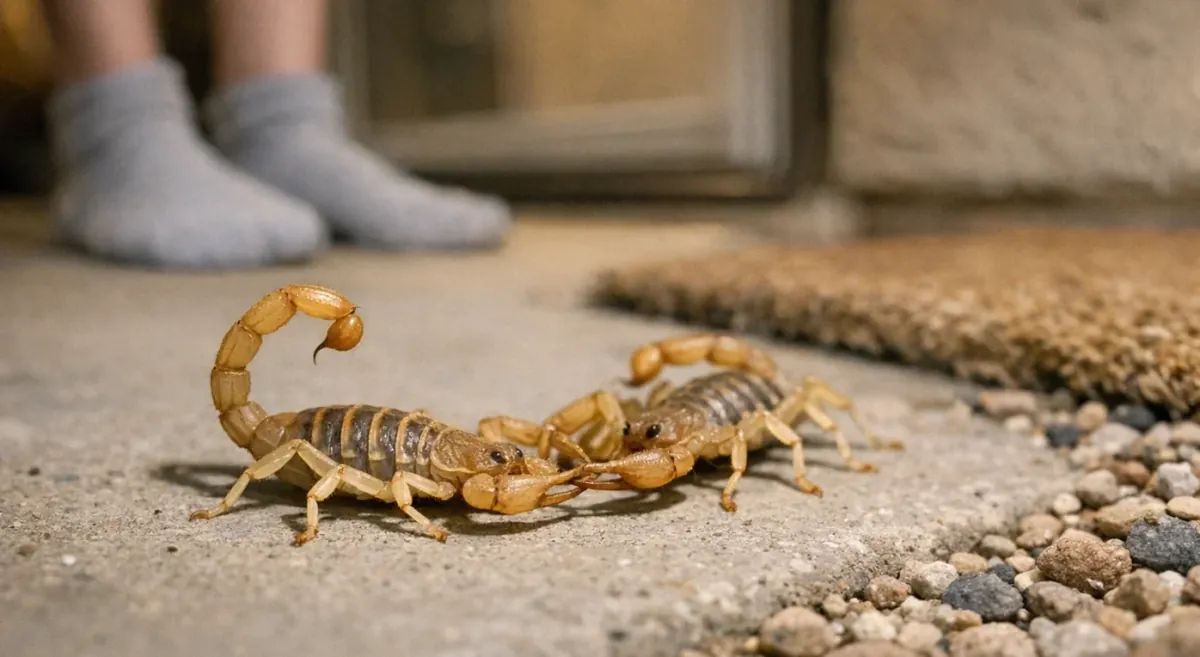
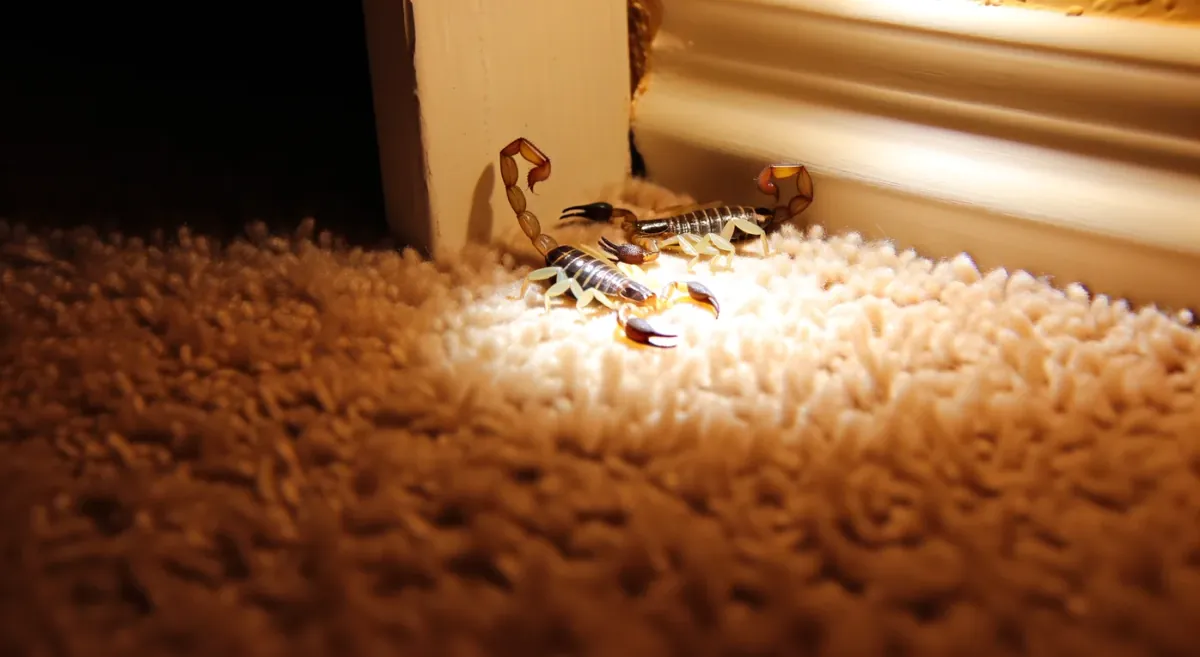
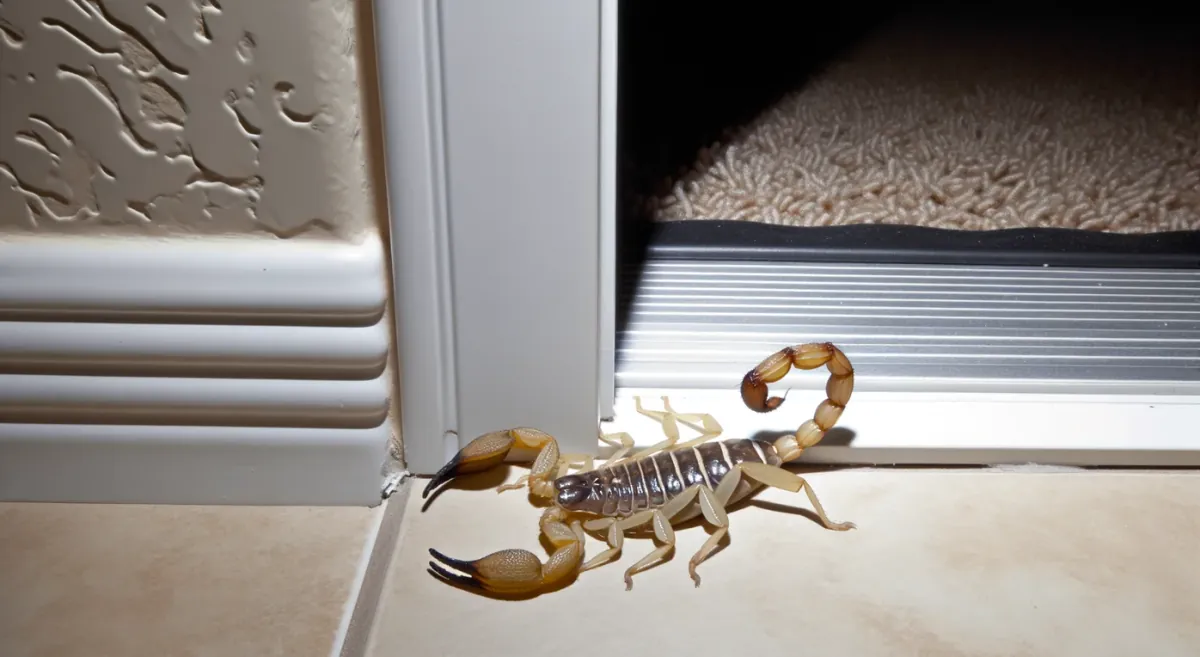
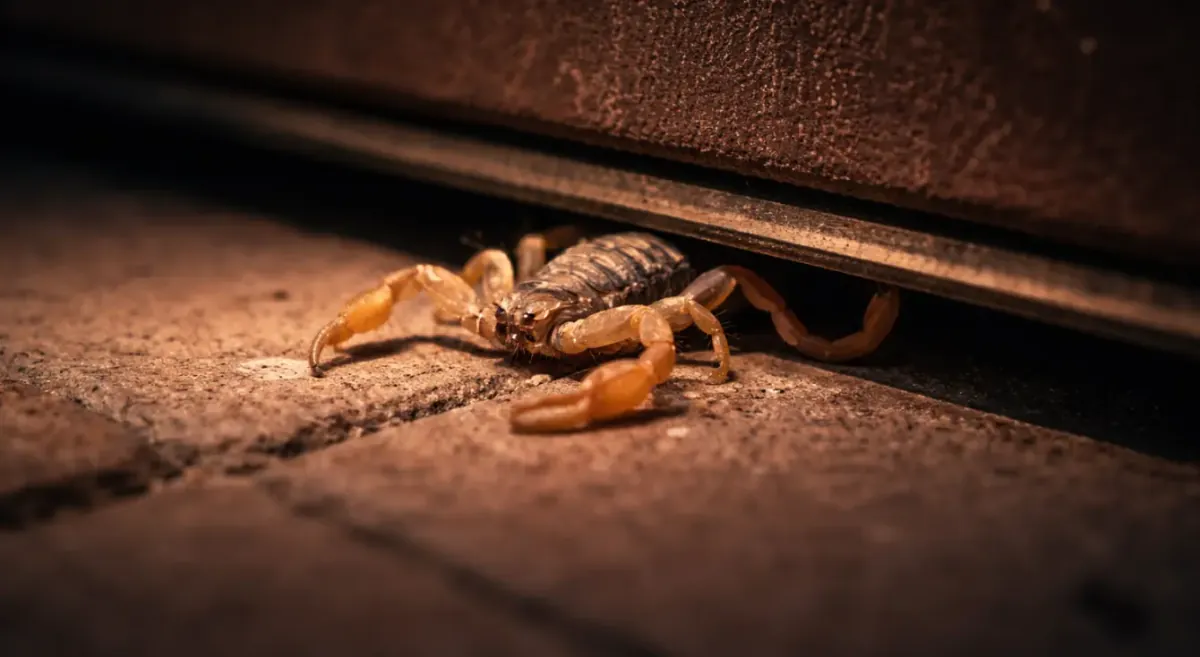
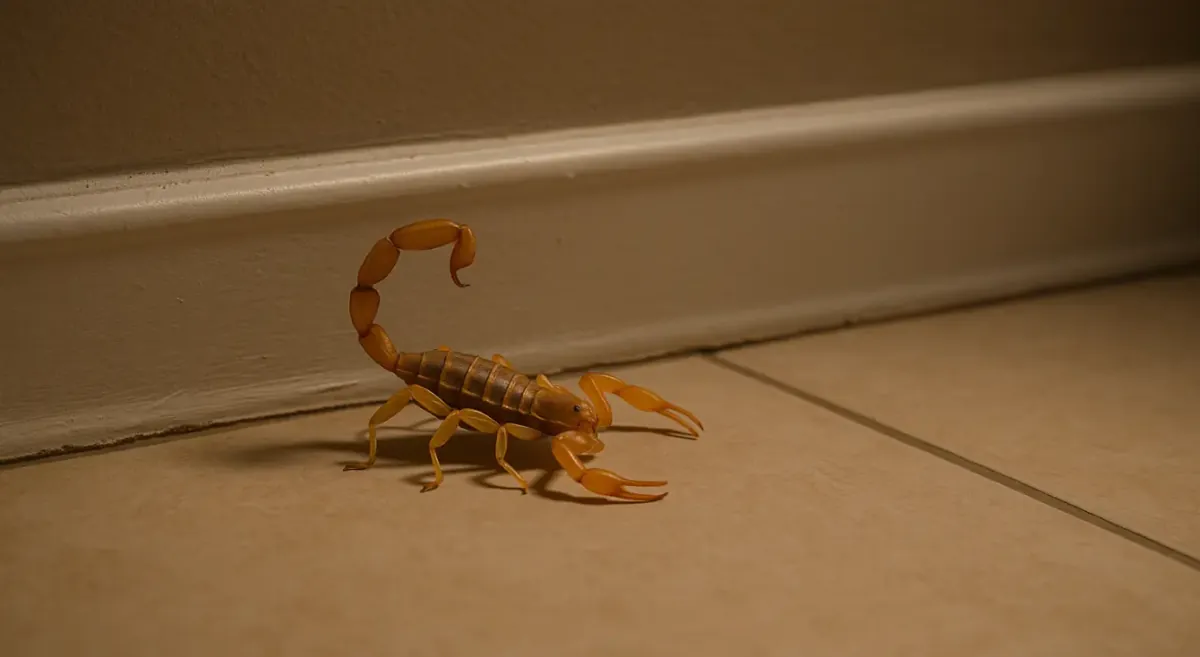
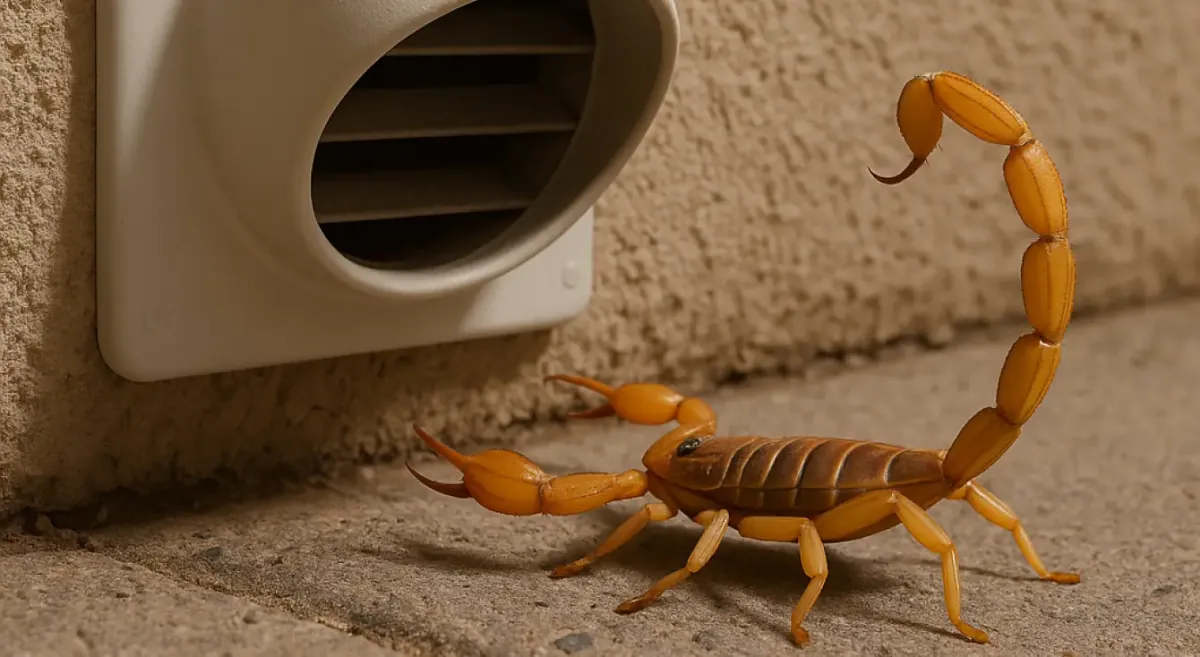
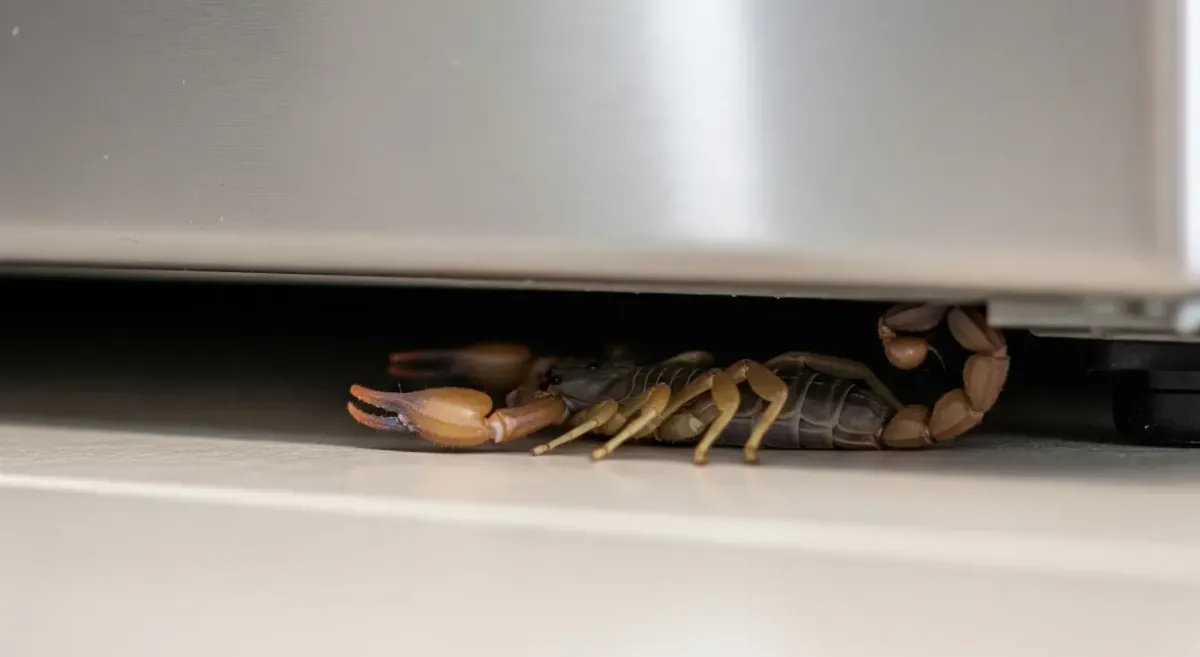
They squeeze through tiny cracks—often as small as 1/16 inch. Common entry points include door sweeps, dryer vents, foundation gaps, and poorly sealed windows. Learn more with our article titled How To Keep Scorpions Out Of Your House

Can scorpions climb walls?

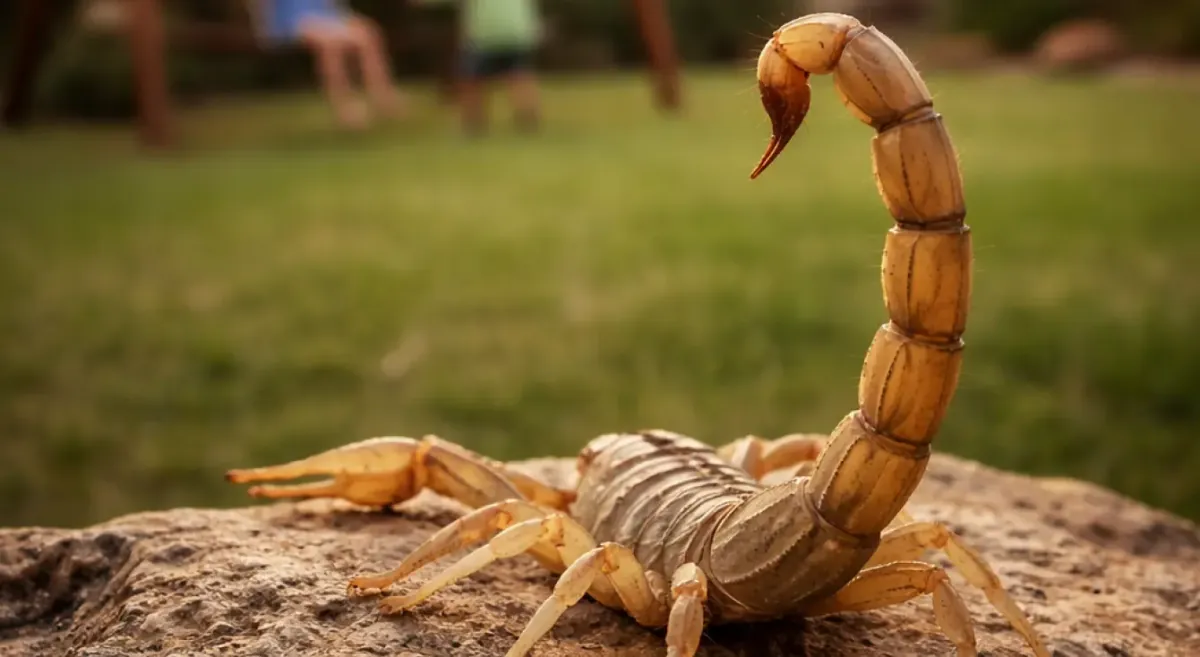
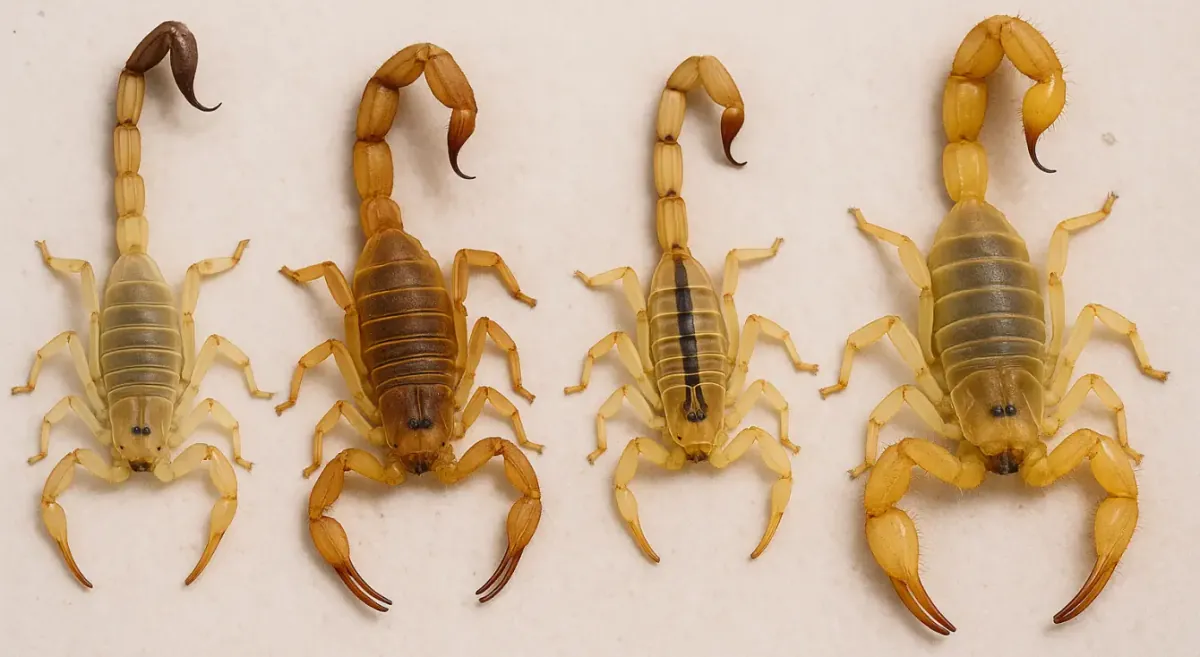
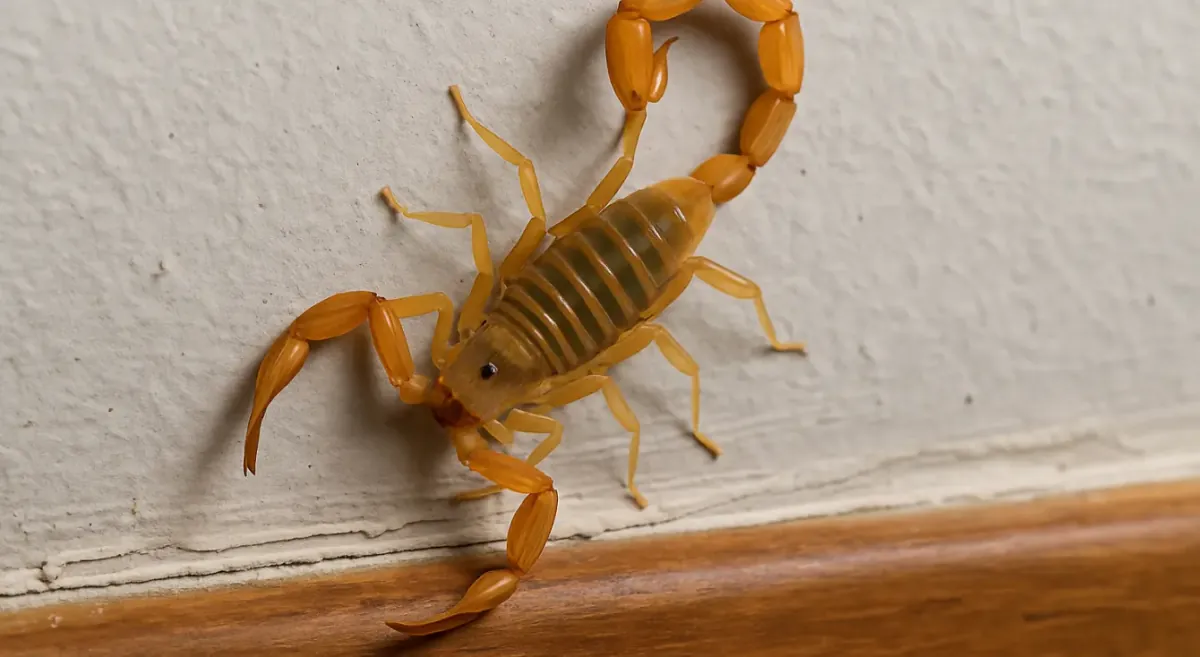
Many scorpions, especially species like the Arizona bark scorpion, can climb smooth surfaces like walls, glass, and trees using tiny hairs and claws on their legs. They cannot climb completely smooth, polished surfaces without texture.

Why is there a monthly subscription?

The Scorpion Detectors you plug in around your house are your front line of defense, but they don't work alone. They're supported by our cloud-based AI assistant. They get regular health checks and performance updates to make sure they improve, adapt, and evolve automatically.

How dangerous are scorpion stings to humans?

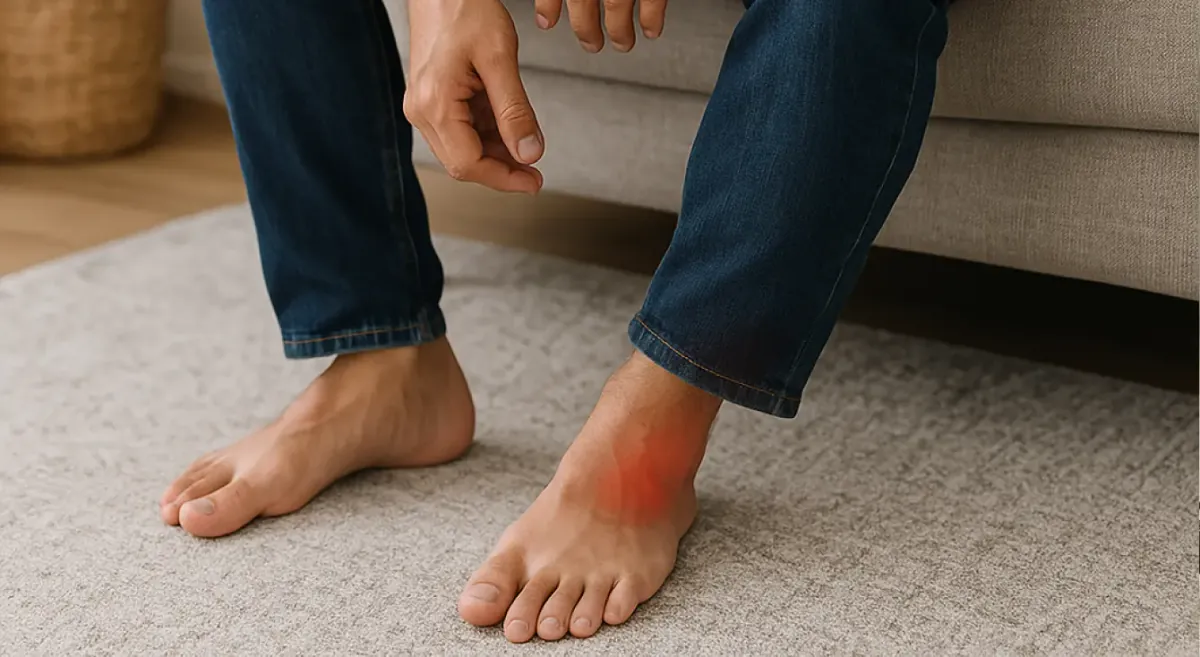
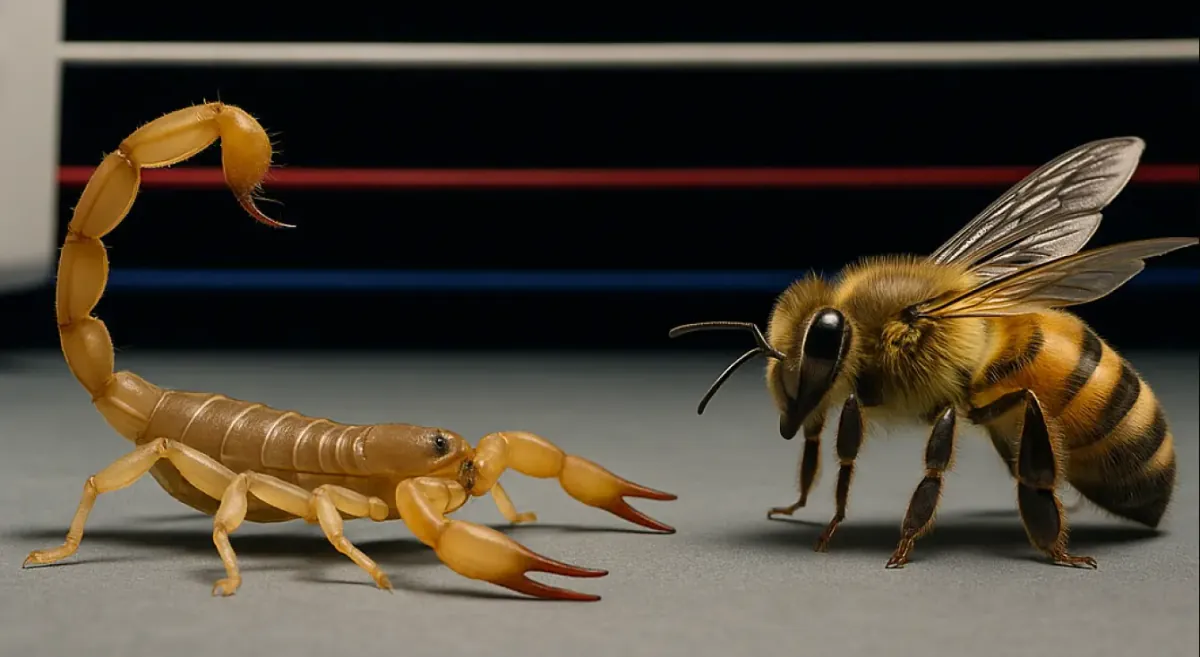
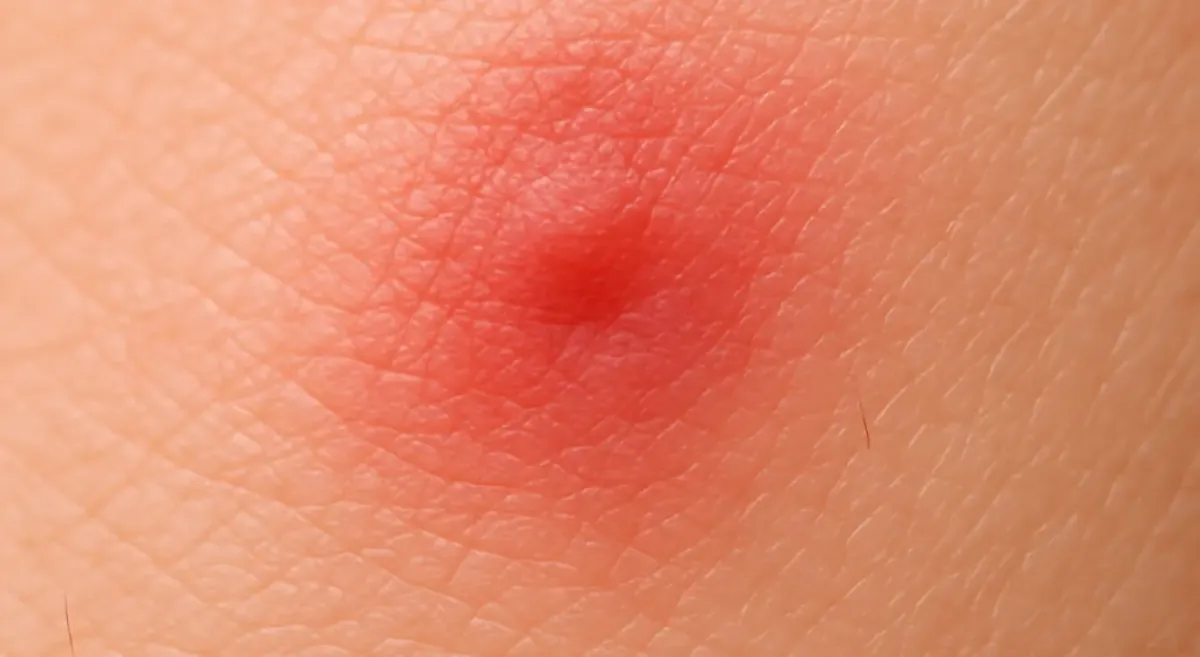
Most scorpion stings cause pain, swelling, and numbness lasting 24-48 hours, but are rarely fatal. Globally, about 1.5 million stings occur annually, with around 2,600 deaths, mainly from species like the deathstalker (Leiurus quinquestriatus) in regions without medical access.

Why do Scorpion Detectors create a faint purple light?

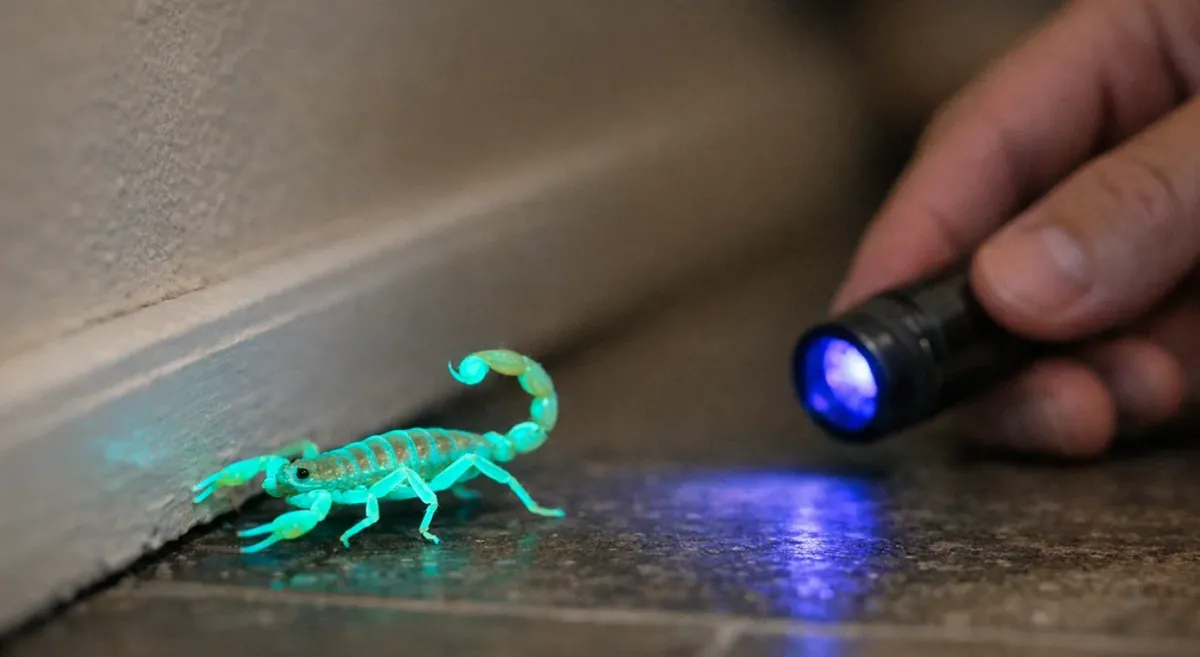
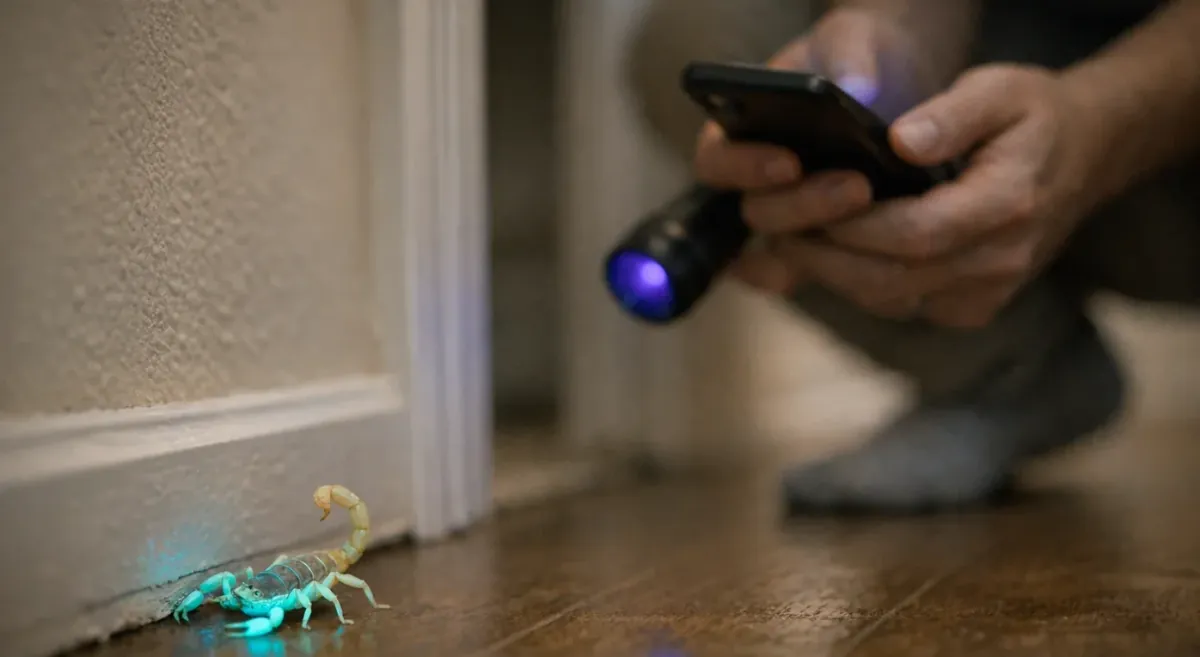
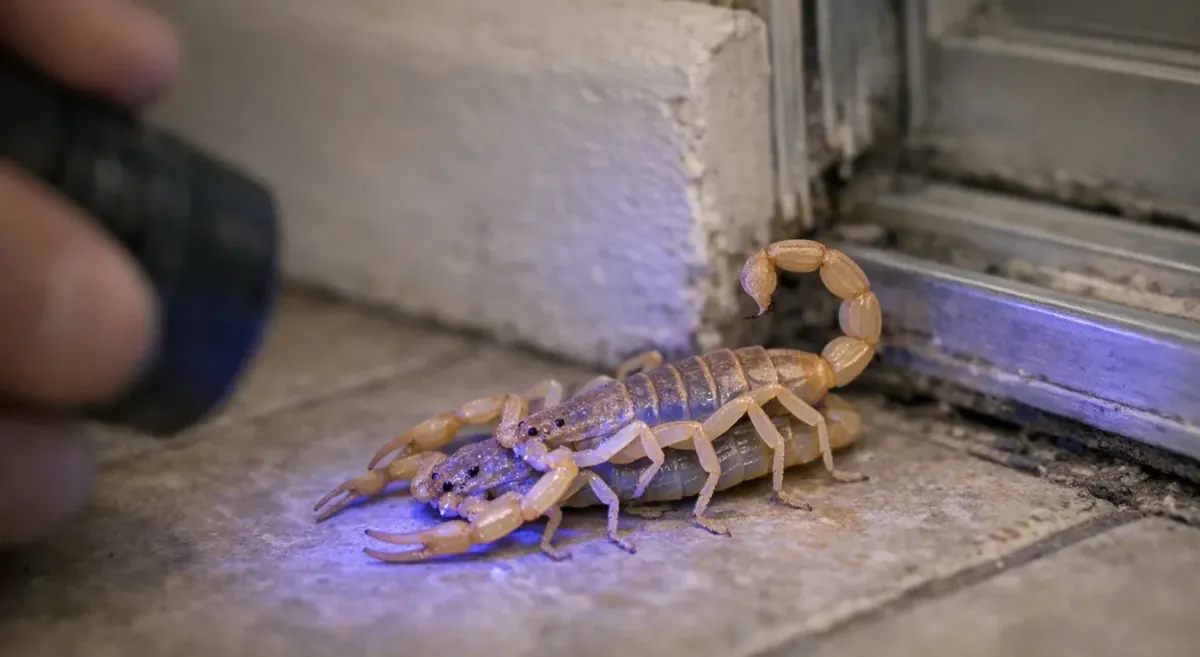
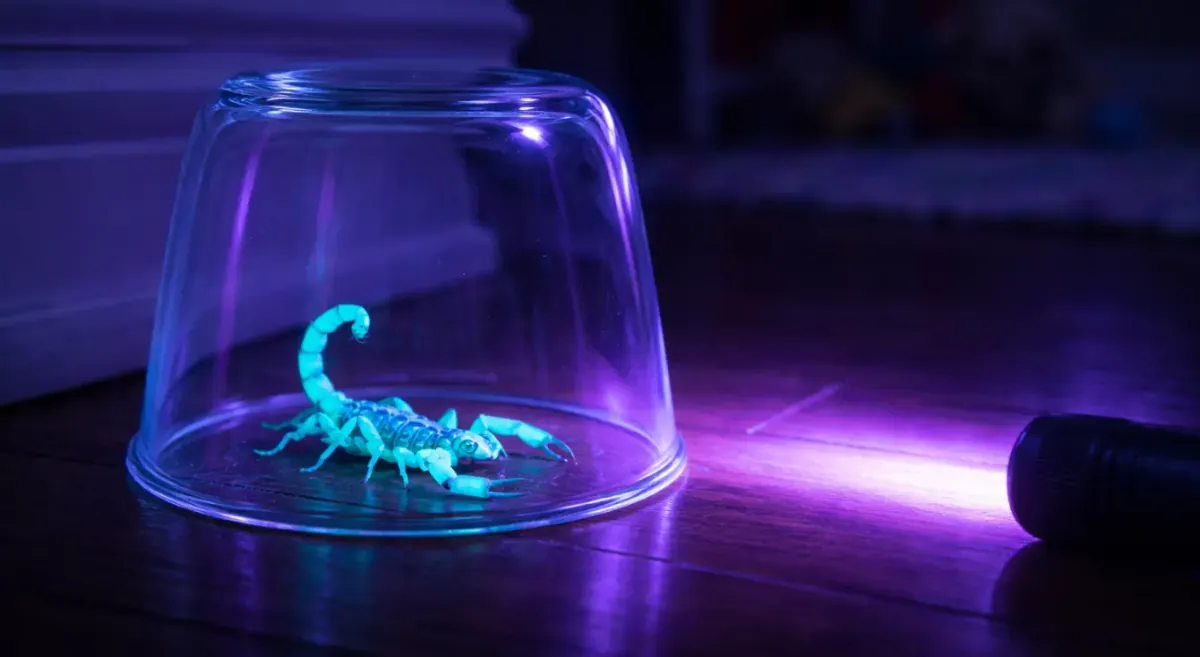
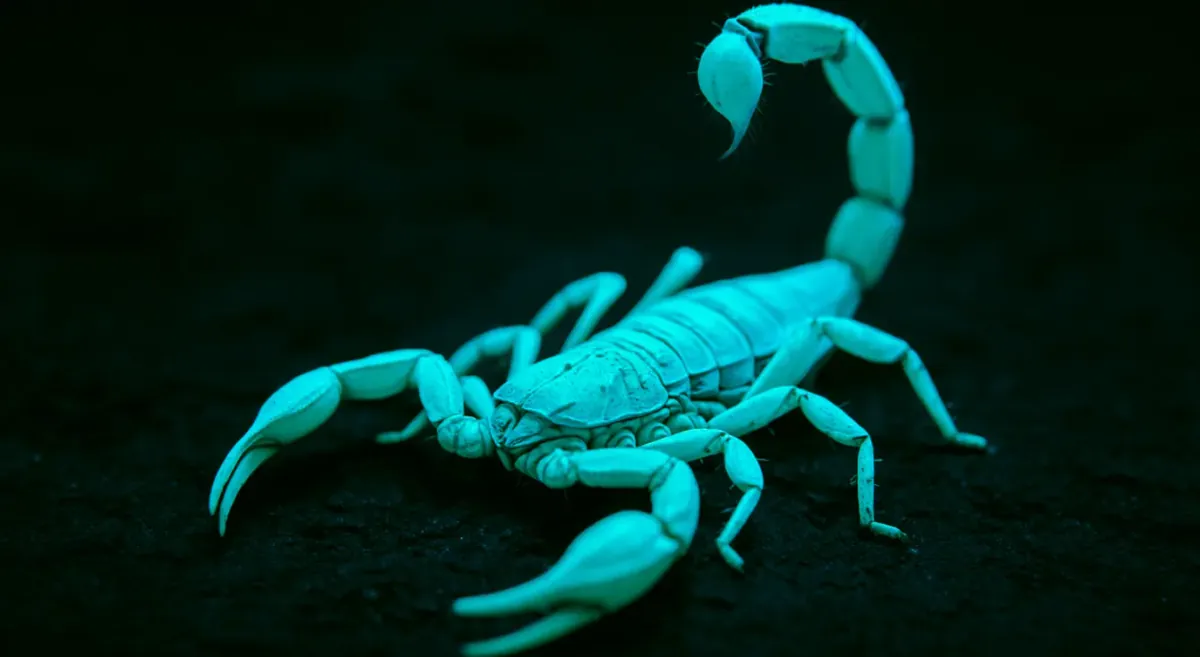
The faint purple light is UV light, which makes scorpions glow in the dark. Our AI analyzes what's glowing to ensure it's really a scorpion before sending you an alert. False alarms are...alarming, so we've trained our detection models to grab your attention only when necessary.

How does moisture control help keep scorpions out?

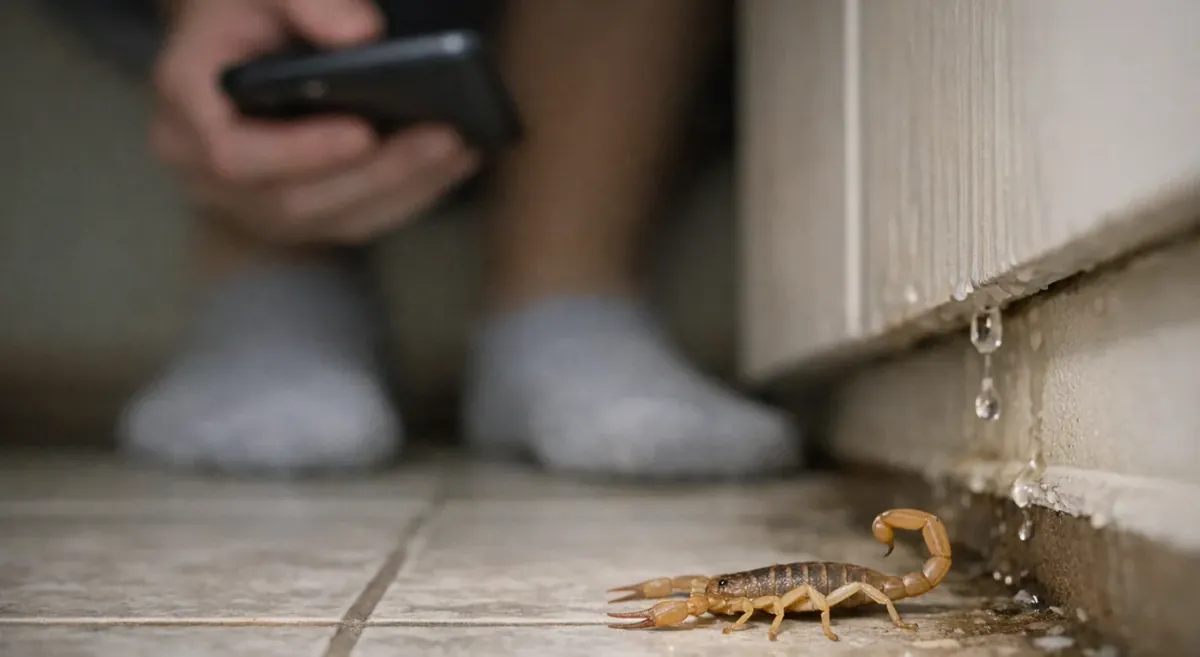
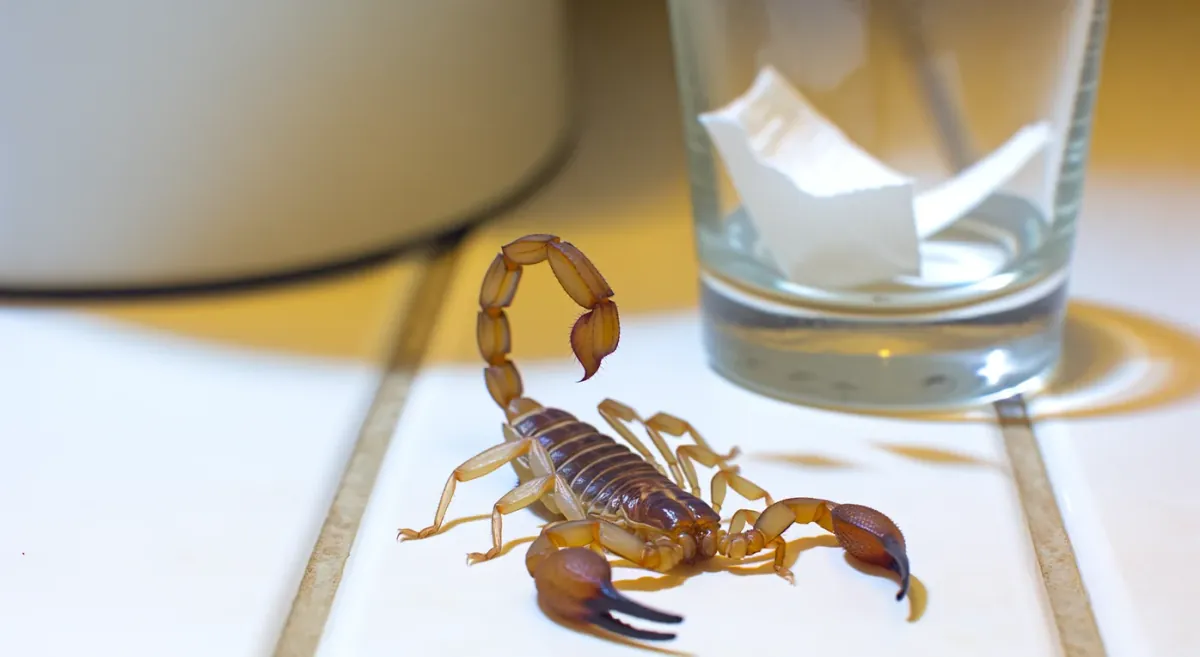
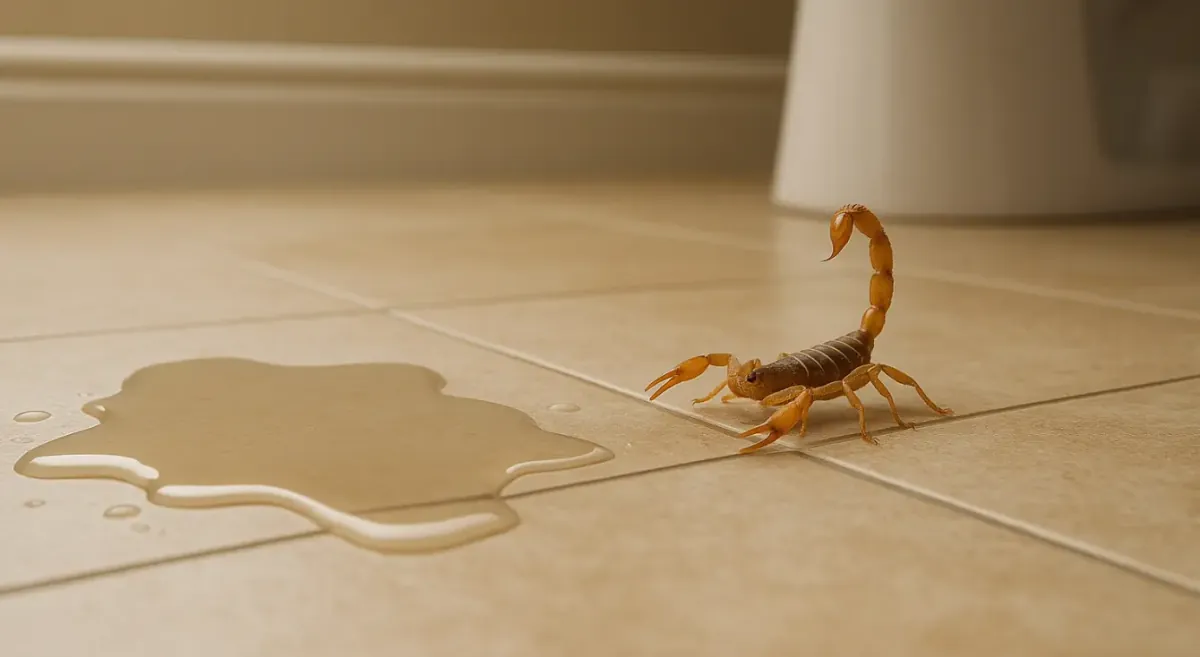
Water attracts bugs, and bugs attract scorpions. Wipe down showers after use, fix dripping faucets, and use dehumidifiers to keep indoor humidity below 50%. These simple moisture control cleaning habits remove one of the main reasons scorpions enter homes in Arizona, Texas, and New Mexico.

Got questions about scorpion detection?