Which scorpions in New Mexico do homeowners see most?
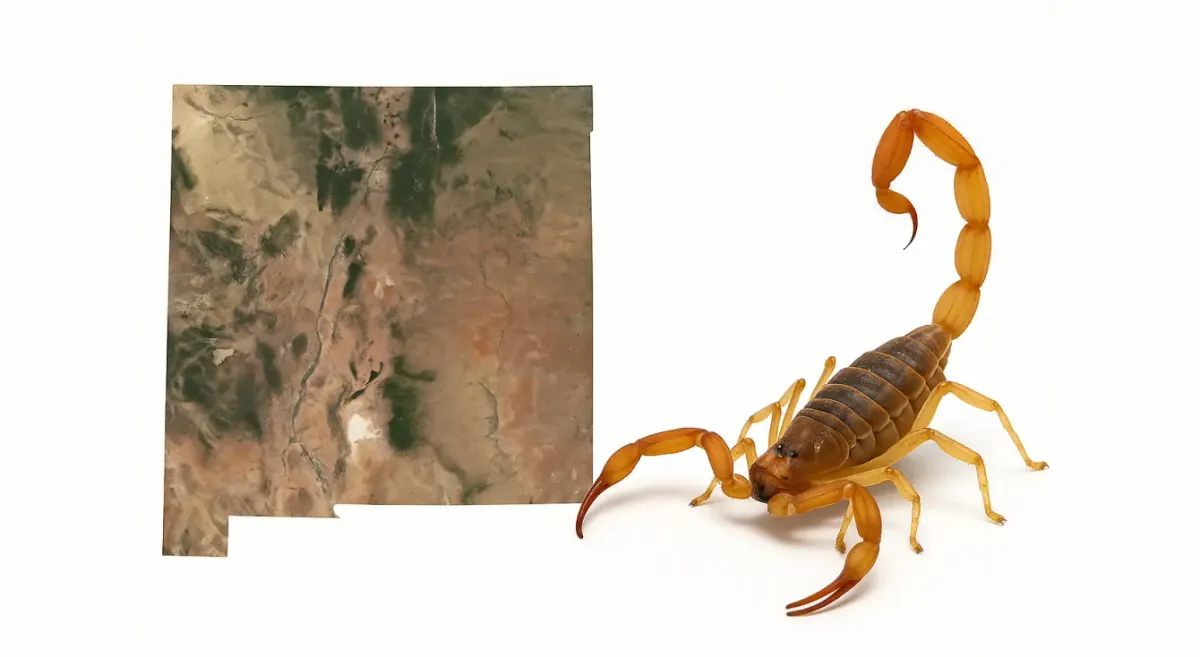
You've spotted a scorpion in your Albuquerque kitchen. Or maybe your Las Cruces neighbor just posted about finding one in their garage. Here's the reality: New Mexico hosts over 20 scorpion species, but only a handful routinely show up where people live.
Location matters. Southern desert communities near the Mexican border see different species than homeowners in Santa Fe or the Sandia Mountains. Your specific micro-habitat plays a role too—homes with rocky landscaping, cluttered garages, or woodpiles attract different scorpions than manicured lawns.
These four species account for most residential encounters across the Land of Enchantment:
Striped Bark Scorpion (Centruroides vittatus): the usual suspect
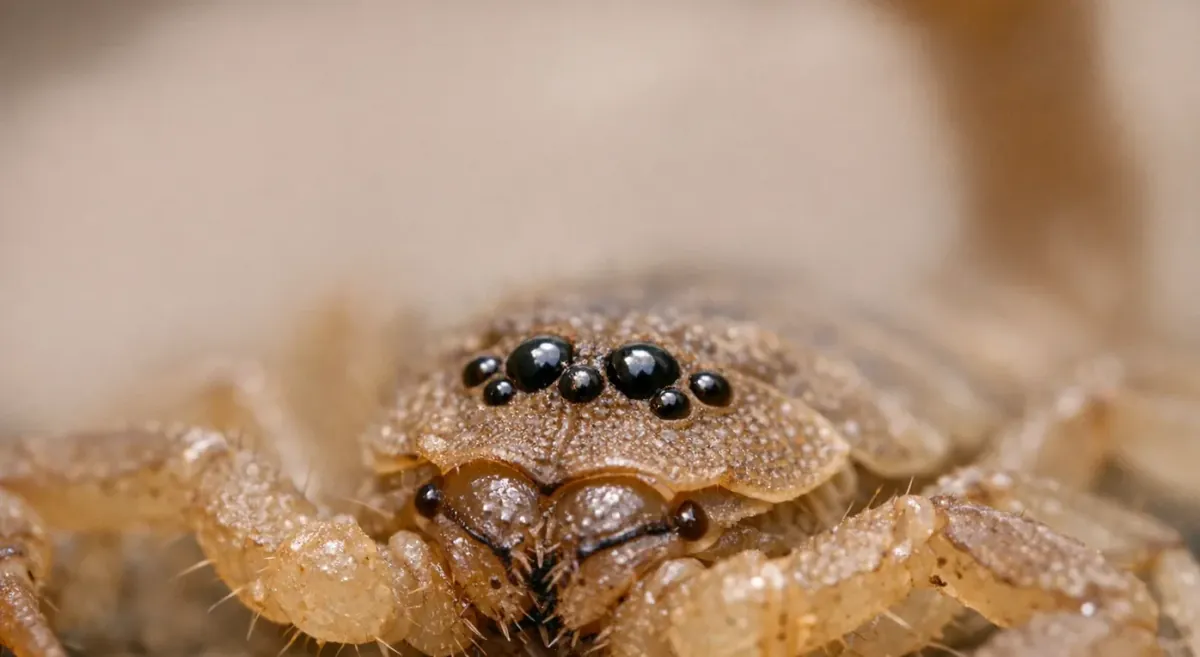
You're grabbing a midnight snack and spot something tan scurrying up your kitchen wall. That's probably a striped bark scorpion—New Mexico's most common indoor invader. Their tan bodies have two distinctive darker stripes running head to tail, with slender pincers and a thin tail that curves gracefully when they're on the move.
What makes them such frequent houseguests? Unlike most other scorpions, which stay at ground level, striped bark scorpions readily reach higher areas—getting up onto furniture and into upper rooms. They squeeze into impossibly tight spaces—under baseboards, behind picture frames, inside folded towels.
Their sting feels like a wasp's—painful but rarely dangerous for healthy adults. That said, reactions vary widely. Children face higher risks from scorpion stings, as do older adults with health conditions. Most stings resolve with ice and over-the-counter pain relief, but watch for signs of severe reactions.
Arizona Bark Scorpion (Centruroides sculpturatus): is it in New Mexico?
Yes, but geography matters. Arizona bark scorpions primarily inhabit southwestern New Mexico—think Hidalgo County, plus parts of Grant and Luna counties near the Arizona line. If you're in Silver City or Lordsburg, you're in their territory. Albuquerque residents? You're probably dealing with striped bark scorpions instead.
They're light tan to yellowish, with slender builds similar to their striped cousins but lacking the distinctive stripes. Look for them in rock crevices, under loose bark, and unfortunately, in groups—they're less solitary than other species. Finding one can mean others are nearby.
This species demands respect. Arizona bark scorpions deliver the most medically significant sting in the United States. Symptoms can include numbness, difficulty swallowing, muscle twitching, and breathing problems. Don't wait it out—call Poison Control (1-800-222-1222) or seek medical evaluation for anything beyond localized pain. For detailed response protocols, check our scorpion sting first aid guide.
Lesser Stripetail Scorpion (Chihuahuanus coahuilae): a desert yard species
Found a stocky, light brown scorpion under your landscaping rocks? Meet the lesser stripetail—a common sight in southern New Mexico yards. They're bulkier than bark scorpions, with faint striping on their tails that's often hard to see without close inspection.
These scorpions prefer outdoor living. They hunt under rocks, logs, and decorative boulders, venturing indoors only when drought or extreme heat drives them to seek moisture. Check potted plants, storage sheds, and anywhere you've stacked materials against your home's foundation.
Good news on the sting front: lesser stripetails pack mild venom that rarely causes more than temporary pain and minor swelling. Ice and ibuprofen typically handle it. They're also less aggressive than bark scorpions, preferring to hide rather than stand their ground.
Northern Scorpion (Paruroctonus boreus): more common in cooler/high areas
Taos and Los Alamos homeowners know this one. Northern scorpions thrive at higher elevations where summer nights stay cool. They're smaller than other common species—usually under two inches—with pale tan coloring that helps them blend into sandy soils.
Elevation shapes their behavior. While desert scorpions stay active through hot summer nights, northern scorpions emerge during brief warm spells between cool periods. You'll find them under stones, fallen logs, and occasionally in crawl spaces or basements where temperatures stay moderate.
They're the least likely to wander indoors repeatedly. When they do appear inside, it's usually a one-off event rather than an infestation signal. Their stings? Mild and infrequent—they're shy creatures that prefer fleeing to fighting.
How can I tell a bark scorpion from other New Mexico scorpions?
It's 2 a.m., and you've just discovered a scorpion in your bathroom. Before you panic, here's a quick ID checklist that works even when you're groggy and keeping your distance.
Why does identification matter? Bark scorpions aren't limited to ground-level entry—they can reach upstairs and higher surfaces, meaning they're more likely to end up in your bed, on bathroom walls, or hiding in second-story rooms. Other species typically stay ground-level. Knowing what you're dealing with helps you respond appropriately and adjust your prevention strategy.
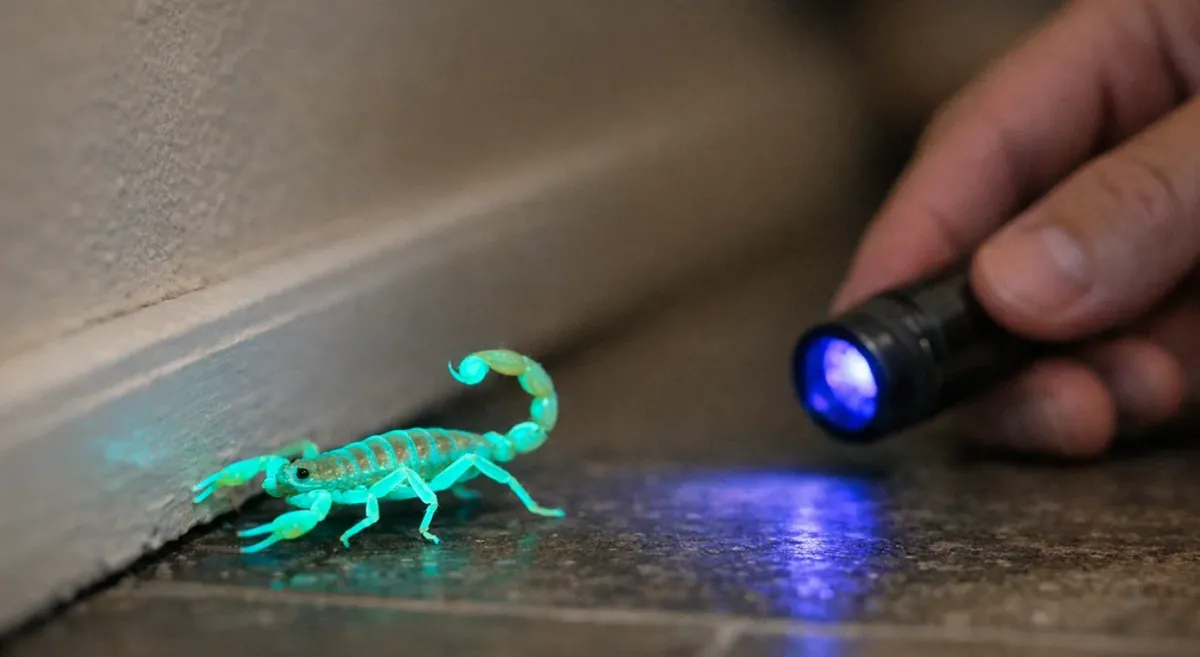
Safe observation comes first. Keep at least three feet away, turn on bright lights, and never try to handle the scorpion. Want a clearer view? Scorpions fluoresce bright green under UV light, making identification easier while you keep your distance. This natural phenomenon powers modern monitoring tools that watch for scorpions automatically.
Bark scorpion look-and-behavior cues (slender + reaches higher areas)
Bark scorpions have distinctly slender builds. Their pincers look delicate compared to the beefy claws of desert species. The tail stays thin throughout its length, curving elegantly rather than appearing thick and muscular.
But here's the dead giveaway: location. Finding a scorpion up off the floor—on a bedroom wall or near the ceiling? That's classic bark scorpion behavior. Most other New Mexico species stay at ground level and don't reach smooth vertical surfaces. They stick to floors, preferring to hide under objects rather than turning up in higher spots.
Watch how it moves, too. Bark scorpions look almost graceful, moving quickly with their tail held in a characteristic forward curve. Ground-dwelling species lumber more slowly, keeping their tails lower and moving with less agility.
Does size tell you how dangerous it is?
Here's a persistent myth worth busting: smaller scorpions aren't automatically more dangerous. A two-inch bark scorpion poses more medical risk than a four-inch desert hairy scorpion, despite being half the size.
Species identification trumps size every time. That slender Arizona bark scorpion might look less intimidating than a chunky stripetail, but its venom packs significantly more punch. For a detailed breakdown of this common misconception, see why scorpion size doesn't predict sting danger.
Focus your energy on prevention and early detection rather than memorizing size charts. A good monitoring system alerts you to any scorpion, regardless of species, so you can remove it safely before anyone gets stung.
Can I reliably find scorpions with a UV blacklight?
UV detection works—scorpions glow unmistakably green under 365–395 nm ultraviolet light. This isn't faint fluorescence, either. Even in a dimly lit room, a scorpion under UV light looks like it's been painted with glow-in-the-dark paint.
But manual searches have serious limitations. Scorpions hide deep in cracks during the day. They emerge unpredictably at night. Miss one evening of checking, and you might miss the scorpion that wandered through your bedroom at 3 a.m.
This is where passive UV detection shines. Modern devices like Scorpion Alert detectors use the same UV principle but watch continuously through the night. They monitor the floor perimeter where scorpions naturally travel, sending alerts when that telltale green glow appears. No nightly patrols required—just instant notification when a scorpion enters your space.
Where do scorpions hide around New Mexico homes—and why do they come inside?
Scorpions don't invade homes out of malice. They're seeking four basic needs: shelter from temperature extremes, moisture during dry spells, darkness for daytime hiding, and the insects they hunt for food. Understanding these motivations helps you predict where you'll find them.
New Mexico's climate creates a familiar mix of conditions. Blazing summer days drive scorpions to seek cool shelter. Monsoon rains bring humidity and insect prey. Winter cold snaps push them toward heated spaces. Your home offers all four survival requirements in one convenient package.
Here's what homeowners across the state report: scorpions follow predictable patterns. They enter through specific routes, hide in consistent locations, and travel along walls rather than crossing open spaces. This behavior—called thigmotaxis—explains why certain spots become scorpion highways.
Outdoor hiding spots that set up indoor problems
That decorative rock landscaping looks great, but it's also prime scorpion real estate. Gaps between stones create perfect daytime shelters. Add drip irrigation for moisture, and you've built a scorpion subdivision against your foundation.
Cluttered garages multiply the risk. Stored boxes, rarely moved holiday decorations, folded tarps, and stacked lumber all provide hiding spots. Scorpions settle in these protected areas, then explore further into living spaces through interior doors or gaps in shared walls.
The critical zone extends three feet from your foundation. Woodpiles, compost bins, thick mulch, and construction materials in this perimeter create staging areas. Scorpions shelter here by day, then probe for entry points after dark. Moving these attractants even 10 feet away can significantly reduce indoor encounters.
Indoor hotspots (the places NM homeowners report the most)
Baseboards and room corners top the list. Scorpions navigate by maintaining contact with surfaces, so they naturally accumulate where walls meet floors. Check behind furniture that sits flush against walls—couches, dressers, and bookshelves create hidden highways.
Bathrooms and laundry rooms attract scorpions seeking moisture. They slip through gaps around plumbing, hide under vanities, and sometimes emerge from drains. Keep towels off floors and shake out bath mats before stepping on them.
The shoe-and-clothing danger is real. Scorpions crawl into footwear left on floors, especially in closets or mudrooms. They also hide in clothing piles, folded blankets, and bedding that touches walls. Quick shake-outs become second nature for desert dwellers.
Why scorpions hug walls instead of crossing open floors
Thigmotaxis isn't just scorpion trivia—it's the key to smart prevention. Scorpions feel vulnerable in open spaces. Their sensory organs detect vibrations and air currents better when they're touching surfaces, so they stick to edges like their lives depend on it.
This behavior creates predictable travel routes. A scorpion entering under your front door won't beeline across the living room. Instead, it'll follow the baseboard, turn at corners, and travel the room's perimeter. It might detour behind furniture but always returns to wall edges.
Smart monitoring leverages this behavior. Rather than placing detectors randomly or checking open floor areas, focus on perimeter paths. Seal gaps where baseboards meet walls. Position monitoring devices along these natural highways. You're not trying to cover every square foot—just the routes scorpions actually use.
When are scorpions most active in New Mexico?
Scorpion encounters follow predictable seasonal patterns across New Mexico. Activity ramps up as spring temperatures climb above 70°F at night, peaks during the hot summer months, and can extend well into October in southern regions. Elevation changes everything—Albuquerque might see activity slow in September while Las Cruces stays hot through Halloween.
The real action happens after dark. Scorpions are nocturnal hunters, emerging from hiding spots as temperatures cool. That scorpion you found in your kitchen at breakfast? It probably explored your home hours earlier while you slept.
Certain moments demand extra vigilance. Moving boxes from storage, tackling yard work around rock features, or leaving doors open during warm evenings all increase encounter risks. Monsoon season adds another layer—sudden humidity brings out both scorpions and the insects they hunt.
Nighttime activity: why sightings feel random (but aren't)
Scorpions operate on a schedule you can't see. They typically emerge 2–3 hours after sunset, hunt through the night, and return to hiding spots before dawn. Daytime sightings usually mean you've disturbed their rest—flipping a board, moving a box, or stepping too close to their shelter.
Indoor discoveries often lag behind actual entry. A scorpion might slip inside Monday night, hide under your couch Tuesday, and not appear until you vacuum on Saturday. This delay makes infestations feel sudden when they've often built gradually.
During peak season (May through September), consider quick visual checks of high-risk rooms before bed. Focus on baseboards in bedrooms, bathrooms, and any room with exterior doors. Even better? Let technology handle the night shift with automated monitoring that never sleeps.
Weather triggers in NM (heat + moisture + prey insects)
Temperature spikes drive scorpion movement. When overnight lows stay above 75°F, expect increased activity. They're not just more active—they range farther from hiding spots, increasing your chances of encounters.
New Mexico's monsoon pattern creates ideal hunting conditions. Evening thunderstorms cool the air while boosting humidity. Insects emerge in response, and scorpions follow their food source. Those dramatic lightning shows? They often line up with peak scorpion activity.
Regional differences matter enormously. Southern desert areas see consistent activity from April through October. Northern New Mexico experiences shorter, more intense activity periods. Mountain communities might only deal with scorpions during brief warm spells between cool fronts. Know your local pattern so you can time prevention efforts effectively.
What can I do today to prevent and detect scorpions indoors?
Effective scorpion control works in layers. First, block their entry routes. Second, eliminate hiding spots that make your property attractive. Third, confirm whether prevention is working by monitoring for breakthrough intruders. Skip any layer, and scorpions will find the weak spot.
Start with the fastest wins—changes you can implement today that deliver immediate results. Complex home renovations can wait. Focus on simple barriers, strategic decluttering, and knowing whether scorpions are actually getting past your defenses.
Prevention alone isn't enough if you can't verify it's working. Even the most sealed home still needs monitoring because scorpions are persistence experts. They'll probe every night for new entry points, squeeze through gaps you can't see, and settle in before you notice. Here's your action plan:
Block entry points: the "seals first" checklist
Door sweeps make the biggest immediate impact. Install them on all exterior doors, paying special attention to garage-to-house doors. Scorpions slip through gaps as small as 1/16 of an inch—about the thickness of a credit card. Quality sweeps with flexible rubber strips conform to uneven thresholds.
Weatherstripping comes next. Check where doors meet frames, looking for light gaps that signal entry points. Pet doors need special attention—consider models with better seals or magnetic closures. Don't forget sliding glass doors, where worn sweeps create scorpion highways.
Foundation and utility penetrations require careful sealing. Use steel wool plus caulk for larger gaps where pipes or cables enter. Repair damaged screens immediately. Address that gap where baseboards pulled away from walls—scorpions love traveling these hidden channels. Prioritize rooms that share walls with garages or those with heavy exterior traffic.
Reduce outdoor harborage without re-landscaping your whole yard
Create a three-foot buffer zone around your foundation. Pull decorative rocks back from walls, creating bare ground that scorpions avoid crossing. Move firewood stacks at least 20 feet from structures and elevate them off the ground. Clear leaves and debris from entryways.
Vegetation management doesn't mean full desert xeriscaping. Simply trim plants so they don't touch walls or create bridges to windows. Remove dead fronds from palms, thin out ground covers near the house, and eliminate grass growing against foundations. Focus on breaking connections between yard habitat and your home.
For comprehensive strategies on eliminating what draws scorpions to properties, review what attracts scorpions to your home. The key is making your immediate perimeter less appealing without overhauling your entire landscape.
How do I know if scorpions are coming inside at night?
Manual UV flashlight searches work, but they demand nightly commitment. You'll need a quality 365–395 nm wavelength light, not a cheap blacklight. Sweep methodically along baseboards, check corners, and examine entry points. Miss one night during peak season, and you miss the scorpion that got in.
Passive monitoring solves the consistency problem. Modern detection systems use UV technology to watch continuously while you sleep. Scorpion Alert detectors, for instance, activate automatically when rooms darken and monitor the floor perimeter where scorpions travel. When that distinctive green glow appears, you get an instant photo alert showing exactly where and when the scorpion was detected.
The advantage? No nightly homework. Detectors watch the same perimeter paths you'd check manually but never take a night off. AI-powered confidence scoring helps distinguish actual scorpions from false alarms, so you're not jumping at every piece of lint that fluoresces.
Where should scorpion detectors go for the best coverage?
Entry points get first priority. Place detectors near front and back doors where scorpions most commonly enter. Garage-to-house doorways need coverage since garages harbor scorpions year-round. Add units near pet doors and sliding patio entrances—anywhere that sees regular traffic or has less-than-perfect seals.
High-priority rooms come next. Bedrooms deserve protection, especially children's rooms where scorpion sting risks run higher. Nurseries need extra vigilance, as do playrooms where kids spend time on floors. For expecting mothers, bedroom monitoring provides essential peace of mind given that scorpion stings pose unique risks during pregnancy.
Don't overlook moisture zones. Bathrooms and laundry rooms attract scorpions seeking water, making them essential monitoring points. Position detectors along walls where scorpions would travel from entry points toward these water sources. Most homes benefit from 4–6 detectors to eliminate blind spots and create overlapping coverage zones.
What should I do if I find a scorpion in my house?
Safety first—keep children and pets away from the area. Never try to pick up a scorpion with your hands, even if it appears dead. They can sting reflexively and play dead convincingly. Use the container method: place a clear glass or jar over the scorpion, slide cardboard underneath, and flip the container upright.
If someone gets stung, don't panic, but do act quickly. Monitor symptoms closely—mild pain and swelling are normal, but numbness, muscle twitching, or difficulty breathing require immediate medical attention. Call Poison Control at 1-800-222-1222 for guidance. For detailed response steps, consult our first aid guide for scorpion stings.
Treat any scorpion sighting as valuable intelligence. Where did you find it? What time? Which direction was it traveling? That information can reveal entry points and travel routes. Inspect the area for others—scorpions sometimes travel in pairs. Then strengthen your prevention measures: re-check seals in that room, reduce nearby clutter, and consider adding detection coverage to catch future intruders before they surprise you.
Knowing how to recognize New Mexico’s most common scorpions—especially bark and striped scorpions—helps you focus prevention where it matters most, like bedrooms, baseboards, and entry points. If you want an extra layer of confidence in scorpion-prone areas, Scorpion Alert can help you detect activity early so you can respond before a surprise encounter.