

Knowledge Base

Professional Services

Articles on Professional Services from Scorpion Alert — practical guides, real-world results, and prevention tips for homeowners and pros.

Articles

Every post tagged Professional Services.
How Scorpion Alert works

Find them before they find you

Plug in your Scorpion Detectors around your home and get instant alerts with the location of the scorpion.
  • Detectors arrive ready to plug in
  • Live alerts go straight to your phone or watch, with location
  • Alert multiple family members with a single account
  • One flat monthly monitoring fee — no contract, cancel anytime
Get Scorpion Detectors
Real homes, real results

Why homeowners trust the system

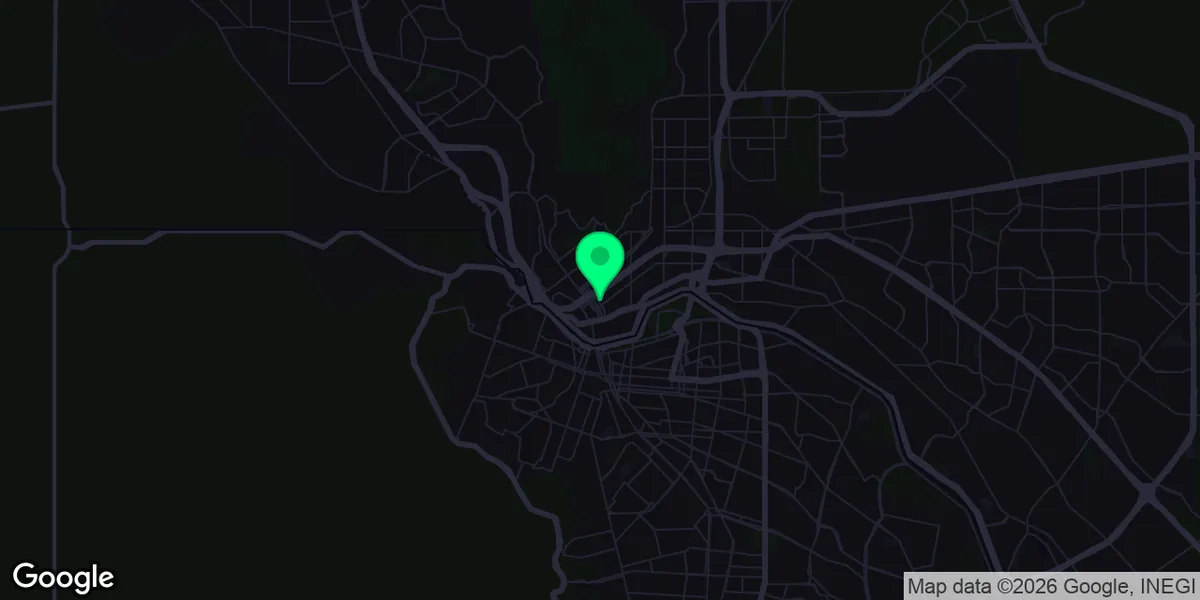
Map of Spicewood, TexasSpicewood, Texas
It’s really easy to use. You just plug them in, set them up with your phone, and you’re done. We caught 4 scorpions already.
Carmen
6 scorpions detected
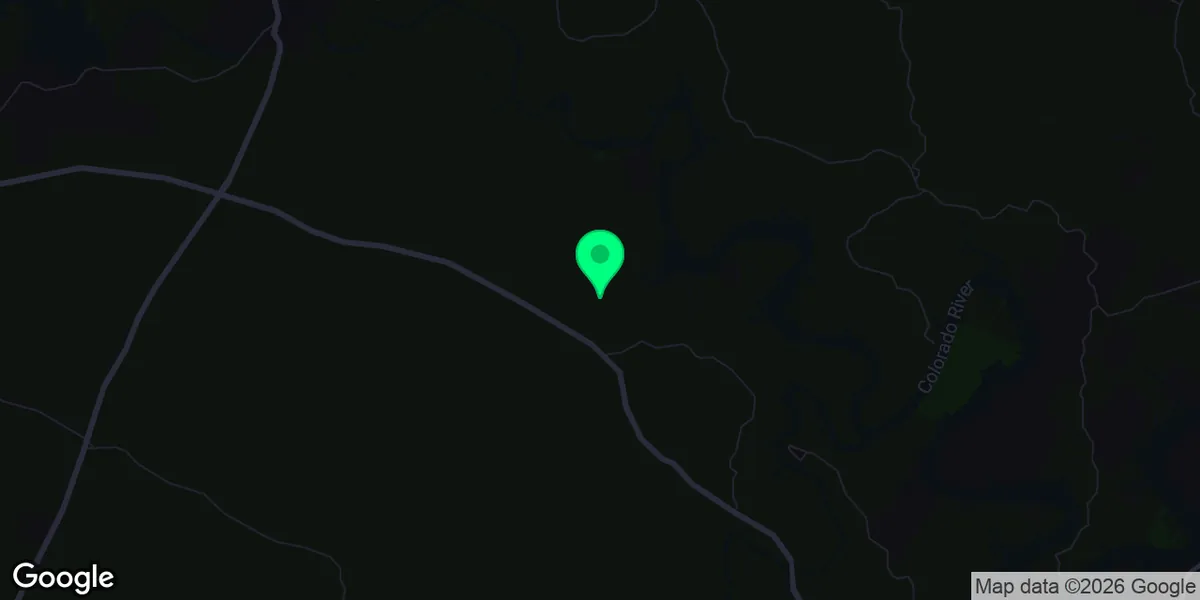
Map of Carlsbad, New MexicoCarlsbad, New Mexico
We were finding scorpions in our couch! Now that we're using Scorpion Detectors, we catch them before they make it that far.
Kai
8 scorpions detected
Map of Fountain Hills, ArizonaFountain Hills, Arizona
The mobile app is great, very easy to use. The pictures in the alerts are very helpful (and creepy).
Mrudul
7 scorpions detected
Common questions

Need quick answers?

How can I detect scorpions at night without doing UV patrols every evening?

Continuous monitoring solves the problem that scorpions move while you sleep, so you’re not relying on occasional searches or discovering one days later. This section compares automated, photo-verified alerts to passive traps and explains how Scorpion Alert uses UV plus a two-stage AI process to reduce false positives, then notifies you via push (and optional SMS). It also covers where to place devices for the biggest payoff in this automated scorpion detection system.

How much does scorpion sealing cost in Arizona, and when should I do it?

DIY materials often run about $75–$300, targeted professional sealing is commonly ~$400–$900, and whole-home exclusion can be ~$900–$2,500+ depending on access, stucco condition, and roofline/attic complexity. Quotes should spell out the materials (sealant type, mesh opening size), specific locations addressed, and any warranty or maintenance terms. Most homeowners plan sealing before peak activity and then re-check after monsoons and temperature swings using this Arizona scorpion sealing cost guide.

Why am I still seeing scorpions after pest control?

Pest control can reduce scorpion activity, but it often doesn’t stop sightings entirely because new scorpions may keep entering and any already inside can continue roaming at night. A better goal is measurable progress over 30–60 days (fewer indoor sightings, sightings closer to likely entry points, and a clear downward trend), not instant elimination. This section also explains what to ask your pest company about products, treatment areas, and visit frequency in the why scorpions persist after spraying.

What should I do before listing my house to reduce scorpions and avoid inspection surprises?

Start at least 30+ days before listing with practical steps that buyers can see: sealing gaps (door sweeps, weatherstripping, pipe penetrations, garage gaps) and keeping clear documentation. Organize pest-control history into a simple summary (dates, service type, scorpion notes, warranty terms, and next scheduled visits) so it reads like routine maintenance instead of panic. This pre-list scorpion prevention checklist also covers when a nighttime UV inspection is worth doing and how to use the results responsibly.

Do I have to disclose scorpions when selling my home in Arizona?

In Arizona, sellers generally need to disclose known “material adverse facts,” but that doesn’t mean every one-off scorpion sighting automatically becomes a disclosure issue. The safest approach is to stick to verifiable facts (when, where, how often) and avoid speculation or emotional language that can overstate the problem. This overview of Arizona scorpion disclosure guidance also explains why aligning early with your agent (and getting legal advice when needed) helps prevent trust-breaking surprises during showings.

Where should I check first to seal my home for scorpions in Arizona?

Start outside and work in so you don’t miss the exterior cracks and seams that feed into indoor pathways—especially stucco hairline cracks, weep screed gaps, and utility penetrations. Pay extra attention to garages and doors (any daylight at corners, worn weatherstripping, and garage bottom/side/top seals), plus roofline/attic vents and block wall joints where walls meet the house. A simple method is marking suspect openings with painter’s tape and documenting them for repair using this scorpion entry point sealing checklist.

Got questions about scorpion detection?