

Base de conocimiento

Servicios profesionales

Artículos sobre Servicios profesionales en Scorpion Alert — guías prácticas, resultados reales y consejos de prevención para hogares y profesionales.

Artículos

Cada publicación etiquetada Servicios profesionales.
Cómo funciona Scorpion Alert

Encuéntralos antes de que te encuentren

Conecta tus detectores de alacranes en tu casa y recibe alertas al instante con la ubicación del alacrán.
  • Los detectores llegan listos para conectar
  • Las alertas en vivo llegan directo a tu teléfono o reloj, con ubicación
  • Avisa a varios miembros de la familia con una sola cuenta
  • Una sola cuota mensual de monitoreo — sin contrato, cancela cuando quieras
Obtén tus detectores de alacranes
Hogares reales, resultados reales

Por qué los dueños de casa confían en el sistema

Map of Marble Falls, TexasMarble Falls, Texas
Scorpion Alert es la única suscripción que nunca consideramos cancelar. Es indispensable acá, sobre todo con los niños y los cachorros.
John [Traducido]
6 alacranes detectados
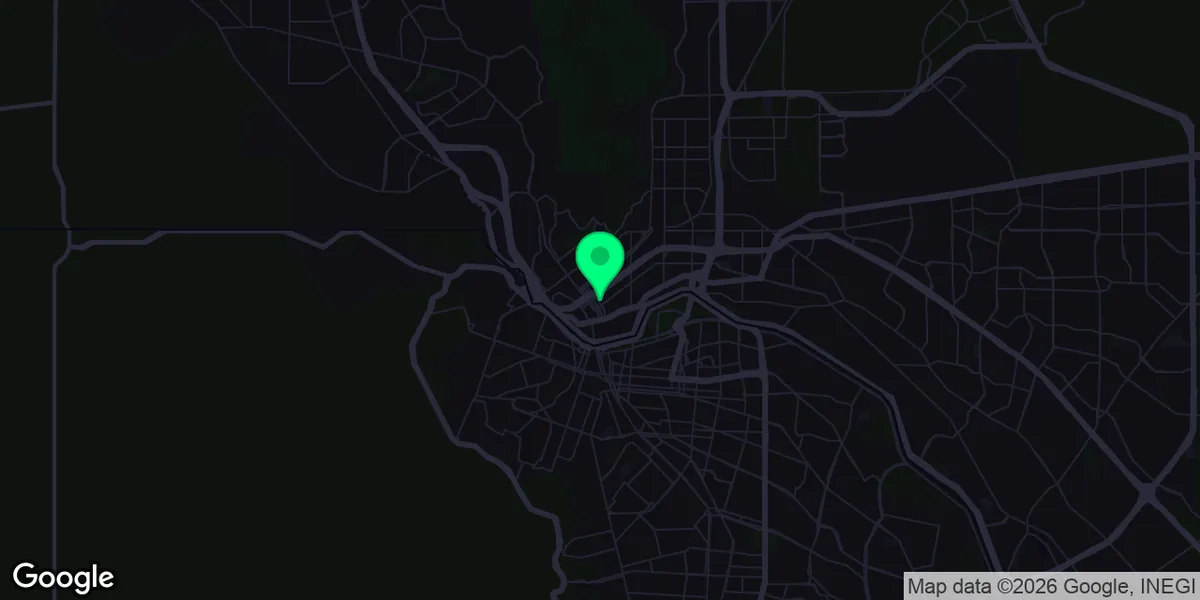
Map of El Paso, TexasEl Paso, Texas
A nuestro bebé de 1 año lo picaron en un cuarto donde jamás habríamos esperado encontrar un alacrán. Pedimos 5 detectores de alacranes al día siguiente.
Amanda [Traducido]
11 alacranes detectados
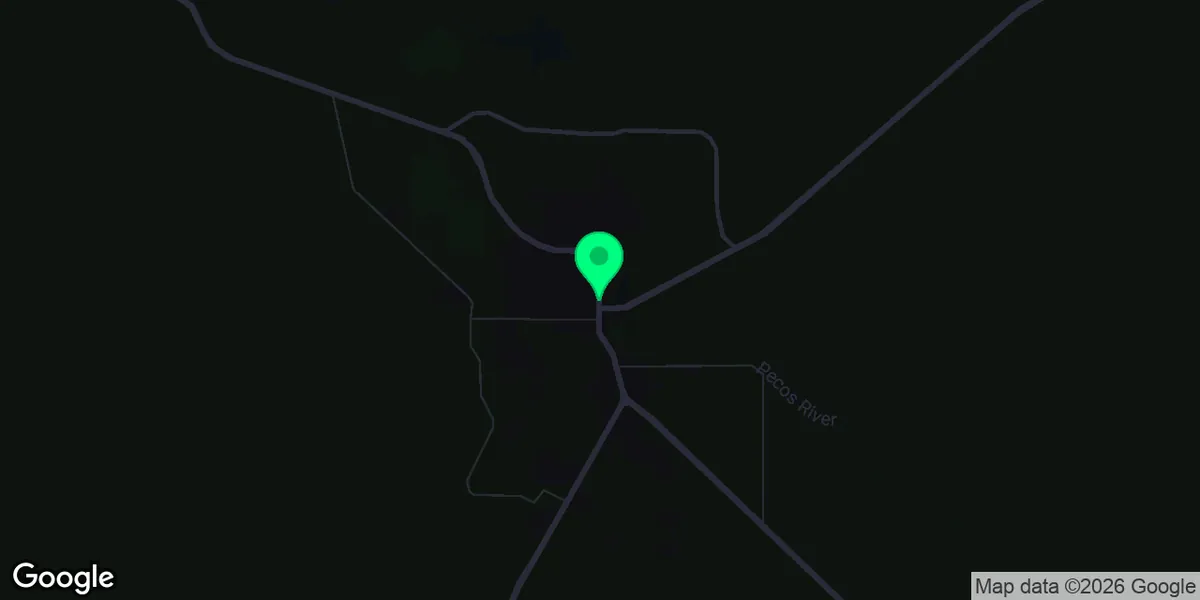
Map of Carlsbad, New MexicoCarlsbad, New Mexico
¡Estábamos encontrando alacranes en nuestro sillón! Ahora que usamos los detectores de alacranes, los atrapamos antes de que lleguen tan lejos.
Kai [Traducido]
8 alacranes detectados
Preguntas comunes

¿Necesitas respuestas rápidas?

¿Por qué sigo viendo alacranes después de que pasó el de control de plagas?

Es común seguir viendo alacranes después de una visita estándar de control de plagas porque muchos programas de fumigación rutinarios están optimizados para insectos, no para alacranes, y pueden no llegar a donde realmente se esconden. Un solo avistamiento podría ser un alacrán de paso — o una señal de que están entrando una y otra vez por las mismas zonas — así que registrar fechas y cuartos importa. Esta guía explica por qué los alacranes siguen apareciendo después del control de plagas y qué hacer si los avistamientos siguen en recámaras o en el mismo cuarto.

What should I do 30 days before listing to reduce scorpion sightings during showings?

Focus on high-impact steps that reduce sightings fast: basic sealing and exclusion (door sweeps, weatherstripping, sealing gaps), decluttering along walls/edges, and cutting down insect prey around the home. Schedule pest service early enough to show consistency (not a last-minute scramble), and document what you did with receipts and before/after photos. This 30-day scorpion listing checklist also covers when a nighttime UV inspection is worth doing and how to interpret results (outdoor vs. indoor finds).

How do I disclose scorpions without scaring buyers away?

Buyers tend to react better to clear documentation than vague warnings, so provide a simple “scorpion packet” with a sightings log, exclusion work, pest-control history, and any UV inspection results. If you offer concessions, make them specific and verifiable (like paying for defined exclusion work or prepaid service) rather than a vague pest-control credit. This scorpion packet for homebuyers also explains how 24/7 monitoring can reduce uncertainty during a listing by producing photo-verified alerts at night.

What should I do before listing my house to reduce scorpions and avoid inspection surprises?

Start at least 30+ days before listing with practical steps that buyers can see: sealing gaps (door sweeps, weatherstripping, pipe penetrations, garage gaps) and keeping clear documentation. Organize pest-control history into a simple summary (dates, service type, scorpion notes, warranty terms, and next scheduled visits) so it reads like routine maintenance instead of panic. This pre-list scorpion prevention checklist also covers when a nighttime UV inspection is worth doing and how to use the results responsibly.

Do I have to disclose scorpions when selling my home in Arizona?

In Arizona, sellers generally need to disclose known “material adverse facts,” but that doesn’t mean every one-off scorpion sighting automatically becomes a disclosure issue. The safest approach is to stick to verifiable facts (when, where, how often) and avoid speculation or emotional language that can overstate the problem. This overview of Arizona scorpion disclosure guidance also explains why aligning early with your agent (and getting legal advice when needed) helps prevent trust-breaking surprises during showings.

Do I have to disclose scorpions when selling my house in Arizona?

In Arizona, the key is accurately disclosing known facts that a reasonable buyer would consider important—especially patterns like repeated indoor sightings, stings, or ongoing escalation in treatments, not just a single outdoor sighting. Use the Arizona SPDS and stick to “facts over feelings” (dates, locations, frequency, what you did) rather than vague labels like “infested.” This Arizona scorpion disclosure guidance also explains why looping in your listing agent early helps you avoid surprises and frame mitigation calmly.

¿Tienes preguntas sobre la detección de alacranes?