Nosotros

Ayudamos a las familias a detectar alacranes en sus hogares antes de que sea tarde.

Nos dedicamos a brindar seguridad, confiabilidad y tranquilidad a un precio justo, sin desorden ni complicaciones. Nuestros detectores de alacranes te ayudan a identificarlos a tiempo para que puedas actuar rápido y proteger lo que más importa.

¿Por qué iniciamos esta empresa?

A nuestro hijo bebé lo picaron dos veces en la pierna, en el último cuarto donde imaginamos encontrar un alacrán. Sin ventanas. Sin ductos. Sin tuberías. Solo un cuarto de juegos tranquilo, lleno de juguetes.

Teníamos trampas pegajosas por toda la casa y las revisábamos seguido. Pero ese alacrán se había metido mucho más adentro de lo que pensábamos posible. Quién sabe cuánto tiempo llevaba viviendo entre nosotros.

Ese día lo cambió todo. Las trampas pegajosas no eran suficientes. Necesitábamos una mejor forma de detectar alacranes a tiempo.

La pierna de un bebé después de un piquete de alacrán — el momento que lo cambió todo.

¿A quién ayudamos?

Nuestra solución se diseñó pensando en las familias — especialmente padres con niños pequeños o mascotas. Pero no nos detenemos ahí. Scorpion Alert también protege:

  • Airbnbs y rentas vacacionales, donde la seguridad del huésped es prioridad
  • Hoteles, donde un solo piquete puede traer demandas o malas reseñas
  • Restaurantes y cocinas comerciales, donde las plagas no deben ser parte de la historia
  • Oficinas y locales comerciales, donde empleados y clientes merecen un ambiente seguro
Lee las reseñas
Un collage de clientes de Scorpion Alert por todo el suroeste de Estados Unidos.

¿Cómo funciona Scorpion Alert?

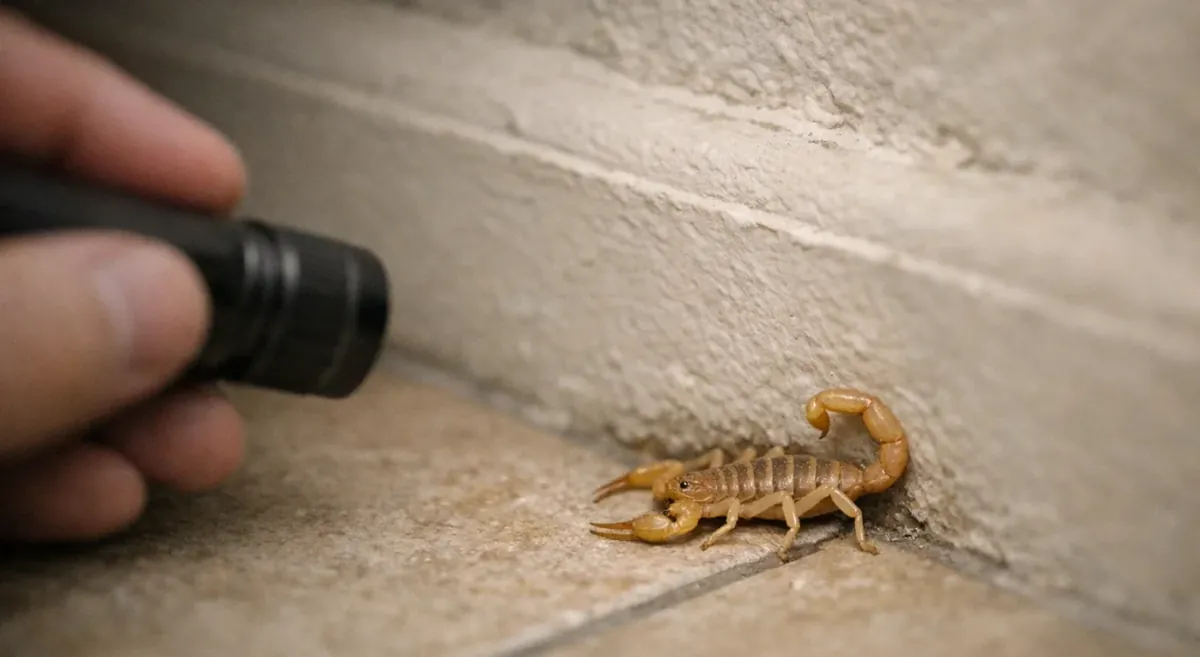
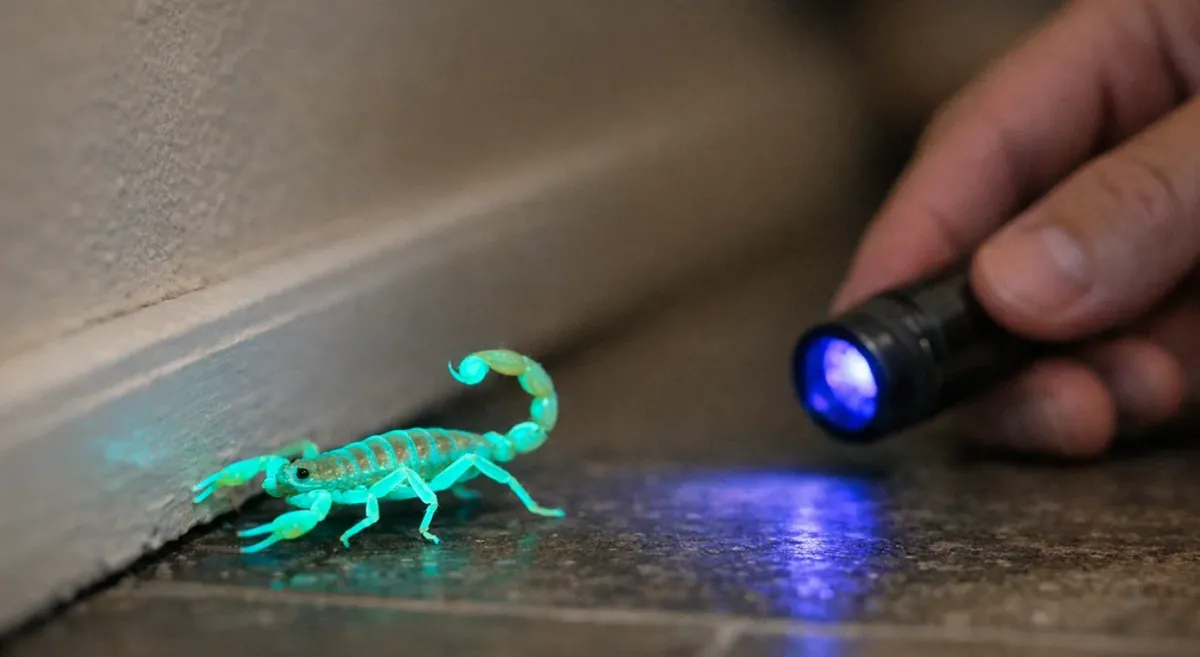
Es simple. Conecta unos detectores de alacranes en los enchufes comunes de tu casa. Cuando un cuarto se oscurece, los detectores iluminan el piso con luces UV LED, haciendo que los alacranes brillen. Al detectar su brillo, recibes una alerta instantánea con una foto del alacrán y su ubicación exacta.
Mira cómo funciona
Un detector de alacranes conectado a un enchufe de pared junto a alertas en teléfono y reloj mostrando un alacrán detectado.
Cómo funciona Scorpion Alert

Encuéntralos antes de que te encuentren

Conecta tus detectores de alacranes en tu casa y recibe alertas al instante con la ubicación del alacrán.
  • Los detectores llegan listos para conectar
  • Las alertas en vivo llegan directo a tu teléfono o reloj, con ubicación
  • Avisa a varios miembros de la familia con una sola cuenta
  • Una sola cuota mensual de monitoreo — sin contrato, cancela cuando quieras
Obtén tus detectores de alacranes
Hogares reales, resultados reales

Por qué los dueños de casa confían en el sistema

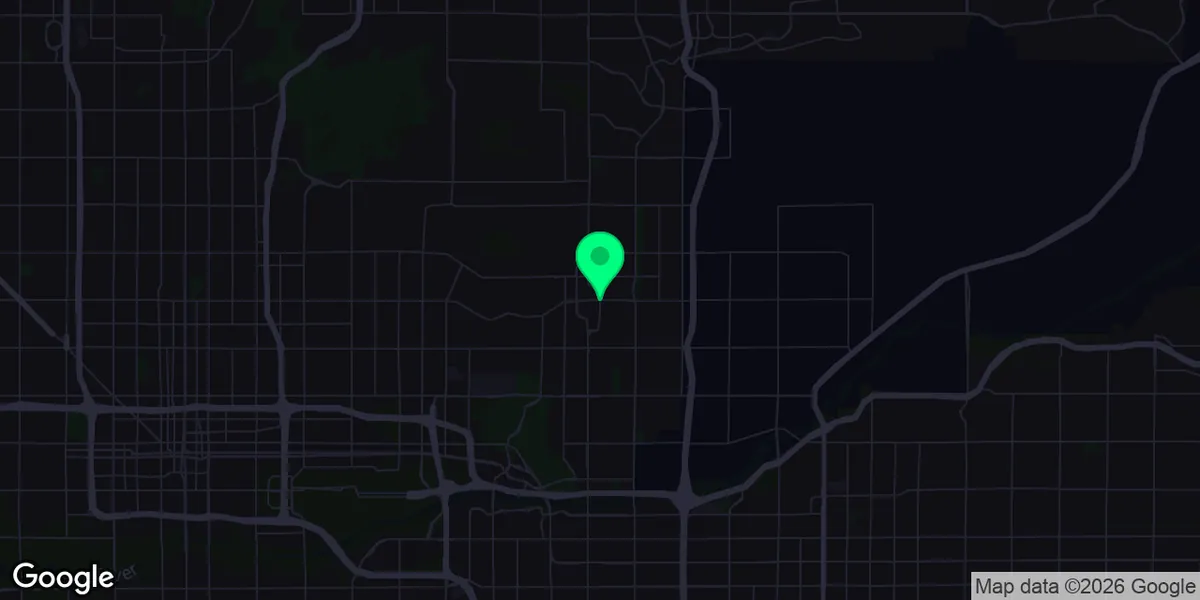
Map of Albuquerque, New MexicoAlbuquerque, New Mexico
Por fin podemos ir a la ofensiva contra estas cosas en lugar de esperar a encontrarlas en el sillón y los zapatos. Nos ayuda mucho a ver por dónde están entrando. Me encanta.
Marcus [Traducido]
18 scorpions detected
Map of Lakeway, TexasLakeway, Texas
Súper fácil de instalar. Solo conectamos los detectores de alacranes, los configuramos con mi teléfono, y ya. Me encanta el feed en vivo en mi teléfono que me dice que siempre están vigilando.
Paul and Cindy [Traducido]
7 scorpions detected
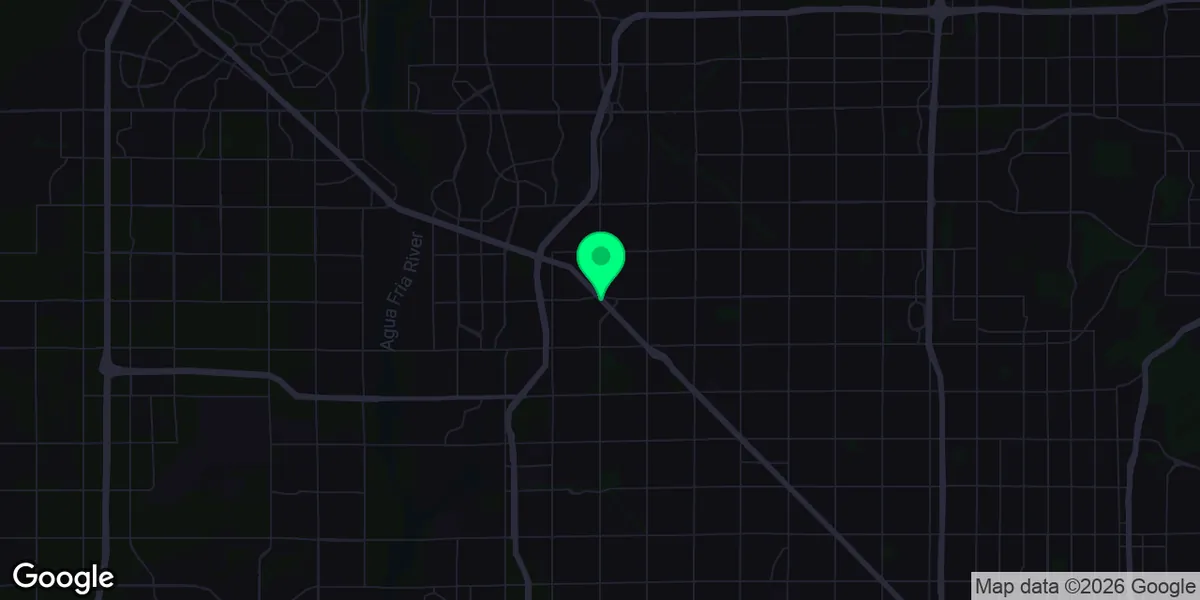
Map of Peoria, ArizonaPeoria, Arizona
Vivimos en una colonia nueva con mucha construcción. Nuestros detectores se mantienen ocupados, pero recibir notificaciones es mejor que llevarte la sorpresa.
Jessica [Traducido]
14 scorpions detected
Preguntas comunes

¿Necesitas respuestas rápidas?

Why am I finding multiple scorpions in the same place?

Seeing multiple scorpions usually means the environment is attracting them—moisture, stable temperatures, darkness, and nearby prey—not that they’re “friends.” Weather and seasonal shifts (heat, storms, cooler nights) can also push scorpions toward the same protected areas like garages, bathrooms, and block walls. This why multiple scorpions appear together breakdown explains the difference between temporary aggregation and an “infestation” that’s really about property conditions.

What are the top places to check first for scorpion entry points?

Start with the perimeter gaps that most commonly let scorpions in: door and garage door gaps, low cracks at the foundation/stucco line, utility penetrations (pipes/cables/vents), roofline/attic openings, and torn window screens. A quick “outside-in” checklist helps you spot telltale daylight, loose screens, and small openings that are “too small to matter” but still big enough for a scorpion. The full 10-minute inspection flow is outlined in top 5 scorpion entry points to inspect.

Is there a scorpion repellent that actually works?

Most homeowners mean “repellent” as something that keeps scorpions away, but many products really just kill on contact or leave a residue that may or may not affect them. Because scorpions are resilient and often active at night along walls and edges, sprays alone are unreliable for long-term control. The most consistent results come from a layered plan—sealing entry points, reducing prey insects, targeted treatment, and monitoring—outlined in this best scorpion repellent strategy.

What are the main body parts of a scorpion (and what am I actually looking at)?

Scorpions have three big regions you can spot at a glance: the armored front (prosoma), the wider middle where the organs are (mesosoma), and the segmented “tail” section (metasoma). Many people call the whole tail the stinger, but the stinger is just the tip assembly at the very end. Knowing these parts helps homeowners understand how a tough, flat body lets scorpions squeeze into tight gaps near baseboards, storage, and clutter—details covered in this scorpion body parts overview.

What should I do in the first 30 days after moving into a new build to prevent scorpions?

Prioritize sealing before you fully unpack: close gaps at door thresholds, utility penetrations, and other openings where exterior edges meet the structure. Then confirm results with perimeter-first monitoring near common travel paths like baseboards, corners, and entry doors, rather than waiting for random sightings. This first 30 days scorpion prevention plan includes where to monitor first and how Scorpion Alert can provide photo-verified, night-time detection and pattern tracking.

How can I prevent another scorpion sting tonight in my house?

Start with quick wins: shake out shoes, gloves, and towels; pull beds a few inches from walls; and keep floors clear near baseboards where scorpions travel. If you have a UV flashlight, do a fast perimeter scan, then follow up this weekend by sealing door sweeps, weatherstripping, and small gaps around pipes and baseboards. For extra peace of mind, consider adding nighttime detection so you’re not guessing—this prevent another scorpion sting tonight checklist lays it out step by step.