Guía de instalación
¿Nuevo en Scorpion Alert? Nuestra guía paso a paso te lleva desde conectar los detectores hasta configurar las alertas.
Ver la guía 
La app móvil es excelente, muy fácil de usar. Las fotos en las alertas ayudan mucho (y dan escalofríos).
A nuestro bebé de 1 año lo picaron en un cuarto donde jamás habríamos esperado encontrar un alacrán. Pedimos 5 detectores de alacranes al día siguiente.
Es muy fácil de usar. Solo los conectas, los configuras con tu teléfono, y listo. Ya cachamos 4 alacranes.
Scorpions are primarily nocturnal, so sightings often spike a few hours after dusk when they leave hiding spots to hunt along walls, patios, and garages. Activity typically increases in the warmer part of the year and can jump after weather shifts like monsoon rain, which changes humidity and prey movement. For a practical month-by-month mindset and what to check after storms, use these Sierra Vista scorpion season tips.
You can encourage roadrunners by providing basics like clean water, some shade, and selective native cover that creates hunting lanes—without adding clutter. The key is avoiding rock piles, debris stacks, or dense harborage near the foundation that can shelter scorpions, and avoiding poisons that can harm birds through secondary exposure. The practical do’s and don’ts are laid out in attracting roadrunners safely at home.
Muchos inquilinos creen que una cláusula del contrato los “deja atorados”, pero el artículo explica que los problemas serios de plagas pueden involucrar la habitabilidad y el deber del casero de mantener la unidad. También desglosa el malentendido común entre el mantenimiento rutinario y la actividad repetida de alacranes adentro (especialmente piquetes o crías) que puede requerir respuesta del casero. Lee la discusión completa en responsabilidad del contrato de renta sobre alacranes en Arizona.
Roadrunners do eat scorpions, but they’re not a reliable, complete fix for an active infestation because their hunting range and food choices vary. Since scorpions are most active at night and roadrunners mostly hunt during the day, you may notice fewer scorpions outdoors without eliminating them everywhere (especially indoors or in wall voids). This section sets realistic expectations in roadrunners for scorpion control.
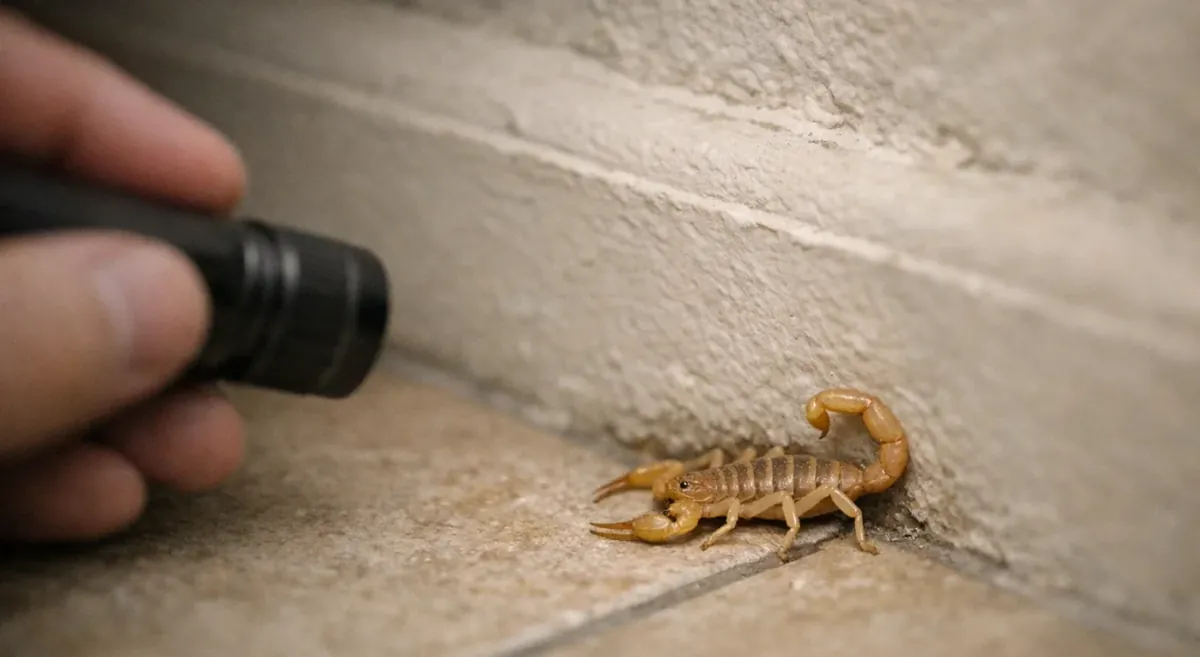
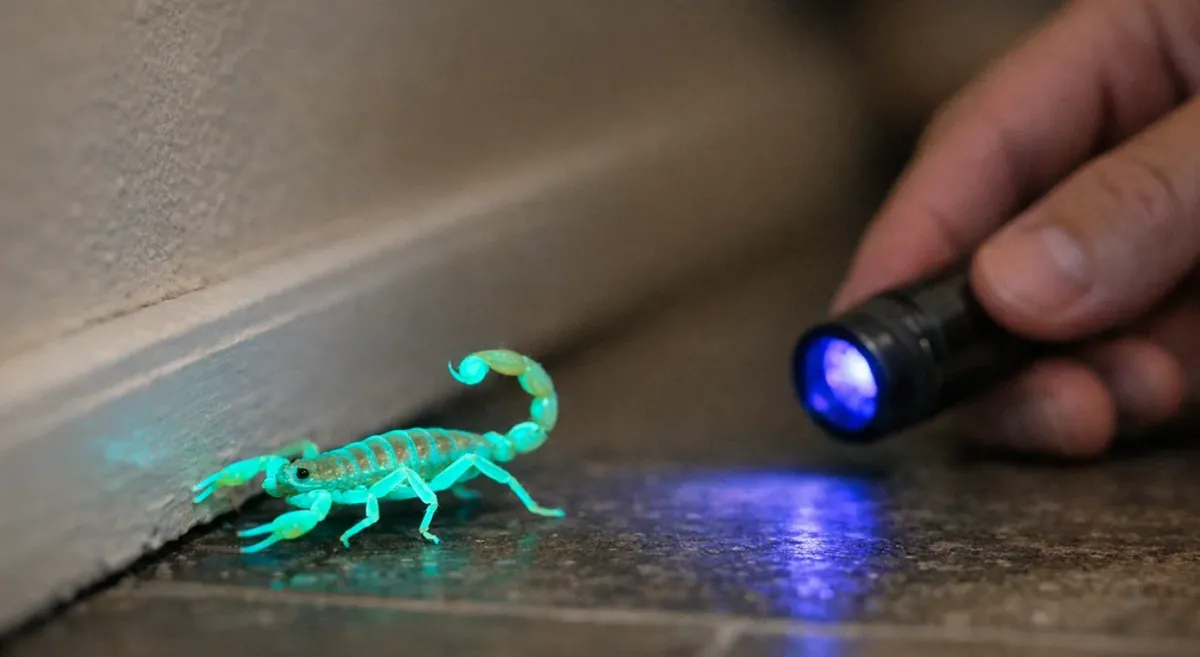
Start with safety and containment: keep kids and pets out, stop barefoot traffic, and put on closed-toe shoes before you do anything else. Then choose a response path that fits your comfort level—hunt now with basic tools (UV light, tongs, jar), contain the room until morning, or set targeted traps along baseboards while you keep monitoring. The step-by-step plan is laid out in this first 5 minutes after a scorpion alert.
El artículo presenta una escalera calmada de escalación: aviso por escrito con evidencia, una fecha límite razonable para arreglarlo y avisos de seguimiento después de nuevos incidentes. También discute (en general, no como consejo legal) cuándo los inquilinos hablan de remedios más fuertes como terminar el contrato de renta, y por qué debes verificar los requisitos de aviso bajo las reglas de Arizona o con recursos de ayuda al inquilino. Usa pasos cuando el casero no quiera tratar para mapear tu siguiente movimiento.
¿No eres tú?
No tienes que comprar el hardware. Solo pagas una pequeña cuota mensual de monitoreo. Mientras más detectores agregues, más ahorras. Cancela cuando quieras y devuélvelos — sin contrato a largo plazo.
Regístrate con Google o Apple — sin contraseña.
Al continuar, aceptas nuestros Términos y condiciones y Política de privacidad.