
Knowledge Base

UV Detection

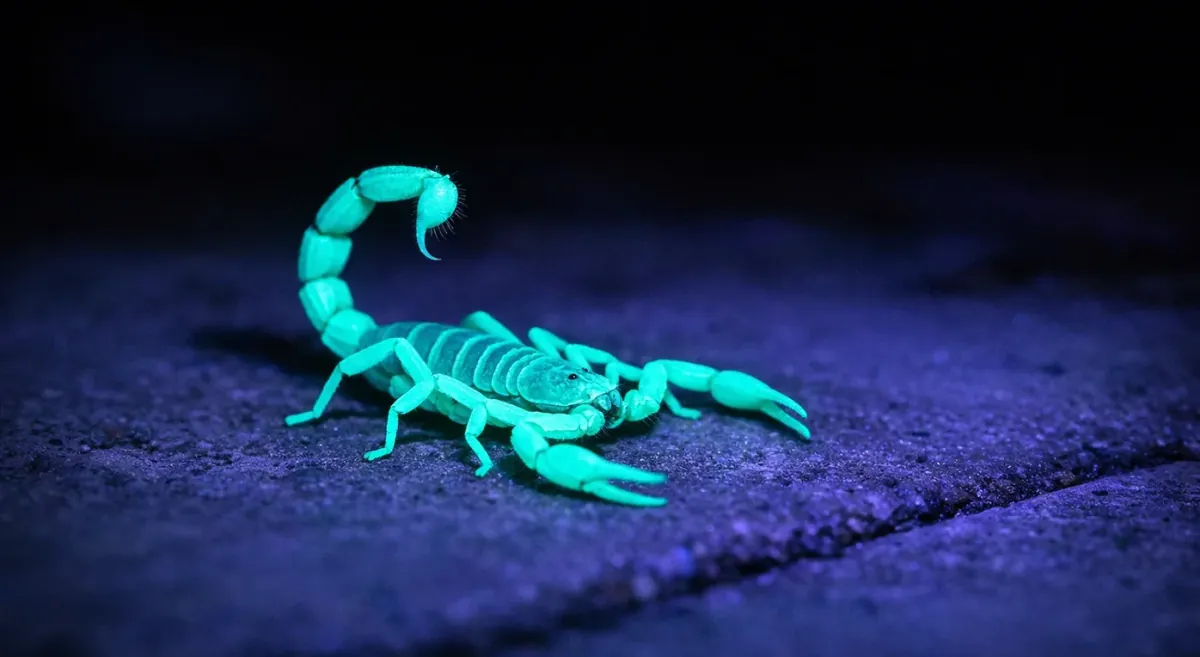
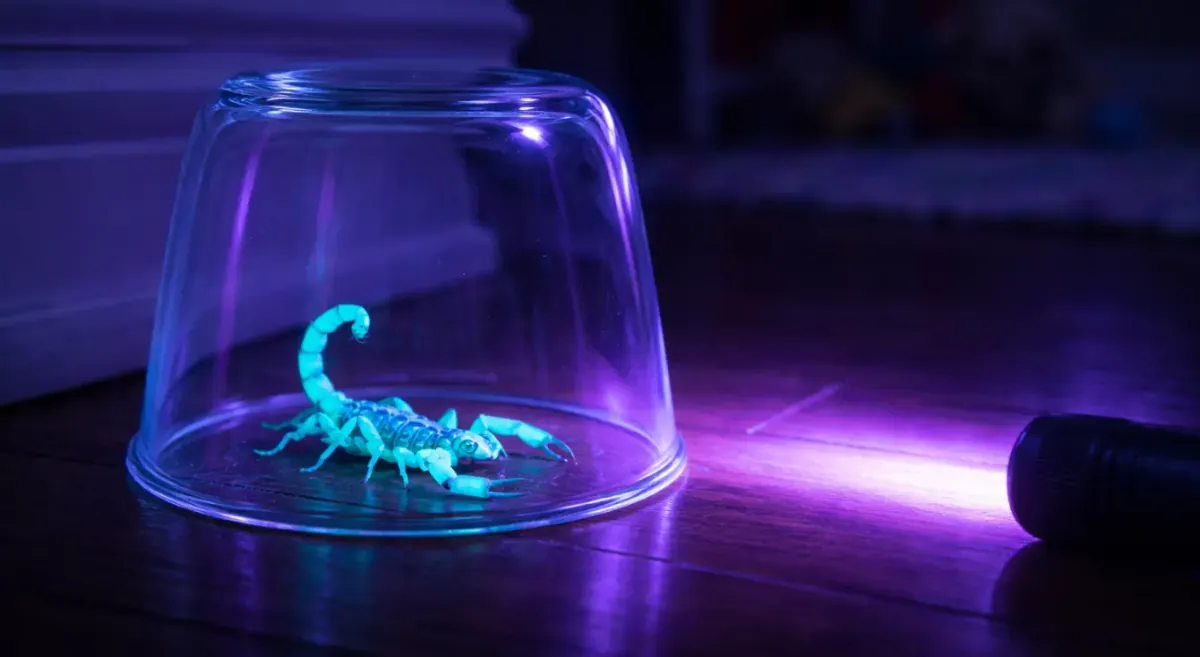
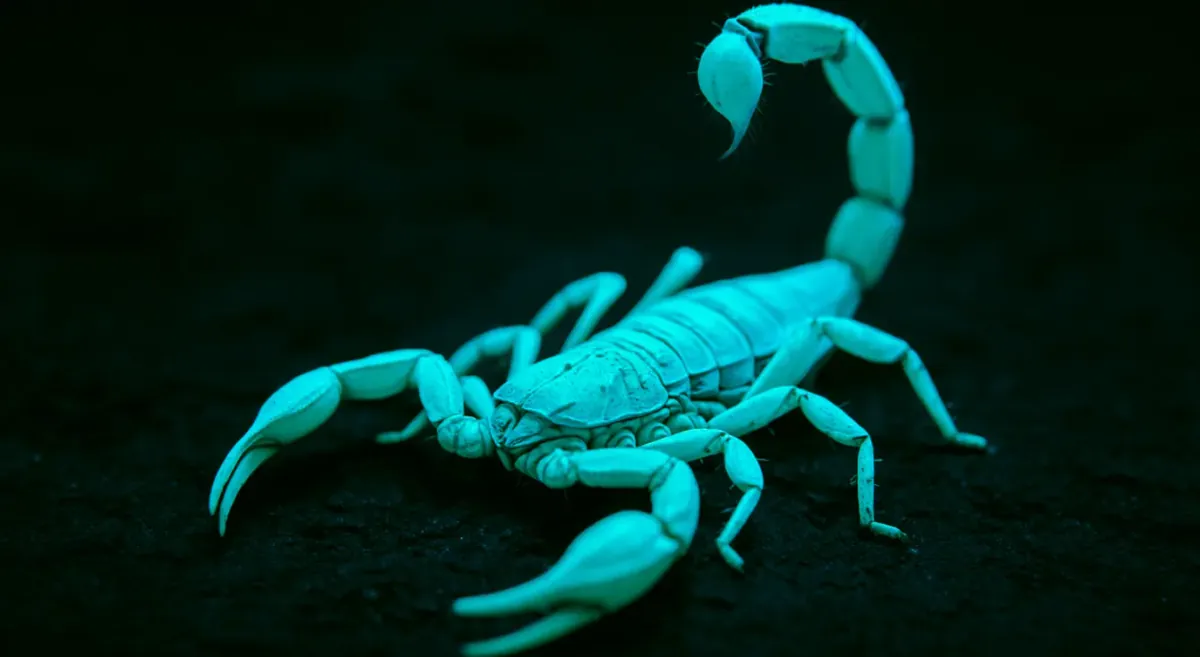
UV / blacklight hunting, scorpion fluorescence, night patrols.

Articles

Every post tagged UV Detection.
How Scorpion Alert works

Find them before they find you

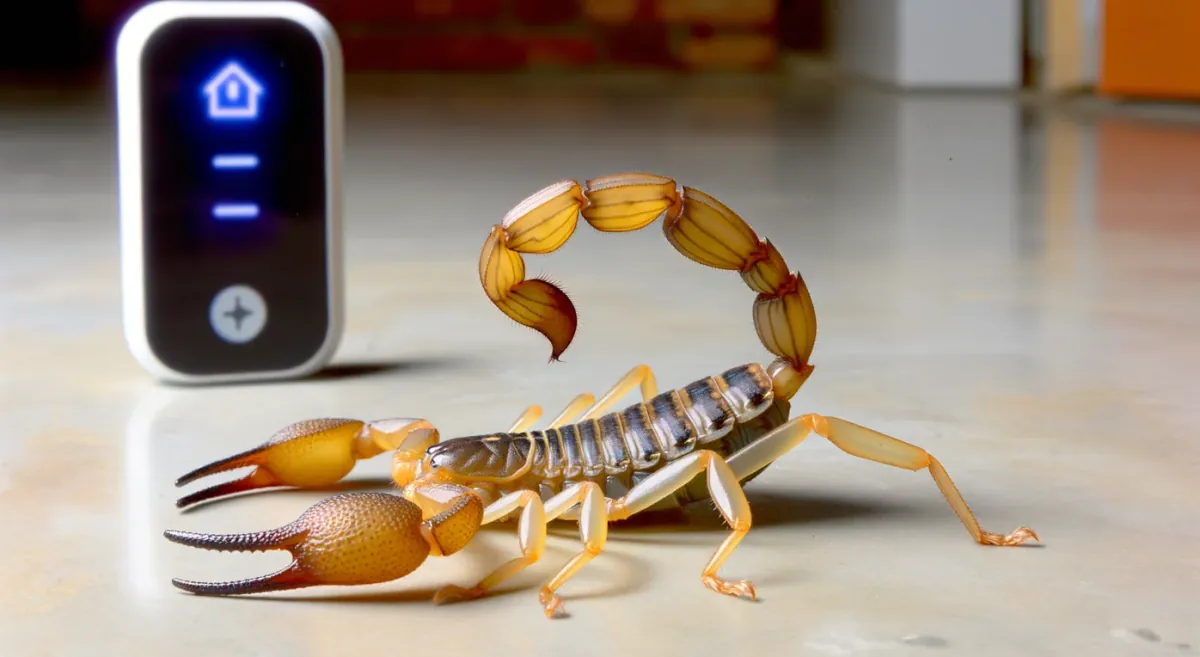
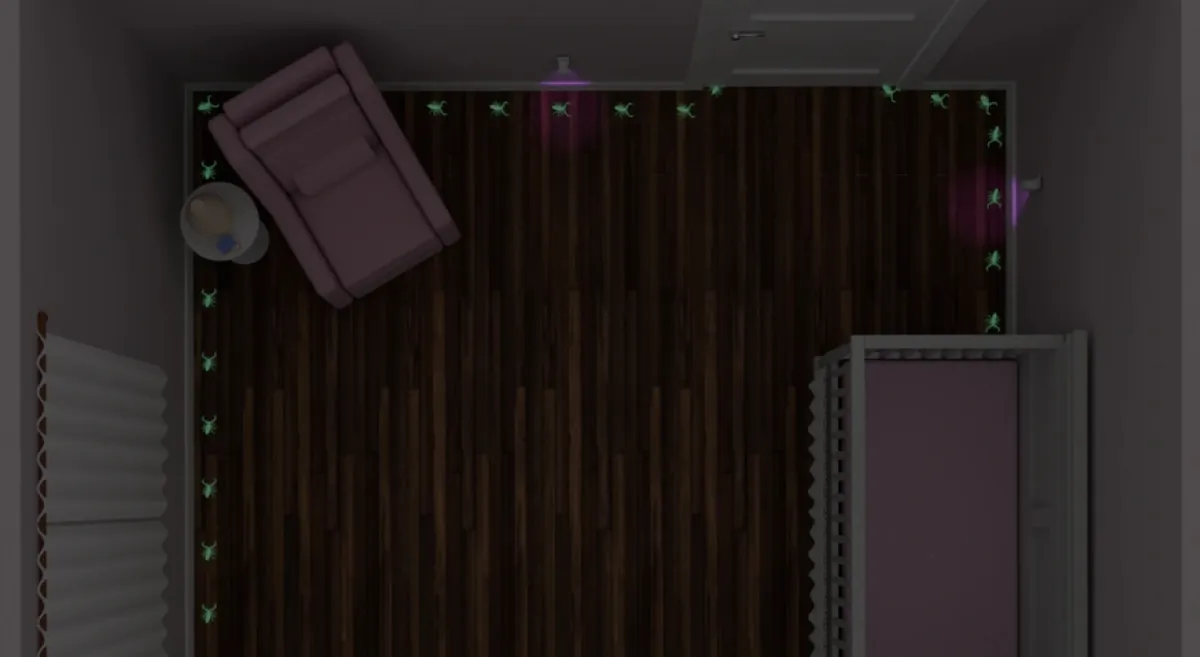
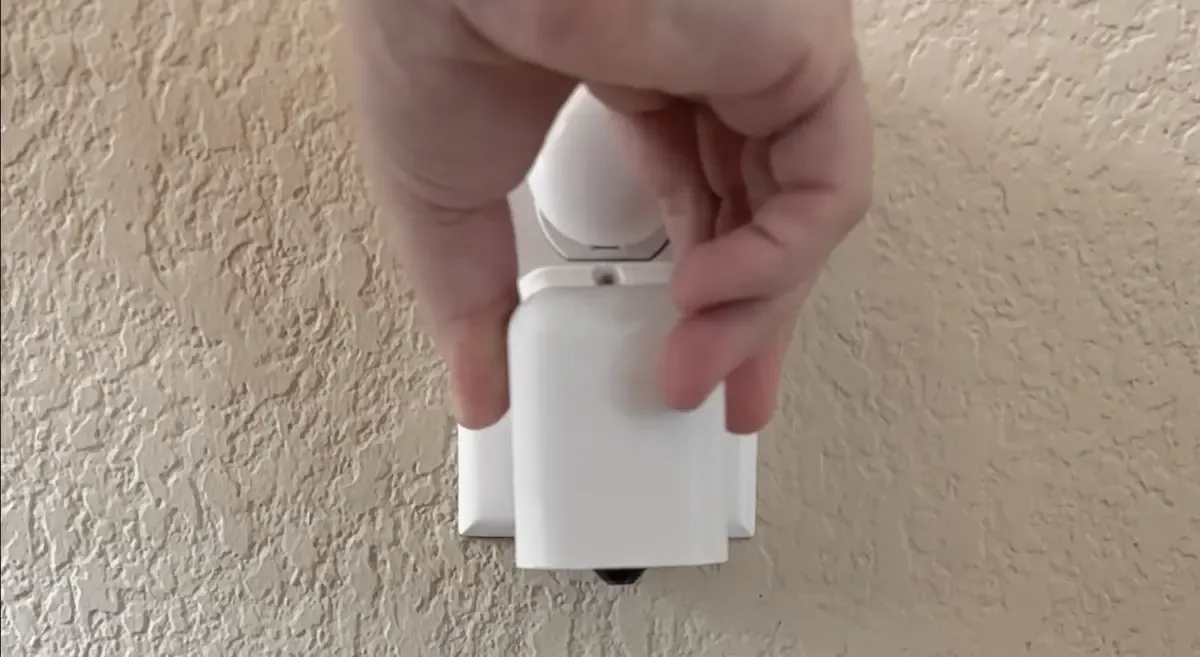
Plug in your Scorpion Detectors around your home and get instant alerts with the location of the scorpion.
  • Detectors arrive ready to plug in
  • Live alerts go straight to your phone or watch, with location
  • Alert multiple family members with a single account
  • One flat monthly monitoring fee — no contract, cancel anytime
Get Scorpion Detectors
Real homes, real results

Why homeowners trust the system

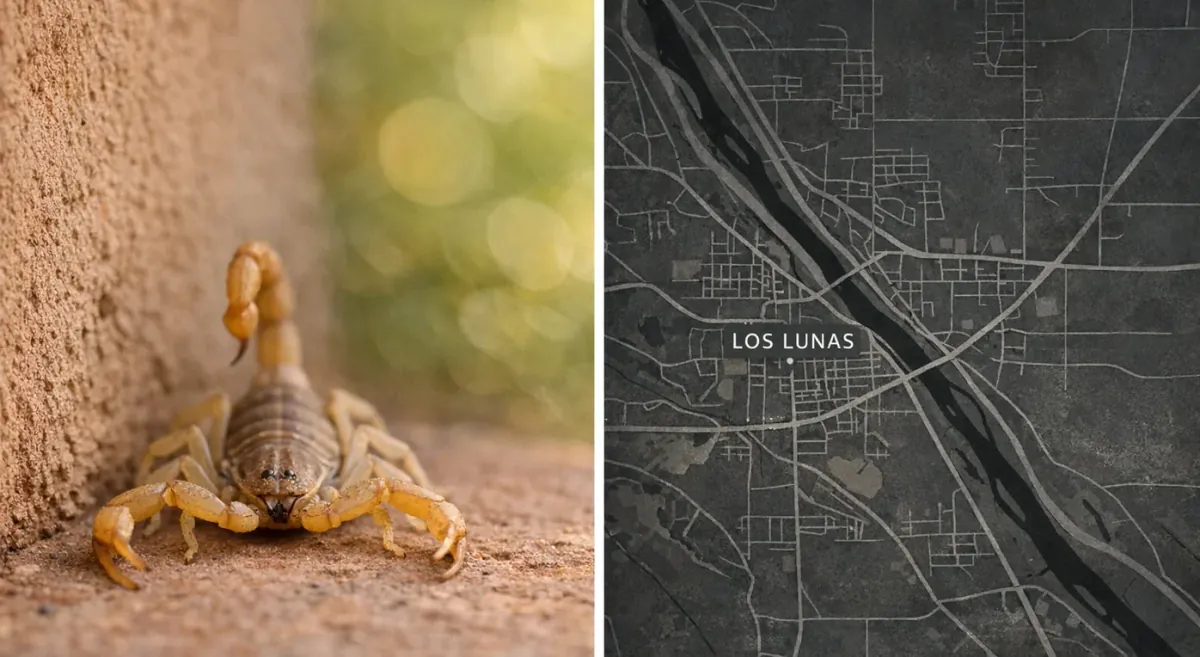
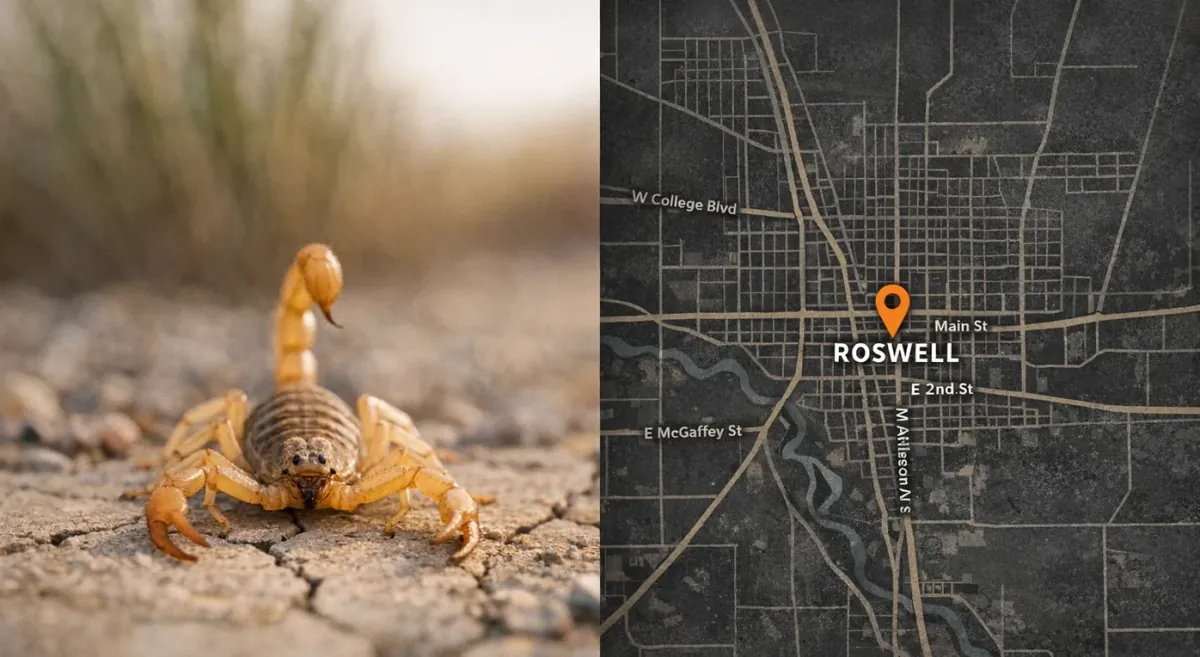
Map of Phoenix, ArizonaPhoenix, Arizona
We tried everything. Pest control companies, glue traps, powders. None of it worked as well as this.
Ashley
10 scorpions detected
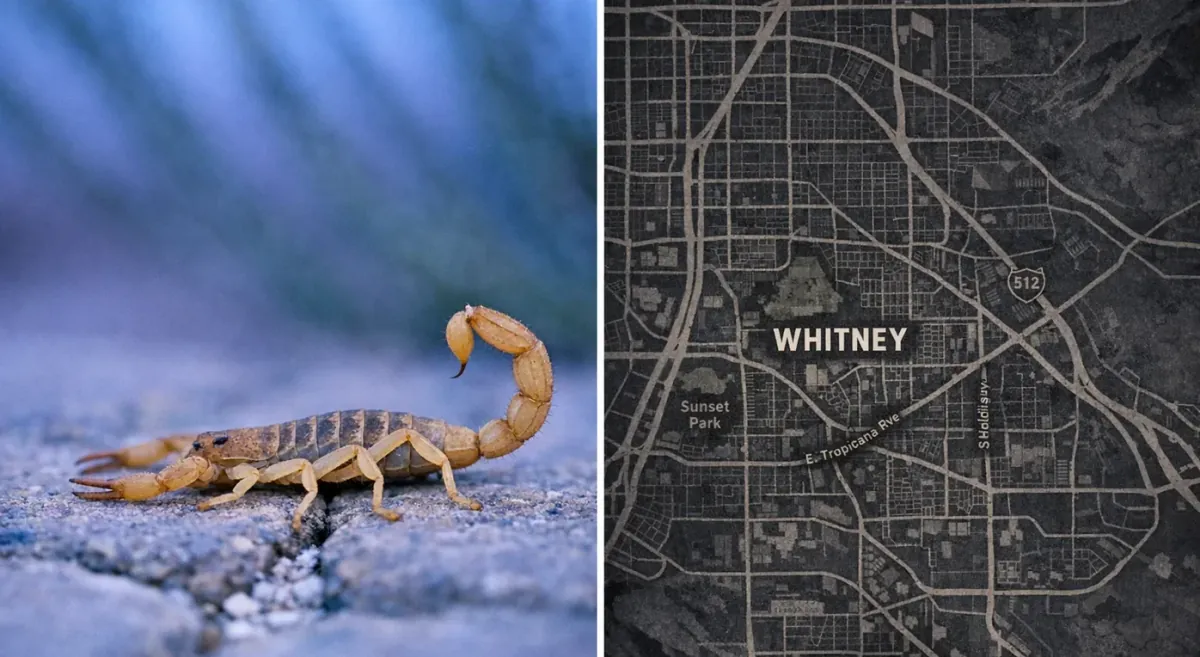
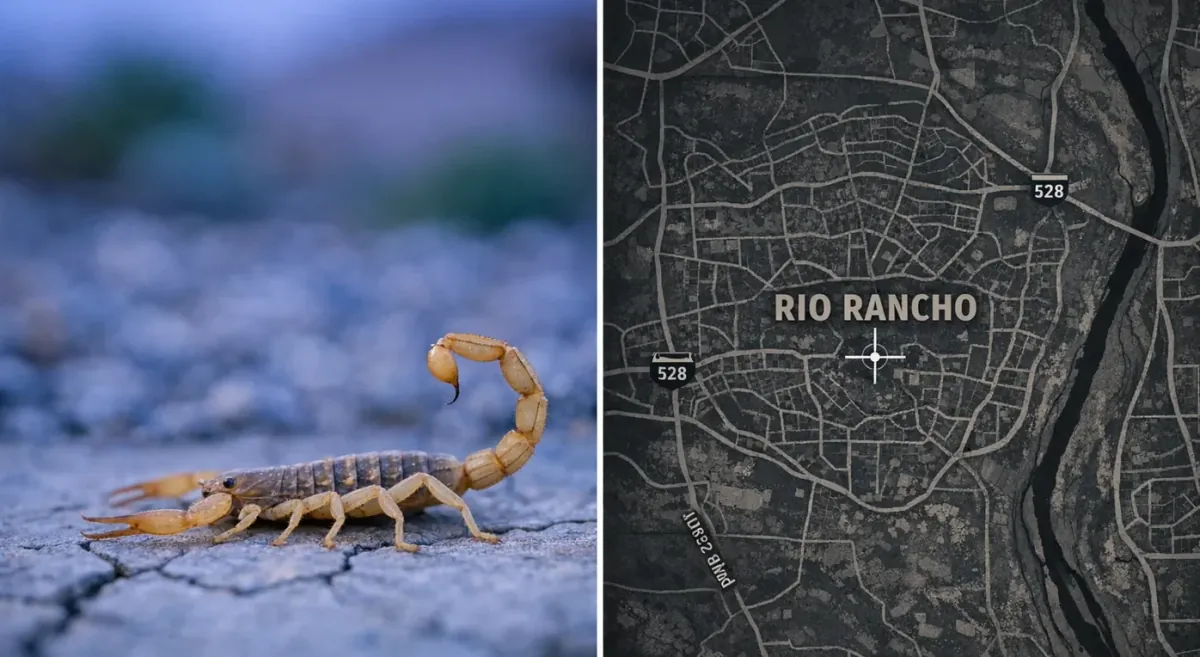
Map of Spicewood, TexasSpicewood, Texas
It’s really easy to use. You just plug them in, set them up with your phone, and you’re done. We caught 4 scorpions already.
Carmen
6 scorpions detected
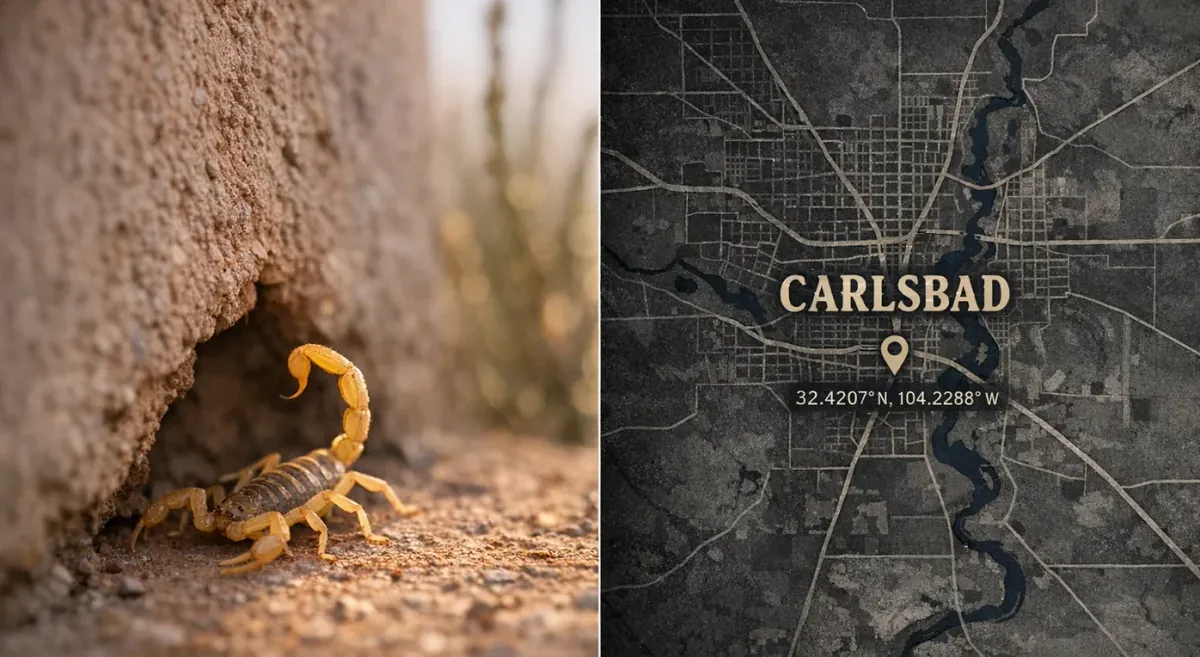
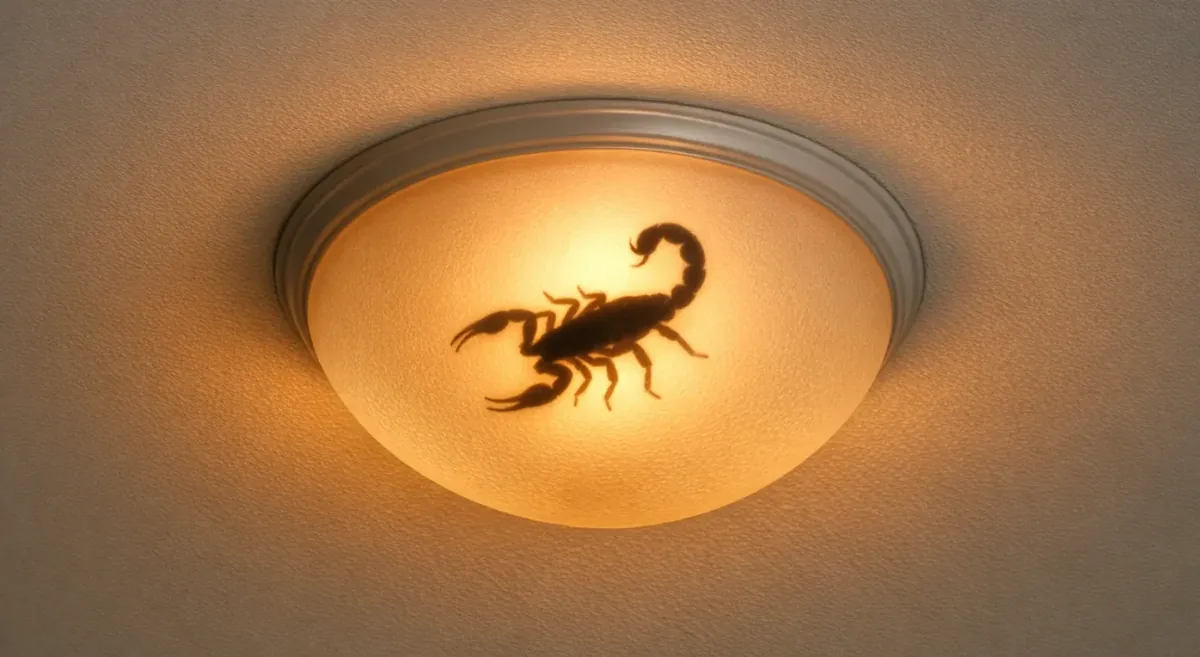
Map of El Paso, TexasEl Paso, Texas
Our 1 year old got stung in a room we never would have expected to find a scorpion. We ordered 5 scorpion detectors the next day.
Amanda
11 scorpions detected
Common questions

Need quick answers?

If diatomaceous earth isn’t enough, what actually protects you from scorpions at night?

Because DE is slow and can be unreliable, better night-time protection comes from a layered plan: reduce hiding spots and prey, seal entry gaps, and use monitoring so you can find scorpions while they’re actively roaming. Scorpion Alert’s approach complements DIY barriers by using 365nm UV to scan room edges and send photo-verified alerts, helping reduce surprise encounters. Get the full step-by-step plan in this scorpion protection beyond DE guide.

Is a scorpion in a glue trap dead, or can it still sting me?

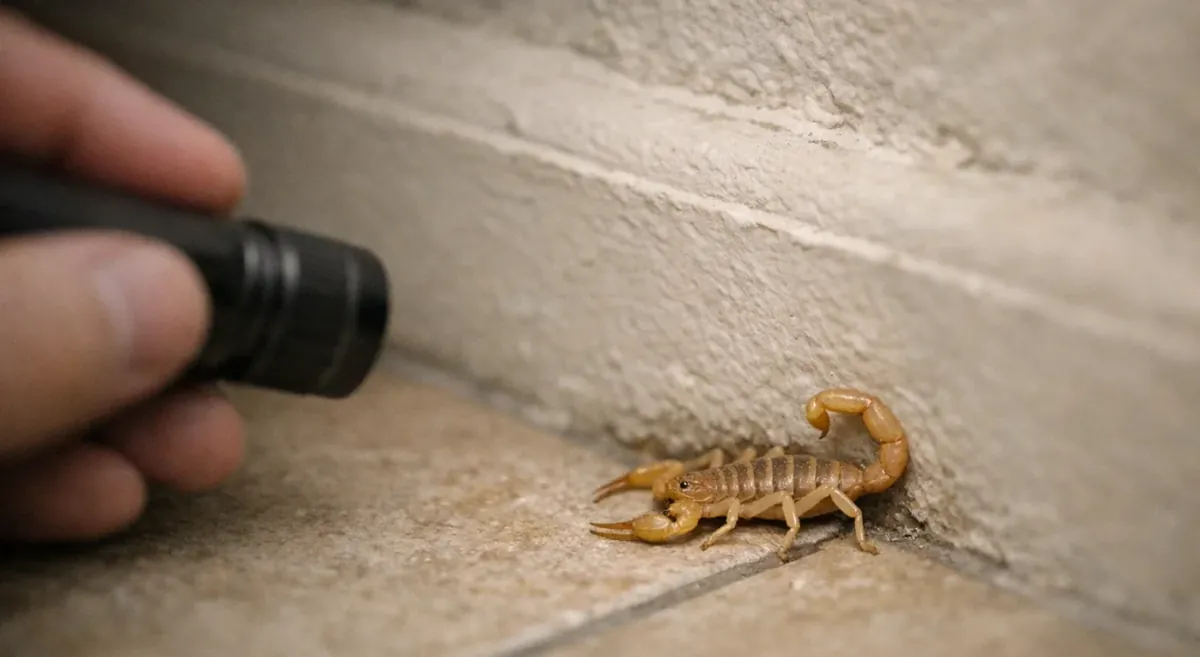
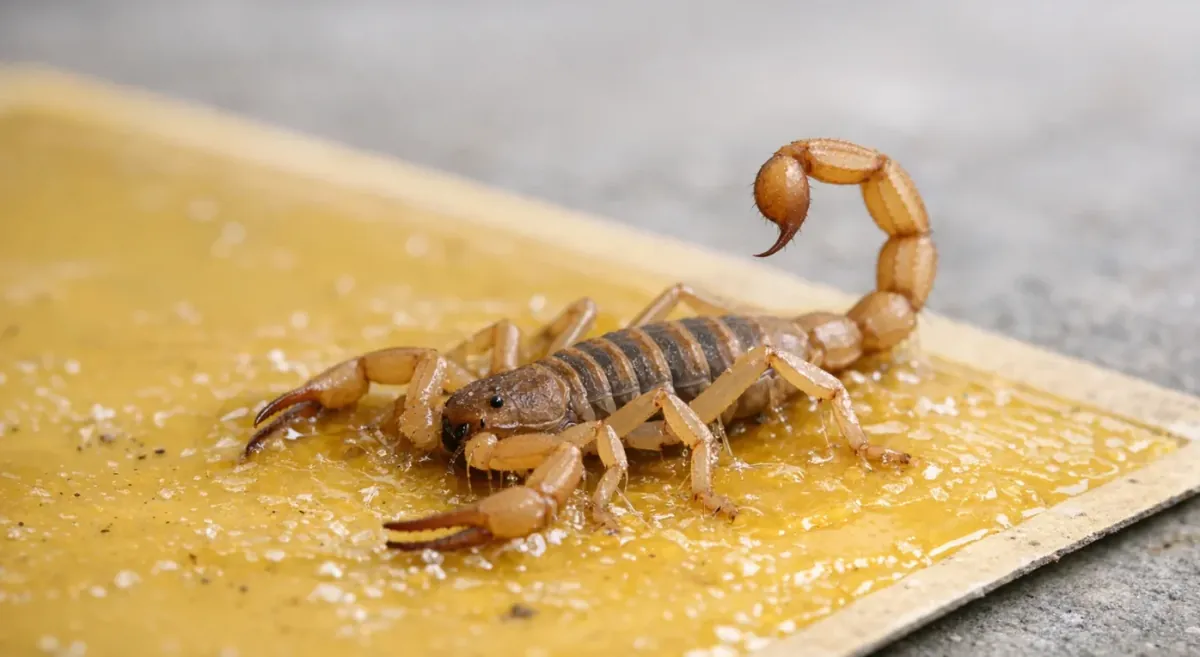
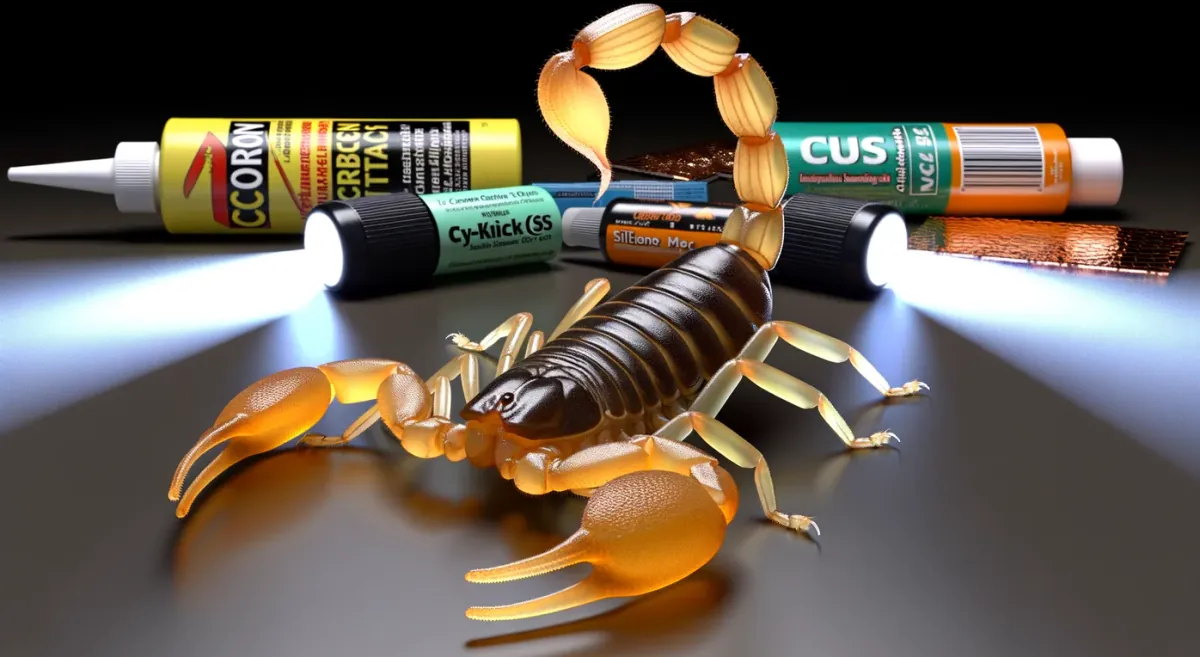
Assume it can still move and sting until you confirm there’s no motion in the legs or tail, because “looks dead” isn’t a reliable test. The safest approach is to keep your distance, use long tongs to gently tap the trap, and avoid putting your hands or face close (a UV light at night can help you see clearly). This section also explains why bare-handed handling is risky and what to do next if you’re unsure in this glue trap scorpion safety checklist.

How can I spot the next scorpion before it disappears?

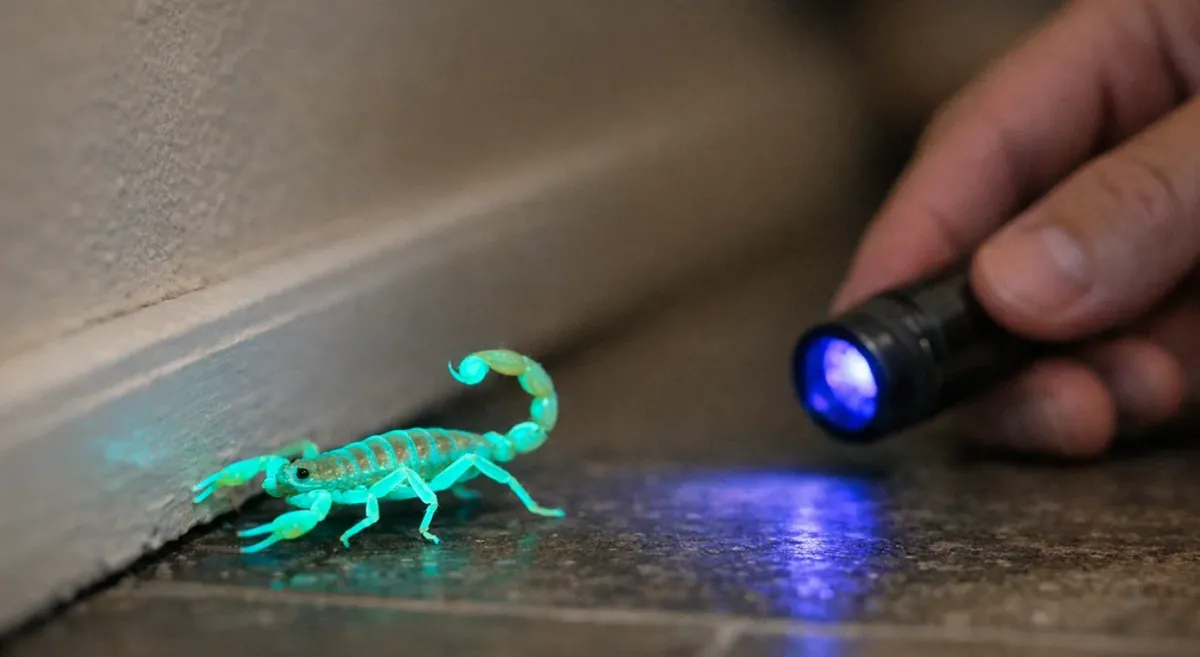
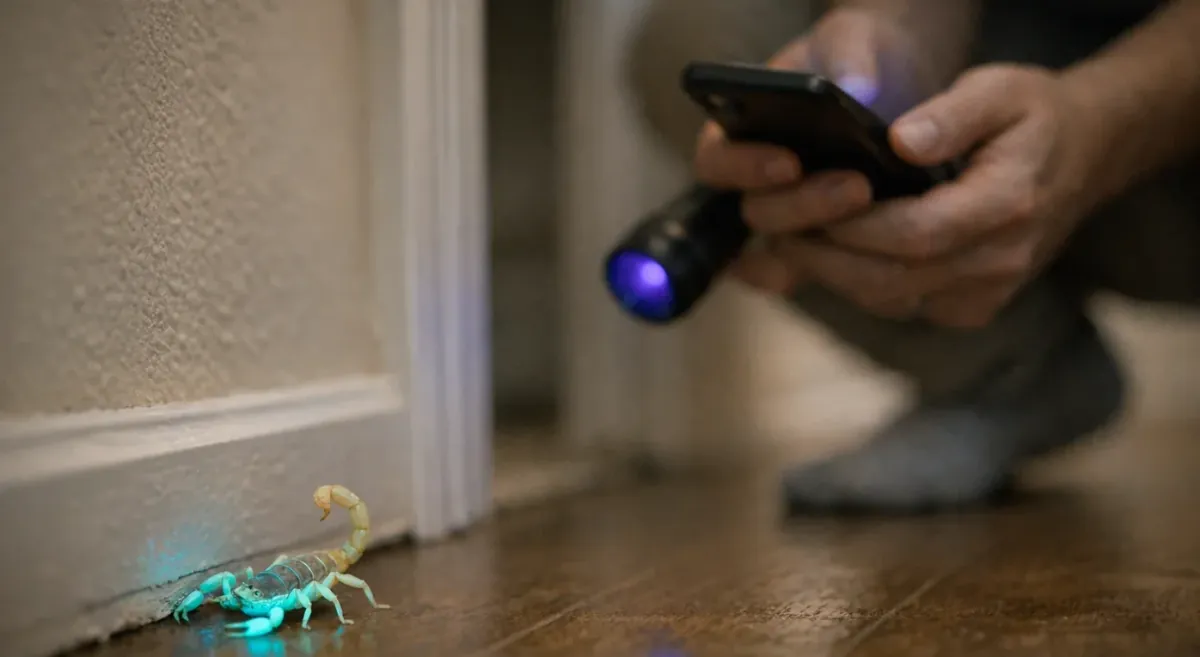
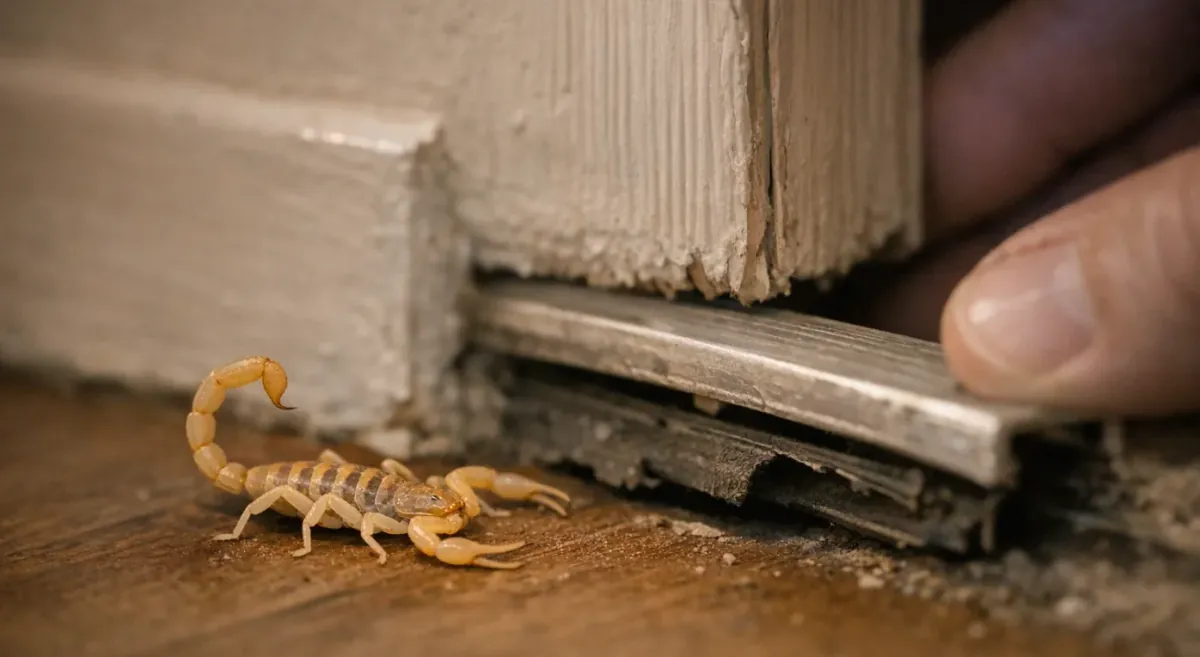
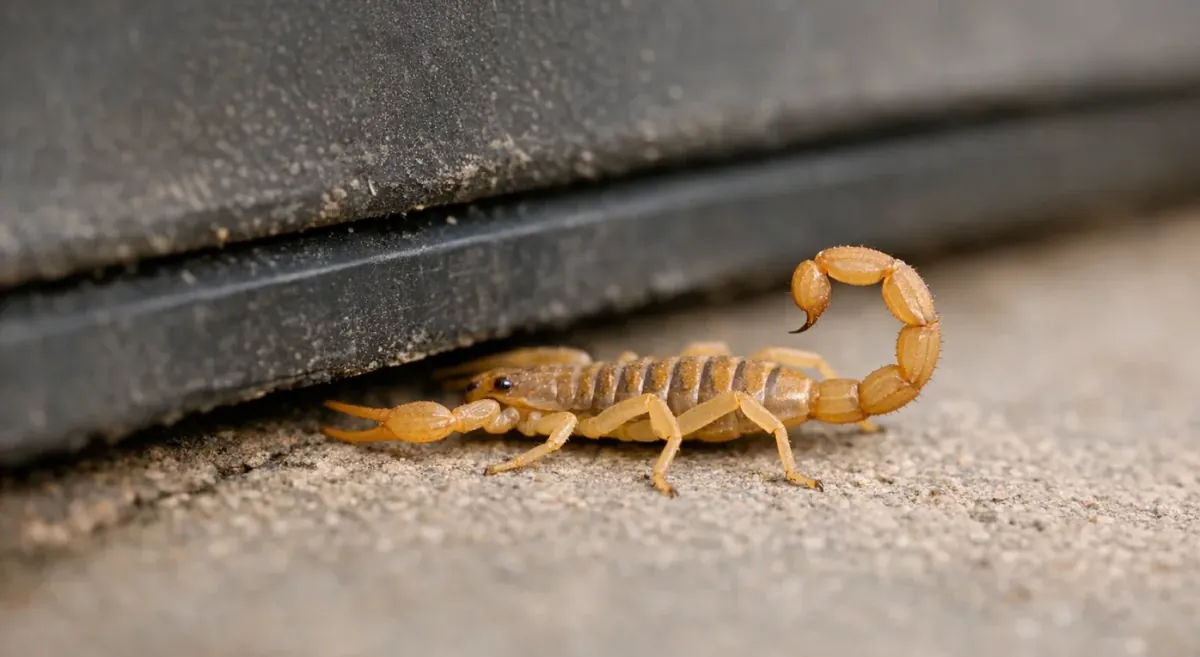
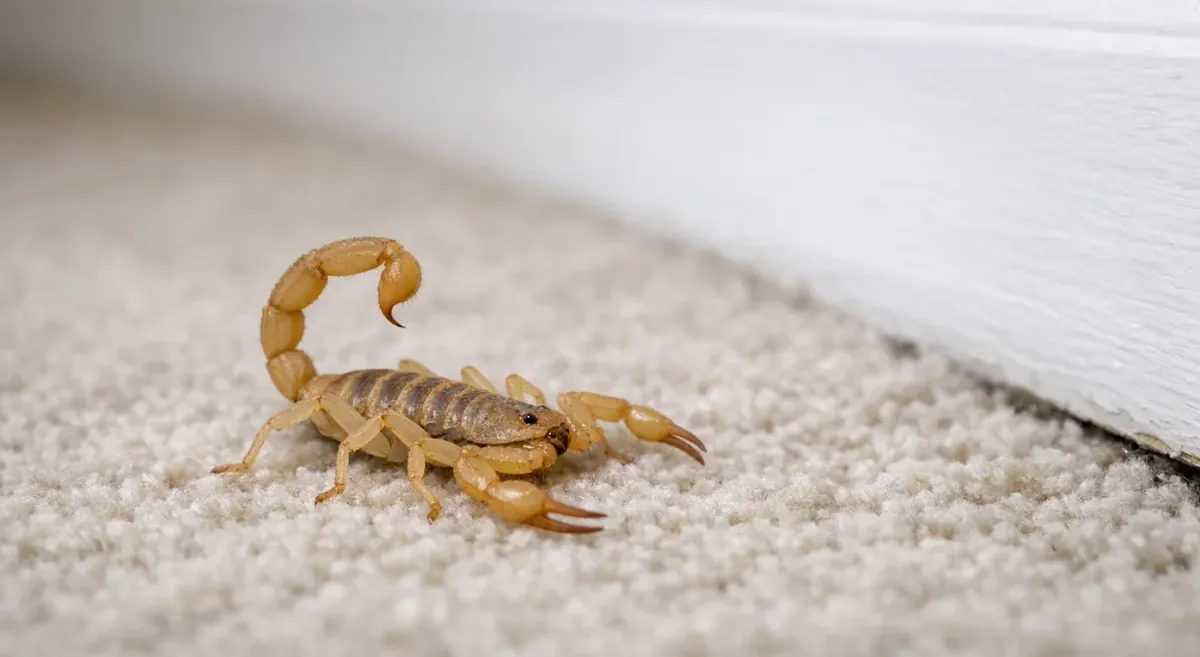
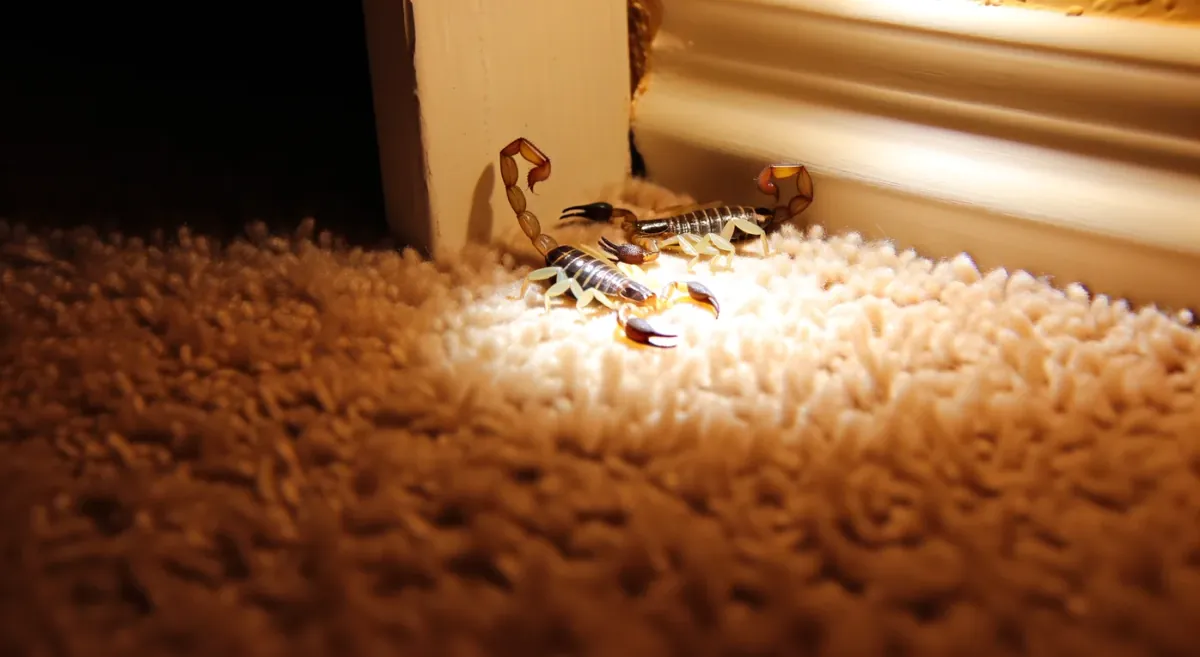
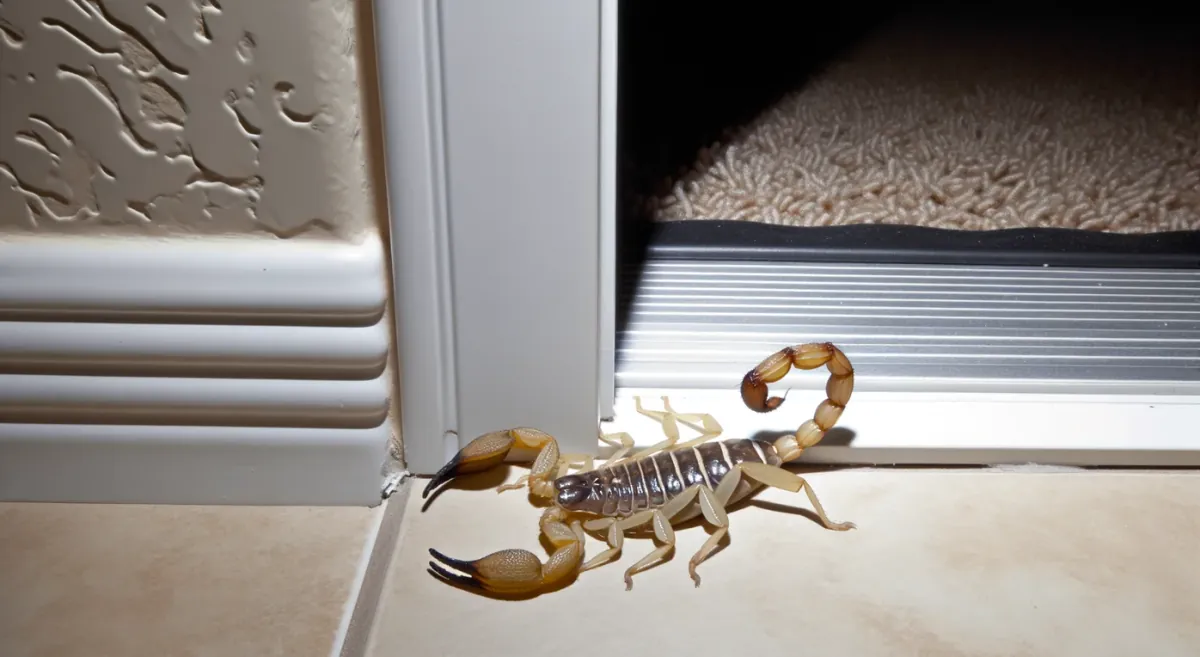
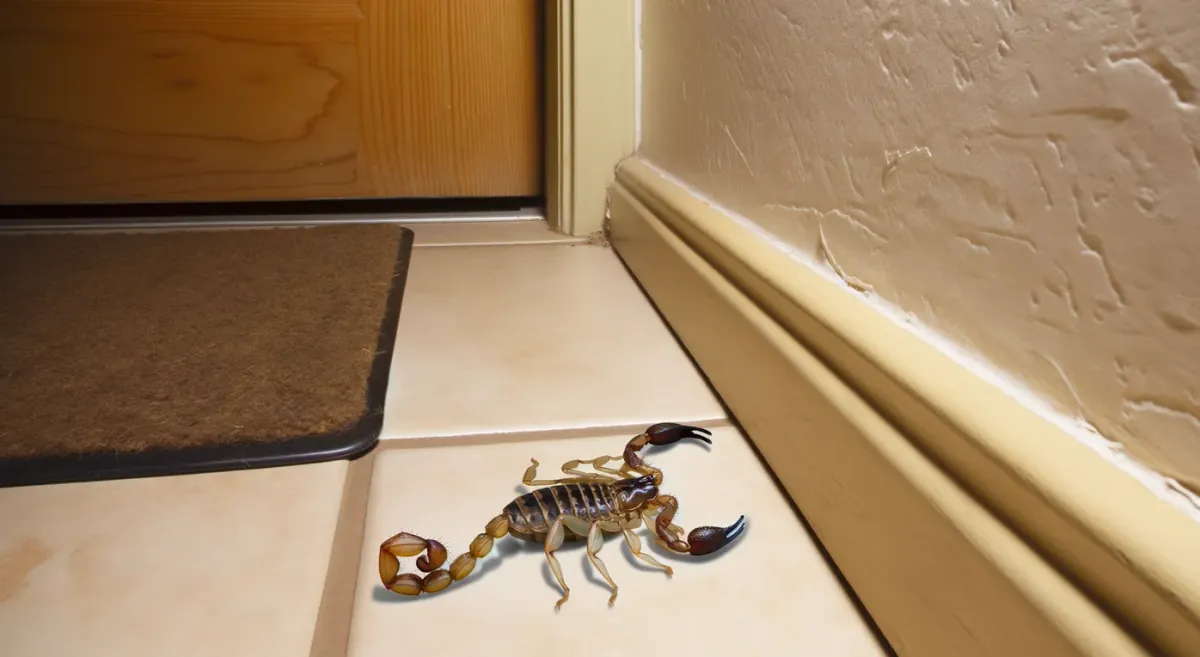
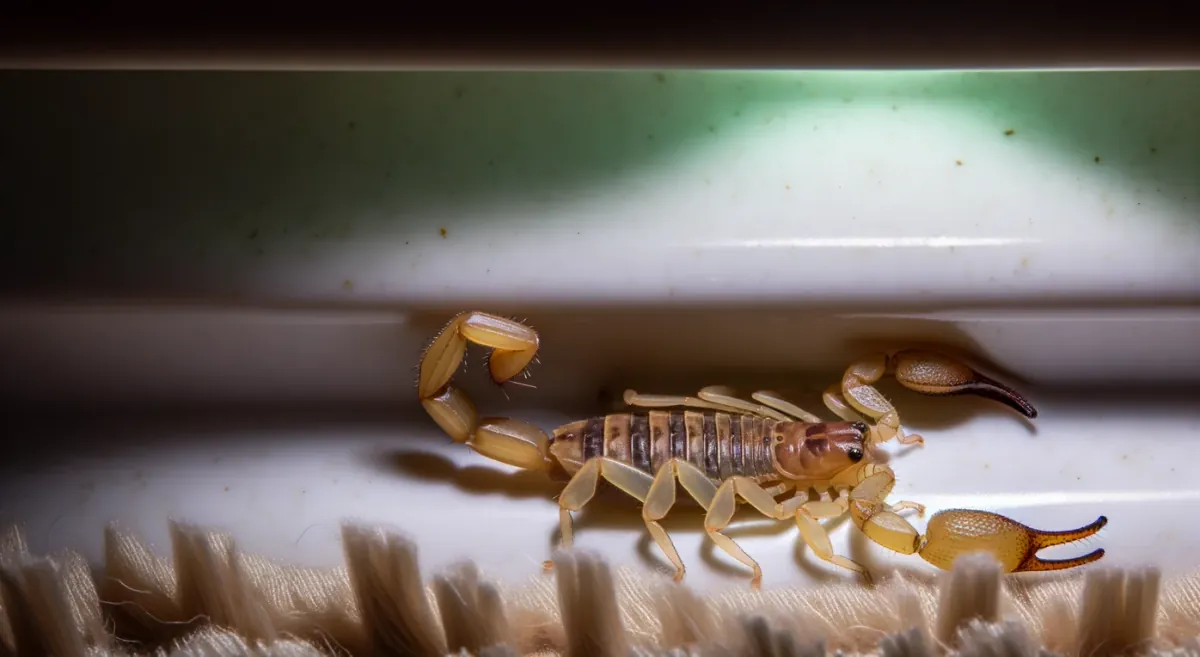
Scorpions tend to travel along walls and baseboards at night, so perimeter-first scanning (especially with UV light) helps you find them faster. The article outlines what to do in the first 10 minutes after a sighting—secure kids/pets, grab tools, scan edges, and log the location/time to identify patterns. It also introduces automated monitoring that uses UV fluorescence and AI-confirmed photo alerts as an early-warning scorpion detection system layer.

Which small scorpions in the Southwest are the ones I should worry about most?

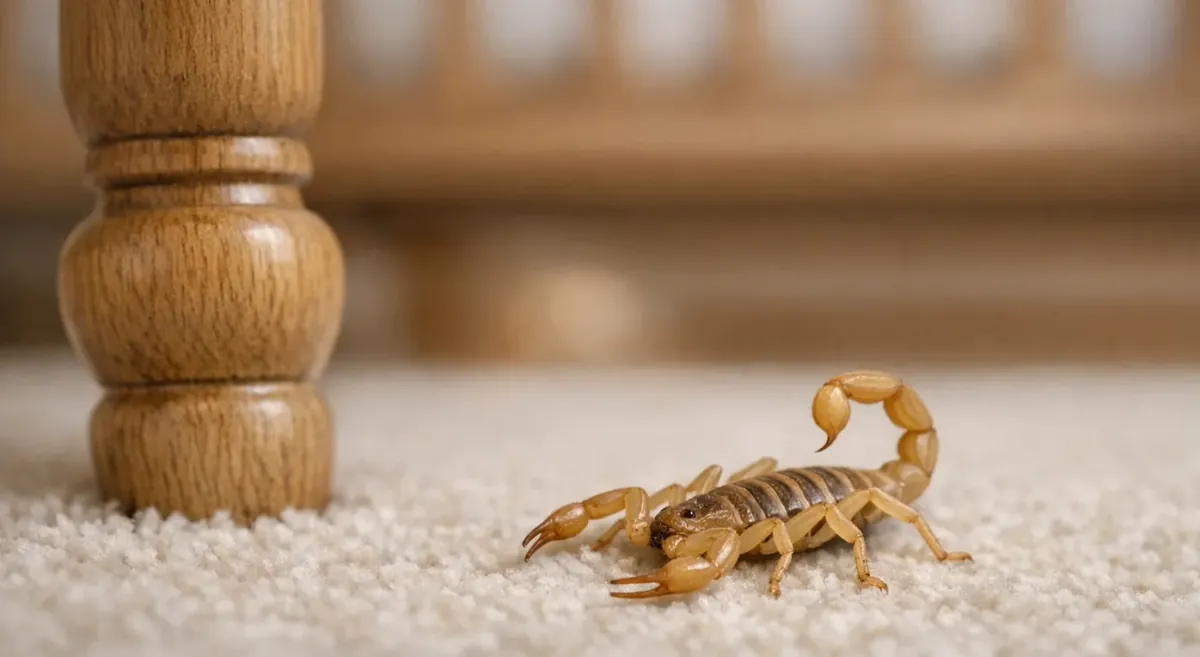
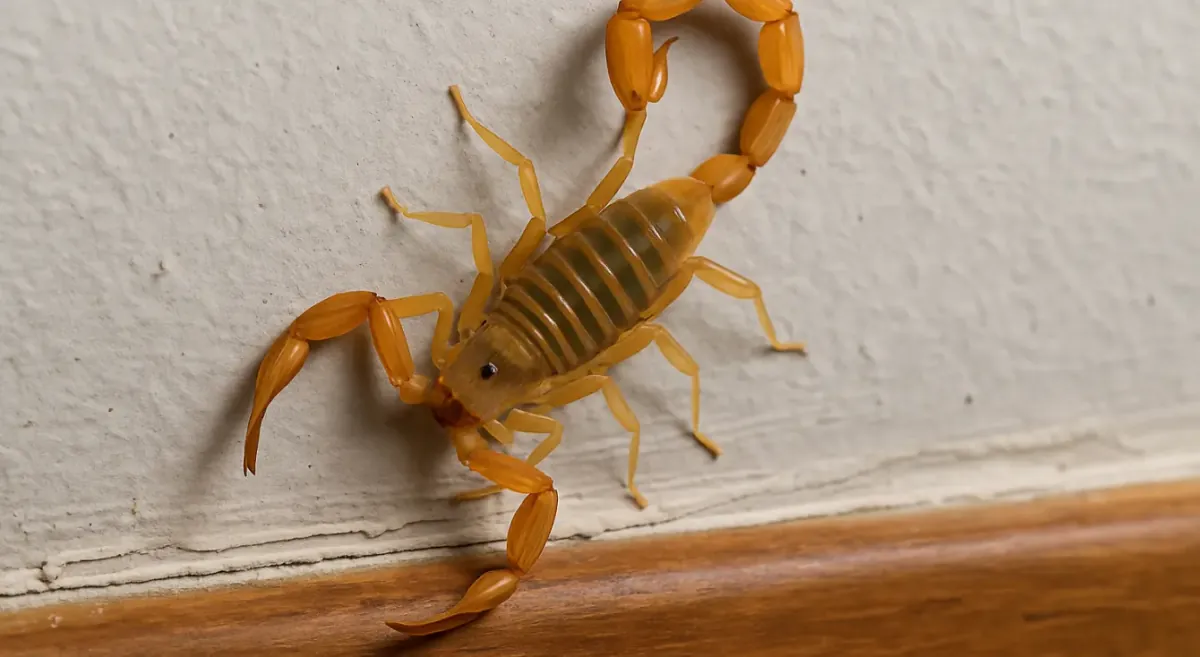
The key concern is identifying smaller, slender-built species that rely more on venom, with the Arizona bark scorpion highlighted as the primary medically significant example in the region. The section walks through quick, practical ID cues (like pale coloration and slimmer pincers) and how UV light can help you spot scorpions at night. Use this Southwest small scorpion quick guide to compare common species, where they’re found, and general sting risk.

How does Scorpion Alert detect scorpions while I’m sleeping?

Scorpion Alert automates the same UV fluorescence method people already trust, using UV + a camera + AI to monitor continuously in dark rooms. When it detects a likely scorpion glow, it sends a photo-verified alert with a confidence score (and can notify you if a detector goes offline). This section also covers practical setup details like plug-in power, 2.4GHz Wi‑Fi, scan frequency, and adjustable sensitivity in automated UV scorpion detection system.

How do I find tiny scorpion entry points without ripping out walls?

Use a repeatable inspection routine: do a daylight exterior walk first, then an interior perimeter check since scorpions tend to travel along edges. Document every gap with photos and room names so sealing becomes a checklist, not guesswork, and use simple tools like a bright flashlight, a thin probe, painter’s tape, and a mirror. This section shows how to find scorpion entry gaps fast, including a quick night check with UV to confirm activity patterns.

Got questions about scorpion detection?