














Knowledge Base

Arizona

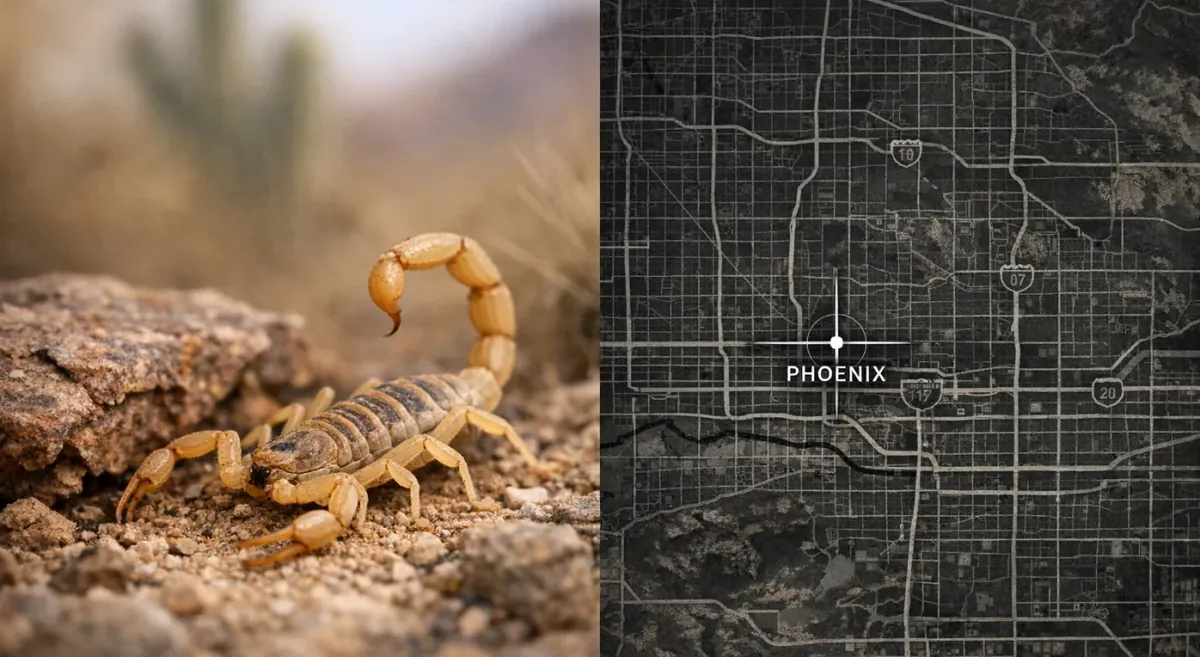
Scorpion guides specific to Arizona — species, risk areas, and regional prevention tips.
What is Scorpion Alert?

Get instant alerts when scorpions are detected in your home

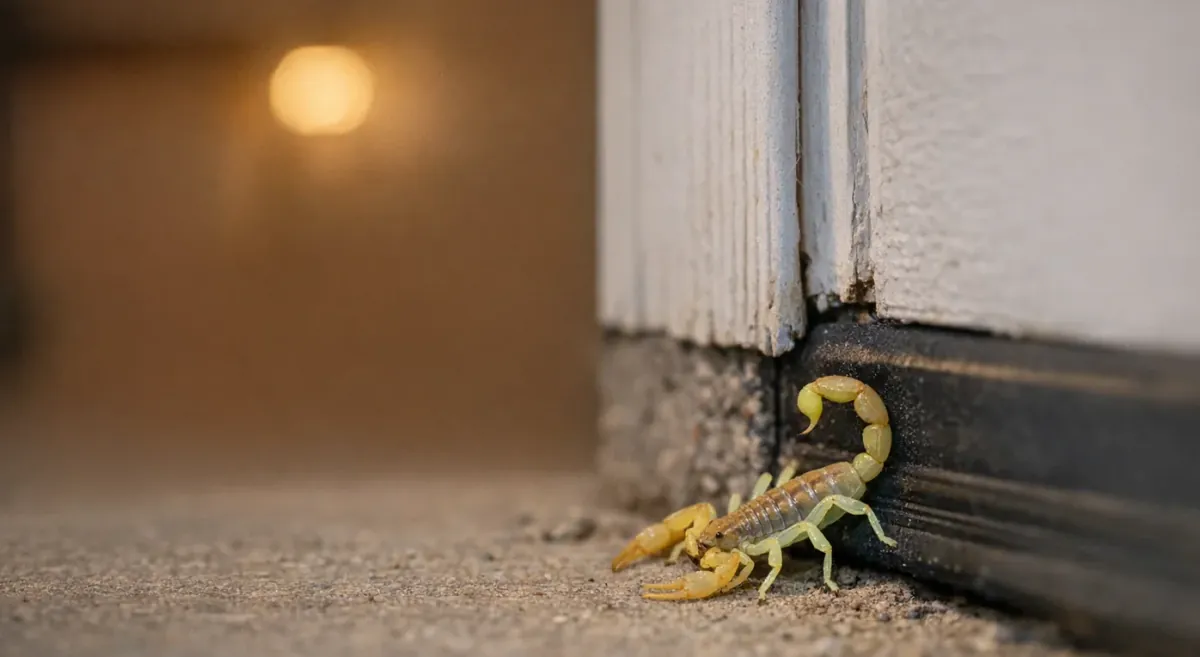
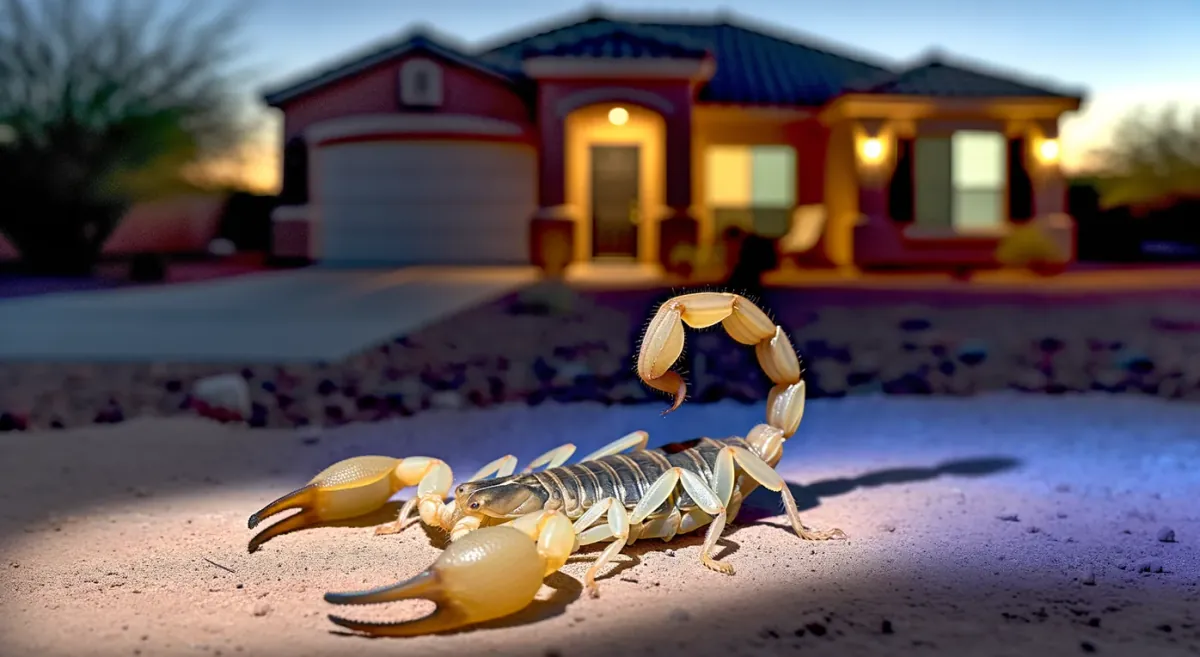
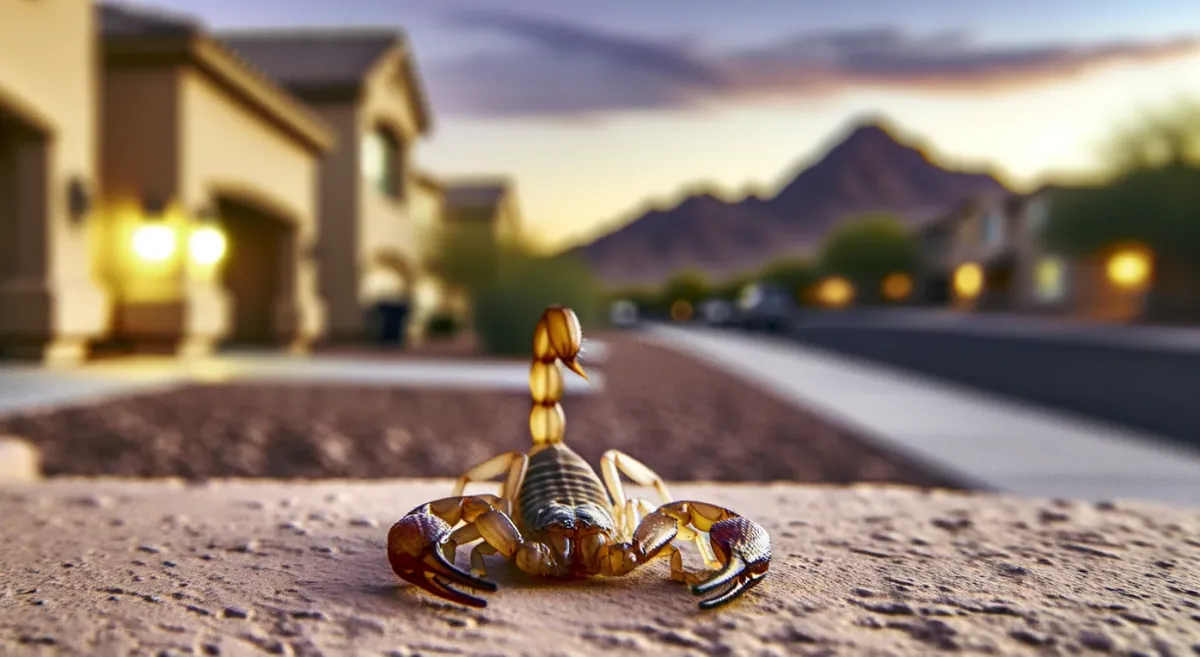
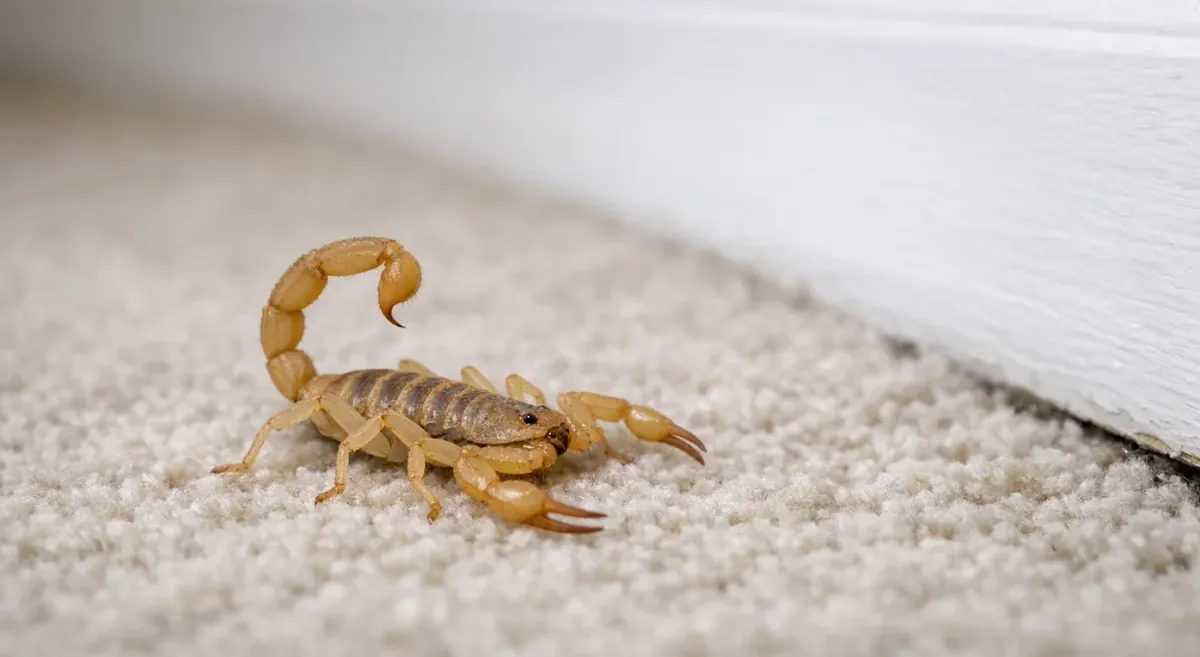
Scorpion Detectors watch over your home at night, when scorpions are most active. The moment a scorpion crosses one, you get a phone alert — so you can act before it makes a home out of your shoe, bed, laundy basket, or anywhere else.
  • Detectors arrive ready to plug in
  • Live alerts go straight to your phone or watch, with location
  • Alert multiple family members with a single account
  • One flat monthly monitoring fee — no contract, cancel anytime
Get Scorpion Alert
From our customers

What homeowners are saying

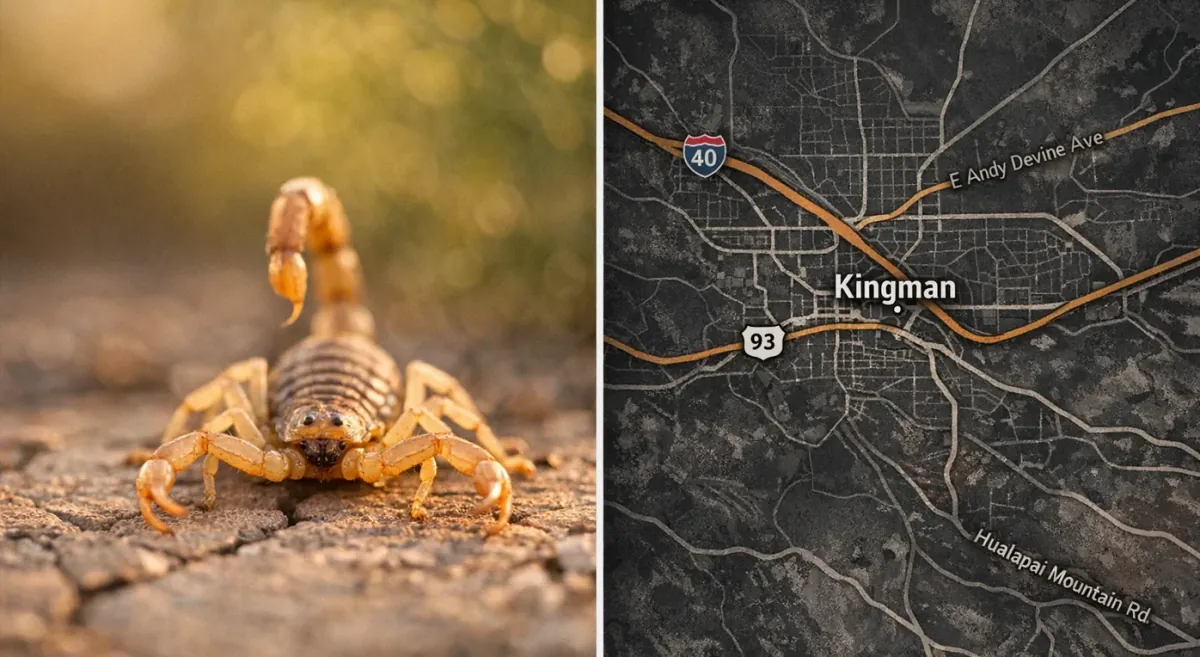
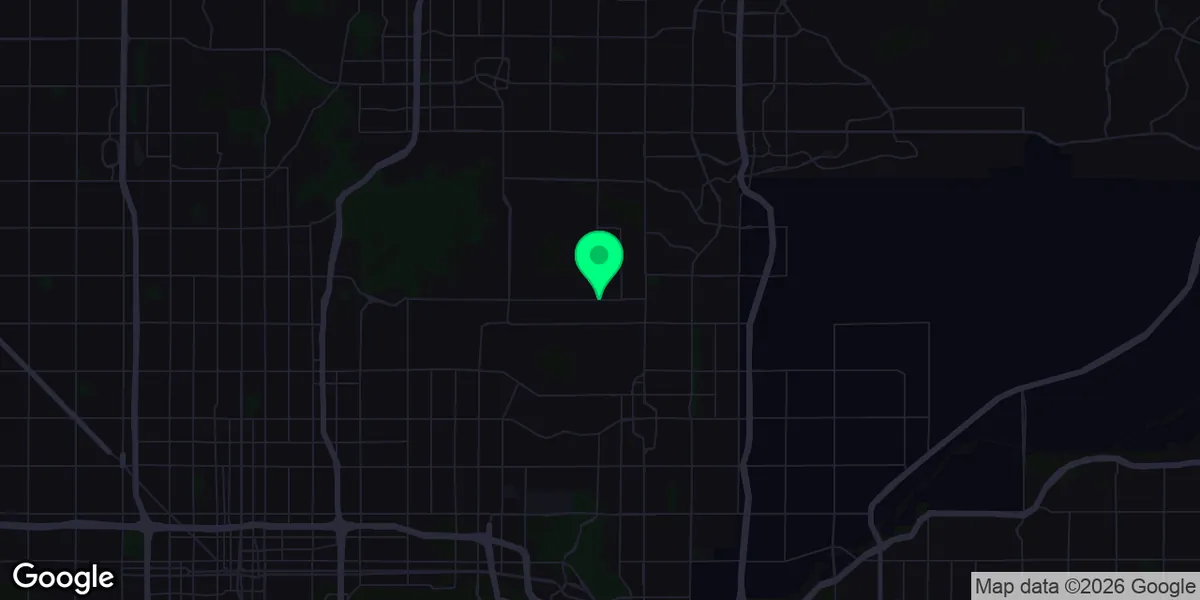
Map of Scottsdale, ArizonaScottsdale, Arizona
Thank you for giving us the peace of mind in knowing these things aren't crawling around in our newborn's room at night and hiding in her toys or clothes.
James and Anna
12 scorpions detected
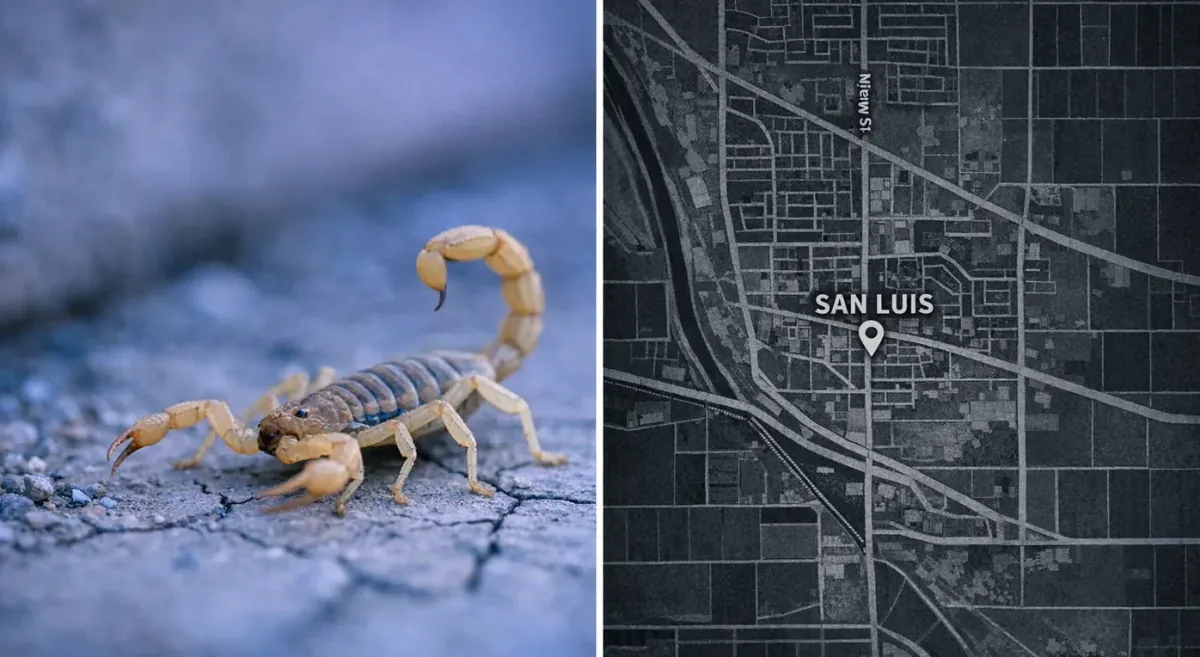
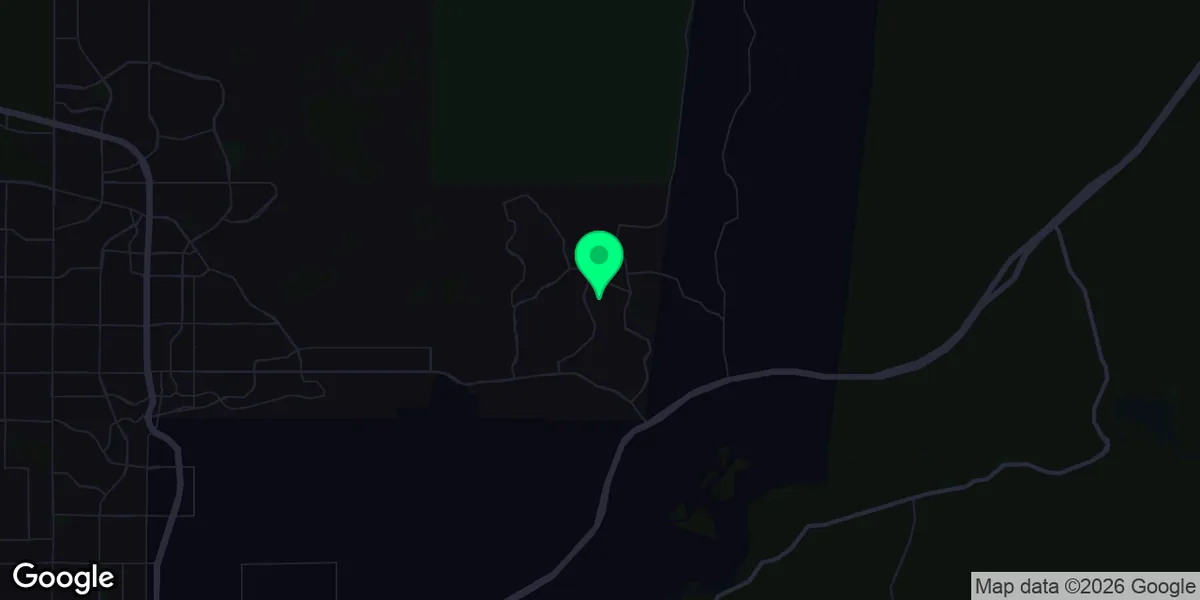
Map of Paradise Valley, ArizonaParadise Valley, Arizona
We don’t get as many alerts any more now that we’ve figured out how to seal up our vents, but we were getting a lot of alerts in the beginning.
Leticia
15 scorpions detected
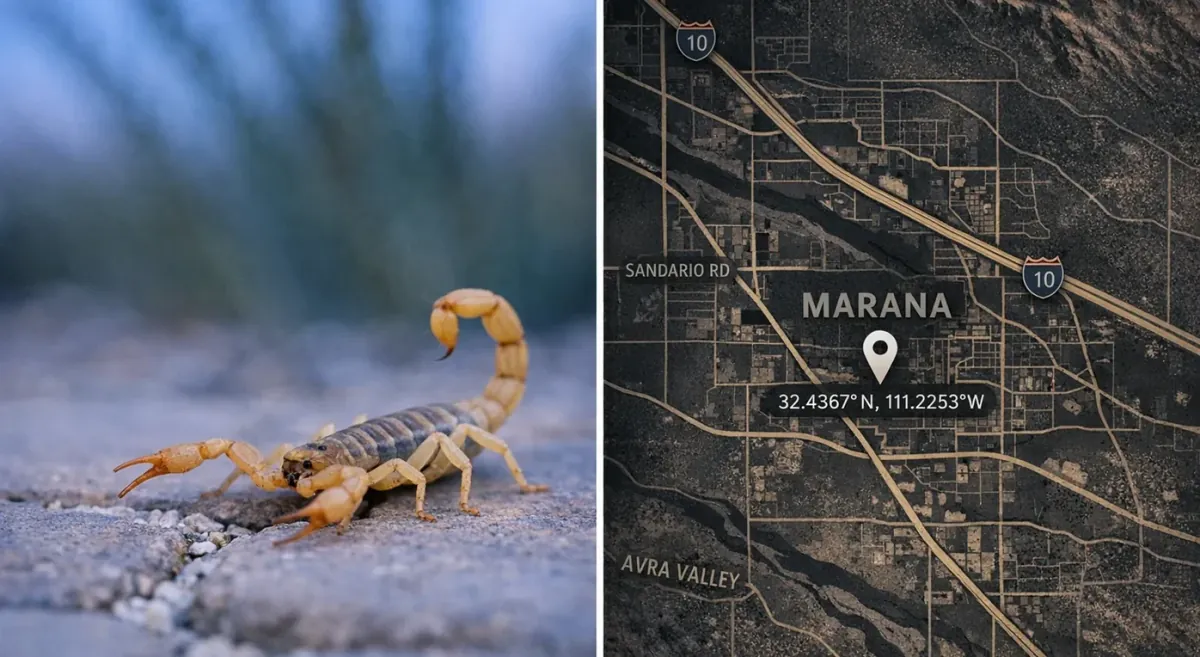
Map of Fountain Hills, ArizonaFountain Hills, Arizona
The picture and location that come with an alert is so helpful in figuring out where the scorpion is going. It usually hasn't traveled very far by the time I get there.
Harrison
12 scorpions detected
Common questions

Frequently asked questions

What should my family do during peak scorpion months, and what if I get an alert at night?

During peak months (usually July–September), focus on simple nightly habits: keep floors clear along baseboards, check shoes before wearing, and keep beds from touching walls. If you get an alert or see a scorpion, contain it safely (container + stiff paper), then look for the route in—gaps, damp areas, or clutter near entry points—so you can fix the cause. The guide also explains how to make sure critical notifications break through sleep settings in this peak scorpion season safety routine.

Are glue traps for scorpions worth it, and how should I monitor at night?

Glue traps can catch scorpions, but they’re often messy, collect dust, can snag non-target animals, and don’t tell you in real time when or where scorpions are moving. Night monitoring with a UV flashlight and perimeter-focused checks along baseboards and thresholds helps you spot patterns and respond faster—especially if you’ve seen even one scorpion. The best way to monitor scorpions indoors section compares options and explains how targeted detection complements sealing and outdoor cleanup.

What’s the best plan for scorpions at night if chickens are outside?

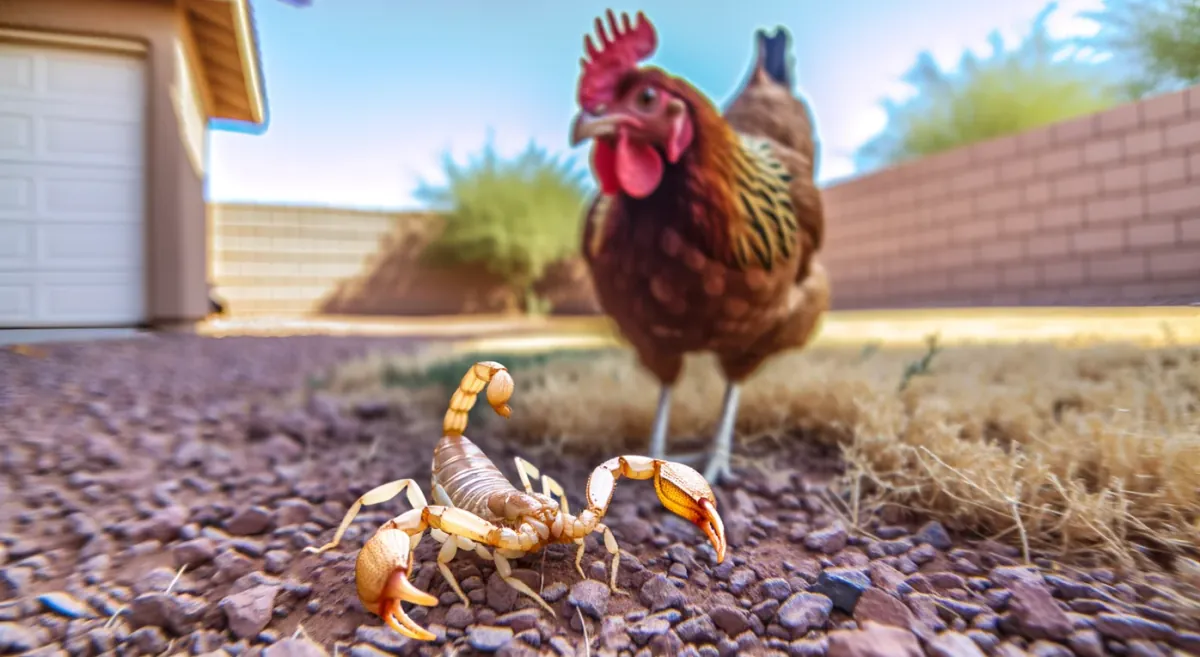
A practical approach is layered: use chickens to reduce yard prey and hiding spots, seal the perimeter to block easy entry, then add nighttime monitoring when scorpions are actually moving. The article highlights indoor detection that activates in darkness, scans along room edges, and can send photo-verified alerts—especially useful near bedrooms, nurseries, and common entry points. It also includes a calm “panic plan” for safe capture if you spot one, outlined in layered scorpion defense plan.

How can I prevent scorpion stings in my house—especially at night?

Most indoor stings happen during “surprise” moments—reaching into shoes, towels, laundry piles, or bedding—so simple habits like shaking items out and reducing clutter near walls help a lot. It also helps to focus on where scorpions travel (edges/baseboards) and prioritize bedrooms and bathrooms, then add monitoring to catch scorpions before someone steps on them. This prevent scorpion stings at night section covers routines, realistic trap use, and where to place detection for the biggest payoff.

How can I tell how long a scorpion has been stuck in a glue trap?

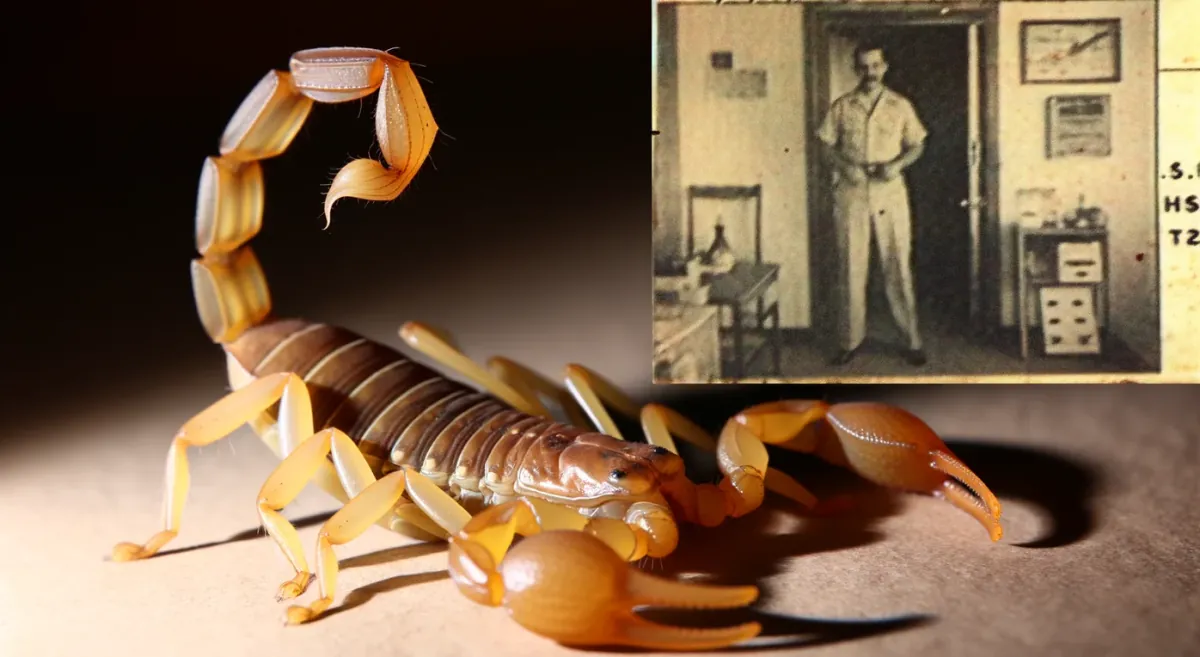
You usually can’t pinpoint exact hours or days, but you can estimate a likely range using multiple clues like posture, body condition, and the trap’s environment (heat, humidity, airflow, sun exposure). A plump body with flexible joints often suggests a more recent catch, while extreme curling, shriveling, and brittleness can point to an older one. Dust, pet hair, and other insects stuck nearby can also hint at how long the board has been sitting, as outlined in this estimate scorpion time in trap.

If I find one scorpion, does that mean there are more—and how do I keep them out?

Scorpions typically travel alone, but a single sighting can be a useful signal that conditions nearby (gaps, clutter, moisture, or prey insects) are supporting activity. The most reliable plan is to reduce indoor hiding spots, reduce insect food sources, and harden the exterior with sealing, door sweeps, and gap fixes—using what you observe to target the likely entry areas. For a prioritized approach to keep scorpions out of your house, focus on prevention and exclusion rather than random spraying.