

Knowledge Base

Behavior & Biology

How scorpions move, hide, breed, and enter homes — the science behind why they act the way they do.
What is Scorpion Alert?

Get instant alerts when scorpions are detected in your home

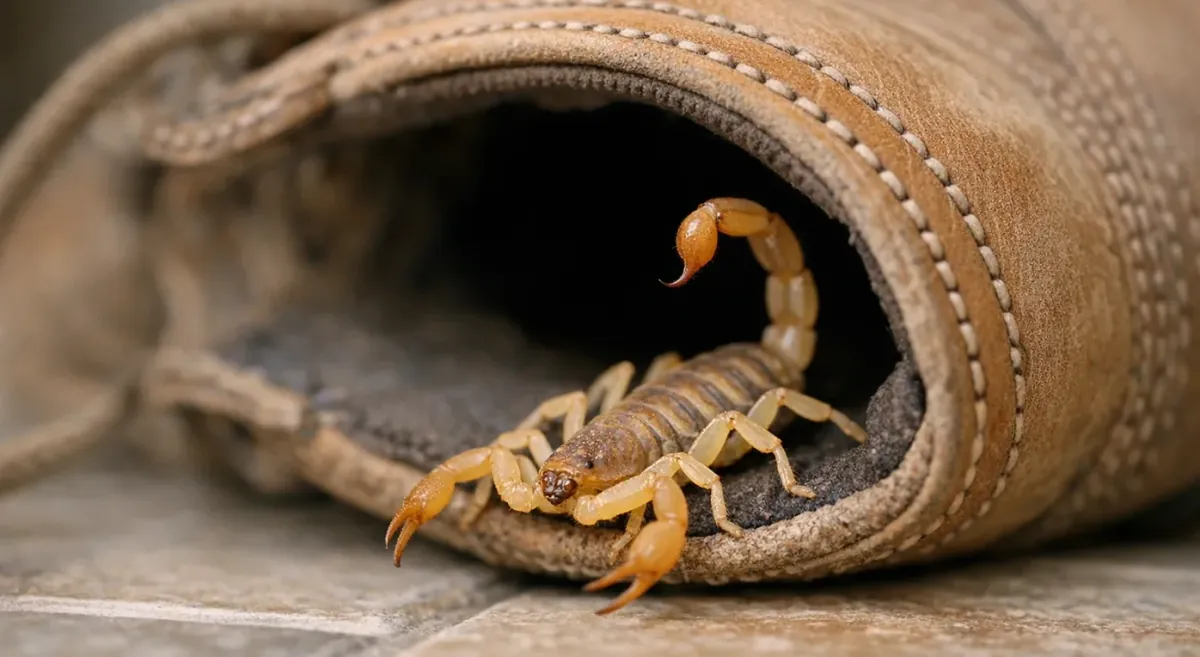
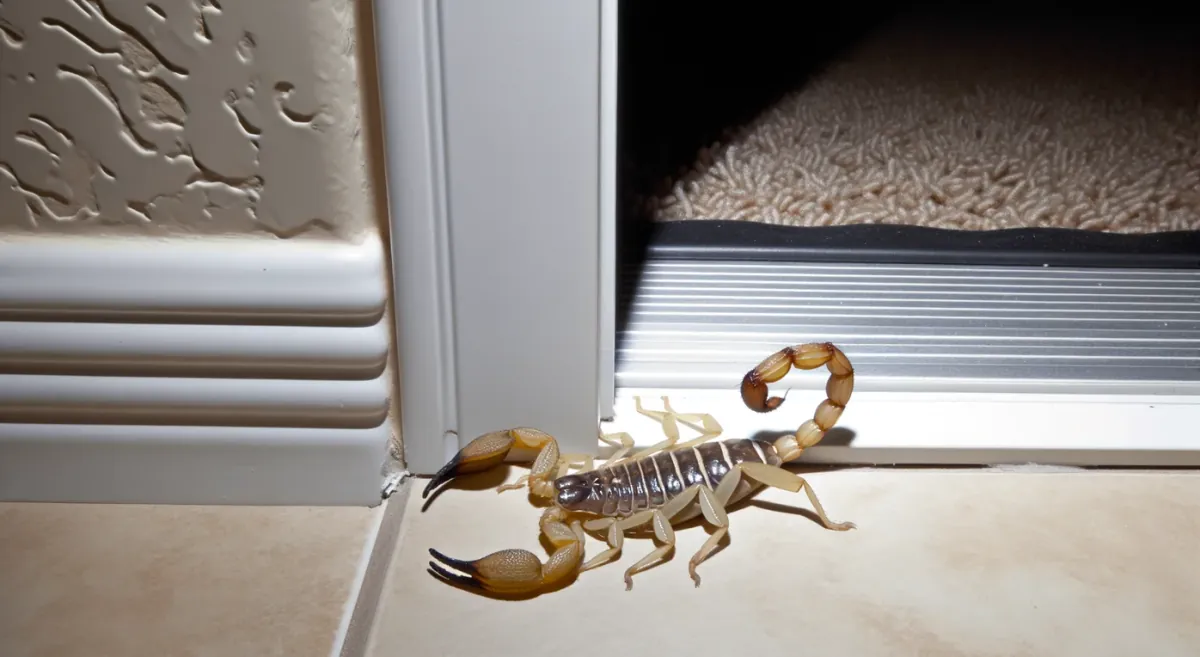
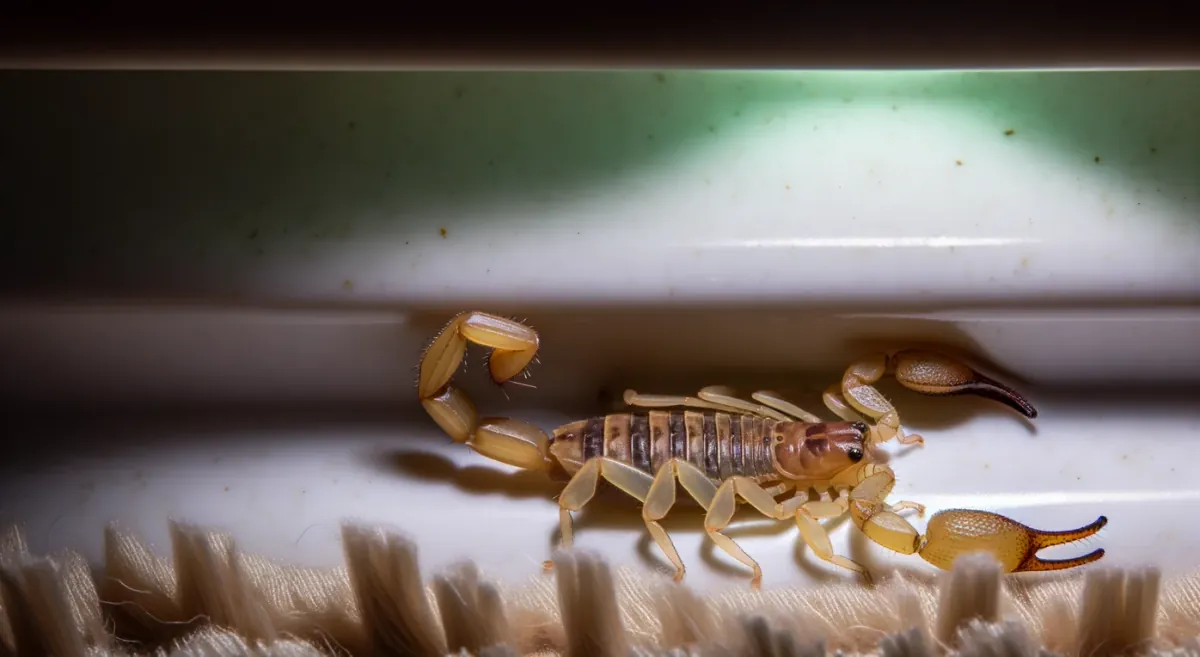
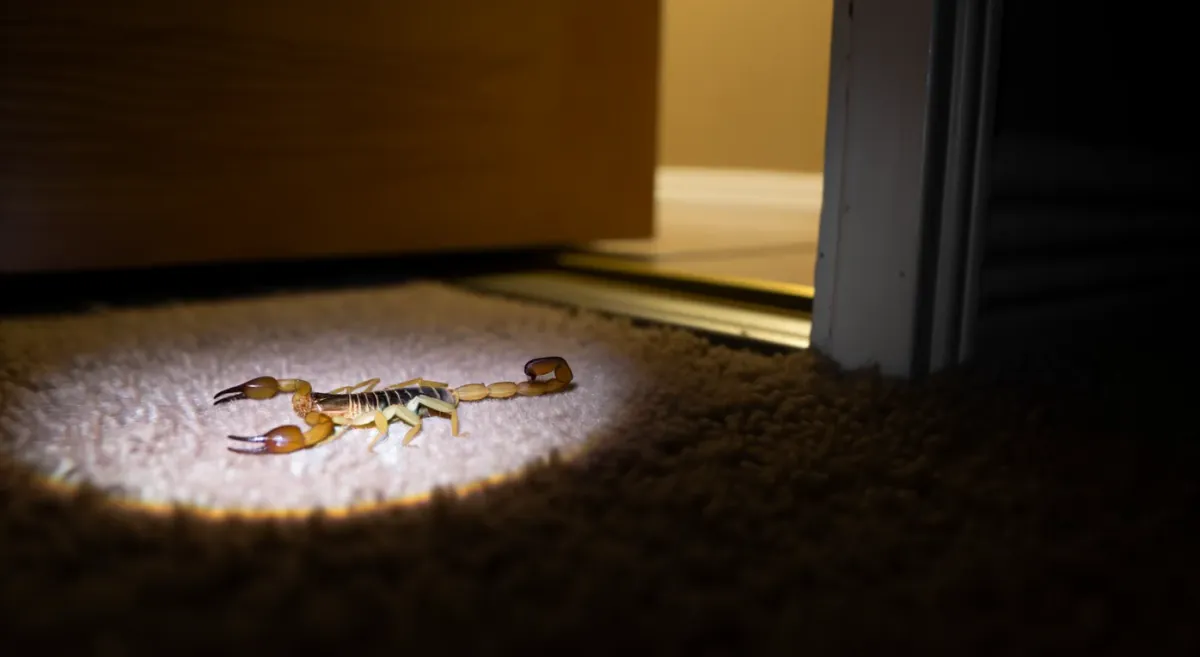
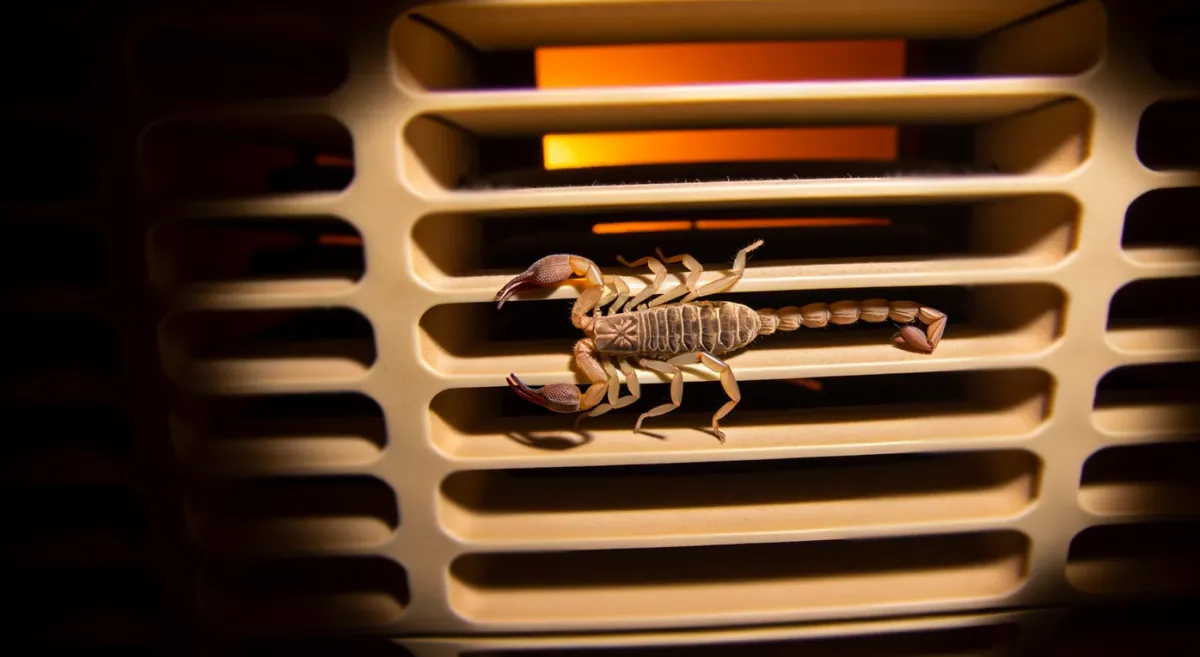
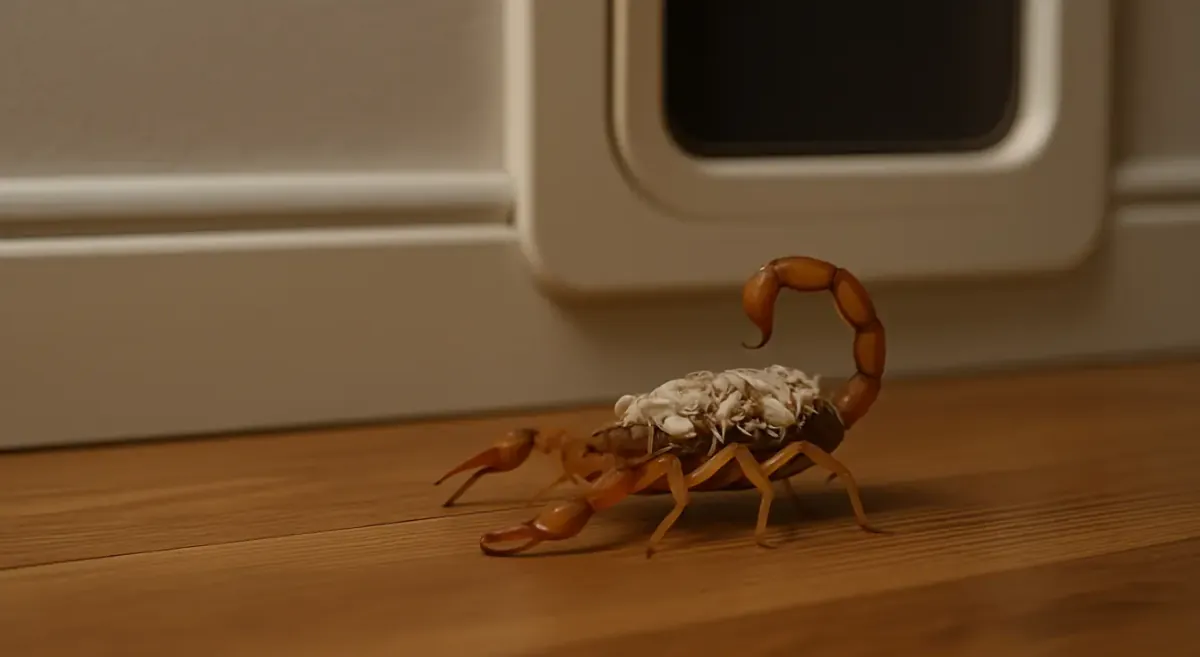
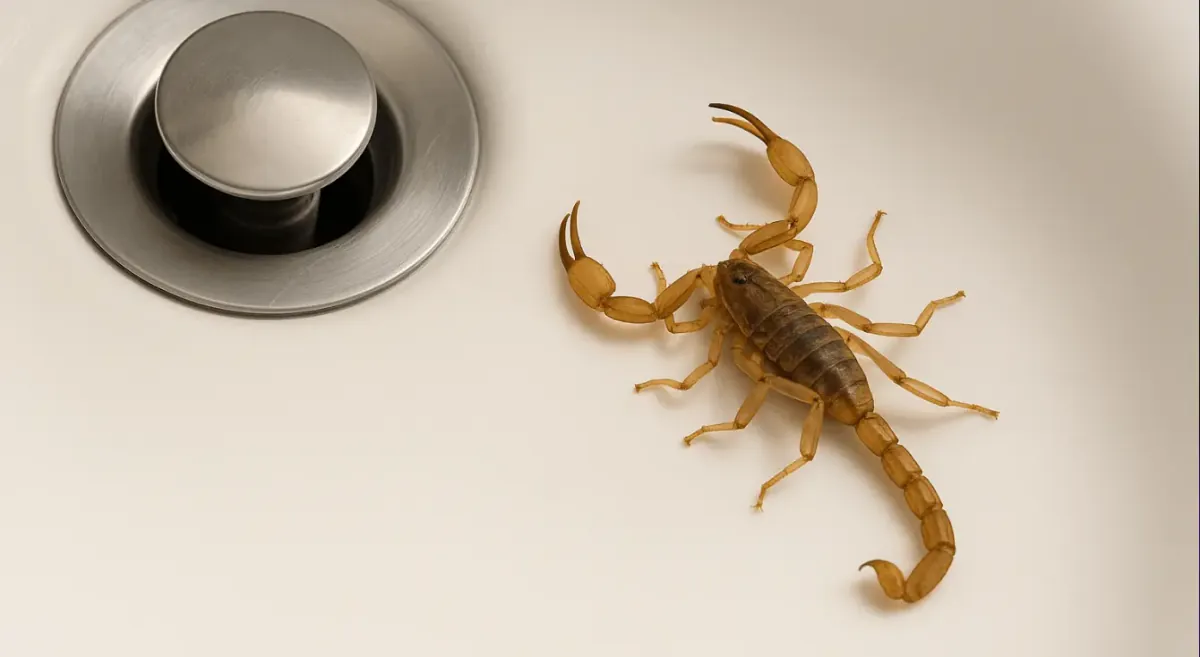
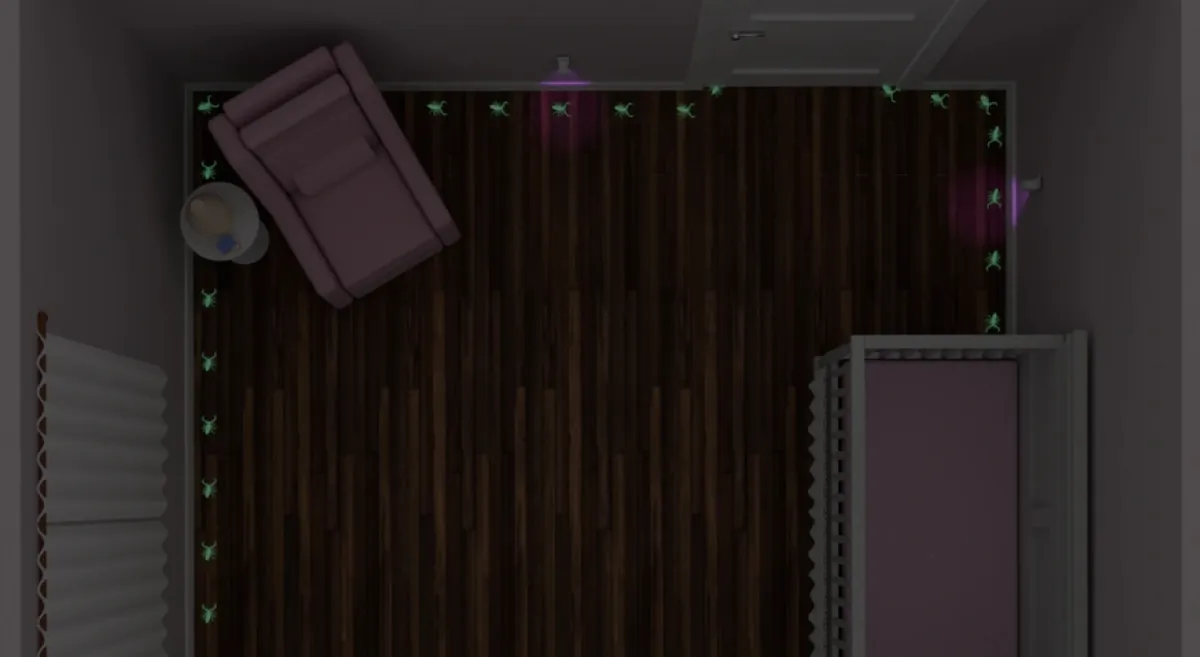
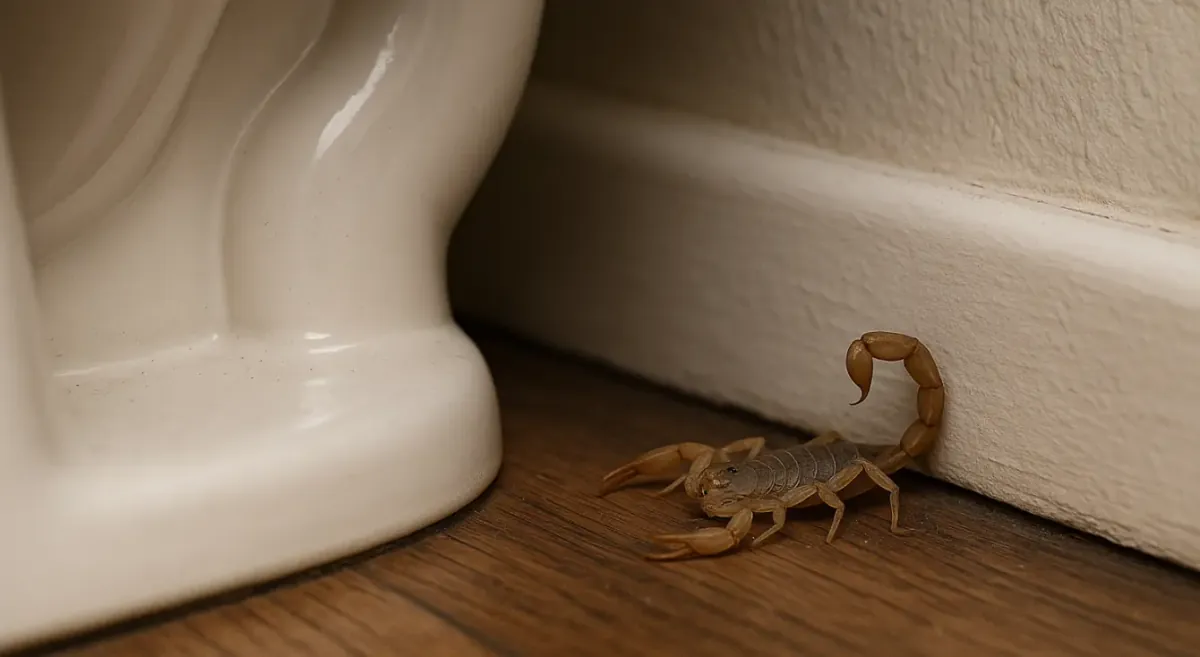
Scorpion Detectors watch over your home at night, when scorpions are most active. The moment a scorpion crosses one, you get a phone alert — so you can act before it makes a home out of your shoe, bed, laundy basket, or anywhere else.
  • Detectors arrive ready to plug in
  • Live alerts go straight to your phone or watch, with location
  • Alert multiple family members with a single account
  • One flat monthly monitoring fee — no contract, cancel anytime
Get Scorpion Alert
From our customers

What homeowners are saying

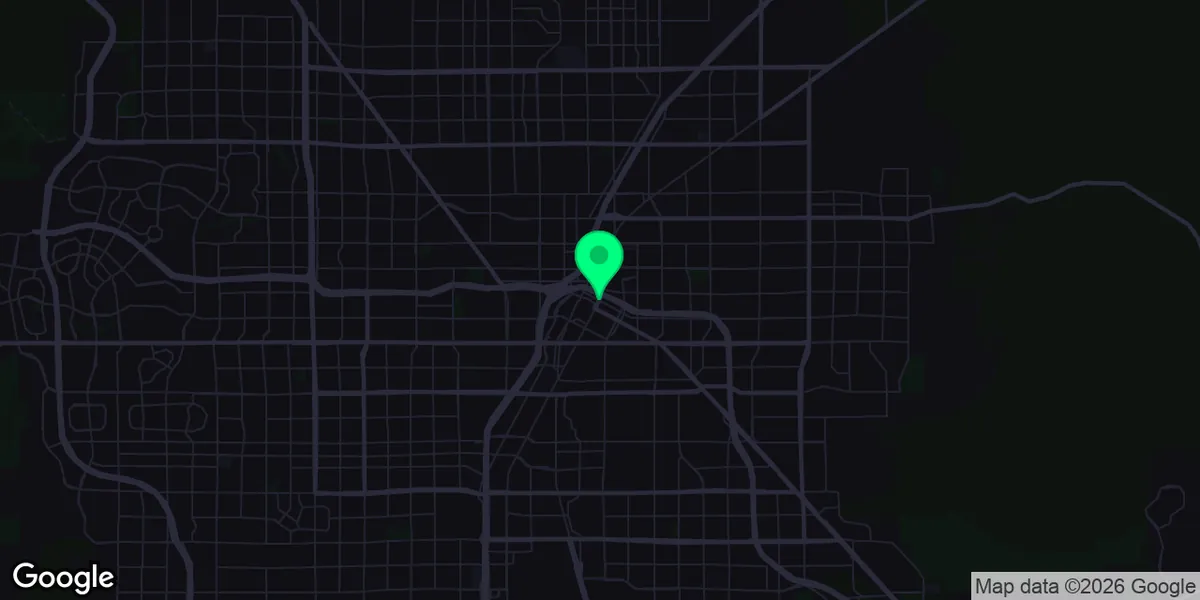
Map of Chandler, ArizonaChandler, Arizona
Much better than those disgusting sticky traps.
Danielle
9 scorpions detected
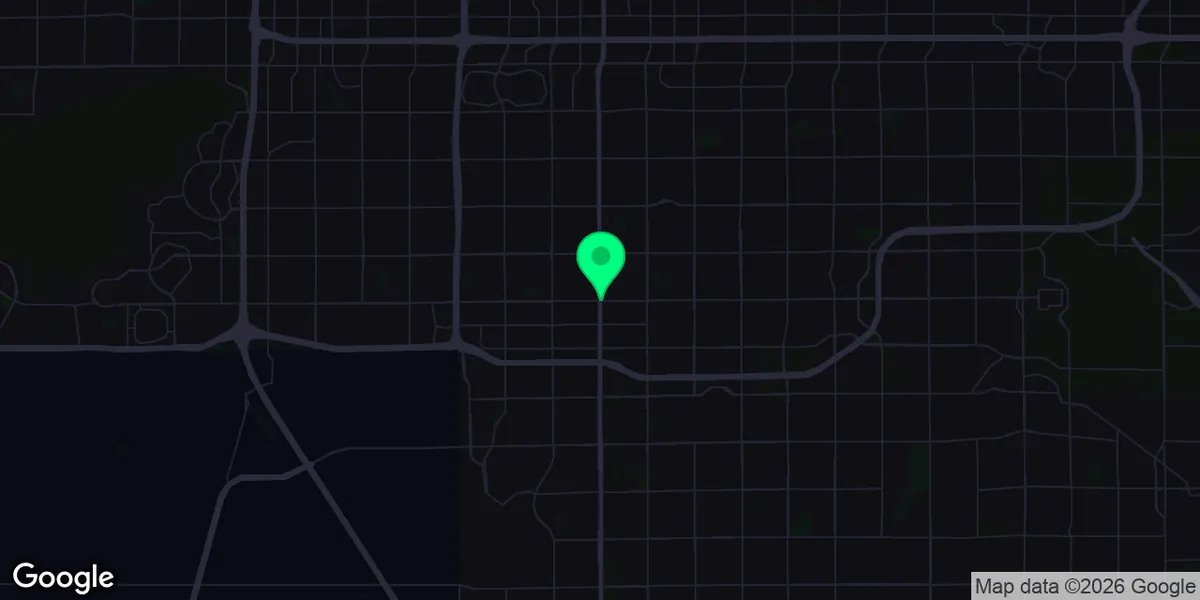
Map of Palm Springs, CaliforniaPalm Springs, California
This is a really great way to solve the scorpion problem. No mess, easy to use technology.
Michael
10 scorpions detected
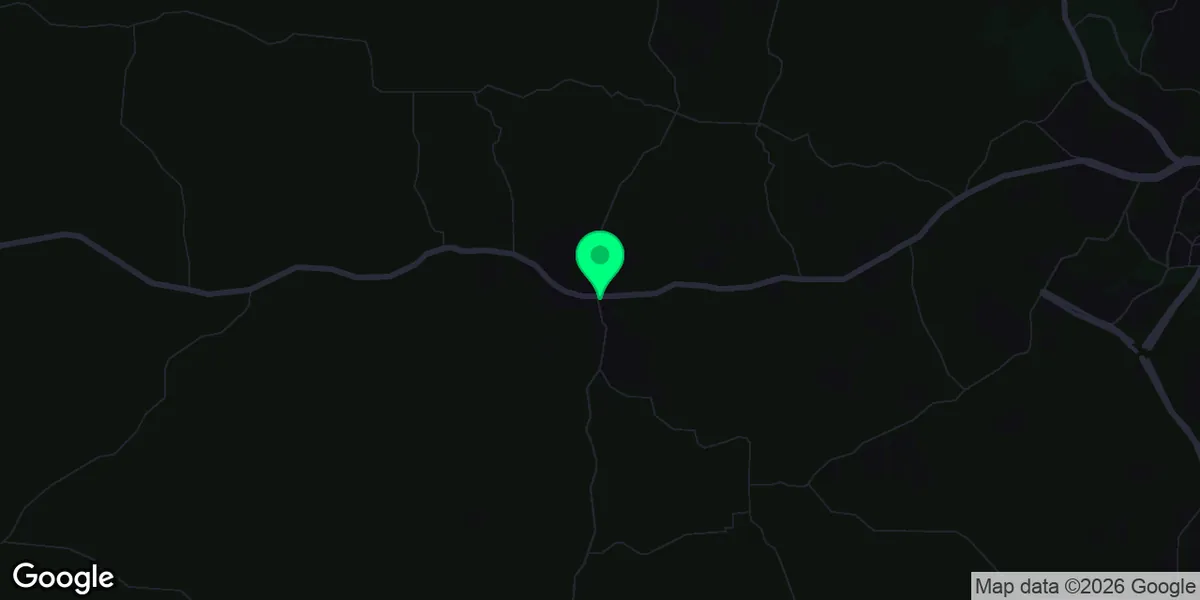
Map of Dripping Springs, TexasDripping Springs, Texas
The Scorpion Detectors are very easy to set up with the app and they work very well.
Rafael
6 scorpions detected
Common questions

Need quick answers?

How can I identify a scorpion safely without getting too close?

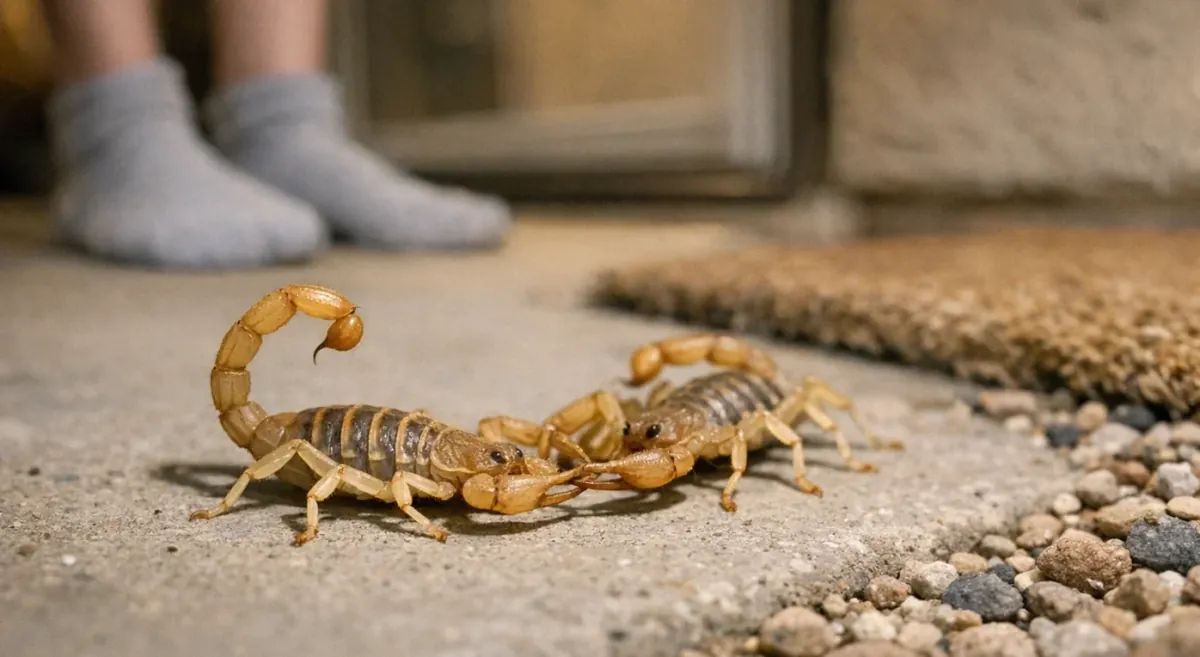
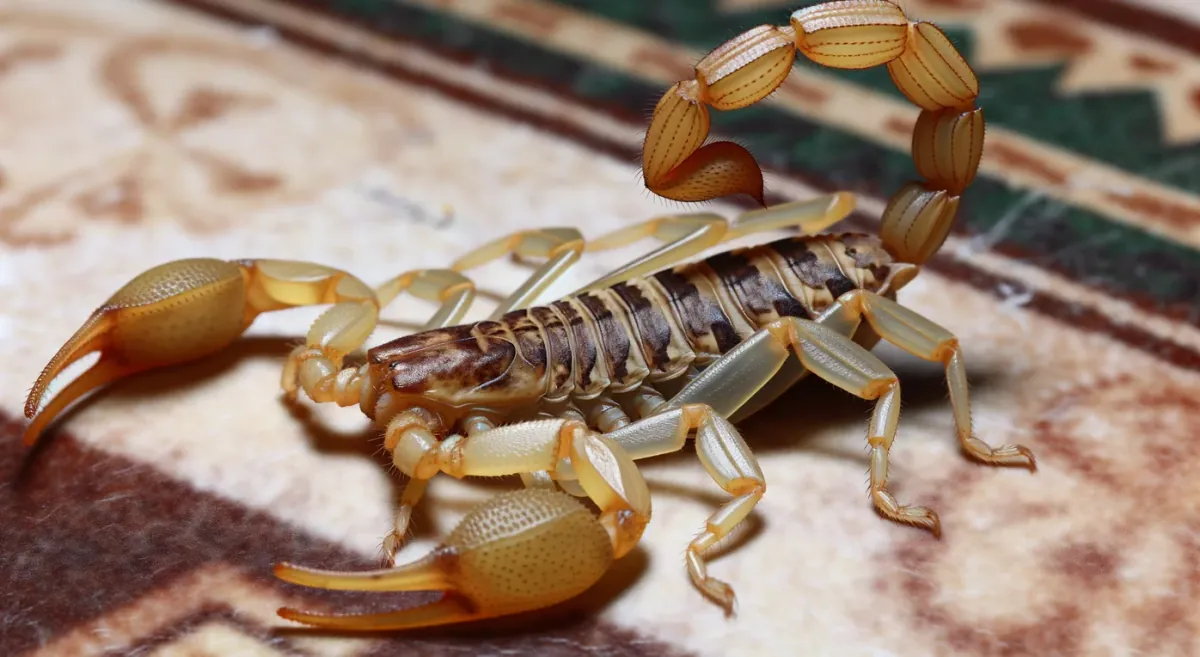
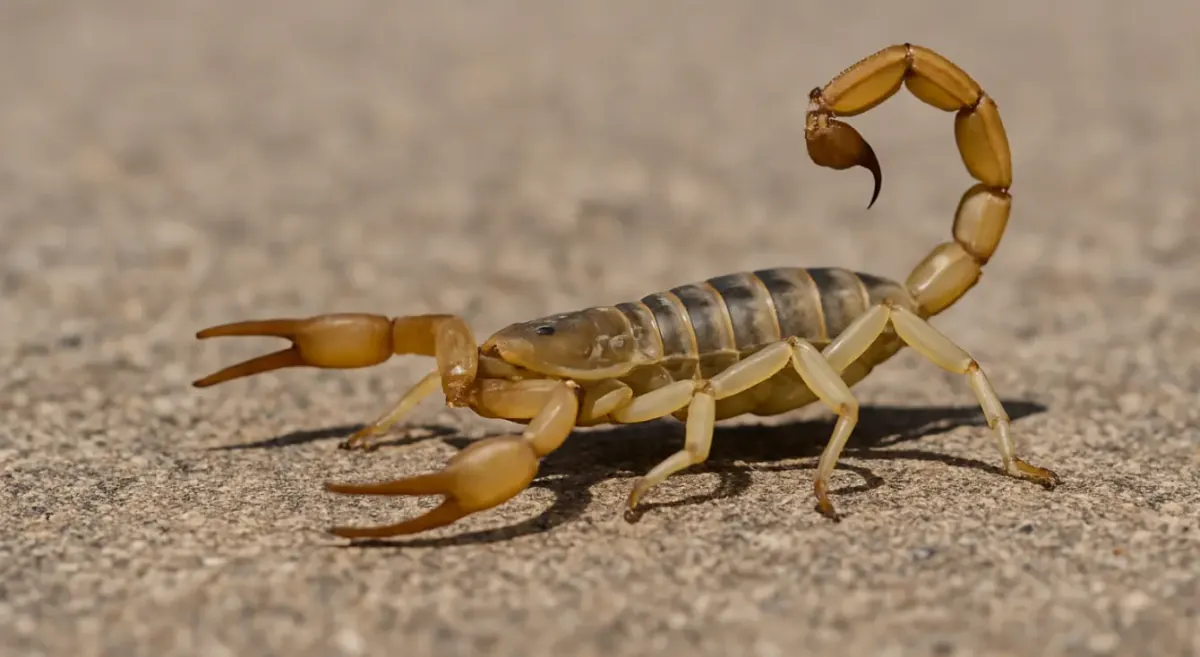
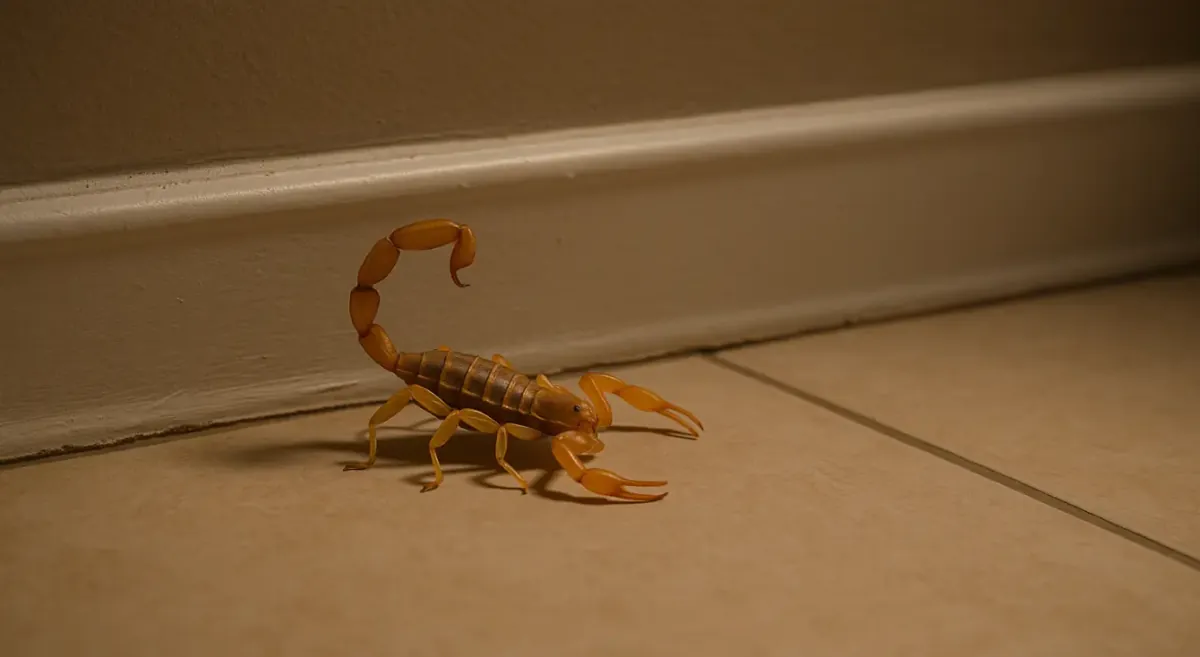
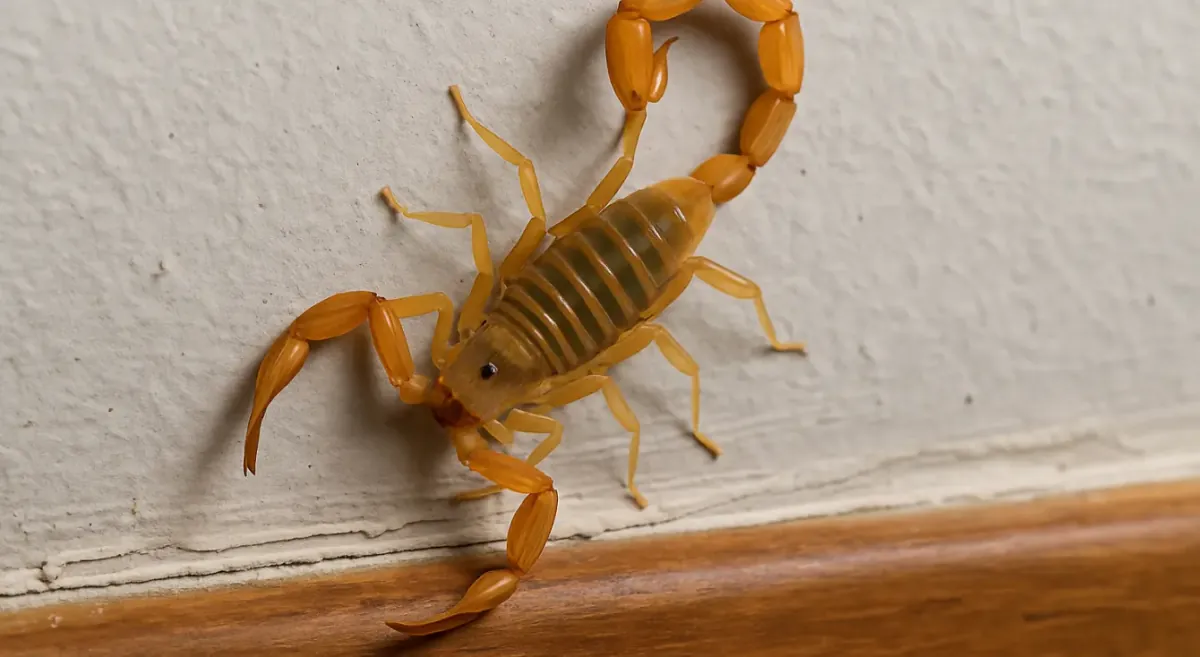
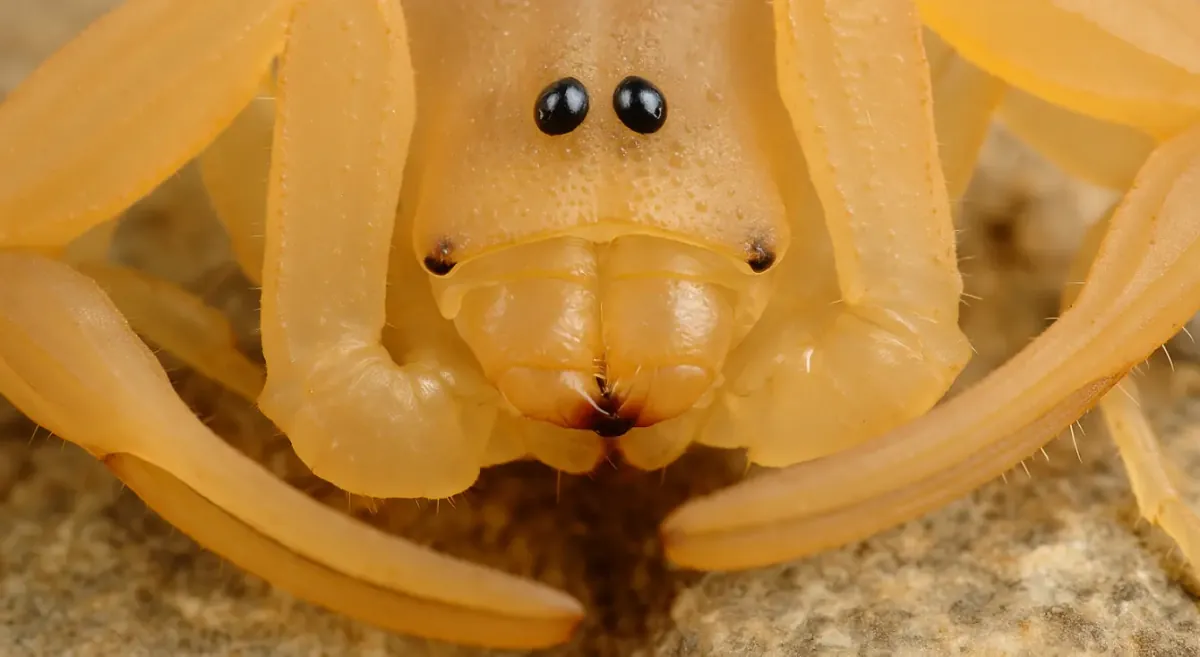
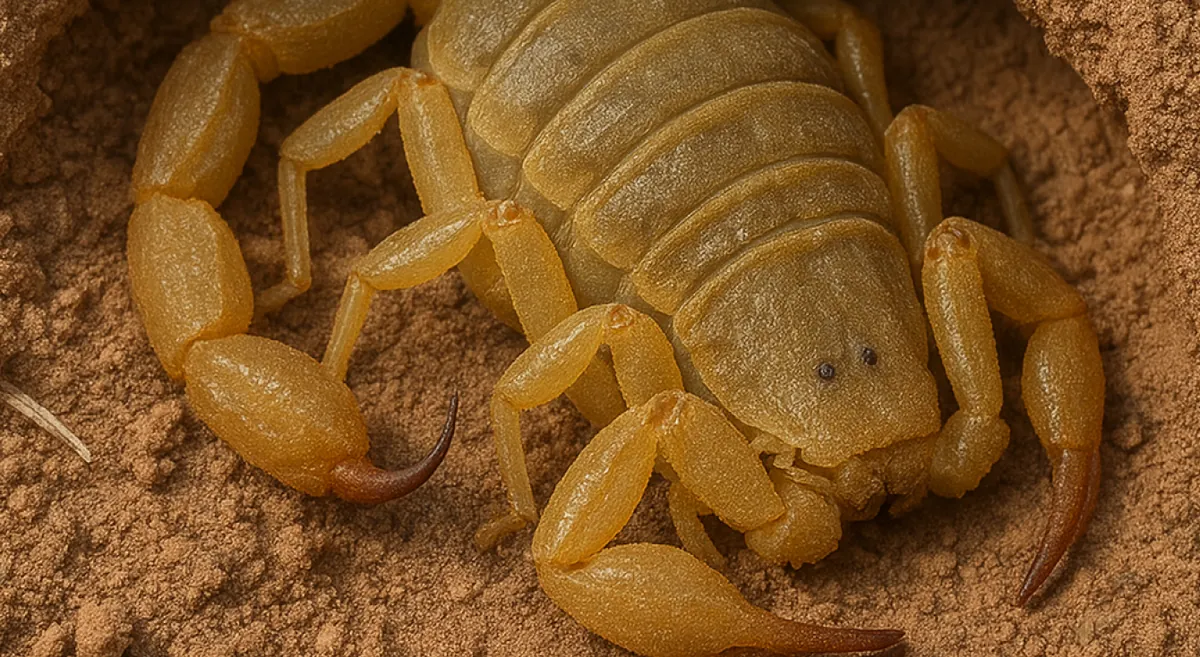
This section explains how to do “ID from a distance” using the most helpful traits: color/striping, pincer thickness, tail thickness, size, and whether it acts like a climber or a ground-dweller. You’ll also get a quick photo checklist (top-down and side angle, plus an object for scale) so a pro can identify it more reliably. Follow the safe scorpion identification features overview.

Why is sealing my house considered the #1 way to stop scorpions?

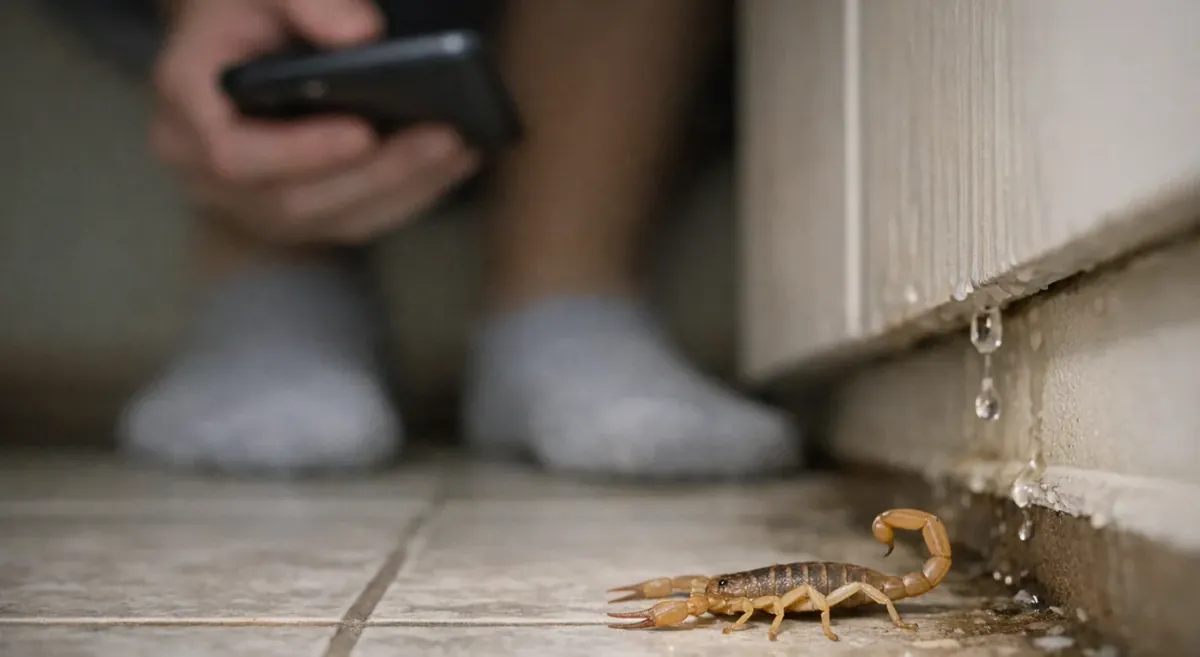
Sealing works because the goal isn’t to kill every scorpion outside—it’s to stop new ones from getting in, which breaks the cycle that makes spraying feel endless. The article explains how scorpions travel along edges and exploit tiny perimeter gaps, so blocking those routes can drastically reduce indoor sightings over time. See the reasoning in why sealing stops scorpions entering.

I found one scorpion in my house—does that mean there are more?

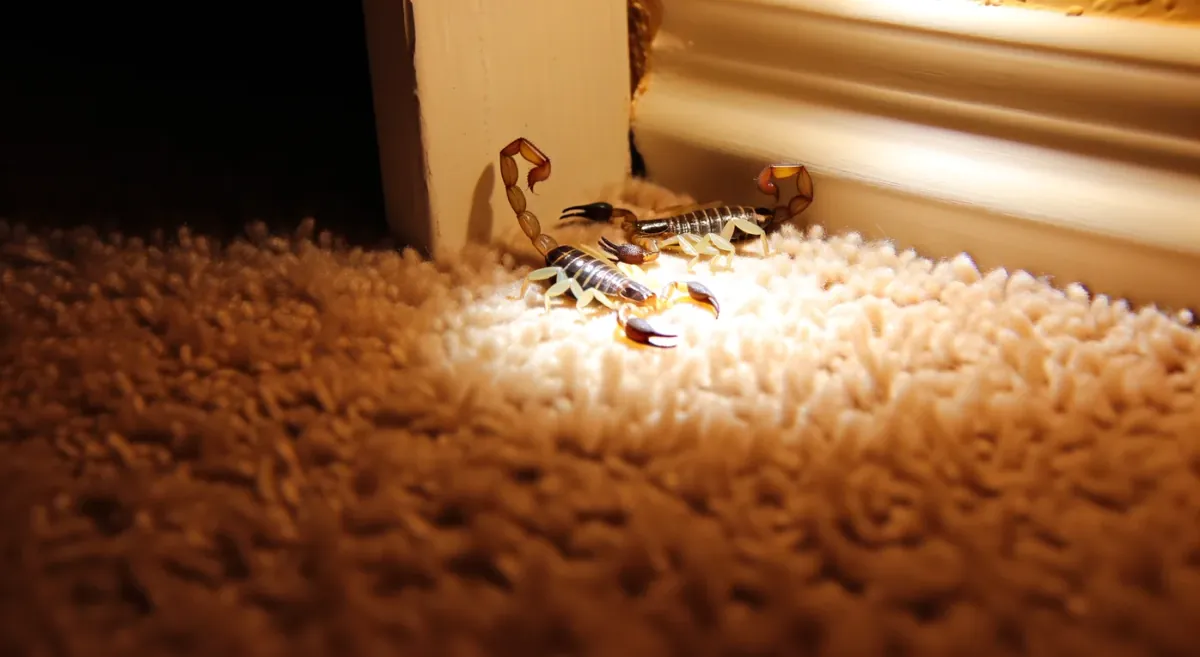
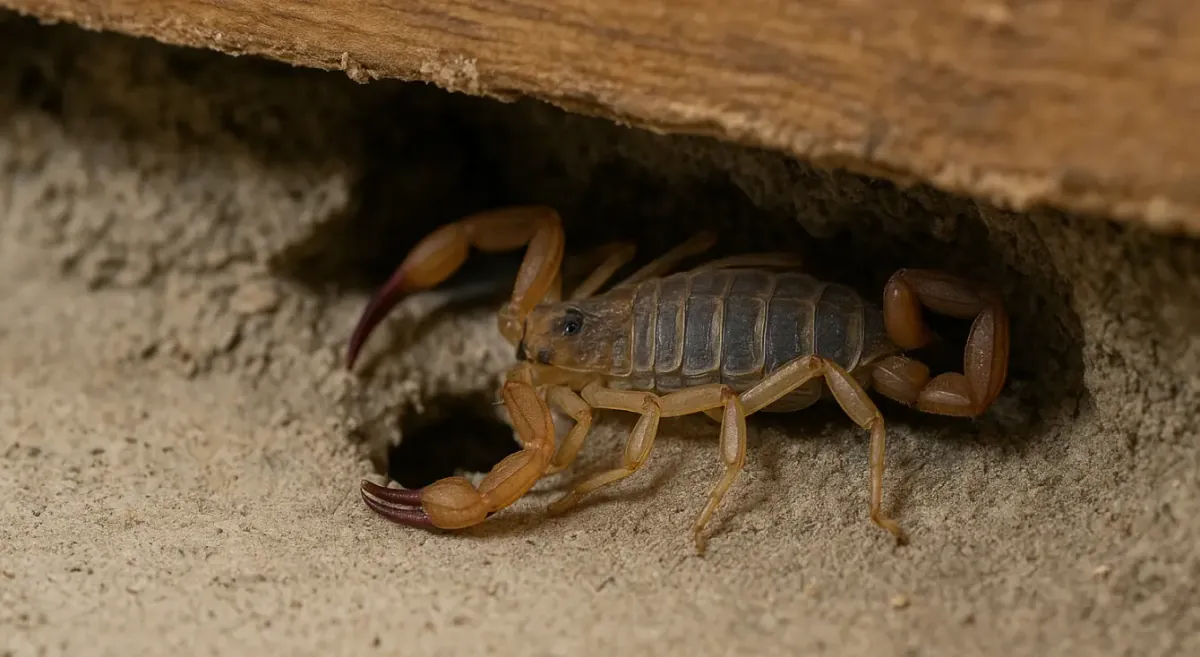
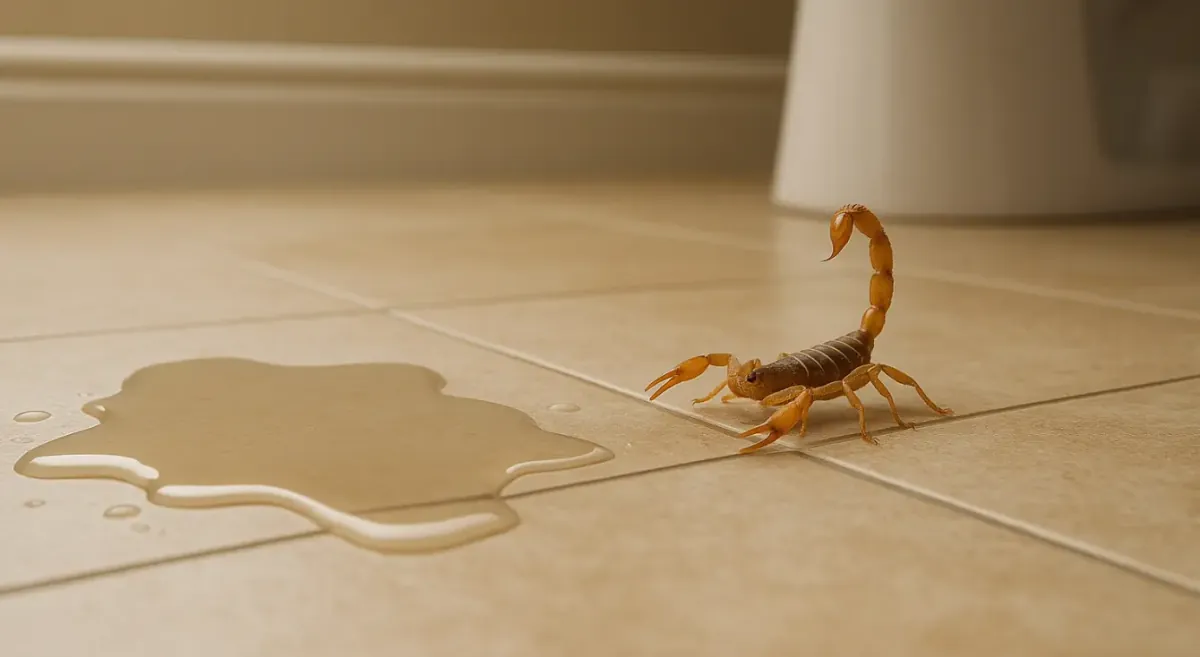
Maybe. Scorpions are usually solitary hunters, but one indoor sighting does prove there’s an entry route and at least one indoor hiding spot that “works.” This section explains what a single scorpion can and can’t tell you, plus a simple low/medium/high risk ladder based on repeat sightings, where you’re seeing them, and whether you spot juveniles in the one scorpion means more guide.

What should I do in the first 24 hours after seeing a scorpion indoors?

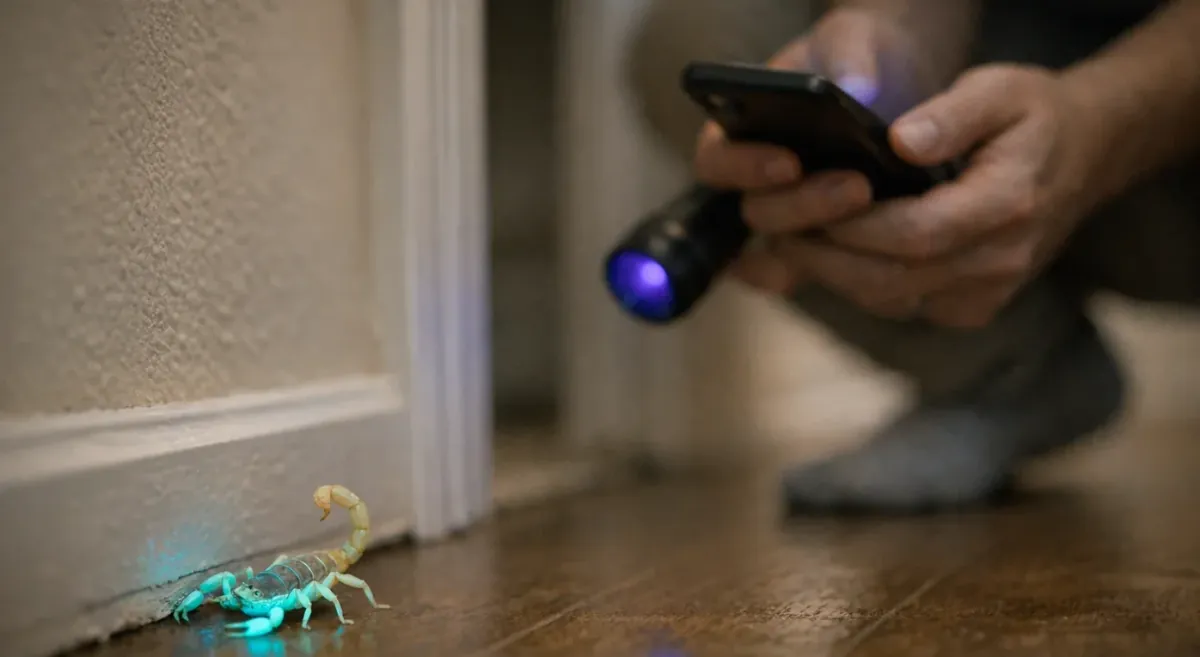
Start with safety: keep kids and pets away, then contain the scorpion using a clear container and stiff paper (avoid bare hands). Next, write down the time, location, and conditions so you can spot patterns, and do a targeted night sweep with a UV light along baseboards, corners, and entry areas. This section lays out a simple first 24 hours scorpion checklist you can follow immediately.

Do UV blacklights really help you find scorpions at night?

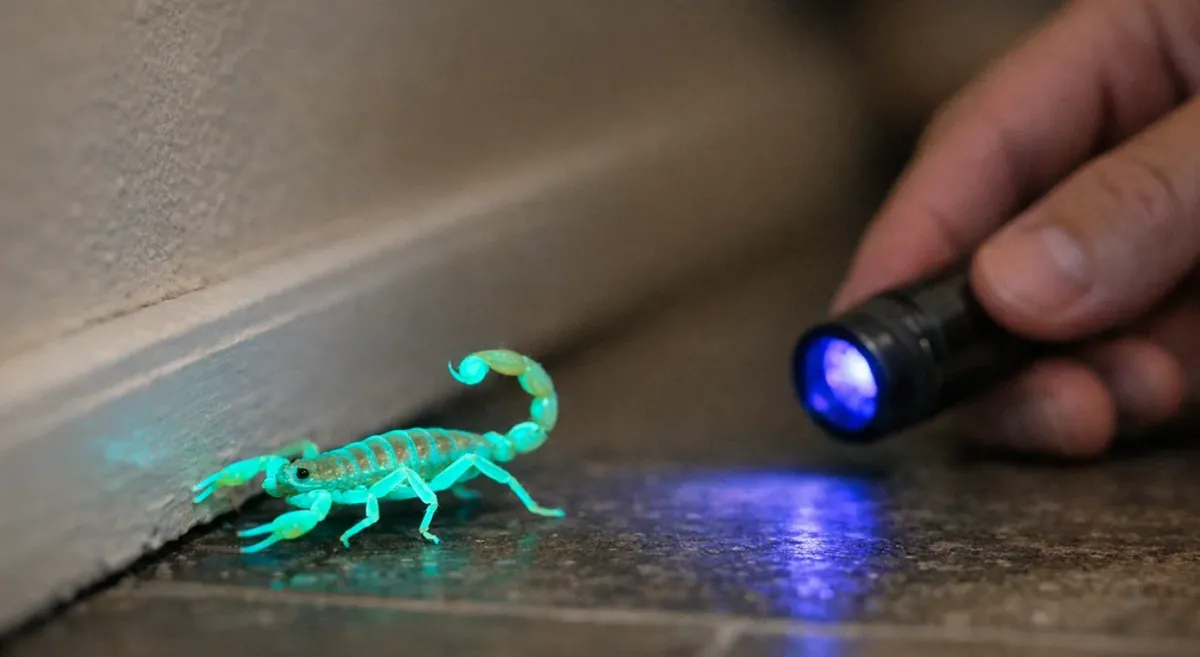
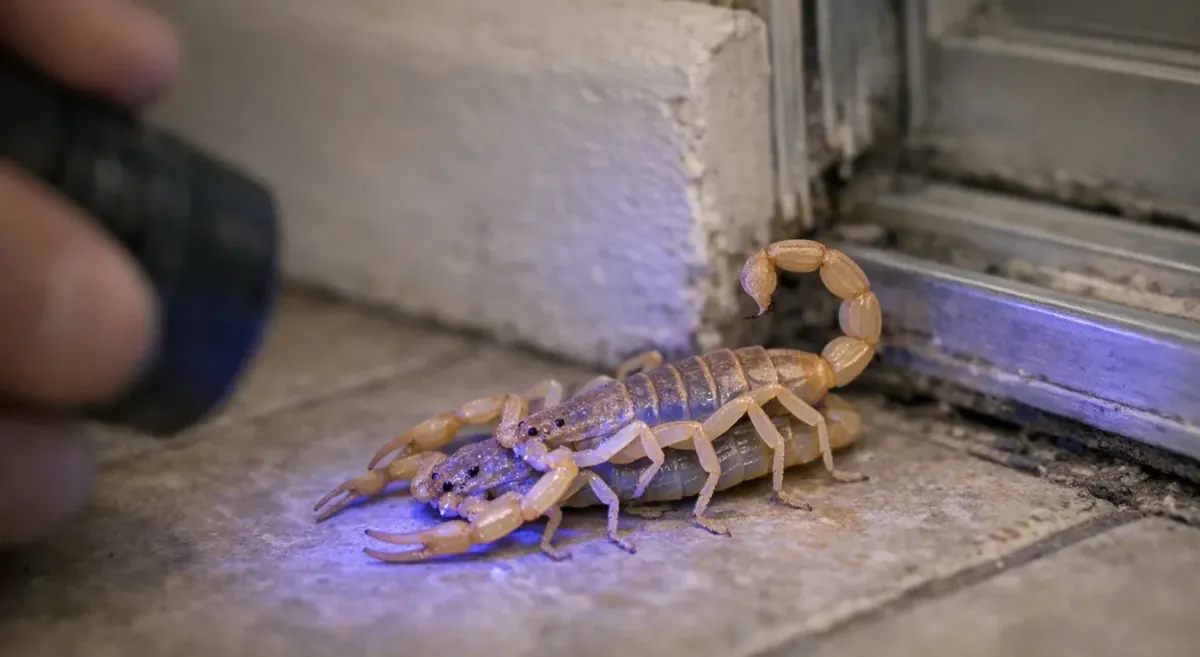
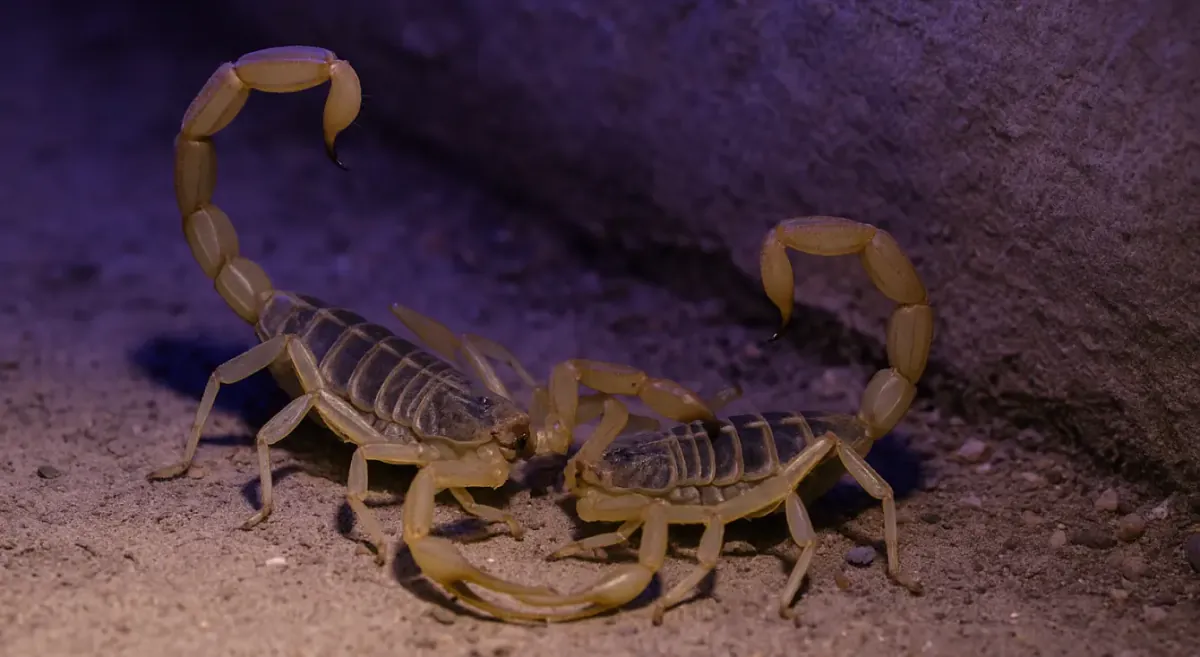
This section breaks down why scorpions glow under UV and how that makes night searches more effective, especially when you scan along edges like baseboards, thresholds, and corners. It also explains why UV glow can hide subtle markings, so you’ll want to confirm color and striping under normal light when it’s safe. Get tips on using a UV light to find scorpions and taking usable ID photos.

If cats and predators aren’t reliable, what’s the best way to prevent scorpions indoors?

The article recommends a layered approach: reduce entry points, reduce insect food sources, and monitor when scorpions are most active (at night along room edges). It also explains why verified detection beats guessing based on pet behavior, and how to place monitoring near high-risk rooms and common entryways. The step-by-step plan is outlined in reliable scorpion prevention plan indoors.

Got questions about scorpion detection?