Are scorpions a problem in Sunland Park?
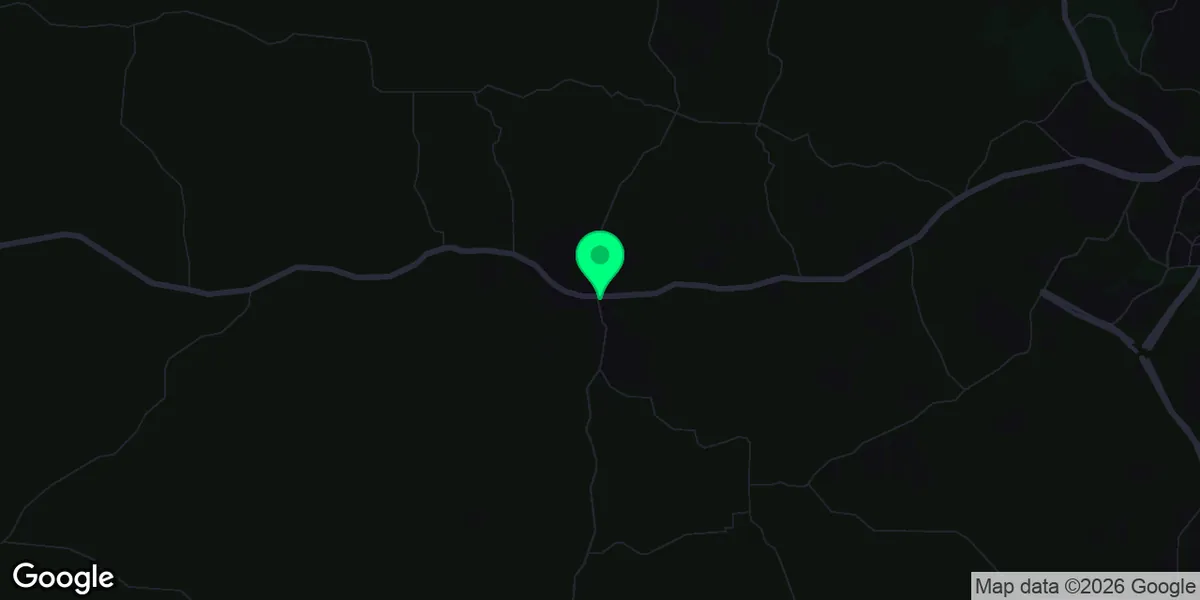
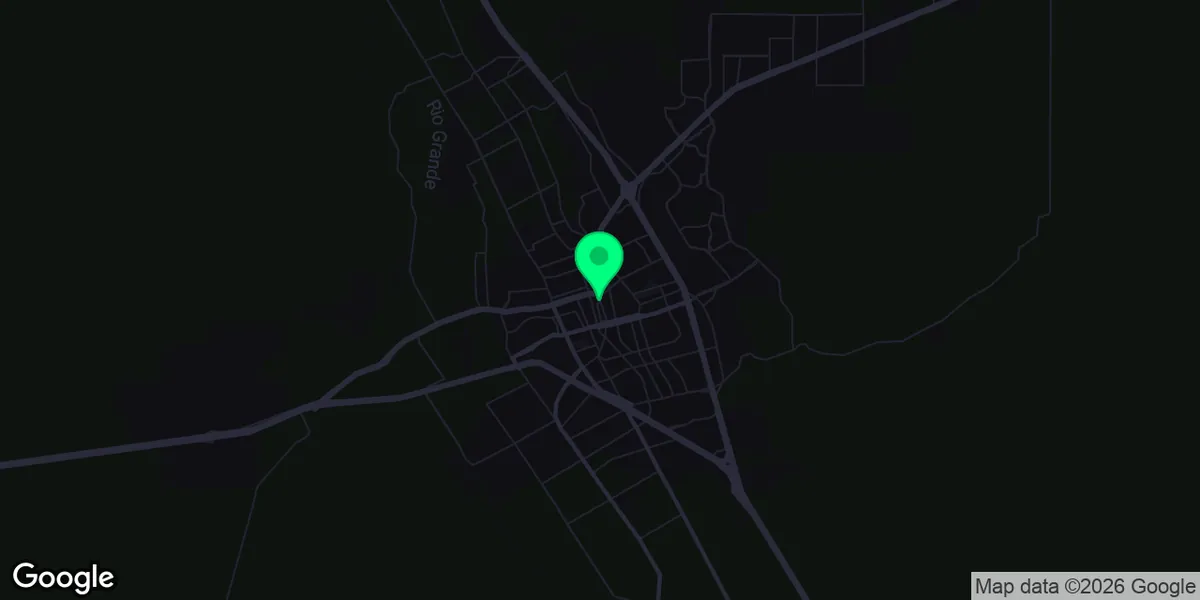
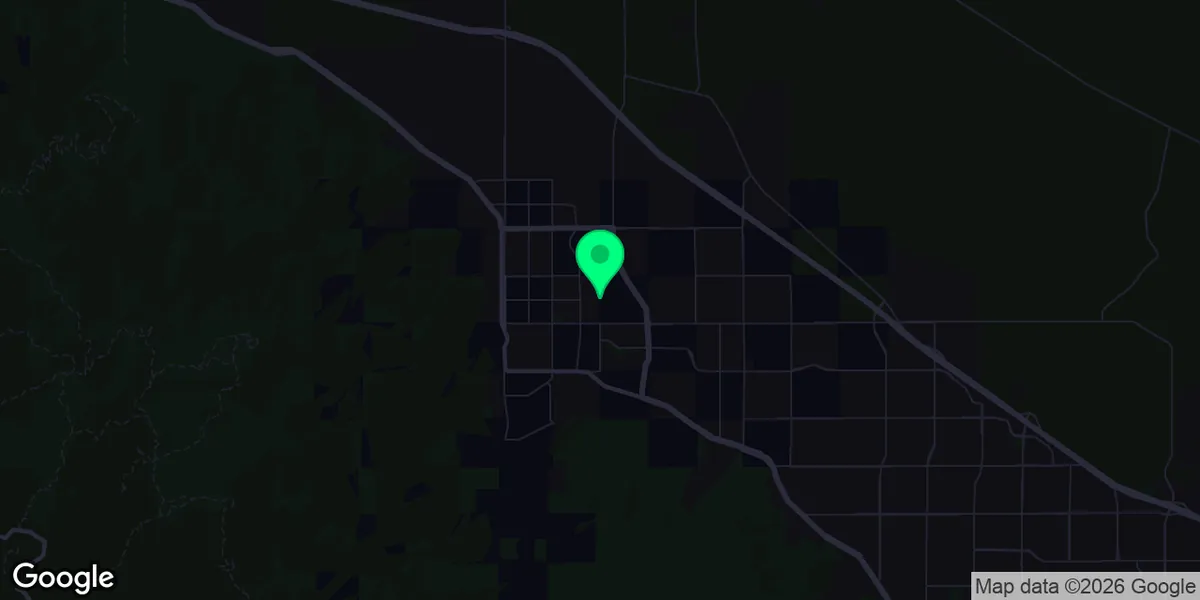
Yes — scorpions are a real, recurring pest in Sunland Park, not a rare fluke. This corner of Doña Ana County sits in the Chihuahuan Desert (prime scorpion country), and citizen-science records back that up. Within 30km of Sunland Park, iNaturalist logs 87 research-grade scorpion observations, with the Striped Bark Scorpion the most common by far.
Most homeowners spot their first scorpion by accident. You reach behind the washer, move a box in the garage, or pad into the bathroom barefoot at night — and there it is. A single wanderer is normal here. The pattern to watch for is repeat sightings in the same rooms week after week, which points to ongoing activity rather than one lost bug.
What makes Sunland Park homes attractive to scorpions?
Scorpions come inside looking for three things: water, prey insects, and cool shelter from the desert heat. Sunland Park yards tend to offer all three — desert landscaping, decorative rock, block walls, wood piles, and nearby open land that funnels scorpions toward foundations.
Hot days and warm nights keep them active for a long stretch of the year, and any jump in humidity after rain nudges them to move. Because they're nocturnal, you'll almost always notice them after dark, when the house is quiet and they're out hunting along the floor.
Are Doña Ana County scorpions usually indoors or outdoors?
Most scorpion encounters start outdoors — on patios, along block walls, and in garages — but the ones that scare people most happen inside, in bedrooms and bathrooms. Nationally, Kang & Brooks 2017 found that the overwhelming majority of scorpion envenomations happen in the home.
Your high-risk zones inside a Sunland Park house are easy to remember: the garage door threshold, the patio slider, the laundry and bathroom floors, and the baseboards where walls meet tile.
How do scorpions get in the house around Sunland Park?
Scorpions can squeeze through gaps as thin as a credit card. In local homes, the usual culprits are worn door sweeps, weep holes in block or brick, gaps around the garage door, and unsealed plumbing penetrations under sinks and behind appliances.
Desert construction leaves a surprising number of these small openings. For the full breakdown, see our guide on the top 5 ways scorpions get into your home, then focus your sealing on the entries above.
Which scorpion species lives in Sunland Park?
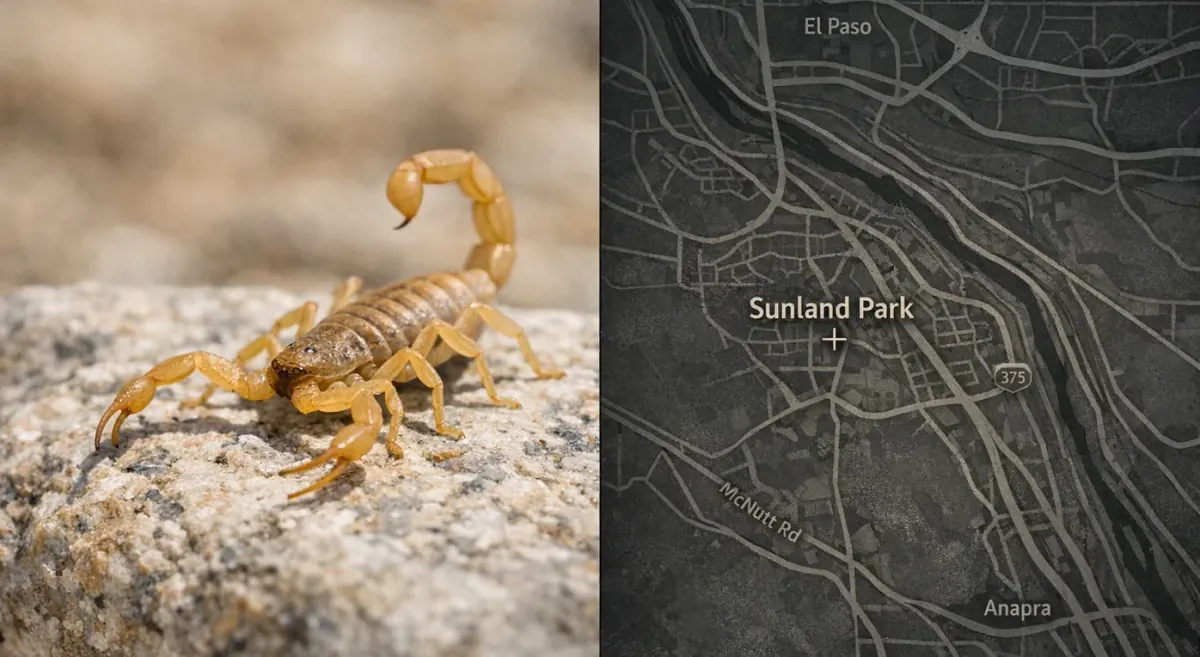
The primary scorpion in and around Sunland Park is the Striped Bark Scorpion (Centruroides vittatus), which accounts for 41 of the 87 local iNaturalist observations. Species ID matters because it shapes sting risk, where the scorpion hides, and how it behaves indoors.
Other species turn up too — Chihuahuanus coahuilae (27 records) and a smaller number of Centruroides sculpturatus, the Arizona bark scorpion (13). The good news is the Striped Bark Scorpion, while its sting hurts, isn't considered life-threatening for healthy adults.
Striped Bark Scorpion in Sunland Park: what it looks like
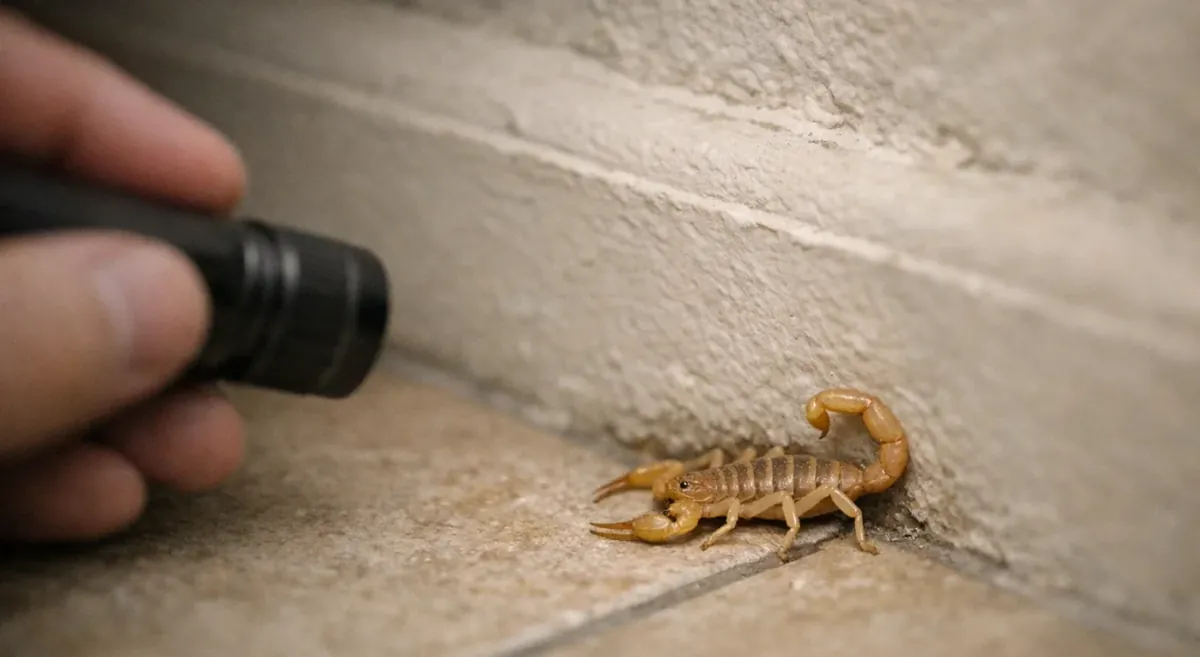
The Striped Bark Scorpion is tan to yellowish-brown with two dark, lengthwise stripes running down its back, slender pincers, and a thin tail. Adults typically run about 2 to 2.75 inches long. That striping is the giveaway that separates it from stockier, plainer desert species.
If you find one, take a clear photo from a safe distance rather than handling it. A good picture helps with identification later and keeps your fingers away from the stinger.
Where does the Striped Bark Scorpion hide during the day?
By day, they tuck into cracks and crevices, under landscape debris, inside block walls, and in cluttered garages. The fix is straightforward: declutter storage, seal cracks, and pull rock and wood away from the foundation to cut down on harborage.
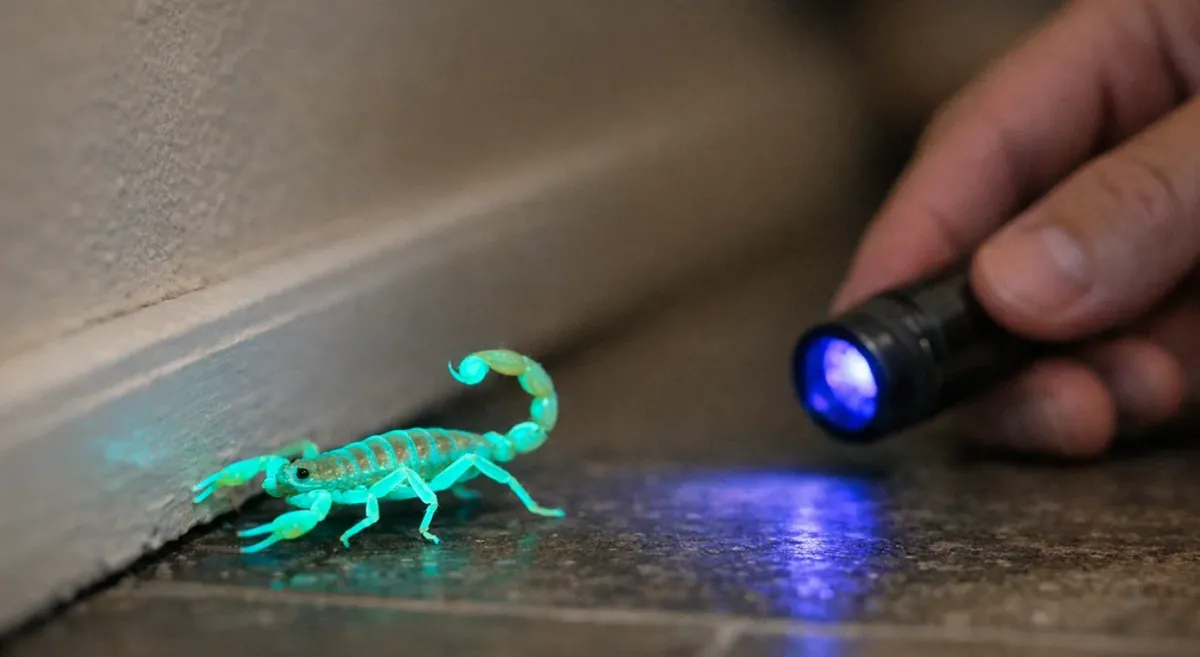
Indoors, scorpions are edge-followers — a trait called thigmotaxis. They travel with their bodies pressed against baseboards and wall bases rather than crossing open floor, which is exactly why prevention and monitoring should target room perimeters.
Do striped bark scorpions climb walls?
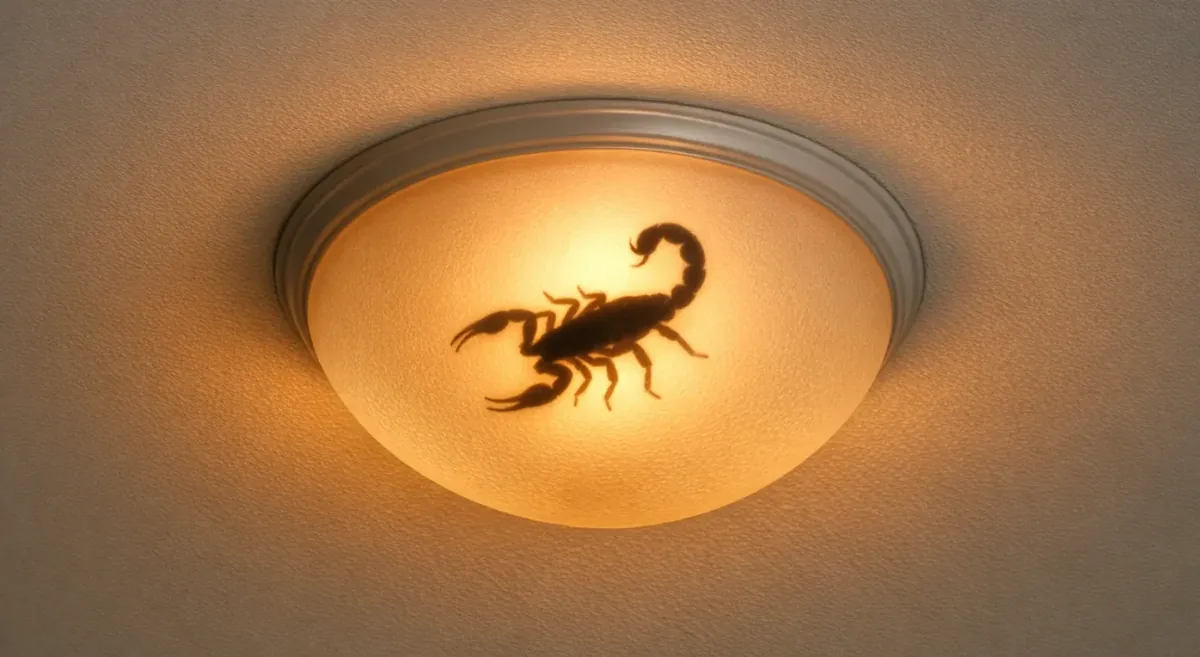
Yes. Striped bark scorpions are strong climbers and grip rough surfaces like stucco, block, and textured drywall easily. That's why they sometimes turn up on a second story, on furniture, or in a bed — not only on the ground floor.
One practical takeaway: keep beds and cots pulled a few inches off the wall, and don't let comforters, bed skirts, or linens drape onto the floor. Those fabric bridges give a climbing scorpion an easy route up.
When are scorpions most active in Sunland Park?
Scorpions are active across much of the year in Sunland Park's warm desert climate, but activity climbs sharply through the hot summer months and peaks in the evening. Warm nights, especially after summer rain, can trigger spike nights when more scorpions are out moving and hunting.
Nationally, Kang & Brooks 2017 found that summer accounts for the overwhelming majority of scorpion cases. Temperature, humidity after rain, and prey insect numbers all push activity higher during that window.
Sunland Park scorpion season: the months homeowners notice them most
Expect activity to ramp up in late spring, run hard through June, July, and August, and taper as nights cool in fall. That summer stretch is when most sightings and stings cluster. During peak season, shake out shoes before putting them on, check baseboards before bed, and tighten any door sweep that's letting light through.
What time of night are scorpions most likely to show up?
Scorpions move from late evening through the pre-dawn hours. One study of sting timing put roughly half of envenomations in the 6 PM to midnight window. Most stings happen during ordinary tasks — walking barefoot, reaching into dark corners, or handling laundry and shoes at night. Slow down and look before you reach or step.
How to monitor activity without nightly blacklight walks
You don't need to patrol the house with a flashlight every night. A smarter approach is placing monitoring where scorpions actually travel: near entry points and in high-risk rooms like bedrooms, bathrooms, and the garage.
Scorpions glow green under UV light, and they hug wall edges as they move. Scorpion Alert detectors plug into standard outlets on the room perimeter, shine 365nm UV light on the floor, activate only when the room goes dark, and send a photo-verified alert to your phone within seconds of a detection.
How dangerous is a scorpion sting in Sunland Park?
For a healthy adult, a Striped Bark Scorpion sting is painful but usually not dangerous — think a burning, throbbing sting with local numbness and tingling that eases over hours. The concern is higher-risk groups: young children, older adults, people with allergy histories, and pets. Keep the Poison Help line handy at 1-800-222-1222.
Typical scorpion sting symptoms vs. red flags
Normal symptoms are localized: sharp pain at the site, tingling, numbness, and mild swelling. In an Arizona cohort (Klotz et al. 2021), pain was reported in 88.9% of stings and local numbness in 62.2%.
Red flags mean act fast: trouble breathing or swallowing, severe muscle twitching or jerking, roving or uncontrolled eye movements, drooling, and intense full-body symptoms — especially in a small child. Don't wait these out.
Are children and pets at higher risk in Sunland Park?
Yes. Smaller bodies absorb a bigger dose relative to size, so reactions can hit harder. Kang & Brooks 2017 found children under 10 have the highest rates of systemic effects and hospitalization. Practical steps: keep beds off the wall, do a quick floor and crib check before bedtime, and don't place pet beds directly against baseboards. Our guide on why children are more at risk from scorpion stings goes deeper.
Why knowing the species matters after a sting
Clinicians may ask what stung you, because venom effects and treatment differ between a Striped Bark Scorpion and the more medically significant Arizona bark scorpion. A safe photo — taken without chasing the scorpion — gives the care team useful information and speeds decisions.
What to do if you're stung in Sunland Park
Stay calm, clean the sting, ice it, and watch symptoms closely. Most Striped Bark Scorpion stings can be managed at home, but escalate quickly if red flags appear. Note the time, where on the body you were stung, and how symptoms change — that timeline matters if you end up calling for help.
First 5 minutes: what to do right away
- Wash the sting site with soap and water.
- Apply a cold pack or ice wrapped in cloth for 10 minutes at a time to ease pain and swelling.
- Remove rings, watches, or tight items near the sting before swelling starts.
- Stay still and keep the limb relaxed — movement can spread venom faster.
- Take a photo of the scorpion if you can do it safely, then leave it alone.
For a minute-by-minute plan, read our bark scorpion sting first aid guide for the first 30 minutes.
When to call Poison Control, urgent care, or 911
Call the Poison Help line at 1-800-222-1222 for free 24/7 guidance on any sting. Head to urgent care or the ER — or call 911 — if there's trouble breathing, severe muscle twitching, vision or eye-movement problems, or intense whole-body symptoms in a child. The nearest option with documented hours is the Santa Teresa Children's Day and Night Clinic at 1245 Country Club Rd Ste. 200, Santa Teresa, NM, about 3.7 miles away. Hospital access near the border can vary, so plan your route before you need it.
Aftercare and preventing a second sting the same night
Where there's one scorpion, others may follow. Secure the room: get shoes off the floor, shake out linens and towels, and scan baseboards and corners with a UV flashlight. If your home has recurring nighttime sightings, automated monitoring can alert you within seconds and include a photo so you know exactly which room to check next.
How to keep scorpions out of your Sunland Park home
The reliable approach is layered: seal entry points, reduce yard harborage, tidy indoor hiding spots, and add monitoring to confirm your changes are working. For a persistent problem, professional scorpion control help is worth it — call a pro when sightings keep recurring despite sealing, or when a treatment barrier around the foundation makes sense.
Seal the entry points that matter most in Sunland Park
Prioritize the gaps scorpions use most: worn door sweeps, the garage door base, weep holes in block or brick, pipe penetrations under sinks, and unscreened vents. Use quality door sweeps, silicone or polyurethane caulk for cracks, and stainless steel mesh for weep holes so you don't block drainage. A doable weekend checklist: replace two door sweeps, caulk visible cracks along the foundation, and screen every weep hole on Saturday, then seal plumbing penetrations Sunday.
Yard and exterior changes that reduce scorpion pressure
Clear the harborage scorpions love. Remove wood piles, stack firewood off the ground and away from the house, thin decorative rock against the foundation, and rake up leaf litter. Fix leaky irrigation and hose bibs, since water draws both scorpions and the insects they eat. Cutting the insect population — crickets, roaches, and the like — removes the food supply that keeps scorpions coming back. See the top 5 things that attract scorpions for more.
Inside the home: bedrooms, bathrooms, and garages
Declutter the rooms scorpions favor. Swap cardboard for sealed plastic bins in the garage, keep laundry off the floor, store shoes in a closed rack, and pull beds a few inches off the wall with linens up off the ground.
Then go detect-first. Because scorpions in Sunland Park, New Mexico travel wall edges, Scorpion Alert detectors on perimeter outlets sit exactly where they move, activate when the room darkens, and send photo-verified alerts so you know which room to address first. The detectors rent as part of a monthly monitoring subscription — hardware included — starting at $3.50 per Detector per month and sliding to a $2.00 floor at ten or more, with a one-time shipping fee at checkout ($9.95 US). There's no long-term contract; cancel any time by emailing support@scorpionalert.com and returning the Detectors. Since a past sighting is the strongest predictor of a future sting, put a Detector in any room where you've already seen one.
In Sunland Park, scorpions tend to show up when it’s warm and dark—so focusing on night checks, sealing entry points, and reducing hiding spots can make a real difference. If you want an extra layer of confidence when you’re monitoring patios, garages, and hallways after sunset, Scorpion Alert can help you spot scorpions by using 365nm UV light to make them easier to detect.