

Knowledge Base

Texas

From Austin to El Paso — scorpion guides for Texas homeowners.
What is Scorpion Alert?

Get instant alerts when scorpions are detected in your home

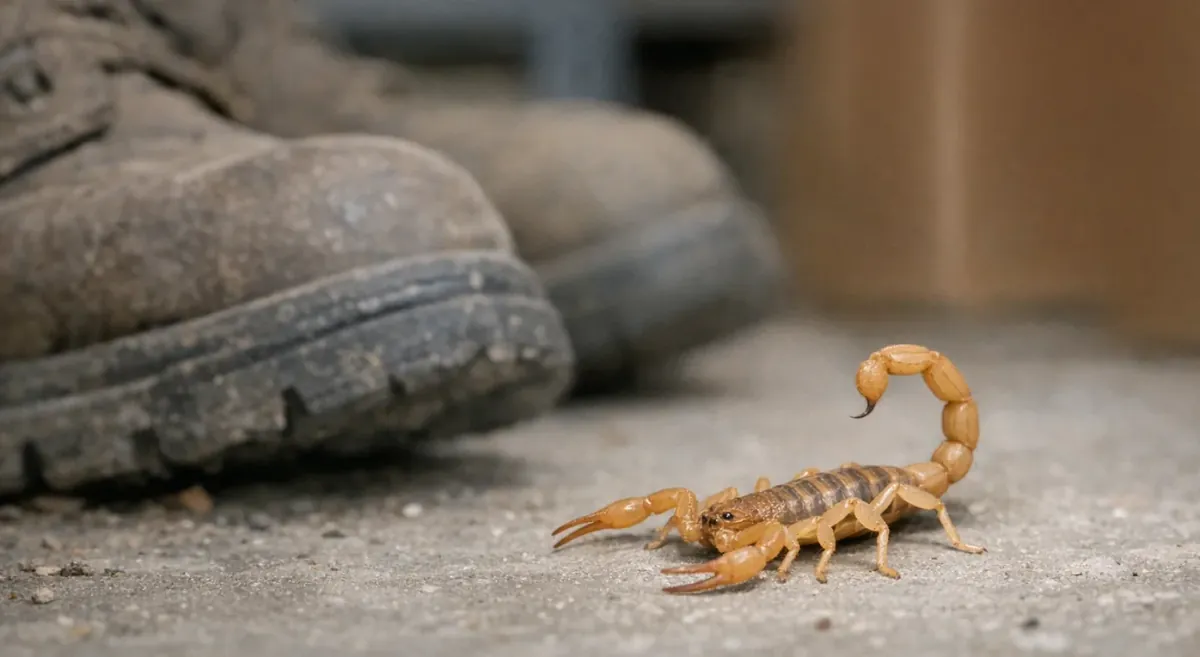
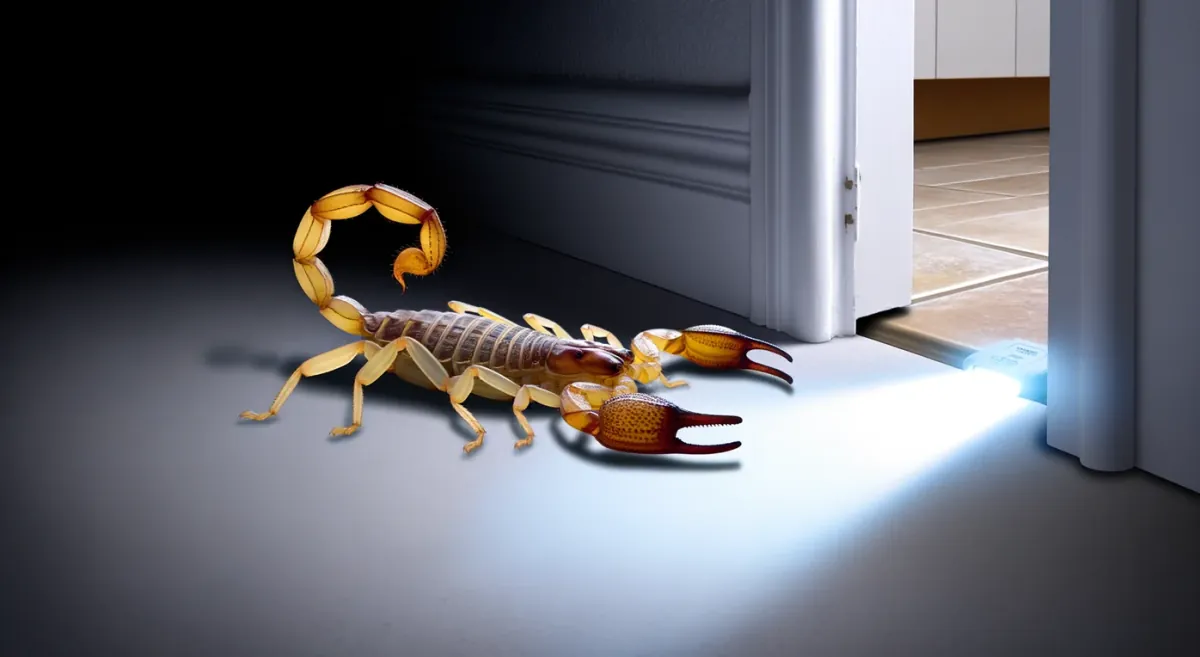
Scorpion Detectors watch over your home at night, when scorpions are most active. The moment a scorpion crosses one, you get a phone alert — so you can act before it makes a home out of your shoe, bed, laundy basket, or anywhere else.
  • Detectors arrive ready to plug in
  • Live alerts go straight to your phone or watch, with location
  • Alert multiple family members with a single account
  • One flat monthly monitoring fee — no contract, cancel anytime
Get Scorpion Alert
From our customers

What homeowners are saying

Map of Marble Falls, TexasMarble Falls, Texas
Scorpion Alert is the only subscription we never consider canceling. It’s essential out here, especially with our kids and puppies.
John
6 scorpions detected
Map of Spicewood, TexasSpicewood, Texas
It’s really easy to use. You just plug them in, set them up with your phone, and you’re done. We caught 4 scorpions already.
Carmen
6 scorpions detected
Map of San Marcos, TexasSan Marcos, Texas
We can't use glue traps and we don't want to smash scorpion guts into our new carpet, so Scorpion Alert is perfect for us.
Amy
14 scorpions detected
Common questions

Frequently asked questions

What kinds of scorpions are most common around homes in Austin, Texas?

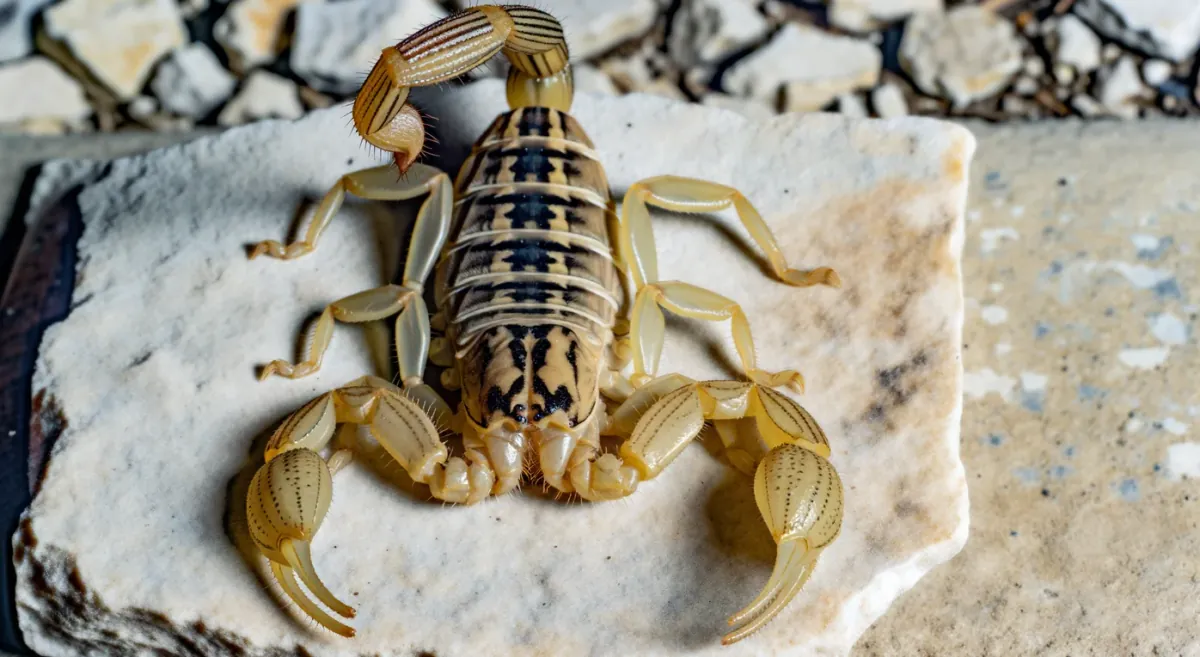
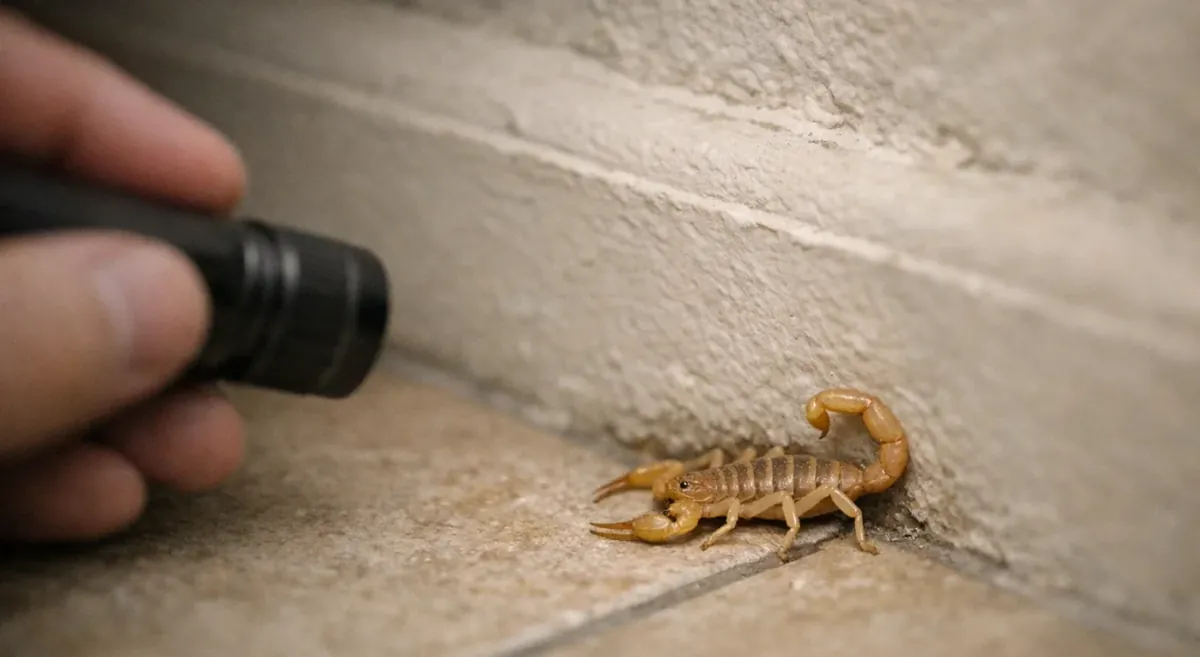
In Central Texas, you may spot multiple scorpion species outdoors, but the striped bark scorpion is the one most Austin homeowners report near (and sometimes inside) houses. What feels “common” can change by neighborhood—especially near greenbelts, rocky lots, or newer construction—and also depends on whether you’re checking the yard or interior rooms. This guide on common Austin scorpion species also explains why UV/blacklight checks work at night.
Are scorpions common in Amarillo, or was finding one a fluke?

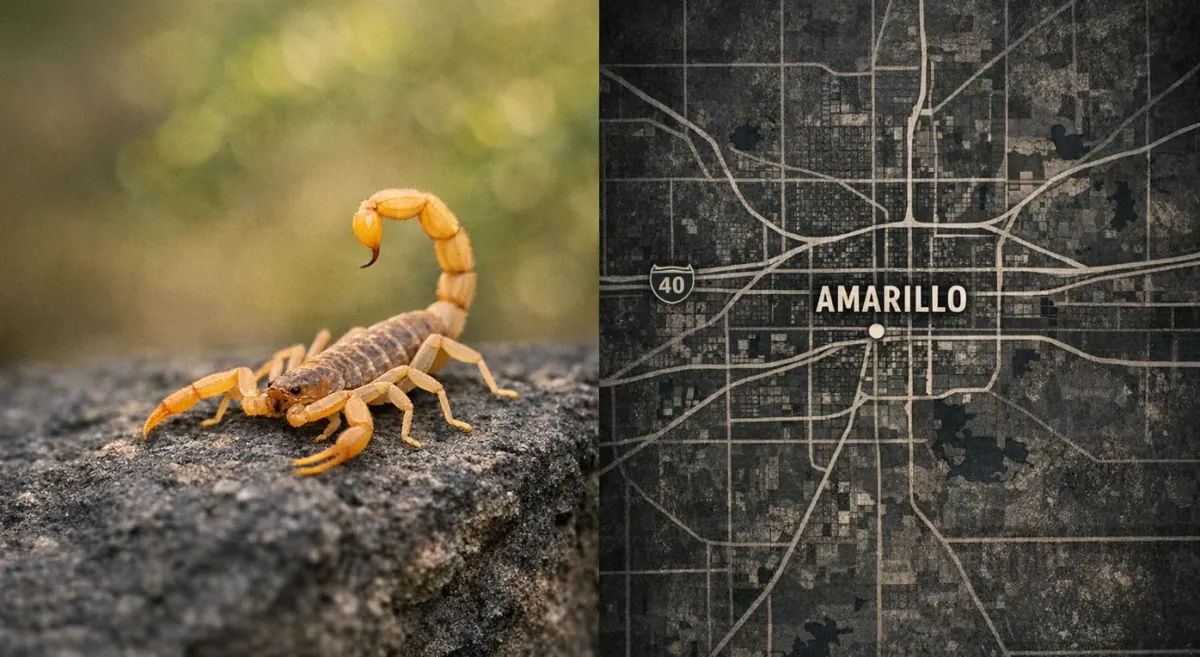
Scorpions can be a recurring issue in parts of Amarillo, but how often you see them depends on whether your home offers easy access to food (insects), water, and hiding spots. One random sighting can happen, while repeat sightings in the same rooms often point to a consistent entry gap or a nearby harborage area. This Amarillo scorpion risk overview explains what “normal” local activity can look like and how to tell when it’s becoming an ongoing problem.

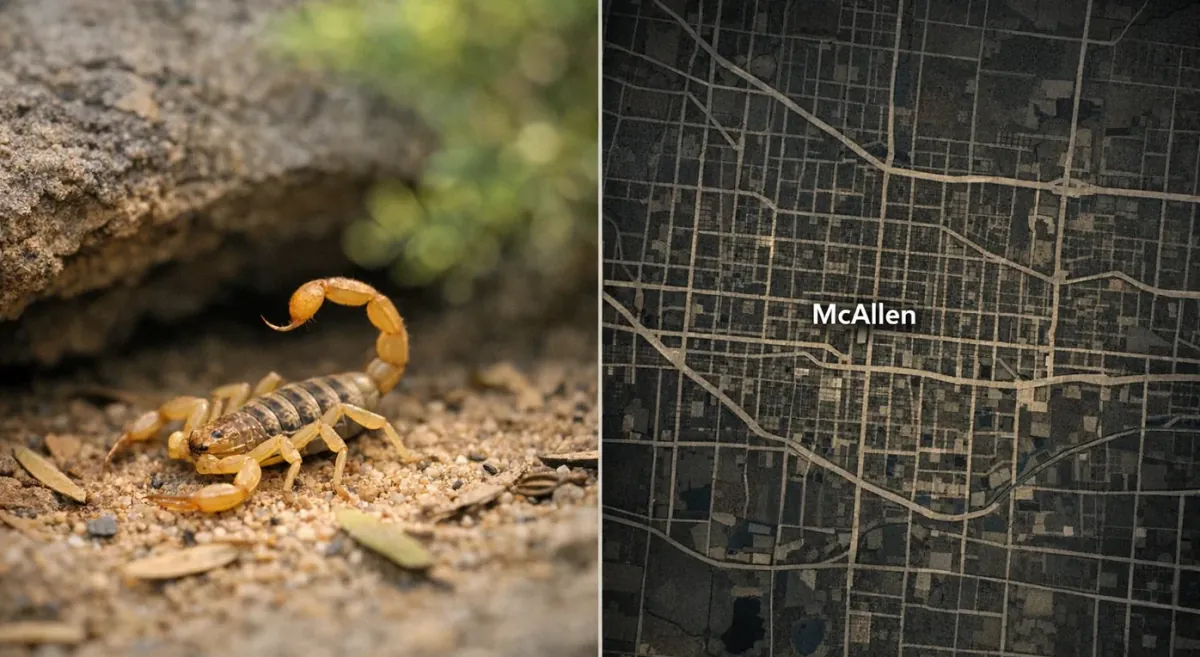
How dangerous is a scorpion sting in McAllen?

Most McAllen-area stings from the scorpions homeowners commonly encounter cause localized pain, swelling, and tingling, but symptoms can vary by person and situation. The section on scorpion sting McAllen guidance covers red flags (like breathing trouble, facial swelling, or severe whole-body symptoms) and why kids, seniors, and anyone with allergy history should take stings more seriously. It also explains when to call Poison Control or seek urgent care/ER evaluation.

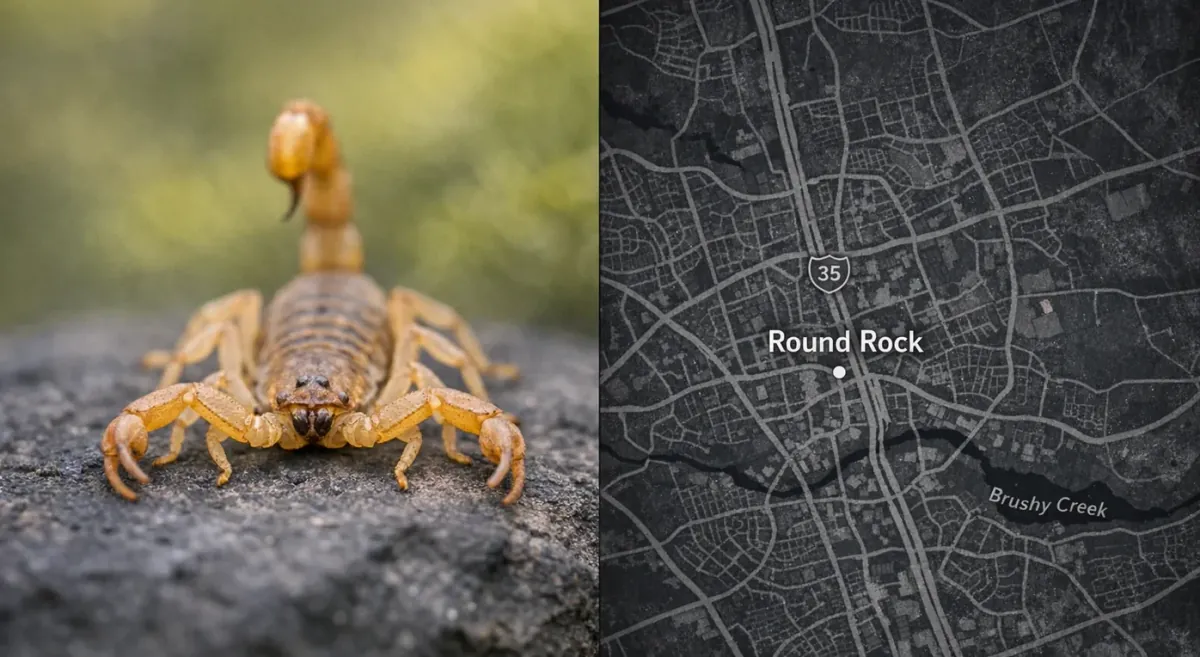
What kind of scorpion is most common in Round Rock, Texas?

The most commonly reported species around Round Rock is the striped bark scorpion, and correct identification helps set expectations about behavior (including why they show up on walls and in cracks). The article shares simple cues homeowners can use—overall size and coloration, typical hiding spots, and what people often mistake for a scorpion—plus when it’s worth sending a photo to a professional. For a quick local ID overview, see striped bark scorpion Round Rock guide.

Are scorpions a common problem in Lubbock homes?

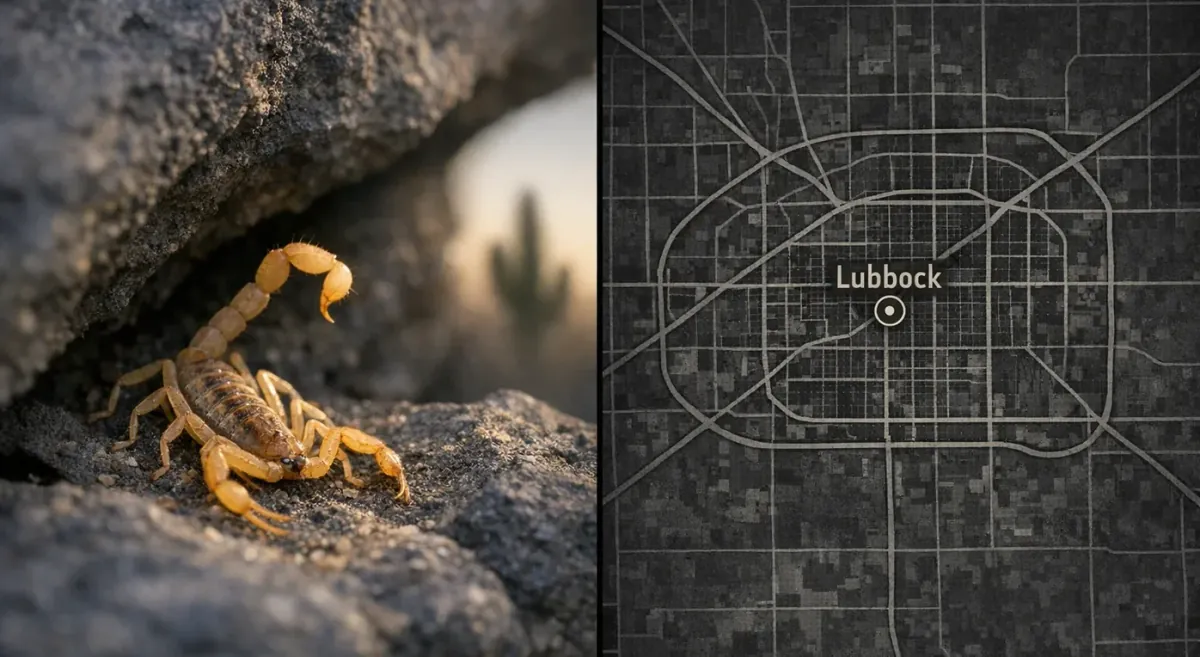
Scorpions can be a real issue for some Lubbock homeowners, especially if you’re seeing repeat sightings at night, finding them near baseboards or garage edges, or dealing with stings to kids or pets. Even “clean” homes can attract them because they follow food (insects), water, and shelter—and they often go unnoticed until someone walks barefoot after dark. This overview in Lubbock scorpion problem signs explains where they show up most and when it’s time to move beyond DIY.

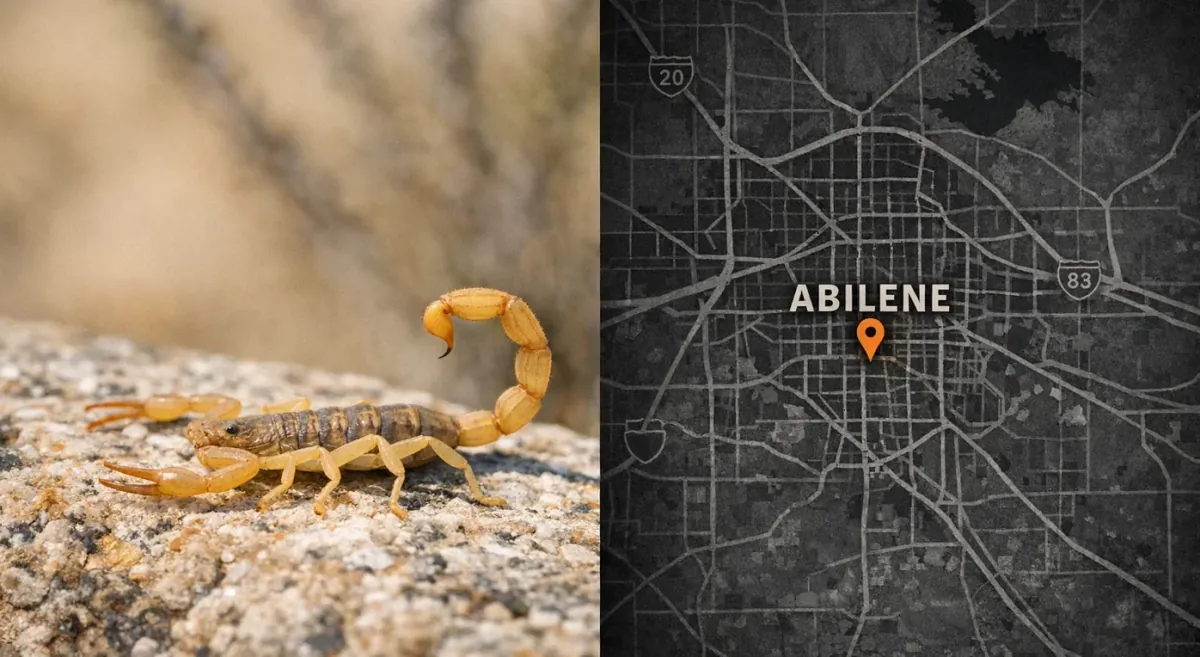
When are scorpions most active in Abilene (and what triggers more sightings)?

Scorpion activity in Abilene usually ramps up during the warmer months, with spikes tied to night activity and seasonal weather patterns. Heat waves, drought, rains, and sudden cold snaps can all trigger “surprise” sightings as scorpions move to find stable temperatures, moisture, and prey. The Abilene scorpion season timeline breaks the year into simple phases and explains what to check after weather shifts—especially along walls and room edges where scorpions tend to travel.

Got questions about scorpion detection?