Was my dog stung by a scorpion (or was it something else)?
When a dog is stung by a scorpion, immediate symptoms include intense limping or favoring the affected paw, obsessive licking at the sting site, yelping, and sudden restlessness. Most dogs show mild-to-moderate reactions with localized pain and swelling that peak within 30 minutes to 2 hours. Severe symptoms requiring emergency care include difficulty breathing, muscle tremors, collapse, or repeated vomiting. Apply a cold compress and contact your vet immediately for guidance.
First things first — many dog owners search for "dog scorpion bite" when their pet gets hurt, but scorpions actually sting with their tail, not bite. The venom comes from a stinger at the end of their curved tail. That said, whether you call it a bite or a sting, the symptoms and treatment are the same.
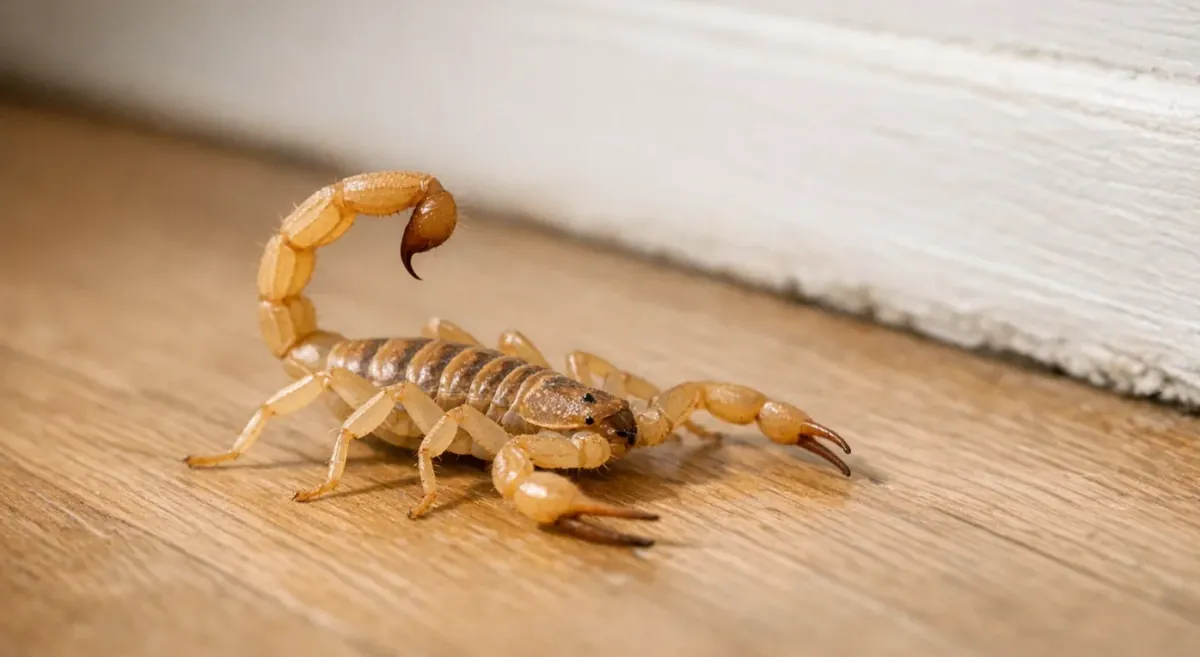
A common situation is this: your dog suddenly yelps and starts limping during their evening potty break, and you didn't see what happened. Was it a scorpion? Maybe. Scorpions are nocturnal hunters that travel along walls, baseboards, and edges — exactly where dogs sniff and explore. Common sting locations include patios, near dog doors, and along exterior walls where scorpions hunt for prey.
Here's what you need to know right away: most scorpion stings are very painful, but they aren't automatically life-threatening. Your immediate goals are simple: check your dog's symptoms quickly, then get veterinary guidance on what to do next.
If you saw the scorpion: what details matter?
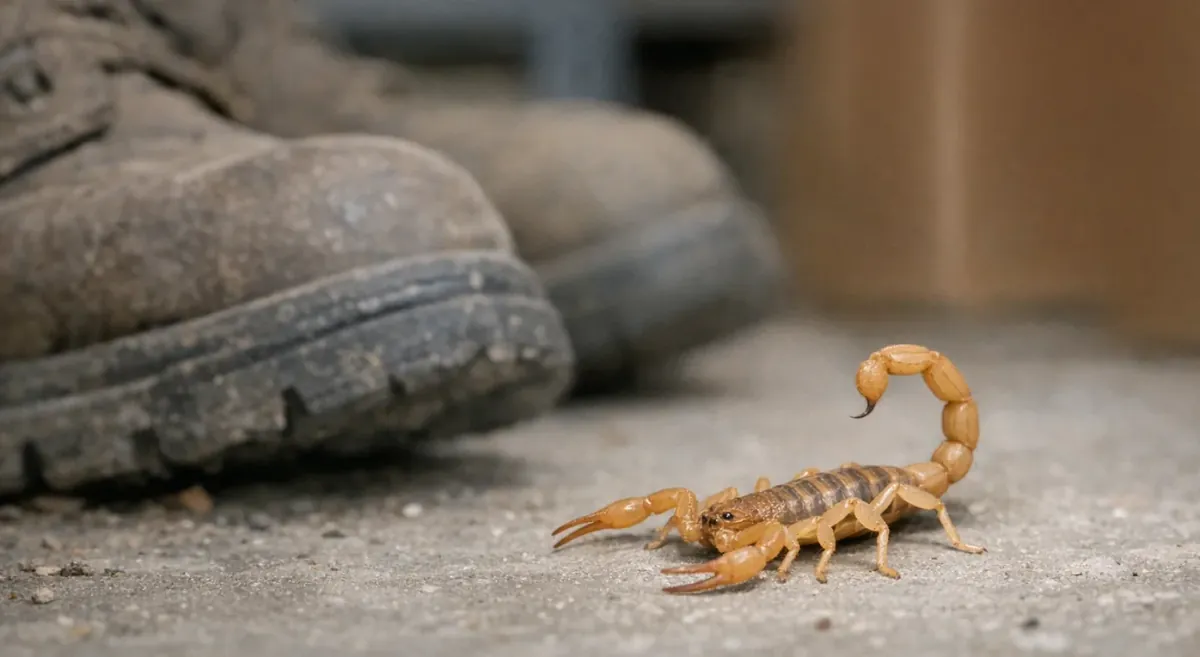
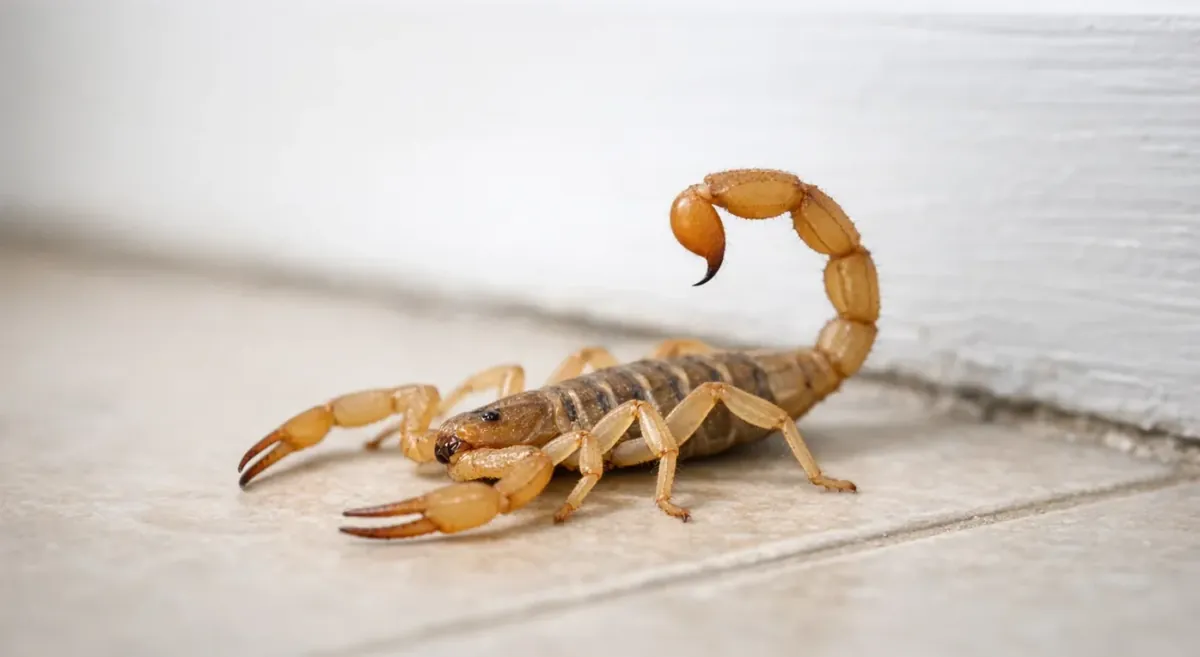
Did you actually see the scorpion? Note where it happened — indoors or outdoors — and what time. Nighttime stings are most common since scorpions hunt after dark. Also pay attention to the scorpion's appearance. Was it small? Pale or tan colored? In the Southwest, Arizona bark scorpions pose the highest risk to pets. They're small, pale yellowish-tan, and pack more potent venom than other species.
If it's safe and your dog isn't getting worse, snap a quick photo of the scorpion from a distance. Your vet may find it helpful for identifying the species. But don't waste precious time trying to catch or kill the scorpion if your dog's symptoms are escalating. Your dog comes first.
If you didn't see the scorpion: common clues owners notice first
More often, you won't see the actual sting happen. Instead, you'll notice sudden changes in your dog's behavior. The most common first sign is intense limping or favoring one paw. Your dog might obsessively lick or bite at a specific spot. Many dogs yelp at the moment of the sting, but not all — some react quietly at first, then show increasing distress.
Other early clues include sudden restlessness, excessive drooling, or heavy panting when they haven't been exercising. Dogs often act confused or anxious after a sting. They know something's wrong but can't tell you what. If your dog shows these symptoms after being outside at night or near walls and baseboards, a scorpion sting is definitely possible.
What are scorpion sting symptoms in dogs, and how long do they last?
Scorpion sting symptoms in dogs range from mild local pain to severe systemic reactions. The severity depends on several factors: the scorpion species, where your dog was stung, and your dog's size and health. Small dogs, puppies, senior dogs, and those with existing health problems face higher risks from the same amount of venom.
Most dogs experience peak symptoms within the first 30 minutes to 2 hours after a sting. Mild reactions typically improve within 24 hours. Severe reactions need immediate veterinary intervention. Here's what to watch for.
Mild-to-moderate symptoms (most common)
The majority of scorpion stings cause localized pain and discomfort. You'll see your dog limping if stung on a paw, or pawing at their face if stung there. The sting site often swells and may look red or irritated. Dogs typically lick or bite at the painful area obsessively.
Other mild-to-moderate symptoms include pacing, panting, and drooling more than usual. Your dog might whine or seem unable to get comfortable. These symptoms often peak within the first hour, then gradually improve. Even with mild symptoms, call your vet for guidance — they know your dog's health history and can advise whether you need to come in.
Severe symptoms (urgent)
Some dogs develop severe reactions that require emergency care. Watch for muscle tremors or uncontrollable shaking that spreads beyond the sting site. Breathing problems are especially concerning — rapid, labored breathing or gasping needs immediate attention.
Other emergency signs include extreme agitation, weakness in the legs, collapse, or repeated vomiting. Some dogs become severely lethargic and unresponsive. If you see any of these symptoms, don't wait. Get to an emergency vet immediately. Time matters with severe envenomation.
Do all scorpion stings look the same?
Not all scorpion stings are created equal. Venom potency varies dramatically by species and region. In the American Southwest, Arizona bark scorpion stings cause more severe reactions than stings from other common species like the striped bark scorpion. Geography matters — a sting in Phoenix carries different risks than one in Houston.
Don't assume smaller scorpions are less dangerous. In fact, younger scorpions sometimes inject more venom because they haven't learned to regulate their sting. The only way to know for sure how your dog will react is to monitor symptoms closely and stay in touch with your vet.
What should I do immediately if my dog was stung by a scorpion?
Quick action can make a real difference in your dog's comfort and recovery. But it's just as important to know what not to do. Many well-meaning owners make mistakes that can worsen the situation or delay proper treatment.
Remember: your veterinarian or emergency clinic is the ultimate authority on medications and dosing for your specific dog. What works for your neighbor's 80-pound lab might be dangerous for your 10-pound terrier. Always defer to professional medical advice.
Step-by-step first aid (before you drive anywhere)
First, keep your dog as calm and still as possible. Movement increases blood flow, which can spread venom faster through their system. Speak in soothing tones. If your dog will let you, gently examine the suspected sting site — usually a paw, leg, or face.
If you notice facial swelling, immediately remove your dog's collar or harness to prevent breathing restrictions. Apply a cold compress to the sting site for 10-minute intervals. Wrap ice in a thin towel — never apply ice directly to skin. The cold helps reduce pain and swelling while you prepare for the next steps.
When should I call the vet vs. go to the ER now?
Call your regular vet immediately for any suspected scorpion sting, especially if you live in Arizona, New Mexico, or other bark scorpion territory. Describe your dog's symptoms clearly. Your vet knows your pet's medical history and can advise whether to come in or monitor at home.
Skip the phone call and go straight to emergency care for these symptoms: difficulty breathing, collapse, severe uncontrollable tremors, repeated vomiting, or any rapidly worsening symptoms. Small dogs, puppies, elderly dogs, and those with heart or lung conditions need faster intervention. Every minute counts with severe reactions.
Are there safe home remedies for a scorpion sting on a dog?
Don't give your dog any human pain medications, antihistamines, or "natural" remedies without explicit veterinary approval. Medications like ibuprofen or acetaminophen are toxic to dogs. Even "safe" drugs like Benadryl require proper dosing based on your dog's weight and health status. Incorrect medications can cause additional harm or mask symptoms that your vet needs to see.
What you can safely do at home: continue cold compresses, keep your dog in a quiet, dimly lit room to reduce stress, and prevent them from licking the sting site excessively. Document what you observe — time of sting, progression of symptoms, and any changes. This information helps your vet provide the best care. Focus on comfort measures and getting professional guidance rather than trying to treat it yourself.
Are scorpions dangerous, poisonous, or deadly to dogs?
The short answer: most scorpion stings aren't fatal to dogs, but some situations are genuinely dangerous. The risk depends on three main factors — the scorpion species, your dog's size and health, and where the sting occurred. Understanding these variables helps you respond appropriately without panicking.
In the Southwest, Arizona bark scorpions pose the greatest threat. Their venom is significantly more potent than other common species. But even with bark scorpions, most healthy adult dogs recover fully with proper care. The key is recognizing which dogs face higher risks and acting quickly when needed.
Why some dogs get much sicker than others
Small dogs face greater danger from scorpion stings simply due to body size. The same amount of venom affects a 5-pound Chihuahua much more severely than a 70-pound Golden Retriever. It's basic math — venom concentration per pound of body weight.
Age and existing health conditions also matter enormously. Puppies haven't developed full immune responses yet. Senior dogs often have compromised organ function. Dogs with heart disease, respiratory problems, or weakened immune systems can't handle the added stress of envenomation. Location matters too — stings to the face or mouth can cause airway swelling that becomes life-threatening faster than a paw sting.
What "poisonous" means here (and why people use the word)
Technically, scorpions are venomous, not poisonous. Venom is injected through a sting, while poison is ingested or absorbed. But when your dog is suffering, terminology doesn't matter much. People search for "poisonous scorpions" because they're worried about their pet, not trying to ace a biology quiz.
What actually matters is recognizing symptom severity and getting veterinary help quickly. Whether you call it poisonous or venomous, scorpion stings can be more serious than bee stings for sensitive dogs. Focus on your dog's immediate needs rather than the vocabulary.
How do I prevent scorpion stings in dogs around my home?
Prevention requires a multi-layered approach, starting with what you can do tonight and building toward long-term protection. Since scorpions are thigmotactic — meaning they navigate by following walls and edges — you can predict where encounters are most likely. Dog doors, water bowls near walls, and dog beds along baseboards can all become risk zones where your pet's routine intersects with scorpion travel paths.
Tonight: reduce risk on nighttime potty breaks
- Keep your dog on a leash for all nighttime bathroom trips. It's inconvenient, but scorpions hunt actively after dark, especially along patios, sidewalks, and foundation edges. A leash gives you control if you spot danger.
- Before letting your dog out, do a quick UV flashlight sweep of the immediate area. Scorpions glow bright green under ultraviolet light, making them easy to spot against dark ground. Check along the house foundation, patio edges, and anywhere your dog typically sniffs.
- Bring outdoor water bowls inside each night — standing water attracts the insects that scorpions hunt.
This week: remove habitat and block entry points
Start with the yard. Clear away wood piles, stacked stones, and dense ground cover within 10 feet of your home. Scorpions hide in these spots during the day. Pay special attention to stored items against exterior walls — that forgotten pile of pavers is prime scorpion real estate.
Next, seal entry points. Check door sweeps, especially on dog doors and garage entries. Seal gaps around pipes and utility lines with steel wool and caulk. Scorpions can squeeze through plumbing penetrations and even AC vents if not properly sealed. Remember, though — even well-sealed homes can have occasional visitors. One scorpion doesn't necessarily mean you have an infestation.
Ongoing: how monitoring helps you catch patterns (and why it's safer)
Scorpions follow predictable patterns thanks to their thigmotactic behavior. They travel along baseboards, walls, and furniture edges as they hunt. This predictability means strategic monitoring can alert you to their presence before your dog encounters them.
Modern detection systems like Scorpion Alert use this behavior to your advantage. The Detectors plug into standard wall outlets — naturally positioned on room perimeters where scorpions travel. Each unit shines 365nm UV light onto the floor below and watches for the telltale scorpion glow. When one passes by, you get an instant alert on your phone.
For homes with dogs, strategic Detector placement makes sense near high-risk areas: by the dog door, along the wall where your dog's bed sits, near patio doors, and in the garage if your dog goes there. Multiple Detectors help you spot scorpions closer to entry points, before they venture deeper into living spaces. The system works automatically at night when scorpions are active, so you're not doing manual patrols with a flashlight every evening.
What about sticky traps if I have pets?
Sticky traps create their own problems in homes with pets. Dogs investigate new objects with their noses and paws — exactly what gets stuck to these traps. Plus, the insects caught in traps can actually attract scorpions to feed along the trap edges, creating a hazard right where you placed protection.
If you still choose to use sticky traps, place them completely out of pet reach — behind appliances, inside cabinets, or in spaces your dog can't access. Check them frequently and replace them often. Just remember that traps only catch scorpions that happen to walk over them. They don't provide the active monitoring and immediate alerts that help you protect your pet proactively.
If your dog is ever stung, quick observation—watching for swelling, intense pain, drooling/vomiting, or any breathing trouble—can help you decide when it's time to call your vet or head to an emergency clinic. To reduce the chances of facing that panic in the first place, Scorpion Alert can help you stay aware of scorpion activity around your home so you can protect your pets proactively.
Veterinary disclaimer: This article is informational and not veterinary advice. We are not veterinarians, and portions of this content have been edited with AI assistance. For decisions about your pet's health, consult your veterinarian. For a scorpion sting in your pet with severe symptoms, call your vet or an emergency veterinary clinic immediately.