

Knowledge Base

Scorpion Detectors

Everything about Scorpion Alert and the Scorpion Detector — setup, how alerts work, and how the system compares to traps and UV hunting.
What is Scorpion Alert?

Get instant alerts when scorpions are detected in your home

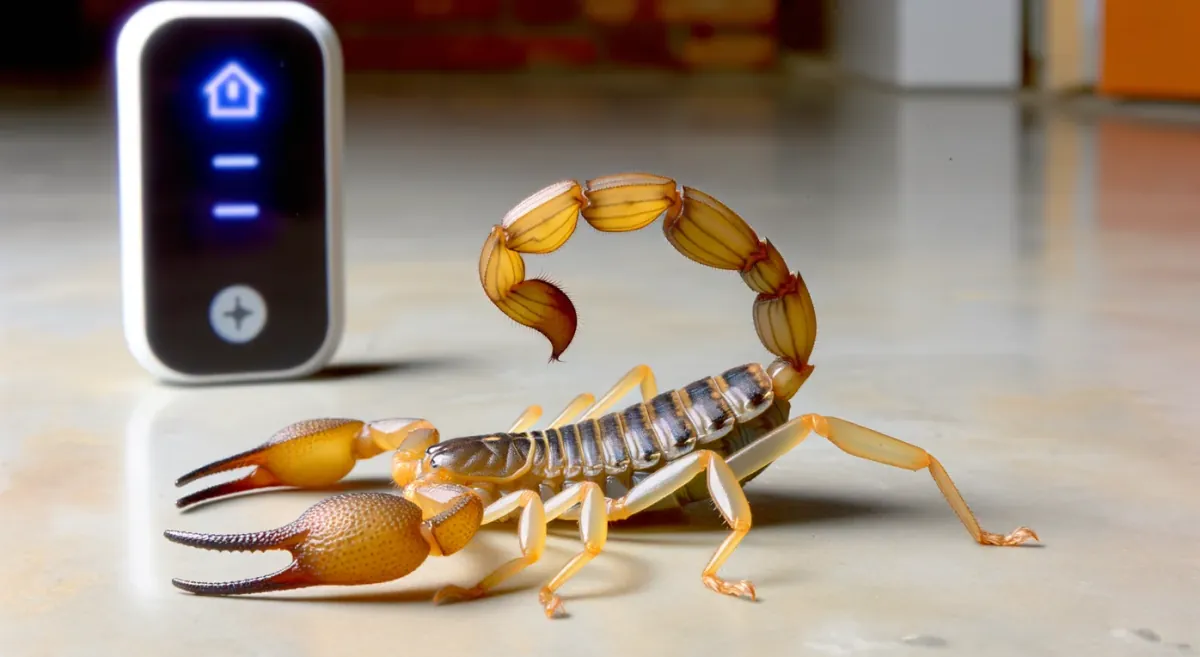
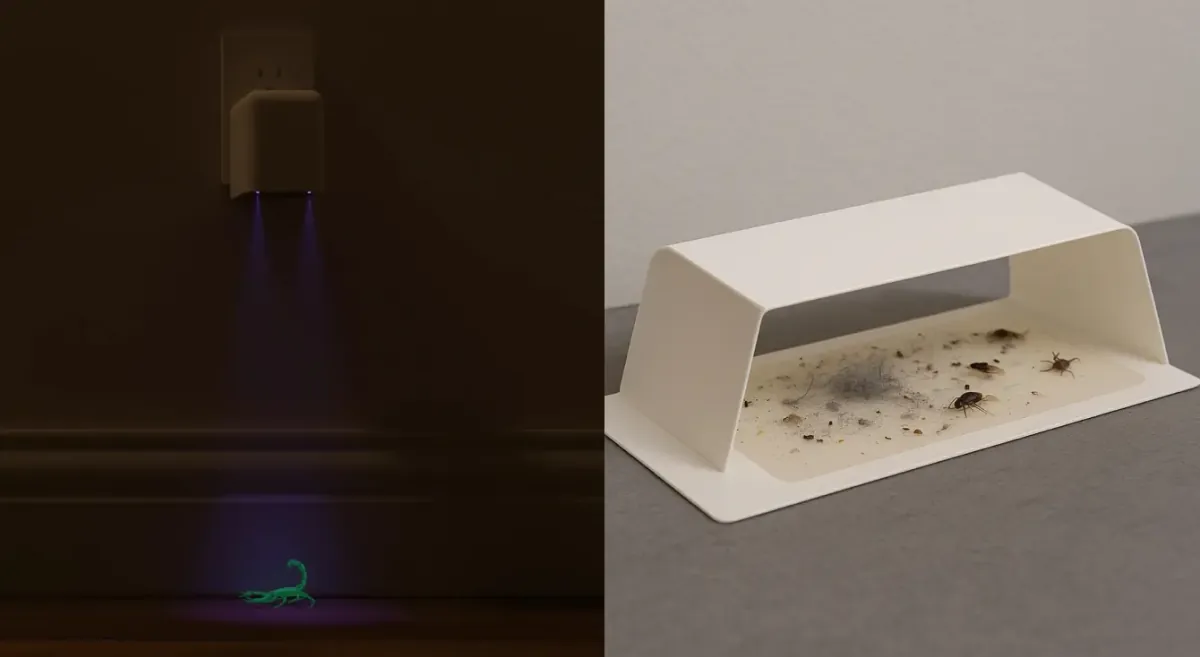
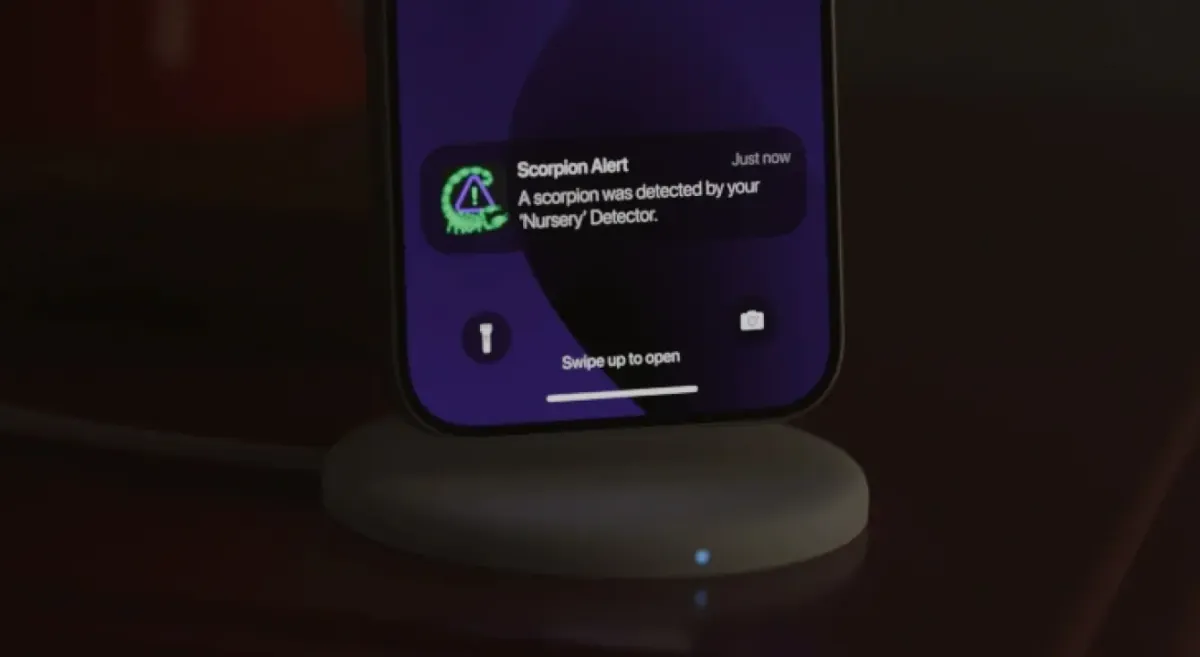
Scorpion Detectors watch over your home at night, when scorpions are most active. The moment a scorpion crosses one, you get a phone alert — so you can act before it makes a home out of your shoe, bed, laundy basket, or anywhere else.
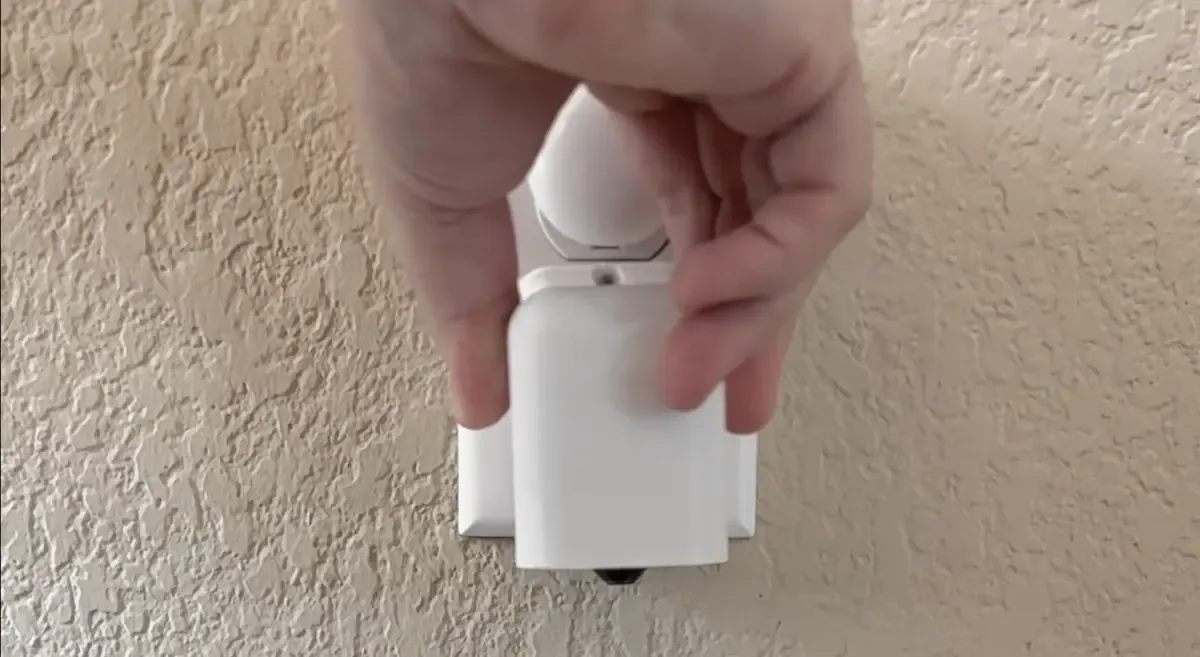
  • Detectors arrive ready to plug in
  • Live alerts go straight to your phone or watch, with location
  • Alert multiple family members with a single account
  • One flat monthly monitoring fee — no contract, cancel anytime
Get Scorpion Alert
From our customers

What homeowners are saying

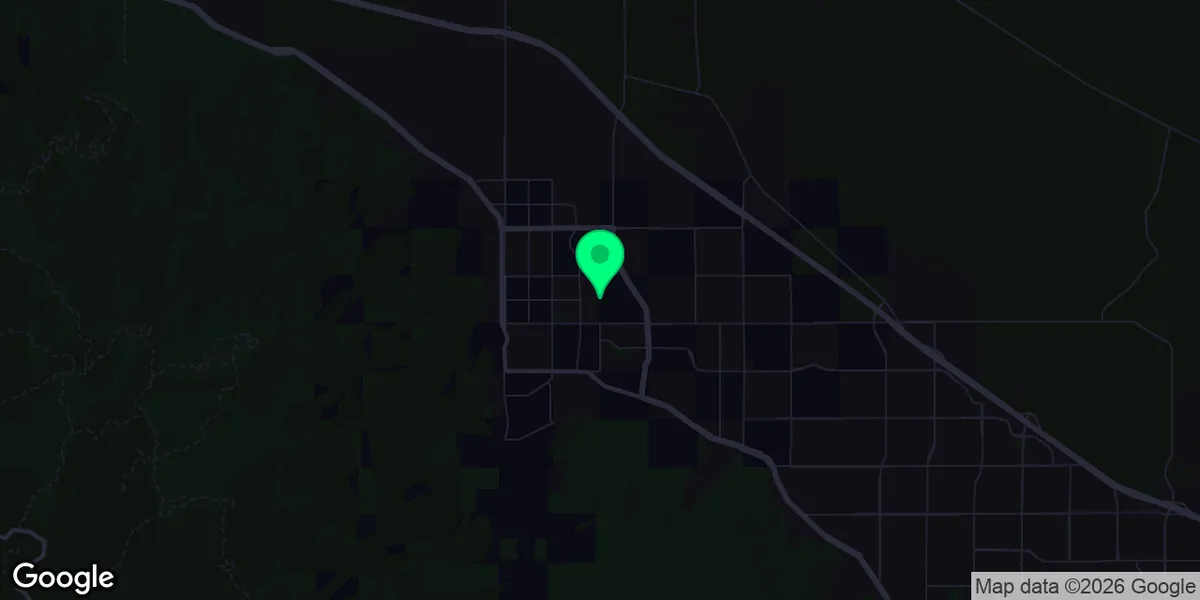
Map of Palm Springs, CaliforniaPalm Springs, California
This is a really great way to solve the scorpion problem. No mess, easy to use technology.
Michael
10 scorpions detected
Map of Chandler, ArizonaChandler, Arizona
Much better than those disgusting sticky traps.
Danielle
9 scorpions detected
Map of Dripping Springs, TexasDripping Springs, Texas
The Scorpion Detectors are very easy to set up with the app and they work very well.
Rafael
6 scorpions detected
Common questions

Need quick answers?

Why do scorpions come in the house in the first place?

Most scorpions wander indoors for the basics: food (insects like crickets and roaches), water (leaks, condensation, pet bowls), and shelter (cool, tight, dark spaces). They often travel along edges and wall lines, so perimeter-focused prevention usually works better than random spot treatments. This section also explains how scorpion pincers help them navigate cracks and clutter, and includes a quick reality check on scorpions in Nevada and around Austin, Texas in why scorpions enter houses.

Are scorpions a problem in Boulder City, Nevada?

Yes—Boulder City sits in Clark County’s desert-edge environment, so scorpion activity can show up even in well-kept neighborhoods. Rock landscaping, block walls, irrigation, and nearby open desert create cool hiding zones that support scorpions and their prey insects. Because scorpions are mostly nocturnal and hug edges (walls/baseboards), “no sightings” doesn’t always mean “no scorpions,” which is why perimeter-focused checks and monitoring help; see the Boulder City scorpion activity guide.

Are scorpions a big problem in Wichita Falls, or are a few sightings normal?

In Wichita Falls, an occasional scorpion can be a normal “wanderer,” but repeated indoor sightings (especially multiple in a week, in the same rooms, or at night along walls) points to an ongoing entry/harborage issue. This section explains what patterns look like a real infestation, why scorpions end up indoors during heat/dry spells, and how to confirm activity with simple perimeter checks and monitoring. See the Wichita Falls scorpion problem signs guide for what to track and where to look.

What’s the best way to seal my house for scorpions without creating other issues?

The fastest results usually come from sealing the biggest entry points first: exterior perimeter gaps, then door fixes (sweeps/thresholds/weatherstripping), then utility penetrations and vent openings. Use a “credit-card gap” mindset to prioritize the leaks that actually let scorpions in, and avoid blocking intended drainage or ventilation—use mesh where airflow is required. This step-by-step sealing and exclusion checklist for scorpions walks you through what to seal and how to test for gaps.

Are glue traps for scorpions worth it, and how should I monitor at night?

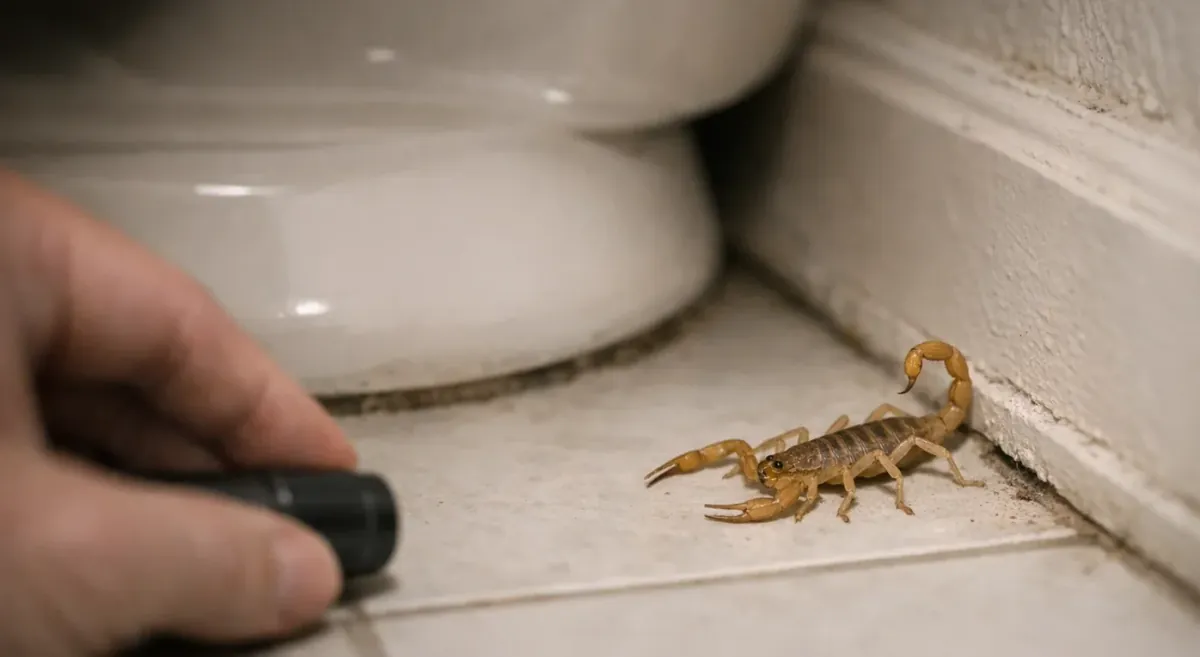
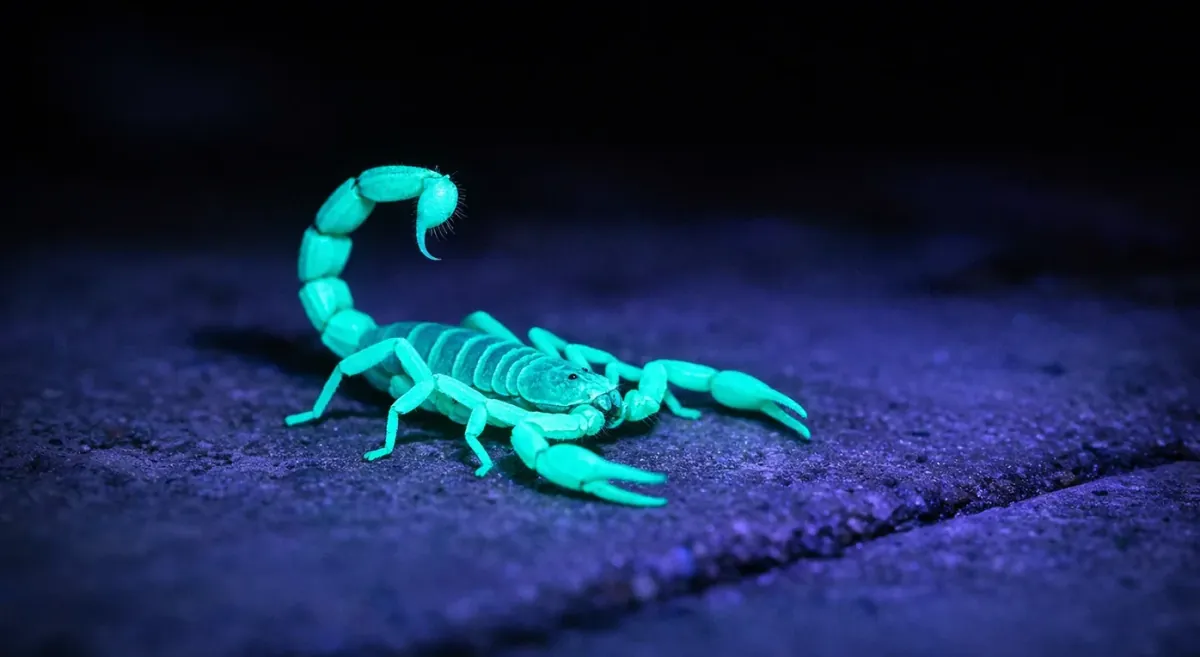
Glue traps can catch scorpions, but they’re often messy, collect dust, can snag non-target animals, and don’t tell you in real time when or where scorpions are moving. Night monitoring with a UV flashlight and perimeter-focused checks along baseboards and thresholds helps you spot patterns and respond faster—especially if you’ve seen even one scorpion. The best way to monitor scorpions indoors section compares options and explains how targeted detection complements sealing and outdoor cleanup.

What should my family do during peak scorpion months, and what if I get an alert at night?

During peak months (usually July–September), focus on simple nightly habits: keep floors clear along baseboards, check shoes before wearing, and keep beds from touching walls. If you get an alert or see a scorpion, contain it safely (container + stiff paper), then look for the route in—gaps, damp areas, or clutter near entry points—so you can fix the cause. The guide also explains how to make sure critical notifications break through sleep settings in this peak scorpion season safety routine.

Got questions about scorpion detection?