We're listening

How can we help?

Ask a question and our AI assistant will try to answer right away. If you still need a human, leave us your info and the team will respond within one business day.
Prefer to email? Reach us at support@scorpionalert.com — we usually respond within one business day.
How Scorpion Alert works

Find them before they find you

Plug in your Scorpion Detectors around your home and get instant alerts with the location of the scorpion.
  • Detectors arrive ready to plug in
  • Live alerts go straight to your phone or watch, with location
  • Alert multiple family members with a single account
  • One flat monthly monitoring fee — no contract, cancel anytime
Get Scorpion Detectors
Real homes, real results

Why homeowners trust the system

Map of Las Vegas, NevadaLas Vegas, Nevada
This is by far the best way to catch these little b*$t%rds.
Enrique
8 scorpions detected
Map of Queen Creek, ArizonaQueen Creek, Arizona
We haven’t come across a scorpion in our house unexpectedly since we started using this.
Monique
6 scorpions detected
Map of Las Cruces, New MexicoLas Cruces, New Mexico
It works exactly as I hoped it would. Please make something similar for snakes.
Anjelica
7 scorpions detected
Common questions

Need quick answers?

Why are scorpions showing up in my house all of a sudden?

Scorpions often wander indoors because homes provide water, prey (like crickets or roaches), and tight hiding spots, especially during seasonal activity. They’re also most active at night and tend to move along walls and baseboards, which is why edge-focused prevention works better than random spraying. This why scorpions come inside guide explains the layered approach: exclude, reduce habitat, and monitor.

Why can’t I sleep after finding a scorpion—am I overreacting?

Many people fall into hypervigilance—rechecking shoes, bedding, and corners—because the brain tries to prevent a repeat scare, especially at night. Sleep loss then amplifies anxiety, irritability, and hopelessness, creating a loop that makes everything feel worse than it is. This section also offers a simple bedtime “reset” that limits checks without ignoring safety in sleep anxiety after scorpion sighting.

How can I find a scorpion in my house without getting stung?

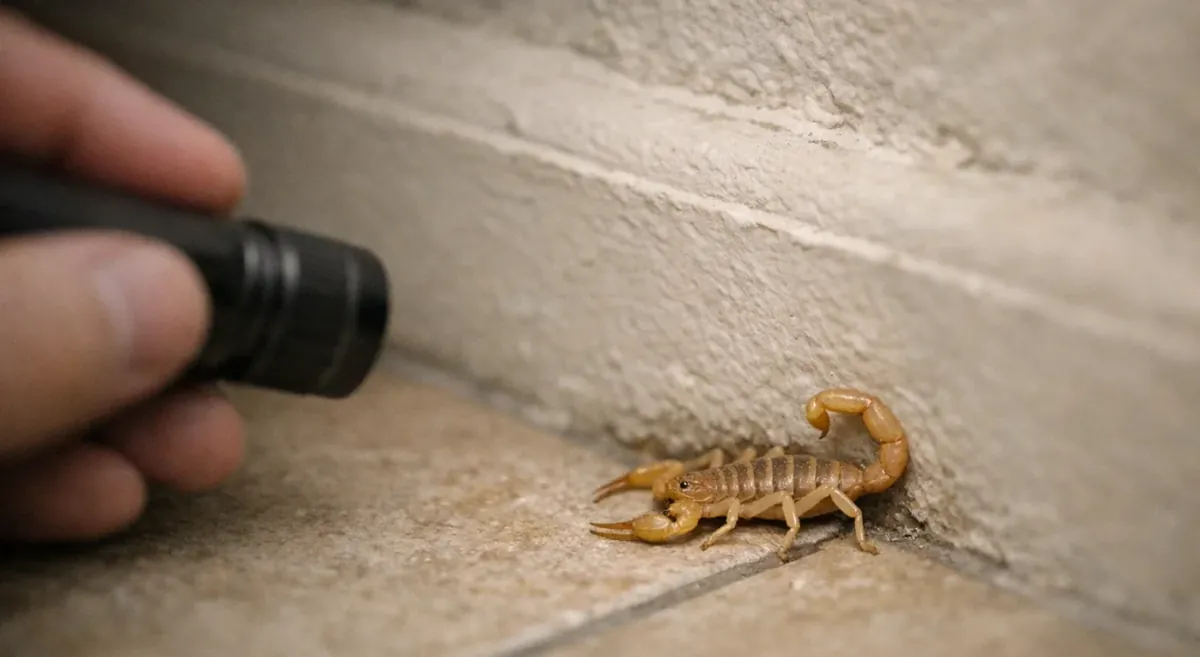
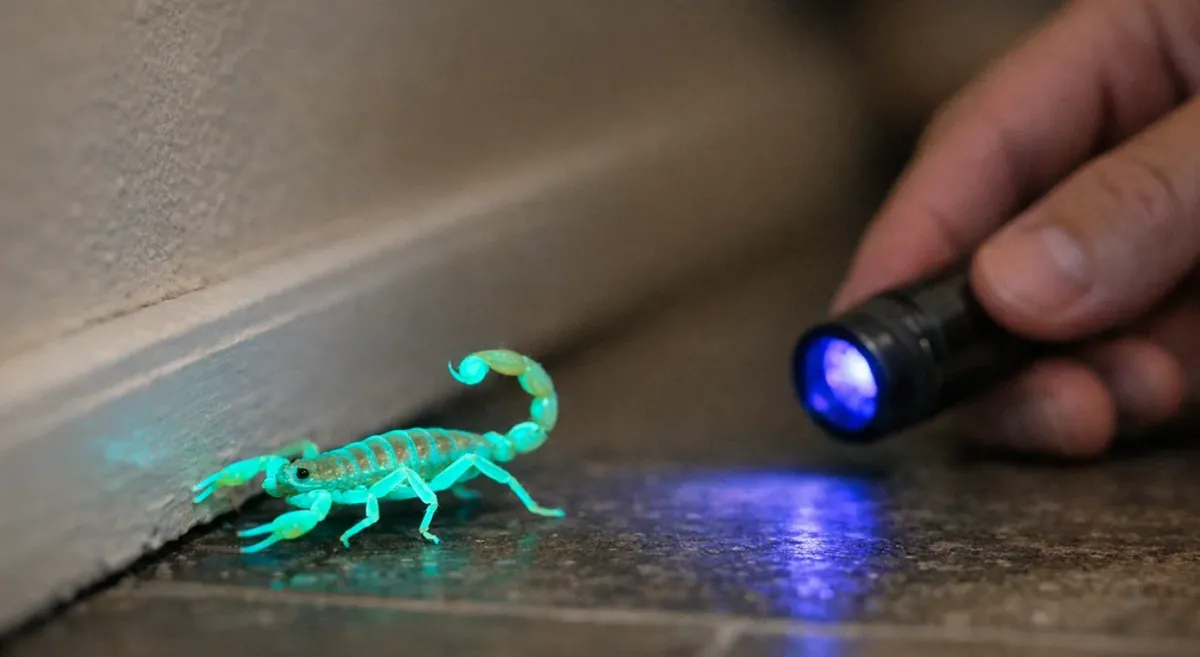
The safest approach is a structured search after dark using a UV flashlight, scanning baseboards, corners, and shaded gaps where they travel and pause. Wear shoes and gloves, avoid reaching into dark spaces, and use a repeatable routine for shoes, bedding, and kids’ items. If you find one, you can contain it with a jar and tool or escalate to a pro for repeated sightings—follow how to find scorpions safely.

How can I tell what kind of scorpion I found in my house?

Basic identification helps you gauge risk, decide how urgently to act, and know what symptoms to watch for—but color and size can be misleading. Focus on homeowner-friendly traits like pincer shape, tail thickness, overall build, markings, and behavior, and use where you found it as a clue to travel routes (not species). For a practical checklist and safety reminders, follow this home scorpion ID checklist.

What should I do right after I find a scorpion in my house?

Focus on reducing sting risk in the next few minutes: safely contain it using a glass-and-paper method instead of trying to grab it or chase it into a crack. Then do a quick nighttime safety reset—shake out shoes, pull beds slightly away from walls, and pick up floor clutter and laundry piles. This steps after finding a scorpion also covers what to watch for if someone is stung and when to seek medical help.

How can I tell if a scorpion sighting is a one-time thing or an ongoing problem?

The best clue is patterns: repeat sightings, multiple rooms, activity near doors/garage, and consistent nighttime movement are more meaningful than one random encounter. Tracking date/time and exact locations for 7–14 nights helps you move from guessing to evidence-based decisions. This 7 to 14 night scorpion checklist also covers practical tools like glue traps (as sampling) and the limits of UV inspections.