


Knowledge Base

Glue Traps

Sticky / glue trap usage, placement, results.

Articles

Every post tagged Glue Traps.
How Scorpion Alert works

Find them before they find you

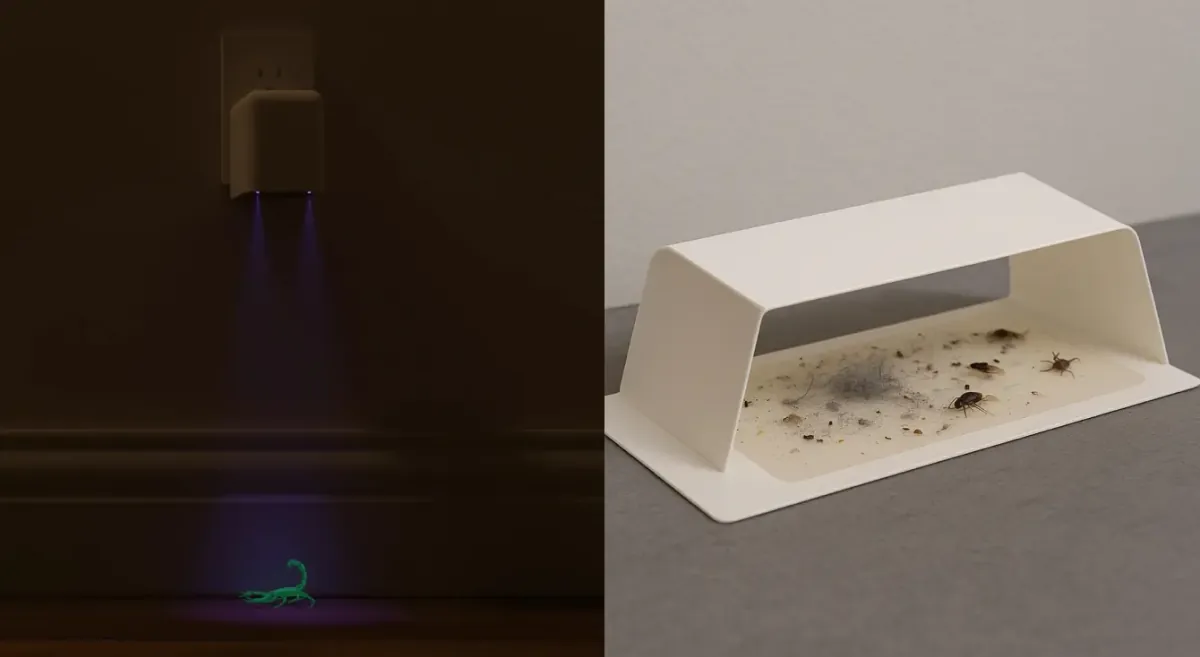
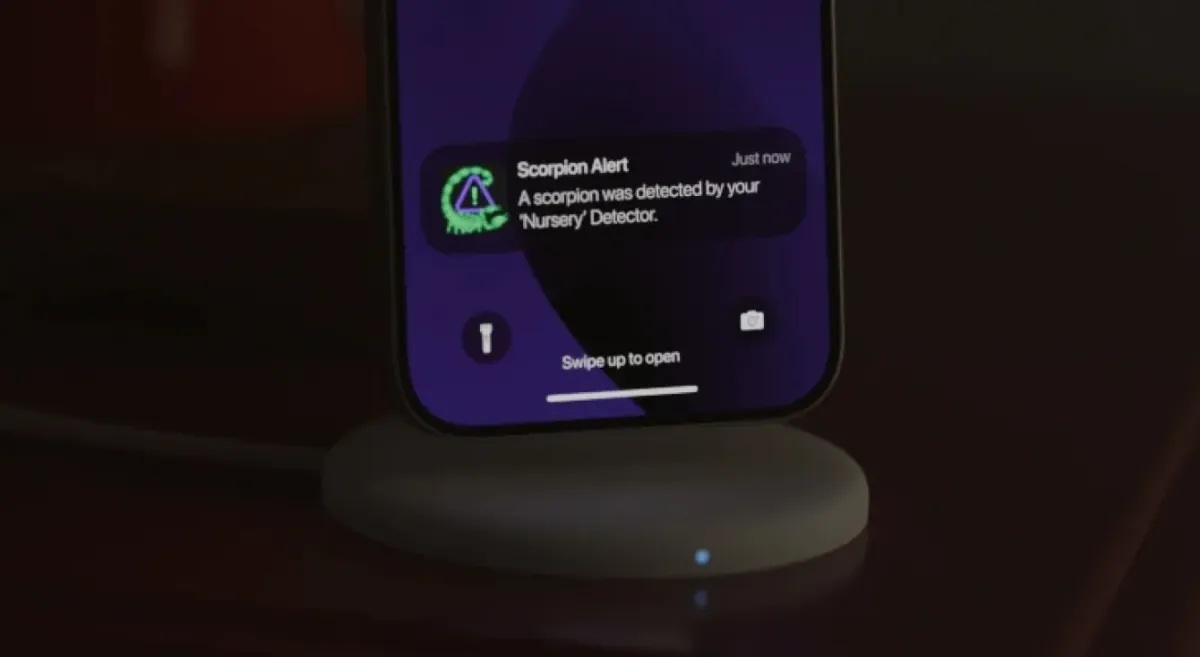
Plug in your Scorpion Detectors around your home and get instant alerts with the location of the scorpion.
  • Detectors arrive ready to plug in
  • Live alerts go straight to your phone or watch, with location
  • Alert multiple family members with a single account
  • One flat monthly monitoring fee — no contract, cancel anytime
Get Scorpion Detectors
Real homes, real results

Why homeowners trust the system

Map of Peoria, ArizonaPeoria, Arizona
We’re in a new neighborhood with a lot of construction. Our Detectors are staying busy, but getting notifications is better than getting surprised.
Jessica
14 scorpions detected
Map of Austin, TexasAustin, Texas
We got 2 alerts our first week! These things really work, what a good idea, so easy to use. Much better than sticky traps, thank you so much!
Ajay
2 scorpions detected
Map of Fountain Hills, ArizonaFountain Hills, Arizona
The picture and location that come with an alert is so helpful in figuring out where the scorpion is going. It usually hasn't traveled very far by the time I get there.
Harrison
12 scorpions detected
Common questions

Need quick answers?

Are sticky traps enough to get rid of scorpions?

Sticky traps can catch scorpions occasionally but aren’t reliable for prevention. They’re best used for monitoring, not as a standalone control method. Learn more with our article titled Scorpion Detectors vs Glue Traps: What Works Best?

Why not just use sticky traps?

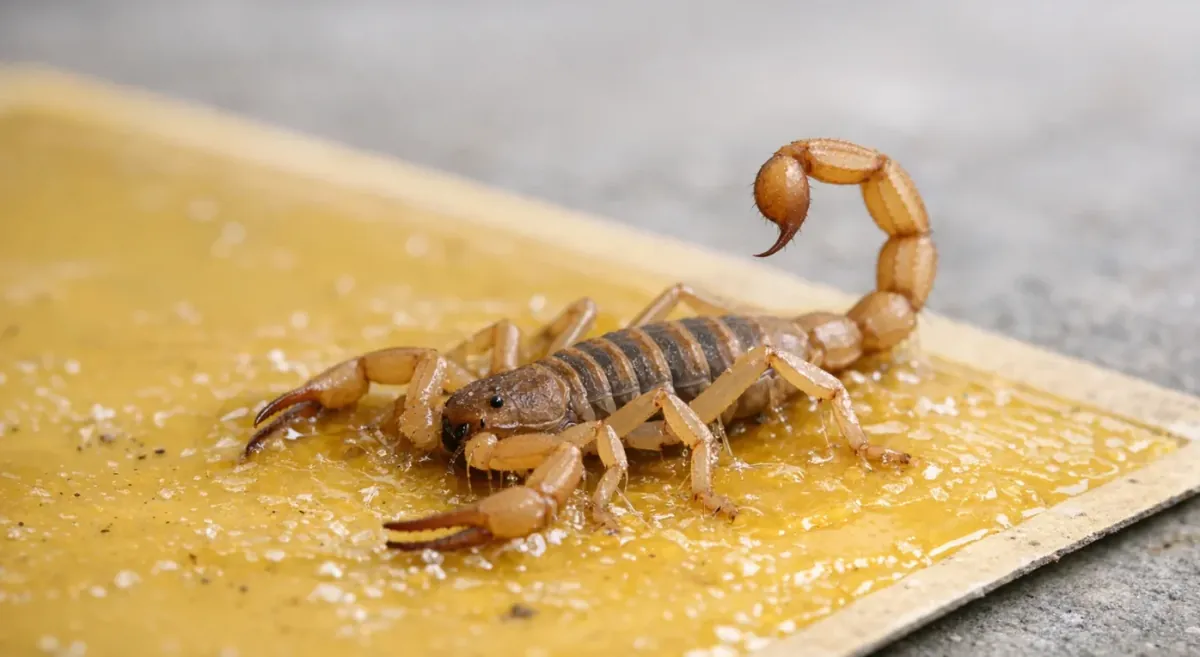
If you have young children, pets, or robotic vacuums, you probably already know why. Even if you don't, sticky traps often collect everything but scorpions right at the edge. This often becomes an attractive food source for scorpions without ever trapping them, making your scorpion problem worse.

Do glue traps for scorpions work, or is there a safer way to monitor indoors?

Glue traps can catch scorpions, but they’re often messy, can snag non-targets, and may create safety issues for kids, pets, and even robot vacuums. A better long-term approach is monitoring where scorpions actually move—along room edges at night—so you can detect and respond quickly when one gets in. This section compares options and explains safer indoor scorpion monitoring.

How can I tell if a scorpion sighting is a one-time thing or an ongoing problem?

The best clue is patterns: repeat sightings, multiple rooms, activity near doors/garage, and consistent nighttime movement are more meaningful than one random encounter. Tracking date/time and exact locations for 7–14 nights helps you move from guessing to evidence-based decisions. This 7 to 14 night scorpion checklist also covers practical tools like glue traps (as sampling) and the limits of UV inspections.

How can I tell if there are more scorpions without staying up all night?

A short monitoring plan can turn worry into data: for 7 days, check likely perimeter routes (baseboards, thresholds, corners) and log the date/time/room of any sightings. Because scorpions prefer traveling along edges, perimeter-focused monitoring is more effective than random searching across open floors. This 7-day scorpion monitoring plan also explains detector placement ideas and why sticky traps can be a misleading “monitoring” strategy.

Is a scorpion in a glue trap dead, or can it still sting me?

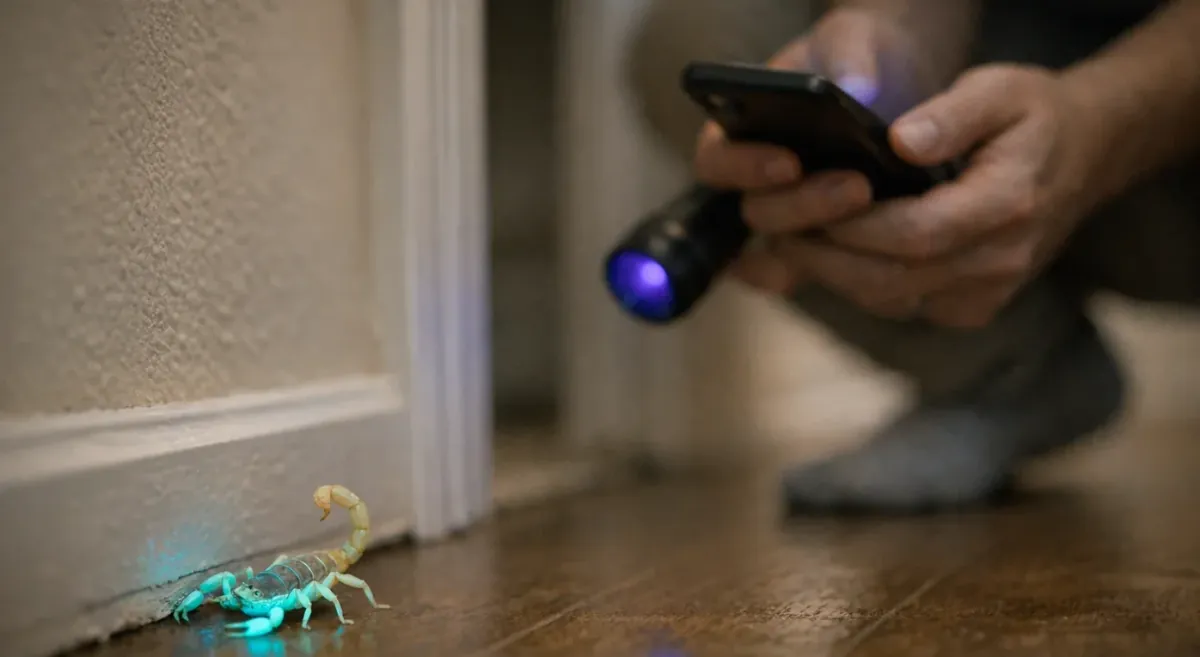
Assume it can still move and sting until you confirm there’s no motion in the legs or tail, because “looks dead” isn’t a reliable test. The safest approach is to keep your distance, use long tongs to gently tap the trap, and avoid putting your hands or face close (a UV light at night can help you see clearly). This section also explains why bare-handed handling is risky and what to do next if you’re unsure in this glue trap scorpion safety checklist.

Got questions about scorpion detection?