







Knowledge Base

Identification

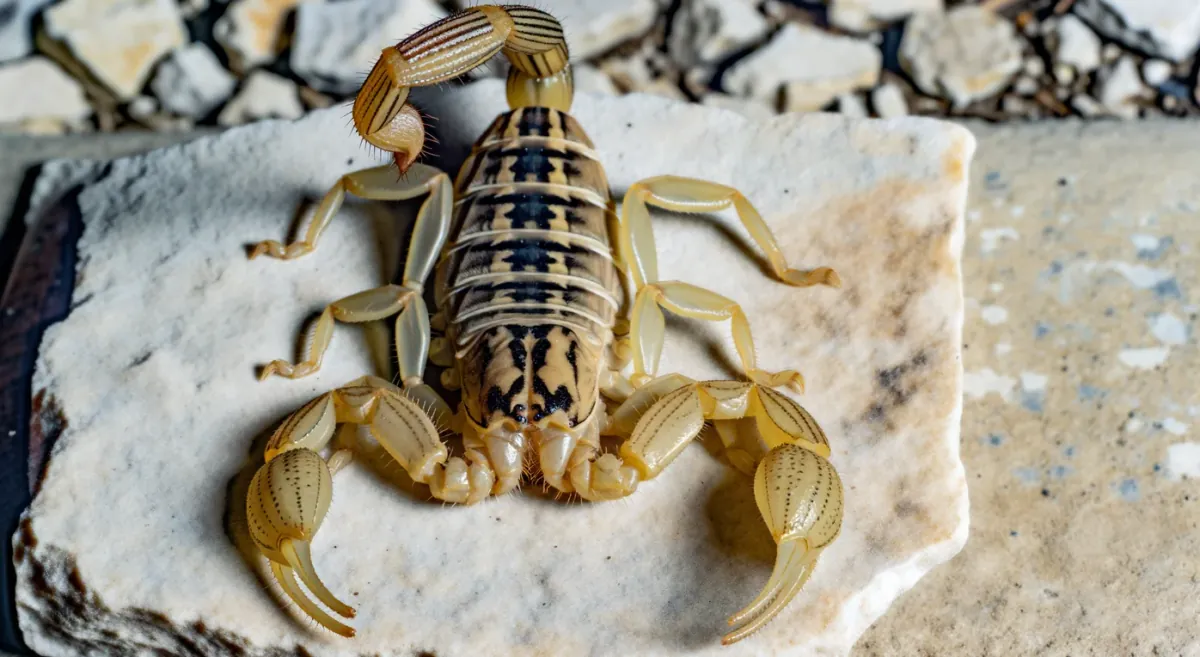
Field guides to scorpion species, anatomy, and how to tell dangerous ones apart from the rest.
What is Scorpion Alert?

Get instant alerts when scorpions are detected in your home

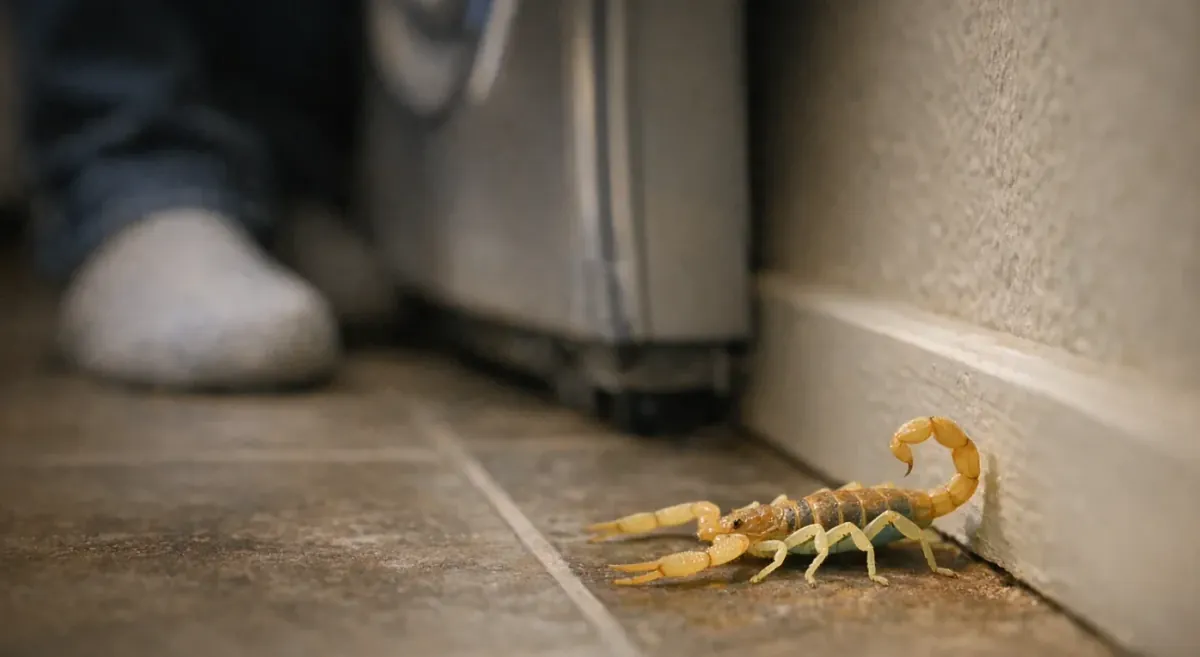
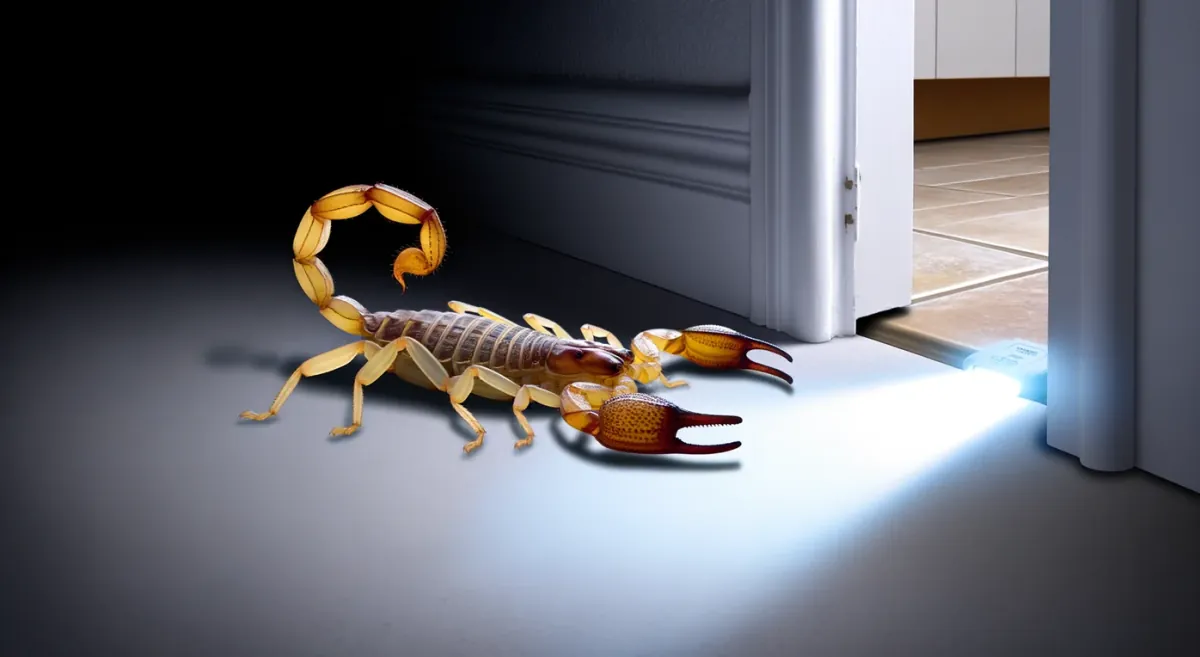
Scorpion Detectors watch over your home at night, when scorpions are most active. The moment a scorpion crosses one, you get a phone alert — so you can act before it makes a home out of your shoe, bed, laundy basket, or anywhere else.
  • Detectors arrive ready to plug in
  • Live alerts go straight to your phone or watch, with location
  • Alert multiple family members with a single account
  • One flat monthly monitoring fee — no contract, cancel anytime
Get Scorpion Alert
From our customers

What homeowners are saying

Map of Peoria, ArizonaPeoria, Arizona
We’re in a new neighborhood with a lot of construction. Our Detectors are staying busy, but getting notifications is better than getting surprised.
Jessica
14 scorpions detected
Map of Fountain Hills, ArizonaFountain Hills, Arizona
The picture and location that come with an alert is so helpful in figuring out where the scorpion is going. It usually hasn't traveled very far by the time I get there.
Harrison
12 scorpions detected
Map of Austin, TexasAustin, Texas
We got 2 alerts our first week! These things really work, what a good idea, so easy to use. Much better than sticky traps, thank you so much!
Ajay
2 scorpions detected
Common questions

Need quick answers?

When are scorpions most active in Tempe, and what time do they come inside?

Tempe scorpions are most active on warm nights, and many indoor encounters happen after dark as they travel edges like baseboards and room corners. Activity can spike during the hottest parts of the year, but warm evenings can still produce sightings outside the “peak” window. The Tempe scorpion season and activity section breaks down what changes month to month and how weather can influence sightings.

We only see two or three scorpions a year. Is this right for us?

Maybe not. If you don't have young children or elderly guests, two or three might be tolerable. That said, scorpions are extremely resilient. Once they gain a foothold in your home, they don't retreat easily, and they often give birth to 25-35 offspring per mating season. For every one you happen to spot, you can assume a few more have recently found the same entry point or have been born in your home.

What should I do after the first scorpion to keep more from getting inside?

A strong plan focuses on three things: seal entry points, reduce the bugs scorpions hunt, and monitor so you can confirm whether activity is continuing. Sprays alone are often unreliable on scorpions, so integrated control usually works better over time. This keep scorpions out after spotting one outlines quick weekend sealing priorities and how perimeter monitoring can reveal where they’re coming from.

How can I tell if my scorpion repellent plan is working?

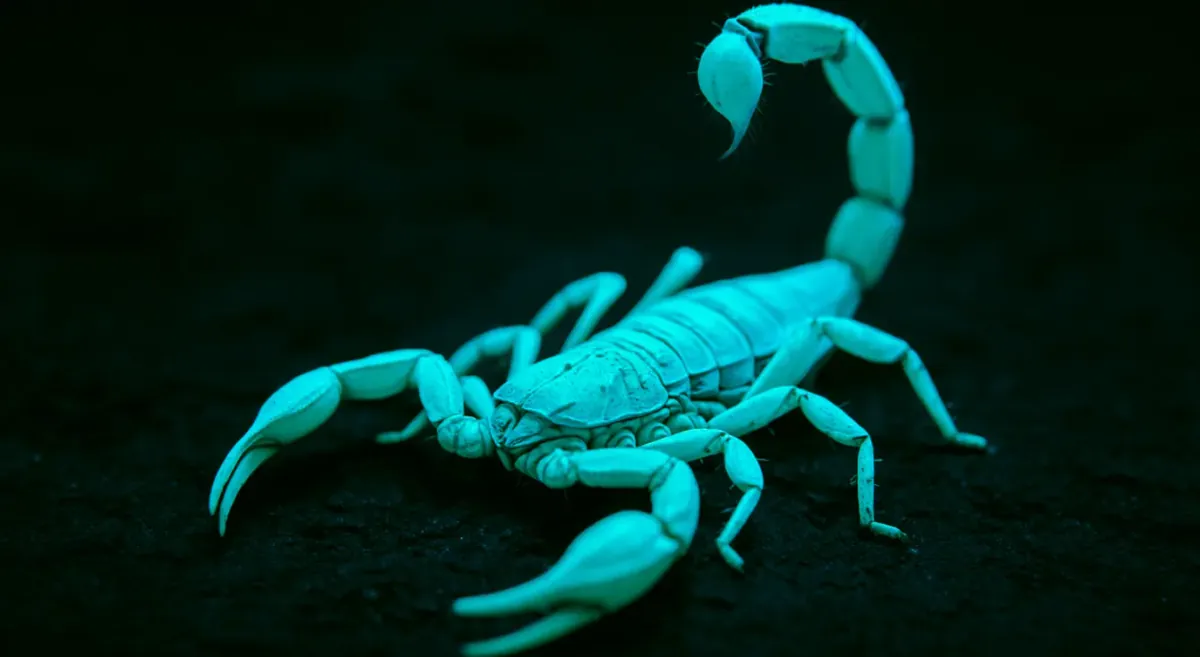
Look for measurable changes over a few weeks: fewer indoor sightings, fewer insects near baseboards/garage edges, and fewer surprise night encounters. Nighttime checks are especially useful because scorpions fluoresce under UV light and tend to travel along perimeters. The article also explains how automated perimeter monitoring can complement your plan in this monitor scorpion activity at night section.

What should a smart scorpion detector do that a camera or motion sensor can’t?

To be useful at 2 a.m., an automated system needs actionable alerts—clear location context and photo proof—so you can verify it’s real without waking the whole house. It also has to minimize false positives and alert fatigue, because constant “motion detected” notifications are worse than no system at all. This section lays out the non-negotiables to look for in smart scorpion detection alert standards.

Are scorpions still dangerous in winter, or is the sting risk basically gone?

The risk is lower in winter, but it’s not zero—especially in garages, storage areas, and other low-traffic spots where people reach into boxes or walk barefoot. Winter stings often happen at night or when moving stored items, so small habits like wearing shoes and using gloves make a big difference. This winter scorpion sting risk tips overview covers common scenarios and what to do if you find one inside.

Got questions about scorpion detection?