
Knowledge Base

California

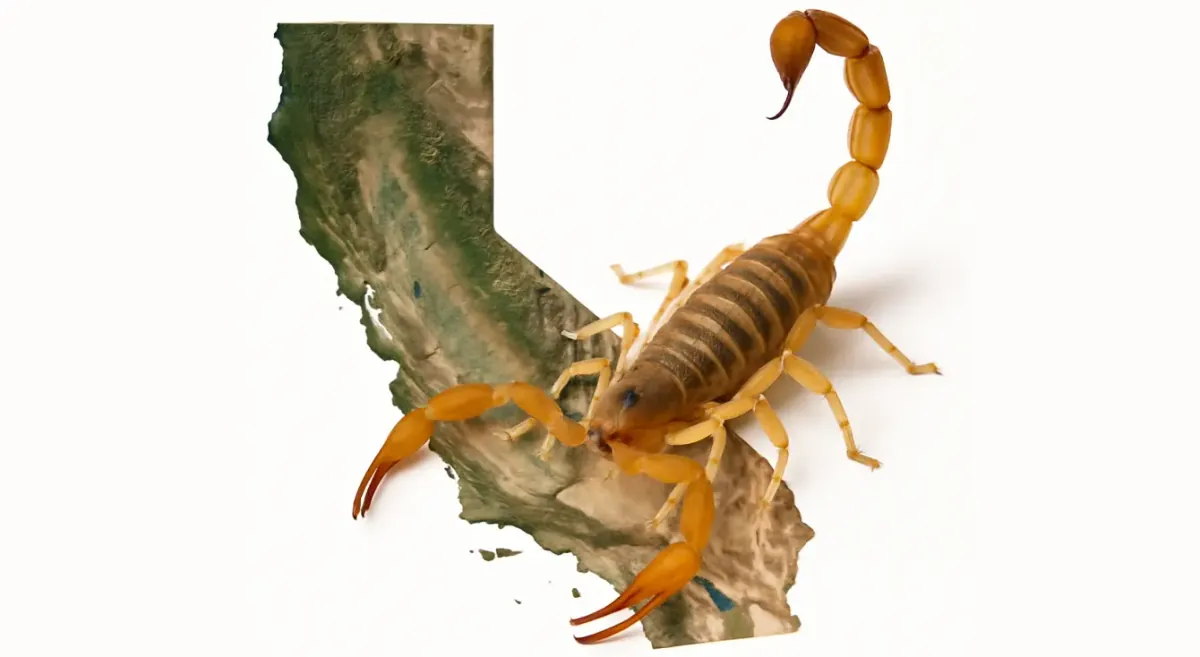
What California homeowners need to know about scorpions — species, seasons, and prevention.
What is Scorpion Alert?

Get instant alerts when scorpions are detected in your home

Scorpion Detectors watch over your home at night, when scorpions are most active. The moment a scorpion crosses one, you get a phone alert — so you can act before it makes a home out of your shoe, bed, laundy basket, or anywhere else.
  • Detectors arrive ready to plug in
  • Live alerts go straight to your phone or watch, with location
  • Alert multiple family members with a single account
  • One flat monthly monitoring fee — no contract, cancel anytime
Get Scorpion Alert
From our customers

What homeowners are saying

Map of Queen Creek, ArizonaQueen Creek, Arizona
We haven’t come across a scorpion in our house unexpectedly since we started using this.
Monique
6 scorpions detected
Map of Palm Springs, CaliforniaPalm Springs, California
This is a really great way to solve the scorpion problem. No mess, easy to use technology.
Michael
10 scorpions detected
Map of Las Cruces, New MexicoLas Cruces, New Mexico
It works exactly as I hoped it would. Please make something similar for snakes.
Anjelica
7 scorpions detected
Common questions

Frequently asked questions

How can I tell if there are more scorpions without staying up all night?

A short monitoring plan can turn worry into data: for 7 days, check likely perimeter routes (baseboards, thresholds, corners) and log the date/time/room of any sightings. Because scorpions prefer traveling along edges, perimeter-focused monitoring is more effective than random searching across open floors. This 7-day scorpion monitoring plan also explains detector placement ideas and why sticky traps can be a misleading “monitoring” strategy.

What’s the safest way to identify a scorpion without getting stung?

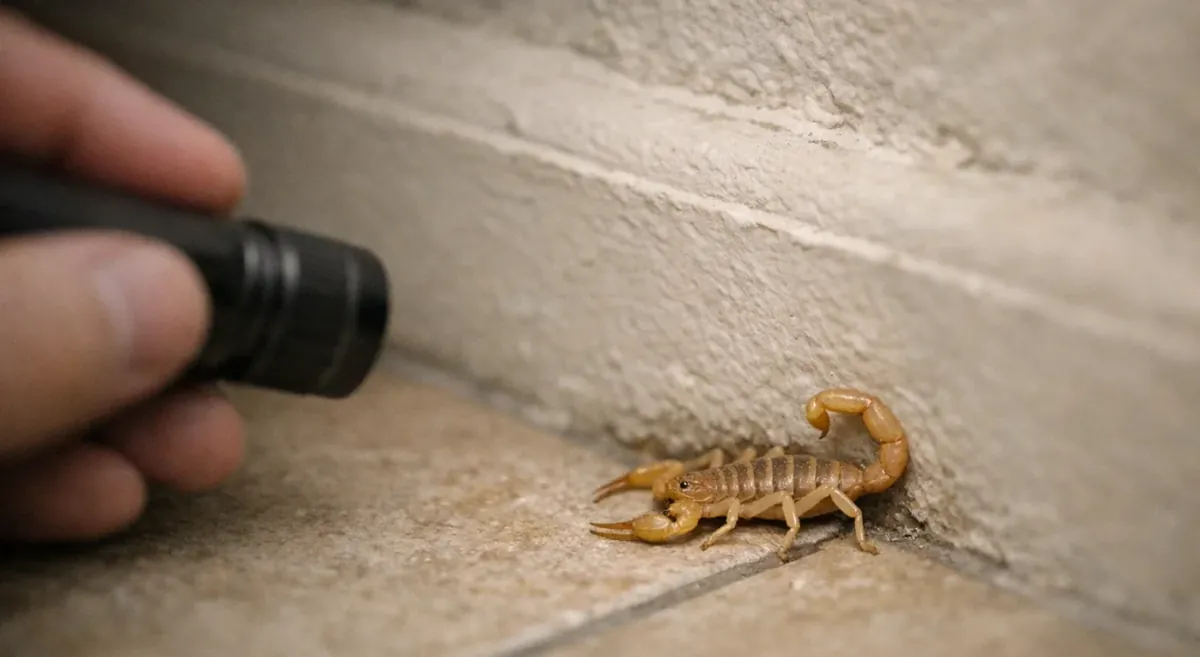
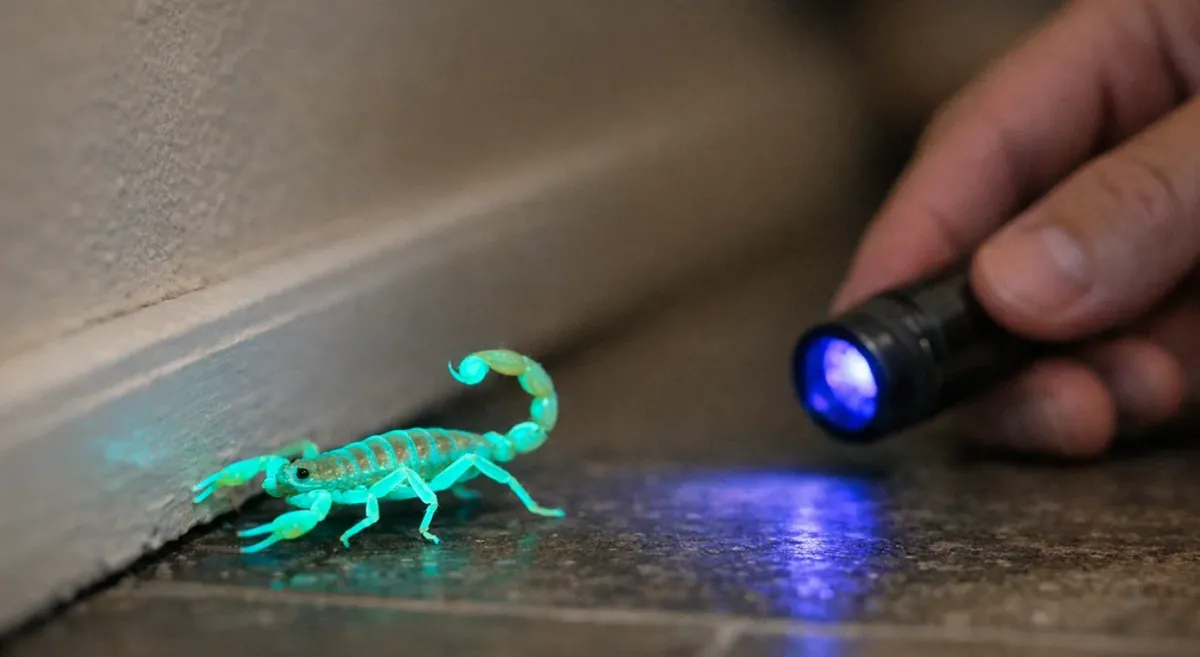
Use an “observe, illuminate, photograph, contain” approach: keep distance, wear closed-toe shoes, keep kids/pets away, and avoid bare-hand handling. A 365nm UV light can help confirm what you’re seeing because scorpions fluoresce, and a zoomed photo can capture key features without getting close. This step-by-step safe scorpion photo and capture guide also explains why to move slowly since scorpions can be quick and may climb certain surfaces.

What does it mean if I see two scorpions locked together—is that mating or fighting?

Scorpion courtship often looks like a sustained “handshake” where they clasp pincers and move together in short bursts, sometimes pivoting or circling as the male searches for the right surface. That coordinated movement is usually the classic promenade, not a fight—though things can turn risky during separation. This guide to scorpion mating dance steps breaks down what you’re seeing and why you shouldn’t try to break them up with bare hands.

Why are scorpions coming into my house all of a sudden?

Scorpions usually enter homes for the basics—food, water, and tight shelter—and because your home often has easier access than the yard. Since they tend to travel along edges and hug walls, the biggest risk areas are baseboards, thresholds, and clutter near room perimeters. This reasons scorpions enter your home guide also explains why sightings often happen at night (or not at all), so reducing attractants plus monitoring is the safest combo.

If I’m buying today, what’s the smartest 12-month scorpion plan and budget?

This section compares the real annual costs of common approaches—monthly pest control vs a focused DIY stack vs one-time professional sealing—and then turns it into a prioritized shopping plan. It breaks purchases into “tonight,” “this weekend,” and “this month,” so you reduce sightings fast without over-spraying indoors. It also explains how automated monitoring can replace nightly blacklight walks in 12-month scorpion control plan and budget.

How does a scorpion’s tail and stinger work, and what’s the safest way to handle an indoor sighting?

The “tail” is the metasoma (the flexible segments), while the stinger assembly is the telson, which includes the venom-holding vesicle and the sharp aculeus that injects. Scorpions can curl and aim that tail quickly when threatened, and venom use is something they can meter rather than “always dumping.” If you find one indoors, keep kids and pets away and use tools—not bare hands—to isolate it, as outlined in this tail and stinger safety guide.