
Base de conocimiento

Suroeste (regional)

Artículos sobre Suroeste (regional) en Scorpion Alert — guías prácticas, resultados reales y consejos de prevención para hogares y profesionales.

Artículos

Cada publicación etiquetada Suroeste (regional).
Cómo funciona Scorpion Alert

Encuéntralos antes de que te encuentren

Conecta tus detectores de alacranes en tu casa y recibe alertas al instante con la ubicación del alacrán.
  • Los detectores llegan listos para conectar
  • Las alertas en vivo llegan directo a tu teléfono o reloj, con ubicación
  • Avisa a varios miembros de la familia con una sola cuenta
  • Una sola cuota mensual de monitoreo — sin contrato, cancela cuando quieras
Obtén tus detectores de alacranes
Hogares reales, resultados reales

Por qué los dueños de casa confían en el sistema

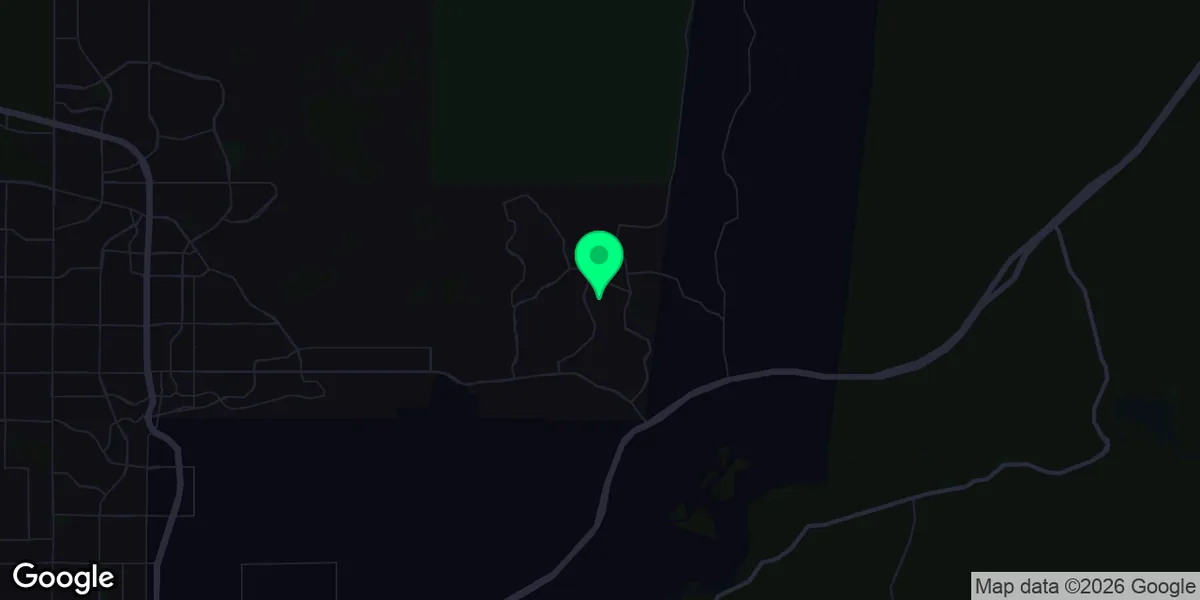
Map of Austin, TexasAustin, Texas
¡Recibimos 2 alertas en nuestra primera semana! Estas cosas de verdad funcionan, qué buena idea, súper fácil de usar. Mucho mejor que las trampas pegajosas, ¡muchas gracias!
Ajay [Traducido]
2 alacranes detectados
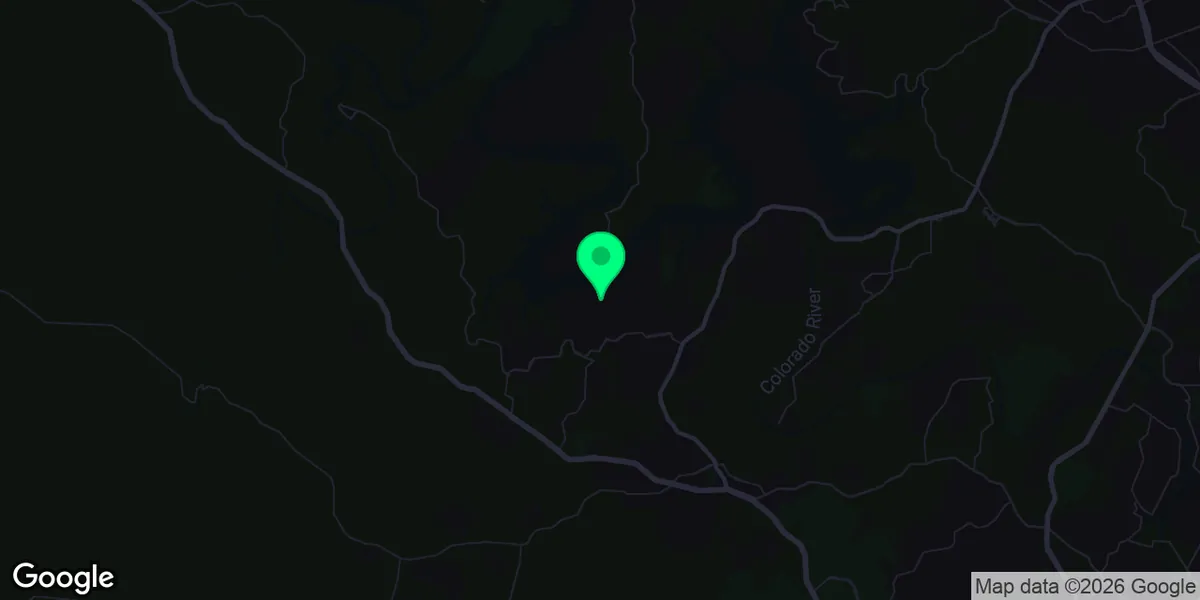
Map of Lakeway, TexasLakeway, Texas
Súper fácil de instalar. Solo conectamos los detectores de alacranes, los configuramos con mi teléfono, y ya. Me encanta el feed en vivo en mi teléfono que me dice que siempre están vigilando.
Paul and Cindy [Traducido]
7 alacranes detectados
Map of Fountain Hills, ArizonaFountain Hills, Arizona
La foto y la ubicación que vienen con la alerta ayudan muchísimo a saber hacia dónde va el alacrán. Por lo general no se ha alejado mucho para cuando llego.
Harrison [Traducido]
12 alacranes detectados
Preguntas comunes

¿Necesitas respuestas rápidas?

How do I use a scorpion identification chart at home without getting too close?

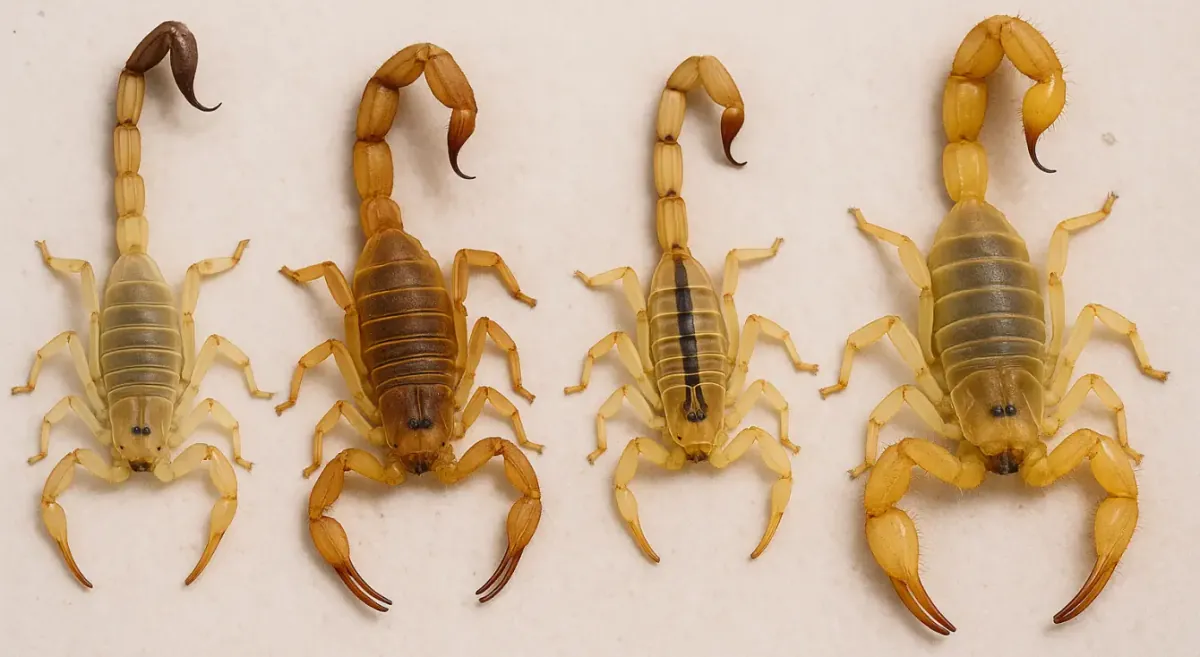
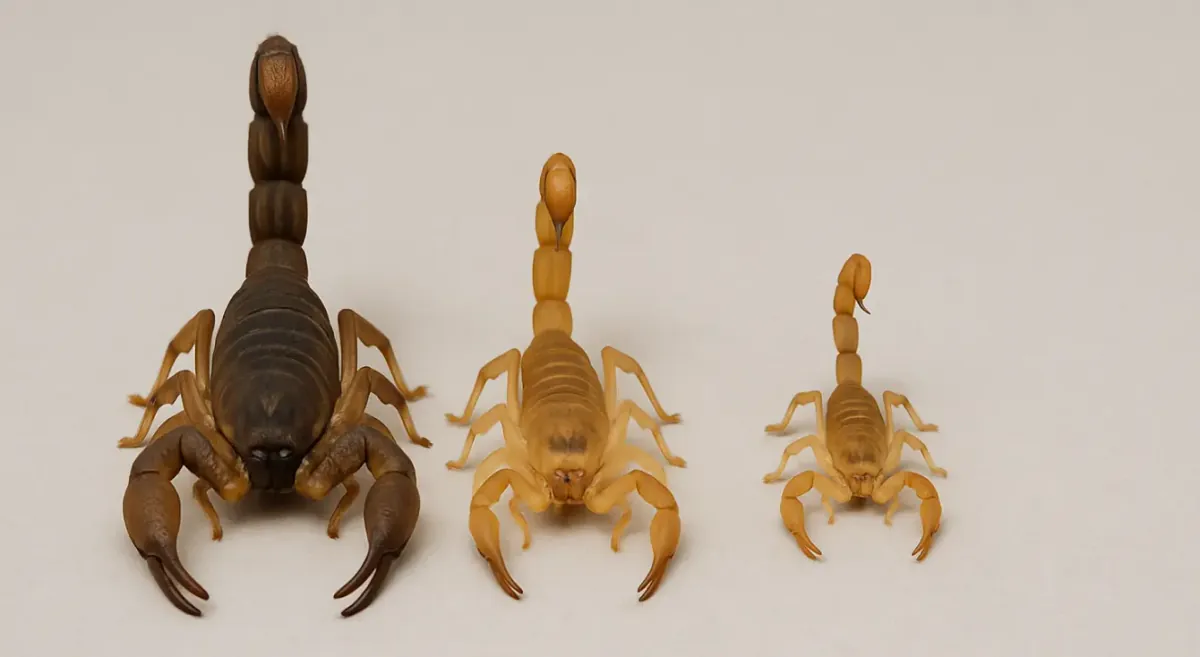
Start by observing from a safe distance, then take a quick photo and note a few traits (pincers, tail thickness, color/pattern, body shape, and where you found it). Climbing behavior can be a helpful clue, but it’s only one data point—focus on shape traits first and don’t rely on size since juveniles can fool you. This step-by-step process is exactly what the how to use a scorpion ID chart walkthrough is designed to make repeatable.

How can I confirm what kind of scorpion it is at night when I can’t see details?

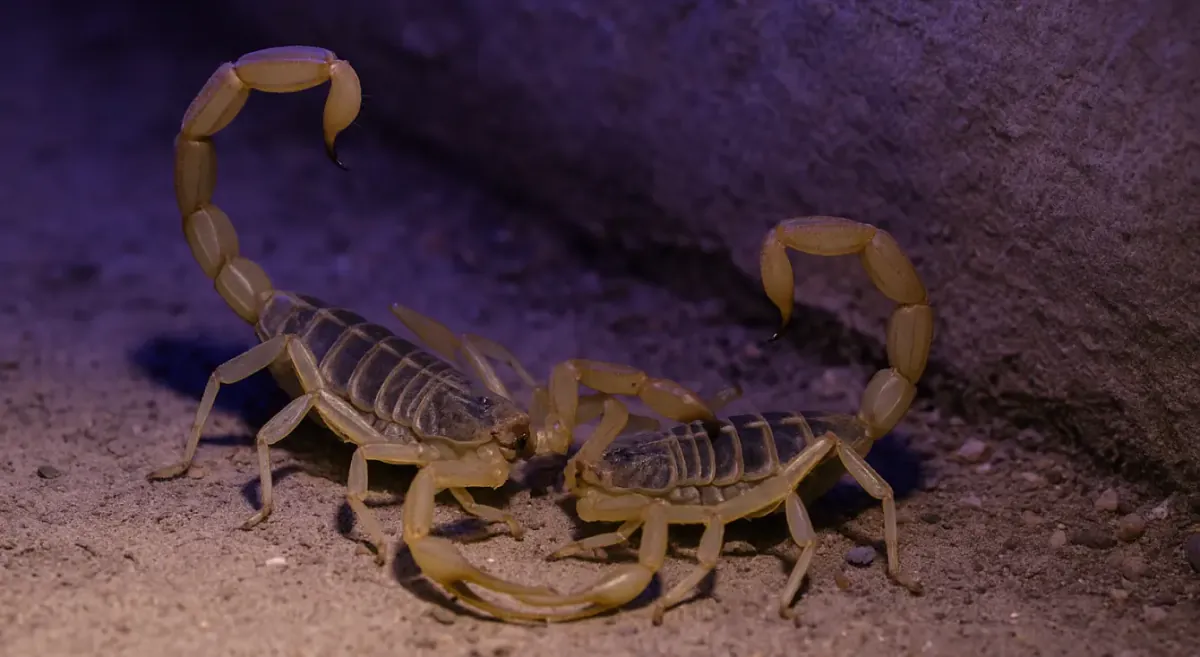
Use UV light to spot the scorpion’s glow first, then switch to normal light (or rely on zoom) to capture color and pattern details from a safe distance. The most useful images are a top-down view, a side profile showing pincers and tail, and a context shot showing where it was found. For hands-off evidence, the UV scorpion detection and photo tips section also explains how automated monitoring can capture timestamped photos while you sleep.

Once I’ve identified the scorpion, what should I do next?

Your next steps depend on how confident you are in the ID and whether it looks bark-scorpion-like (which usually raises urgency for bedrooms, kids’ areas, and pet-level spaces). If you’re unsure, assume it could be medically significant, avoid handling it, and focus on safe containment, documentation, and ongoing monitoring. The what to do after scorpion ID checklist lays out when to escalate—like repeated sightings, sightings in multiple rooms, or any sting in the home.

Why does seeing one scorpion in my house make me feel unsafe right away?

Feeling shaken after a scorpion sighting is a protective response, not you being “dramatic”—the threat is hard to predict and a sting is possible. Scorpions also tend to show up in vulnerable places (bedrooms, bathrooms, kids’ areas) and often at night, which makes the experience feel especially violating. This section explains the threat-response loop (scan → check → brief relief → scan again) and how to aim for right-sized vigilance with real safeguards in why scorpion sightings feel unsafe.

Why does my scorpion fear last for weeks and keep me from sleeping?

It’s common for a single sighting (or near-miss) to trigger weeks of hypervigilance—racing thoughts, repeated checking, and trouble relaxing—without that meaning anything is “wrong” with you. Because scorpions are most active when you’re trying to sleep, uncertainty can keep your nervous system stuck in high alert. This part breaks down what the nightly checking ritual looks like, why it’s exhausting, and how to spot when practical caution has turned into a spiral in scorpion anxiety and sleep disruption.

What actually helps me feel in control again instead of constantly scanning for scorpions?

Anxious brains calm down with reliable information and a repeatable plan—not endless manual checking—so the goal is to replace “checking” with consistent “monitoring.” This section explains how proof (photos, timestamps, and confidence levels) can turn dread into clear decisions, and what automated, room-by-room monitoring can look like in a real home. It also outlines a 7-day “control ladder” to reduce checking, improve sleep, and share responsibility across the household in how to feel in control again.

¿Tienes preguntas sobre la detección de alacranes?